
Tree frogs can make interesting pets and benefit gardens by controlling pests, but they require specialized care and can pose challenges for owners.
Table of Contents
Tree frogs are captivating creatures that can enhance both home environments and gardens. However, potential owners must understand their unique needs and the ecological implications before introducing these amphibians into their lives or landscapes.
Understanding Tree Frogs: Species and Habitat
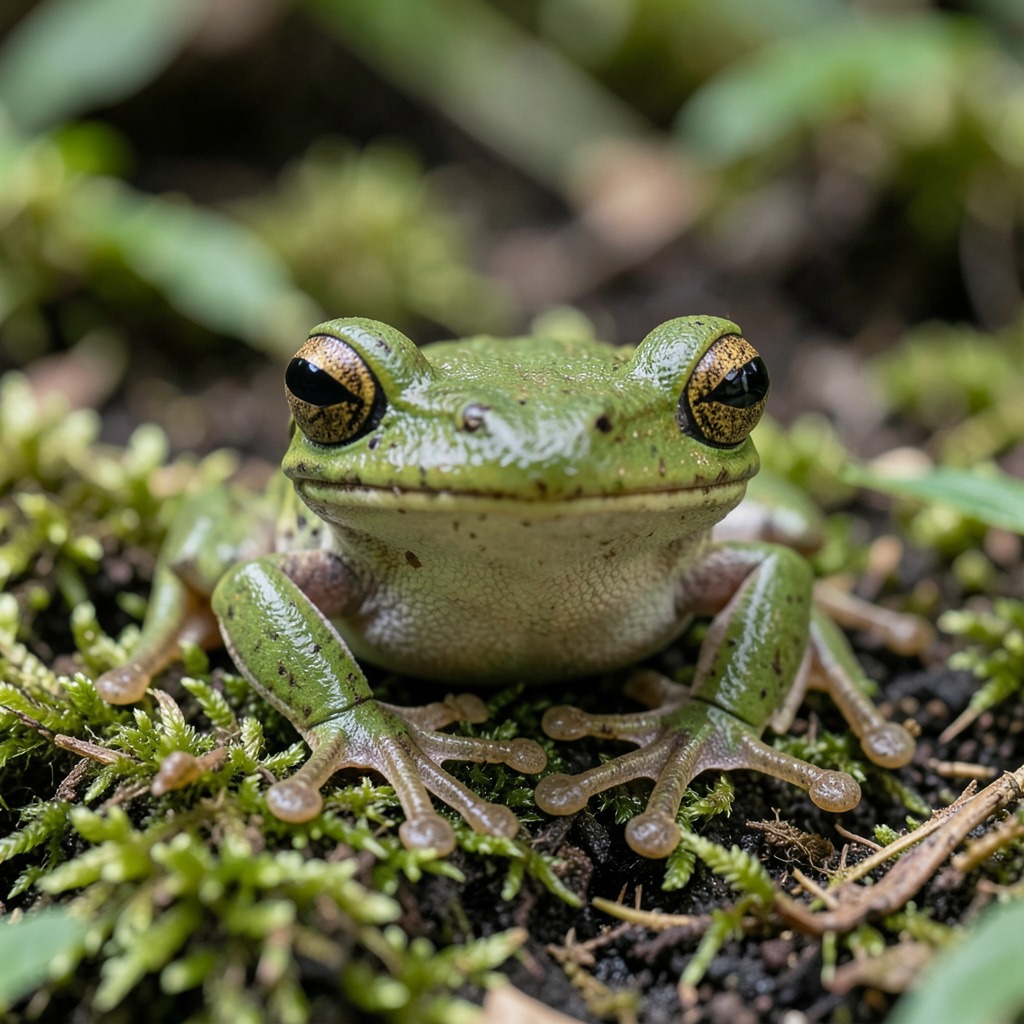
Tree frogs are diverse creatures that vary significantly in species, each with unique habitat needs. Understanding these species and their natural environments is crucial for potential pet owners, as it directly affects care requirements and overall suitability.
Common Species of Tree Frogs
Several species of tree frogs are popular among pet owners due to their manageable size and captivating appearances. Here are some common ones:
- American Green Tree Frog: Known for its vibrant green color, this species is easy to care for and thrives in a simple habitat setup.
- White’s Tree Frog: Also called the Dumpy Tree Frog, this species is known for its friendly demeanor and resilience to handling.
- Red-Eyed Tree Frog: Famous for its striking red eyes and bright coloration, this species requires more specific humidity and temperature conditions.
Each of these species brings its unique charm and challenges, making it essential to research their specific needs before deciding.
Natural Habitats and Their Importance
Tree frogs inhabit various ecosystems, primarily tropical and subtropical regions. Their natural habitats include:
- Rainforests: Rich in biodiversity, these areas provide essential moisture and food sources.
- Swamps and Marshes: These environments offer ample hiding spots and water sources for breeding.
- Gardens and Backyards: Some species adapt well to suburban environments, helping to control insect populations.
Understanding the natural habitat of tree frogs is critical. A suitable environment mimics these conditions, ensuring the frog’s health and well-being. For instance, maintaining humidity levels between 60% and 80% is vital, as tree frogs are sensitive to dry conditions.
When setting up a habitat, consider using an appropriate terrarium, such as the Exo Terra Glass Terrarium 36x18x18 inches. This size allows for climbing structures, hiding spots, and a small water area, which are essential for tree frog happiness.
By selecting the right species and providing an environment that simulates their natural habitat, prospective owners can ensure their tree frogs thrive as pets.
Pros of Keeping Tree Frogs as Pets
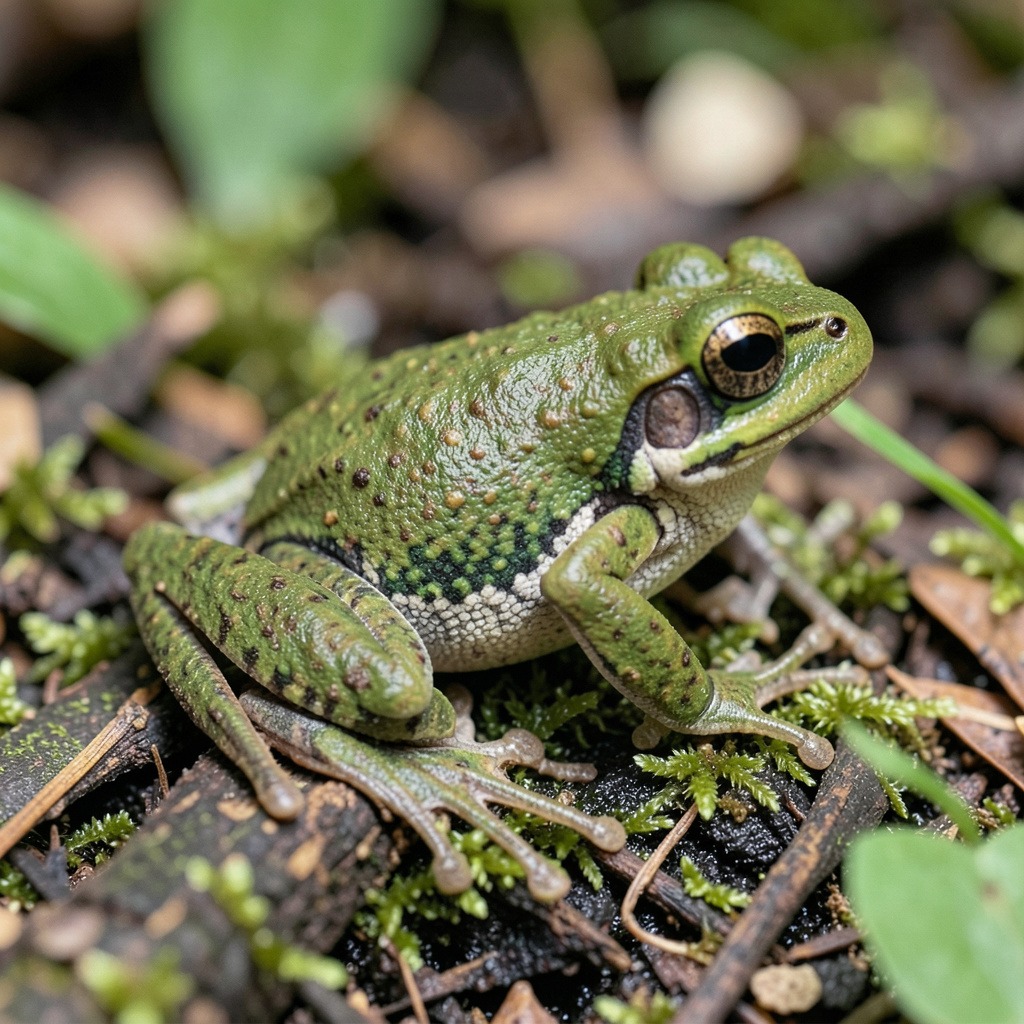
Tree frogs offer numerous advantages as pets, making them appealing to both novice and experienced pet owners. Their unique characteristics and low-maintenance care requirements enhance the overall pet ownership experience.
Low Maintenance Requirements
Tree frogs are relatively easy to care for compared to traditional pets. They do not require daily walks or frequent grooming. Key maintenance tasks include:
- Habitat Setup: A well-maintained terrarium provides an ideal environment.
- Feeding: They eat insects, which can be sourced easily.
- Water Needs: Regular misting keeps humidity levels optimal.
Once their habitat is established, tree frogs need minimal daily interaction. This independence makes them suitable for busy lifestyles.
Aesthetic and Educational Value
Tree frogs come in a variety of vibrant colors, making them visually appealing. Their unique appearances can enhance any living space. Beyond aesthetics, they also offer valuable educational opportunities:
- Observation: Watching their behaviors, such as climbing and hunting, can be intriguing.
- Learning: They serve as excellent subjects for biology and ecology lessons, sparking interest in amphibian conservation.
For example, a child might observe how a tree frog uses its sticky pads to climb, fostering a deeper understanding of animal adaptations.
Unique Behavior and Interaction
Tree frogs exhibit fascinating behaviors that can enrich the pet ownership experience. Owners often enjoy:
- Interactive Feeding: Watching a frog catch its food can be a captivating sight.
- Vocalizations: Many species are known for their distinctive calls, adding a unique auditory element to their care.
Real-life scenarios showcase the joy of owning tree frogs. For instance, a family might spend an evening watching their tree frog leap and explore its habitat, turning a simple pet-keeping task into a fun family activity.
By choosing to keep tree frogs, pet owners engage with these unique creatures and contribute to a greater understanding of their ecological role.
Cons of Keeping Tree Frogs as Pets
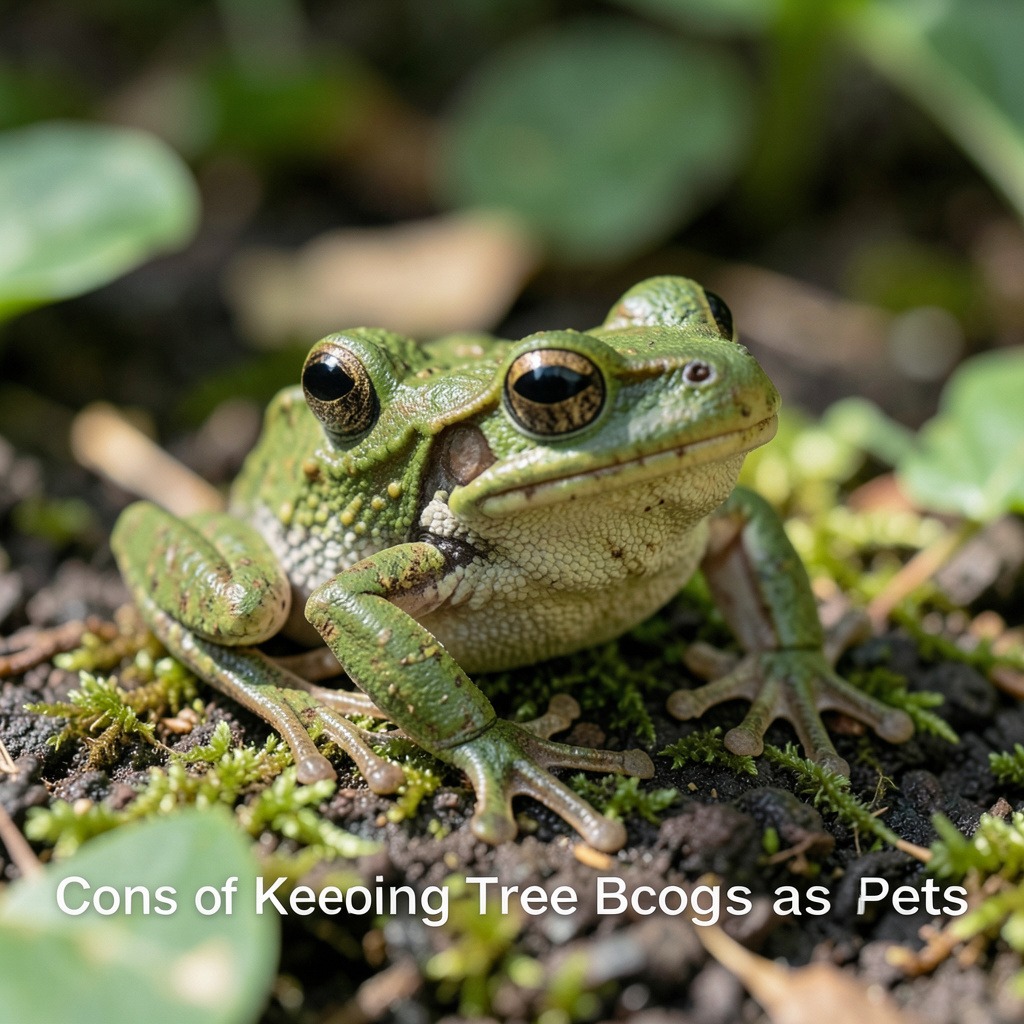
While tree frogs can be captivating pets, they come with specific challenges. Understanding these drawbacks is essential for prospective owners to make informed decisions.
Specialized Care Requirements
Tree frogs require a carefully controlled habitat. This includes:
- Temperature: Maintaining a stable temperature is crucial. Most tree frogs thrive in environments between 70°F and 80°F.
- Humidity: Tree frogs are sensitive to humidity levels. A range of 50-70% is often ideal, necessitating regular misting or a humidity gauge.
- Diet: Many tree frogs require live food, such as crickets or mealworms. This can be inconvenient for some owners.
The need for specialized equipment, such as a high-quality terrarium, is another consideration. A recommended option is the Exo Terra Glass Terrarium 36x18x18 inches, which provides ample space and ventilation.
Environmental Sensitivity
Tree frogs are highly sensitive to changes in their environment. Small fluctuations in temperature or humidity can lead to stress or health issues. For example, if the humidity drops too low, a frog may experience skin problems, which can lead to serious health concerns.
Owners must monitor their habitat closely. Regular adjustments to lighting and water quality are essential. This commitment requires time and effort, which not all potential owners may be prepared for.
Limited Interaction and Bonding
Unlike dogs or cats, tree frogs do not form bonds with their owners. They are solitary creatures that primarily seek out their environment for survival. Your interactions with them will mainly involve feeding and habitat maintenance.
This limited interaction may not satisfy individuals seeking a more interactive pet experience. For those who enjoy companionship, a tree frog may not be the ideal choice.
Decision Framework for Prospective Owners
To assess your readiness for tree frog ownership, consider the following questions:
1. Can you commit time to monitor and maintain a stable habitat?
2. Are you comfortable handling live food for their diet?
3. Do you understand their specific care requirements?
4. Are you prepared for limited interaction and companionship?
Using this framework can help clarify whether keeping a tree frog aligns with your lifestyle and expectations.
The Ecological Role of Tree Frogs
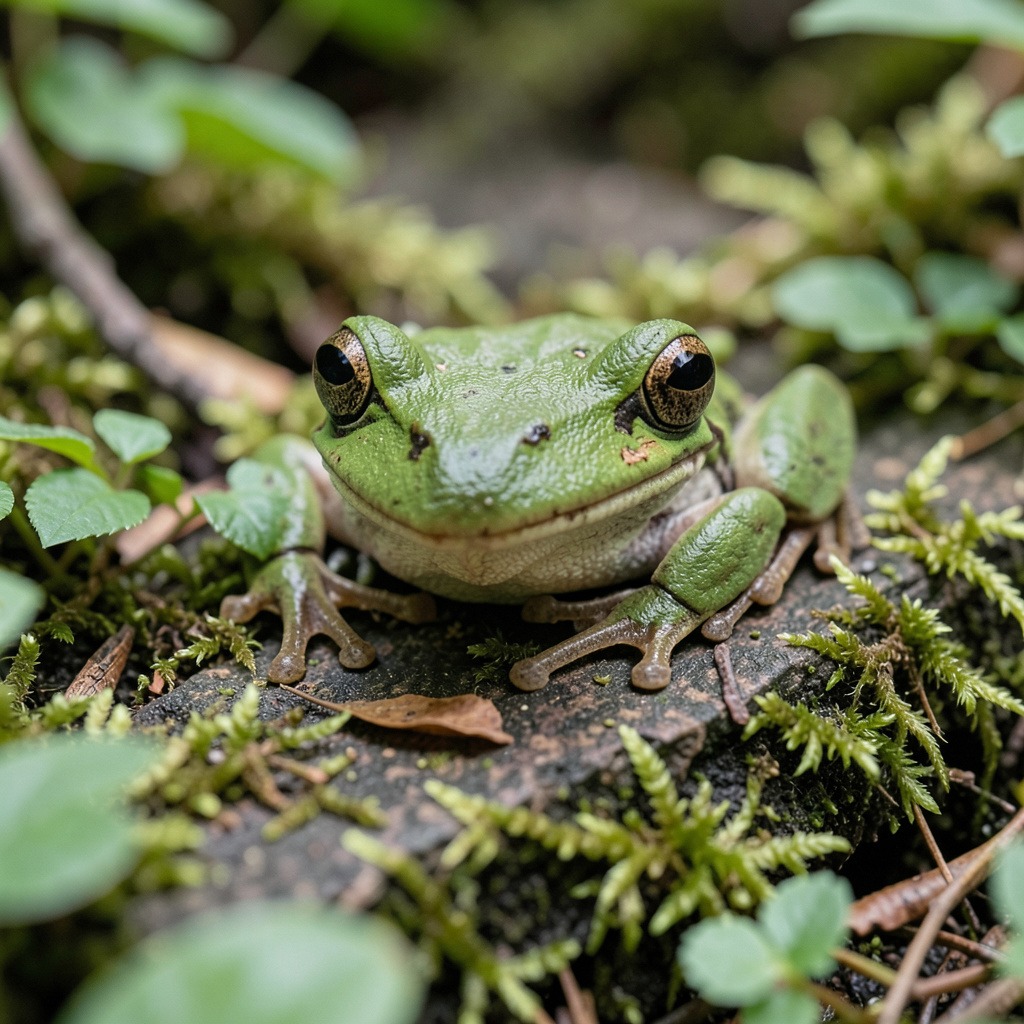
Tree frogs play a vital role in their ecosystems. They contribute to pest control, serve as bio-indicators, and support overall ecological health. Understanding these benefits can help potential owners appreciate their impact beyond being mere pets.
Pest Control Benefits
Tree frogs are natural predators of various insects. Their diet often includes mosquitoes, flies, and beetles. By controlling these populations, they reduce the need for chemical pesticides in gardens and agricultural settings.
- Example Scenario: In a garden with tree frogs, homeowners often notice fewer mosquito bites during outdoor activities.
- Actionable Insight: Encouraging tree frogs can be a sustainable method for managing garden pests.
Tree Frogs as Bio-Indicators
Tree frogs are sensitive to environmental changes. Their presence or absence often indicates the health of an ecosystem. Monitoring tree frog populations can provide insights into habitat quality and environmental stressors.
- Comparison Insight: Unlike some insects, tree frogs are more affected by pollutants and habitat destruction. Their decline can signal serious ecological issues.
- Checklist for Observation:
- Are tree frogs present in your garden?
- Do you notice a decrease in their numbers over time?
- Are there signs of pollution near their habitat?
Conservation Importance
The conservation of tree frogs is crucial for maintaining biodiversity. Protecting their habitats ensures a balanced ecosystem, which benefits other species as well.
- Case Study: Research shows that ecosystems with diverse amphibian populations, including tree frogs, are more resilient to environmental changes.
- Decision Rule for Owners: When considering a tree frog as a pet, think about the larger impact. Supporting local conservation efforts can enhance habitat protection for these essential creatures.
By recognizing the ecological advantages of tree frogs, prospective owners can make more informed decisions about their care and the broader environmental implications.
Tips for Creating a Suitable Habitat for Tree Frogs
Setting up an appropriate habitat is crucial for the health and well-being of tree frogs. A well-designed environment mimics their natural habitat, providing the right temperature, humidity, and space for them to thrive.
Essential Habitat Features
To create a suitable habitat for tree frogs, consider the following essential features:
- Tank Size: A minimum of a 10-gallon tank is recommended for most tree frog species.
- Substrate: Use coconut fiber, sphagnum moss, or bark to cover the bottom. This provides a natural ground cover and aids in moisture retention.
- Climbing Structures: Include branches, driftwood, or plants for climbing. Tree frogs are arboreal and require vertical space.
- Water Source: Incorporate a shallow water dish or a small pool for soaking. Ensure it is shallow enough for them to sit without drowning.
- Lighting: Provide fluorescent lighting for 10 to 12 hours daily to simulate natural light cycles. This supports their metabolic functions.
Maintaining Optimal Conditions
Maintaining the right conditions is essential for tree frog health. Here are key factors to monitor:
- Temperature: Keep the habitat between 74°F and 86°F during the day. Night temperatures should not drop below 68°F.
- Humidity: Maintain humidity levels between 60% and 80%. Use a hygrometer to monitor moisture levels accurately.
- Cleaning Routine: Clean the habitat every 1-2 weeks to prevent bacterial growth. Use non-toxic cleaning agents and replace substrate as necessary.
Common Mistakes to Avoid
Many new tree frog owners make avoidable mistakes. Here are some common pitfalls:
- Overcrowding: Avoid placing too many frogs in one tank. Each frog needs sufficient space to thrive.
- Ignoring Temperature and Humidity: Failing to monitor these levels can lead to health issues. Regularly check and adjust as needed.
- Improper Diet: Feeding inappropriate insects can harm your frog. Use live insects suitable for their species, such as crickets or mealworms.
Checklist for Tree Frog Habitat Setup
- [ ] 10-gallon tank or larger
- [ ] Coconut fiber or sphagnum moss substrate
- [ ] Climbing structures (branches, driftwood)
- [ ] Shallow water dish or soaking area
- [ ] Fluorescent lighting kit
- [ ] Hygrometer for humidity levels
- [ ] Thermometer for temperature monitoring
By following these guidelines, you can create a thriving environment for your tree frog. This not only enhances their quality of life but also enriches your experience as a pet owner.
Common Health Issues in Tree Frogs
Tree frogs, like all pets, can face health issues that require vigilant care. Understanding these concerns is essential for potential owners. By recognizing signs of illness early and implementing preventative care strategies, you can ensure your tree frog thrives.
Signs of Illness
Monitoring your tree frog’s health is crucial. Here are common signs that indicate a potential health issue:
- Loss of Appetite: A decrease in feeding can signal distress.
- Lethargy: Reduced activity levels may suggest illness.
- Skin Lesions: Any visible spots or sores are concerning.
- Bloated Abdomen: This may indicate internal problems.
- Distressed Breathing: Labored breathing requires immediate attention.
- Weak Limbs: Difficulty in movement is a red flag.
Preventative Care Strategies
Proactive care can help prevent health issues. Implement these strategies to maintain your tree frog’s health:
- Maintain Clean Habitat: Regularly clean the tank using non-toxic agents. Ensure proper humidity and temperature levels.
- Proper Diet: Feed only species-appropriate insects from reliable sources. Avoid wild-caught insects to prevent parasite exposure.
- Limit Handling: Minimize physical contact to reduce stress and oil transfer from skin.
- Regular Health Checks: Observe your frog frequently for any changes in behavior or appearance.
When to Seek Veterinary Help
If you notice any signs of illness, consult a veterinarian experienced with amphibians. Waiting too long can worsen the condition. Here are guidelines for when to seek help:
- Persistent Symptoms: If symptoms last more than a day, seek advice.
- Severe Signs: Immediate veterinary care is necessary for bloating, difficulty breathing, or severe lethargy.
- Behavioral Changes: Sudden changes in activity levels or feeding habits should prompt a veterinary visit.
By adhering to these guidelines and being observant, you can help ensure the long-term health of your tree frog as a pet.
Frequently Asked Questions
These quick answers cover the most common questions about this topic, including key details, practical tips, and common concerns.
Is it good to have tree frogs in your yard?
Yes, having tree frogs in your yard can be beneficial. They are natural pest controllers, feeding on insects like mosquitoes and flies. This can help reduce the need for chemical pesticides in your garden. Additionally, their presence can indicate a healthy ecosystem, as tree frogs are sensitive to environmental changes.
To encourage tree frogs in your yard, create a frog-friendly garden with plenty of moisture, hiding spots, and native plants. A small pond or water feature can also attract them.
What does it mean if a tree frog visits you?
In many cultures, a tree frog visiting you is considered a sign of good luck or a positive change. They are often seen as symbols of transformation and adaptability due to their life cycle and ability to thrive in various environments.
In a more practical sense, a tree frog in your garden indicates a healthy ecosystem, as they thrive in environments with clean water and abundant food sources.
Is a tree frog a good pet?
Tree frogs can be good pets for those who understand their care requirements. They are relatively low-maintenance compared to traditional pets, requiring less daily interaction. However, they need a carefully controlled habitat with specific humidity and temperature levels.
If you’re looking for a unique pet that offers educational opportunities and fascinating behaviors, a tree frog might be a great choice. Just be prepared for their limited interaction and the need for specialized care.
Is it okay to pick up a tree frog?
While it is generally safe to pick up a tree frog, it should be done with care. Frogs have sensitive skin that can absorb oils and chemicals from your hands, which may harm them. Always wash your hands before and after handling them to minimize any risks.
If you need to move a tree frog, gently scoop it up with both hands, ensuring you support its body. Avoid holding them for long periods, as they prefer to stay in their environment.
Pixie Frog or White Tree Frog?
Choosing between a Pixie Frog and a White Tree Frog depends on your preferences and experience level. Pixie Frogs are larger and require more space and specific care, while White Tree Frogs are smaller, friendly, and easier to handle, making them suitable for beginners.
Both species have unique characteristics. Pixie Frogs are known for their robust size and require a diet primarily of insects, while White Tree Frogs are more adaptable to captivity and can be more interactive.
What are the pros and cons of a White Tree Frog?
Pros: White Tree Frogs are friendly, resilient, and easier to care for than many other species. They adapt well to captivity, making them ideal for beginners. Their vibrant appearance adds aesthetic value to any habitat.
Cons: They still require specific humidity and temperature conditions. Additionally, they may not bond with owners as pets like dogs or cats do, which can be a downside for those seeking companionship.
What are the best tree frog species for beginners?
For beginners, the best tree frog species include the White Tree Frog and the American Green Tree Frog. These species are known for their hardiness and manageable care requirements. They are also more forgiving of minor mistakes in housing and diet, making them ideal for new pet owners.
Both species are visually appealing and offer educational opportunities, allowing owners to observe their unique behaviors and habits.
How can I attract tree frogs to my garden?
To attract tree frogs to your garden, create a suitable habitat. Incorporate native plants, a small pond or water feature, and plenty of hiding spots like rocks, logs, and dense vegetation.
Maintaining moisture is crucial, so consider regular misting or using a drip system. Avoid using chemical pesticides, as these can harm tree frogs and their food sources. Creating a welcoming environment will encourage tree frogs to visit and thrive in your garden.