
Tree removal can enhance safety and aesthetics but may have ecological impacts and costs.
Table of Contents
Removing a tree can be a significant decision for property owners, impacting safety, aesthetics, and the environment. This guide delves into the pros and cons of tree removal, helping you navigate the complexities of this important choice.
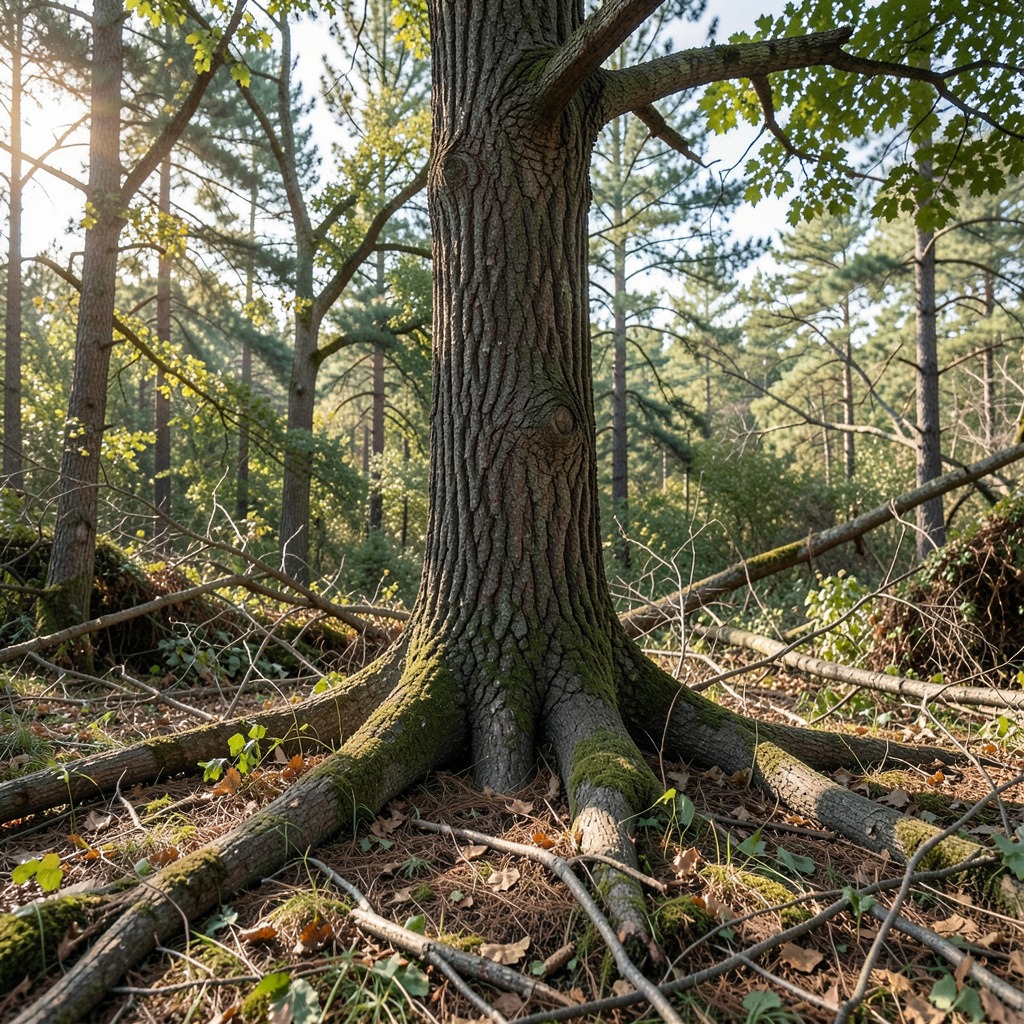
Understanding Tree Removal: Definition and Importance
Tree removal refers to the process of cutting down and eliminating a tree from a specific location. This action can be critical for maintaining safety, enhancing aesthetics, and managing landscapes effectively.
What is Tree Removal?
Tree removal involves not just the act of cutting down a tree but also includes the safe disposal of its trunk, branches, and roots. Proper techniques ensure minimal impact on surrounding areas. Here are reasons why tree removal may be necessary:
- Safety Concerns: Trees that are dead or diseased pose risks, such as falling branches or complete toppling during storms.
- Property Damage: Roots may encroach on foundations, driveways, or underground utilities, leading to costly repairs.
- Aesthetic Improvements: Removing an overgrown or unsightly tree can enhance the visual appeal of your property.
- Health of Surrounding Trees: Some trees may harbor pests or diseases that can spread to healthier trees, necessitating removal.
When is Tree Removal Necessary?
Identifying when tree removal is essential can be challenging. Consider the following scenarios:
- Severe Disease: A tree diagnosed with a terminal illness should be removed to prevent spread to other plants.
- Structural Damage: If a tree is leaning dangerously or has extensive root damage, removal may be the safest option.
- Obstruction: Trees obstructing views or sunlight can hinder the enjoyment of outdoor spaces and may require removal.
To aid in decision-making, utilize this simple checklist:
- Is the tree dead or dying?
- Are there visible signs of disease or pest infestation?
- Is the tree causing damage to structures or landscapes?
- Does the tree obstruct essential views or sunlight?
Implications for Property Owners
Tree removal carries several implications that homeowners must understand. These include:
- Cost Considerations: Removal costs vary based on the tree’s size and location. Additional fees may apply for stump grinding and debris removal.
- Legal Regulations: Many areas require permits for tree removal, especially for protected species. Non-compliance can lead to fines and legal issues.
- Impact on Property Value: Well-maintained landscapes can enhance property value, while poorly managed trees may detract from it.
By considering these factors, property owners can make informed decisions about tree removal, balancing safety, aesthetic value, and regulatory compliance.
Pros of Tree Removal: Enhancing Safety and Aesthetics
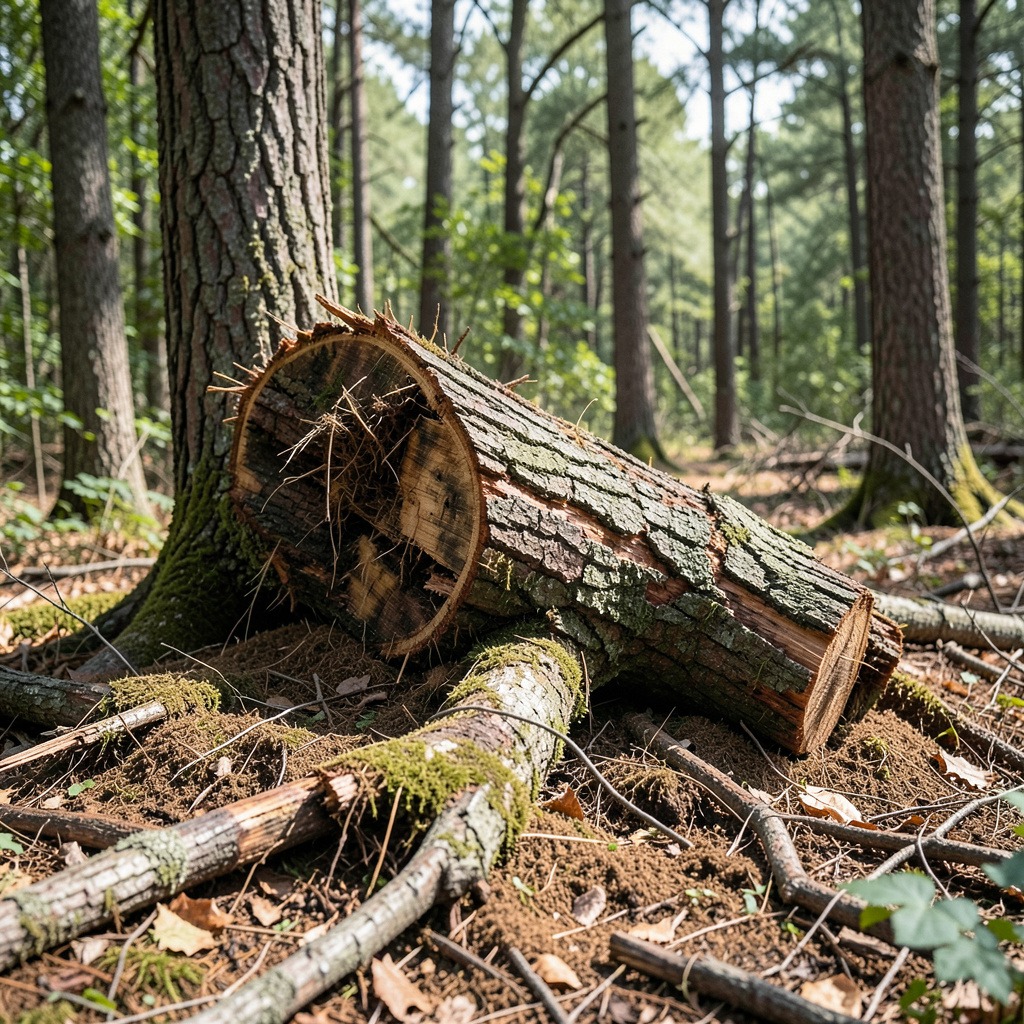
Tree removal offers significant benefits, particularly in terms of safety, aesthetic enhancements, and increasing property value. Homeowners considering this option should understand these positive aspects.
Improving Safety: Reducing Hazards
Removing hazardous trees enhances safety for both property and individuals. Trees that are dead, diseased, or structurally compromised pose risks, especially during storms. By removing them, homeowners can prevent potential injuries from falling branches or entire trees.
- Proactive Risk Management: Identify and remove trees with visible signs of decay or instability.
- Wildfire Mitigation: In fire-prone areas, tree removal can create defensible space, significantly lowering fire risks.
Aesthetic Value: Enhancing Property Appeal
Well-executed tree removal can greatly enhance the visual appeal of a property. By selectively removing trees, homeowners can improve sightlines and increase sunlight exposure to gardens and living areas.
- Improved Views: Removing obstructive trees can reveal beautiful vistas and create more inviting outdoor spaces.
- Landscaping Opportunities: The cleared space allows for new landscaping projects, which can further beautify the property.
Increasing Property Value: Marketability Insights
Tree removal can positively impact property value. Studies indicate that properties with well-maintained landscapes, including the strategic removal of problematic trees, tend to fetch higher market prices.
- Statistical Insight: Homes with improved curb appeal can see a property value increase of up to 20%.
- Real-World Example: A property that removed overcrowded trees saw a 15% increase in appraised value. This demonstrates the potential financial benefits of thoughtful tree management.
By prioritizing safety and aesthetics through tree removal, homeowners can enhance both the functionality and marketability of their properties.
Cons of Tree Removal: Environmental and Economic Considerations
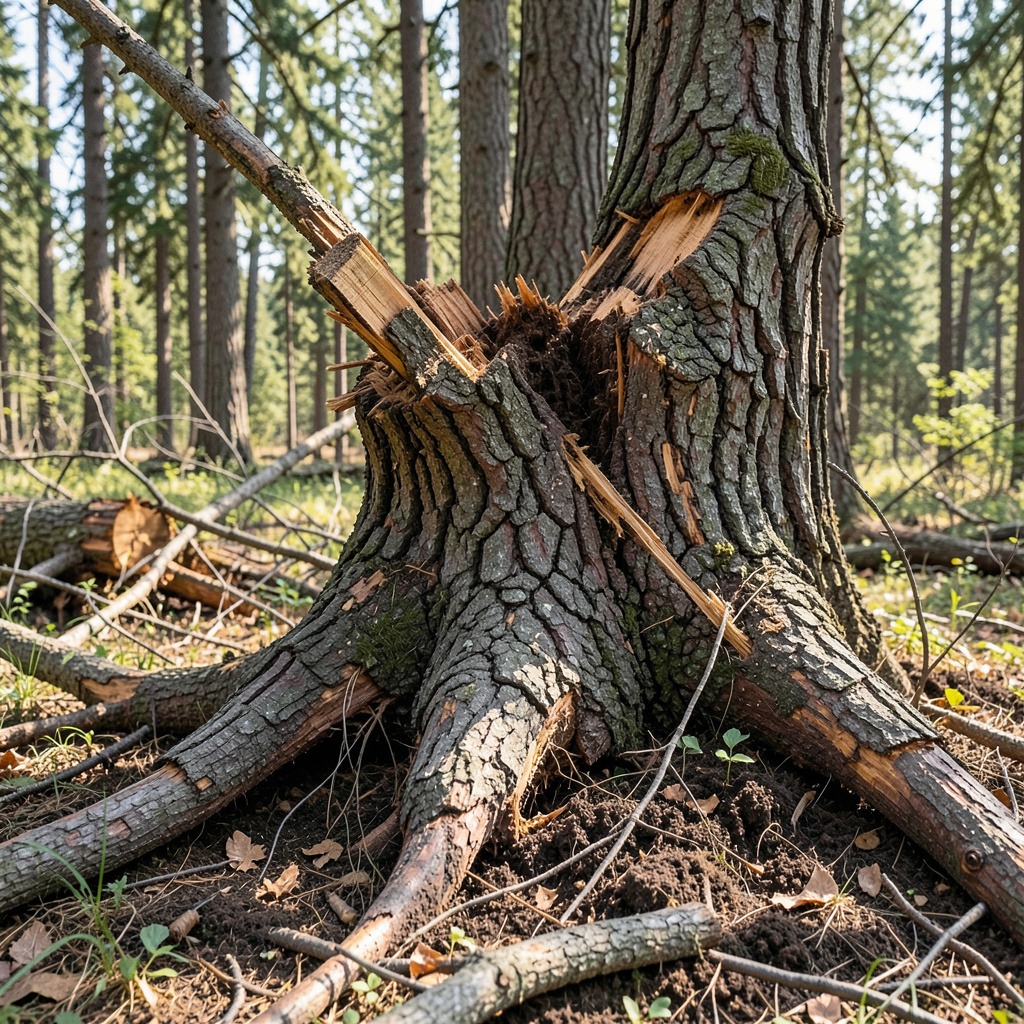
Tree removal carries significant drawbacks, particularly in terms of environmental impact and financial implications. Homeowners must carefully evaluate these factors before proceeding.
Environmental Impact: Habitat Loss and Air Quality
Removing trees can disrupt local ecosystems. Trees play a vital role in:
- Habitat Provision: They offer shelter and food for wildlife. Removing a tree can displace birds, insects, and other species.
- Air Quality Improvement: Trees absorb carbon dioxide and release oxygen. Their removal can lead to increased air pollution levels.
For instance, a study in urban areas found that the removal of mature trees can increase local temperatures and reduce shade, exacerbating heat island effects.
Cost Considerations: Understanding Financial Implications
The financial burden of tree removal can extend beyond the initial cost. Key aspects include:
- Direct Costs: Tree removal services, stump grinding, and debris disposal can be expensive, often ranging from hundreds to thousands of dollars depending on tree size and location.
- Potential Additional Costs: Improper removal can cause damage to surrounding property, leading to further expenses in repairs or landscaping. For example, a homeowner might face costs associated with repairing damaged fences or landscaping.
When assessing costs, consider a decision-making framework:
1. Get Multiple Estimates: Compare quotes from different tree removal services.
2. Assess Tree Condition: Determine if alternative solutions, like pruning or treatment, might be more cost-effective.
3. Consider Long-term Impacts: Evaluate how tree removal might affect your property value and ongoing maintenance costs.
Potential Long-term Effects on Property Values
While tree removal may enhance immediate aesthetics, it can negatively impact long-term property values. Factors to consider include:
- Shade Loss: Trees provide shade, which can reduce cooling costs in hotter months. The loss of shade can lead to increased energy bills.
- Aesthetic Appeal: A landscape without trees may appear less inviting, affecting buyer interest. Properties with well-kept trees often sell faster and at higher prices.
For example, a property that removed several large trees experienced a 10% decrease in market value after failing to consider the aesthetic and environmental benefits those trees provided.
Homeowners must weigh these consequences against the perceived benefits of tree removal.
When to Consider Tree Removal: Signs and Timing
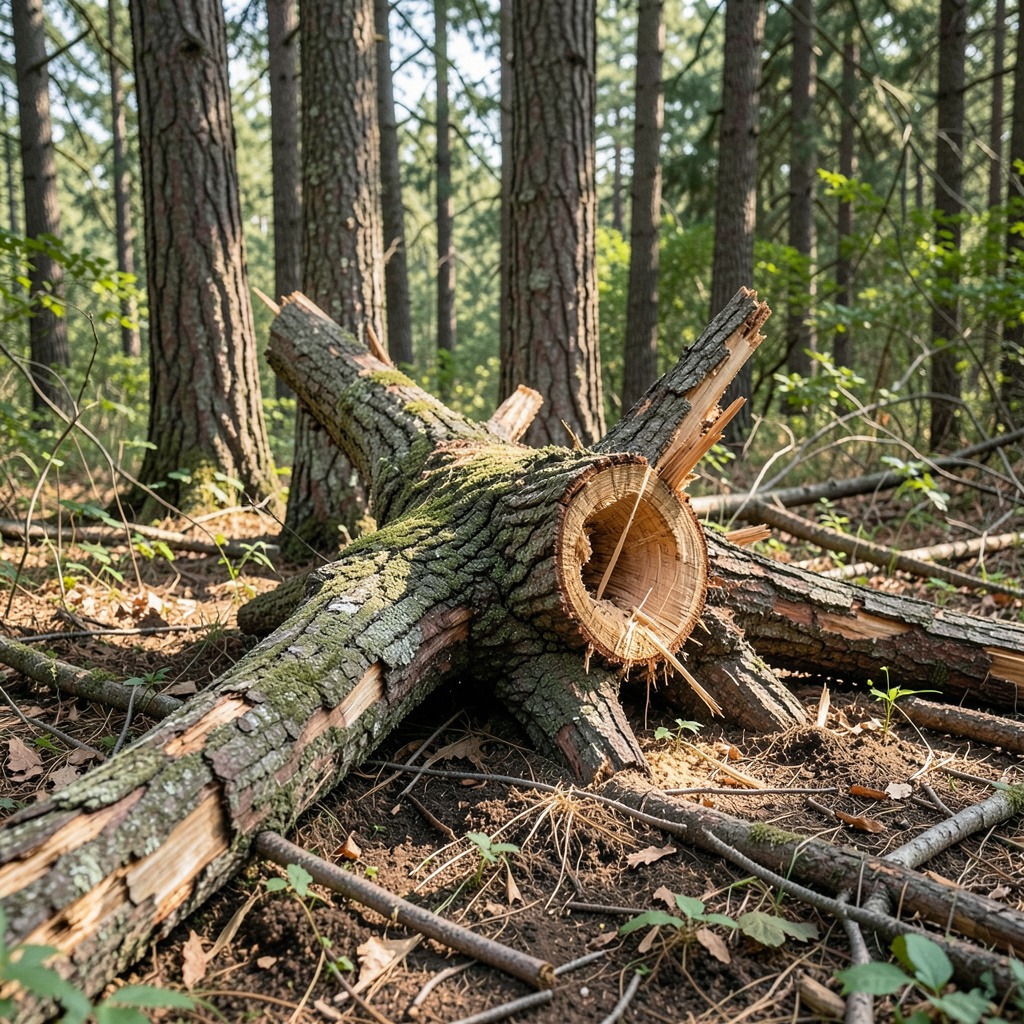
Deciding when to remove a tree involves careful evaluation of its health and safety risks. Homeowners should be aware of specific signs indicating a tree’s need for removal, as well as the optimal timing for such actions.
Signs of a Diseased or Hazardous Tree
Recognizing the signs of a problematic tree is crucial. Here are key indicators that suggest a tree should be removed:
- Dead or Dying Branches: If over 50% of the branches are dead, removal is often necessary.
- Visible Decay: Fungal growth, hollow trunks, or soft wood are signs of decay.
- Cracks in the Trunk: Large cracks can indicate structural weaknesses.
- Root Damage: Uprooted trees or exposed roots may signal instability.
- Pest Infestation: Insects or disease can weaken a tree’s health significantly.
- Proximity to Structures: Trees too close to homes or electrical lines pose safety hazards.
Best Times for Tree Removal
Timing can significantly impact the success and safety of tree removal. Consider these optimal periods:
- Late Fall to Winter: Trees are dormant, minimizing stress and potential damage to surrounding plants.
- Dry Weather: Avoid removal during wet conditions to reduce soil disturbance and prevent further root damage.
- Before New Growth: Removing a tree before spring growth allows for easier handling and reduces the risk of pest attraction.
Consulting Professionals: When to Seek Help
Engaging with professional arborists is essential in assessing tree health. They can provide expert evaluations and recommendations. Here are scenarios when consulting a professional is particularly beneficial:
- Uncertainty About Tree Health: If you’re unsure about the condition of a tree, an expert can conduct a thorough assessment.
- Complex Situations: Trees near power lines or structures require specialized knowledge for safe removal.
- Legal Regulations: Professionals are familiar with local laws and can help navigate permits and compliance issues.
By recognizing these signs and choosing the right timing, homeowners can make informed decisions about tree removal, balancing safety concerns with the aesthetic and environmental value of their landscape.
Alternatives to Tree Removal: Options for Preservation
Before deciding on tree removal, consider several alternatives that can preserve the tree while maintaining the health of your landscape. These methods can enhance both safety and aesthetics without the need for complete removal.
Pruning and Maintenance: Keeping Trees Healthy
Pruning is a vital practice for tree health. It involves the selective removal of branches to improve tree structure and promote growth. Regular pruning can:
- Remove dead or diseased limbs, enhancing safety.
- Improve air circulation and sunlight penetration, fostering better growth.
- Maintain the aesthetic appeal of the tree and surrounding landscape.
For example, a homeowner with an overgrown oak tree may choose to prune it rather than remove it. This process not only keeps the tree healthy but also enhances the overall look of the property.
Cabling and Bracing: Supporting Trees
Cabling and bracing offer support to weakened trees. This technique involves installing cables or braces to stabilize branches or trunks. It is particularly useful for trees with structural issues.
- Benefits:
- Reduces the risk of falling branches.
- Extends the life of the tree.
- Maintains the tree’s ecological contributions.
Consider a tree that leans significantly due to wind damage. By cabling it, homeowners can prolong its life and retain the shade and beauty it provides.
Tree Relocation: A Viable Option?
In some cases, relocating a tree can be a favorable alternative to removal. This process involves transplanting the tree to a different location where it can thrive.
- When to Consider Relocation:
- If the tree is in a hazardous position.
- When construction or landscaping changes necessitate its movement.
For instance, a tree obstructing a new driveway can be relocated to a more suitable area. This approach preserves the tree and enhances the property’s value.
Decision-Making Framework for Tree Preservation
When assessing whether to remove a tree or explore alternative methods, consider the following checklist:
1. Tree Health: Is the tree diseased or infested?
2. Safety Risks: Are there risks of falling branches or hazards to structures?
3. Aesthetic Value: How does the tree contribute to the landscape?
4. Ecological Impact: What role does the tree play in the local ecosystem?
5. Cost: What are the financial implications of removal versus preservation methods?
Utilizing this framework allows homeowners to make informed decisions about tree management while maximizing the benefits of their green space.
Conclusion: Weighing Your Options on Tree Removal
Deciding whether to remove a tree requires careful consideration of various factors. Understanding the pros and cons can guide homeowners in making informed decisions.
Pros of Tree Removal
- Safety Enhancement: Removing hazardous trees reduces the risk of falling branches and potential injuries.
- Aesthetic Improvement: Clearing unhealthy or overgrown trees can enhance the visual appeal of your landscape.
- Environmental Health: Eliminating diseased or infested trees stops the spread of pests and pathogens, benefiting nearby flora.
- Increased Property Value: A well-maintained yard without problematic trees can raise overall property value.
Cons of Tree Removal
- Cost Implications: Tree removal can be expensive, involving costs for labor, equipment, and potential stump grinding.
- Legal Regulations: Many locales require permits for tree removal, especially for protected species. Non-compliance can lead to fines.
- Negative Ecological Impact: Trees provide critical habitat and contribute to the local ecosystem. Their removal may disrupt wildlife.
Decision-Making Framework for Tree Removal
Use this checklist to evaluate your decision:
1. Assess Tree Health: Is the tree diseased or infested?
2. Evaluate Safety Risks: Does it pose a threat to structures or people?
3. Consider Aesthetics: How does it fit within your landscape design?
4. Analyze Ecological Role: What impact does it have on local wildlife and plants?
5. Examine Financial Factors: Are the costs of removal justified compared to preservation options?
By weighing these factors, homeowners can strategically decide whether tree removal is necessary or if preservation methods can achieve their goals.
Frequently Asked Questions
These quick answers cover the most common questions about this topic, including key details, practical tips, and common concerns.
What are the signs that a tree needs to be removed?
Signs that a tree should be removed include dead or dying branches, visible decay (such as fungal growth or hollow trunks), and large cracks in the trunk. Additionally, if a tree has significant root damage or is leaning dangerously, it may pose a safety risk. If over 50% of the branches are dead or if pests are infesting the tree, removal is often necessary.
How much does tree removal typically cost?
The cost of tree removal varies widely based on the tree’s size, location, and condition. On average, homeowners can expect to pay between $200 to $2,000. Additional costs may arise for stump grinding, debris disposal, or if the tree is in a difficult-to-access area. It’s wise to obtain multiple estimates to ensure a fair price.
Can I remove a tree without a permit?
In many areas, you may need a permit to remove a tree, especially if it is a protected species. Regulations vary by location, so it’s essential to check local laws before proceeding. Failing to obtain the necessary permits can lead to fines and legal complications.
When is the best time to remove a tree?
The best time to remove a tree is during late fall to winter when the tree is dormant. This timing minimizes stress on the tree and surrounding plants. Additionally, it’s advisable to avoid removal during wet weather, as this can lead to soil disturbance and further root damage.
What are the risks of tree removal?
Tree removal carries several risks, including potential damage to surrounding structures, injury to people, and environmental disruption. Improper removal can lead to falling branches or equipment accidents. It’s crucial to hire experienced professionals to mitigate these risks and ensure safe removal.
Are there alternatives to tree removal?
Yes, there are several alternatives to tree removal. Pruning can help maintain tree health and aesthetics without complete removal. Cabling and bracing can support weakened trees, while tree relocation can preserve the tree’s life if it’s in a hazardous position. Consider these options before deciding to remove a tree.
What should I do with the space after a tree is removed?
After a tree is removed, homeowners can consider various options for the space. Planting a new tree or creating a garden can enhance the landscape. Alternatively, installing hardscaping features like patios or pathways can utilize the area effectively. Assessing the soil condition and planning for future landscaping will help maximize the space’s potential.