
Tree tubes protect young trees from herbivores, promote growth, and create beneficial microclimates, but they also pose risks of overheating and trunk weakness.
Table of Contents
Tree tubes, or tree shelters, serve as protective devices that enhance the survival and growth of young trees. This guide delves into the benefits and drawbacks of using tree tubes, providing valuable insights for effective implementation in various environments.
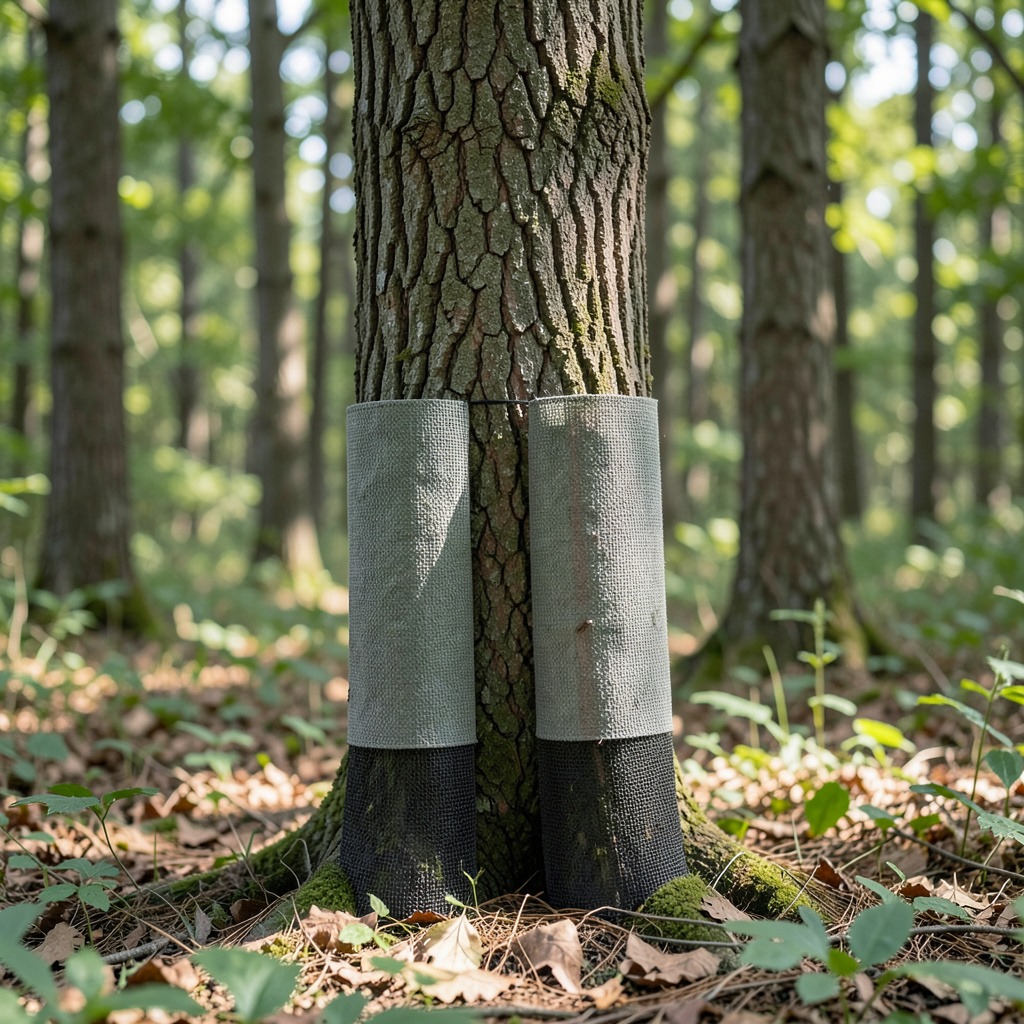
Understanding Tree Tubes: Definition and Purpose
Tree tubes, also known as tree shelters, are protective structures designed to encase young saplings. They play a crucial role in enhancing tree survival and growth by creating a favorable microenvironment.
What Are Tree Tubes?
Tree tubes are typically made from plastic, biodegradable materials, or mesh. Their primary functions include:
- Protection from Herbivores: They shield seedlings from animals like deer and rabbits that might browse on them.
- Growth Acceleration: By creating a controlled environment, tree tubes can foster faster growth rates and improve survival chances.
- Weed Competition Reduction: They minimize competition from surrounding vegetation, allowing young trees to thrive.
- Temperature Regulation: Tree tubes help maintain a more stable temperature around seedlings, protecting them from extreme weather conditions.
How Do Tree Tubes Work?
Tree tubes create a microclimate that benefits saplings. They function by:
- Enhancing Humidity: During periods of low humidity, tree tubes can increase moisture levels around the seedling. For example, in a drought, the tube can create a more humid environment, reducing moisture loss from the leaves.
- Offering Temperature Control: Tree tubes can elevate daytime temperatures by up to 30°F. This warmth can benefit certain species during their early growth phases, although it might stress others.
- Providing Wind Protection: They act as wind barriers, which helps reduce moisture loss and physical damage from strong winds.
Example Scenario
Consider a young oak tree planted in a dry region. When enclosed in a tree tube, the tube can help maintain humidity levels, particularly during drought conditions. This setup may enable the oak to establish a stronger root system, ultimately increasing its chances of survival.
Using tree tubes effectively requires understanding their role and applying best practices in installation and maintenance to maximize their benefits.
Benefits of Using Tree Tubes for Young Trees
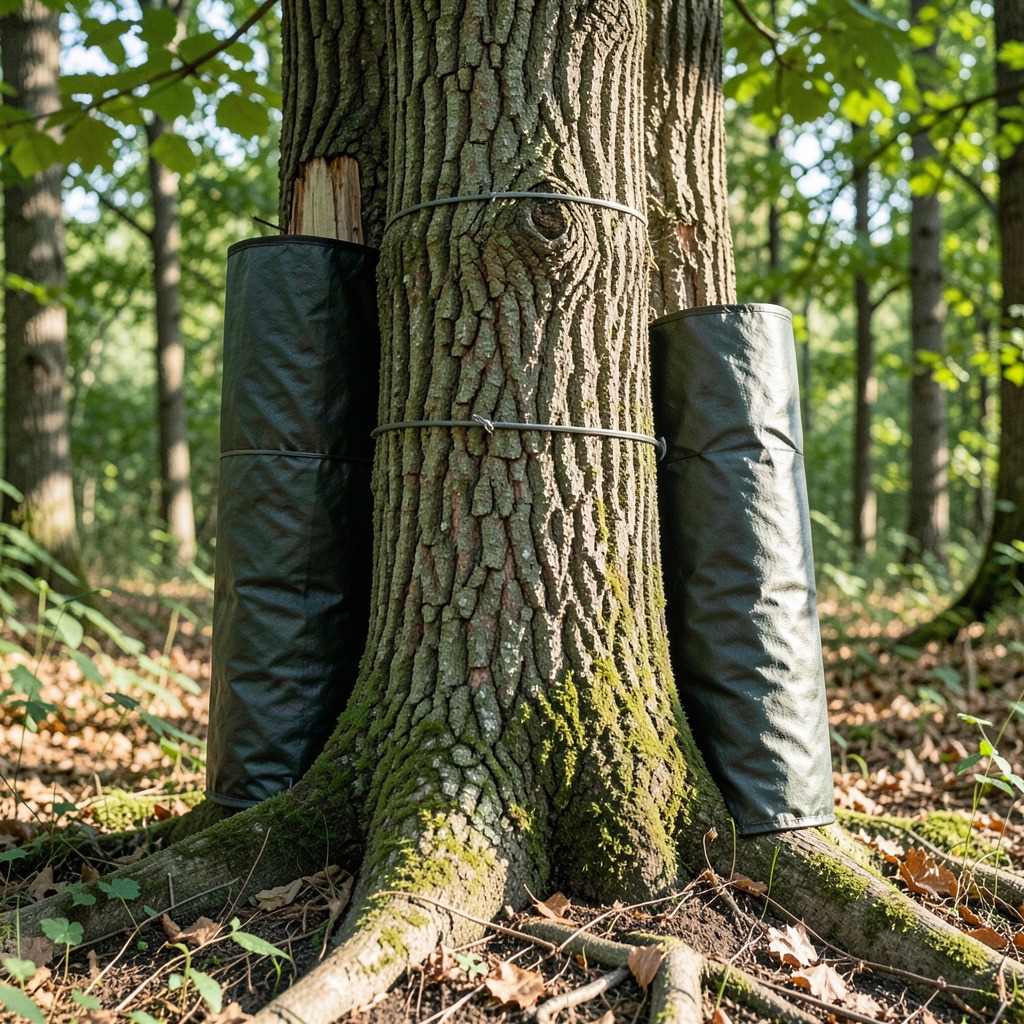
Tree tubes offer several advantages for young trees, particularly in protecting them from external threats and enhancing their growth rates. Understanding these benefits can help in making informed decisions for tree care.
Protection from Herbivores
One of the primary benefits of tree tubes is their ability to shield young saplings from herbivores. Deer, rabbits, and other animals often find young trees an easy target. By encasing the tree in a tube, you create a barrier that deters these herbivores, significantly reducing the risk of browsing damage.
- Effectiveness: Studies show that trees protected by tubes experience up to a 70% reduction in herbivore damage compared to unprotected trees. This protection can be crucial during the vulnerable early growth stage, leading to higher survival rates.
Growth Acceleration
Tree tubes not only protect but also promote faster growth. They create a microclimate that optimizes conditions for young trees.
- Temperature Regulation: Tubes can elevate daytime temperatures by up to 30°F, fostering more favorable growth conditions. This temperature increase can lead to improved photosynthesis rates and enhanced growth.
- Humidity Retention: Tree tubes help maintain moisture levels around the sapling. During dry spells, this can reduce drought stress, allowing trees to absorb water more efficiently. Research indicates that trees in tubes can exhibit growth rates up to 50% higher than those grown without protection.
Microclimate Creation
The enclosed environment of a tree tube creates a unique microclimate that fosters tree health.
- Reduced Wind Exposure: The wind barrier provided by tree tubes minimizes moisture loss and physical damage. For instance, a young maple tree in a windy area can benefit from reduced wind stress, allowing it to establish a stronger root system.
- Enhanced Survival Rates: In urban settings, municipalities that have deployed tree tubes report up to a 30% increase in survival rates for newly planted street trees. This demonstrates the effectiveness of tree tubes in various environments.
By utilizing tree tubes, you can significantly improve the odds of survival and growth for young trees, making them a valuable tool in tree care and management.
Drawbacks and Challenges of Tree Tubes
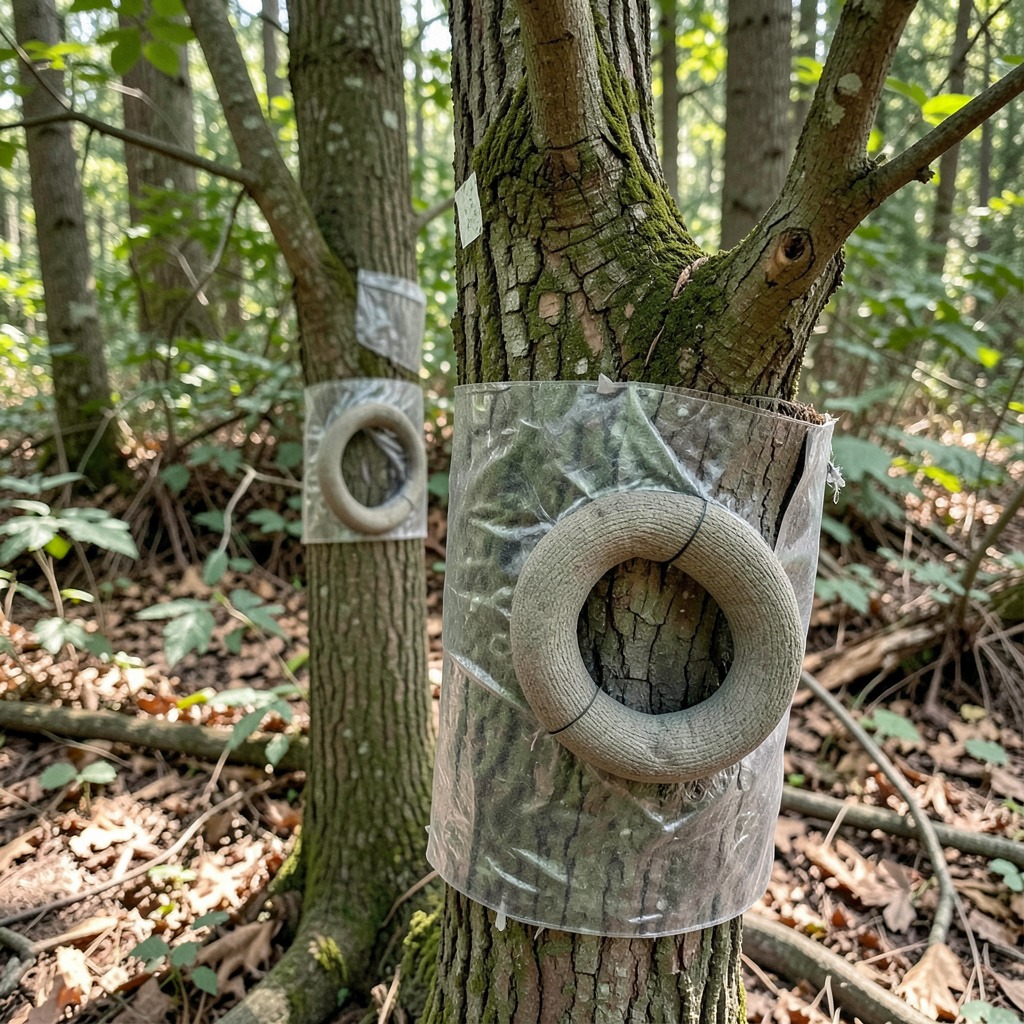
While tree tubes offer numerous benefits, they also come with potential drawbacks. Understanding these challenges is vital for effective tree care and management.
Risk of Overheating
Tree tubes can create a microenvironment that leads to overheating, especially during hot weather. This increased temperature can stress young trees, particularly those with sensitive species.
- Temperature Fluctuations: During the day, temperatures inside the tube can rise significantly, sometimes by as much as 30°F. Prolonged exposure to high temperatures can harm the tree’s health and growth.
Solution:
- Monitor Conditions: Regularly check the temperature inside the tube. If overheating occurs, consider using vented tubes or removing the tube temporarily during extreme heat.
- Select Appropriate Species: Choose tree species that are more heat-tolerant for areas prone to high temperatures.
Trunk Weakness and Growth Issues
Improper use of tree tubes can lead to trunk weakness. As trees grow, they may become dependent on the tube for support, resulting in poor structural integrity.
- Weak Trunks: If the tube restricts trunk growth, it can lead to deformities and weaken the tree’s ability to withstand wind or heavy snow.
Solution:
- Gradual Removal: As the tree matures, gradually remove the tube to encourage natural trunk development. Start by loosening the tube or removing it partially to allow the tree to grow freely.
- Regular Inspection: Check for signs of trunk constriction and adjust the tube to promote healthy growth.
Maintenance Requirements
Tree tubes require regular maintenance to be effective. Neglecting this can lead to various issues, such as pest infestations or inadequate moisture retention.
- Pest Management: Rodents may enter the tube, nesting inside and damaging the young tree.
- Installation Integrity: Ensure tubes are securely installed to prevent wind from lifting them and creating a wind tunnel effect, which can dry out the tree.
Solution:
- Routine Checks: Inspect tree tubes frequently for pests and structural integrity. Replace or repair damaged tubes promptly.
- Proper Installation: Push the tube 2 to 4 inches into the ground to minimize wind effects and prevent rodent entry.
Installation Techniques for Tree Tubes
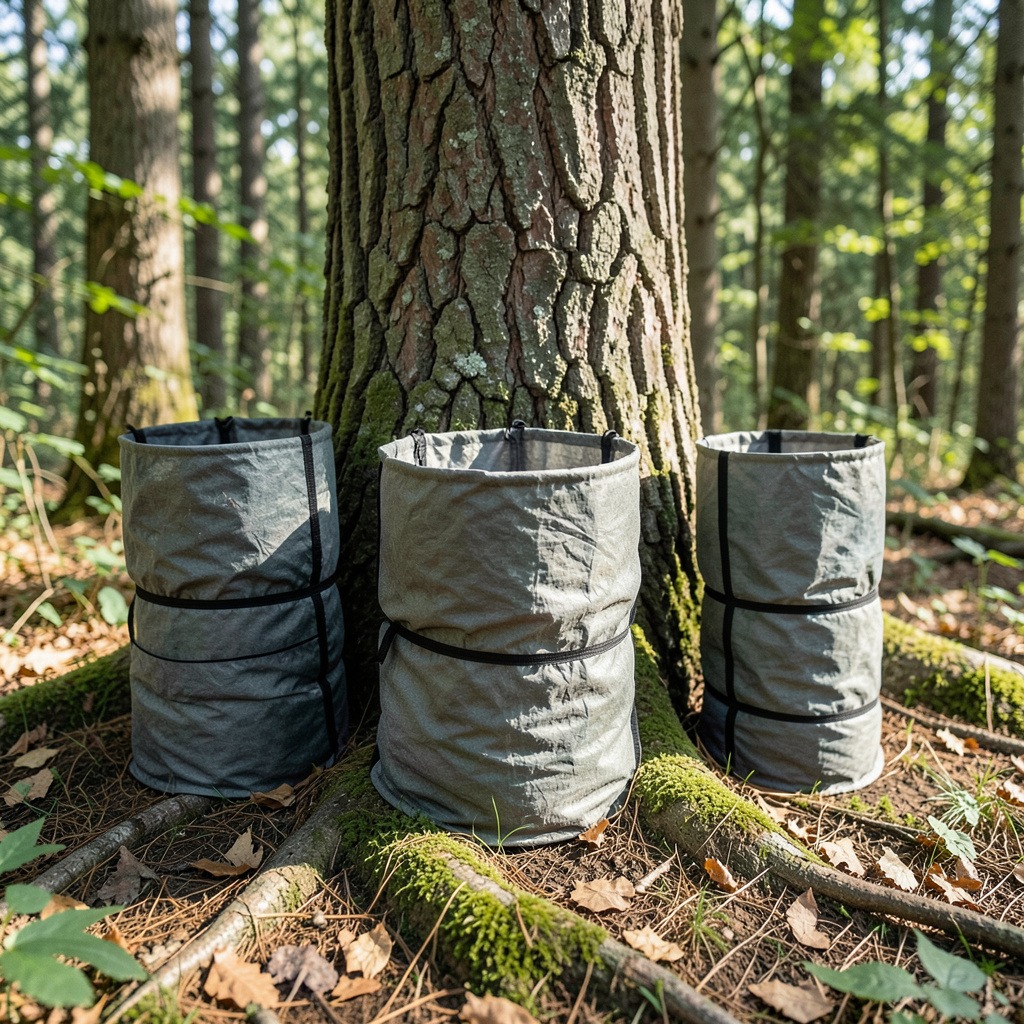
Proper installation of tree tubes is crucial for maximizing their effectiveness in protecting young trees. This section outlines essential steps and considerations for successful installation, as well as common mistakes to avoid.
Preparing the Site
Before installing tree tubes, assess the planting site. Consider the following factors:
- Soil Quality: Ensure the soil is well-drained and suitable for the tree species.
- Light Exposure: Choose a location that receives adequate sunlight.
- Wind Exposure: Identify areas prone to strong winds, which may require additional stabilization for the tubes.
- Weed Management: Clear the area of weeds that may compete with the young tree for nutrients and moisture.
Step-by-Step Installation Guide
Follow these steps to install tree tubes effectively:
1. Select the Right Tube: Choose a tube that is appropriate for the tree species and local climate. Consider the height and diameter.
2. Prepare the Ground: Clear debris and weeds from the planting area. Loosen the soil to facilitate tube insertion.
3. Insert the Tube: Push the tube into the ground 2 to 4 inches. This depth minimizes wind effects and prevents rodent entry.
4. Secure the Base: Ensure the base of the tube is flush with the soil surface. Pack soil around the tube to stabilize it.
5. Monitor Ventilation: If using a tube with ventilation holes, ensure they are positioned to allow airflow while still protecting the tree.
6. Water the Tree: After installation, water the young tree to promote root establishment.
Common Installation Mistakes
Avoid these common pitfalls during installation:
- Insufficient Depth: Failing to bury the tube deep enough can lead to wind tunnel effects, drying out the tree.
- Ignoring Rodent Entry: Not securing the bottom of the tube allows rodents to enter and damage the tree.
- Poor Tube Selection: Choosing the wrong type or size of tube can hinder growth.
- Neglecting Site Conditions: Installing tubes in areas with inadequate sunlight or poor drainage can negatively affect tree health.
Installation Checklist
Before you begin, ensure you have the following:
- Selected tree tubes
- Shovel or trowel
- Soil amendments (if needed)
- Watering can or hose
- Stakes for added stability (if necessary)
By following these guidelines, you can enhance the chances of successful growth for your young trees while effectively utilizing tree tubes for protection.
Cost Considerations for Tree Tubes
When planning tree planting projects, understanding the cost implications of tree tubes is vital. The initial investment can influence the overall success of your planting efforts.
Price Range of Tree Tubes
Tree tubes vary in price based on material and size. Typically, plastic tree tubes range from $5 to $7 each when purchased in bulk. In contrast, metal tree cages can cost between $15 and $20, making them significantly more expensive.
Here’s a quick comparison:
| Type | Price Range |
|---|---|
| Plastic Tubes | $5 – $7 |
| Metal Cages | $15 – $20 |
Consider the following factors when selecting tree tubes:
- Material: Plastic tubes are lighter and easier to handle than metal cages.
- Size: Larger tubes may cost more but could be necessary for specific tree species.
- Quantity: Bulk purchases often reduce per-unit costs.
Cost vs. Benefits
Evaluating the cost-benefit ratio of tree tubes helps determine their value in tree protection.
Benefits of Tree Tubes:
- Drought Mitigation: Tree tubes can create a microclimate, enhancing humidity during dry periods. This reduces stress on seedlings, which is crucial for their early development.
- Protection Against Herbivores: Tubes shield young trees from deer and other herbivores, safeguarding investment in tree planting.
- Ease of Installation: They are generally easier to install compared to heavier metal cages.
Drawbacks:
- Initial Cost: While tree tubes are cheaper than metal cages, the cumulative cost can increase if many are needed for larger projects.
- Maintenance: Tree tubes may require regular monitoring to ensure they are functioning correctly and not causing harm through excessive heat or wind exposure.
Practical Example
Consider a scenario where a landscape project requires planting 100 trees. Choosing plastic tree tubes at $6 each results in a total cost of $600. Opting for metal cages at $18 each would bring the total to $1,800.
If the goal is to protect young oaks in a drought-prone area, the investment in tree tubes may be justified given their potential to enhance growth and reduce stress.
When assessing your project, weigh the costs of tree tubes not just against their price but against the potential benefits they offer in terms of growth acceleration and survival rates for young trees.
Comparing Tree Tubes to Other Protection Methods
When selecting a protective method for young trees, understanding the differences between tree tubes, tree cages, and biodegradable options is essential. Each method has its unique advantages and disadvantages that can impact tree health and growth.
Tree Tubes vs. Tree Cages
| Feature | Tree Tubes | Tree Cages |
|---|---|---|
| Cost | $5 – $7 each | $15 – $20 each |
| Weight | Lightweight, easy to handle | Heavier, may require more effort to install |
| Protection | Shields from herbivores and wind | Offers robust physical protection |
| Humidity Control | Can create a humid microclimate | No significant humidity modification |
| Growth Acceleration | May enhance growth by reducing drought stress | Minimal impact on growth |
| Installation | Requires proper soil depth for effectiveness | Easier to install, but heavier materials |
Tree tubes provide a cost-effective solution for protecting young trees while promoting growth. However, their effectiveness can diminish if not installed correctly. In contrast, tree cages offer stronger physical protection but at a higher cost and weight.
Biodegradable Options
Biodegradable tree protection methods are gaining popularity as an eco-friendly alternative. These options can range from natural fibers to plant-based materials designed to decompose over time.
| Feature | Biodegradable Options |
|---|---|
| Environmental Impact | Reduces plastic waste |
| Cost | Similar to tree tubes, but varies by material |
| Durability | Typically less durable than plastic tubes |
| Installation | Similar ease of installation to tree tubes |
| Growth Support | May not provide as much growth acceleration |
Biodegradable options support environmental sustainability but may lack the durability of tree tubes and cages. Users must consider the specific needs of their trees and local conditions when choosing between these methods.
Decision Framework
When deciding between these protection methods, consider the following factors:
- Budget: Assess the total cost for your project.
- Tree Species: Some trees benefit more from humidity control.
- Installation Environment: Analyze wind exposure and herbivore presence.
- Environmental Goals: Evaluate the importance of sustainability in your choice.
This approach ensures you select the most effective tree protection method for your specific situation, enhancing tree survival and growth.
Conclusion: Making Informed Decisions About Tree Tubes
Choosing whether to use tree tubes for protecting young trees requires careful consideration of their pros and cons. While they can provide essential benefits, they also pose certain challenges that may affect tree health and growth.
Weighing the Benefits and Drawbacks
Tree tubes offer several advantages, including:
- Protection from Herbivores: They shield young trees from browsing animals like deer.
- Humidity Control: Tubes can enhance humidity around seedlings, aiding in drought conditions.
- Cost-Effectiveness: Generally cheaper than metal cages, making them accessible for larger plantings.
However, users must also consider the potential downsides:
- Temperature Regulation Issues: Excessive daytime heat can stress some tree species.
- Installation Challenges: Improper installation may lead to moisture loss or pest invasions.
- Limited Longevity: Plastic tubes can degrade over time, requiring replacement.
Decision Framework for Tree Tube Use
When deciding on tree tubes, reflect on these key factors:
- Local Environmental Conditions: Assess wind exposure, moisture levels, and herbivore presence.
- Tree Species Needs: Determine which species thrive with additional humidity and protection.
- Budget Constraints: Factor in the total cost, including installation and maintenance.
Employing a case-by-case approach ensures you select the right method for your specific planting situation. For instance, if you’re planting in a windy area with high deer populations, tree tubes may be ideal. Conversely, in humid regions with less herbivore pressure, metal cages might suffice.
By weighing these considerations, you can make an informed choice that supports the health and growth of your trees.
Frequently Asked Questions
These quick answers cover the most common questions about this topic, including key details, practical tips, and common concerns.
What are tree tubes and how do they work?
Tree tubes, also known as tree shelters, are protective structures designed to encase young saplings. They work by creating a controlled microenvironment that enhances humidity, regulates temperature, and protects seedlings from herbivores like deer and rabbits. This environment promotes faster growth and reduces competition from surrounding vegetation.
How to choose the right tree tubes?
Selecting the right tree tubes depends on several factors, including the tree species, local climate, and specific planting conditions. For example, choose taller tubes for species that grow quickly and require more height for protection. Consider materials; plastic tubes are common, but biodegradable options are available for eco-conscious choices. Always match the tube size and type to the specific needs of the young tree.
When to install tree tubes?
Tree tubes should be installed as soon as the young trees are planted. This timing helps ensure immediate protection from herbivores and environmental stressors. Ideally, install the tubes during the growing season, when the trees are actively establishing their root systems. If planting in late fall or winter, consider delaying installation until spring to avoid cold damage.
Tree tubes vs. tree cages: What’s the difference?
Tree tubes and tree cages serve similar purposes but differ in design and functionality. Tree tubes are lightweight, provide humidity control, and are typically more cost-effective, making them suitable for many young trees. In contrast, tree cages offer robust physical protection but are heavier and more expensive. Cages do not enhance humidity, so they may not support growth as effectively as tubes.
Can tree tubes be reused?
Yes, tree tubes can often be reused if they are still in good condition. Inspect them for cracks, holes, or signs of wear before reinstallation. Clean and store them properly during the off-season to extend their lifespan. However, if the tubes are made from biodegradable materials, they may not be suitable for reuse.
What maintenance do tree tubes require?
Tree tubes require regular maintenance to remain effective. Inspect them frequently for signs of damage, pests, or overheating. Ensure they are securely anchored and not restricting the tree’s growth. If overheating occurs, consider vented tubes or temporarily removing them during extreme heat. Regular checks help maintain optimal conditions for the young trees.
What are alternatives to tree tubes?
Alternatives to tree tubes include tree cages, biodegradable tree wraps, and natural barriers like fencing. Tree cages provide sturdy protection but lack the microclimate benefits of tubes. Biodegradable wraps offer a more eco-friendly option but may not last as long. Natural barriers can be effective but require more effort to install and maintain. Each alternative has its pros and cons, so consider the specific needs of your trees and environment.