
Tree watering bags provide a slow-release method for keeping trees hydrated, offering benefits like reduced maintenance and deeper root growth, but they also have drawbacks such as potential overwatering and shallow root development.
Table of Contents
Tree watering bags are a popular tool for ensuring consistent hydration for trees, especially during dry periods. However, it’s essential to weigh both their advantages and disadvantages to determine if they’re the right choice for your gardening needs.
What Are Tree Watering Bags?
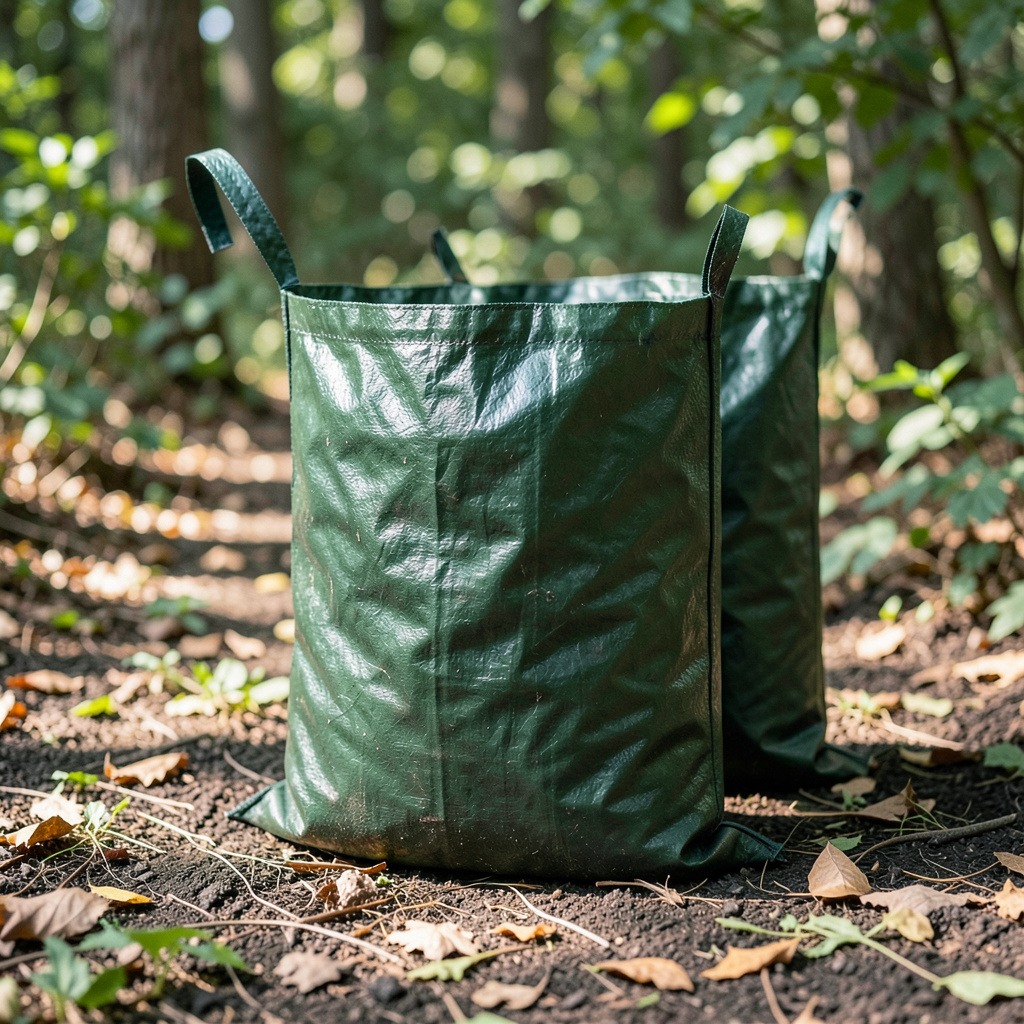
Tree watering bags are specialized containers designed to provide consistent hydration to trees. They slowly release water directly to the root zone, ensuring that the soil remains moist and conducive to healthy growth.
Types of Tree Watering Bags
Tree watering bags come in various shapes and sizes, each tailored for specific applications:
- Upright Models: These wrap around the trunk of a single tree. They typically hold 15 to 20 gallons of water and are ideal for newly planted or young trees.
- Donut-Shaped Bags: These sit at the base of multi-stemmed shrubs or trees. They provide hydration to more extensive root systems while allowing for even water distribution.
- Short Profile Bags: Designed for smaller plants or trees, these bags are placed directly on the ground around the root zone for easy access and refill.
How They Function
Tree watering bags are constructed from durable plastic and feature micro-perforations. This design allows water to seep out slowly, typically over a period of five to nine hours. Here’s a breakdown of their functionality:
- Initial Setup: Fill the bag completely after placement. This ensures a steady flow of moisture to the roots.
- Hydration Rate: A newly planted tree requires about 10 gallons of water per inch of trunk diameter weekly. Watering bags facilitate this by delivering moisture directly to the root zone.
- Maintenance: Regularly check and refill the bag to maintain optimal hydration, especially during dry spells or extreme heat.
By understanding the types and functions of tree watering bags, users can make informed decisions on when and how to incorporate them into their tree care routines. For an effective solution, consider the Tree Watering Bag – Treegator Slow Release Watering Bag, which exemplifies the benefits of this watering method.
Advantages of Using Tree Watering Bags
Tree watering bags offer several benefits for tree care. They enhance hydration efficiency, reduce maintenance efforts, and promote healthy root growth. Understanding these advantages can help you decide if they are suitable for your planting needs.
Water Conservation and Efficiency
Tree watering bags provide a slow-release watering system. This method allows water to penetrate deeply into the soil, minimizing runoff and evaporation. As a result, they significantly conserve water compared to traditional watering methods.
- Water Retention: Bags can hold 5 to 20 gallons of water, ensuring a steady supply.
- Reduced Frequency: Watering bags can decrease the need for daily watering, especially during dry spells.
- Environmental Impact: Efficient water use supports sustainability efforts in landscaping.
Ideal for Young Trees
Newly planted trees often struggle to establish strong root systems. Tree watering bags are particularly beneficial in these cases.
- Consistent Moisture: They deliver consistent hydration, crucial for young trees’ survival.
- Deep Root Growth: By facilitating deep watering, they encourage roots to spread and strengthen.
- Expert Endorsement: Urban forestry specialists recommend using watering bags for newly planted trees to ensure they receive adequate moisture during critical growth periods.
Tree watering bags simplify the watering process while enhancing tree health. For a reliable option, consider the Tree Watering Bag – Treegator Slow Release Watering Bag.
Drawbacks of Tree Watering Bags
While tree watering bags provide benefits, they also come with significant drawbacks. Understanding these potential downsides is crucial for informed decision-making.
Overwatering Risks
One of the primary concerns with tree watering bags is the risk of overwatering. These bags release water slowly, which can lead to excess moisture around the roots if not monitored carefully. Overwatering can cause:
- Root rot
- Fungal diseases
- Nutrient leaching
To mitigate this risk, consider these guidelines:
- Monitor Soil Moisture: Regularly check the soil moisture level around the tree.
- Adjust Frequency: If the soil remains consistently wet, reduce watering frequency.
- Remove After Establishment: Once the tree is established, remove the bag to encourage natural watering.
Shallow Root Development
Another drawback is the potential for shallow root growth. Tree watering bags focus moisture around the immediate root zone, which can cause roots to stay near the surface rather than growing deeper. Shallow roots can lead to:
- Increased vulnerability to wind and storms
- Difficulty accessing nutrients and moisture deep in the soil
- Higher susceptibility to drought conditions
To avoid shallow root issues, use tree watering bags as a temporary solution. Once the tree has established a strong root system, transition to deeper watering methods, such as soaker hoses or traditional watering techniques.
Common Mistakes to Avoid
Using tree watering bags incorrectly can exacerbate these issues. Here are common mistakes to avoid:
- Leaving the Bag On Too Long: Prolonged use can hinder deep root growth.
- Failing to Monitor Water Levels: Regular checks can prevent overwatering.
- Not Following Manufacturer Guidelines: Each bag may have specific instructions for optimal use.
By being aware of these drawbacks and implementing best practices, you can maximize the benefits of tree watering bags while minimizing their downsides.
When and How to Use Tree Watering Bags Effectively
Tree watering bags are practical tools designed to optimize hydration for trees. Understanding when and how to use them can enhance tree health significantly.
Installation Tips
To maximize the effectiveness of tree watering bags, follow these steps:
1. Select the Right Bag Size: Choose a bag that holds an appropriate volume of water for the tree’s size. Generally, larger trees require bigger bags.
2. Positioning: Place the bag around the trunk of the tree, ensuring it sits snugly against the base without damaging the bark.
3. Securing the Bag: Use the provided zipper or straps to secure the bag. This prevents it from shifting during watering.
4. Fill with Water: Fill the bag to the top. The water will gradually seep out through the micro-perforations, saturating the soil.
Monitoring and Maintenance
Regular maintenance and monitoring are essential for optimal tree hydration. Consider these practices:
- Check Water Levels Regularly: Ensure the bag is refilled as needed. On average, refill weekly, adjusting for weather conditions.
- Observe Tree Health: Watch for signs of overwatering or underwatering, such as yellowing leaves or wilting. Adjust your watering schedule accordingly.
- Remove the Bag When Necessary: After the initial establishment phase, consider removing the bag to encourage deeper root growth. This typically occurs after the first growing season.
Checklist for Successful Tree Hydration Using Watering Bags
- [ ] Choose the right size bag for the tree.
- [ ] Position the bag correctly around the trunk.
- [ ] Secure the bag to prevent movement.
- [ ] Refill water weekly, adjusting for rainfall.
- [ ] Monitor tree health for signs of stress.
- [ ] Remove the bag after the establishment phase.
Using tree watering bags effectively can lead to healthier trees, especially in dry conditions. By following these guidelines, you can ensure your trees receive the hydration they need without compromising their root development.
Comparing Tree Watering Bags With Other Watering Methods
Tree watering bags provide a unique method for hydrating trees, but how do they compare to traditional techniques like hoses, drip irrigation, and soaker hoses? Each method has its pros and cons, impacting tree health and water efficiency.
Drip Irrigation vs. Tree Watering Bags
Drip irrigation delivers water directly to the root zone of trees. This method is efficient and reduces water waste. Here’s how it stacks up against tree watering bags:
| Feature | Drip Irrigation | Tree Watering Bags |
|---|---|---|
| Water Delivery | Direct to roots | Surrounding trunk |
| Watering Frequency | Adjustable, based on needs | Requires weekly refills |
| Control Over Water Amount | Precise | Less precise |
| Installation Complexity | Requires setup and maintenance | Simple to use |
| Suitability for Established Trees | Excellent | Good |
Key Insight: Drip irrigation is ideal for long-term tree care due to its precision and efficiency, while tree watering bags are easier to set up for new plantings.
Traditional Watering Techniques
Traditional methods include using hoses or buckets to water trees. These techniques offer flexibility but come with drawbacks:
| Feature | Traditional Watering | Tree Watering Bags |
|---|---|---|
| Water Delivery | Manual, less consistent | Slow-release hydration |
| Labor Intensity | High (requires frequent checking) | Low (set and forget) |
| Risk of Overwatering | High, if not monitored | Lower, due to slow release |
| Environmental Impact | Potential runoff | Minimal runoff |
Key Insight: While traditional watering methods can be labor-intensive, they allow for immediate adjustments based on tree needs. In contrast, tree watering bags facilitate consistent hydration, reducing the risk of both under and over-watering.
Best Practices for Choosing Between Methods
When deciding between tree watering bags and alternative watering methods, consider the following:
- Tree Age: Young trees may benefit more from watering bags, while established trees thrive with drip irrigation.
- Soil Type: Sandy soils may require more frequent watering, making bags a practical choice.
- Water Accessibility: If water sources are limited, bags provide a simple solution without extensive setup.
- Monitoring Capability: If you can regularly check moisture levels, traditional methods may be effective.
Scenario Example: For a newly planted tree in a dry climate, using a tree watering bag can ensure consistent hydration during the establishment phase. However, as the tree matures, transitioning to a drip irrigation system can optimize water usage and support long-term growth.
By evaluating these factors, you can make an informed decision on the best watering method for your trees.
Best Practices for Long-Term Tree Health
Ensuring trees remain healthy while using watering bags requires a balance of techniques and consistent monitoring. Here are some best practices to follow:
Balancing Watering Techniques
- Use in Combination: Pair watering bags with traditional deep watering methods to promote root growth. For example, use watering bags during dry spells and switch to deep watering once the tree is established.
- Adjust Timing: Monitor weather conditions. If rainfall occurs, reduce the frequency of bag use to prevent overwatering, which can suffocate roots.
- Rotate Usage: For established trees, alternate between using watering bags and other irrigation methods. This encourages trees to develop deeper roots.
Signs of Healthy vs. Unhealthy Trees
Recognizing tree health is crucial for effective watering practices.
- Healthy Trees:
- Vibrant green leaves
- Strong, upright growth
- Robust root system, indicated by firm soil around the base
- Unhealthy Trees:
- Yellowing or wilting leaves
- Stunted growth or dieback near the trunk
- Soft or overly wet soil, indicating potential root rot
Checklist for Effective Watering Bag Use
- Installation: Secure the bag tightly around the trunk after planting. Ensure it is positioned correctly to allow water to seep into the root zone.
- Regular Monitoring: Check moisture levels weekly. Adjust the filling frequency based on weather and tree response.
- Removal: Take off the watering bag once the tree is established, typically after the first growing season, to encourage deeper root development.
By adopting these best practices, you can effectively utilize tree watering bags while maintaining optimal tree health.
Frequently Asked Questions
These quick answers cover the most common questions about this topic, including key details, practical tips, and common concerns.
What types of trees benefit most from watering bags?
Tree watering bags are particularly beneficial for newly planted or young trees. They provide consistent hydration, which is crucial for establishing strong root systems. Species such as fruit trees, shade trees, and ornamental trees thrive with the steady moisture that watering bags deliver.
How can I tell if my tree is getting too much water?
Signs of overwatering include yellowing leaves, wilting, and a soft or mushy root zone. If the soil remains consistently wet and lacks drainage, it may indicate that your tree is receiving too much water. Regularly checking soil moisture levels can help prevent these issues.
Are there eco-friendly tree watering bag options?
Yes, some manufacturers offer eco-friendly tree watering bags made from biodegradable materials or recycled plastics. These options reduce environmental impact while still providing effective hydration for your trees. Always check product labels to ensure they meet your sustainability criteria.
How do I properly maintain my tree watering bags?
To maintain tree watering bags, regularly check for leaks and clean any debris that may block the micro-perforations. Refill the bags as needed, typically every week, especially during dry weather. After the establishment phase of your tree, consider removing the bag to encourage deeper root growth.
Can I use tree watering bags for established trees?
While tree watering bags are primarily designed for newly planted trees, they can also be used for established trees in dry conditions. However, it’s essential to monitor the moisture levels closely to avoid overwatering and ensure that the roots are not confined to the upper soil layers.
What specific mistakes should I avoid when using watering bags?
Common mistakes include leaving the bag on for too long, which can hinder deep root growth, and failing to monitor water levels, leading to overwatering. Additionally, not following the manufacturer’s guidelines can result in improper usage, reducing the effectiveness of the watering bag.
How do tree watering bags compare to drip irrigation?
Tree watering bags provide a simple, slow-release method of hydration, while drip irrigation offers precise control over water delivery directly to the roots. Drip irrigation requires more setup but is better for long-term tree care. In contrast, watering bags are easier to use for new plantings and require less frequent monitoring.
What are other methods for watering trees?
Alternatives to tree watering bags include traditional watering techniques like hoses and buckets, as well as soaker hoses and drip irrigation systems. Each method has its pros and cons, with traditional methods offering flexibility and soaker hoses providing slow, deep watering. Choose based on your tree’s age, soil type, and water availability.