
Wood blinds offer a classic aesthetic and excellent light control but can be expensive and less suitable for high-humidity areas.
Wood blinds are a popular choice for window treatments due to their timeless look and functionality. However, they come with both advantages and disadvantages that homeowners should consider carefully to make an informed decision.

Understanding Wood Blinds: A Quick Overview
Wood blinds are a classic window treatment that combines aesthetic appeal with functionality. They are crafted from various types of wood, offering unique benefits and a stylish look for any room.
What Are Wood Blinds?
Wood blinds consist of horizontal slats made from real wood, providing an elegant and natural appearance. These slats can be adjusted for light control and privacy. They are fitted within a frame that allows for easy operation, typically using a cord or a wand.
Types of Wood Used in Blinds
Different types of wood contribute to the appeal and performance of wood blinds. Common materials include:
- Basswood: Lightweight and versatile, basswood is often used for its smooth finish and excellent durability.
- Bamboo: Known for its sustainability, bamboo offers a unique texture and is a great option for eco-conscious homeowners. Check Price on Amazon.
- Oak: With a rich grain and robust nature, oak blinds add a touch of sophistication and sturdiness.
- Maple: This type of wood is favored for its fine grain and light color, making it suitable for modern designs.
Why Choose Wood Blinds?
Homeowners often choose wood blinds for their aesthetic appeal. They seamlessly integrate into various interior styles, from traditional to contemporary. Wood blinds provide warmth and texture, enhancing the overall decor.
- Light Control: Their adjustable slats allow for precise control of natural light.
- Durability: Quality wood blinds can withstand daily use, making them a long-term investment.
- Versatility: Available in various finishes and slat sizes, wood blinds can match any design preference.
In summary, wood blinds offer a combination of beauty and practicality, making them a preferred choice for many homeowners.
Table of Contents
The Advantages of Wood Blinds
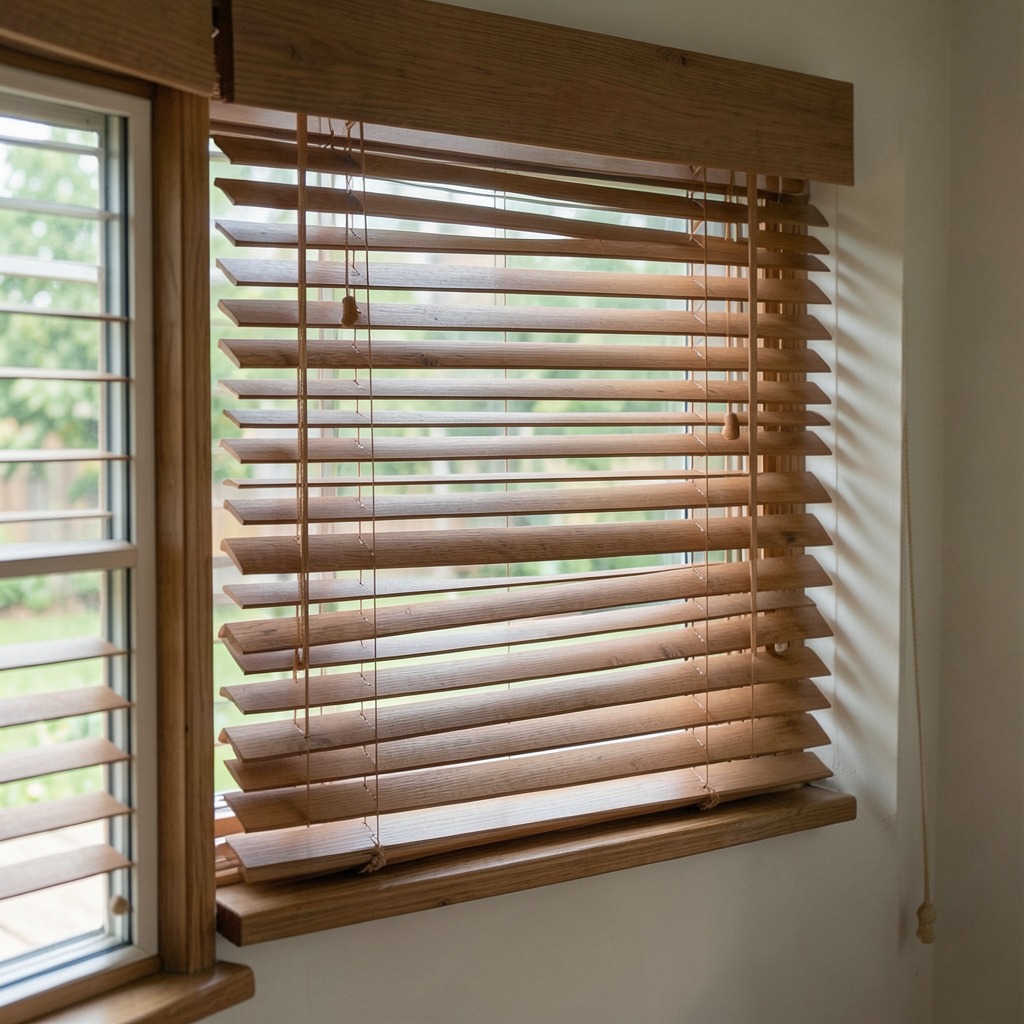
Wood blinds offer numerous benefits that make them an attractive option for homeowners. Their aesthetic appeal, durability, and excellent light control contribute to their popularity as a window treatment.
Timeless Aesthetic and Design Versatility
Wood blinds enhance the visual appeal of any room. They can complement a variety of design styles, from rustic to modern. For instance, in a contemporary setting, sleek, painted wood blinds can provide a clean look, while natural wood finishes add warmth to traditional decor. Their rich textures and colors create a cozy atmosphere that artificial materials often lack.
- Design Compatibility: Suitable for living rooms, bedrooms, and even bathrooms, wood blinds adapt seamlessly to different interior themes.
- Layering Potential: Combine wood blinds with curtains to achieve depth and sophistication. This layering not only adds visual interest but enhances functionality.
Excellent Light Control and Privacy
One of the standout features of wood blinds is their ability to control light effectively. Homeowners can adjust the slats to regulate the amount of sunlight entering a room, allowing for personalized comfort throughout the day.
- Flexible Adjustments: Tilt the slats to create a bright environment or angle them for privacy without sacrificing natural light.
- Privacy Assurance: Ideal for spaces like bedrooms, wood blinds prevent prying eyes while still allowing light to filter in.
Durability and Longevity
Wood blinds are not only aesthetically pleasing but also built to last. Quality wood materials resist wear and tear, making them a wise investment for any household.
- Long-Lasting Materials: Unlike synthetic alternatives, wood blinds maintain their integrity over time, reducing the need for replacements.
- Real-Life Scenario: Consider a busy family home where kids and pets frequent the living areas. Wood blinds withstand daily use, providing durability without compromising on style.
Additionally, wood blinds can enhance your home’s energy efficiency. Their natural insulating properties help maintain indoor temperatures, potentially reducing heating and cooling costs.
For a unique touch, consider options like Bamboo Wood Blinds – Custom Fit for their sustainable qualities and natural beauty. Check Price on Amazon.
The Disadvantages of Wood Blinds

While wood blinds offer numerous advantages, they also have notable drawbacks that homeowners should consider. These disadvantages include higher initial costs, maintenance requirements, weight issues, and sensitivity to humidity.
Higher Initial Cost Compared to Alternatives
Wood blinds typically come with a higher price tag than synthetic or fabric options. For example, a medium-sized window can cost anywhere from $100 to $300 or more. This upfront investment can be a deterrent for some homeowners. However, it’s essential to view this cost as a long-term investment. Wood blinds tend to last longer, reducing the need for frequent replacements.
Maintenance Requirements and Considerations
Wood blinds require regular maintenance to maintain their appearance and functionality. Here are key considerations:
- Dusting: Regularly dust your blinds with a microfiber cloth to prevent allergens from accumulating.
- Cleaning: Wipe down with a damp cloth for deeper cleaning. Avoid harsh chemicals that can damage the finish.
- Polishing: Use a wood polish occasionally to enhance the shine and protect the surface.
For different types of wood, maintenance may vary. For instance, oak blinds may need different care compared to bamboo blinds. A tailored checklist can help:
- Oak: Dust weekly; polish every six months.
- Bamboo: Lightly dust weekly; avoid excessive moisture.
Potential for Damage in Humid Environments
Wood is naturally sensitive to moisture, making it prone to warping or bending in high-humidity areas. Kitchens and bathrooms, where humidity levels fluctuate, are particularly risky for wood blinds. To mitigate these risks:
- Placement: Avoid installing wood blinds in areas with high moisture.
- Ventilation: Ensure proper ventilation in humidity-prone rooms.
- Alternatives: Consider synthetic options that mimic wood for these spaces.
In addition, prolonged exposure to direct sunlight can fade the color of wood blinds over time. Utilizing UV-protective coatings or pairing blinds with sheer curtains can help preserve their vibrant tones.
By understanding these disadvantages, homeowners can make informed decisions about whether wood blinds are the right fit for their living spaces.
Comparing Wood Blinds to Faux Wood Blinds
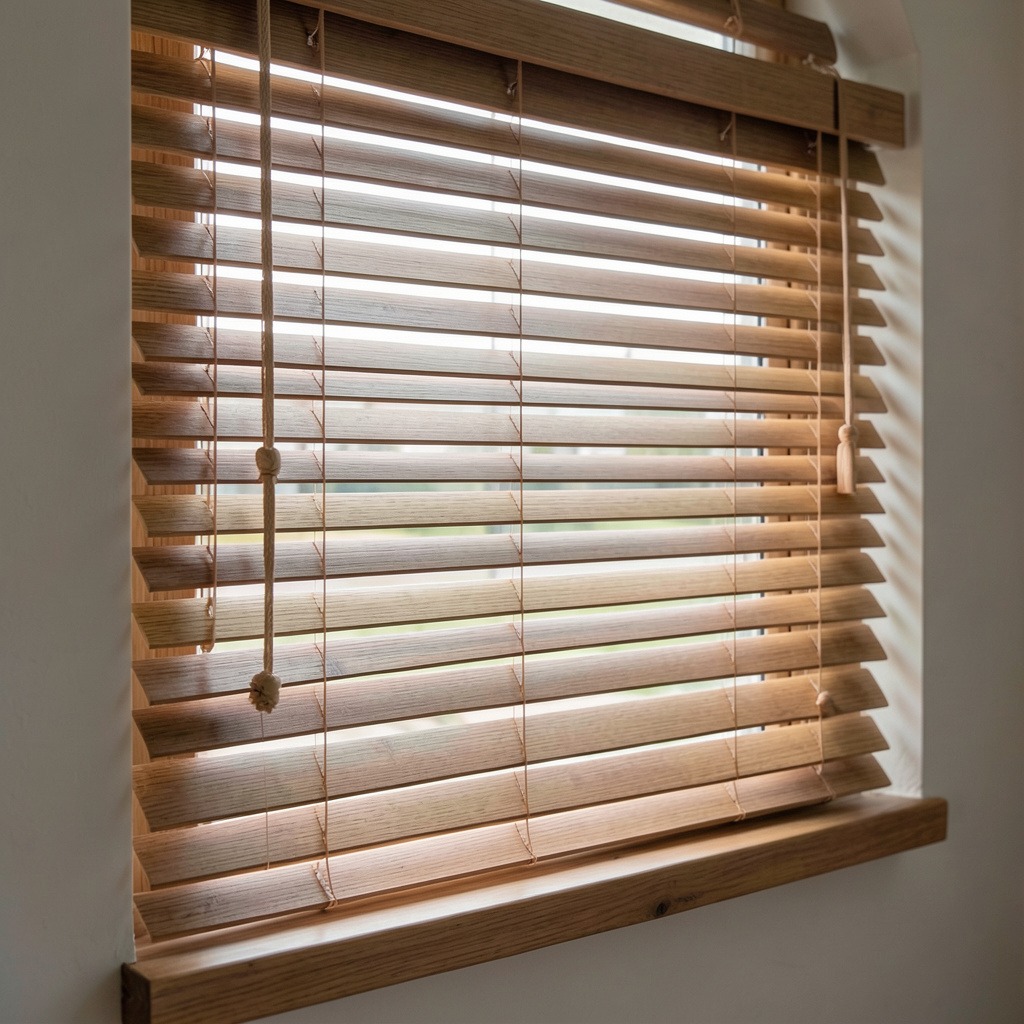
When choosing between wood blinds and faux wood blinds, homeowners should consider several factors, including cost, durability, and suitability for various environments. Each option has its distinct advantages and disadvantages that can influence decision-making.
Aesthetic Differences
Wood blinds offer a natural beauty that is hard to replicate. They bring warmth and elegance to any room. In contrast, faux wood blinds, while designed to mimic the appearance of real wood, often lack the same richness. Their finish may appear less authentic, but they provide a wider range of colors and styles.
Quick Comparison:
| Feature | Wood Blinds | Faux Wood Blinds |
|---|---|---|
| Aesthetic Appeal | Natural grain, rich tones | Synthetic appearance, varied colors |
| Texture | Smooth, warm, and inviting | Uniform, less tactile |
Cost and Longevity
Cost is a significant factor for many homeowners. Wood blinds typically come at a higher price point, often ranging from $100 to $300 per window. However, their durability can offset this initial investment. With proper maintenance, wood blinds can last for years.
Faux wood blinds, while more affordable, usually have a lifespan of around 5-7 years. They are resistant to humidity, making them suitable for kitchens and bathrooms. However, their synthetic materials may not hold up as well under heavy use.
Cost Breakdown:
| Type | Initial Cost | Lifespan |
|---|---|---|
| Wood Blinds | $100 – $300+ | 10+ years |
| Faux Wood Blinds | $50 – $150 | 5-7 years |
Best Uses for Each Type
Choosing the right type of blinds depends on the environment and usage. Wood blinds excel in living rooms and bedrooms, where aesthetics and light control are priorities. They enhance decor and provide excellent light-filtering capabilities.
Faux wood blinds shine in high-humidity areas such as kitchens and bathrooms. Their resistance to moisture makes them less susceptible to warping and fading. Additionally, they are easier to clean, requiring only a damp cloth for maintenance.
Decision Scenarios:
- For a Living Room: Choose wood blinds for elegance and style.
- For a Bathroom: Opt for faux wood blinds to combat humidity.
- For a Budget-Friendly Option: Faux wood blinds provide a cost-effective solution without sacrificing functionality.
By understanding these differences, homeowners can make informed choices about which type of blinds best suits their needs and living spaces.
Practical Tips for Choosing and Maintaining Wood Blinds
Selecting and maintaining wood blinds requires careful consideration. Understanding your specific needs can lead to a more satisfying purchase and prolonged use.
How to Select the Right Wood Blinds
When choosing wood blinds, consider the following factors:
- Room Functionality: Assess the room’s purpose. For living areas, select blinds that enhance aesthetic appeal. In high-humidity areas, such as kitchens or bathrooms, consider alternatives like faux wood blinds for moisture resistance.
- Wood Type: Different woods have varied durability. Basswood is lightweight and commonly used, while hardwood offers greater longevity but can be heavier.
- Finish and Color: Choose a finish that complements your interior design. Lighter stains can brighten a space, while darker stains add warmth.
- Slat Size: Wider slats provide a more modern look and better light control, while narrower slats offer a classic feel.
Maintenance Tips for Longevity
Proper maintenance extends the life of wood blinds. Follow these steps:
- Regular Dusting: Use a microfiber cloth or a duster weekly to remove dust and prevent buildup.
- Spot Cleaning: For stains, apply a damp cloth with mild detergent. Avoid excessive moisture, which can warp the wood.
- UV Protection: To prevent fading, consider UV-protective coatings. Rotate the blinds regularly to minimize direct sunlight exposure.
- Annual Inspection: Check for loose slats or mounting hardware. Tighten as necessary to ensure proper operation.
When to Consider Alternatives
While wood blinds are a popular choice, certain conditions may warrant alternative options:
- High Humidity Areas: In kitchens or bathrooms, consider faux wood blinds that resist moisture and are easier to maintain.
- Budget Constraints: If cost is a primary concern, explore faux wood or fabric options that can provide similar aesthetic benefits at a lower price point.
- Large Windows: For oversized windows, lighter materials may be easier to operate. Consider using multiple smaller blinds for a stylish segmented look.
By assessing these factors, homeowners can confidently choose and maintain wood blinds that enhance their living spaces.
Frequently Asked Questions
These quick answers cover the most common questions about this topic, including key details, practical tips, and common concerns.
What are the downsides of wood blinds?
Wood blinds can be expensive compared to other window treatments. Their initial cost often ranges from $100 to $300 per window. Additionally, they require regular maintenance, including dusting and occasional polishing, to keep them looking their best. Wood is also sensitive to humidity, making it prone to warping in damp environments like bathrooms and kitchens.
Are wood blinds in style in 2026?
Yes, wood blinds continue to be a popular choice in 2026. Their timeless aesthetic and versatility allow them to fit seamlessly into various decor styles, from traditional to modern. Homeowners appreciate the natural warmth and elegance that wood blinds bring to their spaces.
Which is better, wood or faux wood blinds?
Choosing between wood and faux wood blinds depends on your specific needs. Wood blinds offer superior aesthetics and durability, making them ideal for living areas. However, faux wood blinds are more affordable and better suited for high-humidity environments, as they resist moisture and are easier to clean. Consider your budget, room function, and maintenance preferences when deciding.
Are wooden blinds a good idea?
Wooden blinds are a great idea for many homeowners due to their durability, aesthetic appeal, and excellent light control. They enhance the decor of a room and can last for years with proper care. However, they may not be suitable for every space, particularly those with high humidity or where frequent cleaning is necessary.
What are the best rooms for wood blinds?
Wood blinds are best suited for living rooms, bedrooms, and dining areas where aesthetics and light control are priorities. They add warmth and sophistication to these spaces. Avoid using them in bathrooms or kitchens, where humidity can cause damage; instead, opt for faux wood or other moisture-resistant options.
How do I maintain wood blinds?
To maintain wood blinds, dust them weekly with a microfiber cloth to prevent allergen buildup. For deeper cleaning, use a damp cloth with mild detergent, avoiding harsh chemicals that may damage the finish. Additionally, consider applying wood polish periodically to enhance their shine and protect the surface.
What customization options are available for wood blinds?
Wood blinds offer various customization options, including slat sizes, colors, and finishes. Homeowners can choose from different wood types, such as basswood or oak, to match their decor. Many manufacturers also provide options for motorization, allowing for easier operation and enhanced convenience.
How do wood blinds compare to other window treatments?
Wood blinds provide a classic look and excellent light control, making them a popular choice. Compared to fabric shades, they are more durable and easier to clean but may require more maintenance. Cellular shades offer better insulation but lack the aesthetic appeal of wood. Evaluate your priorities—style, maintenance, and energy efficiency—when comparing options.