
Wood burners provide efficient heating and a cozy atmosphere but have downsides, including maintenance needs and potential safety concerns.
Wood burners, or wood-burning stoves, offer an appealing blend of efficiency and ambiance in home heating. However, they come with their own set of pros and cons that potential buyers should carefully consider to make informed decisions.
Understanding Wood Burners: What They Are and How They Work
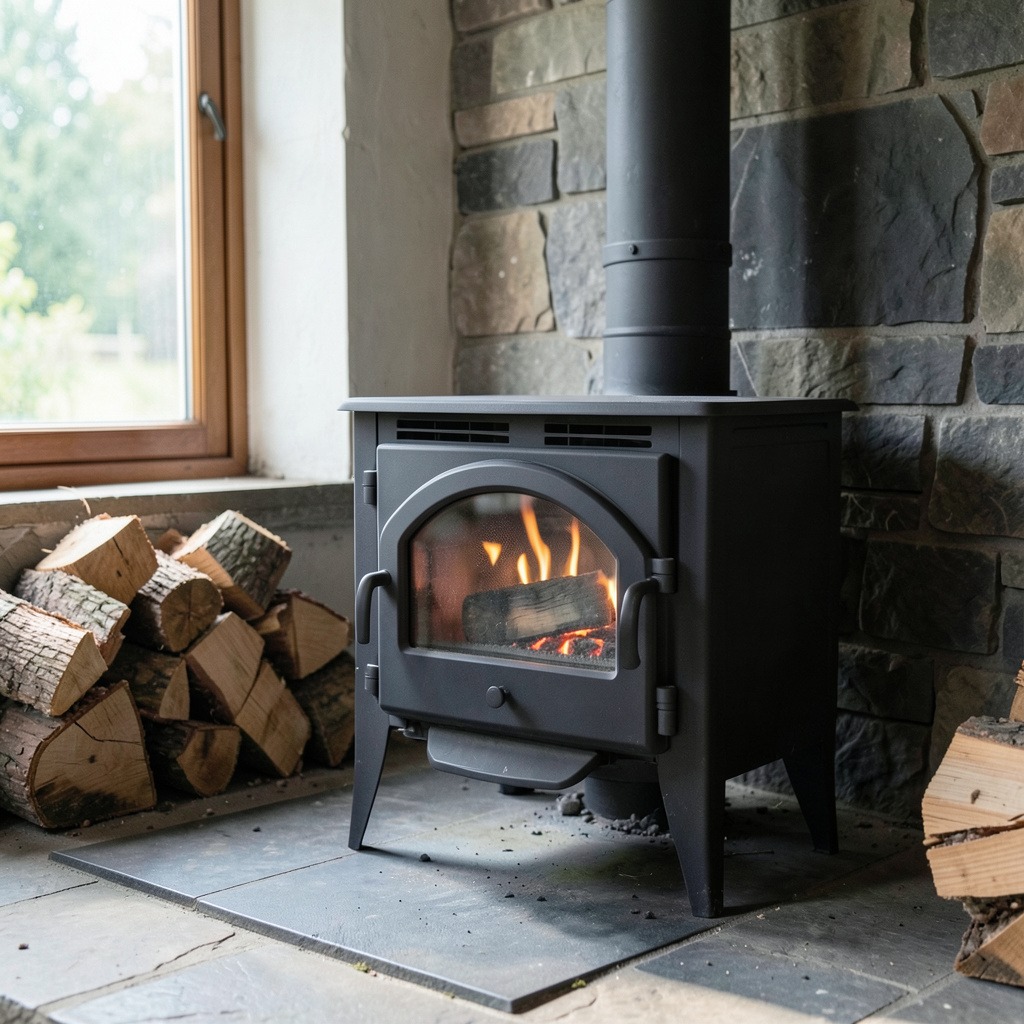
Wood burners, commonly known as wood-burning stoves, are efficient heating appliances that utilize wood as fuel. They come in various types and designs, catering to different heating needs and aesthetic preferences.
What Are Wood Burners?
Wood burners are appliances designed to burn wood for heat. They create a cozy ambiance while providing effective heating. Their efficiency ratings vary based on design and usage.
Types of Wood Burners
1. Freestanding Wood Burners: These are standalone units that can be placed anywhere in a room. They usually come in various styles and sizes, allowing flexibility in home design.
2. Insert Wood Burners: These are built to fit into existing fireplaces. They convert traditional fireplaces into more efficient heating sources, enhancing both performance and aesthetics.
3. Pellet Wood Burners: This modern option uses compressed wood pellets as fuel. They often come with automated feeding systems, making them convenient and efficient.
Table of Contents
How Do Wood Burners Work?
Wood burners operate on a straightforward principle: they burn wood to produce heat. The combustion process requires a steady supply of air. Efficient models have features like secondary combustion chambers that enhance heat output while minimizing smoke emissions.
Efficiency Ratings
Wood burners are rated based on their efficiency in converting wood to heat. Here are some efficiency aspects to consider:
- Burn Rate: Higher efficiency ratings mean more heat from less fuel.
- Fuel Type: Hardwoods like oak and maple tend to burn more efficiently than softwoods, which can affect overall heating costs.
- Installation Quality: Proper installation and maintenance can significantly improve efficiency.
When selecting a wood burner, consider your home size and heating requirements. For instance, a larger space may benefit from a freestanding model, while an insert could be ideal for enhancing an existing fireplace. As an example, the Wood Burning Stove – US Stove Company 2000 Wood Stove provides substantial heat output and efficiency, making it a popular choice among homeowners.
Decision Framework for Choosing Wood Burners
- Home Size: Assess your heating needs based on the square footage of your home.
- Fuel Availability: Consider the types of wood available in your area.
- Aesthetic Preference: Choose a style that complements your home décor.
By understanding the types and operation of wood burners, homeowners can make informed choices that align with their heating needs and preferences.
The Pros of Using Wood Burners for Home Heating
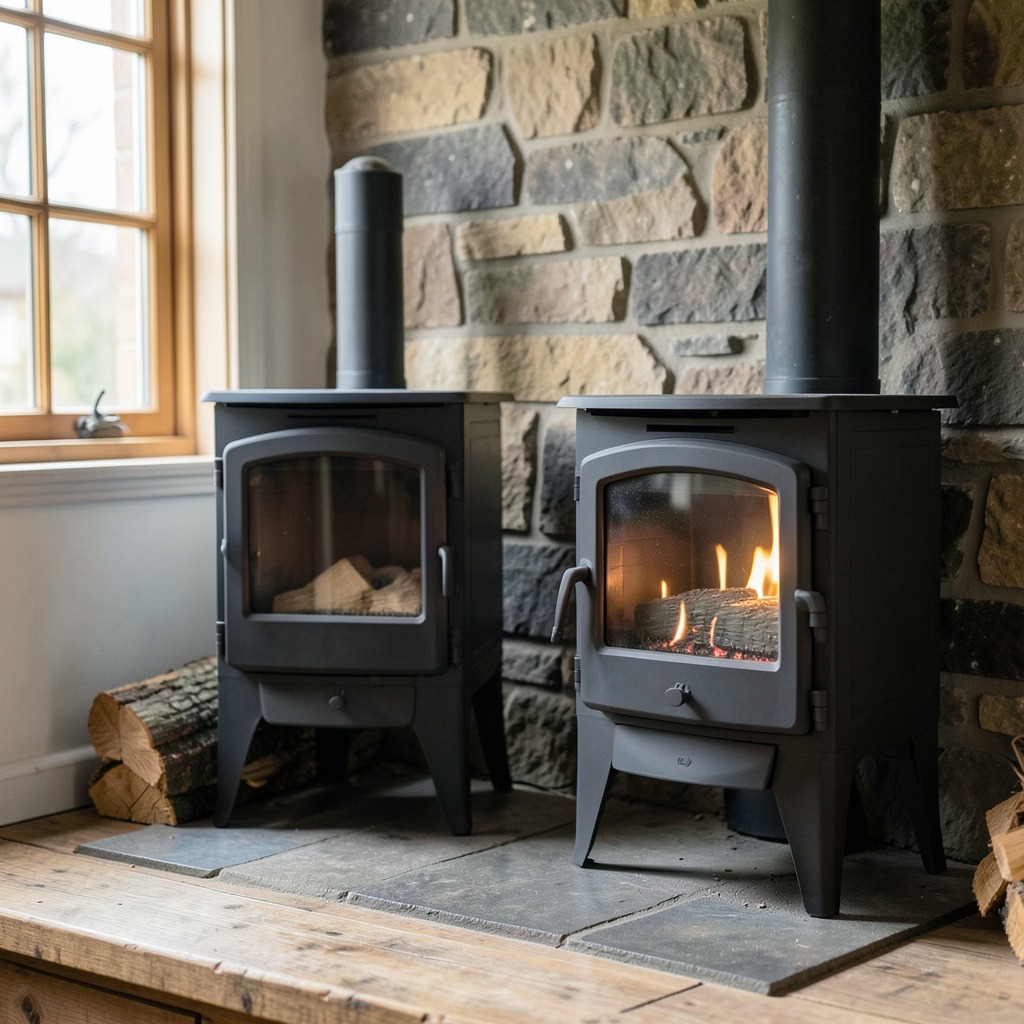
Wood burners offer numerous advantages for homeowners seeking efficient and cost-effective heating solutions. Their efficiency, aesthetic appeal, and potential for long-term savings make them a popular choice.
Cost-Effectiveness of Wood Burners
Wood burners can provide significant cost savings over time. The initial investment, including the purchase and installation of a wood stove, is often offset by lower heating bills. Here are some key points to consider:
- Fuel Cost: In many regions, wood is less expensive than gas or electricity. This is particularly true in areas with abundant timber resources.
- Long-Term Savings: Homeowners can experience substantial savings on heating costs, especially in colder climates where efficient heating is essential.
- Heating Efficiency: Many modern wood burners are designed for high efficiency, which means they use less wood to produce the same amount of heat compared to older models.
Efficiency Compared to Other Heating Methods
When comparing wood burners to other heating options, several factors highlight their efficiency:
- Heat Output: Wood stoves can produce a consistent and reliable heat source, reducing the need for supplemental heating.
- Environmental Impact: Properly maintained stoves with seasoned wood can minimize emissions, making them a more environmentally friendly option than fossil fuels.
- User-Controlled Heating: Homeowners can adjust the burn rate and heat output based on their specific needs, offering a level of control that electric or gas systems may lack.
Aesthetic Value and Ambiance
Beyond functionality, wood burners add significant aesthetic value to a home:
- Visual Appeal: The sight of a flickering fire can create a warm and inviting atmosphere. Many wood stoves come in various designs to match different home styles.
- Cozy Environment: The ambiance of a wood fire enhances comfort levels, making spaces feel more welcoming.
- Unique Characteristics: Each wood-burning stove has its charm, from the sound of crackling wood to the scent of burning logs, creating a multi-sensory experience.
By weighing these advantages, homeowners can better understand the benefits of incorporating a wood burner into their heating strategy.
The Cons of Using Wood Burners: What to Consider
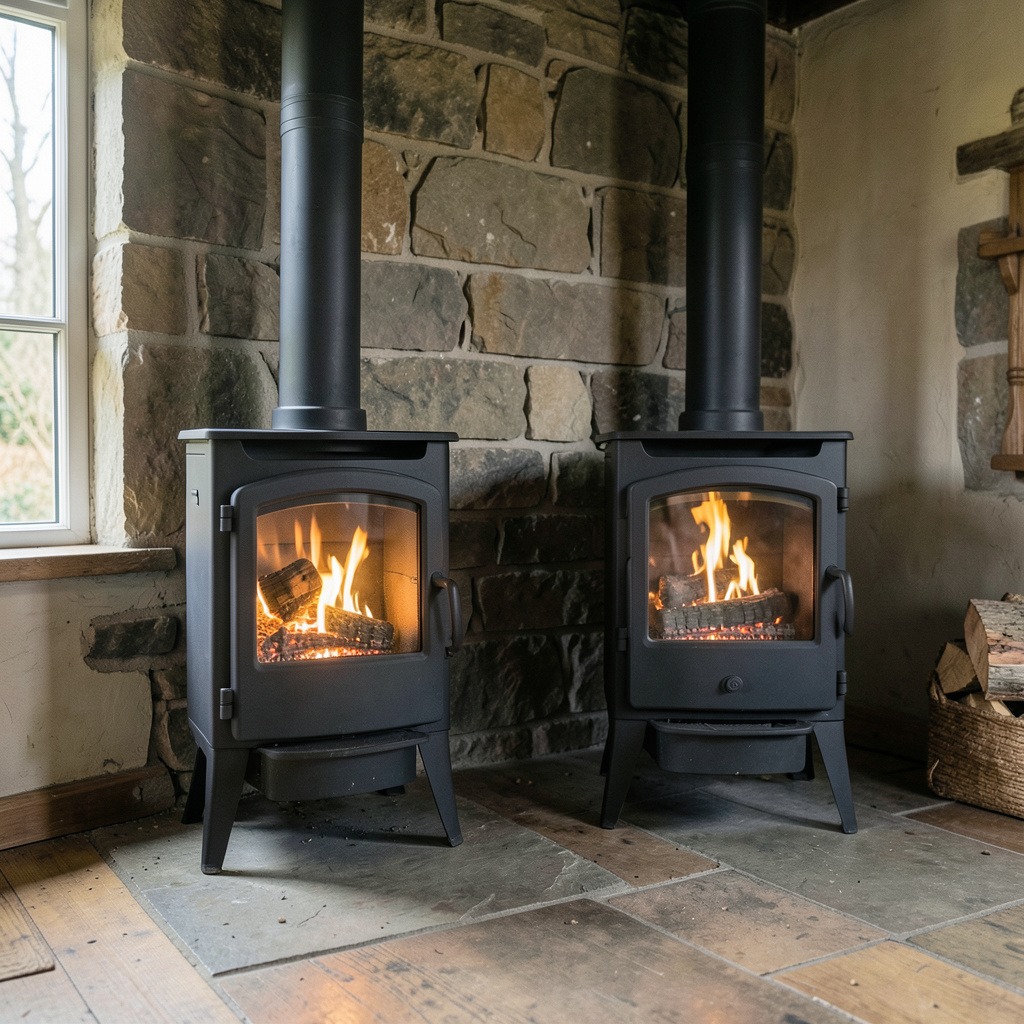
While wood burners offer many benefits, they also present significant drawbacks that must be considered. Maintenance, emissions, and safety concerns are critical factors that can affect your decision.
Maintenance and Upkeep
Wood burners require regular maintenance to ensure safe and efficient operation. Neglecting maintenance can lead to performance issues and safety hazards. Here is a checklist of essential maintenance tasks:
- Chimney Cleaning: Clean the chimney at least once a year to prevent creosote buildup, which can lead to chimney fires.
- Stove Inspection: Inspect the stove for any cracks or damage that could affect performance.
- Wood Quality: Use seasoned wood to minimize smoke and emissions. Seasoned wood burns more efficiently and reduces creosote production.
- Gasket Replacement: Check and replace door gaskets as needed to ensure a proper seal, enhancing efficiency.
Environmental Concerns
Wood burning emits pollutants that can negatively impact air quality. Key emissions include:
- Particulate Matter: Fine particles that can cause respiratory problems.
- Carbon Monoxide: A colorless, odorless gas that can be harmful in high concentrations.
- Volatile Organic Compounds (VOCs): Organic chemicals that can contribute to air pollution.
To mitigate these effects, consider using an EPA-certified wood stove designed for higher efficiency and lower emissions. Modern stoves often incorporate advanced combustion technologies that significantly reduce harmful emissions.
Safety and Health Risks
Safety is paramount when using wood burners. Several risks are associated with their operation:
- Fire Hazards: Improper installation or use can lead to house fires. Maintain clearances from flammable materials and never leave the stove unattended while in use.
- Smoke Inhalation: Wood smoke can be harmful to health, particularly for children and individuals with respiratory issues. Installing carbon monoxide and smoke detectors near the stove is recommended.
By following these safety guidelines and maintenance practices, you can minimize risks and enjoy the benefits of a wood-burning stove. For effective heating, consider models like the Wood Burning Stove – US Stove Company 2000 Wood Stove, which combines efficiency with safety features.
Comparing Wood Burners to Alternative Heating Methods
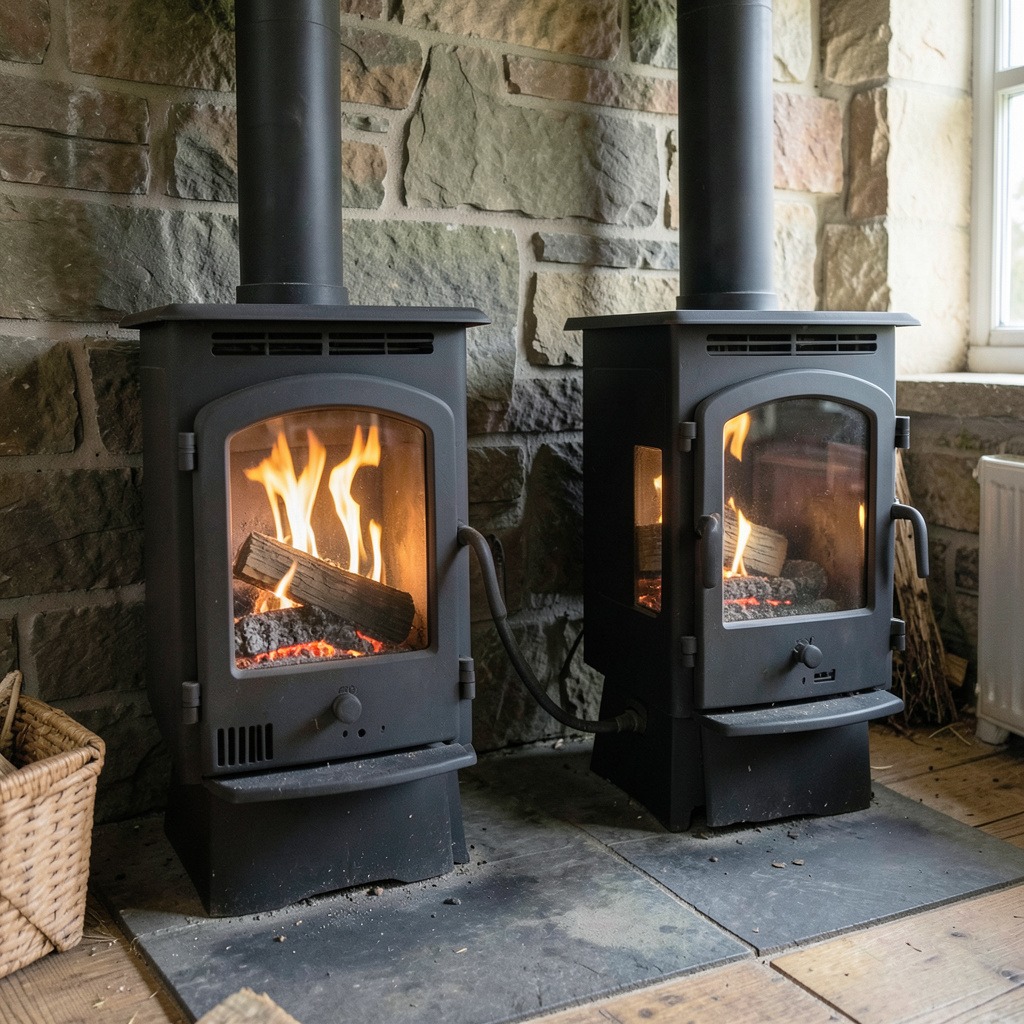
When evaluating home heating options, it is crucial to compare wood burners with gas and electric alternatives. Each method has its unique advantages and disadvantages, influencing your decision based on efficiency, cost, and environmental impact.
Wood Burners vs. Gas Heating
- Efficiency: Wood burners are generally more efficient than traditional gas heating systems. They can convert a higher percentage of fuel into usable heat.
- Cost: The initial cost of a wood burner can be higher than gas systems. However, wood is often cheaper than gas, leading to potential long-term savings.
- Environmental Impact: Wood burning emits more pollutants compared to natural gas. However, responsibly sourced wood can be considered a renewable energy source.
- Heating Capacity: Wood burners can provide consistent heat over longer periods, while gas systems may require more frequent adjustments.
Wood Burners vs. Electric Heating
- Efficiency: Electric heating systems are 100% efficient at converting electricity into heat. However, wood burners can heat larger spaces more effectively.
- Cost: Electric heating may have lower installation costs but can lead to higher utility bills, depending on local electricity rates. Wood burners can be more cost-effective in areas with abundant wood supply.
- Environmental Impact: Electric heating’s environmental friendliness depends on the energy source. If powered by fossil fuels, it may have a higher carbon footprint than wood. Conversely, sustainable wood burning can be eco-friendlier.
- Maintenance: Electric systems require minimal maintenance, while wood burners necessitate regular cleaning and wood management.
Which Is More Efficient?
| Heating Type | Efficiency | Initial Cost | Environmental Impact | Maintenance Needs |
|---|---|---|---|---|
| Wood Burners | High | Moderate | Moderate to High | Regular cleaning |
| Gas Heating | Moderate | Lower | Moderate | Minimal |
| Electric Heating | Very High | Low | Variable | Minimal |
Decision Framework: Consider the following when choosing a heating method:
1. Analyze your local fuel costs for wood, gas, and electricity.
2. Evaluate your home’s size and insulation to determine heating needs.
3. Assess your willingness to manage wood supply and stove maintenance.
By weighing these factors, you can better decide which heating method aligns with your lifestyle and budget.
Installation: What You Need to Know
Installing a wood burner requires careful planning and consideration. Understanding the costs, requirements, and regulations will facilitate a smoother installation process.
Installation Costs Overview
The initial cost of installing a wood burner varies significantly. Here are the key factors to consider:
- Stove Cost: Prices can range from a few hundred to several thousand dollars based on size, type, and efficiency.
- Installation Fees: Professional installation is often recommended and can add several hundred dollars to the total cost.
- Chimney and Venting: If your home lacks a suitable chimney, you may need to install one, which can be a substantial expense.
Required Materials and Tools
To ensure a successful installation, gather the necessary materials and tools. Here’s a checklist:
- Wood Burner: Choose a model that meets your heating needs.
- Chimney Pipe: Ensure it conforms to local codes.
- Insulation Materials: To prevent heat loss and maintain efficiency.
- Fireproof Hearth: Required to protect flooring.
- Basic Tools: Screwdrivers, wrenches, and possibly a drill for installation.
Local Regulations to Consider
Before installation, familiarize yourself with local regulations. Compliance is crucial for safety and legal reasons. Here are common areas to review:
- Building Codes: Check if you need a permit for installation.
- Emissions Standards: Ensure the wood burner meets local emissions regulations.
- Clearance Requirements: Know the minimum distances from combustible materials.
Decision Rule: Contact local authorities or consult a professional to verify regulations in your area. Always prioritize safety and adherence to legal guidelines when installing a wood burner.
Maintenance Tips for Wood Burners
Regular maintenance is essential for the optimal performance and longevity of wood burners. Adhering to a systematic maintenance schedule will enhance efficiency, safety, and comfort in your home.
Regular Cleaning Practices
Keeping your wood burner clean is vital. Here are key cleaning tasks:
- Ash Removal: Remove ash from the firebox after each use to maintain airflow and efficiency.
- Glass Cleaning: Wipe the glass door regularly with a suitable cleaner to ensure clear visibility of the fire.
- Chimney Inspection: Inspect and clean the chimney at least once a year to prevent creosote buildup, which can lead to chimney fires.
Seasonal Maintenance Checklist
A seasonal checklist can help you stay on top of important maintenance tasks. Consider the following:
| Season | Maintenance Tasks |
|---|---|
| Spring | Inspect the entire system; clean the chimney. |
| Summer | Store wood properly; ensure it’s seasoned. |
| Fall | Check seals and gaskets; inspect for damage. |
| Winter | Remove excess ash; monitor burning efficiency. |
Common Problems and Solutions
Identifying and resolving common issues can prolong the life of your wood burner:
- Poor Heat Output: Ensure the wood is dry and well-seasoned. Wet wood can produce less heat and more smoke.
- Smoke Backdraft: Check chimney height and flue size to ensure proper airflow.
- Excess Creosote: Increase the chimney cleaning frequency if creosote buildup is observed.
Example Maintenance Schedule
A detailed maintenance schedule can guide you through the year:
- Monthly: Remove ash and check for any signs of wear.
- Quarterly: Clean the glass and inspect the stove body.
- Annually: Conduct a full system inspection and chimney cleaning by a professional.
By implementing these maintenance tips and schedules, you can ensure your wood burner operates safely and efficiently, maximizing its benefits as a heating source in your home.
User Experiences: Testimonials and Case Studies
Homeowners often share their experiences with wood burners, offering valuable insights into the practical advantages and challenges of this heating method. Below are real-world testimonials and case studies that illustrate the pros and cons of using wood burners.
Testimonials from Wood Burner Owners
1. Sarah, a Cabin Owner in Vermont:
- “We installed a wood stove last winter. The warmth is incredible, and it creates a cozy atmosphere. However, I underestimated the amount of wood we would need. Storage became a challenge.”
2. Mike and Lisa, Homesteaders in Montana:
- “Using a wood burner has significantly reduced our heating bills. We source our wood locally, making it cost-effective. But, we had to invest time in learning how to properly maintain the stove.”
3. John, a Suburban Homeowner:
- “I love the aesthetic appeal of my wood stove. It’s a focal point in our living room. However, the mess from ash and the need for regular chimney cleaning can be a hassle.”
Case Studies: Long-Term Satisfaction
- Case Study 1: The Johnson Family
After switching from electric heating to a wood burner, the Johnsons reported a 40% reduction in their heating costs over three winters. They noted that while they enjoy the lower bills, they must ensure a consistent supply of seasoned wood. Their experience emphasizes the importance of planning for wood storage.
- Case Study 2: A Small Business Owner
A local café installed a wood-burning stove to enhance ambiance and warmth. Customers appreciate the atmosphere it creates. However, the owner highlighted the need for regular maintenance. They learned that professional inspections twice a year are crucial to prevent safety issues.
Lessons Learned from Users
- Efficiency: Many users report that wood burners are more efficient than traditional fireplaces, producing more heat with less fuel. Proper setup and maintenance enhance this efficiency.
- Environmental Impact: Some owners express concerns about emissions. Users who choose seasoned wood and maintain their stoves properly can mitigate these effects.
- Installation Considerations: Users recommend consulting with professionals for installation. Proper venting and clearance are critical for safety and efficiency.
- Maintenance: Regular maintenance is non-negotiable. Users suggest keeping a detailed maintenance log to track cleaning schedules and inspections.
By examining these testimonials and case studies, potential wood burner users can better understand the real-world implications of their choices.
Conclusion: Weighing the Pros and Cons
When considering a wood burner for home heating, it is essential to evaluate both the advantages and disadvantages. This assessment will help you make an informed decision tailored to your circumstances.
Final Thoughts on Wood Burners
Wood burners offer a unique blend of traditional heating and modern efficiency. However, they come with specific challenges. Here’s a summary of the key pros and cons:
Pros:
- Efficiency: Wood burners can produce significant heat with less fuel compared to traditional fireplaces.
- Cost-effectiveness: They can lower heating costs, especially if you have access to inexpensive or free firewood.
- Aesthetic Appeal: Many users enjoy the ambiance created by a wood burner, enhancing the home’s overall charm.
Cons:
- Environmental Impact: Burning wood releases pollutants, contributing to air quality issues. Proper maintenance can mitigate some of these effects.
- Health Concerns: Wood smoke can pose health risks, particularly for vulnerable populations.
- Maintenance: Regular upkeep is necessary for safety and efficiency.
Decision-Making Framework
To decide if a wood burner is suitable for your home, consider these factors:
- Home Size: Assess the size of the area you wish to heat. Larger spaces may require more powerful models.
- Fuel Availability: Determine if you have easy access to seasoned wood. Consider the cost associated with purchasing firewood.
- Local Regulations: Check local laws regarding wood burning, which may affect your ability to install and use a wood burner.
Recommendations Based on Home Needs
When selecting a wood burner, tailor your choice to your specific requirements:
- For Small Spaces: Opt for a compact model that efficiently heats without overwhelming the area.
- For Larger Homes: Consider a high-output stove designed for extensive heating.
- For Aesthetic Value: Choose a model with a glass front, providing both warmth and a visual focal point.
By following this framework, you can ensure that your decision aligns with both your heating needs and environmental considerations.
Frequently Asked Questions
These quick answers cover the most common questions about this topic, including key details, practical tips, and common concerns.
What are the downsides of using a wood-burning stove?
The main downsides of wood-burning stoves include the need for regular maintenance, potential safety hazards, and environmental concerns. Maintenance tasks such as chimney cleaning and ash removal are necessary to ensure safe operation and prevent chimney fires. Additionally, wood smoke can contribute to air pollution and respiratory issues, particularly for sensitive individuals.
Does your house insurance go up with a wood stove?
Yes, installing a wood stove can lead to increased home insurance premiums. Insurance companies may view wood-burning appliances as a higher risk due to fire hazards. It’s advisable to inform your insurer and inquire about any specific requirements or discounts for safety features like smoke detectors or fire extinguishers.
Can I leave my wood-burning stove on all night?
Leaving a wood-burning stove on overnight is possible, but it requires caution. Ensure the stove is designed for long burns and follow manufacturer guidelines. Use seasoned wood to maintain a steady burn and reduce smoke. Always monitor the stove for safety, and consider installing a carbon monoxide detector in the room.
Fireplaces or Wood Stoves: which is better?
Wood stoves generally offer higher efficiency and better heat output compared to traditional fireplaces. They are designed to contain and utilize heat more effectively, leading to lower fuel consumption. Fireplaces often provide aesthetic appeal but can be less efficient, allowing heat to escape through the chimney.
How often should I clean my wood-burning stove?
You should clean your wood-burning stove regularly to maintain safety and efficiency. Remove ash after each use and clean the glass door as needed. Additionally, schedule a thorough inspection and chimney cleaning at least once a year to prevent creosote buildup and ensure proper ventilation.
What types of wood are best for burning?
Hardwoods like oak, maple, and hickory are ideal for burning due to their high energy content and low moisture levels. Seasoned wood, which has been dried for at least six months, burns more efficiently and produces less smoke. Avoid burning softwoods like pine, as they can create more creosote buildup and emit more pollutants.
What should readers know about detailed maintenance schedules?
A detailed maintenance schedule is crucial for the safe and efficient operation of a wood burner. Key tasks include monthly ash removal, quarterly inspections of the stove and chimney, and annual professional cleanings. Keeping a log of maintenance activities helps ensure your stove remains in good condition and prevents potential hazards.