
Wood decking offers natural beauty and customization options, but it requires regular maintenance and is susceptible to rot and insect damage.
Wood decking remains a popular choice for homeowners due to its aesthetic appeal and versatility. However, like any material, it comes with its advantages and disadvantages. This guide explores the six key pros and cons of wood decking to help you make an informed decision.
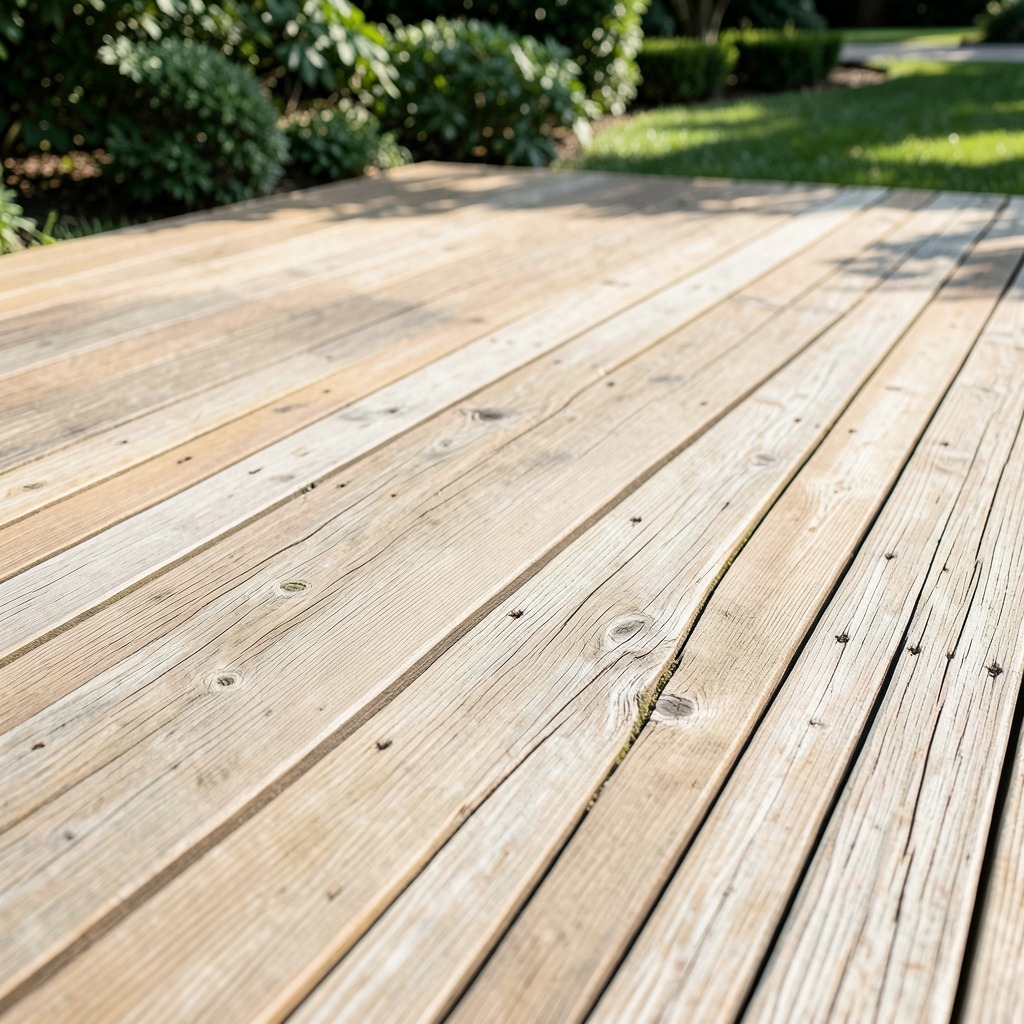
Understanding Wood Decking: Types and Characteristics
Wood decking is available in various materials, each offering distinct benefits and drawbacks. Understanding these types helps homeowners make informed decisions based on their specific needs.
Pressure-Treated Wood: Cost-Effective and Popular
Pressure-treated wood is the most common choice for decking. It is affordable and readily available. This wood undergoes a treatment process that enhances its resistance to rot and insects.
Key Characteristics:
- Cost: Typically ranges from $2 to $5 per square foot.
- Durability: Lasts about 15 to 20 years with proper maintenance.
- Maintenance: Requires regular sealing and staining to protect against moisture.
Tropical Hardwoods: Durability and Aesthetics
Tropical hardwoods, such as ipe and mahogany, are known for their exceptional durability and beauty. These woods are naturally resistant to decay and insects.
Key Characteristics:
Table of Contents
- Cost: Generally ranges from $8 to $15 per square foot.
- Durability: Can last over 25 years if maintained correctly.
- Maintenance: Minimal; however, periodic oiling can help maintain color.
Softwoods: Affordable Options with Unique Appeal
Softwoods, including cedar and redwood, offer a warm appearance and are often chosen for their natural beauty. They are also lightweight and easy to work with.
Key Characteristics:
- Cost: Ranges from $3 to $6 per square foot.
- Durability: Lasts approximately 10 to 15 years.
- Maintenance: Requires regular staining and sealing to prevent fading and damage.
Comparative Table of Wood Types
| Wood Type | Cost per Sq Ft | Lifespan (Years) | Maintenance Needs |
|---|---|---|---|
| Pressure-Treated | $2 – $5 | 15 – 20 | Regular sealing and staining |
| Tropical Hardwoods | $8 – $15 | 25+ | Periodic oiling |
| Softwoods | $3 – $6 | 10 – 15 | Regular staining and sealing |
When evaluating wood decking options, consider your budget, desired longevity, and maintenance frequency. Each type presents unique pros and cons that can influence your decision on which decking material best suits your outdoor space.
The Top 3 Pros of Wood Decking

Wood decking offers numerous benefits that appeal to homeowners looking to enhance their outdoor living spaces. From its natural beauty to its customizable options and environmental advantages, wood decking stands out as a popular choice.
Natural Beauty and Warmth
One of the most compelling reasons to choose wood decking is its aesthetic appeal. Wood brings a natural warmth and charm that synthetic materials often lack. Homeowners frequently prefer the rich textures and colors of wood over the uniformity of composites. According to recent surveys, nearly 70% of homeowners cite the natural look of wood as a decisive factor in their decking choice.
- Variety of Species: Options range from classic pressure-treated pine to exotic hardwoods like teak and mahogany, each offering unique visual characteristics.
- Curb Appeal: A well-maintained wood deck can significantly boost a home’s curb appeal and resale value.
Customization Flexibility
Wood decking allows for extensive customization, enabling homeowners to tailor their decks to fit their personal style.
- Staining and Finishing: Different stains and finishes can enhance the wood’s natural grain and color. This flexibility means that wood can easily complement any home design.
- Design Options: Homeowners can create unique patterns, layouts, and features like built-in seating or railings, adding to the deck’s overall functionality and aesthetic.
Eco-Friendliness of Wood Sourcing
Wood is a renewable resource, making it an environmentally friendly choice when sourced responsibly.
- Sustainable Practices: Look for wood that is certified by the Forest Stewardship Council (FSC) to ensure it comes from sustainably managed forests.
- Carbon Footprint: Wood can store carbon, which helps reduce greenhouse gases in the atmosphere. This benefit positions wood as a more sustainable option compared to synthetic materials that require significant energy for production.
Incorporating wood decking into your outdoor space not only enhances its beauty but also aligns with environmentally conscious practices. As you weigh the pros and cons of wood decking, consider these advantages to make an informed decision.
The 3 Major Cons of Wood Decking

While wood decking offers aesthetic appeal and natural warmth, it comes with significant disadvantages that homeowners must consider. Understanding these cons can help you make an informed decision.
Regular Maintenance and Upkeep
Wood decking requires consistent maintenance to ensure its longevity and performance. Regular tasks include:
- Sealing and Staining: Wood must be sealed and stained every 1-3 years to protect against moisture and UV damage.
- Cleaning: Regular cleaning is necessary to prevent mold and mildew accumulation. This should be done at least twice a year.
- Repairs: Inspect for cracked or splintered boards and replace them as needed. Aim for a thorough inspection at the start of each season.
Failing to adhere to these maintenance tasks can lead to significant deterioration, resulting in costly repairs or replacement.
Vulnerability to Insects and Rot
Wood decking is susceptible to insect damage, particularly from termites and carpenter ants. These pests can quickly compromise the structural integrity of your deck. Additionally, untreated wood is prone to rot, especially in moist climates.
Homeowners can mitigate these risks by:
- Choosing Pressure-Treated Wood: This type of wood is chemically treated to resist rot and insect damage.
- Regular Inspections: Look for signs of insect activity or decay, especially in areas with poor drainage.
Environmental Sourcing Concerns
The environmental impact of wood decking can vary widely based on sourcing practices. To ensure that your wood decking is eco-friendly, consider:
- Sustainable Sourcing: Look for FSC-certified wood to ensure responsible harvesting.
- Carbon Footprint: Wood is a renewable resource, but overharvesting can lead to ecological damage.
By selecting sustainably sourced wood, you can enjoy the beauty of wood decking while minimizing your environmental footprint.
Cost Considerations for Wood Decking
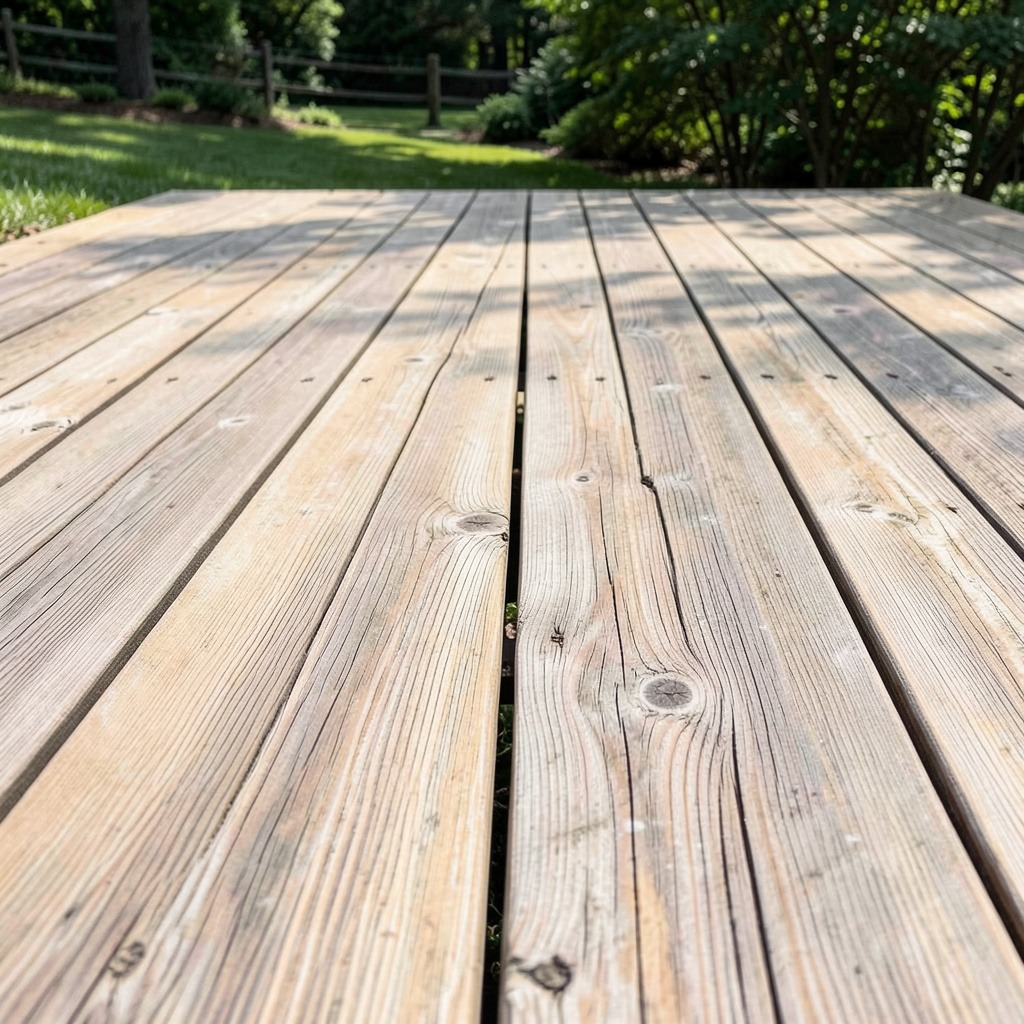
Understanding the costs associated with wood decking is essential for homeowners. This section breaks down initial installation costs, long-term maintenance expenses, and provides a comparison with alternative decking materials.
Initial Installation Costs
The upfront cost of installing wood decking can vary significantly based on the type of wood chosen. Here’s a breakdown of typical installation costs for various wood types:
- Pressure-Treated Pine: $15 – $25 per square foot
- Cedar: $20 – $30 per square foot
- Redwood: $30 – $50 per square foot
- Tropical Hardwoods (e.g., Teak, Ipe): $40 – $70 per square foot
These estimates include materials and basic installation. Complex designs or additional features can increase these costs.
Long-term Maintenance Costs
Wood decking requires regular maintenance to ensure its longevity. Here’s a general overview of what to expect for upkeep:
- Sealing/Staining: $0.50 – $2.00 per square foot, every 1-3 years
- Cleaning (pressure washing): $0.20 – $0.50 per square foot, annually
- Repairs (e.g., replacing boards): Varies widely, but budget $100 – $300 for minor repairs annually
These costs can accumulate, making it vital to factor them into your long-term budget when considering wood decking.
Cost Comparisons with Alternative Decking
When comparing wood decking to composite or PVC materials, it’s essential to consider both initial and ongoing costs. Here’s a quick comparison:
| Decking Material | Initial Cost (per sq. ft.) | Estimated Maintenance Cost (annual) |
|---|---|---|
| Pressure-Treated Pine | $15 – $25 | $2 – $3 |
| Cedar | $20 – $30 | $2.50 – $4 |
| Composite | $30 – $45 | Minimal (cleaning only) |
While composite decking may have a higher upfront cost, it typically requires less maintenance over time. Homeowners should weigh these factors when deciding which material best fits their budget and lifestyle.
Maintenance and Care Tips for Wood Decking
Proper maintenance is crucial for ensuring the longevity and beauty of your wood decking. Regular care can prevent costly repairs and help maintain its natural appeal.
Cleaning Your Deck: Best Practices
Cleaning your wood deck should be a routine task to remove dirt, grime, and mildew. Here are some best practices:
- Use a Broom: Sweep the deck regularly to remove debris.
- Power Wash: Consider a gentle power washing once a year. Avoid high pressure to prevent damage.
- Mild Detergent: Use a mild detergent mixed with water for scrubbing. Rinse thoroughly afterward.
Staining and Sealing: Timing and Importance
Staining and sealing your deck are essential for protecting it from the elements:
- Frequency: Reapply stain every 2-3 years, depending on weather exposure.
- Sealing: Seal your deck annually to prevent moisture penetration. Look for weatherproof sealants suited for your wood type.
- Timing: Apply stain and sealant in dry, mild weather for optimal absorption.
Seasonal Maintenance Tips
A seasonal maintenance calendar can help you stay on track. Here’s a simple guide:
| Season | Maintenance Task |
|---|---|
| Spring | Clean the deck; check for damage. |
| Summer | Reseal if needed; enjoy your space. |
| Fall | Clear leaves and debris; prepare for winter. |
| Winter | Remove snow; avoid ice build-up. |
By following these maintenance guidelines, you can preserve the beauty and integrity of your wood decking for years to come.
Environmental Impact and Sourcing of Wood Decking
When considering wood decking, it’s essential to evaluate its environmental impact. Sustainable sourcing plays a crucial role in minimizing ecological harm and promoting responsible forestry practices.
Understanding Sustainable Sourcing
Sustainable sourcing of wood means obtaining lumber from forests managed to maintain biodiversity and ecosystem health. This approach ensures that the timber harvest does not exceed the forest’s natural regeneration capacity. Homeowners should look for wood certified by organizations like the Forest Stewardship Council (FSC). These certifications guarantee that the wood comes from responsibly managed forests.
Impact of Deforestation
Deforestation poses significant risks, including habitat loss and climate change. Choosing sustainably sourced wood helps mitigate these effects. For example, tropical hardwoods, while often prized for their beauty, can contribute to deforestation if not harvested responsibly. Opting for certified alternatives can reduce the demand for illegally sourced timber.
Eco-Friendly Certification and Labels
Identifying eco-friendly wood involves recognizing certifications and labels. Here are some key points to consider:
- FSC Certification: Indicates that the wood is sourced from well-managed forests.
- PEFC Certification: Focuses on promoting sustainable forestry practices globally.
- Reclaimed Wood: Utilizes salvaged timber, reducing the need for new resources.
By selecting wood with these certifications, homeowners can ensure their decking choices align with environmental sustainability.
Checklist for Responsible Wood Sourcing:
- Look for FSC or PEFC certifications.
- Consider using reclaimed wood options.
- Research the origin of the wood and its environmental impact.
- Evaluate the supplier’s commitment to sustainable practices.
Homeowners can make informed decisions to reduce their ecological footprint while enjoying the aesthetic and functional benefits of wood decking.
Frequently Asked Questions
These quick answers cover the most common questions about this topic, including key details, practical tips, and common concerns.
What are the downsides of wood decking?
Wood decking requires regular maintenance, which can be time-consuming and costly. Homeowners must seal and stain the wood every 1-3 years to protect it from moisture and UV damage. Additionally, wood is susceptible to rot and insect damage, especially if untreated or not properly maintained. Over time, this can lead to costly repairs or even replacement.
How much should a 20×20 wood deck cost?
The cost of a 20×20 wood deck can vary widely based on the type of wood used. For instance, pressure-treated pine ranges from $15 to $25 per square foot, while tropical hardwoods can cost between $40 to $70 per square foot. This means you could expect to pay anywhere from $6,000 to $14,000 for a 20×20 deck, depending on the material and installation specifics.
What is the 3/4/5 rule for decks?
The 3/4/5 rule is a method used to ensure that your deck is square during construction. To apply this rule, measure 3 feet along one side of the deck, then measure 4 feet along the adjacent side. The distance between these two points should be exactly 5 feet if the angles are square. This technique helps prevent structural issues and ensures a professional finish.
Why do people not like Trex decking?
Some homeowners prefer wood over Trex decking due to its natural appearance and feel. Trex, a composite material, can sometimes look artificial and lacks the warmth of real wood. Additionally, Trex can be more expensive upfront and may not appeal to those seeking a traditional aesthetic. Some users also report that Trex can become slippery when wet, raising safety concerns.
What are the best types of wood for decking?
The best types of wood for decking include pressure-treated pine, cedar, redwood, and tropical hardwoods like ipe and mahogany. Pressure-treated wood is cost-effective and resistant to rot, while cedar and redwood offer natural beauty and resistance to decay. Tropical hardwoods are exceptionally durable but come at a higher price point. Each type has its unique benefits and maintenance requirements.
How do I prevent my wood deck from rotting?
To prevent your wood deck from rotting, regularly seal and stain it to protect against moisture. Ensure proper drainage around the deck to minimize water pooling. Regular inspections for signs of damage or decay are crucial. If you notice any issues, address them immediately to avoid further deterioration.
What is the average lifespan of wood decking?
The average lifespan of wood decking varies by type. Pressure-treated wood typically lasts around 15 to 20 years with proper care, while cedar and redwood may last 10 to 15 years. Tropical hardwoods, on the other hand, can exceed 25 years if maintained correctly. Regular maintenance plays a crucial role in maximizing the lifespan of any wood decking.
What are the pros and cons of composite decking vs. wood decking?
Composite decking is low-maintenance and resistant to rot and insects, making it appealing for busy homeowners. However, it often lacks the natural beauty and warmth of wood. Wood decking, while requiring more upkeep, offers a traditional aesthetic and can be more customizable. Ultimately, the choice depends on your budget, maintenance preferences, and desired look for your outdoor space.