
Wood dining tables offer durability, aesthetic appeal, and environmental benefits but require regular maintenance and may be susceptible to scratches and humidity.
Choosing a dining table is a significant decision, especially when considering a wood option. While wood tables provide timeless beauty and strength, they also come with challenges. This guide explores the pros and cons, helping you make an informed choice.
Understanding Solid Wood Dining Tables
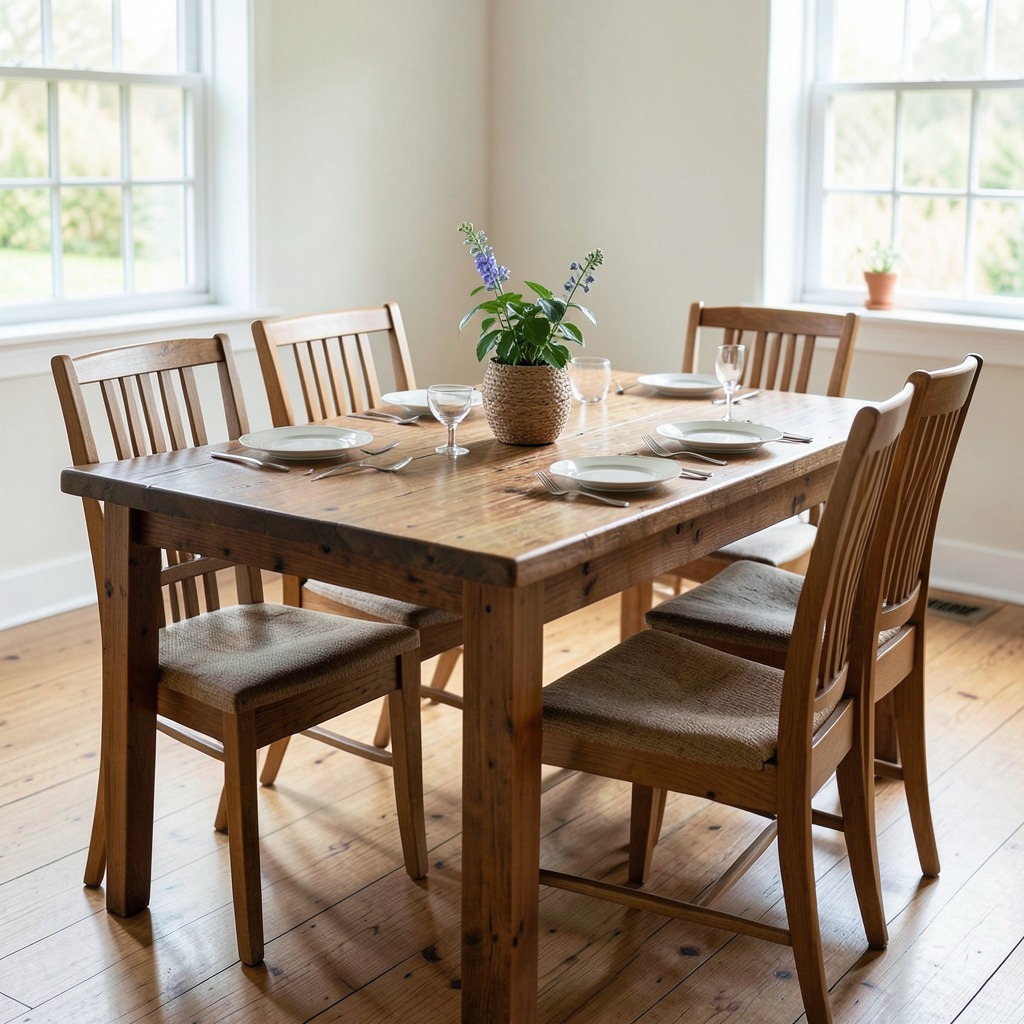
Solid wood dining tables are crafted from natural wood, providing durability and aesthetic appeal. Their timeless design makes them a popular choice for home decor. This section explores the common types of wood used, their unique characteristics, and factors influencing consumer choices.
What Is a Solid Wood Dining Table?
A solid wood dining table is made entirely from natural wood, unlike those that use engineered wood or veneers. This construction ensures longevity and stability, which many homeowners value. Solid wood tables are known for their unique grain patterns and natural beauty, adding warmth to any dining space.
Common Types of Wood Used
Several wood types are popular for dining tables, each offering distinct characteristics:
- Oak: Known for its strength and durability, oak has a prominent grain pattern. It resists scratches and dents, making it ideal for busy households.
- Walnut: This wood is darker and richer in color, with a smooth finish. Walnut tables are often considered luxurious, but they may require more maintenance to preserve their luster.
- Maple: Maple is lighter in color and exceptionally hard. It withstands wear and tear and is often used in modern designs.
- Cherry: Cherry wood deepens in color over time, adding character. It is softer than oak and may be more susceptible to scratches but offers a classic aesthetic.
Why Choose Solid Wood?
Choosing a solid wood dining table offers several benefits:
- Durability: Solid wood is renowned for its strength, ensuring the table can survive daily use for years.
- Aesthetic Appeal: Each piece of wood has its own unique grain and coloration, contributing to the table’s charm.
- Environmental Impact: Many consumers prefer solid wood for its sustainability, especially when sourced responsibly.
When selecting a wood type, consider your lifestyle, maintenance preferences, and the overall design of your home. For example, families with young children might prefer oak for its resilience, while those seeking elegance may choose walnut for its beauty.
Table of Contents
Pros of Choosing a Solid Wood Dining Table

Solid wood dining tables offer numerous advantages that enhance both functionality and aesthetics in your home. Understanding these benefits can help you make an informed decision.
Durability and Longevity
Solid wood is celebrated for its remarkable durability. Unlike other materials, a solid wood dining table can withstand the rigors of daily use. With proper care, these tables often last for generations.
- Lifespan: A well-maintained solid wood table can last over 30 years, compared to laminate tables, which may only last around 5-10 years.
- Repairable: Scratches and dents can often be sanded out, restoring the table’s original beauty.
Aesthetic Appeal and Customization
The unique grain patterns and colors of solid wood contribute to its aesthetic charm. Each table has its own character, making it a centerpiece in your dining area.
- Custom Finishes: Solid wood can be stained or painted to match your decor, allowing for versatility in design.
- Timelessness: Solid wood’s natural beauty complements both traditional and modern styles, ensuring it remains fashionable over time.
Environmental Impact and Sustainability
Choosing a solid wood dining table can also align with sustainable living practices. Many solid wood options come from responsibly managed forests.
- Eco-Friendly: Solid wood is biodegradable and often sourced from renewable forests. This makes it a better choice for environmentally conscious consumers.
- Low Emissions: Compared to synthetic materials, solid wood typically has a lower carbon footprint during production and disposal.
By selecting a solid wood dining table, you invest not only in durability and beauty but also in sustainability.
Cons of Solid Wood Dining Tables

While solid wood dining tables offer many benefits, they also come with notable drawbacks. Understanding these cons is essential for making an informed purchasing decision.
Susceptibility to Damage
Solid wood dining tables can be prone to various forms of damage. Common issues include:
- Scratches: The surface can easily scratch from everyday use, especially with sharp objects.
- Water Stains: Spills can lead to unsightly water marks if not promptly cleaned.
- Heat Damage: Hot dishes placed directly on the surface can scorch the wood.
To mitigate these risks, consider using placemats, coasters, and tablecloths. These protective measures can help maintain the table’s aesthetic and prolong its lifespan.
Maintenance Requirements
Proper maintenance is crucial for preserving a solid wood dining table’s appearance and integrity. Key maintenance tasks include:
- Regular Dusting: Use a soft cloth to remove dust and prevent buildup.
- Cleaning: Wipe with a damp cloth and a mild soap solution. Avoid harsh chemicals.
- Polishing: Apply furniture polish or wax periodically to restore shine and protect the surface.
Maintenance Checklist:
- Dust weekly.
- Clean spills immediately.
- Polish every 6 months.
- Use coasters and placemats.
Neglecting these maintenance tasks can lead to a decline in the table’s condition over time.
Environmental Sensitivities
Solid wood is sensitive to environmental factors. Changes in humidity and temperature can cause wood to expand or contract, leading to warping or cracking. To minimize these effects:
- Avoid Direct Sunlight: Place the table away from windows to prevent fading and warping.
- Control Humidity: Keep the indoor humidity level consistent to reduce stress on the wood.
Understanding these environmental sensitivities can help you create a suitable living space for your solid wood dining table, ensuring its longevity.
Comparing Solid Wood with Other Dining Table Materials
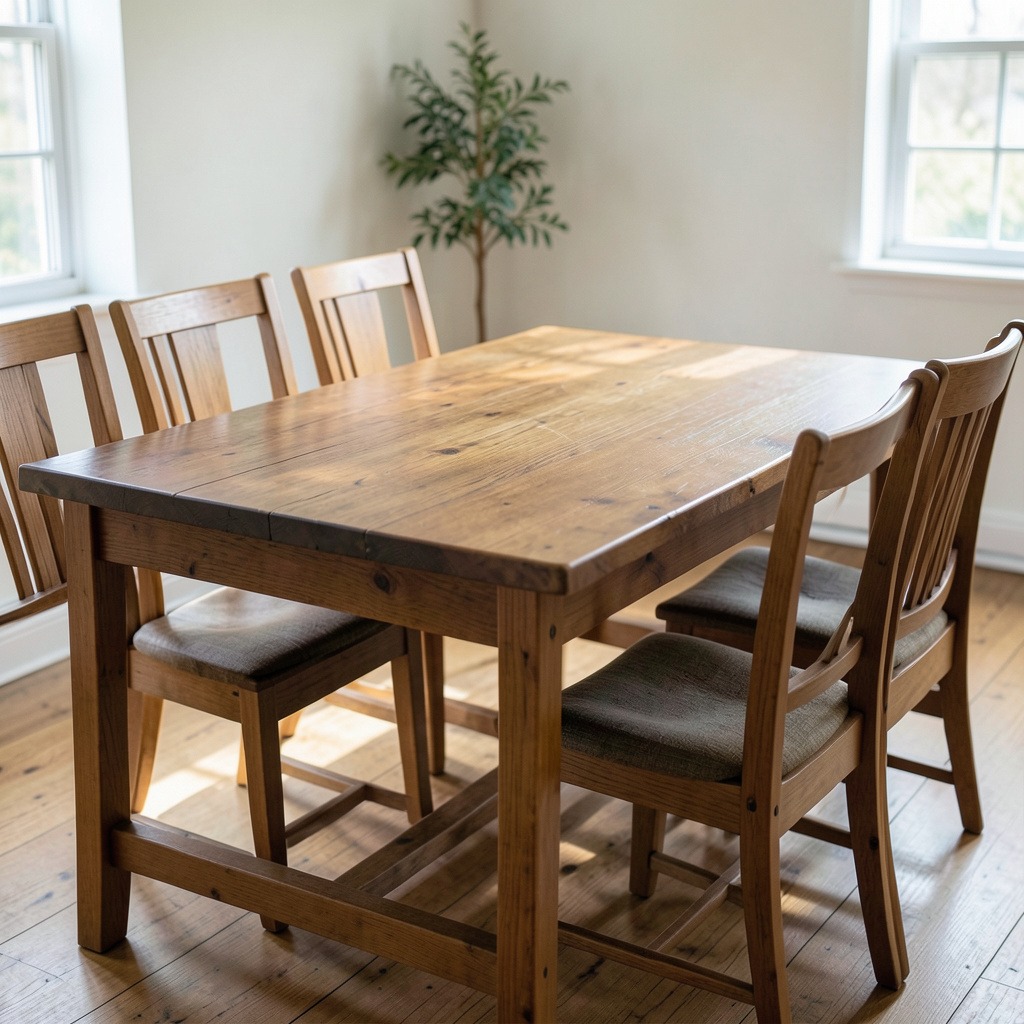
When selecting a dining table, understanding how solid wood compares to other materials is essential. Each material has unique strengths and weaknesses that cater to different needs and lifestyles.
Solid Wood vs. Glass
Pros of Glass Tables:
- Lightweight and Airy: Glass tables create an illusion of space, making them ideal for small dining areas.
- Easy to Clean: A smooth surface allows for quick cleanup of spills and crumbs.
Cons of Glass Tables:
- Fragility: Glass can break or chip easily, posing a risk, especially in homes with children or pets.
- Maintenance: Glass requires regular cleaning to prevent fingerprints and smudges.
Solid Wood vs. Marble
Pros of Marble Tables:
- Luxurious Aesthetic: Marble exudes elegance and sophistication.
- Durability: Resistant to heat and scratches when properly maintained.
Cons of Marble Tables:
- Weight: Marble tables can be heavy and difficult to move.
- Staining Risk: Marble is porous and can stain from acidic substances if not sealed regularly.
Solid Wood vs. Engineered Wood
Pros of Engineered Wood Tables:
- Cost-Effective: Typically less expensive than solid wood, making them accessible for budget-conscious buyers.
- Stability: Less prone to warping or cracking compared to solid wood due to their composite nature.
Cons of Engineered Wood Tables:
- Durability: Generally less durable than solid wood and may not last as long.
- Aesthetic Limitations: May lack the rich texture and warmth that solid wood offers.
Comparison Table
| Material | Pros | Cons |
|---|---|---|
| Solid Wood | Durable, timeless aesthetic | Requires maintenance, sensitive to humidity |
| Glass | Lightweight, easy to clean | Fragile, shows fingerprints |
| Marble | Luxurious, heat-resistant | Heavy, staining risk |
| Engineered Wood | Cost-effective, stable | Less durable, limited aesthetic appeal |
Choosing the right material depends on your personal style, lifestyle, and maintenance preferences. Solid wood dining tables offer a classic, long-lasting option, while other materials may suit specific needs and budgets.
Maintenance Tips for Solid Wood Dining Tables
Maintaining your solid wood dining table is essential to preserve its beauty and extend its lifespan. Regular care keeps the wood looking vibrant and protects it from damage. Here are key maintenance strategies.
Cleaning Your Solid Wood Table
To keep your table clean, follow these steps:
- Use a soft, damp cloth to wipe away crumbs and spills.
- Avoid harsh chemicals. Instead, use a mild soap solution or a vinegar-water mix.
- After cleaning, dry the surface with a soft, dry cloth to prevent moisture penetration.
Protecting Against Scratches and Stains
Preventive measures can significantly enhance the durability of your table. Consider these tips:
- Use placemats and coasters to protect the surface from hot dishes and spills.
- Avoid dragging objects across the table. Lift them instead to prevent scratches.
- Regularly inspect the table for signs of wear and treat any scratches promptly.
Refinishing and Long-Term Care
Over time, your solid wood table may need refinishing to restore its original luster. Here’s how to approach it:
- DIY Refinishing Steps:
1. Clean the surface thoroughly.
2. Sand the table lightly to remove the old finish.
3. Apply a new coat of wood stain or finish, following the manufacturer’s instructions.
- Maintenance Schedule:
- Monthly: Dust and clean the table.
- Quarterly: Apply wood polish or wax to maintain shine and protection.
- Annually: Consider a thorough deep cleaning and assessment for refinishing needs.
By following these maintenance tips, you can enjoy the timeless beauty of your solid wood dining table for years to come.
Evaluating the Cost and Investment Value of Solid Wood Tables
When choosing a dining table, understanding the cost and investment potential is crucial. Solid wood dining tables often come with a higher initial price tag but provide long-term value through durability and resale potential.
Initial Investment vs. Longevity
The upfront cost of solid wood dining tables can be significant. Prices typically range from $800 to $3,000, depending on the wood type and craftsmanship. However, their longevity often offsets this initial investment. Solid wood tables can last several decades with proper care, unlike cheaper alternatives, such as laminate or veneer, which may need replacement in five to ten years.
- Solid Wood Table Benefits:
- Durability: Can withstand daily use and resist wear.
- Timeless Design: Complements various decor styles, enhancing home aesthetics.
- Potential for Refinishing: Can be refinished to restore appearance, extending lifespan.
Comparing Costs with Other Materials
When comparing solid wood to other materials, the long-term cost-benefit becomes evident. For instance, engineered wood or glass tables may be less expensive initially, but they often lack the durability and repairability of solid wood. Below is a cost comparison table:
| Material | Average Cost Range | Expected Lifespan | Repairability |
|---|---|---|---|
| Solid Wood | $800 – $3,000 | 20-50 years | High |
| Engineered Wood | $300 – $1,200 | 5-15 years | Low |
| Glass | $500 – $2,000 | 5-10 years | Medium |
Understanding Resale Value
Solid wood dining tables tend to hold their value better than those made from other materials. If you choose to sell or upgrade your furniture, a well-maintained solid wood table can fetch a higher resale price. Factors influencing resale value include:
- Condition: Well-kept tables can retain or appreciate in value.
- Brand and Craftsmanship: Recognized brands often command higher resale prices.
- Wood Type: Certain woods, like oak or walnut, are more desirable and can increase resale value.
In conclusion, while the initial investment in a solid wood dining table is higher, its durability, aesthetic appeal, and resale potential make it a smart long-term choice.
Conclusion: Is a Solid Wood Dining Table Right for You?
Choosing a solid wood dining table hinges on various factors, from durability to aesthetic appeal. Understanding these elements can help you make an informed decision that aligns with your lifestyle and preferences.
Factors to Consider
1. Durability: Solid wood is known for its strength and longevity. Tables made from hardwoods like oak or maple resist wear and tear, making them suitable for daily use.
2. Maintenance: Regular care is essential to preserve the table’s beauty. This includes cleaning, oiling, and avoiding excessive moisture.
3. Cost: Solid wood dining tables typically range from $500 to $1,500, depending on size and craftsmanship. Premium options can exceed $2,000. Evaluate your budget against your long-term investment goals.
4. Aesthetic Appeal: The natural grain and texture of wood offer a timeless charm. Solid wood tables add warmth and character to dining spaces.
5. Environmental Impact: Consider the sustainability of the wood source. Opt for manufacturers that practice responsible forestry.
Making the Right Choice for Your Home
To decide if a solid wood dining table is right for you, follow this checklist:
- Assess Your Lifestyle: Do you host large gatherings or have young children? A durable, easy-to-clean surface may be essential.
- Evaluate Your Space: Ensure the table’s size and style complements your existing decor.
- Long-Term Vision: Are you willing to invest in a piece that can last decades? Solid wood tables often improve in appearance over time.
Example Scenario
Imagine a growing family that frequently hosts dinner parties. They prioritize durability and style. A solid wood dining table made from oak suits their needs. It withstands daily wear and enhances their home’s aesthetic, making it a worthwhile investment.
By considering these factors and examples, you can confidently determine if a solid wood dining table aligns with your home and lifestyle.
Frequently Asked Questions
These quick answers cover the most common questions about this topic, including key details, practical tips, and common concerns.
What are the dining table trends for 2026?
In 2026, dining table trends are expected to focus on sustainability, multifunctionality, and natural materials. Expect to see more eco-friendly options made from reclaimed wood or sustainably sourced materials. Additionally, tables that can adapt to various functions—like extending for larger gatherings—will be popular. Minimalist designs with clean lines and organic shapes will also gain traction, reflecting a desire for simplicity and elegance in dining spaces.
Should I buy a solid wood dining table?
Yes, a solid wood dining table is a worthwhile investment if you prioritize durability, aesthetic appeal, and longevity. Solid wood tables can last for decades with proper care, making them a great choice for families and those who frequently host gatherings. However, if you have a tight budget or need a lightweight option, consider alternatives like engineered wood or glass.
What is the most durable material for a dining table?
Solid wood, particularly hardwoods like oak and maple, is one of the most durable materials for dining tables. These woods can withstand daily wear and tear, resist scratches, and are less prone to warping compared to softer woods. Other durable options include metal and certain types of engineered wood, but they may lack the aesthetic warmth of solid wood.
Which wood is better for a dining table?
Hardwoods like oak, maple, and walnut are generally considered the best choices for dining tables. Oak is known for its strength and resistance to damage, while maple offers a beautiful, smooth finish. Walnut, though softer, provides a rich color and luxurious feel. The best wood type for you will depend on your style preferences, maintenance willingness, and how much wear the table will endure.
Do you have children or pets using the table daily?
If you have children or pets, a solid wood dining table is a great choice, especially if you select a durable wood like oak. Its resistance to scratches and dents makes it suitable for busy households. However, you may want to consider a table with a protective finish or one that can be easily refinished to maintain its appearance over time.
What are the best wood types for dining tables?
The best wood types for dining tables include oak, maple, walnut, and cherry. Oak is highly durable and scratch-resistant, making it ideal for families. Maple is hard and resistant to wear, while walnut offers a luxurious look. Cherry wood deepens in color over time, adding character but may require more maintenance to keep it looking its best.
How do I maintain my solid wood dining table?
To maintain your solid wood dining table, regularly dust it with a soft cloth to prevent buildup. Clean spills immediately with a damp cloth and mild soap solution, avoiding harsh chemicals. Polish the table every six months to restore shine and protect the surface. Additionally, use coasters and placemats to prevent scratches and stains, ensuring your table remains beautiful for years.