
Wood roofs offer durability, aesthetic appeal, and energy efficiency but come with drawbacks like high costs, maintenance needs, and susceptibility to insects and moisture.
Table of Contents
When considering roofing materials, wood roofs stand out due to their unique blend of beauty and functionality. However, they come with both advantages and disadvantages that homeowners must weigh carefully to make the best choice for their property.
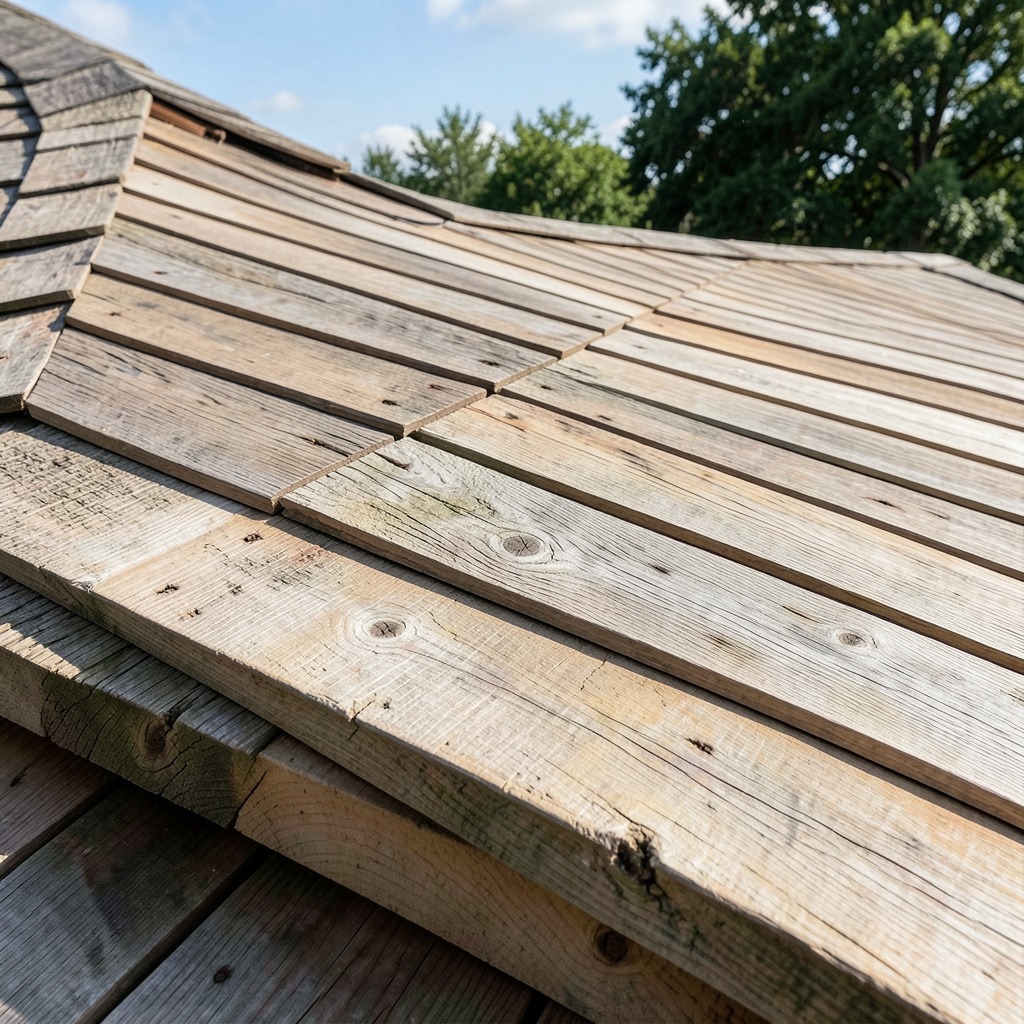
Understanding Wood Roofs: Types and Materials
Wood roofs come in various types, each offering distinct characteristics and advantages. Homeowners must understand these differences to make informed decisions about their roofing options.
Types of Wood Roof Materials
The two primary types of wood roofing materials are wood shingles and wood shakes.
- Wood Shingles: These are machine-cut and have a uniform thickness. Shingles provide a sleek, consistent appearance, making them ideal for modern aesthetics. They typically last 20 to 30 years with proper maintenance.
- Wood Shakes: Unlike shingles, shakes are hand-split and vary in thickness and texture. This irregularity gives shakes a rugged, natural look that appeals to traditional and rustic designs. Shakes generally have a similar lifespan of 20 to 30 years but may require more maintenance due to their uneven surfaces.
Cedar vs. Redwood: Which is Better?
Cedar and redwood are two popular choices for wood roofing, each with its benefits:
- Cedar: Known for its natural resistance to rot and insect damage, cedar offers excellent durability. It is lightweight and has a beautiful aroma. Its lifespan can extend up to 30 years or more with proper care. Cedar’s aesthetic appeal includes a rich, warm tone that ages gracefully to a silver-gray.
- Redwood: Similar to cedar, redwood is resistant to decay and insects, but it tends to be heavier. It boasts a striking appearance with a deep reddish hue that fades over time. Redwood roofs also last approximately 25 to 30 years but may require more frequent maintenance compared to cedar.
Unique Characteristics of Wood Roofing
Wood roofs not only provide aesthetic appeal but also possess unique characteristics that impact their performance:
- Durability: Both cedar and redwood are resilient against the elements. However, wood roofs are more susceptible to damage from extreme weather conditions, such as heavy rain or hail. Periodic inspections are crucial to maintain their integrity.
- Maintenance Requirements: Regular maintenance is essential for wood roofs. Homeowners should inspect roofs for moss, algae, and insect infestations. Cleaning and treating the wood can extend its lifespan and preserve its beauty.
- Environmental Impact: Wood roofing is an eco-friendly option, as it utilizes renewable resources. Choosing sustainably sourced wood can significantly reduce your home’s carbon footprint.
Decision Framework for Wood Roofing
When selecting between wood shingles and shakes, consider the following:
- Aesthetic Preference: Choose shingles for a sleek look; opt for shakes for a rustic appearance.
- Maintenance Willingness: Be prepared for more upkeep with shakes due to their irregular surfaces.
- Local Climate: Assess your area’s weather patterns. For regions with heavy rainfall, consider the durability of cedar over redwood.
By understanding these materials and their characteristics, homeowners can make informed decisions that align with their aesthetic desires and practical needs.
Pros of Wood Roofs: Aesthetic Appeal and Energy Efficiency
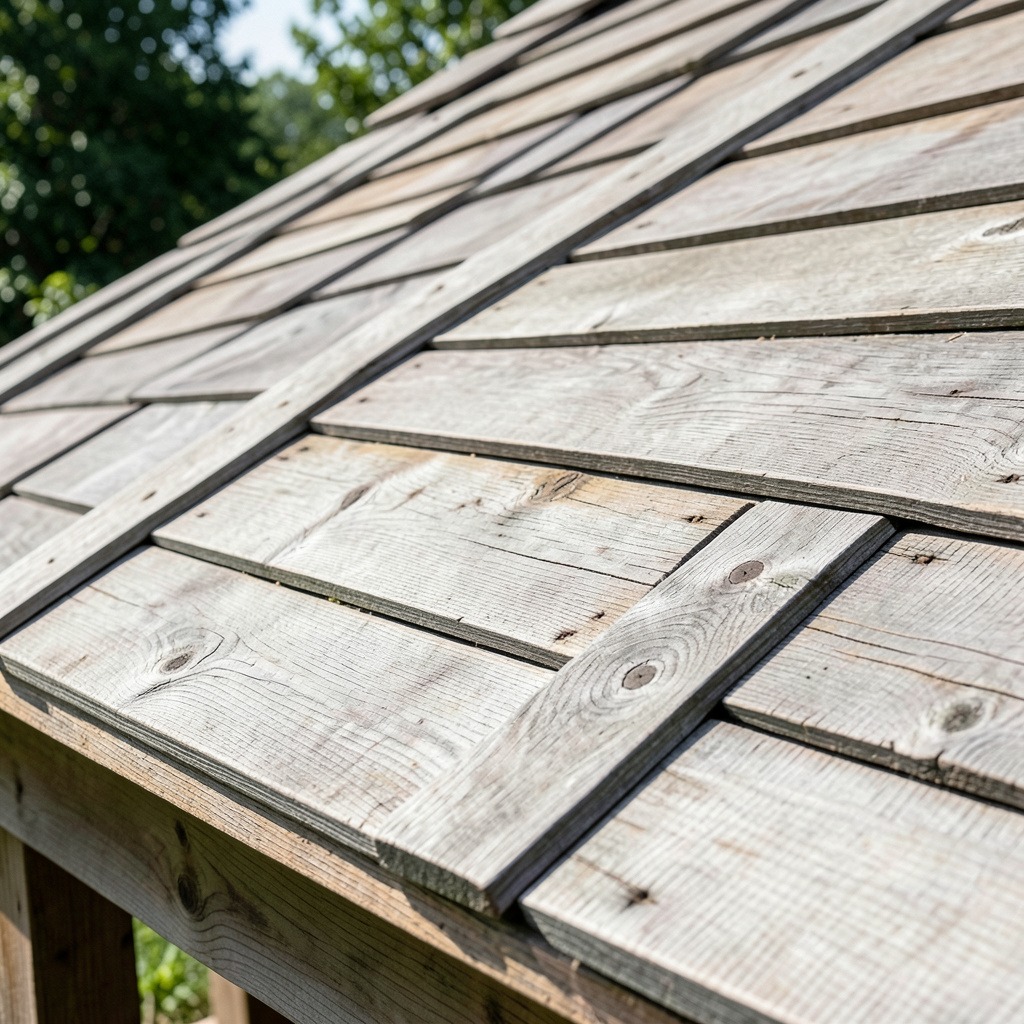
Wood roofs offer unique benefits that enhance both the appearance and energy efficiency of a home. Their natural beauty and insulating properties can significantly boost home value and comfort.
Natural Aesthetic and Curb Appeal
Wood roofs provide a timeless and rustic look, making them a standout feature for any home. They complement various architectural styles, from traditional to modern. The natural variations in wood grain and color create a visually appealing surface, ensuring that no two roofs look alike.
- Versatile Design: Wood shingles and shakes can be stained or painted to match any color palette, enhancing overall design cohesion.
- Market Value: Homes with wood roofs often see an increase in market value due to their premium appeal. For instance, a recent case study showed a home in a suburban neighborhood sold for 15% more than similar homes with asphalt roofing, largely attributed to its wood roof.
Energy Efficiency and Insulation Benefits
Wood is a natural insulator, helping to regulate indoor temperatures. This feature can lead to lower energy costs throughout the year.
- Temperature Regulation: Wood roofs keep homes cooler in summer and warmer in winter, thanks to their insulating properties. This can translate to significant savings on heating and cooling bills.
- Long-term Savings: While the initial investment in wood roofing may be higher, the durability and energy efficiency often result in long-term savings. Homeowners report up to 20% reductions in energy costs after switching to wood roofs.
Both the aesthetic appeal and energy efficiency of wood roofs contribute to their status as a desirable choice for homeowners. By understanding these benefits, property owners can make informed decisions that enhance their living spaces and investment value.
Cons of Wood Roofs: Maintenance and Cost Considerations
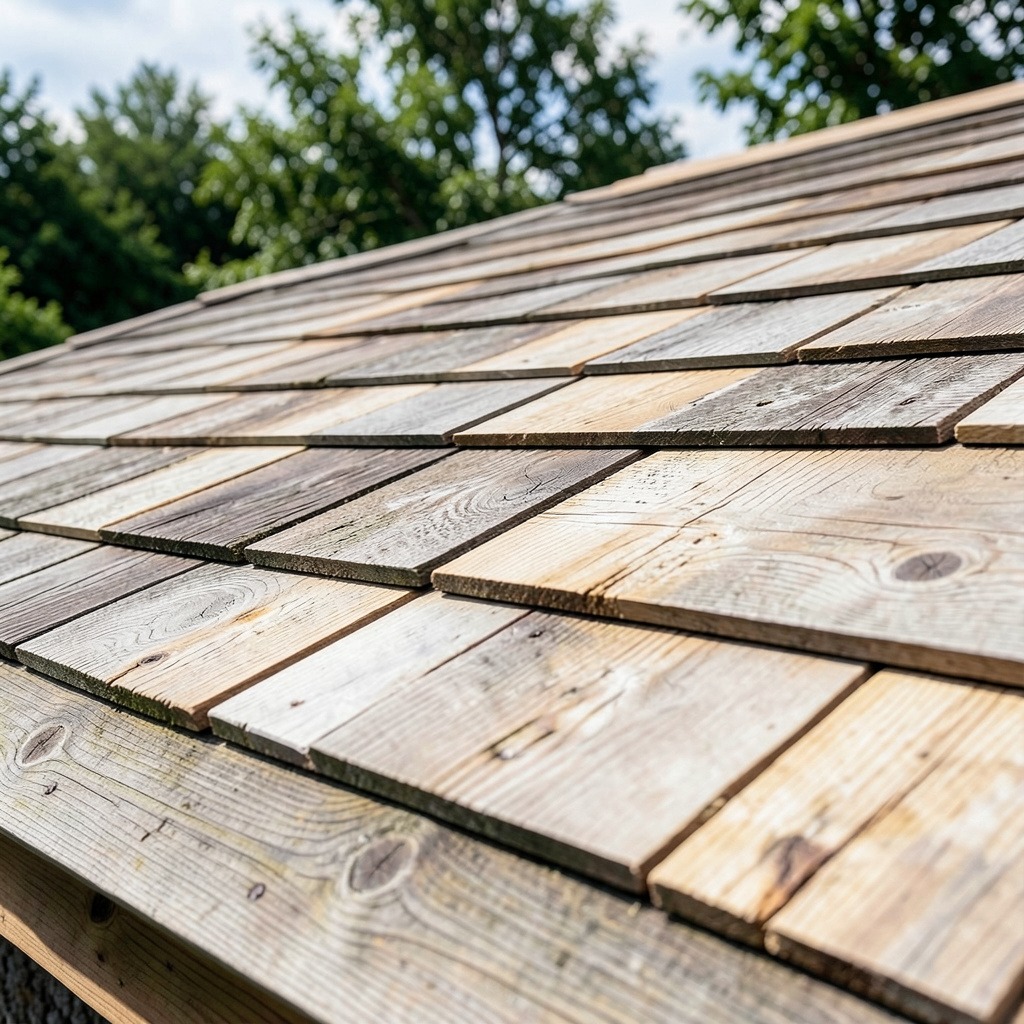
Wood roofs offer aesthetic charm, but they come with notable drawbacks. High initial costs, ongoing maintenance requirements, and susceptibility to pests and moisture can impact your investment. Homeowners must weigh these factors against the benefits.
Understanding Maintenance Needs
Wood roofs require regular upkeep to maintain their integrity. This includes:
- Periodic Inspections: Check for damage or wear at least twice a year.
- Treatments: Apply protective coatings against moisture and insects.
- Repairs: Address any issues promptly to prevent further deterioration.
Neglecting these maintenance tasks can lead to costly repairs and shortened lifespan.
Cost Comparison with Other Roofing Materials
Understanding the total cost of ownership is crucial when considering wood roofs. Here’s a comparative table outlining initial costs, maintenance, and lifespan of wood roofs versus asphalt and metal options:
| Material | Initial Cost | Average Lifespan | Annual Maintenance Cost | Total Cost Over 30 Years |
|---|---|---|---|---|
| Wood Roof | $7,000 | 30 years | $500 | $22,000 |
| Asphalt Shingles | $3,500 | 20 years | $300 | $15,500 |
| Metal Roof | $9,000 | 50 years | $200 | $13,000 |
While wood roofs may have a higher upfront cost, their longevity can offer a compelling case when maintenance is factored in. However, ongoing maintenance costs are higher compared to metal roofs, which require less frequent attention.
Potential Issues: Insects and Moisture
Wood roofs are particularly vulnerable to pests and moisture, which can lead to significant issues if not addressed. Common problems include:
- Wood Rot: Caused by prolonged exposure to moisture.
- Insect Infestation: Termites and wood-boring beetles can compromise structural integrity.
To mitigate these risks, homeowners should invest in preventative treatments and regular inspections. Consider your local climate and pest prevalence when deciding on wood roofing.
By understanding these cons, homeowners can make informed decisions about whether a wood roof aligns with their maintenance capabilities and financial expectations.
The Lifespan of Wood Roofs: What to Expect
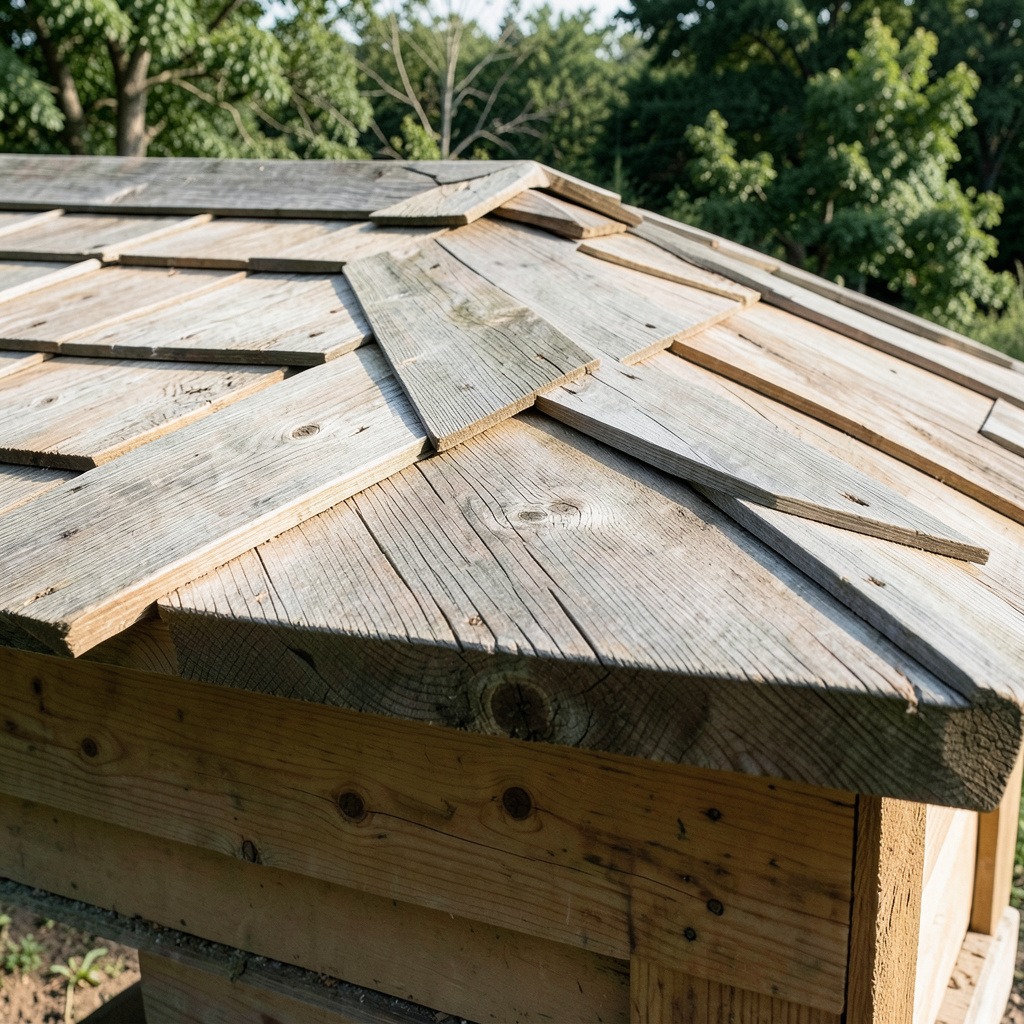
Wood roofs can offer a lifespan of 20 to 30 years when properly maintained. However, various factors influence their longevity, making regular maintenance essential.
Average Lifespan and Influencing Factors
Several key factors affect the lifespan of wood roofs:
- Material Type: Different wood types, such as cedar or redwood, have varying resistance to rot and pests. Cedar generally lasts longer.
- Climate: Areas with high humidity or extreme weather conditions can reduce lifespan. Moisture promotes rot, while UV exposure can damage shingles.
- Installation Quality: Proper installation is crucial. Poorly installed roofs are more susceptible to leaks and damage.
Maintenance Tips for Longevity
To maximize the lifespan of your wood roof, follow these maintenance tips:
- Regular Inspections: Check your roof at least once a year for signs of damage, such as cracked or missing shingles.
- Cleaning: Remove debris, leaves, and moss regularly. This prevents moisture buildup and allows for proper drainage.
- Sealing and Treating: Apply a protective sealant every 3-5 years to shield the wood from moisture and UV rays. This is vital for maintaining durability.
- Ventilation: Ensure adequate ventilation in your attic to reduce heat and moisture buildup, which can degrade the roof materials.
Signs Your Wood Roof Needs Attention
Watch for these signs that your wood roof may require maintenance:
- Discoloration: Dark stains or patches can indicate moisture issues.
- Cracks and Splits: Visible cracks in shingles suggest they may need replacement.
- Loose or Missing Shingles: Promptly address any loose or absent shingles to prevent leaks.
Maintenance Checklist for Different Wood Types
| Wood Type | Inspection Frequency | Sealing Frequency | Additional Care |
|---|---|---|---|
| Cedar | Annually | Every 3-5 years | Treat for insects every few years |
| Redwood | Annually | Every 4-6 years | Regularly check for sapwood rot |
| Pine | Twice a year | Every 3-4 years | Monitor for warping and twisting |
By implementing these practices, homeowners can ensure that their wood roofs remain beautiful and functional for decades.
Comparing Wood Roofs to Other Materials
When considering roofing options, comparing wood roofs with asphalt, metal, and slate helps homeowners make informed decisions. Each material has unique characteristics that affect cost, durability, maintenance, and aesthetics.
Wood vs. Asphalt: Cost and Durability
Wood roofs generally have a higher initial cost than asphalt shingles. However, they offer superior durability when properly maintained. Here’s a quick comparison:
| Feature | Wood Roof | Asphalt Shingles |
|---|---|---|
| Initial Cost | Higher | Lower |
| Lifespan | 30-50 years | 15-30 years |
| Maintenance Frequency | Regular (1-2 times/year) | Minimal (1-2 times/year) |
| Weather Resistance | Moderate (susceptible to rot) | High (resistant to elements) |
| Aesthetics | Natural, classic look | Variety, less natural appeal |
Wood vs. Metal: Maintenance and Aesthetics
Metal roofs are gaining popularity due to their longevity and low maintenance needs. Here’s how they compare with wood roofs:
| Feature | Wood Roof | Metal Roof |
|---|---|---|
| Initial Cost | Higher | Moderate to high |
| Lifespan | 30-50 years | 40-70 years |
| Maintenance Frequency | Regular (1-2 times/year) | Minimal (occasional checks) |
| Weather Resistance | Moderate (susceptible to rot) | Excellent (non-corrosive) |
| Aesthetics | Natural, classic look | Modern, industrial appeal |
Wood vs. Slate: Longevity and Environmental Impact
Slate roofs are known for their incredible longevity but come with a steep price. Here’s a comparison focused on longevity and environmental sustainability:
| Feature | Wood Roof | Slate Roof |
|---|---|---|
| Initial Cost | Higher | Highest |
| Lifespan | 30-50 years | 75-200 years |
| Maintenance Frequency | Regular (1-2 times/year) | Minimal (occasional checks) |
| Weather Resistance | Moderate (susceptible to rot) | Excellent (durable) |
| Environmental Impact | Renewable resource | Non-renewable, heavy carbon footprint |
In summary, while wood roofs offer aesthetic appeal and environmental benefits, they require diligent maintenance and investment. Homeowners should weigh these factors against the advantages of asphalt, metal, and slate when making roofing decisions.
Making the Right Choice: Is a Wood Roof Right for You?
Choosing a wood roof involves careful consideration of various factors. This guide will help you assess your local climate, budget, and the importance of consulting professionals.
Assessing Your Local Climate
Climate plays a crucial role in the performance of wood roofs. Here are key considerations:
- Humidity Levels: In humid regions, wood is more susceptible to rot and insect damage. Treatment options exist, but they may add to costs.
- Fire Risks: Areas prone to wildfires require fire-resistant treatments for wood roofs. This can mitigate risks but may influence your choice.
- Temperature Extremes: Wood roofs can expand and contract with temperature fluctuations. Look for high-quality materials designed to withstand local conditions.
Budgeting for a Wood Roof
Financial considerations are pivotal when selecting roofing materials. Here are some budgeting tips:
- Initial Costs: Expect higher upfront costs compared to asphalt or metal roofs. Calculate the total installation cost, including materials and labor.
- Maintenance Expenses: Regular inspections and potential repairs are necessary. Budget for these ongoing costs to maintain the roof’s integrity.
- Long-term Value: While wood roofs require investment, their durability can lead to savings over time. Weigh the aesthetic appeal and environmental benefits against initial costs.
Consulting Professionals: When and Why
Engaging with roofing professionals can provide invaluable insights. Here’s how to approach this:
- Site Assessments: A professional can evaluate your home’s specific conditions and recommend the best wood roofing type (shingles vs. shakes).
- Installation Expertise: Proper installation is crucial for longevity. Professionals ensure that roofing meets local codes and standards.
- Maintenance Guidance: Experts can provide tailored maintenance plans based on your roof type and local climate, helping to prolong its lifespan.
Quick Decision Framework
Use this checklist to evaluate your options:
- Local Climate: Is your area humid or prone to wildfires?
- Budget: Can you afford the initial and ongoing costs?
- Professional Consultation: Have you consulted with a roofing expert to assess your specific needs?
By analyzing these factors, you can make an informed decision on whether a wood roof is the right choice for your home.
Conclusion: Weighing the Pros and Cons of Wood Roofs
Choosing a wood roof involves careful consideration of its advantages and disadvantages. Understanding these factors can guide homeowners in making an informed decision that aligns with their needs.
Key Advantages of Wood Roofs
- Aesthetics: Wood roofs offer a unique and natural appearance, enhancing a home’s curb appeal.
- Durability: With proper maintenance, wood roofs can last 30 years or more, outperforming many alternatives.
- Environmental Impact: Sourced from sustainable forests, wood roofs are biodegradable and can reduce a home’s carbon footprint.
Important Disadvantages of Wood Roofs
- Cost: Wood roofs generally have a higher upfront cost compared to asphalt shingles and may require additional investment in maintenance.
- Maintenance Requirements: Regular inspections and treatments are necessary to prevent damage from moisture, insects, and rot.
- Vulnerability: Wood roofs are susceptible to fire hazards and can be less effective in extreme weather conditions, depending on the type of wood and treatment used.
Decision-Making Considerations
When evaluating a wood roof, consider the following factors:
- Local Climate: Assess whether your region experiences high humidity, heavy rainfall, or wildfire risks.
- Budget: Calculate both initial installation costs and long-term maintenance expenses.
- Longevity vs. Aesthetic Appeal: Determine which is more important for your home—visual appeal or longevity.
By weighing these pros and cons, homeowners can make a choice that best suits their preferences and circumstances.
Frequently Asked Questions
These quick answers cover the most common questions about this topic, including key details, practical tips, and common concerns.
What is the disadvantage of a wooden roof?
The primary disadvantages of a wooden roof include high initial costs, ongoing maintenance needs, and susceptibility to pests and moisture. Wood roofs can be expensive to install compared to other materials like asphalt or metal. Additionally, they require regular inspections and treatments to prevent rot and insect infestations, which can add to long-term expenses.
How long do wood roofs last?
Wood roofs typically last between 20 to 30 years with proper maintenance. Factors influencing their lifespan include the type of wood used, local climate conditions, and installation quality. For example, cedar roofs may last longer than redwood due to their natural resistance to decay.
When should you replace a wood roof?
You should consider replacing a wood roof when you notice significant wear, such as missing or cracked shingles, dark stains indicating moisture issues, or signs of rot. Additionally, if your roof has reached its expected lifespan of 20-30 years, it’s wise to consult a professional for a thorough inspection and replacement recommendations.
What is the 25% rule for roofing?
The 25% rule suggests that if more than 25% of your roof’s surface is damaged, it may be more cost-effective to replace the entire roof rather than repair it. This rule helps homeowners make informed decisions about whether to invest in repairs or opt for a full replacement, especially with materials like wood that require careful maintenance.
Are you comparing wood to asphalt, metal, or tile?
When comparing wood roofs to asphalt, metal, or tile, consider factors like cost, durability, and maintenance. Wood roofs generally have a higher upfront cost but can offer superior aesthetics and energy efficiency. Asphalt is less expensive but may require more frequent replacements, while metal roofs provide longevity and lower maintenance but differ in appearance.
What are the best alternatives to wood roofing?
The best alternatives to wood roofing include asphalt shingles, metal roofing, and slate. Asphalt shingles are cost-effective and easy to install but may not offer the same aesthetic appeal. Metal roofs are durable and low-maintenance, while slate roofs provide longevity and a classic look but come with a higher price tag.
How to maintain a wood roof?
To maintain a wood roof, conduct regular inspections at least twice a year. Look for signs of damage, such as cracked or missing shingles, and address issues promptly. Cleaning debris, applying protective sealants every few years, and treating for pests can significantly extend the roof’s lifespan and maintain its appearance.