
Thornless hawthorn trees, like Crataegus crus-galli var.
Table of Contents
Thornless hawthorn trees are increasingly popular among gardeners due to their aesthetic appeal and low maintenance needs. However, like any plant, they have advantages and drawbacks. This guide explores the eight essential pros and cons to consider before planting.
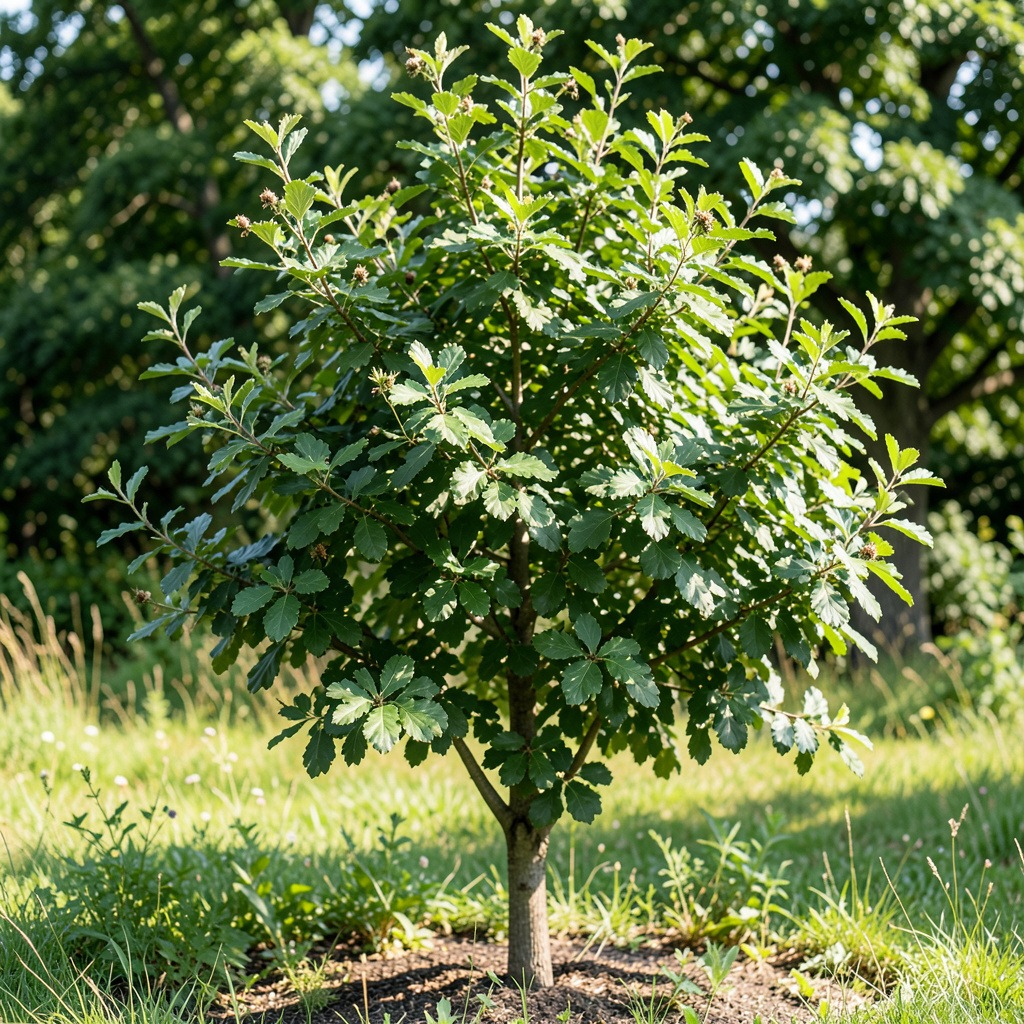
Introduction to Thornless Hawthorn Trees
Thornless hawthorn trees, known scientifically as Crataegus var. inermis, are a unique subset of hawthorn trees prized for their decorative qualities and minimal maintenance requirements. These trees offer an appealing option for gardeners seeking beauty without the hassle of thorns.
Characteristics of Thornless Hawthorn Trees
Thornless hawthorn trees are typically smaller, reaching heights of about 15 feet. They feature:
- Dense Foliage: Dark green leaves that provide shade during the summer months.
- Showy Flowers: Clusters of white flowers bloom in late spring, attracting pollinators.
- Fall Color: Leaves transition to vibrant golds and reds in autumn.
- Fruit: Small orange to red berries appear in the fall, persisting through winter, which can benefit wildlife.
Common Uses in Landscaping
Thornless hawthorns serve various landscaping purposes, making them highly versatile:
- Ornamental Features: Ideal for gardens, parks, and residential areas due to their aesthetic appeal.
- Hedging: Their dense growth can create effective screens or boundaries.
- Wildlife Support: The berries provide food for birds and other wildlife, enhancing biodiversity.
Comparison to Traditional Hawthorn Trees
Unlike traditional hawthorn varieties, which often have sharp thorns, thornless hawthorns offer a safer option for gardens and public spaces. This makes them particularly suitable for family-friendly environments. Additionally, they tend to have improved disease resistance, notably against issues like rust and mildew, which can affect other hawthorn species.
By understanding these characteristics and uses, gardeners can make informed decisions about integrating thornless hawthorn trees into their landscapes.
1. Aesthetic Appeal of Thornless Hawthorn
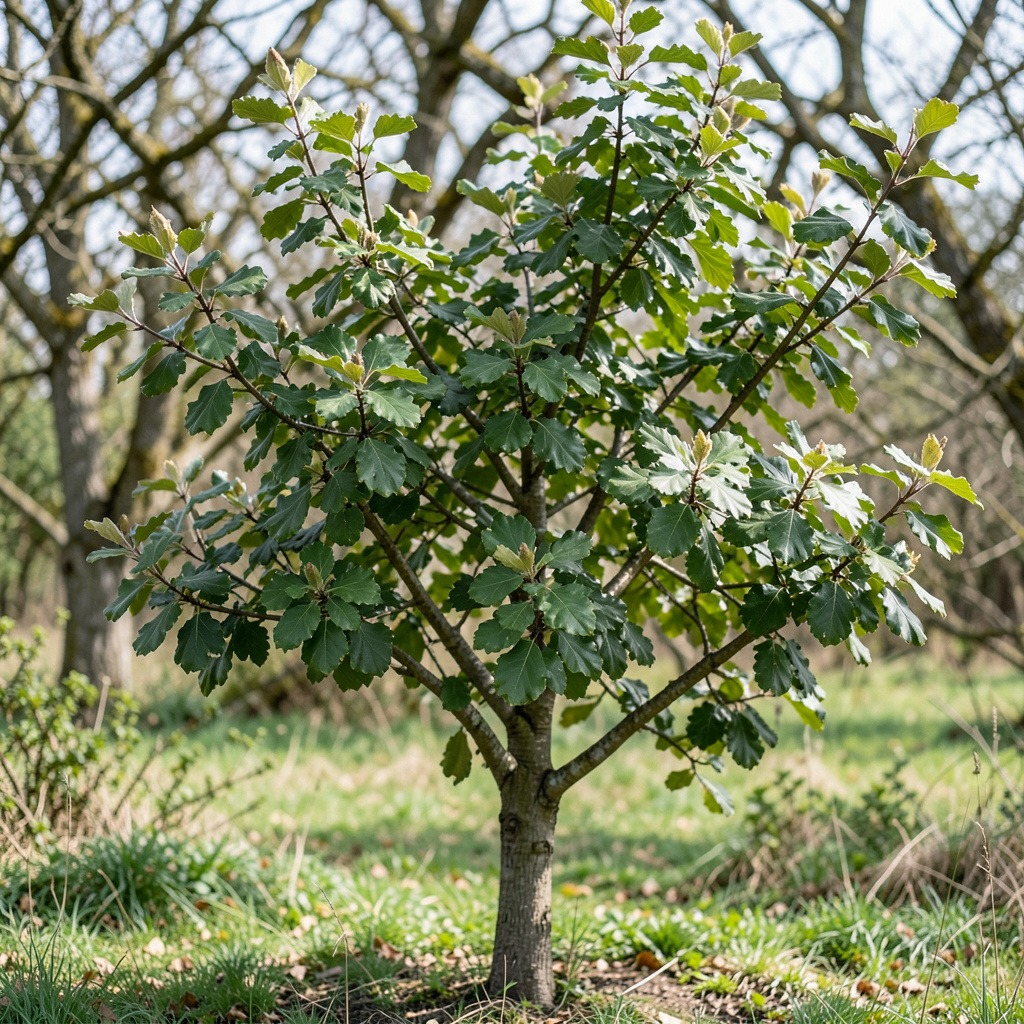
Thornless hawthorn trees (Crataegus spp.) are celebrated for their striking ornamental qualities. They offer visual interest throughout the year, making them a versatile choice for landscapes. Their unique characteristics include vibrant flowers, attractive foliage, and persistent fruit.
Seasonal Beauty
Thornless hawthorn trees bring color and variety to any garden across all seasons.
- Spring: The trees burst into bloom with clusters of white flowers, creating a breathtaking display. This floral spectacle attracts pollinators, enhancing the ecological value of the garden.
- Summer: Dense green foliage provides ample shade, making outdoor spaces more comfortable. The leaves maintain their vibrant color, contributing to the tree’s lush appearance.
- Fall: As temperatures drop, the leaves transform into a palette of warm golds, oranges, and reds. This seasonal shift enhances the tree’s visual appeal and provides a stunning backdrop.
- Winter: Even in winter, thornless hawthorn trees maintain aesthetic value. Their bare branches create interesting silhouettes against the snow or winter sky.
Flowering Characteristics
The flowering habit of thornless hawthorn trees is one of their most compelling features.
- Fragrant Blooms: The flowers are not only visually appealing; they also emit a pleasant fragrance that enhances the garden’s sensory experience.
- Pollinator-Friendly: The abundance of blooms attracts bees and other pollinators, supporting local biodiversity.
- Fruit Production: Post-flowering, the trees produce small, bright berries. These fruits persist into winter, providing food for birds and other wildlife. The berries also add a pop of color during colder months.
Incorporating thornless hawthorn trees into your landscape can elevate its aesthetic appeal while providing ecological benefits. They serve as an excellent choice for gardeners seeking both beauty and functionality in their outdoor spaces.
2. Low Maintenance Requirements
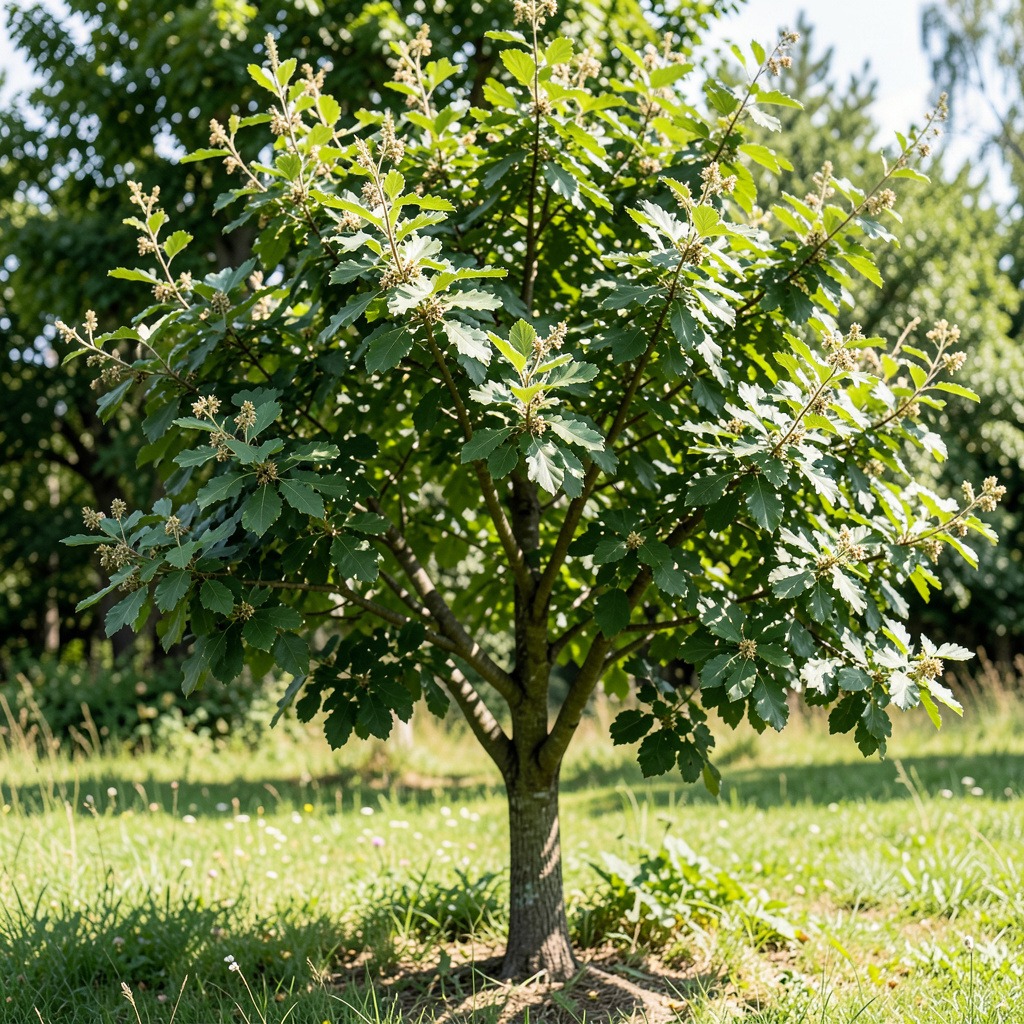
Thornless hawthorn trees require minimal care, making them an attractive option for gardeners. Understanding their watering, pruning, and fertilizing needs can help ensure healthy growth with little effort.
Watering Needs
Thornless hawthorns are drought-tolerant once established. However, they benefit from regular watering during their first year.
- First Year: Water weekly, allowing the soil to dry slightly between sessions.
- Established Trees: Water every two to four weeks, depending on rainfall and soil moisture.
Pruning Tips
Regular pruning helps maintain shape and health.
- Timing: Prune in late winter or early spring before new growth begins.
- Method: Remove dead or diseased branches. Thin out crowded areas to improve air circulation.
- Overall Shape: Aim for an open, vase-like structure to enhance light penetration.
Fertilizing Guidelines
Fertilizing enhances growth but is not always necessary.
- Soil Test: Conduct a soil test to determine nutrient needs.
- When to Fertilize: If needed, apply a balanced fertilizer in early spring.
- Application: Follow the manufacturer’s instructions for dosage.
Maintenance Schedule Checklist
| Task | Frequency | Notes |
|---|---|---|
| Watering | Weekly (first year) | Adjust based on rainfall. |
| Watering | Every 2-4 weeks (established) | Monitor soil moisture levels. |
| Pruning | Annually (late winter/spring) | Focus on dead/diseased wood. |
| Fertilizing | Annually (if needed) | Based on soil test results. |
By following these guidelines, gardeners can enjoy the beauty of thornless hawthorn trees with minimal effort, making them a practical choice for various landscapes.
3. Wildlife Benefits and Ecological Value
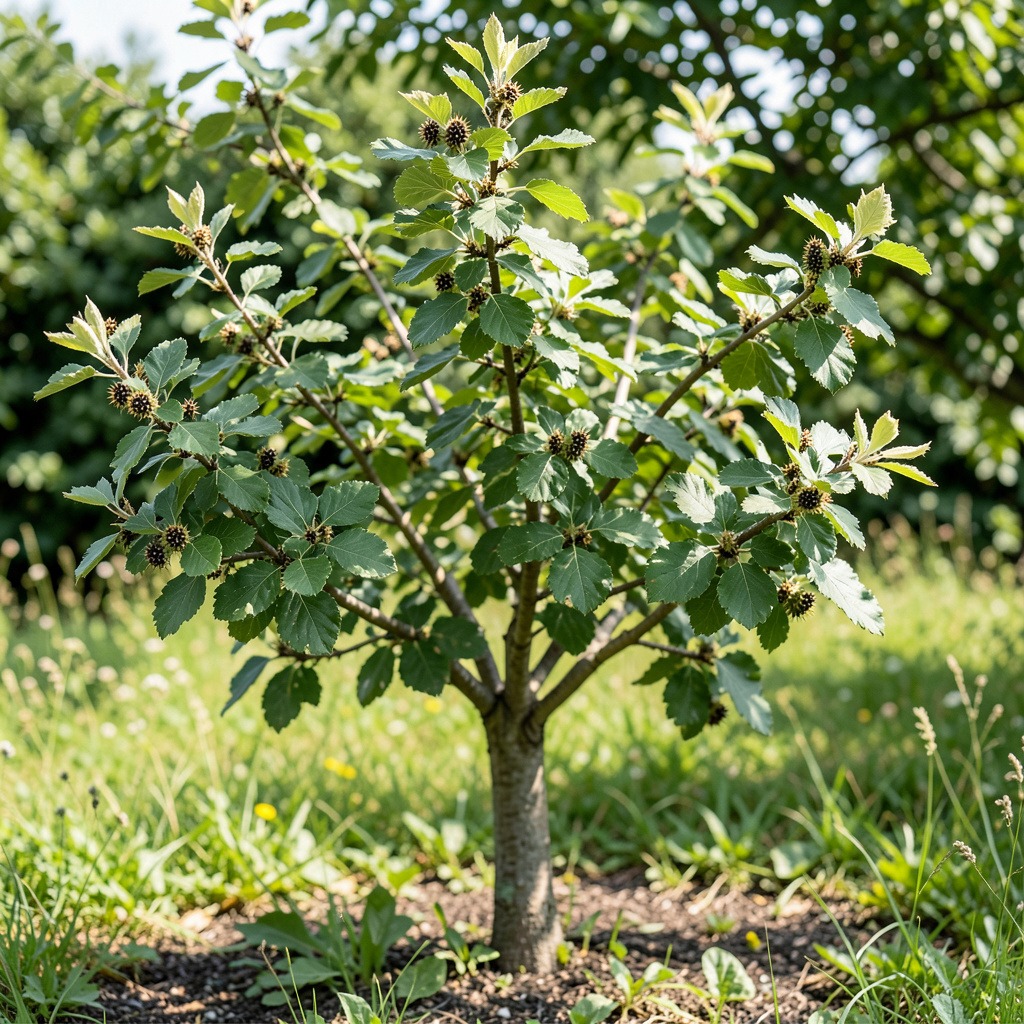
Thornless hawthorn trees provide essential habitat and food sources for local wildlife, particularly birds and pollinators. Their structure and fruiting capabilities make them valuable assets in ecological landscaping.
Fruit as Food Source
Thornless hawthorn trees produce small, bright red fruits in the fall. These fruits are not only visually appealing but also serve as a food source for various bird species. Birds such as robins, thrushes, and waxwings feast on the berries during winter months when other food sources are scarce.
- Fruit Nutritional Value: The berries are rich in vitamins, attracting a range of birds.
- Persistence: The fruit often remains on the tree into winter, providing a reliable food source when other foods are limited.
Habitat for Birds
These trees create a favorable environment for nesting birds. Their dense foliage provides shelter and protection from predators.
- Nesting Sites: Many birds prefer to nest in thornless hawthorns due to their protective branches.
- Diversity of Species: Thornless hawthorn trees support various bird species, enhancing local biodiversity.
Pollinator Attraction
Thornless hawthorn trees bloom with white flowers in late spring. These flowers attract a range of pollinators, including bees and butterflies, which are crucial for pollination in other plants.
- Flowering Period: The blooms provide nectar and pollen, essential for the health of bee populations.
- Ecosystem Support: By attracting pollinators, thornless hawthorns contribute to the overall health of the garden ecosystem.
Real-Life Example
In community gardens and urban landscapes, thornless hawthorn trees have been successfully integrated to create wildlife habitats. For instance, in a suburban setting, a group of gardeners planted thornless hawthorns around a small pond. This not only attracted various bird species but also increased pollinator activity, leading to better fruit and vegetable yields in the surrounding gardens.
By incorporating thornless hawthorn trees, gardeners can effectively support local wildlife while enhancing the ecological value of their landscapes.
4. Disease Resistance and Hardiness
Thornless hawthorn trees exhibit notable advantages in disease resistance compared to traditional varieties. Understanding their resilience can help gardeners make informed decisions about their landscape choices.
Common Diseases
Thornless hawthorn trees, particularly the Crusader cultivar, show resistance to several common diseases. They are less prone to:
- Cedar-Hawthorn Rust: This fungal disease affects the leaves and fruit, causing discoloration but not significantly harming the tree’s health.
- Fire Blight: While all hawthorns can be susceptible, thornless varieties often display a better response.
- Leaf Spot and Powdery Mildew: These conditions can affect aesthetics but are generally manageable with proper care.
In contrast, traditional hawthorn varieties may encounter severe infestations of these diseases, leading to more frequent treatment needs.
Hardiness Zones
Thornless hawthorn trees thrive best in hardiness zones 4 to 8. They prefer well-draining soil and full sun, although they can tolerate partial shade. Here are key points for optimal growth:
- Soil Type: Well-drained, loamy soil enhances their disease resistance.
- Watering Needs: Regular watering during dry spells supports their health but avoid waterlogged conditions.
- Sun Exposure: Full sun encourages robust growth and minimizes the risk of disease.
Comparison to Traditional Hawthorn Trees
When comparing thornless hawthorns to traditional varieties, the latter typically require more care due to their vulnerability to pests and diseases. Thornless varieties minimize maintenance while providing similar aesthetic benefits, such as:
- Seasonal Beauty: Both types feature attractive flowers in spring and vibrant fall foliage.
- Wildlife Support: Both attract pollinators, but thornless varieties do so without the risk of thorns.
In summary, choosing thornless hawthorn trees can lead to a more resilient landscape with less frequent disease management. This makes them a suitable option for both novice and experienced gardeners.
5. Potential Drawbacks of Thornless Hawthorn
While thornless hawthorn trees offer many advantages, they also come with specific drawbacks. Understanding these cons is essential for gardeners considering this species for their landscape.
Messy Fall Fruit
One significant downside of thornless hawthorn trees is their messy fall fruit. These trees produce small, orange fruits that can litter your garden. The fruits may attract wildlife, including birds and rodents, which can lead to further mess and potential damage to surrounding plants.
- Cleanup Efforts: Regular raking and maintenance will be necessary to manage fallen fruit.
- Attracting Pests: The fruit can also attract unwanted pests, such as fruit flies, which may add to your gardening challenges.
Susceptibility to Pests
Although thornless hawthorn trees are generally more resilient than their thorny counterparts, they are not entirely immune to pests. Common issues include:
- Aphids: These small insects can infest new growth, leading to honeydew secretion, which attracts ants and can promote sooty mold.
- Spider Mites: These pests thrive in dry conditions and can cause leaf damage, ultimately affecting the tree’s health.
- Fungal Diseases: While thornless varieties are resistant to some diseases, they can still be susceptible to rust and leaf spot if not properly maintained.
Gardeners must remain vigilant, implementing integrated pest management strategies. Regular inspections and prompt action can mitigate these challenges.
Maintenance Challenges
Thornless hawthorns may require more attention than initially anticipated. Key maintenance aspects include:
- Pruning: Proper pruning is essential to maintain shape and encourage healthy growth. Neglecting this can lead to overcrowding and increased disease susceptibility.
- Watering Needs: While these trees tolerate a variety of soils, they still need adequate moisture, especially during dry spells. Inconsistent watering can stress the tree.
- Disease Monitoring: Regular monitoring for signs of disease is crucial. A proactive approach can help catch issues early before they escalate.
In conclusion, while thornless hawthorn trees enhance gardens with their beauty, they demand conscientious care to thrive. Understanding these potential drawbacks will empower gardeners to make informed decisions.
6. Comparisons: Thornless vs. Traditional Hawthorn
When considering hawthorn trees for your landscape, understanding the differences between thornless and traditional varieties is crucial. Each type has unique characteristics that can influence your gardening decisions.
Thorny vs. Thornless
Traditional hawthorn trees are often recognized for their sharp thorns, which serve as natural deterrents against pests and intruders. Conversely, thornless hawthorn varieties, such as the Crusader, are designed to eliminate this hazard while retaining many of the aesthetic benefits. Here are some key differences:
| Feature | Thornless Hawthorn | Traditional Hawthorn |
|---|---|---|
| Thorns | None | Present (1-3 inches long) |
| Maintenance | Easier to prune and manage | Requires caution during maintenance |
| Aesthetic Appeal | Clean, attractive branching | Beautiful but potentially hazardous |
| Wildlife Benefits | Attracts pollinators without risk | Provides nesting sites for birds |
| Disease Resistance | Generally higher resilience | Susceptible to various diseases |
| Height | Typically up to 15 feet | Varies by species, often taller |
Growth Habits
Both thornless and traditional hawthorns exhibit appealing growth habits. However, thornless varieties are often smaller and easier to integrate into residential landscapes. Traditional hawthorns may grow larger and serve well as barrier hedges or for privacy.
- Thornless Hawthorn:
- Typically reaches heights of 15 feet.
- Maintains a more compact form, making them suitable for smaller yards.
- Traditional Hawthorn:
- Can grow significantly taller and wider, depending on species.
- Often used for creating dense hedges or windbreaks.
Decision Framework
When choosing between thornless and traditional hawthorn trees, consider the following factors:
- Space: If you have limited space, a thornless variety may be more suitable.
- Safety: For family-friendly gardens, opt for thornless options to prevent injuries.
- Wildlife: If attracting birds and pollinators is a priority, both types serve this purpose, but traditional varieties may provide additional shelter.
- Aesthetic Preference: Choose based on desired visual appeal and how the tree fits into your landscape design.
This comparison empowers gardeners to make informed choices based on specific landscape needs and personal preferences.
7. Ideal Planting and Care Conditions
Thornless hawthorn trees thrive in specific conditions that enhance their growth and longevity. Understanding these requirements is vital for successful planting and maintenance.
Soil Preferences
Thornless hawthorn trees prefer well-drained soil. They adapt to various soil types, including clay, loam, and sandy soils. Here are key soil considerations:
- pH Levels: They are tolerant of a wide pH range, from acidic to alkaline.
- Drainage: Ensure good drainage to prevent root rot.
- Nutrient Content: Fertile soil promotes robust growth.
Sunlight and Watering
These trees require full sun for optimal growth. Here’s how to manage their light and water needs:
- Sunlight: Aim for at least 6 hours of direct sunlight daily. Partial shade is acceptable but may affect flowering.
- Watering: Water regularly during the first year to establish roots. Once established, they are drought-tolerant but benefit from occasional deep watering in dry spells.
Climate Zones
Choosing the right climate zone is crucial. Thornless hawthorns flourish in USDA zones 4 to 8. Here are examples of successful plantings:
- Zone 4: Thrives in northern climates with cold winters.
- Zone 6: Performs well in midwestern gardens, showcasing vibrant fall colors.
- Zone 8: Grows successfully in southern regions, benefiting from warm summers.
Care Checklist
To maintain healthy thornless hawthorn trees, follow this checklist:
- Pruning: Prune in late winter to shape and remove dead branches.
- Fertilizing: Use a balanced fertilizer in early spring.
- Pest Management: Monitor for common pests like aphids and scale. Implement organic pest control methods when necessary.
By adhering to these guidelines, gardeners can ensure the thriving growth of thornless hawthorn trees in their landscapes.
8. Conclusion: Is a Thornless Hawthorn Right for You?
Choosing the right tree for your landscape involves evaluating both its benefits and drawbacks. The thornless hawthorn tree presents unique advantages, making it appealing for various garden designs.
Key Advantages of Thornless Hawthorn Trees
- Aesthetic Appeal: With spring blooms and vibrant fall colors, thornless hawthorns enhance any landscape.
- Low Maintenance: These trees require less upkeep compared to traditional hawthorns, especially regarding thorn management.
- Wildlife Friendly: They attract pollinators and provide food for birds with their fruit.
- Disease Resistance: Many thornless varieties exhibit resistance to common hawthorn diseases.
Considerations Before Planting
- Size and Space: Thornless hawthorns can grow up to 15 feet tall. Ensure your garden has adequate space for their growth.
- Climate Suitability: These trees thrive in various climates but prefer well-drained soil and ample sunlight.
- Potential Pests: While generally hardy, they can be susceptible to pests like aphids. Regular monitoring is essential.
Decision Framework for Planting
When deciding if a thornless hawthorn is right for you, consider these factors:
1. Landscape Goals: Are you looking for an ornamental tree or a privacy hedge?
2. Maintenance Willingness: Can you commit to regular monitoring for pests and general care?
3. Environmental Conditions: Does your garden have suitable soil and sunlight?
Incorporating thornless hawthorn trees can enhance your landscape while minimizing the challenges posed by traditional hawthorns. Assess these factors carefully to determine if they align with your gardening goals.
Frequently Asked Questions
These quick answers cover the most common questions about this topic, including key details, practical tips, and common concerns.
Where is the best place to plant a hawthorn tree?
The best place to plant a hawthorn tree is in full sun, where it can receive at least 6 hours of direct sunlight daily. Choose a location with well-drained soil to prevent root rot. Thornless hawthorns can adapt to various soil types, including sandy, loamy, and clay soils, but they thrive best in fertile, loamy conditions.
Do hawthorn trees have invasive roots?
Hawthorn trees, including thornless varieties, typically have non-invasive root systems. They are not known to cause damage to sidewalks, foundations, or underground utilities. However, their roots can spread out to seek moisture, so it’s wise to plant them at least 6-10 feet away from structures and other plants to allow for healthy growth.
What is the average lifespan of a hawthorn tree?
The average lifespan of a hawthorn tree ranges from 30 to 50 years, depending on the species and growing conditions. Thornless hawthorns, like other varieties, can live longer with proper care, including regular pruning and disease management. Healthy trees in optimal conditions may even exceed this lifespan.
What is the difference between a hawthorn bush and a hawthorn tree?
The primary difference between a hawthorn bush and a hawthorn tree lies in their size and growth habit. A hawthorn tree typically grows taller, reaching heights of up to 15 feet or more, with a single trunk. In contrast, a hawthorn bush is generally shorter and may have multiple stems or a bushier appearance. Both can produce similar flowers and fruit, but their uses in landscaping may differ based on space and aesthetic preferences.
What care tips for a thornless hawthorn tree in zone 6b?
In zone 6b, thornless hawthorn trees thrive with regular watering, especially during their first year. Ensure the soil is well-drained and consider adding mulch to retain moisture. Prune in late winter or early spring to remove dead branches and maintain shape. Fertilizing with a balanced fertilizer in early spring may also promote healthy growth.
What pests are common to thornless hawthorn trees?
Common pests affecting thornless hawthorn trees include aphids, spider mites, and scale insects. Aphids can cause leaf curling and may produce honeydew, leading to sooty mold. Regular monitoring and integrated pest management strategies, such as introducing beneficial insects or using insecticidal soap, can help control these pests effectively.
How do thornless hawthorn trees compare to traditional hawthorn trees?
Thornless hawthorn trees offer several advantages over traditional varieties, primarily their lack of thorns, making them safer for gardens, especially those frequented by children and pets. They also tend to have better disease resistance, particularly against common issues like rust and mildew. While both types provide beautiful blooms and fruit, thornless varieties are often easier to maintain and manage in residential landscapes.
What are other thornless tree options for landscaping?
If you’re considering alternatives to thornless hawthorn trees, several options exist. Trees such as the thornless honey locust, serviceberry, and certain varieties of magnolia offer similar ornamental benefits without the concern of thorns. These trees also provide aesthetic appeal, shade, and wildlife support, making them suitable substitutes in various landscaping designs.