
The Thundercloud plum tree offers stunning ornamental value and fruit production but can be susceptible to diseases and may require specific care.
The Thundercloud plum tree is valued for its striking appearance and edible fruit, making it a popular choice in gardens and landscapes. However, potential buyers should weigh its advantages and disadvantages for successful growth and maintenance.
Understanding the Thundercloud Plum Tree
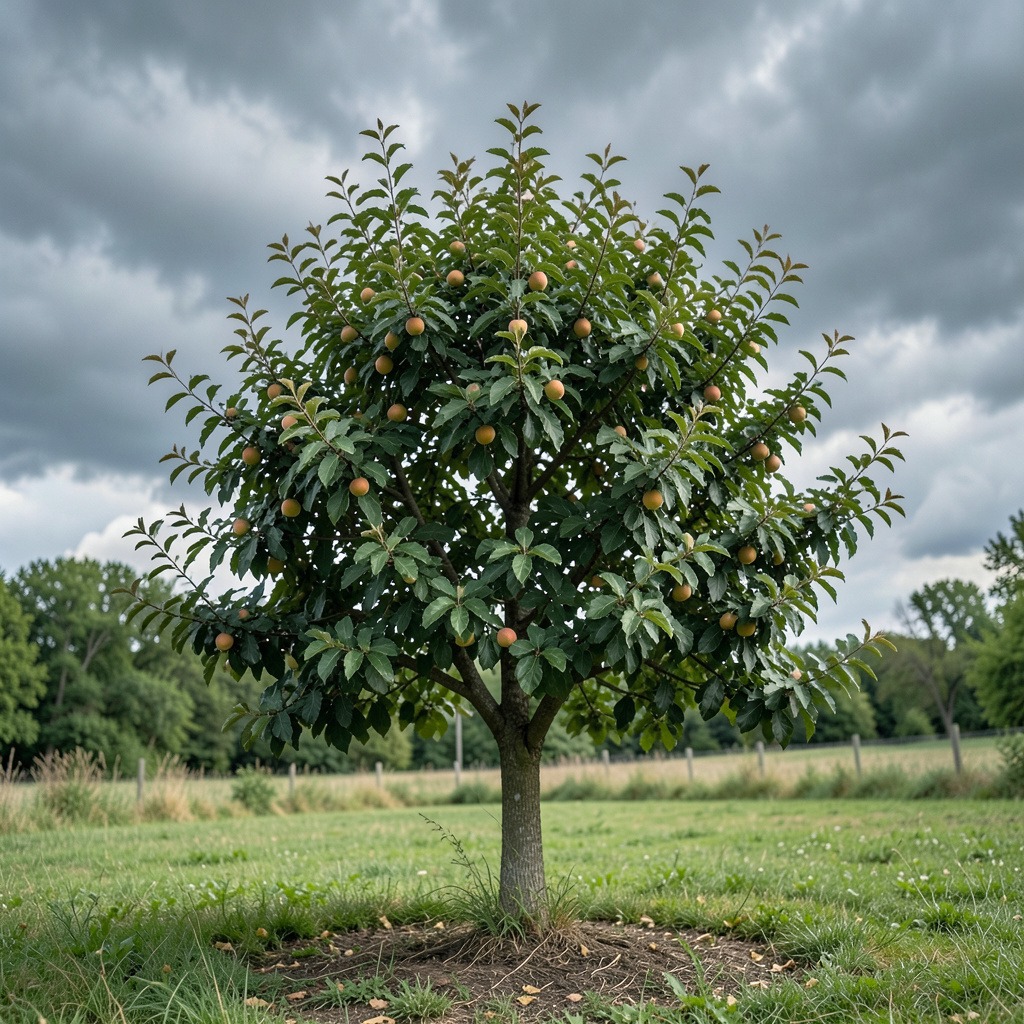
The Thundercloud plum tree, scientifically known as Prunus cerasifera, is renowned for its vibrant foliage and delicate blossoms. It serves dual purposes as both an ornamental and fruit-bearing tree, enhancing gardens with its aesthetic appeal and providing small, edible plums.
Characteristics of the Thundercloud Plum Tree
The Thundercloud plum tree is characterized by its:
- Height: Typically reaches 15-20 feet.
- Canopy: Round and well-balanced, making it suitable for smaller spaces.
- Foliage: Rich purple leaves that emerge coppery and darken to a consistent purple throughout summer.
- Flowers: Early spring blossoms that are pale pink, creating a striking contrast against the purple leaves.
- Fruit: Small, edible plums that can be enjoyed in moderation.
These attributes make it a versatile choice for various landscaping applications, from standalone specimens to hedges.
Historical Background and Origin
The Thundercloud plum tree originates from western Asia and the Caucasian Mountains, with a history that dates back to ancient cultivation. It belongs to a group of cherry plums, prized for their ornamental qualities and fruit production. This tree gained popularity in landscaping due to its decorative traits and ability to attract pollinators early in the season.
Gardeners appreciate the Thundercloud plum for its resilience and adaptability. Its moderate growth and rounded shape make it an ideal candidate for urban environments and small gardens. As an ornamental tree, it complements both contemporary and traditional designs, adding seasonal interest and texture.
Table of Contents
In summary, the Thundercloud plum tree’s distinctive characteristics and historical significance make it a valuable addition to any landscape, offering both beauty and utility.
Pros of Thundercloud Plum Trees
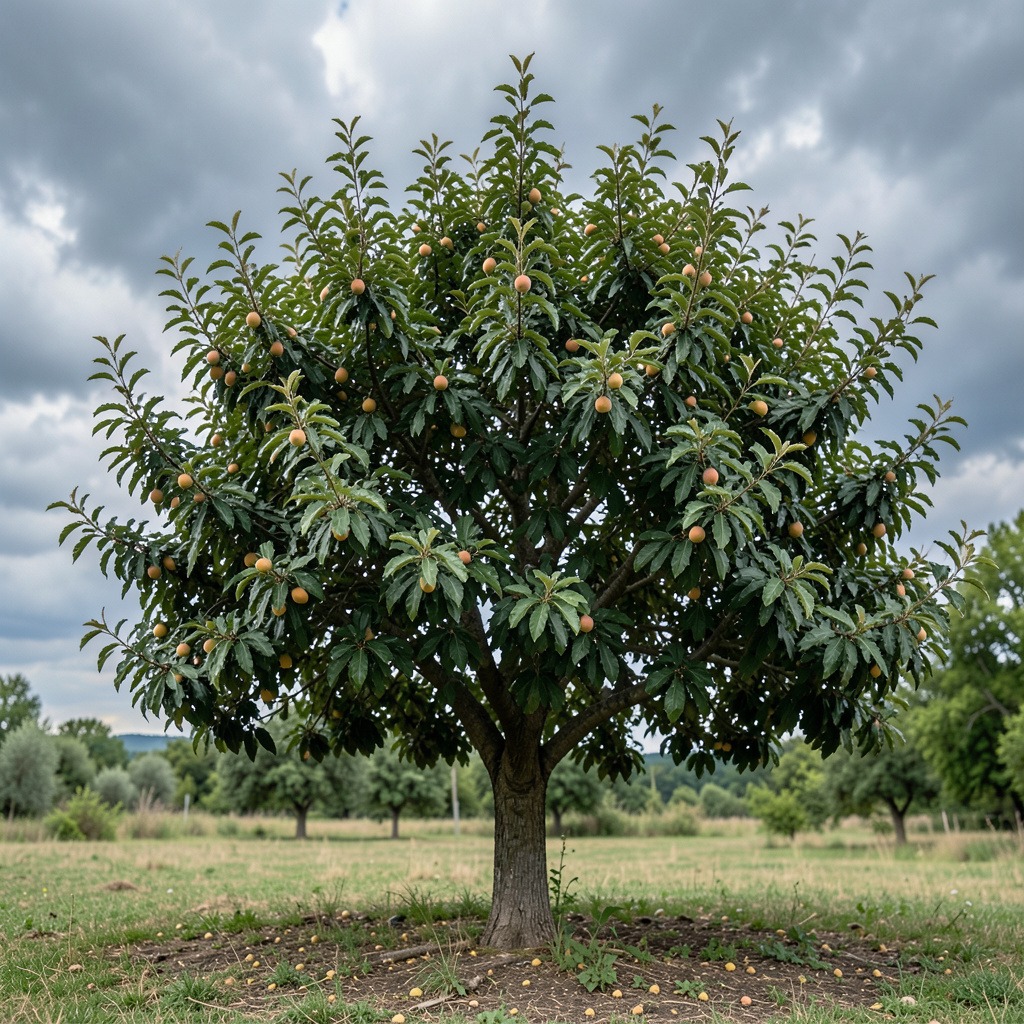
The Thundercloud plum tree offers a range of advantages that make it a popular choice among gardeners. Its aesthetic appeal, fruit production, and usability in landscaping are just a few reasons to consider planting this tree.
Aesthetic Appeal and Landscape Value
The Thundercloud plum tree is visually striking. Here are its key aesthetic benefits:
- Vibrant Foliage: The tree displays rich purple leaves that emerge in spring, enhancing garden color throughout the summer. This foliage contrasts beautifully with green plants.
- Attractive Flowers: In early spring, the tree blooms with pale pink flowers. This seasonal display attracts pollinators and adds charm to any landscape.
- Versatile Shape: Its rounded canopy makes it suitable for various landscaping styles, from modern to traditional. It can serve as a focal point or complement other plants.
These attributes make the Thundercloud plum a favored choice for front yards, parks, and urban settings.
Fruit Production and Culinary Uses
While primarily an ornamental tree, Thundercloud plum trees can also produce fruit. Consider the following aspects:
- Edible Fruit: The tree produces small plums that, while not commercially significant, can be used in jams, jellies, or eaten fresh.
- Wildlife Attraction: The fruit attracts birds and other wildlife, enriching the ecosystem in your garden.
- Pollination Benefits: Planting a Thundercloud plum can enhance fruit set for nearby plum trees, benefiting overall garden productivity.
Incorporating Thundercloud plum trees can enhance both the visual appeal and biodiversity of your landscape.
User Testimonials
Many gardeners report successful plantings of Thundercloud plum trees. For example, one user noted how the tree transformed their front yard into a vibrant focal point, providing year-round interest. Others have highlighted its resilience in varying climates and its ability to thrive with minimal care, making it an ideal choice for busy homeowners.
These testimonials showcase the practical benefits of the Thundercloud plum tree, reinforcing its value in diverse garden designs.
Cons of Thundercloud Plum Trees
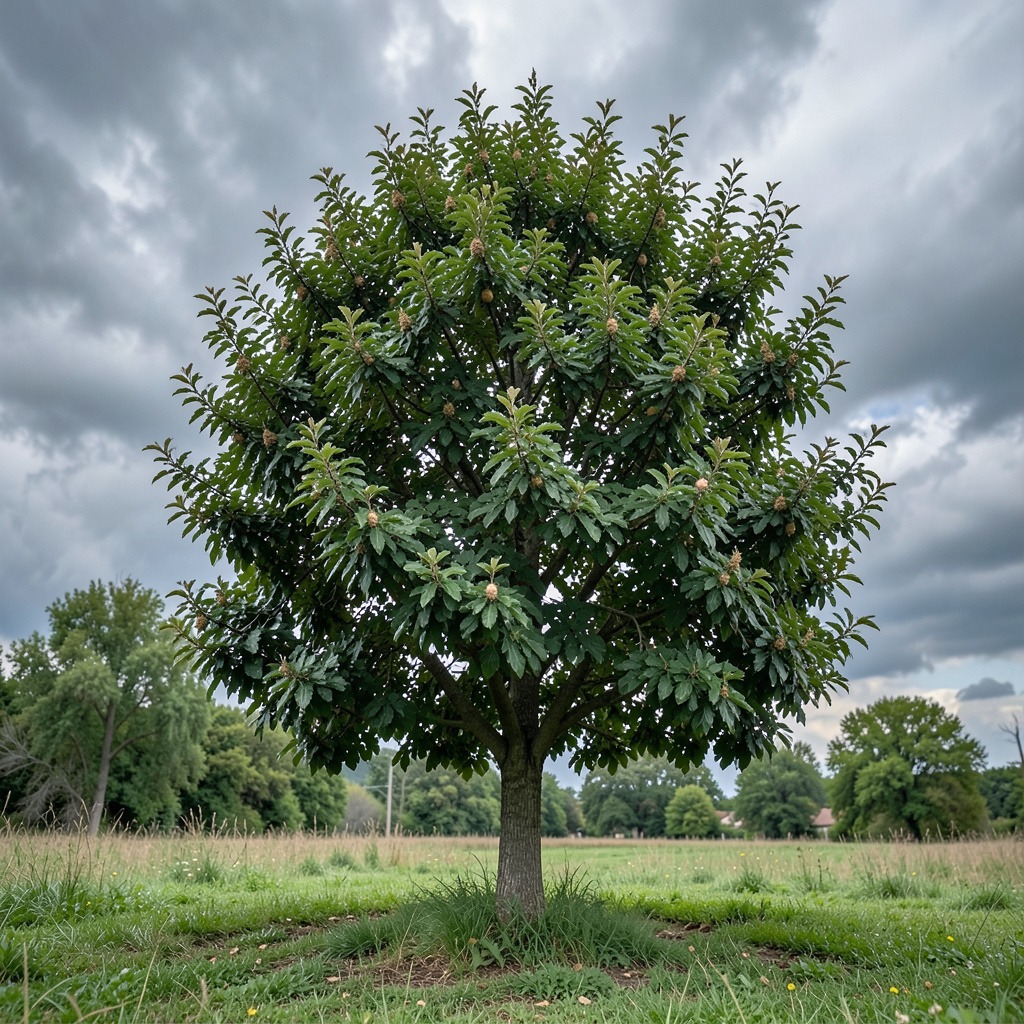
While Thundercloud plum trees offer many benefits, they also come with several disadvantages that potential owners should consider. These include disease susceptibility, maintenance requirements, and the potential for messiness.
Disease Susceptibility and Common Problems
Thundercloud plum trees are vulnerable to a few diseases and pests that can impact their health and fruit production. Common issues include:
- Cytospora Canker: This fungal disease can cause branch dieback. It often occurs during periods of stress.
- Bacterial Canker: Affects young trees, leading to wilting and leaf drop. Prevention involves ensuring good airflow and avoiding overhead watering.
- Pests: Aphids and plum curculio beetles may infest the tree, leading to reduced fruit quality. Regular monitoring and treatment can mitigate these threats.
Checklist for Disease Management:
- Inspect trees regularly for signs of disease or pests.
- Prune away infected branches promptly.
- Maintain proper watering and fertilization practices to enhance tree resilience.
Maintenance and Care Challenges
Despite being relatively low-maintenance, Thundercloud plum trees require specific care to thrive. Consider the following maintenance challenges:
- Pruning Needs: Regular pruning is essential to maintain shape and health. Improper pruning can lead to poor growth and disease susceptibility.
- Watering Requirements: These trees prefer well-drained soil and consistent moisture. In drought conditions, they may need additional watering.
- Falling Fruit: The fruit can create a mess under the tree when it drops. This might require regular clean-up, especially if planted near patios or walkways.
Maintenance Checklist:
- Prune in late winter or early spring.
- Water deeply but infrequently, especially during dry spells.
- Clean up fallen fruit to prevent pest attraction.
Being aware of these cons will help you make an informed decision about incorporating Thundercloud plum trees into your landscape.
Care and Maintenance of Thundercloud Plum Trees
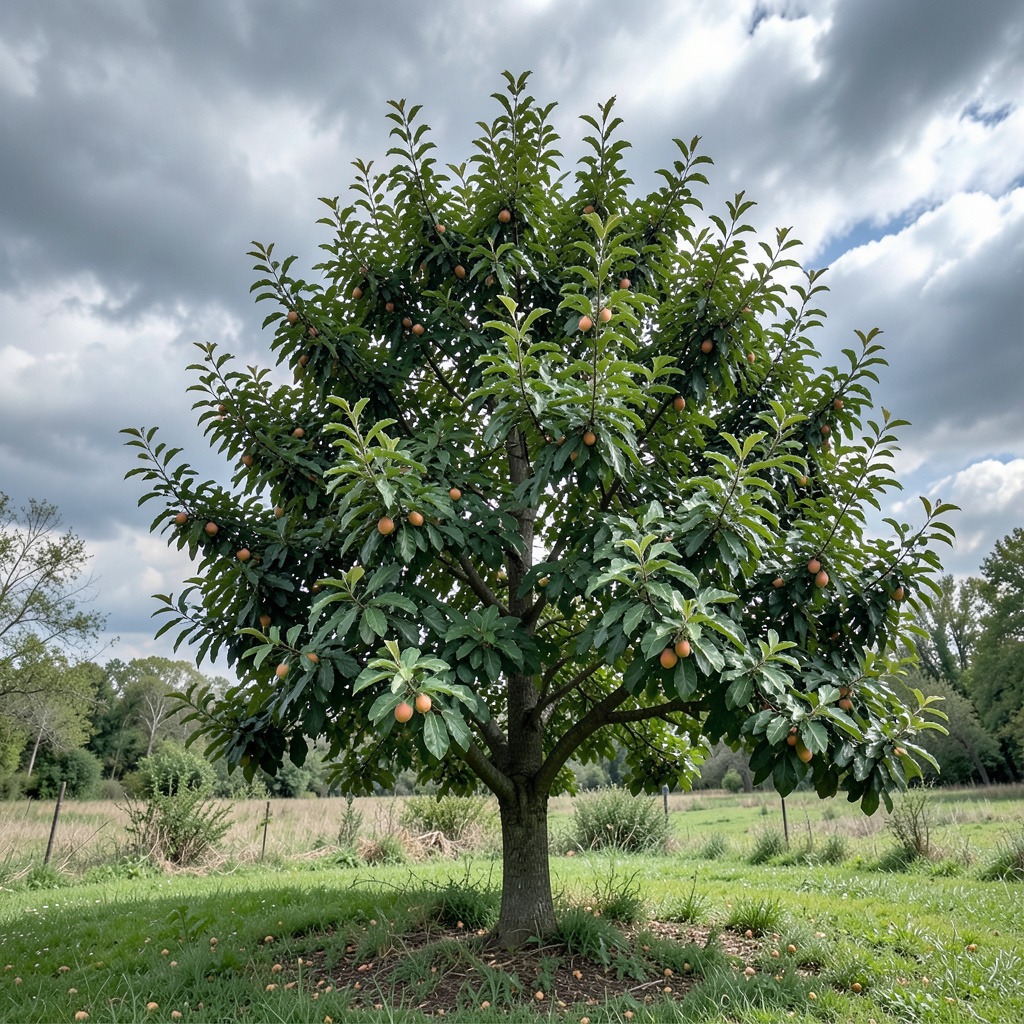
Thundercloud plum trees require specific care to thrive and produce fruit. Understanding their needs for watering, sunlight, and pruning will ensure they flourish in your garden.
Watering and Sunlight Requirements
Thundercloud plums thrive in full sunlight. Aim for at least six hours of direct sunlight each day to promote vibrant foliage and fruit production.
- Watering:
- Water deeply but infrequently. This encourages deep root growth.
- In dry spells, monitor soil moisture and increase watering as needed.
- Ensure the soil is well-drained to prevent root rot.
Pruning Techniques for a Healthy Tree
Pruning is essential for maintaining the shape and health of your Thundercloud plum tree.
- When to Prune:
- Late winter or early spring is ideal for pruning before new growth begins.
- How to Prune:
- Remove dead, damaged, or crossing branches to improve airflow.
- Thin the canopy to allow sunlight to penetrate the inner branches.
- Avoid over-pruning, as this can stress the tree and reduce fruit yield.
Pruning Checklist:
- Remove any suckers from the base of the tree.
- Cut back approximately one-third of the previous year’s growth.
- Shape the tree to maintain a balanced and open canopy.
Common Diseases and Issues
Thundercloud plum trees can be susceptible to certain diseases. Regular monitoring and preventive measures can help.
- Common Diseases:
- Cytospora Canker: Look for dark, sunken areas on branches. Remove affected areas immediately.
- Brown Rot: This affects fruit during the ripening phase. Ensure proper airflow and remove any mummified fruit.
Implementing a seasonal care calendar can help streamline maintenance tasks, ensuring that your Thundercloud plum tree remains healthy and productive throughout the year.
Pollination and Fruit Production
Thundercloud plum trees require specific conditions for optimal pollination and fruit production. Understanding these needs can significantly enhance the yield and quality of your harvest.
Pollination Requirements
Thundercloud plum trees are not self-pollinating. They need cross-pollination from another compatible plum variety to produce fruit. Here are key points to consider:
- Companion Trees: Plant at least one other plum tree nearby for effective pollination. Suitable companions include other varieties of Prunus cerasifera or other plum species.
- Flowering Synchrony: Ensure that the flowering times of both trees overlap. This increases the chances for successful pollination.
- Pollinator Attraction: Promote pollinator activity by planting nearby flowers that attract bees and butterflies. This can enhance cross-pollination efficiency.
Expected Yield and Fruit Characteristics
When properly pollinated, Thundercloud plum trees can yield a moderate to good quantity of fruit. Here’s what to expect:
- Fruit Size: The fruit is small to medium, typically about one inch in diameter.
- Fruit Flavor: The flavor is mildly sweet, making it suitable for fresh eating and culinary uses.
- Harvest Time: Expect fruit to ripen in late summer. Monitor the fruit closely for optimal harvesting time.
- Yield Estimates: A healthy tree can produce between 30 to 50 pounds of fruit per year, depending on care and pollination success.
By ensuring proper pollination and care, you can maximize both the quantity and quality of fruit from your Thundercloud plum tree.
Alternatives to Thundercloud Plum Trees
If you’re considering landscaping options similar to the Thundercloud plum tree, several alternatives offer comparable aesthetic and functional benefits. These trees vary in fruit production, care needs, and visual appeal, making it essential to evaluate them based on your specific landscape goals.
Similar Ornamental Trees
1. Red Maple (Acer rubrum)
- Appearance: Vibrant red foliage in fall.
- Growth: Fast-growing and adaptable to various soil types.
- Use: Excellent for shade and decorative purposes.
2. Japanese Cherry (Prunus serrulata)
- Appearance: Stunning pink blossoms in spring.
- Growth: Moderate growth rate; typically reaches 20-30 feet.
- Use: Primarily ornamental with minimal fruit production.
3. Crimson King Maple (Acer platanoides ‘Crimson King’)
- Appearance: Deep burgundy leaves throughout the growing season.
- Growth: Medium growth; ideal for urban settings.
- Use: Provides shade while enhancing color in the landscape.
Fruit-Bearing Alternatives
1. Sour Cherry (Prunus cerasus)
- Appearance: White blossoms and small, tart cherries.
- Growth: Similar size to Thundercloud plum; requires good pollination.
- Use: Suitable for pies and preserves, with ornamental value.
2. Santa Rosa Plum (Prunus salicina)
- Appearance: Pink flowers followed by large, sweet fruit.
- Growth: Grows taller than Thundercloud and requires more space.
- Use: Excellent for home orchards; high fruit yield.
3. Peach Tree (Prunus persica)
- Appearance: Beautiful pink blossoms; attractive foliage.
- Growth: Grows well in warm climates; needs full sun.
- Use: Produces sweet peaches, adding culinary value.
Comparison Table
| Tree Type | Growth Rate | Aesthetic Qualities | Fruit Production | Care Requirements |
|---|---|---|---|---|
| Thundercloud Plum | Moderate | Purple foliage, spring blooms | Moderate | Low to moderate |
| Red Maple | Fast | Red fall color | None | Low |
| Japanese Cherry | Moderate | Pink blossoms | Minimal | Moderate |
| Sour Cherry | Moderate | White blossoms | High | Moderate |
| Santa Rosa Plum | Fast | Pink flowers | Very High | Moderate |
| Peach Tree | Moderate | Pink blossoms | High | High |
When choosing an alternative, consider your landscape’s specific light, space, and soil conditions. Each tree has unique benefits that can enhance your garden’s beauty while fulfilling your fruit-growing aspirations.
Conclusion: Is the Thundercloud Plum Tree Right for You?
The Thundercloud plum tree offers both aesthetic appeal and practical benefits for gardeners. However, potential buyers should weigh the advantages against the challenges associated with this ornamental tree.
Pros of the Thundercloud Plum Tree
- Aesthetic Value: Its stunning purple leaves and pink blossoms enhance any landscape. The rounded crown provides a visually pleasing structure.
- Growth Adaptability: Thrives in various soil types and tolerates different climates, making it a versatile choice for many gardeners.
- Pollination and Fruit Production: Can produce small, edible fruits, attracting wildlife to your garden.
Cons of the Thundercloud Plum Tree
- Sunlight Requirements: Requires full sunlight to maintain its vibrant color and optimal health. Insufficient light can lead to dull foliage and reduced fruit yield.
- Disease Vulnerability: Prone to fungal infections, particularly if watering practices are not managed properly. Regular care is essential to prevent issues.
- Pollination Needs: While it can produce fruit, it often requires another plum variety for effective pollination, which could limit fruit production in solitary plantings.
Decision Framework for Potential Buyers
When considering the Thundercloud plum tree, evaluate the following factors:
- Location: Ensure your planting site receives ample sunlight.
- Space: Assess how much room you have for growth and whether the tree’s size fits your landscape design.
- Care Commitment: Be prepared for regular watering and disease management to keep the tree healthy.
- Aesthetic Goals: Determine if its beauty aligns with your overall landscaping vision.
By weighing these pros and cons, you can make an informed decision about integrating the Thundercloud plum tree into your garden.
Frequently Asked Questions
These quick answers cover the most common questions about this topic, including key details, practical tips, and common concerns.
What is the typical lifespan of a Thundercloud plum tree?
The Thundercloud plum tree typically has a lifespan of around 15 to 20 years, depending on growing conditions and care. With proper maintenance, including regular pruning and disease management, these trees can thrive for many years, providing both aesthetic beauty and fruit production throughout their life.
Are Thundercloud plum trees messy?
Yes, Thundercloud plum trees can be considered somewhat messy. They produce small, edible plums that drop to the ground when ripe, creating litter that may require regular cleanup, especially if planted near patios or walkways. Additionally, fallen leaves and flowers can contribute to debris during seasonal changes.
How big does a Thundercloud flowering plum tree get?
A Thundercloud flowering plum tree typically reaches a height of 15 to 20 feet and has a rounded canopy that can spread about 15 to 25 feet wide. This size makes it suitable for smaller yards and urban landscapes, providing a striking focal point without overwhelming the space.
Are plum trees good to have in your yard?
Yes, plum trees, including the Thundercloud variety, can be excellent additions to your yard. They offer beautiful ornamental features, attract pollinators, and can produce edible fruit. However, consider their care requirements and potential messiness before planting to ensure they fit your landscaping goals.
What common diseases affect Thundercloud plum trees?
Thundercloud plum trees are susceptible to several diseases, including Cytospora canker and bacterial canker. Cytospora canker can cause branch dieback, while bacterial canker affects young trees, leading to wilting and leaf drop. Regular monitoring and prompt pruning of affected areas can help manage these issues effectively.
How do I prune a Thundercloud plum tree?
Pruning a Thundercloud plum tree should be done in late winter or early spring before new growth begins. Focus on removing dead, damaged, or crossing branches to improve airflow and shape. Aim to thin the canopy without over-pruning, as this can stress the tree and reduce fruit yield.
What are the best companion plants for Thundercloud plum trees?
Good companion plants for Thundercloud plum trees include other plum varieties for effective cross-pollination, as well as flowering plants that attract bees and butterflies. Consider planting low-maintenance perennials or annuals that thrive in similar sunlight and soil conditions to enhance the overall garden ecosystem.
Are these plants invasive? Do they ruin concrete sidewalks?
Thundercloud plum trees are generally not considered invasive; however, they can spread through seed dispersal if not managed properly. They have a moderate root system that typically does not damage concrete sidewalks, but any tree can cause issues if planted too close to hardscapes. It’s best to plant them at a reasonable distance from pathways and structures to avoid potential problems.