
Monarch butterflies require specific nectar-rich flowers during their fall migration to sustain their energy. By planting the right flowers, you can create a vital stopover for these beautiful creatures. Here are the top 11 fall flowers that will support Monarch migration effectively.
1. Understand the Importance of Fall Flowers for Monarch Migration
Fall-blooming flowers play a crucial role in supporting Monarch butterflies during their long migration to Mexico. These flowers provide essential nectar, which fuels the butterflies on their journey.
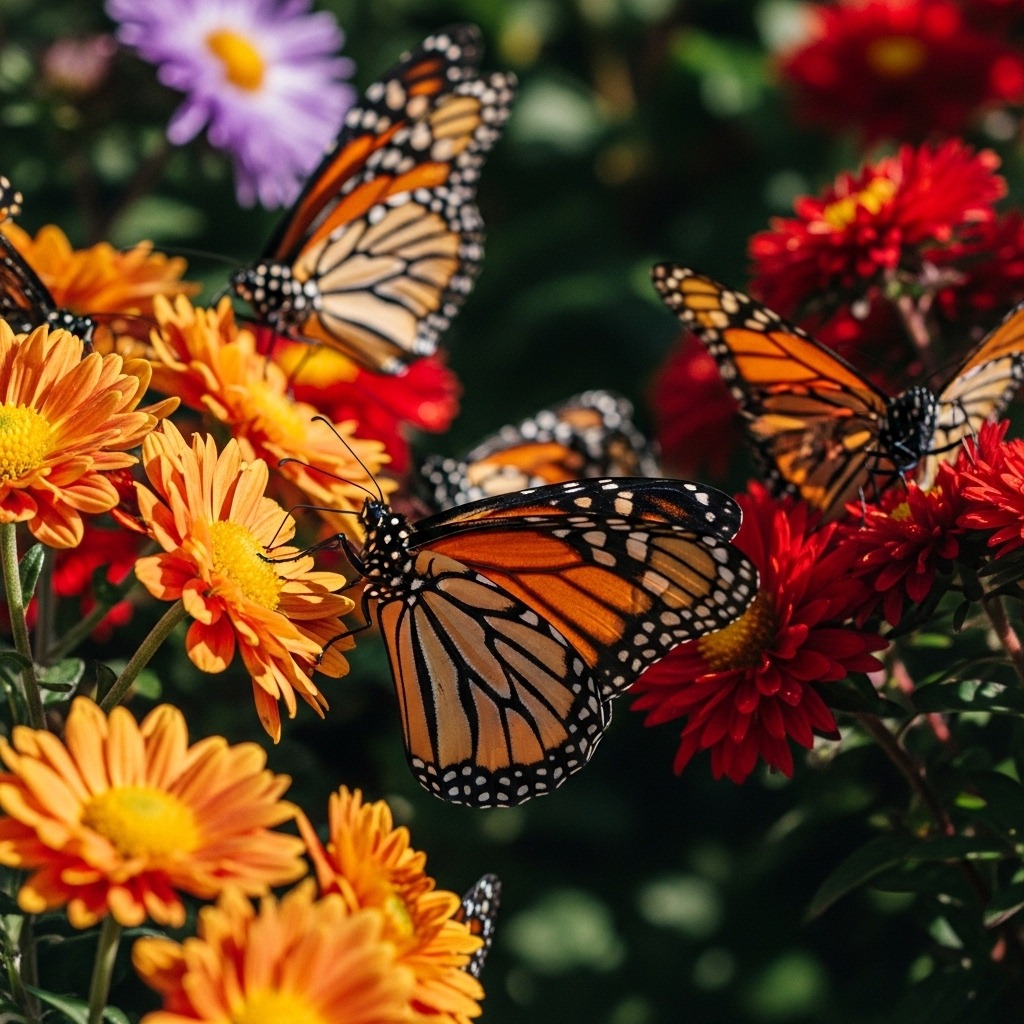
Monarch Migration Journey Overview
Every year, Monarchs travel up to 3,000 miles from the eastern and central U.S. to their wintering grounds in Mexico. This incredible journey is demanding. Monarchs need to refuel along the way, and that’s where fall flowers come in.
Nectar Needs During Migration
During migration, Monarchs rely heavily on nectar-rich flowers. Nectar serves as their primary energy source. Without adequate nectar, these delicate butterflies risk exhaustion and starvation.
Here’s why nectar is vital:
- Energy Source: Monarchs need energy to fly thousands of miles.
- Survival: Nectar helps them build strength for the journey.
- Reproduction: Some Monarchs will lay eggs during migration, requiring extra nutrition.
Impact of Flower Availability
The availability of fall-blooming flowers directly impacts Monarch survival rates. When these flowers are plentiful, Monarchs can easily find food. However, if flowers are scarce, it can endanger their journey.
To create a Monarch-friendly garden, consider planting a mix of these fall flowers:
Table of Contents
- Asters
- Goldenrod
- Joe Pye Weed
- Sedum
- Liatris
- Milkweed (essential for caterpillars)
- Zinnias
- Sunflowers
- Coneflowers
- Black-eyed Susans
- Verbena
Adding these plants not only helps Monarchs but also enhances your garden’s beauty.
If you’re looking for an easy way to start, a Butterfly Garden Seed Mix can provide a variety of flowers that attract these stunning butterflies.
By understanding the importance of these flowers, you can make a significant impact on supporting Monarch migration.
2. Choose Native Plants for Optimal Support
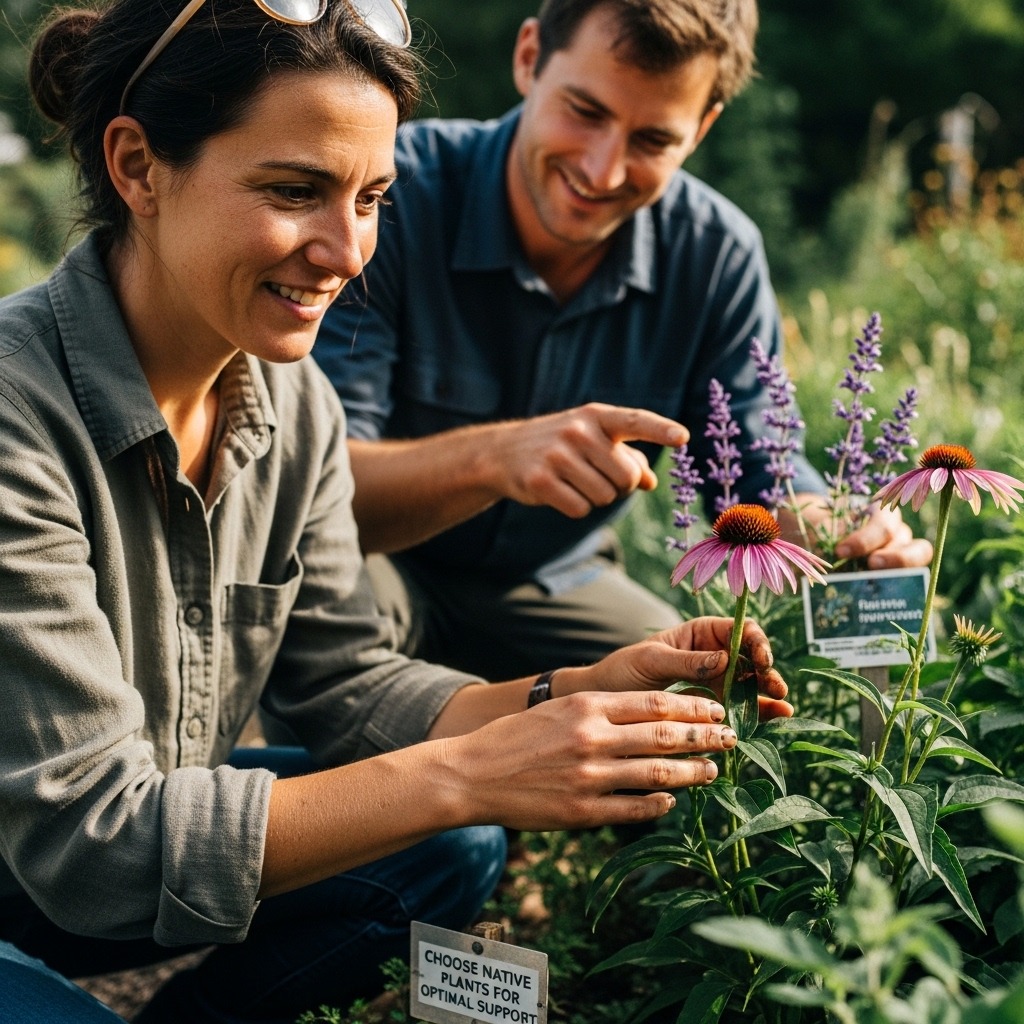
Using native plants is a game changer for attracting Monarch butterflies and supporting local ecosystems. These plants are specially adapted to your region, making them easier to grow and more beneficial for wildlife.
Benefits of Native Plants
- Better Adaptation: Native plants thrive in local conditions. They require less water and care compared to non-native varieties.
- Nectar Sources: They provide essential nectar for Monarchs during their migration. This food is crucial for their energy.
- Support Local Wildlife: Native plants attract other pollinators and beneficial insects, boosting biodiversity in your garden.
- Soil Health: They improve soil structure and health, which is vital for a thriving ecosystem.
Examples of Native Fall Flowers
Here are some top native fall flowers that support Monarch migration:
| Flower Name | Nectar Availability | Ecological Benefits |
|---|---|---|
| Asters | High | Attracts various pollinators |
| Goldenrod | High | Provides food late in the season |
| Joe Pye Weed | High | Supports a range of butterflies |
| Liatris | Moderate | Good for attracting bees and butterflies |
| Ironweed | High | Benefits a wide range of wildlife |
These flowers not only support Monarchs but also enhance your garden’s beauty and resilience.
Impact on Local Biodiversity
Planting native flowers creates a habitat where Monarchs can thrive. They play a vital role in the ecosystem by:
- Promoting Pollination: More native plants mean more pollinators, leading to better plant reproduction.
- Creating Habitats: Native plants provide shelter for various insects and small wildlife.
- Sustaining Food Chains: They help maintain a balanced ecosystem by supporting various species at different levels.
Choosing native plants like the ones listed above is one of the best ways to create a Monarch-friendly garden. If you’re looking for a simple way to start, consider a Butterfly Garden Seed Mix.
3. List the Top 11 Fall Flowers for Monarchs
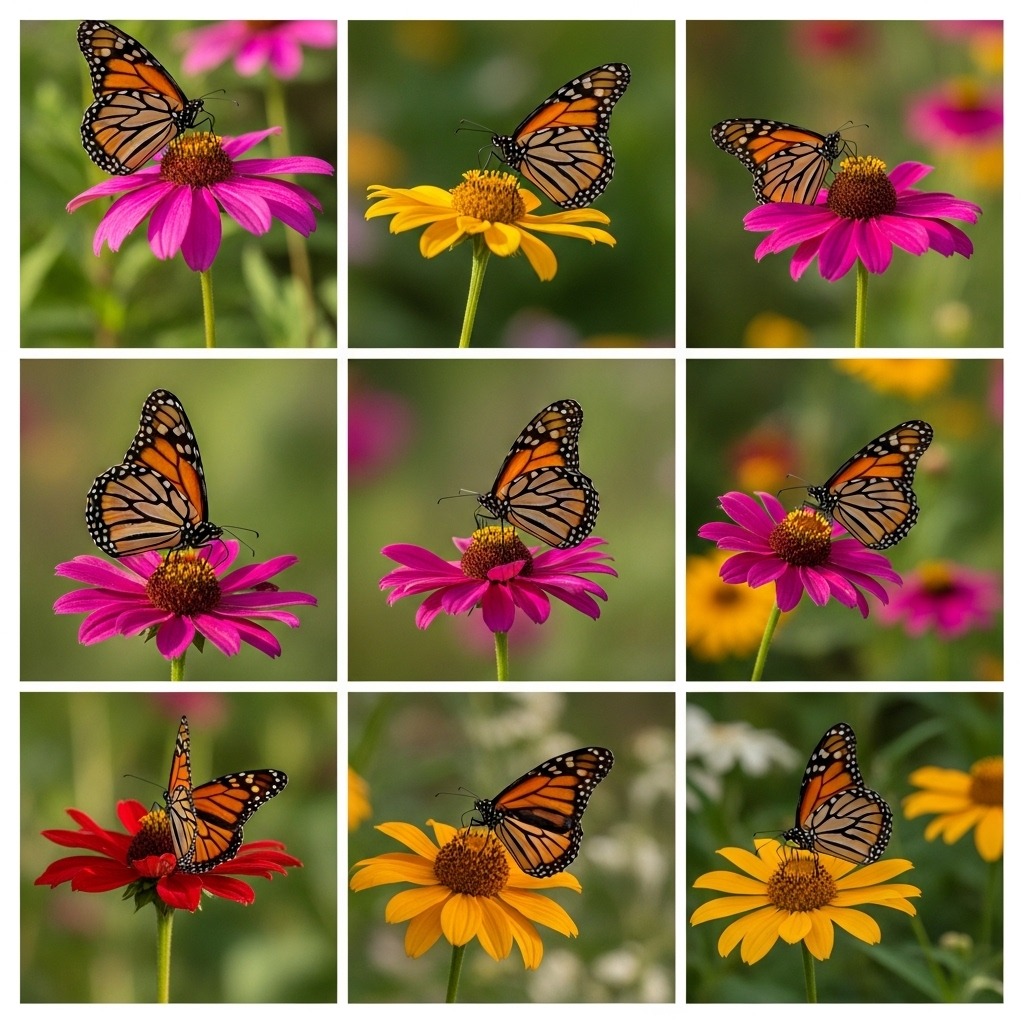
Planting the right flowers in fall is crucial for supporting Monarch butterflies on their migration journey. These flowers provide the nectar they need for energy. Let’s dive into the top 11 fall flowers that can help these beautiful butterflies thrive.
Overview of the List
Here’s a quick look at our top flowers for fall:
1. Asters
2. Goldenrod
3. Joe Pye Weed
4. Sedum
5. Liatris
6. Bee Balm
7. Mexican Sunflower
8. Ironweed
9. Black-eyed Susan
10. Autumn Joy Sedum
11. Nectarine Milkweed
Importance of Flower Diversity
Diverse flowers attract a wide range of pollinators. Monarchs especially benefit from a variety of nectar sources. This diversity helps ensure they have enough energy for their long migration.
Select Flowers for Your Garden
Here’s a closer look at each flower and how it supports Monarchs:
- Asters: These late bloomers are packed with nectar. They come in various colors and are easy to grow. Asters are a must-have for a pollinator garden.
- Goldenrod: Often misunderstood, goldenrod doesn’t cause allergies. It provides abundant nectar in late summer and fall, making it a favorite among Monarchs.
- Joe Pye Weed: This tall, native plant offers clusters of pink flowers. Not only does it attract Monarchs, but it also invites other pollinators to your garden.
- Sedum: Particularly the ‘Autumn Joy’ variety, sedum blooms late and is drought-resistant. It’s a resilient choice that provides nectar when other flowers are fading.
- Liatris: Also known as blazing star, this flower stands tall and proud. Its spikes attract Monarchs and add beauty to any garden.
- Bee Balm: With its vibrant red and purple blooms, bee balm is a hit with butterflies. It’s also an excellent choice for attracting bees.
- Mexican Sunflower: This bright orange flower not only catches the eye but also feeds butterflies. It thrives in sunny spots with well-drained soil.
- Ironweed: Known for its tall, sturdy stalks, ironweed produces purple flowers that attract Monarchs. It’s a showstopper in any fall garden.
- Black-eyed Susan: These cheerful yellow flowers are a staple in many gardens. They bloom late into the season and are loved by Monarchs and other insects.
- Autumn Joy Sedum: This succulent perennial is perfect for low-maintenance gardens. It blooms beautifully in late summer and provides nectar into fall.
- Nectarine Milkweed: While milkweed is essential for caterpillars, nectarine milkweed offers nectar to adult butterflies. It’s a win-win for your garden!
Planting a mix of these flowers ensures a steady food supply for Monarchs as they migrate. If you’re looking to kickstart your butterfly garden, consider a Butterfly Garden Seed Mix. Happy planting!
4. Detailed Profiles for Each Flower
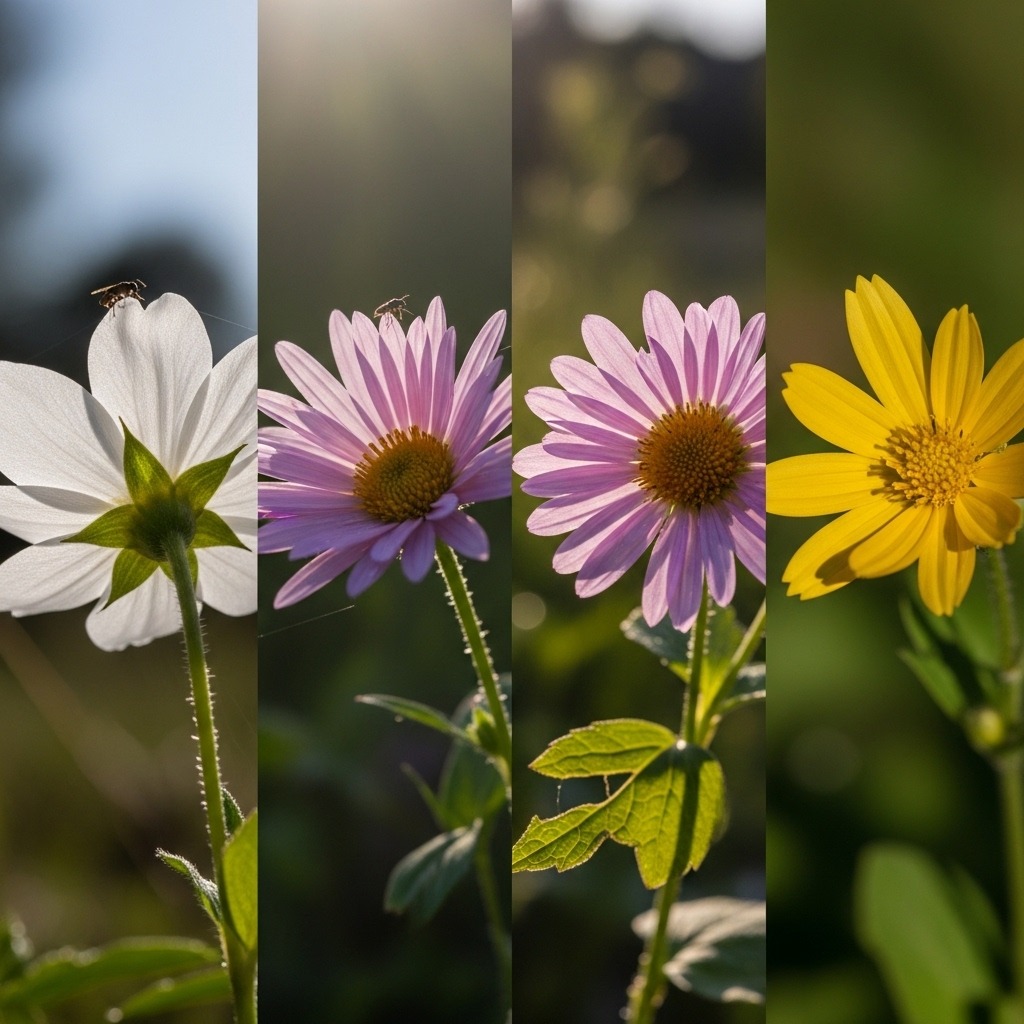
Let’s dive into the details of each flower that can support our fluttery friends, the Monarch butterflies. Here’s what you need to know for planting, growing, and caring for these beauties.
1. Asters
- Planting Tips: Sow seeds in spring or fall. Space them about 1-2 feet apart.
- Growing Conditions: Full sun to partial shade. Well-drained soil is a must.
- Common Pests and Care Techniques: Watch for aphids. Use insecticidal soap if needed.
2. Goldenrod
- Planting Tips: Plant in clusters for a stunning display. Space them 2 feet apart.
- Growing Conditions: Thrives in full sun and tolerates poor soil.
- Common Pests and Care Techniques: Generally pest-resistant, but keep an eye out for spider mites.
3. Joe Pye Weed
- Planting Tips: Plant in late spring. Give them plenty of space; they can grow quite large!
- Growing Conditions: Prefers wet, rich soil and full sun.
- Common Pests and Care Techniques: May attract the occasional caterpillar. They’re friends, so let them be!
4. Ironweed
- Planting Tips: Sow seeds in spring or fall. Space 2-3 feet apart.
- Growing Conditions: Enjoys moist conditions and full sun.
- Common Pests and Care Techniques: Rarely bothered by pests. Just keep it well-watered.
5. Liatris (Blazing Star)
- Planting Tips: Plant corms in spring or fall, 4-6 inches deep.
- Growing Conditions: Needs full sun and well-drained soil.
- Common Pests and Care Techniques: Watch for slugs. Hand-pick if necessary.
6. Sedum
- Planting Tips: Space plants 1-2 feet apart. Perfect for rock gardens!
- Growing Conditions: Full sun and well-drained soil are ideal.
- Common Pests and Care Techniques: Resistant to pests. Just avoid overwatering.
7. Nectarine Milkweed
- Planting Tips: Space 1-2 feet apart. Great for butterfly gardens!
- Growing Conditions: Needs full sun and well-drained soil.
- Common Pests and Care Techniques: Monitor for aphids. Use water to wash them away.
8. Swamp Milkweed
- Planting Tips: Plant in clusters for best results. Keep them about 2 feet apart.
- Growing Conditions: Prefers moist, rich soil and partial shade.
- Common Pests and Care Techniques: Resistant to pests, but check for leaf spot.
9. New England Aster
- Planting Tips: Sow seeds in spring. Space them about 1-2 feet apart.
- Growing Conditions: Full sun is best, with well-drained soil.
- Common Pests and Care Techniques: Generally pest-free but can attract bees.
10. Salvia
- Planting Tips: Space plants 1-2 feet apart. They thrive in clusters.
- Growing Conditions: Full sun and well-drained soil are essential.
- Common Pests and Care Techniques: Watch for whiteflies. Use a gentle insecticidal soap if needed.
11. Zinnias
- Planting Tips: Direct sow in spring. Space them 1 foot apart.
- Growing Conditions: Prefers full sun and well-drained soil.
- Common Pests and Care Techniques: Check for powdery mildew. Ensure good air circulation to prevent it.
Quick Care Checklist
- Sunlight Needs: Most require full sun (6+ hours).
- Soil Type: Well-drained soil is crucial.
- Watering: Regular watering, especially during dry spells.
- Pest Management: Natural remedies like insecticidal soap work wonders.
Planting a mix of these flowers will create a vibrant, Monarch-friendly garden. Happy gardening!
5. Create a Monarch-Friendly Habitat
Designing a garden for Monarchs is a rewarding project. It helps these beautiful butterflies thrive during their migration. Here’s how to create a welcoming space for them.
Garden Layout Tips
Start by planning your garden layout. Monarchs need a mix of nectar sources and shelter. Here’s a simple layout idea:
- Center: Plant large clusters of nectar flowers like asters and goldenrods. These attract Monarchs from afar.
- Edges: Add milkweed, the essential food for caterpillars. Position it near your nectar flowers to encourage butterflies to lay eggs.
- Paths: Create winding paths through the garden for easy access. This also adds charm to your space.
Companion Planting for Diversity
Mixing different plants can enhance your garden’s appeal. Companion planting encourages biodiversity, which is great for Monarchs and other pollinators. Here are some companion plants:
- Nectar Plants: Pair zinnias with asters. They bloom at different times, providing extended nectar availability.
- Milkweed Variety: Use various milkweed types to support caterpillars and attract more butterflies.
- Herbs: Consider adding herbs like dill and fennel. They attract beneficial insects, adding to your garden’s ecosystem.
Creating Shelter and Nesting Sites
Monarchs need safe places to rest and hide. Here’s how to create shelter:
- Dense Foliage: Include shrubs and tall plants to provide shade and protection.
- Natural Materials: Use logs or stones to create small shelters. These can serve as resting spots for butterflies.
- Windbreaks: Plant taller flowers or grasses on the edges of your garden. This can shield butterflies from harsh winds.
By following these tips, you can create a vibrant, Monarch-friendly habitat. Enjoy the beauty of your garden while supporting these incredible creatures!
6. Understand the Role of Milkweed in Monarch Lifecycles
Milkweed is a superstar when it comes to Monarch butterflies. It’s not just pretty; it’s essential for their survival. Monarch caterpillars rely entirely on milkweed for food. Let’s dive into why this plant is crucial and how you can make it a part of your garden.
Milkweed Varieties to Plant
Planting milkweed is the first step to supporting Monarchs. Here are a few popular varieties you can consider:
- Common Milkweed (Asclepias Syriaca): This is the go-to for many gardeners. It’s hardy and provides lots of food for caterpillars.
- Butterfly Weed (Asclepias Tuberosa): With its bright orange flowers, this variety not only attracts adults but also supports caterpillars.
- Swamp Milkweed (Asclepias Incarnata): Perfect for wetter areas, this milkweed thrives in moist soil and still attracts Monarchs.
Each of these milkweed types can thrive in different conditions, so pick what suits your garden best!
Life Cycle of Monarchs Dependent on Milkweed
Understanding the Monarch life cycle helps us appreciate milkweed’s role. Here’s a quick breakdown:
1. Egg Stage: Female Monarchs lay eggs on milkweed leaves. The caterpillars will need this plant to survive.
2. Caterpillar Stage: Once hatched, caterpillars munch on milkweed leaves. This is their only food source. Without it, they can’t grow.
3. Chrysalis Stage: After growing, the caterpillars attach themselves to milkweed for their transformation into chrysalises.
4. Adult Butterfly Stage: Finally, they emerge as beautiful butterflies ready to migrate.
This cycle shows just how interconnected milkweed and Monarchs are!
How Milkweed Supports Caterpillars
Milkweed does more than just feed Monarch caterpillars; it also offers protection. Here’s how:
- Toxicity: Milkweed contains toxins that make caterpillars and adult butterflies less appealing to predators. This helps keep them safe as they develop.
- Food Source: The leaves are packed with nutrients, giving caterpillars everything they need to grow strong.
Incorporating milkweed into your garden is a no-brainer. Not only does it support Monarchs, but it also enhances your garden’s biodiversity. Aim for a mix of milkweed and other nectar-rich flowers to create a vibrant, inviting space for these magnificent creatures!
7. Address Common Gardening Issues for Monarchs
Creating a Monarch-friendly garden can be rewarding, but it comes with its challenges. Let’s tackle some common gardening issues and how to solve them.
Pest Management Strategies
Pests can be a headache. But with the right approach, you can protect your Monarchs. Here are some effective strategies:
- Natural Predators: Encourage beneficial insects like ladybugs and lacewings. They’ll help keep pest populations in check.
- Companion Planting: Planting marigolds or garlic alongside your flowers can deter harmful insects. Plus, they’re beautiful!
- Hand-Picking: For larger pests like caterpillars from other species, simply remove them by hand. Just be sure not to touch Monarch caterpillars!
Avoiding Invasive Species
Invasive plants can crowd out the flowers Monarchs need. To keep your garden thriving, follow these tips:
- Research Before Planting: Check if a plant is native or invasive in your area. Native plants support Monarchs better.
- Regular Maintenance: Pull out invasive species as soon as you spot them. Don’t let them take over!
- Plant Diversity: A mix of different flowers can help create a balanced ecosystem. This attracts more pollinators and keeps invasive species at bay.
Maintaining Plant Diversity
A diverse garden is a healthy garden. Keeping a variety of plants helps Monarchs and other pollinators. Here’s how to achieve that:
- Mix Flower Types: Include both nectar-rich flowers and milkweed in your garden. This supports all stages of the Monarch life cycle.
- Plan for Blooms: Choose flowers that bloom at different times in the fall. This ensures a continuous food supply for Monarchs during their migration.
- Local Native Plants: Prioritize native species. They require less care and are better for the local ecosystem.
By addressing these gardening issues, you can create a welcoming habitat for Monarch butterflies while enjoying a vibrant fall garden.
8. Explore Climate Change Impacts on Monarch Migration
Climate change is shaking up the world of Monarch butterflies. It affects their migration patterns and poses serious challenges. Let’s dive into how this happens and what gardeners can do to help.
Effects of Climate Change on Migration
Climate change alters weather patterns. This can lead to:
- Early or late blooms: Flowers may bloom out of sync with Monarchs’ migration. If Monarchs arrive too late, they might miss vital nectar sources.
- Habitat loss: Warmer temperatures can change or destroy habitats. This threatens the availability of milkweed and other crucial plants.
- Increased storms: Extreme weather events can disrupt migration routes. Monarchs are already facing enough challenges without added dangers.
Adaptation Strategies for Gardeners
Gardeners can play a key role in helping Monarchs adapt to climate change. Here are some practical steps:
- Plant a variety of flowers: Include different species that bloom at various times. This ensures Monarchs find food throughout their journey.
- Choose native plants: Native flowers are more resilient. They thrive in local conditions and support the local ecosystem better than non-native options.
- Create microhabitats: Design your garden with sheltered spots. This can help protect Monarchs from harsh weather and provide resting areas.
Long-term Conservation Efforts
Supporting Monarchs goes beyond just planting flowers. Here are some long-term efforts to consider:
- Join local conservation groups: Engage with organizations focused on Monarch protection. They often have initiatives to restore habitats and raise awareness.
- Educate others: Share what you know about Monarchs and climate change. The more people know, the more support we can gather for these beautiful butterflies.
- Monitor your garden: Keep an eye on the plants and Monarch activity. Adjust your planting strategies as needed to ensure a thriving habitat.
By understanding the impacts of climate change and taking action, we can create a supportive environment for Monarch butterflies during their challenging migration.
9. Community Engagement for Monarch Conservation
Getting involved with your community is a fantastic way to support Monarch butterflies. Together, we can create beautiful habitats and spread awareness about these amazing pollinators.
Organizing local planting events
Consider setting up local planting events. These gatherings are a great way to bring people together. Here’s how to make it happen:
- Choose a location: Look for community parks or schoolyards that need more flowers.
- Select the right plants: Focus on our top 10 fall flowers and milkweed. They’re vital for Monarchs.
- Invite neighbors: Spread the word through social media or flyers. The more, the merrier!
- Provide materials: Gather soil, seeds, and tools. You can often find donations from local garden centers.
Educational outreach for schools
Schools are perfect places to educate young minds about Monarchs. Here’s how to get started:
- Create lesson plans: Develop simple, engaging lessons about Monarch life cycles and migration.
- Host workshops: Organize hands-on workshops where kids can plant seeds and learn about pollinators.
- Involve parents: Encourage parents to participate. This creates a community effort around conservation.
Creating community gardens
Community gardens can be a haven for Monarch butterflies. Here’s what to consider:
- Form a gardening group: Gather like-minded individuals who are passionate about butterflies.
- Choose native plants: Focus on native fall flowers and milkweed. They provide essential nectar and habitat.
- Share responsibilities: Assign tasks, so everyone can contribute. This builds a sense of ownership and teamwork.
By engaging your community, you not only help Monarchs but also foster a connection to nature. Together, we can make a significant impact on these beautiful butterflies’ migration journey.
10. Gather Resources for More Information
Want to dive deeper into the world of Monarch butterflies and how to create a thriving garden for them? Here are some fantastic resources to help you learn more about these magnificent creatures and sustainable gardening practices.
Books and Articles on Monarchs
- “The Monarch: Saving Our Most-Loved Butterfly” by Kylee Baumle – A great read about Monarchs’ life cycles and conservation.
- “Bringing Nature Home” by Douglas W. Tallamy – This book emphasizes the importance of native plants for local ecosystems, including Monarchs.
- Articles from the Xerces Society – They offer extensive information on pollinator conservation and gardening.
Organizations Supporting Conservation
- Monarch Watch – A non-profit organization that promotes the conservation of Monarch butterflies through education and research.
- The Monarch Joint Venture – A partnership of organizations working to protect the Monarch migration.
- National Wildlife Federation – They provide resources on creating habitats for wildlife, including Monarchs.
Online Communities and Forums
- Facebook Groups – Look for groups dedicated to butterfly gardening. You’ll find tips, share experiences, and connect with fellow enthusiasts.
- Reddit – Subreddits like r/gardening and r/butterflies are great places to ask questions and gather tips from experienced gardeners.
- Local Gardening Clubs – Join clubs focused on native plants and pollinators. These groups often have workshops and community events.
By exploring these resources, you’ll be well on your way to creating a welcoming space for Monarch butterflies while enjoying the beauty of fall flowers.
11. Final Thoughts on Supporting Monarch Migration
As we wrap up our exploration of fall flowers that support Monarch migration, remember that every little bit counts. Planting the right flowers helps these beautiful butterflies thrive on their long journey.
Recap of the importance of fall flowers
Fall flowers are crucial for Monarchs. They provide the nectar needed for energy during migration. By choosing the right plants, you’re not just beautifying your garden; you’re creating a safe haven for these delicate creatures.
Encouragement to plant and engage
Here’s a quick list of the fall flowers you can plant to support Monarchs:
- Asters: A late bloomer that offers essential nectar.
- Goldenrods: Bright yellow flowers that attract many pollinators.
- Sedum: Succulent flowers that are drought-resistant.
- Joe-Pye Weed: Tall and striking, perfect for attracting butterflies.
- Zinnias: Colorful blooms that Monarchs adore.
- Black-eyed Susans: Hardy flowers that bring beauty and food.
- Milkweed: The essential plant for Monarch caterpillars.
- New England Aster: A favorite for fall pollinators.
- Sunflowers: Cheerful blooms that provide seeds and nectar.
- Ironweed: A robust plant with vibrant purple flowers.
- Marigolds: Bright and easy to grow, perfect for attracting butterflies.
Consider your local climate when selecting flowers. Native plants are often the best choice as they’re adapted to local conditions and support local wildlife.
Share your Monarch garden experiences
We’d love to hear about your Monarch garden! Did you try planting any of the flowers we discussed? Share your successes and tips with fellow gardeners. Building a community of Monarch supporters can make a big difference in their survival. Your garden could be part of a beautiful migration story!
Frequently Asked Questions
These quick answers cover the most common questions about this topic, including key details, practical tips, and common concerns.
How to plant flowers for Monarchs?
Plant flowers for Monarchs by selecting native nectar-rich plants and milkweed. Sow seeds in well-drained soil during spring or fall, following specific planting instructions for each species. Group similar plants together to create dense clusters, making it easier for Monarchs to find food. Ensure the garden receives full sun and avoid using pesticides that can harm butterflies.
Why are Monarchs endangered?
Monarchs are endangered primarily due to habitat loss, especially the decline of milkweed plants, which are essential for caterpillars. Pesticide use, climate change, and deforestation also threaten their migration routes and wintering grounds. Conservation efforts focus on restoring native habitats and reducing pesticide use to support their populations.
Why is milkweed important for Monarchs?
Milkweed is vital because it is the only plant Monarch caterpillars eat. It provides the necessary nutrients and toxins that make Monarchs toxic to predators. Without milkweed, Monarchs cannot complete their life cycle, which is why planting milkweed is crucial for supporting their survival.
When to plant fall flowers for Monarchs?
Plant fall flowers in early to mid-autumn, ideally several weeks before the peak of Monarch migration in your area. This ensures flowers bloom when Monarchs arrive, providing them with vital nectar. Timing varies by region, so check local migration patterns for best results.
What are the threats to Monarch butterfly populations?
Major threats include habitat destruction, pesticide and herbicide use, climate change, and illegal logging in their wintering grounds. These factors reduce available food sources and breeding sites, leading to declining numbers. Conservation efforts aim to protect habitats and promote native plant planting.
How can I support Monarch migration in my area?
Support migration by planting native nectar flowers and milkweed, avoiding pesticides, and creating pollinator-friendly habitats. Educate others about Monarch conservation and participate in local planting events or habitat restoration projects. Providing shelter and continuous nectar sources helps Monarchs during their long journey.
What are the benefits of native vs. non-native plants for Monarchs?
Native plants are better adapted to local conditions, require less maintenance, and provide the most suitable nectar and habitat for Monarchs. Non-native plants may not support local pollinators effectively and can sometimes become invasive, outcompeting native species crucial for Monarch survival.
What should readers know about visual aids or infographics illustrating plant arrangements and garden layouts?
Visual aids can help plan effective Monarch gardens by showing optimal plant groupings, spacing, and layering. Infographics can demonstrate how to combine nectar flowers with milkweed, creating shelter zones, and designing pathways. These tools make it easier to visualize and implement a pollinator-friendly landscape.
What should readers know about regional planting guides tailored to different climate zones?
Regional guides recommend native plants suited to your specific climate zone, ensuring better growth and sustainability. They help you select the best fall flowers and milkweed varieties for your area, increasing the likelihood of attracting and supporting Monarchs throughout their migration.
What should readers know about case studies or success stories of Monarch-friendly gardens?
Success stories highlight how planting native flowers and milkweed can significantly boost local Monarch populations. They often include photos, planting strategies, and measurable outcomes, inspiring others to create their own habitats. These examples demonstrate the positive impact of targeted conservation efforts.