
The Trident Maple tree (Acer buergerianum) has pros like urban resilience and stunning fall colors, but its aggressive roots and moderate maintenance needs can be drawbacks for certain landscapes.
Table of Contents
The Trident Maple (Acer buergerianum) is a popular choice for urban landscaping due to its adaptability and aesthetic appeal. However, it’s important to weigh its benefits against potential drawbacks to determine if it’s the right tree for your garden.
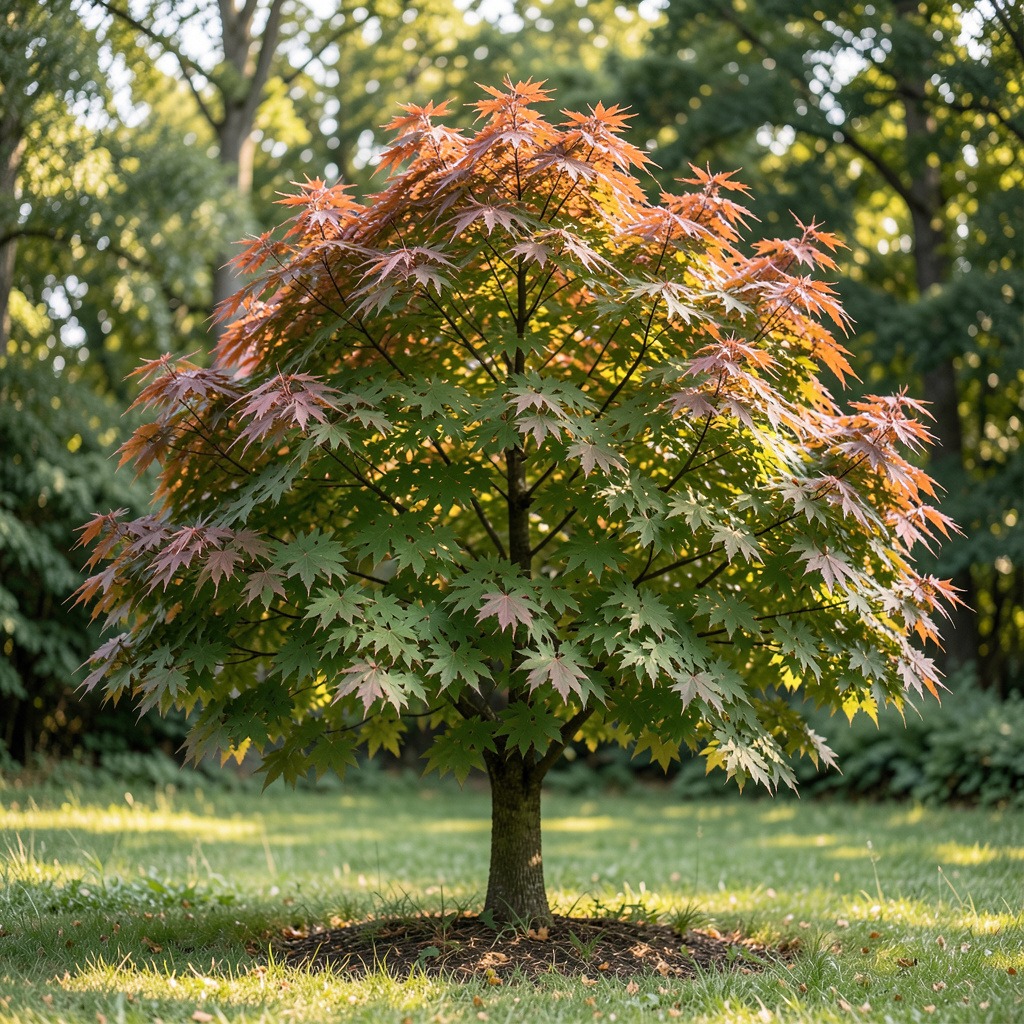
Overview of the Trident Maple Tree
The Trident Maple (Acer buergerianum) is a versatile tree that combines beauty with adaptability, making it a favored choice for urban landscapes. Understanding its characteristics and native habitat can help gardeners make informed decisions about its suitability for their spaces.
Scientific Classification and Characteristics
The Trident Maple belongs to the Aceraceae family, which includes various maple species. Its scientific classification is as follows:
- Kingdom: Plantae
- Order: Sapindales
- Family: Sapindaceae
- Genus: Acer
- Species: Acer buergerianum
This tree typically grows to a height of 20-30 feet and has a rounded, spreading canopy. Its leaves are unique, featuring three distinct lobes, which contribute to its name. The foliage is a vibrant green in the warmer months and transitions to striking yellows, oranges, and reds in the fall, enhancing its ornamental value.
Native Habitat of the Trident Maple
Trident Maples are native to East Asia, particularly found in regions of China, Japan, and Korea. In these areas, they thrive in well-draining soils, often in mountainous regions and along riverbanks.
This tree has been successfully introduced to North America, where it is appreciated for its urban resilience. It tolerates pollution and adapts well to various soil types. Such characteristics make it ideal for city environments, where it can withstand both drought and heat.
Aesthetic Qualities and Fall Colors
The visual appeal of the Trident Maple is significant. Its three-lobed leaves not only create a unique texture but also provide seasonal interest. The fall display of colors can be particularly stunning, with vibrant hues that attract attention.
Key Aesthetic Features:
- Spring/Summer: Bright green foliage
- Fall: Transition to yellow, orange, and red
- Bark: Attractive, smooth, and often flaking, adding texture year-round
Advantages for Landscaping:
- Provides excellent shade
- Enhances urban biodiversity
- Serves as a focal point in gardens due to its striking seasonal colors
The Trident Maple’s combination of resilience and aesthetic qualities makes it an excellent option for urban landscaping, balancing beauty with functionality.
Pros of the Trident Maple Tree
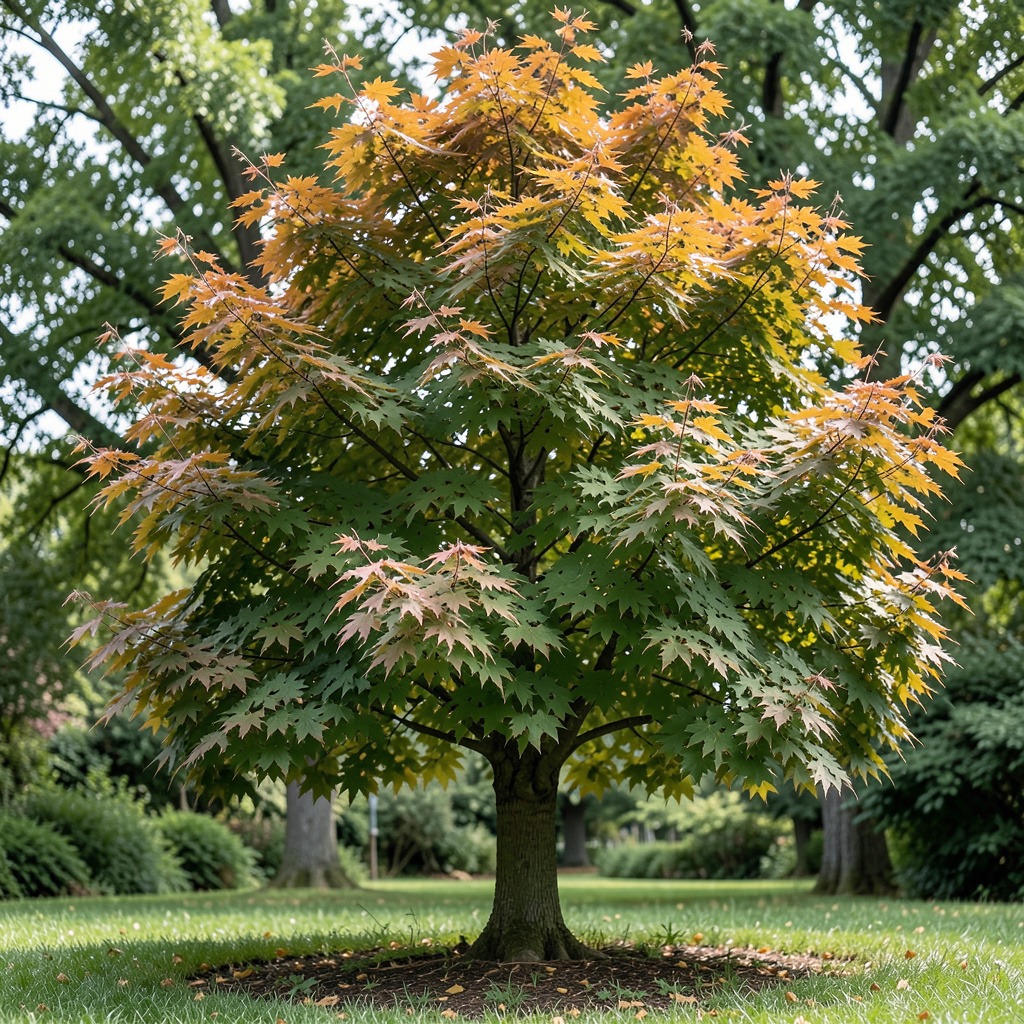
The Trident Maple (Acer buergerianum) offers numerous advantages for urban landscaping. Its resilience, aesthetic appeal, and adaptability make it a popular choice among homeowners and city planners alike.
Urban Resilience and Adaptability
Trident Maples thrive in urban environments. They tolerate a range of soil types, including clay, loam, and sand. This adaptability allows them to flourish in various conditions. They are also resistant to common pests and diseases, reducing maintenance needs.
- Soil Tolerance: Capable of growing in poor soil conditions.
- Climate Flexibility: Thrives in full sun and partial shade.
- Urban Pollution Resistance: Withstands air pollution better than many other tree species.
Aesthetic Appeal and Seasonal Colors
The Trident Maple is renowned for its striking appearance throughout the year. Its three-lobed leaves create a unique texture. Seasonal color changes further enhance its appeal.
- Spring/Summer: Bright green foliage.
- Fall: Transition to vibrant yellow, orange, and red.
- Bark: Smooth and flaking, adding year-round interest.
Low Maintenance Requirements
This tree is known for its low maintenance needs. It responds well to pruning and training, making it suitable for bonsai enthusiasts and landscape designers alike.
- Growth Rate: Moderate growth, typically reaching 20-30 feet.
- Pruning: Predictable responses to trimming, making it easy to shape.
- Care Tips: Requires minimal fertilization compared to other species.
| Feature | Trident Maple | Other Common Maples |
|---|---|---|
| Soil Adaptability | High | Moderate |
| Pest Resistance | Excellent | Varies |
| Aesthetic Seasonal Colors | Vibrant | Moderate to Bright |
| Maintenance | Low | Moderate to High |
By choosing a Trident Maple, landscapers can enjoy a visually striking, resilient tree that enhances urban biodiversity while requiring minimal upkeep.
Cons of the Trident Maple Tree
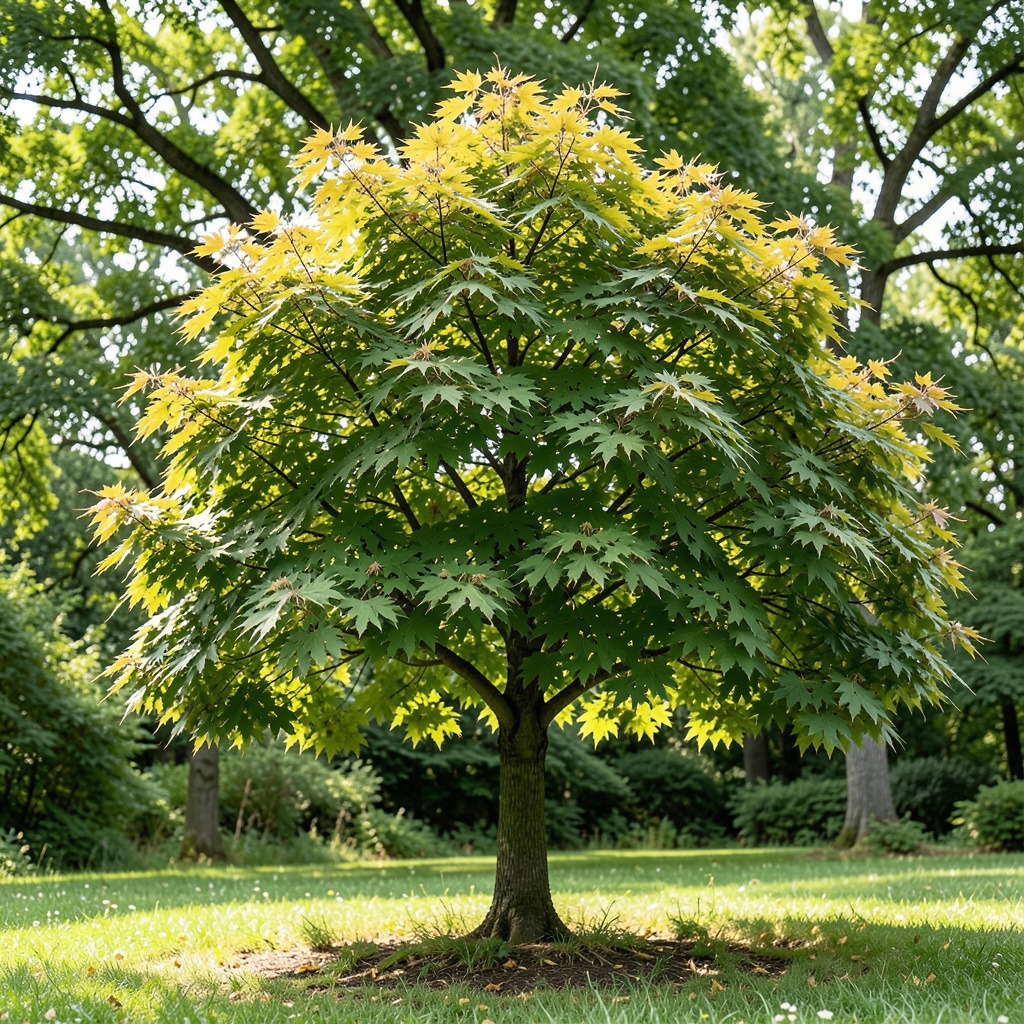
While the Trident Maple (Acer buergerianum) offers several benefits, it is essential to consider its drawbacks. Understanding these cons can help you make an informed decision for landscaping or gardening.
Aggressive Root Growth Issues
One of the primary concerns with Trident Maples is their aggressive root growth. This species can develop an extensive root system that may:
- Compete with nearby plants for nutrients and moisture.
- Cause damage to sidewalks, driveways, or foundations.
- Require regular monitoring to prevent unwanted spreading.
Proper planning is crucial. Planting at least 10 feet away from structures and other plants can mitigate potential problems.
Common Pests and Diseases
Although Trident Maples generally exhibit excellent pest resistance, they are not immune to certain issues. Common pests include:
- Aphids: These sap-sucking insects can weaken the tree and lead to leaf curling.
- Scale Insects: They can create a sticky residue and attract other pests like ants.
- Powdery Mildew: This fungal disease can affect foliage, especially in humid conditions.
Regular inspections and timely interventions can help manage these issues. Consider using insecticidal soap or horticultural oil as preventative measures.
Maintenance Challenges
Despite their overall low maintenance reputation, Trident Maples do require specific care to thrive:
- Pruning: Regular pruning is necessary to maintain shape and health. Neglect can lead to overcrowding and pest problems.
- Watering: While they are drought-tolerant once established, young trees need consistent moisture to develop strong roots.
- Seasonal Care: They may require protection during harsh winters, especially in northern climates.
An effective maintenance plan includes seasonal checks and timely interventions to address any emerging problems. Adopting a proactive approach can enhance the tree’s longevity and appearance.
Care and Maintenance of Trident Maples
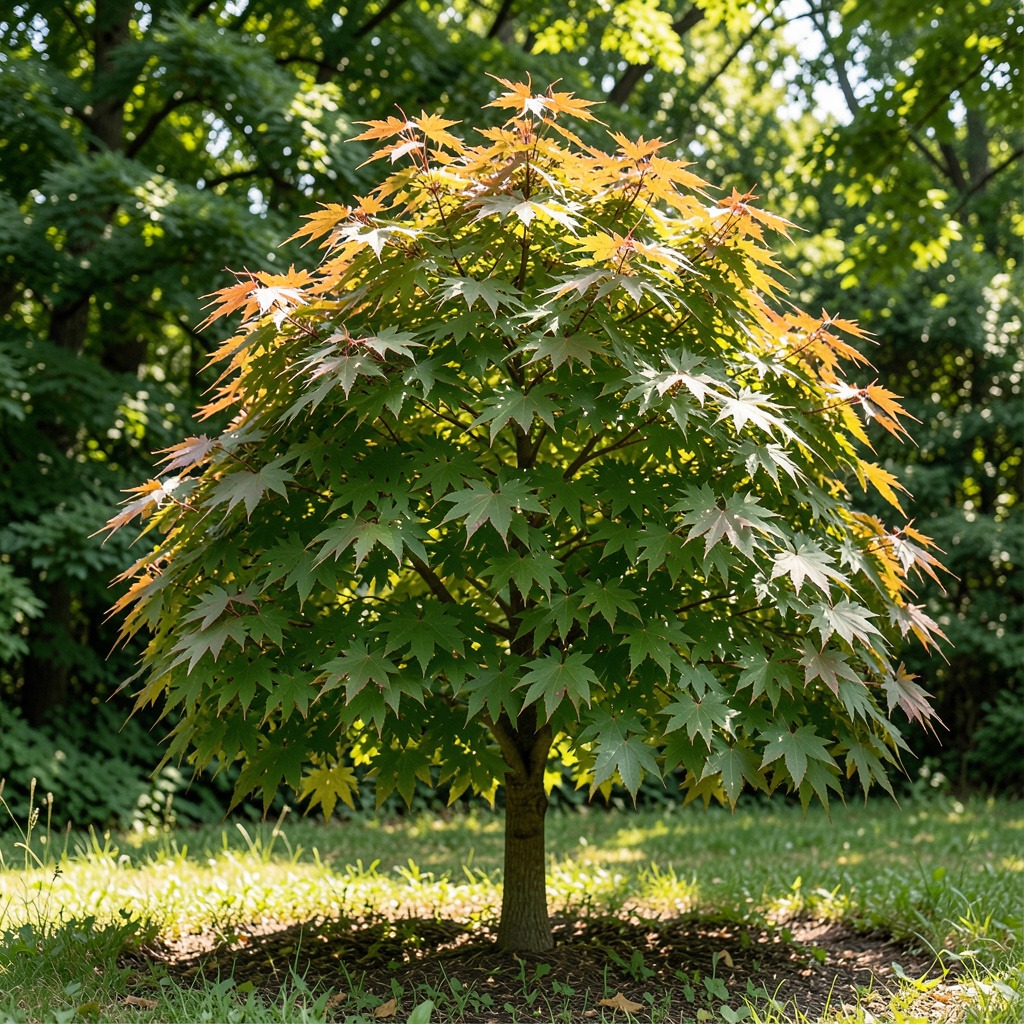
Trident Maples require specific care to thrive, particularly in urban environments. Understanding their needs can enhance their growth and longevity.
Ideal Planting Conditions
When planting a Trident Maple, consider the following:
- Location: Choose a spot with full sun to partial shade.
- Soil: Well-draining soil is essential. They prefer sandy loam but can tolerate a range of soil types.
- Spacing: Allow ample space for growth. Plant at least 15-20 feet from structures to avoid crowding.
Watering and Soil Requirements
Watering needs vary by age:
- Young Trees: Require consistent moisture for the first few years. Water deeply once a week during dry spells.
- Established Trees: Drought-tolerant but benefit from supplemental watering in prolonged dry periods.
Soil pH: Trident Maples thrive in slightly acidic to neutral pH (6.0 to 7.0). Regular soil testing can help maintain optimal conditions.
Pruning for Optimal Growth
Pruning is crucial for maintaining the shape and health of Trident Maples. Follow these guidelines:
- Timing: Prune in late winter or early spring before new growth begins.
- Techniques: Use clean, sharp tools. Remove dead or crossing branches to improve air circulation and light penetration.
- Shape Maintenance: Aim for a balanced canopy by selectively pruning branches. This promotes a strong structure and enhances aesthetic appeal.
Seasonal Care Checklist
To ensure your Trident Maple thrives throughout the year, follow this seasonal checklist:
- Spring: Prune for shape; fertilize with a balanced tree fertilizer.
- Summer: Monitor watering needs; check for pests like aphids or scale.
- Fall: Rake fallen leaves; mulch around the base to retain moisture.
- Winter: Protect young trees with burlap or mulch; ensure proper drainage to prevent root rot.
By adhering to these care guidelines, you can maximize the benefits of planting a Trident Maple in your landscape.
Comparison with Other Maple Species
When considering the Trident Maple (Acer buergerianum) for urban landscaping, it is essential to compare it with other maple species. Each variety offers unique benefits and challenges, influencing their suitability for different environments.
Trident Maple vs. Sugar Maple
The Sugar Maple (Acer saccharum) is renowned for its stunning fall color and ability to produce maple syrup. However, it has specific needs.
- Growth Rate: Trident Maple grows faster than Sugar Maple, making it ideal for quick landscape development.
- Soil Tolerance: Trident Maple tolerates a wider range of soil conditions, including urban stresses like compacted soil.
- Size: Trident Maples typically reach heights of 20-30 feet, while Sugar Maples can grow up to 75 feet, potentially overshadowing smaller urban spaces.
Decision Rule: Choose Trident Maple for urban settings where quick growth and adaptability are priorities.
Trident Maple vs. Japanese Maple
Japanese Maple (Acer palmatum) is favored for its delicate leaves and ornamental value, but it comes with higher maintenance requirements.
- Durability: Trident Maple is more resilient to environmental stress and pruning mistakes, which benefits novice gardeners.
- Aesthetic: While Japanese Maple offers exquisite foliage, Trident Maple provides vibrant fall colors with a broader, more robust canopy.
- Water Needs: Trident Maple requires less water than Japanese Maple, making it better suited for drier urban climates.
Comparison Takeaway: For beginners or urban landscapers seeking lower maintenance, Trident Maple is the superior choice.
Suitability for Urban vs. Rural Landscapes
The adaptability of Trident Maple makes it a strong candidate for both urban and rural landscapes, but its advantages shine in urban settings.
- Urban Resilience: Trident Maples withstand pollution and compacted soils, common in cities.
- Space Efficiency: Their moderate size allows for effective planting in limited spaces, such as parks and residential areas.
- Visual Appeal: The tree’s three-lobed leaves and brilliant fall colors enhance the aesthetic value of urban environments.
Scenario Checklist:
- Urban Planting: If planting in a city, opt for Trident Maple for its adaptability.
- Rural Planting: Consider other maples if space is abundant and aesthetic variety is desired.
By weighing these comparisons, landscape designers can make informed decisions on selecting the right maple species for their projects.
Frequently Asked Questions
These quick answers cover the most common questions about this topic, including key details, practical tips, and common concerns.
How big do Trident Maples get?
Trident Maples (Acer buergerianum) typically reach a height of 20 to 30 feet, with a rounded canopy that can spread 15 to 25 feet wide. This moderate size makes them suitable for urban landscapes where space may be limited. Their growth rate is classified as moderate, allowing them to establish themselves relatively quickly in the right conditions.
What are common Trident Maple problems?
Common problems with Trident Maples include aggressive root growth, which can damage nearby structures and compete with other plants for nutrients. Pests such as aphids and scale insects may affect their health, leading to leaf curling or sticky residue on foliage. Additionally, powdery mildew can occur in humid conditions, impacting the tree’s appearance.
Are Trident Maples good trees for urban environments?
Yes, Trident Maples are excellent choices for urban environments due to their adaptability and resilience. They tolerate various soil types, including compacted urban soils, and can withstand pollution. Their vibrant fall colors and moderate size make them visually appealing while providing shade and enhancing biodiversity in city landscapes.
How quickly do Trident Maples grow?
Trident Maples grow at a moderate rate, typically adding 1 to 2 feet in height each year under optimal conditions. This growth rate allows them to establish a strong presence in landscapes without overwhelming smaller spaces. Regular care, including proper watering and pruning, can support their growth and health.
When is the best time to plant a Trident Maple?
The best time to plant a Trident Maple is in the spring or fall when temperatures are milder. Spring planting allows the tree to establish roots before the heat of summer, while fall planting gives it a head start before winter dormancy. Ensure that the soil is well-draining and that the tree is spaced adequately from structures.
How does the Trident Maple compare to other maple species?
Compared to other maple species, such as Sugar Maple and Japanese Maple, the Trident Maple offers superior adaptability to urban conditions. It grows faster than Sugar Maple, which can reach much larger sizes, making it more suitable for smaller spaces. Additionally, Trident Maples require less maintenance than Japanese Maples, making them ideal for novice gardeners.
What are alternative trees to plant instead of Trident Maple?
If you’re considering alternatives to Trident Maple, look at trees like the Red Maple (Acer rubrum) for vibrant fall colors or the Autumn Blaze Maple for rapid growth and similar aesthetics. Other options include the Serviceberry (Amelanchier) for flowering beauty or the River Birch (Betula nigra) for its unique bark and adaptability to wet soils. Each alternative has its pros and cons, so consider your specific landscape needs.