
Tuckeroo trees, or Cupaniopsis anacardioides, offer numerous landscaping benefits such as shade, resilience to coastal conditions, and low maintenance, but they also have drawbacks like potential messiness from fallen fruit and specific care requirements.
The Tuckeroo tree is a popular choice in Australian landscaping due to its attractive features and adaptability. Understanding the pros and cons of this evergreen tree helps homeowners and landscapers make informed planting decisions, ensuring optimal use in gardens and public spaces.
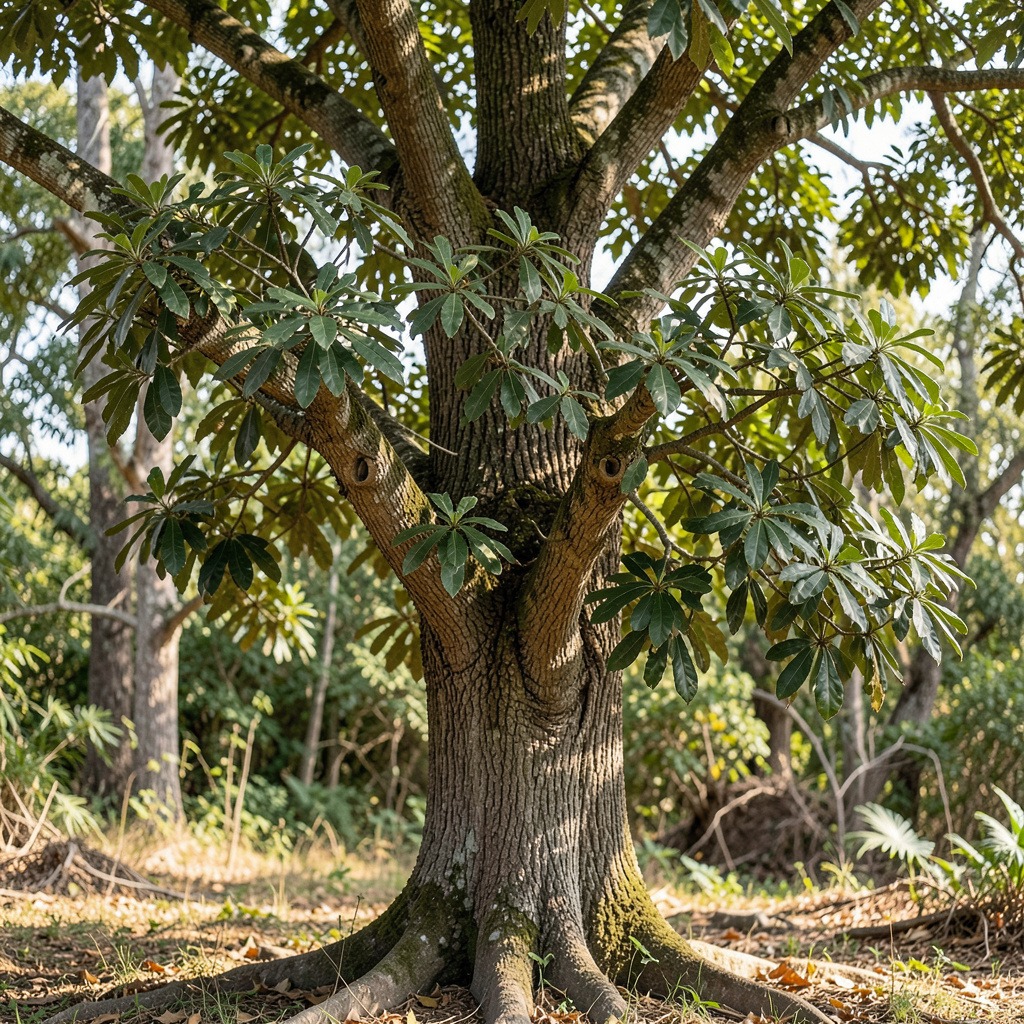
Overview of the Tuckeroo Tree
The Tuckeroo tree, scientifically known as Cupaniopsis anacardioides, plays a vital role in Australian landscaping. Its resilience and aesthetic appeal make it a preferred choice for urban environments.
Scientific Classification
- Common Name: Tuckeroo tree
- Scientific Name: Cupaniopsis anacardioides
- Family: Sapindaceae
- Native Range: Coastal regions of Australia
This medium-sized evergreen tree thrives in sandy soils and can tolerate harsh environmental conditions, making it suitable for various urban landscapes.
Common Uses in Landscaping
The Tuckeroo tree serves multiple purposes in landscaping, including:
- Shade Provision: Its dense canopy offers significant shade, ideal for parks and residential areas.
- Visual Screening: The tree’s growth habit provides a natural privacy shield in urban settings.
- Windbreaks: It helps reduce wind exposure, benefiting other plants and outdoor spaces.
- Ornamental Value: With glossy foliage and attractive fruit capsules, it enhances aesthetic appeal.
In urban settings, Tuckeroo trees are often planted along streets, in public parks, and as part of residential landscaping. Their adaptability to different soil types and climates makes them a versatile option for homeowners and landscapers alike. For instance, planting a Tuckeroo tree in a coastal park can provide both beauty and practical benefits, such as reducing heat and improving air quality.
1. Pros: Benefits of Planting Tuckeroo Trees
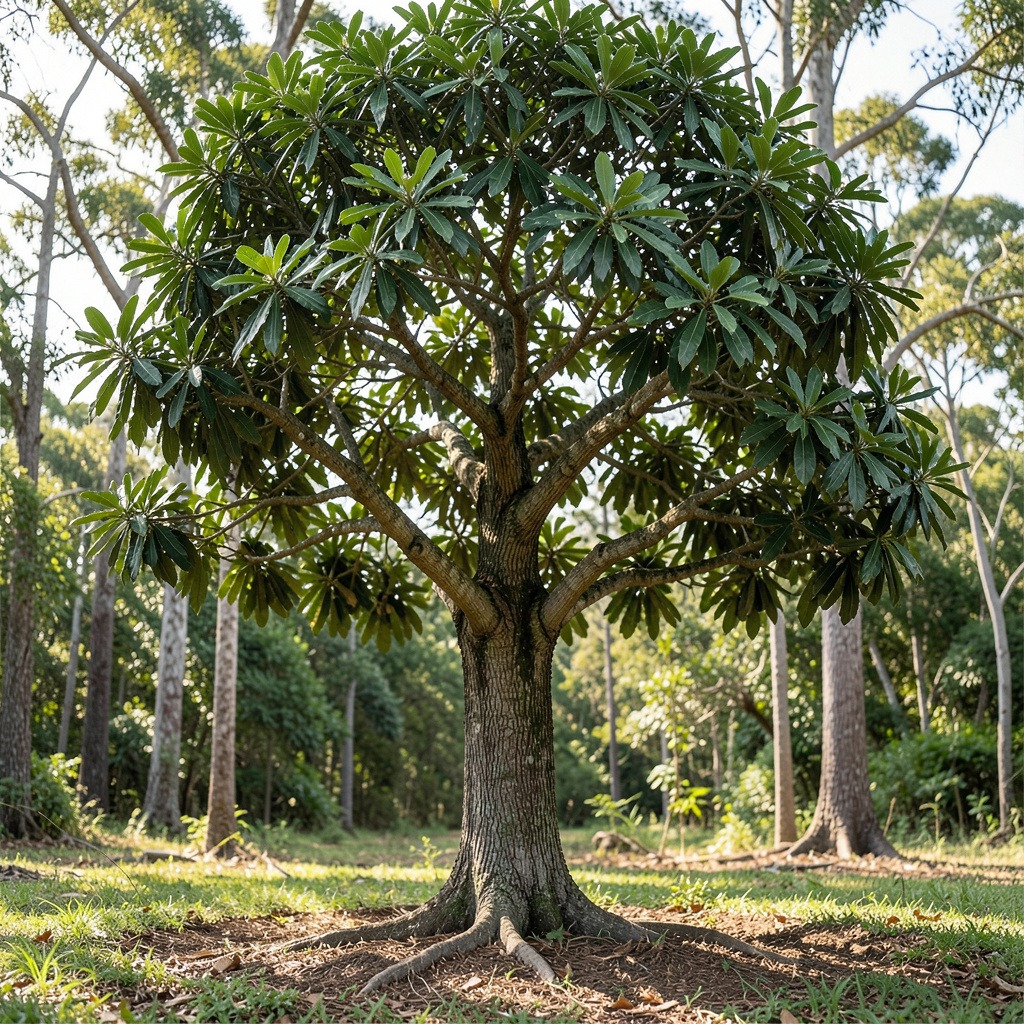
Tuckeroo trees offer several advantages that make them a popular choice for landscaping in Australia. Their ability to provide shade, low maintenance requirements, and resilience in coastal areas contribute to their appeal in both urban and suburban settings.
Table of Contents
Excellent Shade Provider
Tuckeroo trees are known for their dense canopy, offering substantial shade coverage. They can grow up to 15 meters tall, providing ample shade for gardens, patios, and public spaces. Statistics show that a mature Tuckeroo tree can cover an area of approximately 100 square meters with its foliage. This makes them an excellent choice for reducing heat in outdoor environments, promoting comfort during hot Australian summers.
Low Maintenance Requirements
Once established, Tuckeroo trees are remarkably low-maintenance. They require minimal watering and are generally resistant to pests and diseases. Homeowners and landscapers often report that these trees thrive with little intervention. Regular maintenance may include occasional pruning to maintain shape and enhance airflow, but overall, they demand significantly less care than many other ornamental trees.
Coastal Resilience
Tuckeroo trees excel in coastal conditions. They can endure salt spray, sandy soils, and high winds, making them ideal for beachfront landscapes. Their natural resilience allows them to thrive where other trees may struggle. This adaptability not only contributes to their longevity but also enhances the ecological health of coastal ecosystems. Planting Tuckeroo trees in these areas can help combat erosion and provide habitat for local wildlife.
- Key Benefits Summary:
- Shade: Covers approximately 100 square meters when mature.
- Maintenance: Minimal care required after establishment.
- Coastal Adaptation: Tolerates salt, sand, and wind effectively.
By choosing Tuckeroo trees, landscapers can achieve both aesthetic appeal and environmental benefits, making them a valuable addition to any garden or public space.
2. Cons: Drawbacks of Planting Tuckeroo Trees
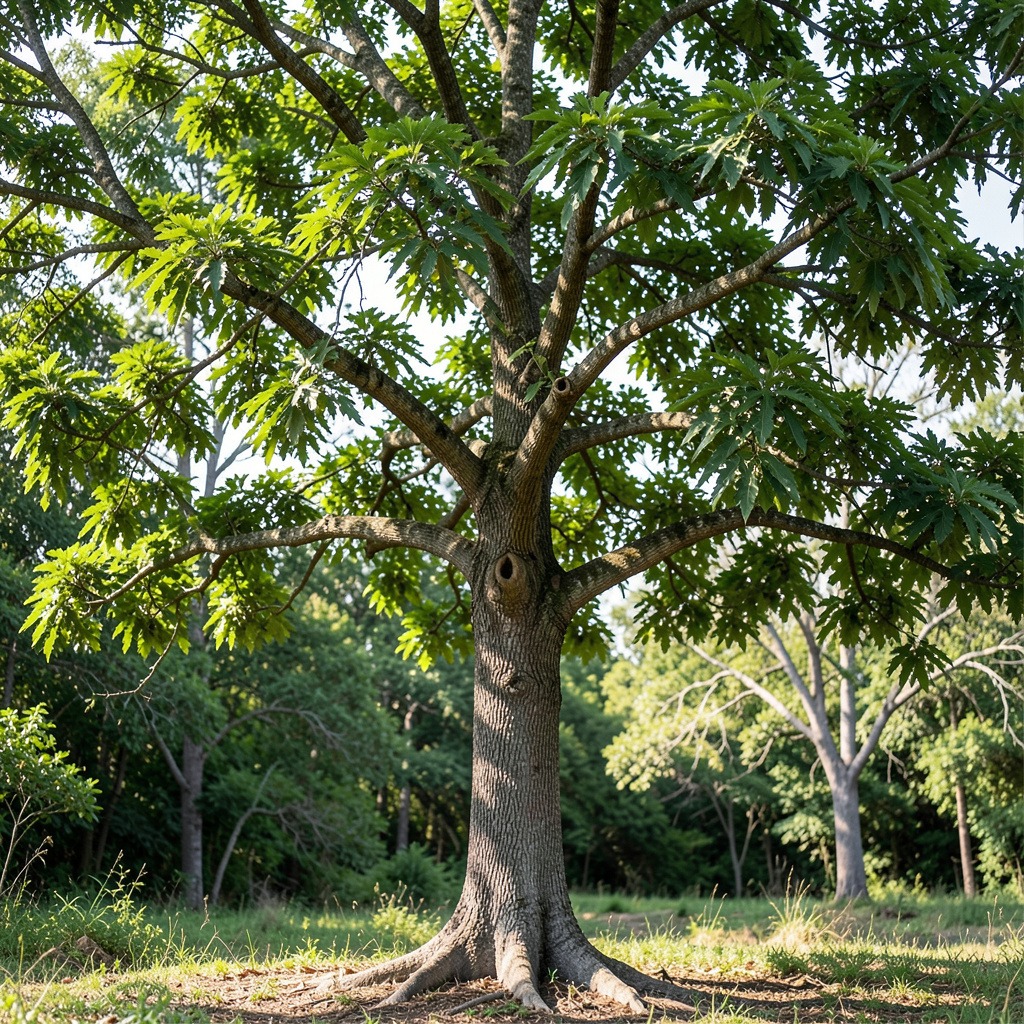
While Tuckeroo trees offer numerous benefits, they also have notable drawbacks. Homeowners should consider these factors before planting in their landscapes.
Messiness from Fallen Fruit
Tuckeroo trees produce small, round fruits that can create a mess when they fall. This can be particularly problematic in areas with high foot traffic or where aesthetics are crucial. The fruit can attract wildlife, which some may view as a benefit, but others may find it leads to unwanted pests or additional cleanup.
Considerations:
- Fruit Drop: Regular cleaning may be necessary during fruiting seasons.
- Attraction of Wildlife: Can attract birds and other animals, which may be a concern for some homeowners.
Specific Care Requirements
Although Tuckeroo trees are generally low-maintenance, they do have specific care needs that vary by environmental conditions. For optimal growth, these trees require well-draining soil and adequate sunlight.
Key Care Tips:
- Soil Type: Sandy or loamy soils promote healthy growth.
- Watering: Newly planted trees need regular watering until established.
- Fertilization: Use a balanced fertilizer to support growth in nutrient-poor soils.
Potential Invasive Roots
Tuckeroo trees can develop extensive root systems that may invade nearby structures or gardens. This can pose challenges for landscaping and may require careful planning regarding planting distance from buildings or other plants.
Mitigation Strategies:
- Planting Distance: Maintain a distance of at least 3-4 meters from foundations.
- Root Barriers: Consider installing root barriers to manage root spread effectively.
Understanding these drawbacks allows homeowners to make informed decisions about incorporating Tuckeroo trees into their landscapes.
3. Growing and Caring for Tuckeroo Trees
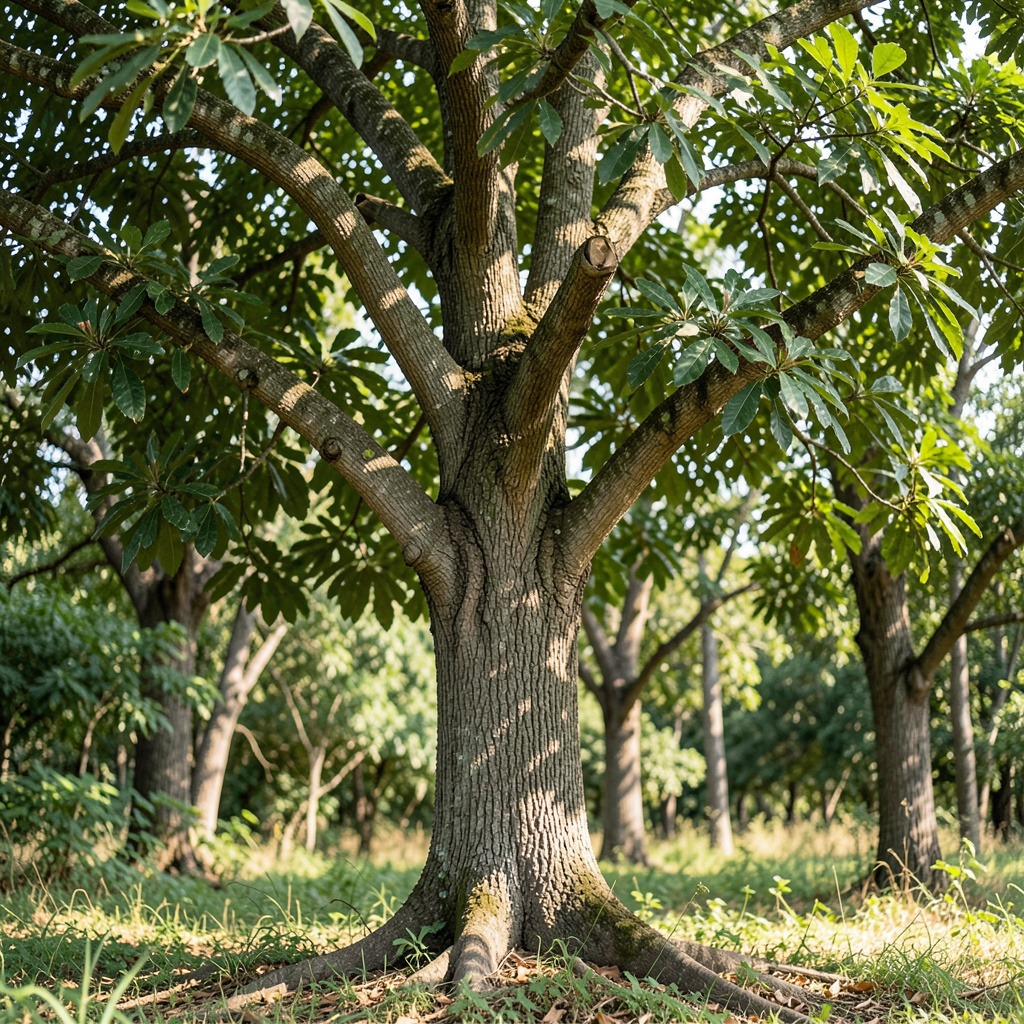
Tuckeroo trees thrive in various conditions, making them a popular choice for Australian landscapes. Understanding their ideal growing conditions is essential for successful cultivation.
Ideal Soil Conditions
Tuckeroo trees adapt to a range of soil types, but they perform best in the following:
- Soil Types: Sandy, loamy, and moderately clay-based soils.
- Drainage: Ensure good drainage to prevent root stress.
- pH Levels: Prefer slightly acidic to neutral pH (around 6.0 to 7.0).
Checklist for Optimal Soil Care
- Test soil pH before planting.
- Amend heavy clay soils with organic matter for improved drainage.
- Ensure planting area is free from waterlogging.
Watering and Nutrient Needs
Proper watering and nutrient management are critical for healthy growth:
- Establishment Phase: Water young trees regularly until established.
- Mature Trees: Once established, Tuckeroo trees exhibit good drought tolerance.
- Fertilization: Use a balanced fertilizer, especially in nutrient-poor soils.
Watering Checklist
- Water deeply but infrequently to encourage deep root growth.
- Monitor rainfall and adjust watering during dry spells.
- Avoid over-watering to prevent root rot.
Pruning Tips for Healthy Growth
Regular pruning promotes dense foliage and structural stability:
- Timing: Prune during the late winter or early spring.
- Technique: Remove dead or crossing branches to improve air circulation.
- Frequency: Annually assess and prune as needed to maintain shape and health.
Pruning Checklist
- Use clean, sharp tools to prevent disease.
- Aim for an open canopy to allow sunlight penetration.
- Monitor tree health regularly and prune away any diseased or damaged limbs.
By adhering to these growing and care practices, gardeners can ensure that Tuckeroo trees flourish and contribute positively to their landscapes.
4. Growth Rate and Size of Tuckeroo Trees
The Tuckeroo tree, scientifically known as Cupaniopsis anacardioides, exhibits a noteworthy growth pattern that varies based on environmental conditions and care practices. Understanding its growth rate and mature size is essential for effective landscaping decisions.
Expected Growth Rates
Tuckeroo trees typically demonstrate a moderate to fast growth rate. Under ideal conditions, they can grow approximately 50 to 100 centimeters per year. Factors influencing growth include:
- Sunlight: Full sun enhances growth speed.
- Soil Quality: Well-drained, nutrient-rich soil supports healthy development.
- Watering: Consistent watering during the establishment phase is crucial.
- Climate: Warm coastal areas yield better growth results.
Mature Size and Canopy Spread
At maturity, Tuckeroo trees usually reach heights of 10 to 15 meters (30 to 50 feet) with a canopy spread that can match or exceed their height. This broad, spreading form makes them suitable for providing shade in residential and urban landscapes. Here are some key size considerations:
- Height: 10 to 15 meters (30 to 50 feet).
- Canopy Width: Typically matches or exceeds height, requiring ample space for growth.
Growth Timeline for New Planters
New planters should set realistic expectations regarding the growth timeline:
- Years 1-3: Establishment phase with steady root development. Initial growth may appear slow.
- Years 4-6: Noticeable annual growth as the tree matures and begins to fill its space.
- Years 7 and Beyond: Full maturity, characterized by a robust canopy and significant shade provision.
By understanding these growth dynamics, gardeners can make informed decisions about planting Tuckeroo trees in their landscapes.
5. Environmental Adaptability of Tuckeroo Trees
Tuckeroo trees exhibit remarkable adaptability to a variety of environmental conditions, making them a popular choice for diverse landscaping needs in Australia. Their resilience enables them to thrive in urban settings and challenging coastal environments.
Tolerance to Urban Pollution
Tuckeroo trees are well-suited for urban landscapes. They can withstand high levels of pollution, making them an excellent option for city parks and streetscapes. Their evergreen foliage not only provides aesthetic appeal but also helps improve air quality by absorbing pollutants.
- Pollution Resistance: Tuckeroo trees can tolerate air contaminants such as sulfur dioxide and nitrogen oxides.
- Urban Heat Islands: These trees contribute to cooling urban areas, reducing the heat island effect.
- Maintenance: Minimal care is required, as they naturally resist many common urban stresses.
Resilience to Drought and Heat
Tuckeroo trees demonstrate strong drought tolerance once established. Their deep root systems enable them to access moisture from deeper soil layers, allowing them to remain verdant even in dry spells.
- Drought Tolerance: Established Tuckeroo trees can survive extended periods of minimal rainfall. They require less water compared to many non-native species.
- Heat Resistance: Adapted to high temperatures, Tuckeroo trees thrive in warm climates, making them suitable for coastal areas.
- Example Scenario: In coastal Queensland, Tuckeroo trees are routinely used in landscaping projects where high temperatures and low water availability pose challenges. Their successful establishment has been documented in several public parks, showcasing their durability.
By understanding these characteristics, gardeners and landscapers can effectively utilize Tuckeroo trees to enhance their outdoor spaces, ensuring both beauty and resilience.
6. Tuckeroo Trees and Local Wildlife
Tuckeroo trees play a pivotal role in supporting local wildlife. Their fruit provides nourishment to various bird species and other native animals, making them an excellent addition to any landscape focused on biodiversity.
Benefits for Local Fauna
The fruit of the Tuckeroo tree is particularly beneficial for local fauna. Birds and other wildlife thrive on its availability, enhancing the ecosystem’s overall health. Key benefits include:
- Nutritional Source: The fruit offers essential nutrients for birds and animals, supporting their health and reproduction.
- Attracts Diverse Species: Species such as honeyeaters, lorikeets, and fruit doves are drawn to Tuckeroo trees, creating vibrant wildlife interactions in gardens and parks.
For instance, in urban settings where native trees are scarce, planting Tuckeroo trees can significantly increase local bird populations and promote ecological balance.
Fruit Characteristics and Safety
The fruit of the Tuckeroo tree, while not edible for humans, serves a vital purpose for wildlife. It is important to note:
- Inedible for Humans: The fruit is not safe for human consumption, but handling it poses no substantial risks.
- Wildlife-Friendly: Birds and native animals benefit from the fruit, making Tuckeroo trees advantageous for wildlife-friendly landscaping.
In summary, the Tuckeroo tree’s role in supporting local wildlife highlights its value beyond aesthetics. By integrating these trees into landscaping plans, homeowners can contribute to fostering a sustainable environment.
7. Comparing Tuckeroo Trees to Similar Species
When considering the Tuckeroo tree for landscaping, it’s essential to compare it with similar native species. This evaluation helps determine the best fit for your garden’s specific needs.
Tuckeroo vs. Lilly Pilly
The Lilly Pilly, another popular native tree, shares some similarities with the Tuckeroo but also presents distinct differences.
- Growth Habit:
- Tuckeroo trees (Cupaniopsis anacardioides) generally have a more rounded canopy that provides reliable shade.
- Lilly Pillies (Syzygium spp.) may grow taller with a more upright structure, making them suitable for hedging.
- Fruit:
- Tuckeroo fruit is inedible for humans but attracts wildlife.
- Lilly Pilly produces edible berries that can be consumed by humans and are often used in jams and desserts.
- Maintenance:
- Tuckeroo trees are low-maintenance and drought-resistant once established.
- Lilly Pillies can require more regular pruning to maintain desired shapes and sizes.
Tuckeroo vs. Other Evergreen Trees
When comparing Tuckeroo trees to other evergreen options, such as the Coastal Banksia or the Moreton Bay Fig, several factors come into play.
- Shade:
- Tuckeroo trees provide a dense, evergreen canopy ideal for creating shaded areas.
- Coastal Banksias offer unique flowers but do not provide as much shade due to their open growth habit.
- Adaptability:
- Tuckeroo trees thrive in urban and coastal environments, showing resilience against salty winds and poor soil conditions.
- Moreton Bay Figs prefer well-drained soils and may struggle in compacted urban landscapes.
- Wildlife Support:
- Tuckeroo trees are excellent for supporting local wildlife through their fruit.
- Coastal Banksias attract nectar-feeding birds, making them a vibrant choice for biodiversity.
Key Takeaways
When deciding between Tuckeroo trees and similar species, consider the following:
- Purpose: Are you prioritizing shade, wildlife support, or aesthetics?
- Space: Ensure the selected tree fits your landscape size and growth expectations.
- Maintenance: Assess your willingness to maintain the tree’s shape and health.
By understanding these comparisons, you can make an informed decision that aligns with your landscaping goals.
8. Final Thoughts: Should You Plant a Tuckeroo Tree?
Evaluating whether a Tuckeroo tree fits your landscaping goals involves weighing its benefits against its drawbacks. This tree is well-regarded for its adaptability and aesthetic appeal but also has specific care needs.
Weighing the Benefits Against the Drawbacks
Pros:
- Adaptability: Thrives in coastal and urban environments.
- Wildlife Friendly: Provides fruit that attracts local birds and wildlife.
- Aesthetic Value: Offers a dense evergreen canopy for shade.
- Moderate Growth Rate: Grows steadily, achieving a height suitable for various landscapes.
Cons:
- Maintenance Needs: Requires regular pruning for optimal shape and health.
- Soil Sensitivity: Prefers well-draining soils; may struggle in compact or poorly drained areas.
- Potential Pest Issues: Can be susceptible to certain pests, requiring monitoring.
Making an Informed Decision
When considering a Tuckeroo tree, assess the following factors:
- Landscape Goals: Do you need shade, wildlife support, or visual interest?
- Space Availability: Ensure the tree fits the area without overcrowding.
- Maintenance Willingness: Are you prepared for the upkeep required for its health?
Decision Rule: If your landscape prioritizes biodiversity and you have suitable soil conditions, the Tuckeroo may be an excellent choice. Conversely, if space is tight or you seek low-maintenance options, explore alternatives such as the Lilly Pilly or native shrubs.
Ultimately, understanding these pros and cons allows you to make an informed choice that aligns with your landscaping aspirations.
Frequently Asked Questions
These quick answers cover the most common questions about this topic, including key details, practical tips, and common concerns.
What are some common problems that Tuckeroo trees encounter?
Tuckeroo trees can face several issues, including susceptibility to pests like sap-sucking insects and fungal infections. Poor soil drainage can lead to root rot, especially in heavy clay soils. Additionally, their extensive root systems may encroach on nearby structures if planted too close. Regular monitoring and proper planting distance can help mitigate these problems.
How quickly do Tuckeroo trees grow?
Tuckeroo trees exhibit a moderate to fast growth rate, typically growing between 50 to 100 centimeters per year under optimal conditions. Factors such as full sunlight, well-drained soil, and regular watering during the establishment phase can significantly enhance their growth. Expect noticeable growth within the first few years, leading to a mature height of 10 to 15 meters.
Are Tuckeroo trees messy?
Yes, Tuckeroo trees can be considered messy due to the small, round fruits they produce, which can fall and create litter. This can be particularly problematic in high-traffic areas or well-maintained gardens. Regular cleanup may be necessary during fruiting seasons to maintain aesthetics and prevent attracting unwanted pests.
Do Tuckeroo trees have invasive roots?
Tuckeroo trees can develop extensive root systems that may invade nearby gardens or structures if planted too close. To prevent potential issues, it’s advisable to plant them at least 3-4 meters away from buildings. Installing root barriers can also help manage their spread and protect surrounding landscapes.
When is the best time to plant a Tuckeroo tree?
The ideal time to plant a Tuckeroo tree is during the spring or early autumn. These seasons provide optimal conditions for root establishment, with milder temperatures and adequate moisture. Planting during these times helps ensure the tree thrives in its new environment.
What are the best conditions for growing Tuckeroo trees?
Tuckeroo trees thrive in well-drained sandy or loamy soils with a slightly acidic to neutral pH (around 6.0 to 7.0). They prefer full sun to partial shade and can tolerate coastal conditions, including salt spray. Ensuring good drainage and adequate sunlight will promote healthy growth and resilience.
How do Tuckeroo trees contribute to local wildlife?
Tuckeroo trees play a vital role in supporting local wildlife by providing fruit that nourishes various bird species and other native animals. Their dense foliage also offers shelter and nesting sites. By planting Tuckeroo trees, gardeners can enhance biodiversity and create a more vibrant ecosystem in their landscapes.