
The umbrella catalpa tree offers unique aesthetic appeal and shade but can be messy with fallen leaves and pods, along with susceptibility to pests.
Table of Contents
The umbrella catalpa tree is a striking addition to landscapes, known for its unique shape and rapid growth. However, potential drawbacks such as litter and pest challenges should be carefully considered before planting to ensure it fits your gardening goals.
Understanding the Umbrella Catalpa Tree
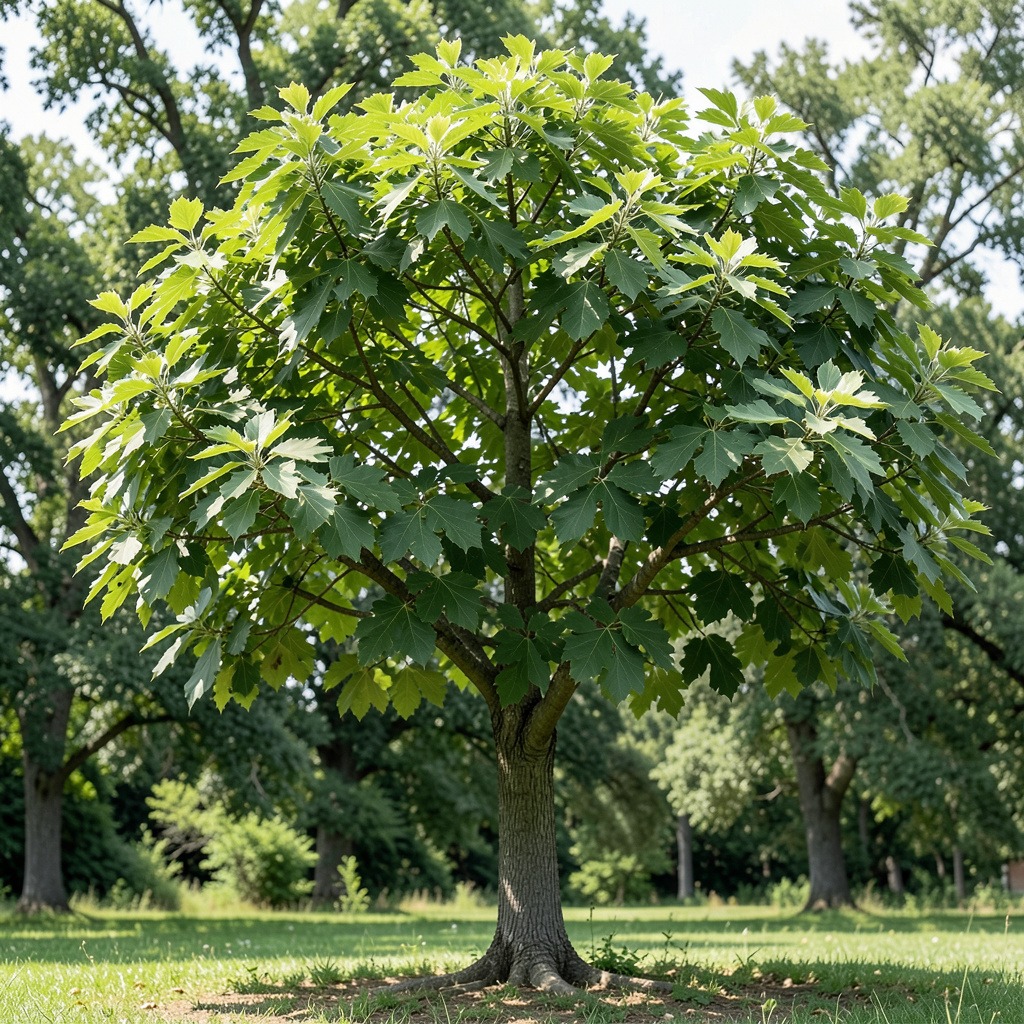
The umbrella catalpa tree, known scientifically as Catalpa bignonioides, is a visually striking tree that serves multiple functions in landscaping. Its unique canopy and robust growth make it a popular choice for homeowners and landscape designers alike.
What Makes the Umbrella Catalpa Unique?
The umbrella catalpa tree is distinguished by its broad, heart-shaped leaves and an umbrella-like canopy that provides ample shade. It typically reaches heights of 30 to 60 feet and can spread up to 30 feet wide. The large leaves can measure up to 12 inches long, creating a lush, tropical appearance.
Key Characteristics:
- Canopy Shape: Umbrella-shaped, offering extensive shade.
- Leaf Size: Up to 12 inches long, heart-shaped.
- Height: Grows between 30 to 60 feet tall.
- Spread: Can reach about 30 feet wide.
Growth Characteristics and Ideal Conditions
The umbrella catalpa tree thrives in well-drained soil and requires full sun for optimal growth. It is adaptable to various soil types but prefers loamy or sandy soils. Regular watering during dry periods helps ensure healthy growth.
Growth Metrics:
- Growth Rate: Fast; can gain several feet per year under ideal conditions.
- Soil pH: Prefers slightly acidic to neutral pH (6.0 to 7.0).
- Sunlight Needs: Full sun (at least 6 hours of direct sunlight daily).
- Watering: Regular watering, especially in dry spells.
Ideal Growing Conditions:
- Soil Type: Well-drained, loamy or sandy.
- Climate Zones: Best suited for USDA zones 5-9.
- Maintenance: Minimal, but requires monitoring for pests.
Incorporating the umbrella catalpa tree into your landscape can enhance both aesthetic appeal and shade provision. However, it is essential to understand its growth needs and unique characteristics to ensure a successful planting experience.
6 Key Pros of the Umbrella Catalpa Tree
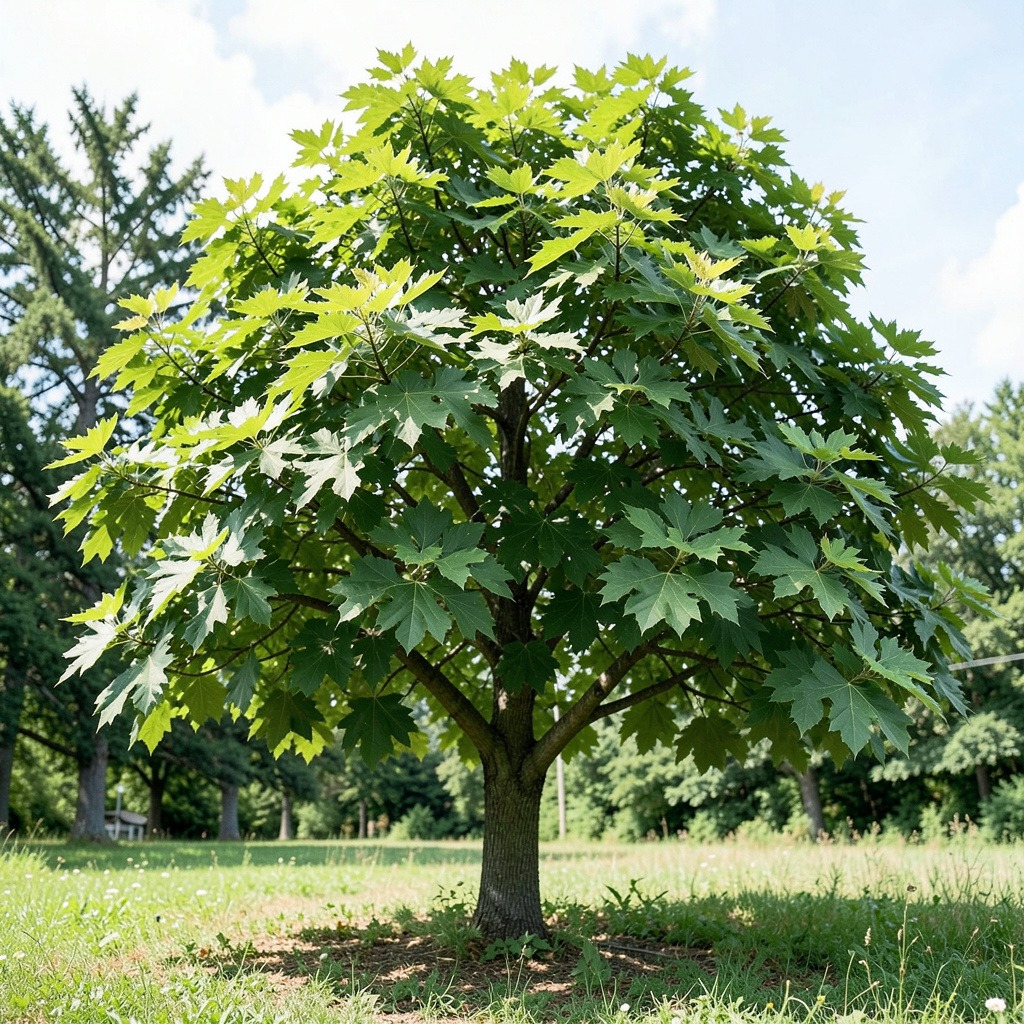
The umbrella catalpa tree offers numerous advantages for landscaping, making it a captivating choice for many homeowners. Its striking appearance, rapid growth, and ecological benefits contribute significantly to outdoor spaces.
Stunning Aesthetic Appeal
The umbrella catalpa tree is known for its impressive visual characteristics. Its large, heart-shaped leaves create a lush, tropical atmosphere. During late spring and early summer, the tree produces clusters of stunning white or yellow flowers adorned with purple markings. These blooms resemble orchids and can serve as a focal point in any garden.
- Key Features:
- Leaves can grow up to 10 inches long.
- Flowers attract pollinators like bees and butterflies.
Rapid Growth for Quick Shade
One of the standout traits of the umbrella catalpa tree is its rapid growth rate. In ideal conditions, it can grow 2 to 4 feet annually, reaching mature heights of 30 to 70 feet within a decade. This fast growth makes it an excellent option for homeowners seeking immediate shade.
- Growth Benefits:
- Quickly establishes a shaded area for outdoor activities.
- Ideal for newly landscaped properties.
Support for Local Wildlife
Beyond its visual appeal and shade-providing capabilities, the umbrella catalpa tree plays a vital role in local ecosystems. Its nectar-rich flowers attract a variety of pollinators, while its dense foliage offers shelter for birds.
- Wildlife Contributions:
- Attracts beneficial insects, enhancing biodiversity.
- Provides habitat for local bird species.
Real-world examples illustrate these benefits. Homeowners in suburban areas have reported that the umbrella catalpa tree not only beautifies their yards but also draws a variety of wildlife, enriching their outdoor experience. Consider integrating this tree into your landscape for its unique blend of aesthetic and environmental advantages.
6 Key Cons of the Umbrella Catalpa Tree
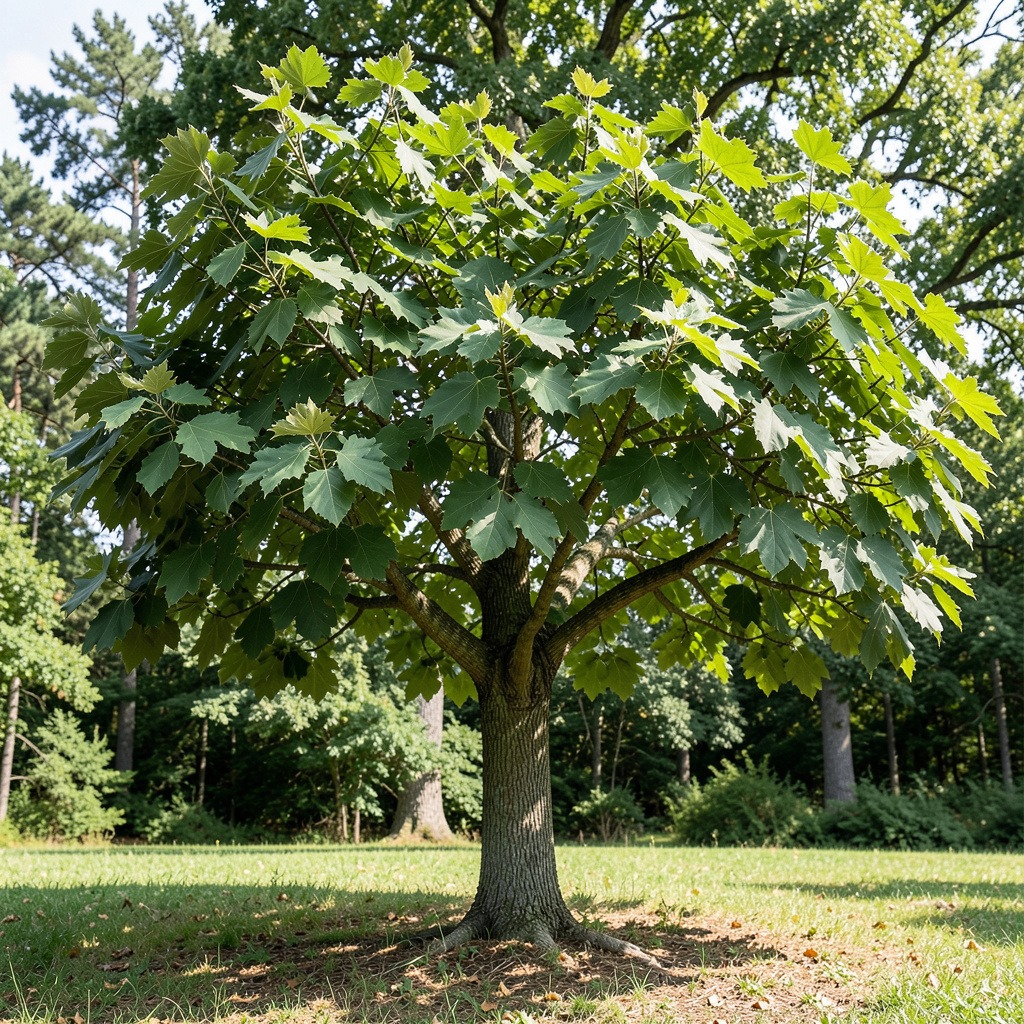
While the umbrella catalpa tree offers aesthetic and ecological benefits, it also presents several drawbacks. Potential growers should carefully evaluate these cons before planting.
Messy Foliage and Seed Pods
Umbrella catalpa trees produce large, heart-shaped leaves that can create a significant amount of litter. In the fall, leaves drop in abundance, requiring regular raking and cleanup. Additionally, the tree produces long, slender seed pods, which can accumulate on the ground. These pods may not only create a messy appearance but also attract unwanted pests.
Pest Issues and Management
One of the most notable challenges of the umbrella catalpa tree is its susceptibility to pests, particularly the catalpa sphinx moth larvae, commonly known as catalpa worms. These caterpillars can defoliate the tree if infestations are not managed.
- Management Strategies:
- Regular inspections: Monitor the tree for early signs of caterpillar activity.
- Manual removal: Hand-picking the caterpillars can effectively reduce their population.
- Introducing natural predators: Birds and beneficial insects can help control pest populations.
In extreme cases, you may need to apply targeted insecticides, but always follow local regulations and guidelines.
Potential Invasiveness in Certain Regions
In some areas, umbrella catalpa trees can spread aggressively, leading to concerns about their invasiveness. They can outcompete native species for resources, disrupting local ecosystems. Before planting, check local guidelines to determine if umbrella catalpa trees are considered invasive in your region.
Consider the following decision rule:
- If you are in a region where catalpa trees are known to be invasive, it is advisable to explore alternative tree species that provide similar benefits without the associated risks.
Understanding these drawbacks will help you make an informed decision about whether the umbrella catalpa tree is suitable for your landscape.
How to Care for Your Umbrella Catalpa Tree
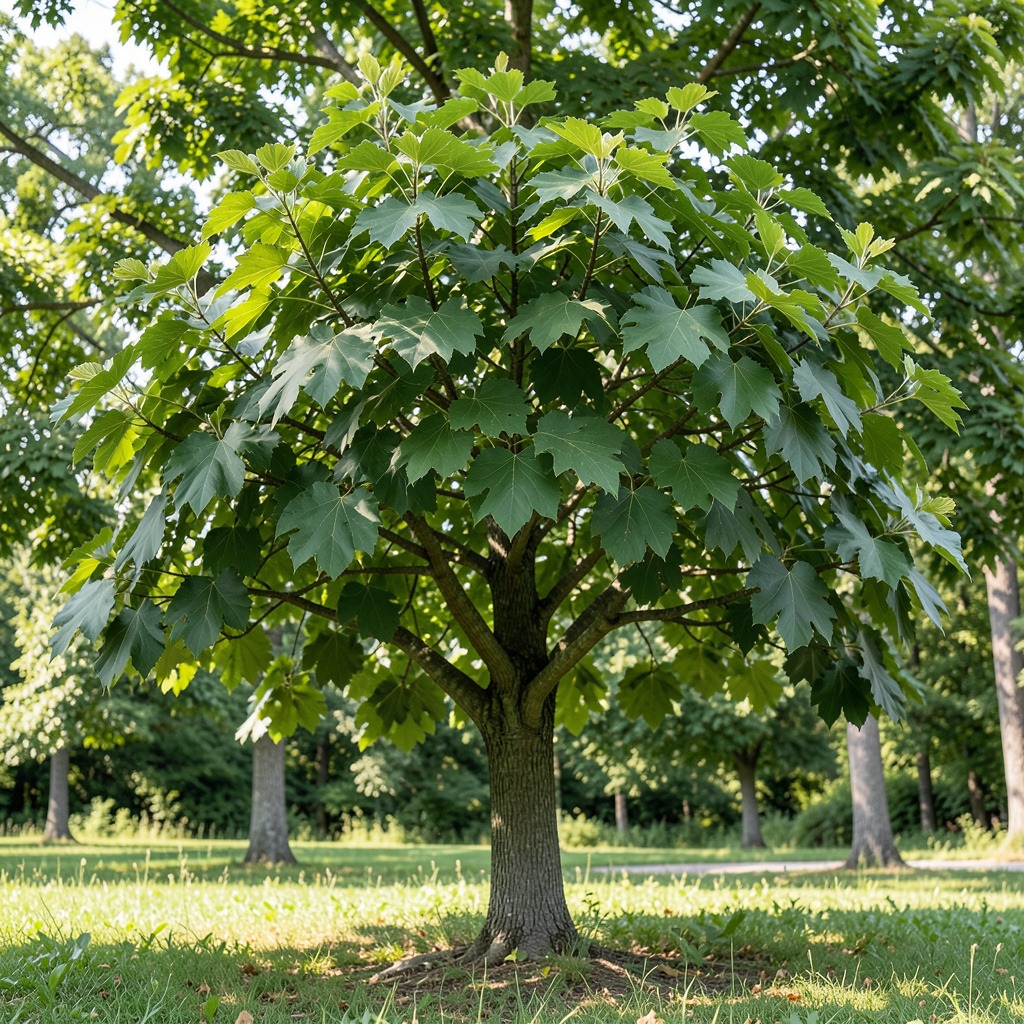
Caring for your umbrella catalpa tree involves understanding its specific needs for water, soil, and pest management. Implementing proper care techniques will help maximize its growth and aesthetic appeal in your landscape.
Watering and Soil Requirements
Umbrella catalpa trees thrive in various soil types, but they prefer well-drained soil. Here are key watering tips:
- Watering Frequency: Water deeply once a week during dry spells. Ensure the soil remains moist but not waterlogged.
- Soil Type: They adapt well to sandy, loamy, or clay soils. Test soil drainage and amend as necessary.
- Mulching: Apply a layer of mulch around the base. This helps retain moisture and regulates soil temperature.
Proper Pruning Techniques
Pruning is essential for maintaining the health and shape of your umbrella catalpa tree. Follow these guidelines:
- Timing: Prune during late winter or early spring before new growth begins.
- Technique: Remove any dead or crossing branches. Aim for an open center to allow light and air circulation.
- Size Management: If necessary, reduce height by cutting back the top branches, but avoid excessive trimming.
Seasonal Care Guidelines
Adapting care practices to the seasons ensures your umbrella catalpa tree remains healthy year-round. Use this checklist for effective maintenance:
- Spring: Fertilize with a balanced fertilizer as new growth begins. Check for pests like catalpa worms.
- Summer: Monitor water levels closely, especially in drought conditions. Spray for pests if infestations occur.
- Fall: Rake leaves to prevent fungal diseases. Prepare for winter by ensuring adequate moisture before freezing temperatures.
- Winter: Protect young trees with burlap if temperatures drop significantly. Check for any potential damage from snow or ice.
By following these care strategies, you can enjoy the numerous benefits of the umbrella catalpa tree while minimizing its drawbacks.
Comparing the Umbrella Catalpa Tree to Other Shade Trees
The umbrella catalpa tree is a unique choice for landscaping, but how does it compare to other popular shade trees? Understanding these differences can help you make an informed decision.
Umbrella Catalpa vs. Northern Catalpa
Both the umbrella catalpa and northern catalpa are fast-growing trees, but they exhibit distinct characteristics.
| Feature | Umbrella Catalpa | Northern Catalpa |
|---|---|---|
| Growth Rate | 2-3 feet per year | 2-4 feet per year |
| Height | 30-40 feet | 40-60 feet |
| Leaf Shape | Broad, umbrella-like | Heart-shaped |
| Flower Color | White with purple markings | White with yellow markings |
| Pest Attraction | Moderate to high | Moderate |
Key Insight: While the umbrella catalpa offers striking aesthetics with its umbrella-like canopy, the northern catalpa tends to grow taller and may provide more shade over time.
Umbrella Catalpa vs. Southern Catalpa
The southern catalpa presents an alternative to the umbrella catalpa, particularly in warmer climates.
| Feature | Umbrella Catalpa | Southern Catalpa |
|---|---|---|
| Growth Rate | 2-3 feet per year | 1-2 feet per year |
| Height | 30-40 feet | 30-50 feet |
| Leaf Size | Larger, up to 12 inches | Smaller, around 6-10 inches |
| Flower Fragrance | Mild, attractive | Strong, more fragrant |
| Hardiness Zone | Zones 4-9 | Zones 5-9 |
Decision Rule: If you seek a fast-growing tree with a larger canopy, the umbrella catalpa is preferable. However, if you desire a more fragrant option, consider the southern catalpa.
Umbrella Catalpa vs. Other Popular Shade Trees
Comparing the umbrella catalpa to other popular shade trees like the oak and maple reveals notable differences.
| Feature | Umbrella Catalpa | Oak | Maple |
|---|---|---|---|
| Growth Rate | 2-3 feet per year | 1-2 feet per year | 1-3 feet per year |
| Leaf Shape | Broad, umbrella-like | Lobed | Palmate |
| Fall Color | Yellow | Brown to red | Brilliant red/orange |
| Maintenance Needs | Moderate | Low | Moderate to high |
| Pest Attraction | High (catalpa worms) | Low | Moderate |
Comparison Takeaway: The umbrella catalpa is an excellent choice for quick shade and ornamental appeal, but its susceptibility to pests may require more management compared to oak and maple trees, which are generally lower maintenance.
Understanding these comparisons helps clarify the umbrella catalpa’s role in your landscape design, aiding your decision-making process regarding tree selection.
Conclusion: Is the Umbrella Catalpa Tree Right for Your Landscape?
The umbrella catalpa tree offers distinct advantages and challenges for your landscape. Understanding these factors is crucial for making an informed decision.
Key Advantages of the Umbrella Catalpa Tree
- Rapid Growth: This tree can grow 2 to 4 feet per year, quickly providing shade and enhancing your landscape.
- Aesthetic Appeal: With its large, heart-shaped leaves and striking flowers, the umbrella catalpa serves as a stunning focal point.
- Environmental Benefits: It supports local wildlife and adapts well to various soil conditions and climates, making it a resilient choice.
Potential Drawbacks to Consider
- Pest Issues: The umbrella catalpa is prone to infestations from catalpa worms, which can lead to defoliation and weaken the tree.
- Maintenance Requirements: Regular care is necessary to manage pests and maintain its health, which may not suit all homeowners.
- Messiness: The tree produces seed pods that can clutter your yard, necessitating cleanup.
Decision-Making Framework
When considering whether to plant an umbrella catalpa tree, evaluate the following:
1. Assess Your Landscape Needs:
- Do you need quick shade or a statement tree?
- Consider the available space and any existing plants.
2. Evaluate Maintenance Commitment:
- Are you prepared to manage pest issues?
- Will you have time for regular maintenance and cleanup?
3. Consider Local Environment:
- Are you in a climate suitable for an umbrella catalpa? It’s adaptable to USDA Zones 4 to 9.
By weighing these factors, you can determine if the umbrella catalpa tree aligns with your landscaping goals and maintenance capabilities.
Frequently Asked Questions
These quick answers cover the most common questions about this topic, including key details, practical tips, and common concerns.
What is the average growth rate of an umbrella catalpa tree?
The umbrella catalpa tree is known for its rapid growth, typically gaining 2 to 4 feet in height each year under optimal conditions. Within a decade, it can reach mature heights of 30 to 70 feet, making it an excellent choice for those seeking quick shade.
Are catalpa trees invasive in certain areas?
Yes, umbrella catalpa trees can be invasive in some regions. They may spread aggressively and compete with native plants for resources. It’s important to check local guidelines to determine if they are considered invasive in your area before planting.
How do I prune a catalpa tree?
Pruning should be done in late winter or early spring before new growth begins. Remove any dead or crossing branches to improve air circulation. If necessary, you can reduce the height by cutting back the top branches, but avoid excessive trimming to maintain the tree’s shape.
What pests are commonly associated with catalpa trees?
The most notable pest affecting umbrella catalpa trees is the catalpa sphinx moth larvae, also known as catalpa worms. These caterpillars can defoliate the tree if left unchecked. Regular inspections and manual removal can help manage their population effectively.
What are the best conditions for planting a catalpa tree?
Umbrella catalpa trees thrive in well-drained soil and require full sun, ideally receiving at least 6 hours of direct sunlight daily. They adapt to various soil types but prefer loamy or sandy soils. Ensure consistent watering during dry spells to support healthy growth.
Can catalpa trees be grown in pots?
While it’s possible to grow catalpa trees in pots, it’s generally not recommended for long-term growth. These trees can become quite large, and their root systems may become restricted in containers. If you choose to grow one in a pot, select a large container and be prepared for frequent repotting.
What are some alternatives to catalpa trees for landscaping?
If you’re looking for alternatives to the umbrella catalpa tree, consider options like the red maple or the sweetgum tree. Both provide excellent shade and vibrant fall colors. Additionally, the oak tree is a low-maintenance option that supports local wildlife and offers a sturdy canopy.