
The umbrella tree, also known as Schefflera, has numerous aesthetic and functional benefits, but it comes with challenges like toxicity to pets and potential invasiveness in certain climates.
Table of Contents
The umbrella tree, or Schefflera, is a popular houseplant known for its stunning foliage and low maintenance. However, potential owners should weigh its pros and cons, including growth conditions, toxicity, and care requirements, before making a decision.
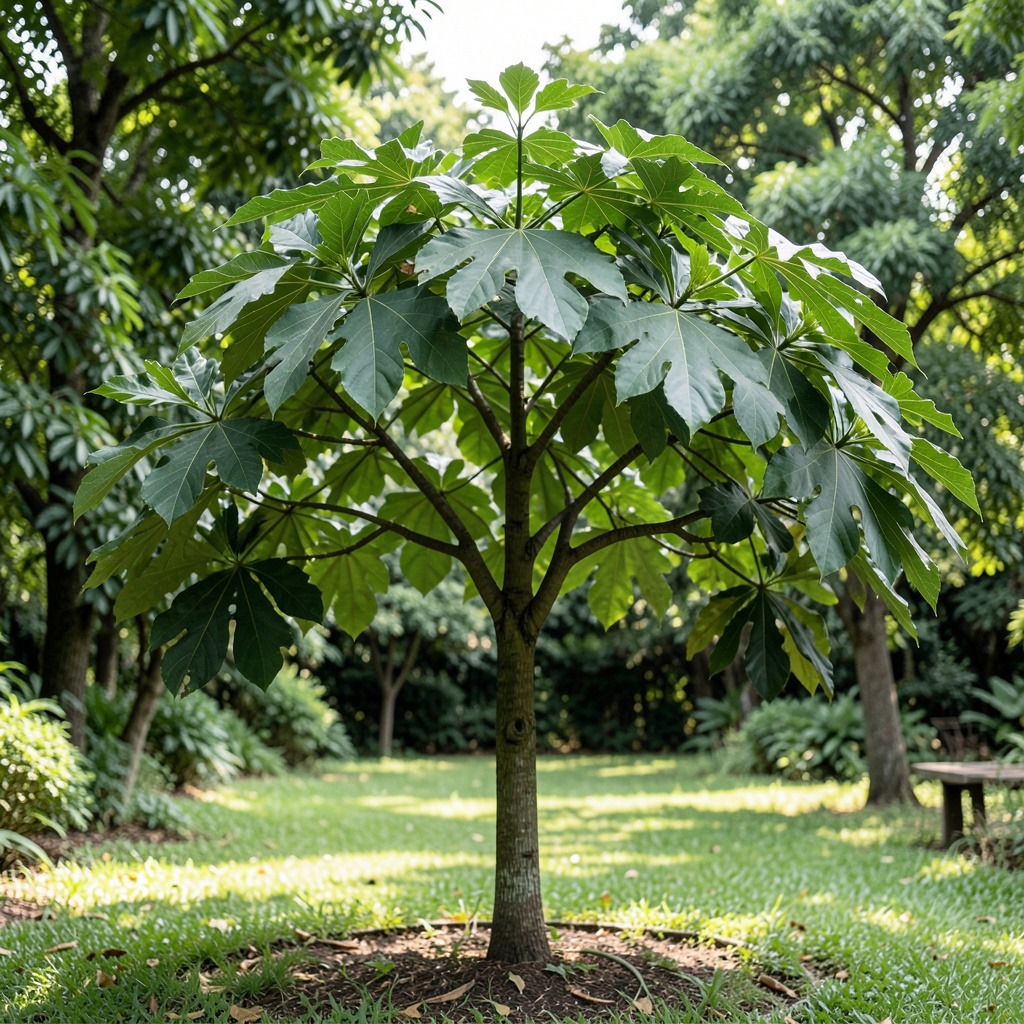
Understanding the Umbrella Tree
The umbrella tree, scientifically known as Schefflera, is a popular houseplant characterized by its distinctive foliage and adaptability. Understanding its classification and common species can help potential owners make informed decisions about care and maintenance.
Scientific Classification of the Umbrella Tree
The umbrella tree belongs to the Araliaceae family. Its primary species include:
- Schefflera arboricola: Commonly referred to as the dwarf umbrella tree, it is smaller and often variegated.
- Schefflera actinophylla: Known as the octopus tree, this species grows larger, reaching up to 6-8 feet indoors.
These species exhibit different care requirements and growth habits, which can influence their suitability for various environments.
Common Species of Umbrella Trees
1. Schefflera arboricola:
- Height: 3-4 feet when grown indoors.
- Leaf Characteristics: Smaller, often variegated leaves.
- Ideal for: Limited indoor spaces and decorative purposes.
2. Schefflera actinophylla:
- Height: Can grow up to 8 feet indoors.
- Leaf Characteristics: Larger, glossy green leaves.
- Ideal for: Open spaces requiring a dramatic plant presence.
Characteristics and Growth Habits
Umbrella trees thrive in warm conditions, preferring temperatures between 60°F and 80°F (16°C – 27°C). They typically do not survive frost and should be brought indoors during colder months.
- Light Requirements: They prefer bright, indirect light but can tolerate lower light levels. Overexposure to direct sunlight may scorch their leaves.
- Soil Preferences: Well-drained potting soil is essential. A mix of general-purpose soil with perlite or sand enhances drainage.
- Watering Needs: Allow the top inch of soil to dry out between watering. Overwatering can lead to root rot.
By understanding these characteristics, potential owners can better assess whether the umbrella tree fits their home environment and lifestyle.
Pros of Growing an Umbrella Tree
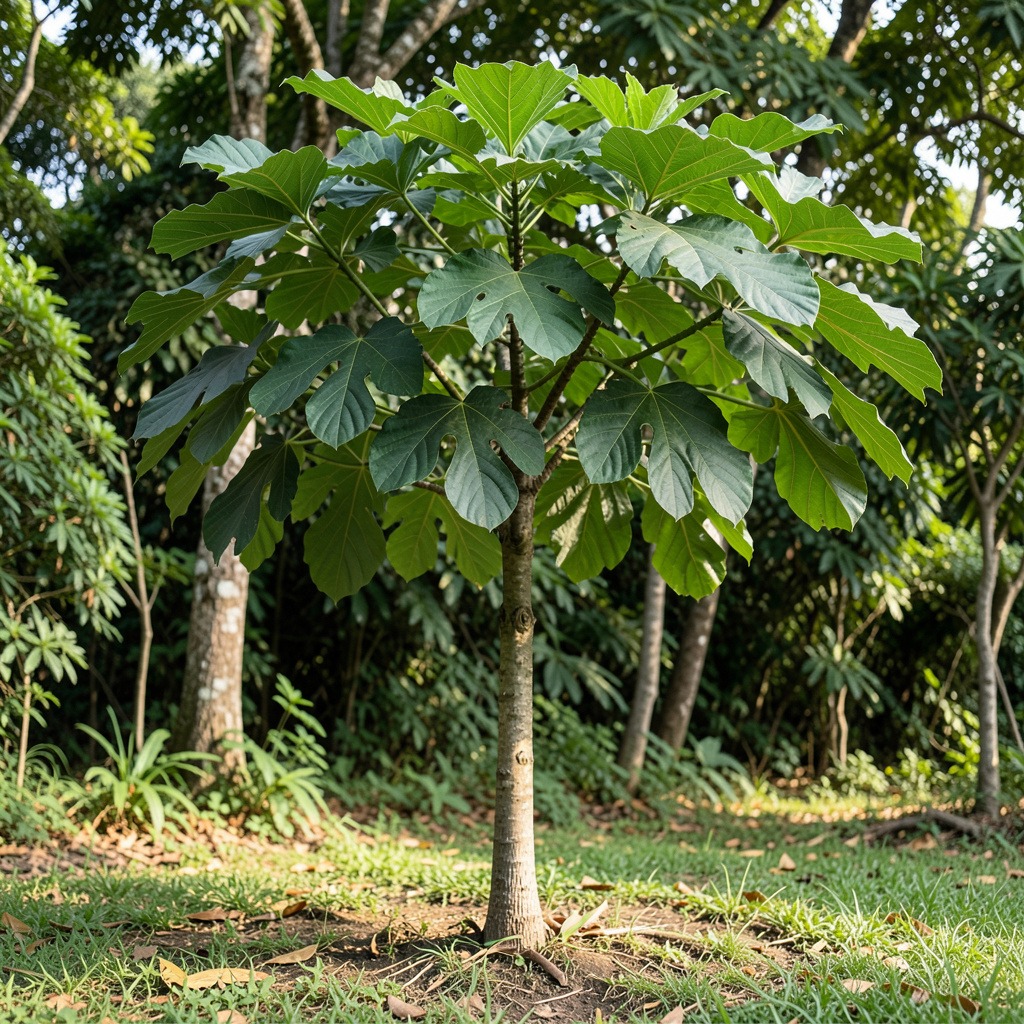
The umbrella tree, or Schefflera, offers several benefits for homeowners. Its aesthetic appeal, ease of care, and air purification properties make it a popular choice for indoor environments.
Aesthetic Value and Foliage
Umbrella trees feature striking foliage that adds a tropical feel to any space. The leaves grow in groups, resembling an umbrella, which creates an eye-catching visual display. This unique growth pattern enhances interior decor, making them suitable for homes and offices alike.
- Variety of Species: Different Schefflera species offer varied leaf shapes and colors, allowing homeowners to choose according to their style preferences.
- Versatility in Placement: Their size and shape make them adaptable to various settings, from small apartments to spacious living rooms.
Low Maintenance Requirements
One of the significant advantages of the umbrella tree is its low maintenance needs. It thrives with minimal effort, making it ideal for both novice and experienced plant owners.
- Watering: It requires infrequent watering, with only the top inch of soil needing to dry out before the next soak.
- Repotting: Umbrella trees typically need repotting every two to three years, which is manageable for most homeowners.
- Fertilization: Regular fertilization during the growing season promotes healthy growth without the need for complex care routines.
Air Quality Improvement
Umbrella trees contribute positively to indoor air quality. They are known to filter common toxins, making your living space healthier.
- Toxin Removal: Schefflera plants can help reduce pollutants like formaldehyde and benzene from the air.
- Humidity Regulation: Their transpiration process adds moisture to the air, which can benefit skin health and overall comfort in dry indoor environments.
Real-life testimonials indicate that many homeowners experience improved air quality and a fresher atmosphere after introducing an umbrella tree into their spaces. For example, a family reported feeling less fatigued and more energized in their home office since adding the plant.
By considering these pros, prospective owners can make an informed decision about incorporating an umbrella tree into their living environment.
Cons of Owning an Umbrella Tree
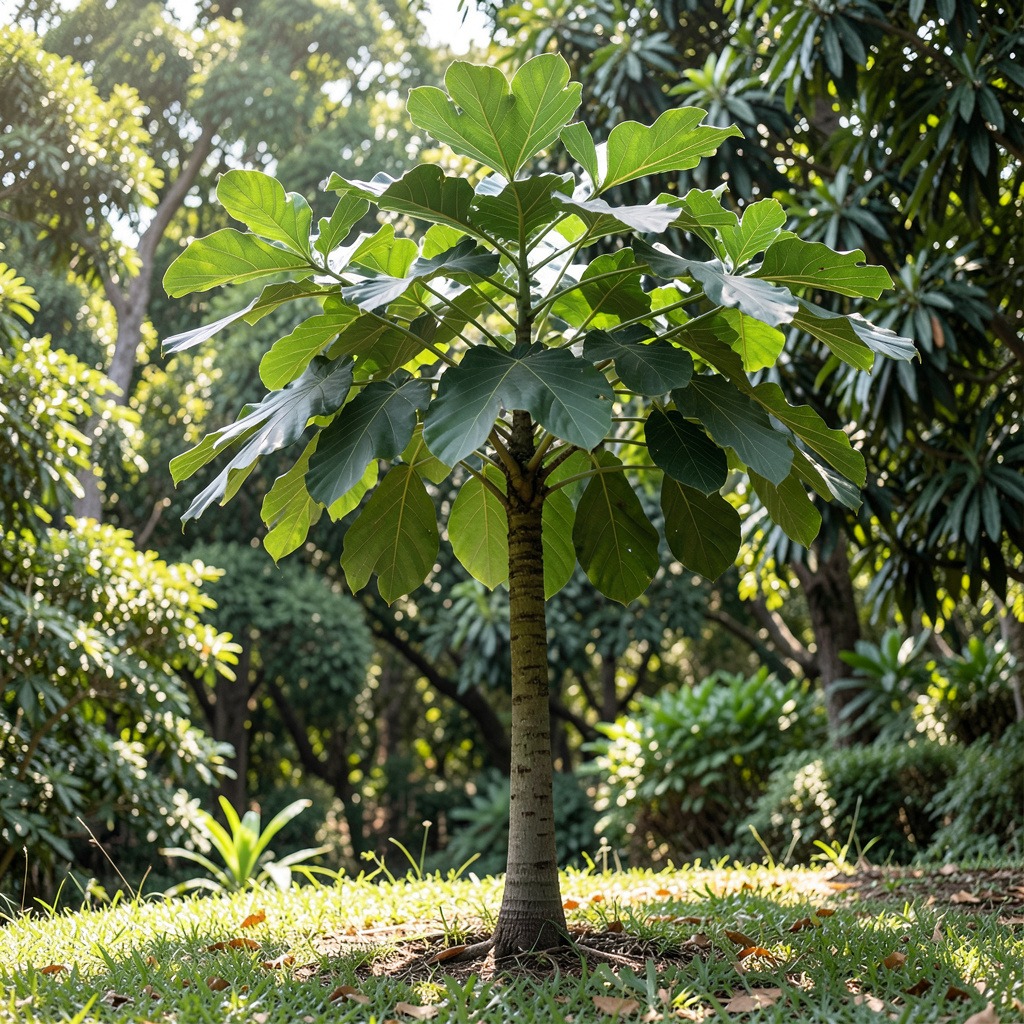
While umbrella trees offer several benefits, they also come with notable drawbacks. Homeowners should consider these factors before deciding to incorporate this plant into their space.
Toxicity Concerns for Pets and Humans
Umbrella trees contain compounds that can be toxic to pets and humans. Ingesting the leaves may lead to symptoms such as vomiting, diarrhea, and lethargy. It’s crucial for pet owners to keep these plants out of reach.
Toxicity Checklist:
- Symptoms of Toxicity: Vomiting, diarrhea, lethargy
- Precaution: Keep out of reach of pets and children
Invasive Growth in Certain Climates
In warmer climates, umbrella trees can grow rapidly and become invasive. They thrive in conditions that allow them to spread, potentially outcompeting local flora. If you live in a region with a suitable climate, monitor their growth closely.
Invasive Growth Considerations:
- Growth Rate: Can reach significant heights quickly
- Impact on Local Flora: May outcompete native plants
Potential Maintenance Challenges
Maintaining an umbrella tree requires regular care. Homeowners must be prepared for repotting every two to three years, as well as routine pruning to control size and shape. Signs of stunted growth, such as visible roots or lack of new leaves, may indicate the need for repotting.
Maintenance Checklist:
- Repotting Frequency: Every 2-3 years
- Pruning Needs: Regular pruning for bushier growth
- Common Issues: Stunted growth, soil depletion
Keeping these cons in mind can help homeowners make informed decisions regarding the umbrella tree’s role in their environment.
Care Tips for Umbrella Trees
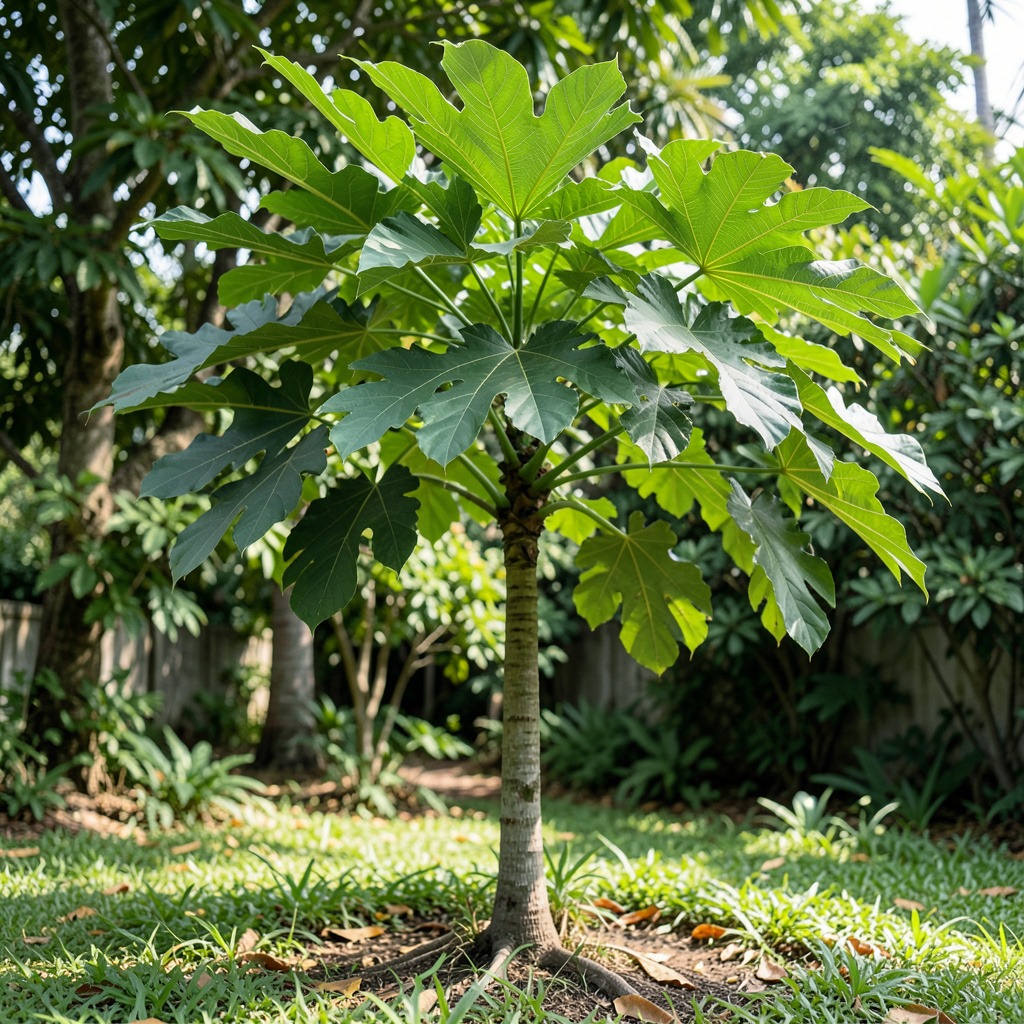
Caring for an umbrella tree, or Schefflera, requires attention to its specific growth needs. Proper care ensures a thriving plant, enhancing its aesthetic appeal indoors or outdoors. Below are essential guidelines for watering, light, soil, and fertilization.
Watering and Humidity Requirements
- Watering Frequency: Allow the top inch of soil to dry out between waterings. This prevents overwatering, which can lead to root rot.
- Humidity Needs: Umbrella trees prefer humidity. Consider using a humidifier or misting the leaves occasionally. In drier environments, this helps mimic their tropical origins.
- Signs of Underwatering: Yellowing leaves or crisp, brown leaf edges indicate the need for more water. Conversely, soggy soil may signal overwatering.
Light and Soil Preferences
- Light Requirements: Umbrella trees thrive in bright, indirect sunlight. Too much direct sun can scorch the leaves, while too little light can stunt growth.
- Soil Type: Use well-draining soil, ideally a mix with perlite or sand. This helps avoid water retention, which is detrimental to the plant’s health.
Fertilization Tips and Techniques
- Fertilization Frequency: Feed your umbrella tree with a balanced liquid fertilizer every 4-6 weeks during the growing season (spring and summer).
- Fertilizer Type: Choose a balanced fertilizer, such as a 20-20-20 formula. This ensures the plant receives essential nutrients for optimal growth.
- Signs of Nutrient Deficiency: Yellowing leaves and slow growth may indicate a need for fertilization. Adjust your feeding schedule accordingly.
Care Checklist for Umbrella Trees
- Watering: Let top inch of soil dry out; water thoroughly.
- Humidity: Maintain moderate humidity; mist leaves as needed.
- Light: Provide bright, indirect light; avoid direct sunlight.
- Soil: Use well-draining potting mix; consider adding perlite.
- Fertilizer: Apply balanced fertilizer every 4-6 weeks in growth season.
By following these care tips, homeowners can foster healthy umbrella trees, enhancing their indoor or outdoor spaces.
Common Problems with Umbrella Trees
Homeowners may encounter specific challenges when caring for umbrella trees, also known as Schefflera. Understanding these common problems helps in maintaining healthy plants and making informed decisions about their care.
Identifying Leaf Drop Causes
Leaf drop is a frequent issue with umbrella trees. Various factors can contribute to this problem:
- Watering Issues: Overwatering can lead to root rot, while underwatering may cause stress.
- Light Conditions: Insufficient light can weaken the plant, resulting in leaf drop.
- Temperature Fluctuations: Extreme changes in temperature can shock the plant, leading to leaf loss.
To diagnose the cause, assess your watering routine, light exposure, and temperature stability. Adjust care practices accordingly to prevent further leaf drop.
Managing Pest Infestations
Pests can pose significant threats to umbrella trees. The most common pests include:
- Spider Mites: These tiny pests thrive in low humidity and can create webbing on the leaves.
- Thrips: These insects cause scars on leaves and can be difficult to eliminate.
- Scale: Look for sticky residue or tiny bumps on stems and leaves.
To manage these infestations:
1. Increase Humidity: Boost humidity around your plant to deter spider mites.
2. Inspect Regularly: Check for signs of pests, especially on the undersides of leaves.
3. Apply Treatments: Use insecticidal soap or neem oil to repel pests.
Solutions for Common Care Issues
Addressing care issues proactively can enhance the health of your umbrella tree. Consider the following solutions:
- Fungi and Bacteria: Fungal infections like leaf spots can be treated with copper-based fungicides. Bacterial infections may require pruning affected leaves.
- Nutrient Deficiencies: Yellowing leaves can signal a lack of nutrients. Use a balanced fertilizer during the growing season to support growth.
- Soil Conditions: Ensure your plant is in well-draining soil to prevent root problems. Consider repotting if the soil has compacted.
By implementing these strategies, homeowners can effectively troubleshoot common problems and enjoy the benefits of healthy umbrella trees.
Conclusion: Is the Umbrella Tree Right for You?
Deciding whether to introduce an umbrella tree into your home requires careful consideration of its pros and cons. Understanding these factors can help you make an informed choice.
Weighing the Benefits Against the Drawbacks
Pros:
- Aesthetic Appeal: Umbrella trees have a unique, appealing look that enhances indoor spaces.
- Air Purification: They can improve indoor air quality by filtering toxins.
- Adaptability: These plants thrive in various lighting conditions and can be grown indoors or outdoors.
Cons:
- Toxicity: All parts of the umbrella tree are toxic if ingested, posing a risk to pets and children.
- Invasive Growth: They can become invasive outdoors in warmer climates, requiring regular maintenance to control.
- Care Requirements: They demand specific conditions, including humidity and well-draining soil, which might not be suitable for all homeowners.
Final Thoughts on Ownership Decisions
Before committing to an umbrella tree, evaluate your living conditions and lifestyle. Here are some guiding questions:
- Do you have pets or small children? If so, the plant’s toxicity may be a significant concern.
- Can you provide the necessary care? Ensure you can meet its humidity and soil requirements.
- Are you prepared for potential invasiveness? If you live in a warm climate, consider how you will manage outdoor growth.
By carefully weighing these factors, you can determine if an umbrella tree aligns with your home environment and personal preferences.
Frequently Asked Questions
These quick answers cover the most common questions about this topic, including key details, practical tips, and common concerns.
What is the lifespan of an umbrella tree?
Umbrella trees, or Schefflera, can live for many years with proper care. Typically, they can thrive indoors for 10 to 25 years. Factors like light, watering, and humidity significantly influence their longevity. Providing optimal conditions can help maximize their lifespan.
What are the common problems with umbrella plants?
Common issues with umbrella trees include leaf drop, yellowing leaves, and pest infestations. Leaf drop often results from improper watering or sudden temperature changes. Yellowing leaves may indicate overwatering or nutrient deficiencies. Regular inspection for pests like spider mites and scale can help maintain plant health.
Do umbrella trees have invasive roots?
Yes, umbrella trees can have invasive roots, especially in suitable climates. They can grow rapidly and outcompete local plants if planted outdoors. Homeowners should monitor their growth and consider regular pruning to manage their spread, particularly in warmer regions.
Can I put my umbrella tree outside?
You can place your umbrella tree outside during warmer months, but ensure it’s in a sheltered location with bright, indirect sunlight. Protect it from frost and extreme temperatures. If your climate is too cold, bring it indoors when temperatures drop to prevent damage.
Is the umbrella tree safe for pets?
No, umbrella trees are not safe for pets. All parts of the plant are toxic if ingested, potentially causing symptoms such as vomiting, diarrhea, and lethargy. If you have pets, keep the plant out of their reach or consider safer alternatives.
What are the best conditions for growing an umbrella tree indoors?
Umbrella trees thrive in bright, indirect light and prefer temperatures between 60°F and 80°F (16°C – 27°C). They also enjoy moderate humidity levels. Use well-draining soil and allow the top inch to dry out between waterings to prevent root rot. Regular fertilization during the growing season supports healthy growth.
How to propagate Schefflera?
To propagate an umbrella tree, take stem cuttings that are at least 4-6 inches long. Ensure each cutting has a few leaves and remove the lower leaves. Place the cuttings in water or moist soil and keep them in a warm, bright location. Roots should develop within a few weeks, after which you can transplant them into pots.
What are some alternatives to umbrella trees for indoor plants?
If you’re looking for alternatives to umbrella trees, consider options like the fiddle leaf fig, pothos, or rubber plant. These alternatives also provide aesthetic appeal and are generally easier to care for. Each has unique characteristics, so choose based on your space and care preferences.