
The Urban Sunset Maple tree offers vibrant fall colors and urban resilience, but it can be aggressive with roots and is susceptible to certain diseases like Verticillium Wilt.
Table of Contents
The Urban Sunset Maple (Acer truncatum x platanoides) combines aesthetic beauty with practical benefits for urban landscapes. Understanding its pros and cons helps gardeners and landscape architects make informed decisions when selecting trees for urban settings.
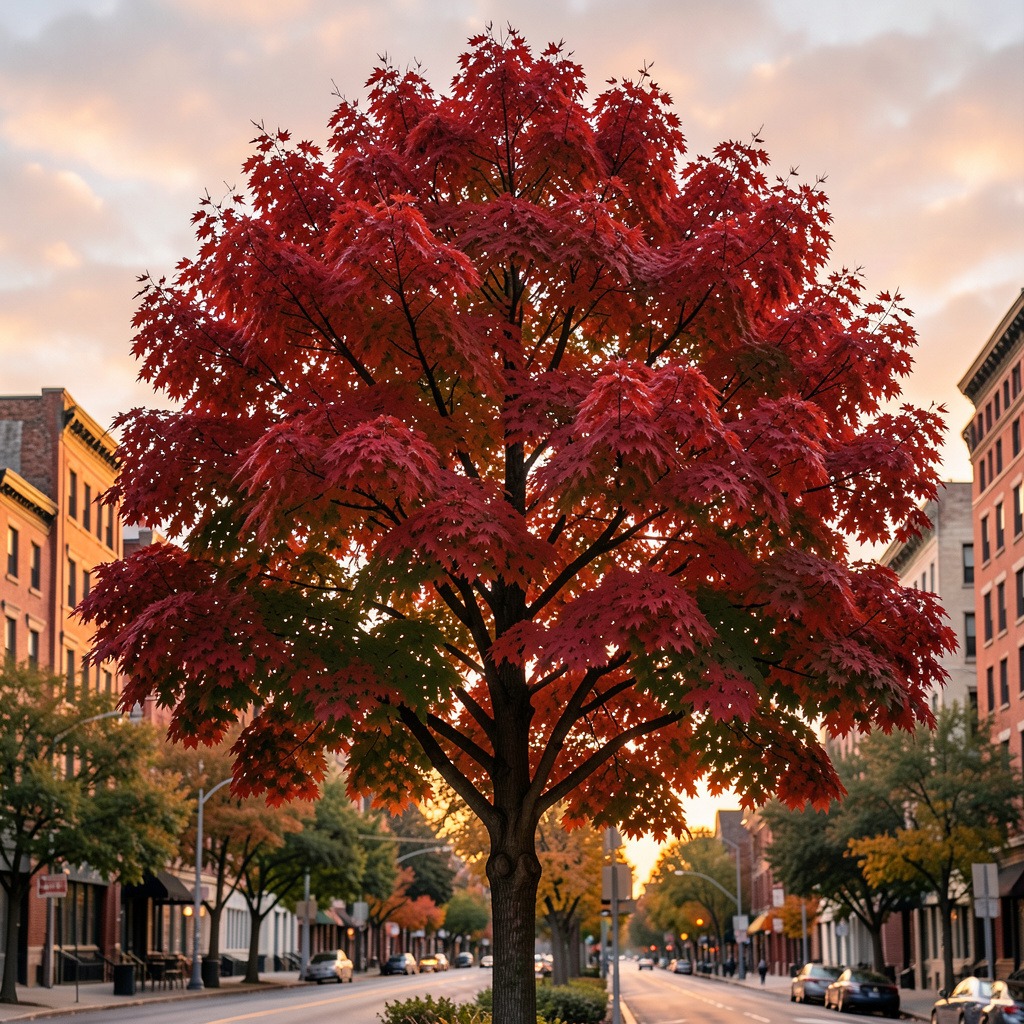
Overview of the Urban Sunset Maple Tree
The Urban Sunset Maple (Acer truncatum x platanoides) is a hybrid tree known for its adaptability and aesthetic appeal in urban settings. It combines the strengths of its parent species, making it a preferred choice for landscape architects and urban planners.
Scientific Classification and Origins
The Urban Sunset Maple belongs to the Acer genus within the Sapindaceae family. Specifically, it is a cross between Acer truncatum and Acer platanoides. This hybrid was developed to retain desirable traits from both species, such as resilience and visual appeal. Notably, it exhibits a narrow growth habit, making it suitable for confined urban spaces where wider trees might not thrive.
Typical Uses in Urban Landscaping
The Urban Sunset Maple serves various functions in urban landscaping:
- Aesthetic Appeal: Its glossy green leaves turn vibrant shades of red and burgundy in the fall, enhancing the visual landscape.
- Shade Provision: The tree’s broad canopy offers shade, making urban environments more comfortable for pedestrians.
- Air Quality Improvement: As a natural air purifier, it helps filter pollutants, contributing to a healthier urban ecosystem.
- Urban Design Integration: Its adaptable nature allows it to fit seamlessly into diverse architectural styles, from residential neighborhoods to commercial avenues.
Practical Considerations
When choosing the Urban Sunset Maple for landscaping, consider the following characteristics:
- Growth Rate: This tree grows rapidly, reaching heights of 35-40 feet and widths of up to 20 feet.
- Soil Tolerance: It thrives in well-draining soils and shows drought resistance, making it versatile across different urban environments.
- Maintenance Needs: Generally low-maintenance, it requires minimal pruning and is resistant to many common diseases affecting other maple varieties.
By understanding these aspects, you can make an informed decision about incorporating the Urban Sunset Maple into your landscaping plans.
Pros of the Urban Sunset Maple Tree
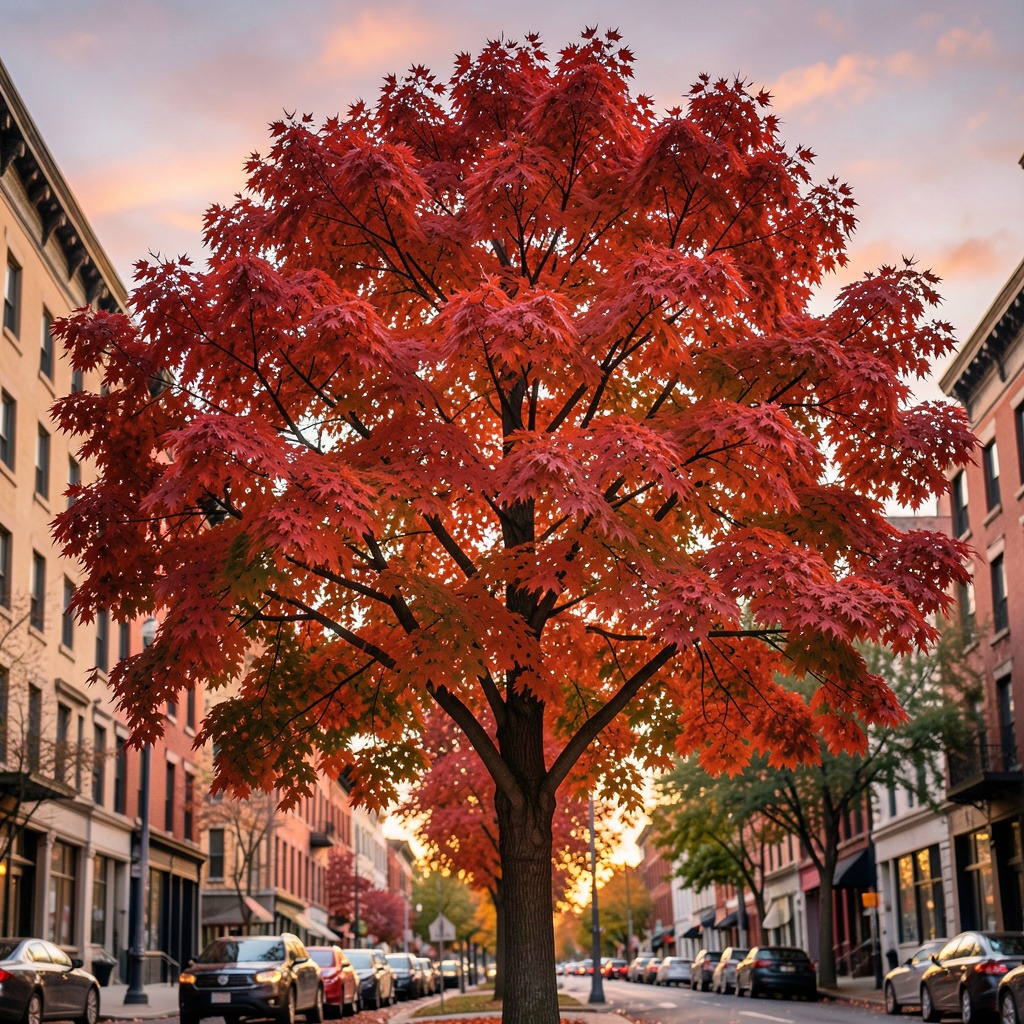
The Urban Sunset Maple offers numerous advantages for urban landscaping. Its unique growth characteristics, aesthetic appeal, and environmental benefits make it an ideal choice for city environments.
Stunning Fall Foliage
One of the most striking features of the Urban Sunset Maple is its vibrant fall color. As the seasons change, the leaves transform from glossy green to deep shades of red and burgundy. This spectacular display enhances the visual appeal of urban spaces.
- Color Comparison: When compared to other maple varieties, such as the Sugar Maple, the Urban Sunset Maple provides a more consistent and vivid color throughout the fall. This makes it a preferred choice for landscaping in parks and streetscapes.
Urban Resilience and Adaptability
The Urban Sunset Maple is specifically bred to thrive in challenging urban conditions.
- Narrow Growth Habit: Its compact growth habit, reaching heights of 35-40 feet and widths of about 20 feet, allows it to fit seamlessly into limited spaces. This makes it suitable for planting along sidewalks, in small parks, or as a street tree.
- Drought Resistance: This tree exhibits excellent drought tolerance, making it resilient during dry spells. It adapts well to various soil types, provided they are well-draining.
Environmental Contributions
Beyond aesthetic benefits, the Urban Sunset Maple plays a crucial role in enhancing urban ecosystems.
- Air Quality Improvement: This tree acts as a natural air purifier, filtering pollutants and capturing carbon dioxide. By doing so, it contributes to cleaner air in congested urban areas.
- Shade Provision: The dense canopy provides shade, which helps mitigate the urban heat island effect. This not only benefits pedestrians but also reduces energy costs for nearby buildings by lowering cooling demands.
By incorporating the Urban Sunset Maple into urban landscapes, cities can achieve both beauty and ecological benefits.
Cons of the Urban Sunset Maple Tree
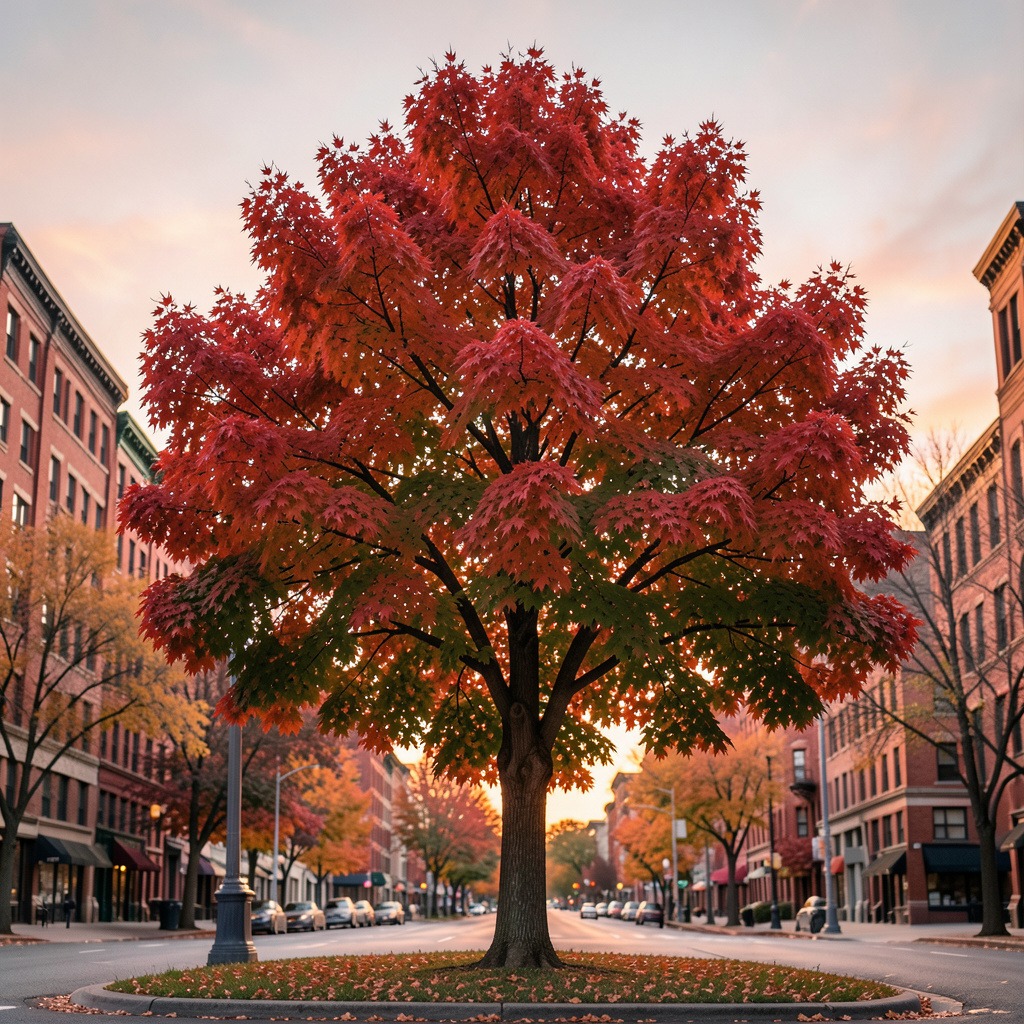
While the Urban Sunset Maple offers numerous benefits, it also presents certain challenges for urban landscaping. Understanding these drawbacks is essential for effective planning and management.
Aggressive Root Growth
The Urban Sunset Maple is known for its vigorous root system. This can lead to several issues in urban settings:
- Sidewalk Damage: The roots may uplift sidewalks, creating hazards for pedestrians.
- Foundation Concerns: In close proximity to buildings, invasive roots can threaten foundations.
- Limited Planting Space: The extensive root network can compete with nearby plants for nutrients and water.
To manage aggressive root growth, consider employing root barriers. These structures guide roots downward and prevent them from spreading too widely.
Susceptibility to Diseases
Urban Sunset Maples can be prone to several diseases. Common issues include:
- Verticillium Wilt: This fungal disease can cause wilting and yellowing of leaves.
- Leaf Spot Diseases: Various fungal infections can affect foliage, leading to unsightly spots and premature leaf drop.
Regular monitoring for signs of disease is crucial. Implementing good cultural practices, such as proper spacing and irrigation, can help mitigate these risks.
Maintenance Challenges
Maintaining the Urban Sunset Maple requires attention and care. Key maintenance challenges include:
- Pruning Needs: Regular pruning is necessary to manage shape and remove dead or diseased branches.
- Watering Requirements: While drought-tolerant, young trees require consistent watering to establish well.
Establish a maintenance schedule to address these needs. Consider using mulch to retain moisture and suppress weeds, which can further support healthy growth.
Growth and Maintenance Requirements
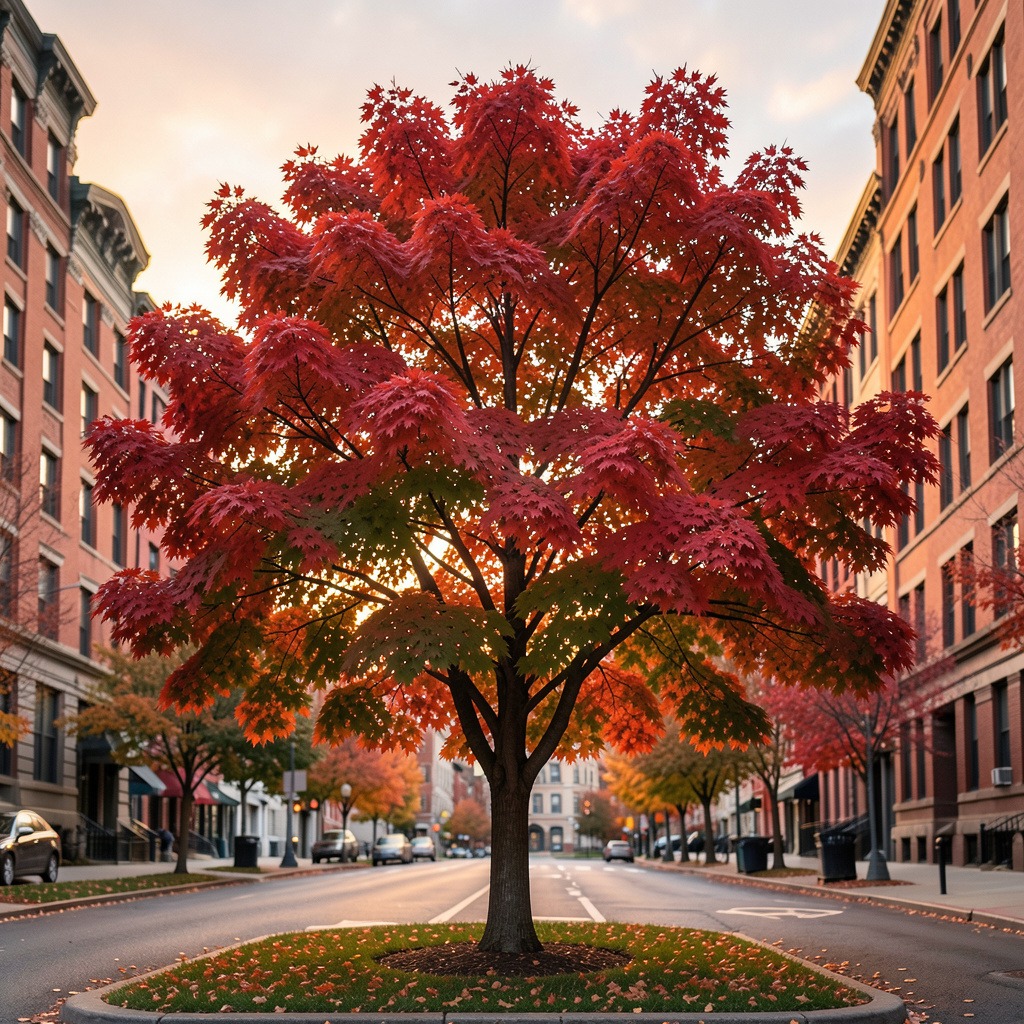
Caring for the Urban Sunset Maple ensures healthy growth and maximizes its aesthetic and environmental benefits. This section outlines essential care practices, including watering needs, soil preferences, and pruning requirements.
Watering Needs
Young Urban Sunset Maples require consistent moisture to establish their roots. Here’s a quick guide:
- Establishment Phase: Water deeply once a week for the first two years.
- Drought Tolerance: Once established, they can withstand dry spells but will thrive with regular watering.
- Mulching: Apply mulch to retain soil moisture and suppress weeds.
Soil and Sunlight Preferences
The Urban Sunset Maple adapts well to various soil types, but certain conditions enhance its growth:
- Soil Type: Prefers well-drained, loamy soil. It tolerates compacted and clay soils but thrives in fertile mixes.
- pH Levels: Optimal pH ranges from 6.0 to 7.5.
- Sunlight: Full sun exposure (6-8 hours daily) yields the best growth and vibrant fall colors.
Pruning and Long-term Care
Regular pruning helps maintain the Urban Sunset Maple’s shape and health. Follow these guidelines:
- Pruning Schedule: Conduct light pruning in late winter or early spring to avoid disrupting new growth.
- Common Practices:
- Remove dead or damaged branches.
- Thin the canopy to improve air circulation.
- Checklist for Maintenance:
- Inspect for pests or diseases quarterly.
- Water during prolonged dry spells, especially in the first two years.
- Fertilize annually with a balanced fertilizer suitable for trees.
Common Mistakes to Avoid
1. Overwatering: This can lead to root rot; ensure proper drainage.
2. Ignoring Soil Quality: Regularly test soil to maintain optimal pH and nutrient levels.
3. Neglecting Pruning: Failure to prune can lead to overcrowded branches and increased disease risk.
By adhering to these care practices, the Urban Sunset Maple can thrive in urban landscapes, providing lasting beauty and environmental benefits.
Comparisons with Other Maple Varieties
The Urban Sunset Maple, known as Acer truncatum x platanoides, exhibits unique characteristics that differentiate it from other popular maple varieties. Understanding these differences can help urban planners and homeowners choose the right tree for their landscapes.
Urban Sunset vs. Sugar Maple
The Sugar Maple (Acer saccharum) is renowned for its vibrant fall foliage and syrup production. However, it differs significantly from the Urban Sunset Maple in several aspects.
| Feature | Urban Sunset Maple | Sugar Maple |
|---|---|---|
| Growth Habit | Narrow, oval shape | Broad, spreading canopy |
| Height | 35-40 feet | 40-75 feet |
| Fall Foliage | Deep red and burgundy | Bright yellow-orange |
| Soil Tolerance | Adaptable to well-drained soils | Prefers moist, fertile soils |
| Urban Tolerance | High, well-suited for compact spaces | Moderate, requires more space |
The Urban Sunset Maple’s narrow growth habit makes it an excellent choice for tight urban spaces. In contrast, the Sugar Maple’s broader canopy may not be suitable for all urban settings.
Urban Sunset vs. Red Maple
The Red Maple (Acer rubrum) is another common urban tree known for its brilliant red leaves in fall. However, it presents different strengths and weaknesses compared to the Urban Sunset Maple.
| Feature | Urban Sunset Maple | Red Maple |
|---|---|---|
| Growth Habit | Upright, narrow | Spreading, wide canopy |
| Height | 35-40 feet | 40-60 feet |
| Fall Foliage | Deep red and burgundy | Vivid red, orange, and yellow |
| Drought Resistance | Good | Moderate |
| Disease Resistance | High | Susceptible to certain pests |
The Urban Sunset Maple’s superior drought resistance makes it a reliable option for urban areas where water may be scarce. Meanwhile, the Red Maple’s sprawling growth can create challenges in limited spaces.
Key Takeaways
- Narrow Growth: Urban Sunset Maple is ideal for urban environments where space is limited.
- Drought Resistance: Its adaptability to drought makes it a resilient choice for varying climates.
- Aesthetic Appeal: Both the Urban Sunset and Red Maples offer stunning fall colors, but their growth habits differ significantly.
When considering tree options for urban landscaping, the Urban Sunset Maple stands out for its compact form and resilience, making it a preferred choice for urban planners and homeowners alike.
Alternatives to Urban Sunset Maple
When selecting trees for urban landscaping, considering alternatives to the Urban Sunset Maple can enhance your green space. Different species provide various aesthetic and environmental benefits, making it crucial to match the tree to specific urban conditions.
Other Maple Options
If you prefer the maple family but seek alternatives, consider these options:
- Pacific Sunset Maple (Acer truncatum): This tree features a broader growth habit than the Urban Sunset Maple, making it suitable for larger urban spaces. It offers vibrant fall colors and good drought resistance.
- Norwegian Sunset Maple (Acer platanoides): Known for its large canopy, this tree can provide ample shade. However, its wider spread makes it less ideal for confined urban areas.
Non-Maple Alternatives
For those looking for non-maple species that thrive in urban environments, consider:
- Ginkgo (Ginkgo biloba): This tree is renowned for its resilience and unique fan-shaped leaves. It adapts well to pollution and poor soil conditions, making it a robust option for city landscapes.
- Red Oak (Quercus rubra): A strong tree with a majestic appearance, the Red Oak tolerates various soil types and provides excellent shade. It supports local wildlife, contributing to urban biodiversity.
- Sweetgum (Liquidambar styraciflua): With its star-shaped leaves and striking fall color, the Sweetgum adds visual interest. It thrives in urban settings and offers good adaptability to different soil conditions.
Decision Framework for Choosing the Right Tree
When selecting a tree for urban landscaping, consider the following criteria:
- Space Availability: Determine how much horizontal and vertical space is available. Narrow growth habits like that of the Urban Sunset Maple are better for confined areas.
- Soil Conditions: Assess soil quality and drainage. Some species, like the Ginkgo, can thrive in poor soils, while others may require well-draining conditions.
- Aesthetic Preferences: Evaluate the desired visual impact. Trees with vibrant fall colors, like the Sweetgum, can enhance the beauty of your urban landscape.
- Environmental Impact: Consider how the tree will affect local biodiversity. Species like the Red Oak support wildlife, making them valuable additions to urban ecosystems.
By carefully evaluating these factors, you can select the tree that best meets your urban landscaping needs.
Frequently Asked Questions
These quick answers cover the most common questions about this topic, including key details, practical tips, and common concerns.
What are the downsides of growing a red Sunset maple?
The Urban Sunset Maple can have aggressive root growth, which may damage sidewalks and interfere with nearby plants. Its extensive root system can also pose risks to building foundations if planted too close. Additionally, this tree is susceptible to diseases like Verticillium Wilt and various leaf spot issues, which require regular monitoring and management.
What is the best maple tree to plant in your yard?
The best maple tree for your yard depends on your space and preferences. The Urban Sunset Maple is ideal for tight urban areas due to its narrow growth habit and vibrant fall color. However, if you have more space, consider options like the Sugar Maple for its broader canopy and beautiful autumn hues. Always choose a tree that fits your specific environment and aesthetic goals.
How fast does a sunset maple tree grow?
The Urban Sunset Maple is known for its rapid growth, typically reaching heights of 35-40 feet within a relatively short period. Under optimal conditions, it can grow about 2-3 feet per year. This fast growth makes it a popular choice for urban landscapes where quick shade and visual impact are desired.
How far away from a house should a maple tree be?
When planting an Urban Sunset Maple, it is advisable to plant it at least 10-15 feet away from the house. This distance helps prevent potential root damage to foundations and allows the tree ample space to grow without interfering with structures or other plants.
How does Urban Sunset Maple handle drought conditions?
The Urban Sunset Maple exhibits excellent drought resistance once established. While young trees need consistent watering, mature trees can thrive with less frequent watering. This adaptability makes it a suitable choice for urban areas that may experience dry spells, contributing to its resilience in challenging environments.
What pests affect Urban Sunset Maple?
Urban Sunset Maples can be affected by several pests, including aphids, scale insects, and spider mites. Regular inspections can help catch infestations early. Implementing good cultural practices, such as maintaining tree health and proper spacing, can minimize pest problems and enhance overall tree vigor.
Can Urban Sunset Maple be planted in small spaces?
Yes, the Urban Sunset Maple is specifically bred for narrow growth, making it an excellent choice for small spaces. With a mature width of about 20 feet, it can fit well in urban settings like sidewalks, small parks, or residential yards where larger trees might not thrive.
What should readers know about long-term growth expectations?
The Urban Sunset Maple can live for several decades, typically around 30-50 years with proper care. Its growth habit allows for a substantial canopy that provides shade and aesthetic appeal throughout its lifespan. Regular maintenance, including pruning and disease management, can help ensure a long and healthy life for the tree.