
Urbanite Ash trees provide significant shade and aesthetic appeal in urban settings, but they are susceptible to pests like the Emerald Ash Borer and require considerable space for growth.
Table of Contents
The Urbanite Ash tree, a cultivar known for its adaptability and resilience, offers both benefits and drawbacks when planted in urban landscapes. Understanding these pros and cons is essential for making informed planting decisions in city environments.
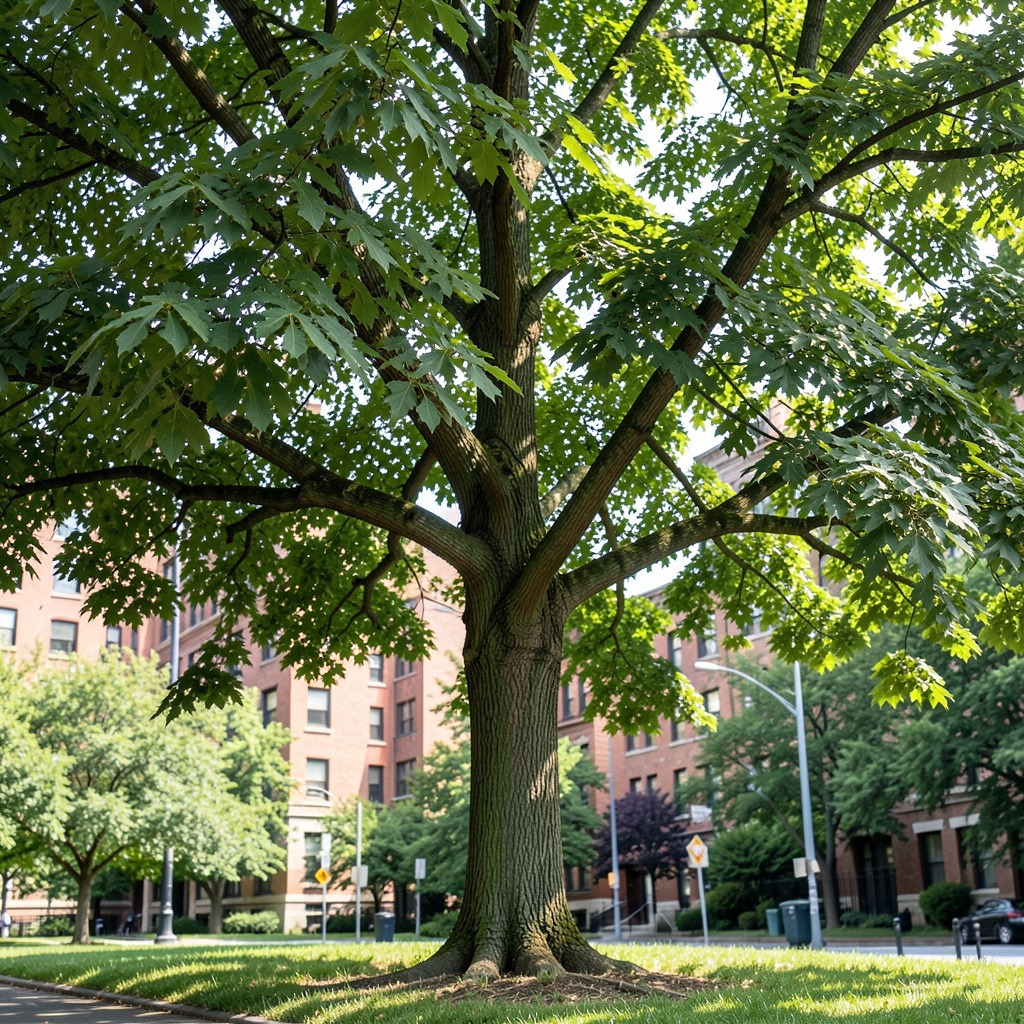
Understanding the Urbanite Ash Tree
The Urbanite Ash tree is a cultivar specifically bred for urban environments. This tree is notable for its resilience, adaptability, and significant contributions to urban landscaping.
What is the Urbanite Ash Tree?
The Urbanite Ash tree, a member of the Fraxinus genus, is designed to thrive in challenging urban conditions. This cultivar has been selected for its ability to withstand factors such as soil compaction, air pollution, and limited space. These qualities make it an ideal choice for city planners and landscapers.
Key Characteristics of Urbanite Ash
- Growth Rate: Urbanite Ash trees exhibit a fast growth rate, allowing them to provide shade and aesthetic benefits quickly.
- Adaptability: They can thrive in diverse urban conditions, making them suitable for various landscapes.
- Pest Resistance: While generally resilient, Urbanite Ash trees can be susceptible to pests like the Emerald Ash Borer. Effective pest management strategies are essential.
- Environmental Impact: These trees contribute to carbon sequestration, improving air quality and enhancing urban ecosystems.
The breeding process for the Urbanite Ash involved selecting traits critical for urban survival. This selection focused on enhancing attributes such as drought resistance, growth rate, and pest tolerance. As cities continue to expand, the Urbanite Ash tree serves as a vital component in developing sustainable urban forestry practices.
Example of Urbanite Ash Usage
In cities like Chicago, Urbanite Ash trees have been successfully integrated into public parks and streetscapes. Their rapid growth and adaptability have made them popular for enhancing urban green spaces. When selecting trees for urban planting, consider the Urbanite Ash’s characteristics to ensure suitability for specific environments.
By understanding the Urbanite Ash tree’s benefits and challenges, urban planners can make informed decisions that promote healthy, sustainable city landscapes.
Pros of Urbanite Ash Trees
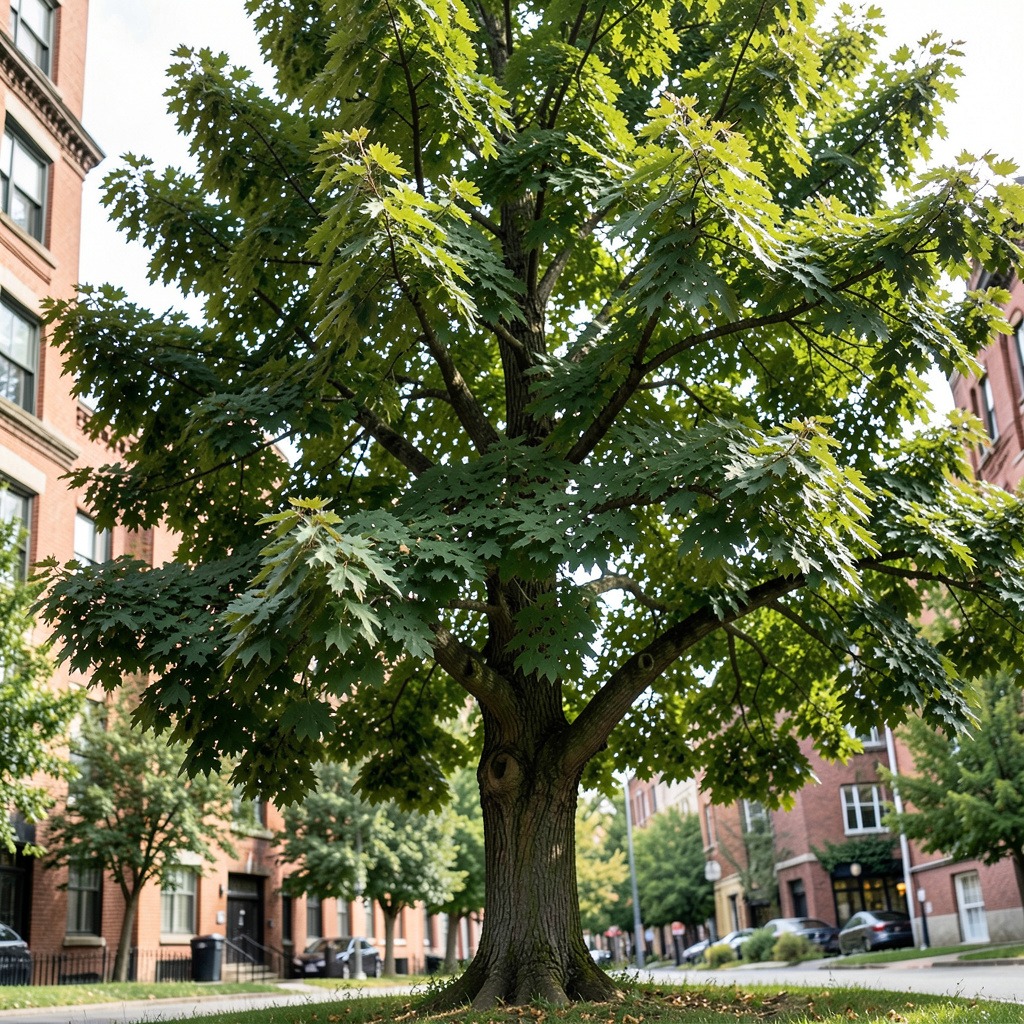
Urbanite Ash trees offer significant advantages for urban landscapes. Their fast growth, adaptability, and aesthetic appeal make them a popular choice among city planners and homeowners.
Fast Growth Rate and Shade
Urbanite Ash trees are known for their impressive growth rates. They can grow up to 2-3 feet per year under optimal conditions. This rapid growth allows them to quickly provide shade, which is crucial in urban settings where heat islands can develop. Providing shade not only enhances comfort but also contributes to energy savings by reducing the need for air conditioning.
Urban Tolerance and Aesthetic Value
These trees thrive in challenging urban environments. They can tolerate compacted soils, pollution, and drought conditions. Their upright structure and attractive foliage add beauty to streetscapes and parks. Urbanite Ash trees display stunning fall colors, enriching the visual landscape of any city.
- Key Benefits:
- Provides significant shade
- Enhances urban aesthetics
- Tolerates poor soil conditions
Low Maintenance Requirements
Urbanite Ash trees require minimal maintenance once established. They are resistant to many common pests, reducing the need for chemical treatments. Regular watering and occasional pruning are typically sufficient to keep them healthy. This low maintenance factor makes them ideal for busy urban environments where resources may be limited.
- Maintenance Checklist:
- Water during dry spells
- Prune to maintain shape
- Monitor for pests
In summary, Urbanite Ash trees are a practical and beautiful option for enhancing urban green spaces. Their growth rate, adaptability, and low maintenance needs position them as an excellent choice for city planners and homeowners alike.
Cons of Urbanite Ash Trees
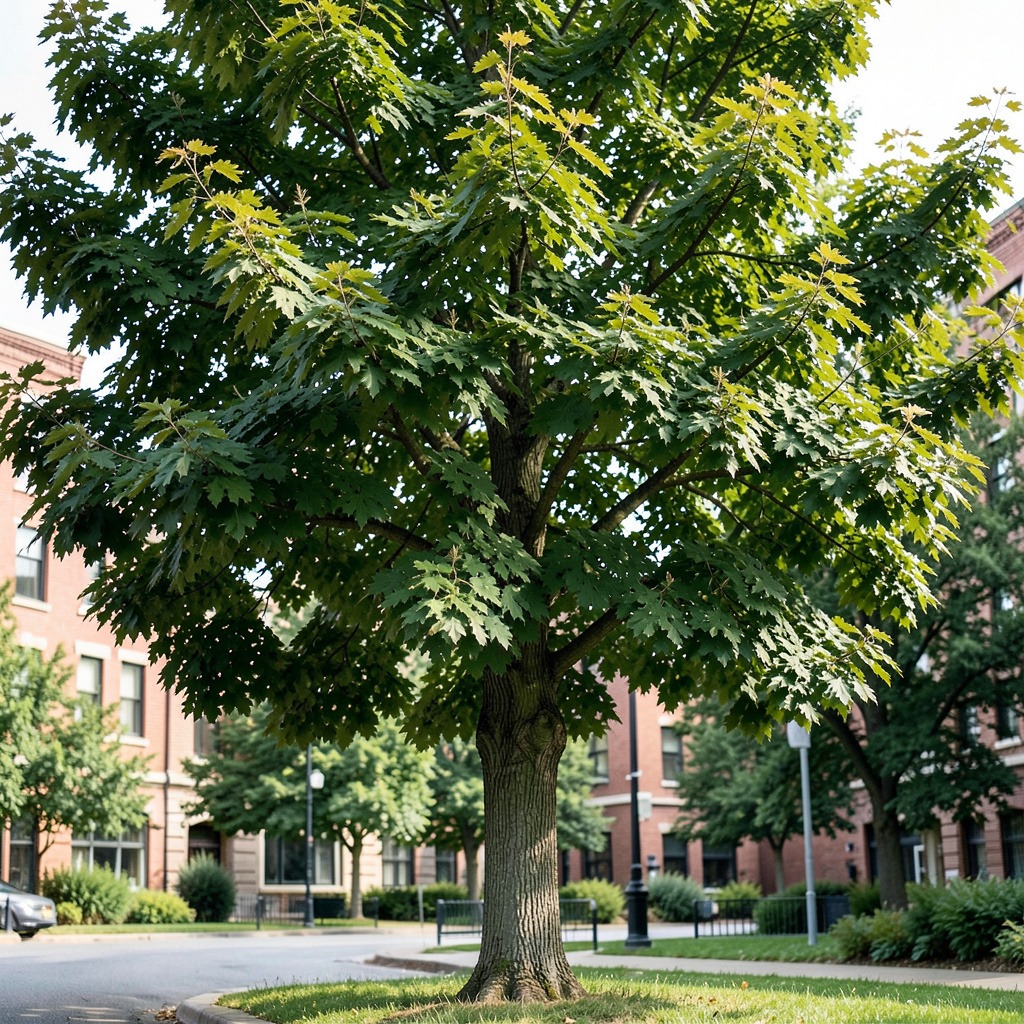
While Urbanite Ash trees offer numerous benefits, they also have notable disadvantages that urban planners and homeowners should consider. Understanding these cons is essential for informed decision-making regarding urban landscaping.
Susceptibility to Emerald Ash Borer
One of the primary concerns with Urbanite Ash trees is their vulnerability to the Emerald Ash Borer (EAB). This invasive pest has devastated ash populations across North America. Urbanite Ash trees are not immune, and infestations can lead to tree decline and death.
Preventative Measures:
- Regular monitoring for signs of EAB.
- Implementing treatment plans when EAB is detected.
- Educating surrounding communities about EAB management.
Space and Size Considerations
Urbanite Ash trees can grow quite large, requiring ample space for their expansive canopy. This can be a drawback in areas with limited planting space.
Key Considerations:
- Assess available space before planting.
- Maintain a distance from buildings and power lines.
- Consider the tree’s mature height and spread in the planting plan.
Leaf Drop and Cleanup Needs
Urbanite Ash trees experience seasonal leaf drop, which can create maintenance challenges. In the fall, homeowners and city maintenance crews may need to regularly clear fallen leaves.
Maintenance Checklist:
- Schedule regular leaf cleanup during the fall.
- Plan for potential debris removal throughout the growing season.
- Educate staff on efficient leaf management strategies.
By understanding these cons, urban planners can make more informed choices about incorporating Urbanite Ash trees into their landscapes, ensuring that they select the right tree for their specific urban conditions.
Pest Management Strategies for Urbanite Ash
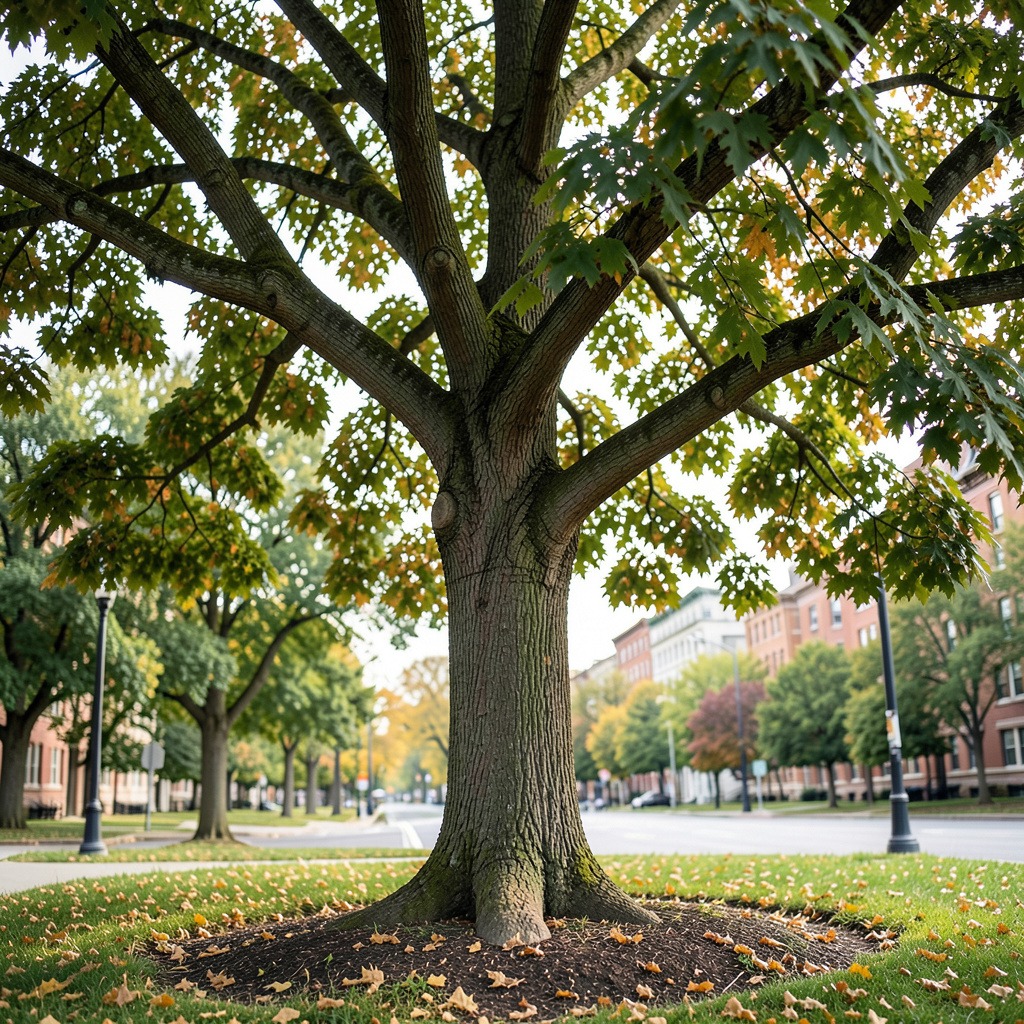
Urbanite Ash trees, while resilient, are vulnerable to pests like the Emerald Ash Borer (EAB). Effective pest management is crucial for maintaining their health in urban settings. Below are strategies for monitoring and treating this invasive pest.
Monitoring for Pests
Regular monitoring helps detect pest problems early. Implement these monitoring strategies:
- Visual Inspections: Check leaves and branches for signs of EAB, such as D-shaped exit holes and serpentine galleries under the bark.
- Trap Placement: Use EAB-specific traps placed around urban areas to capture adult beetles. This helps assess local EAB populations.
- Engage Community Involvement: Train local residents and maintenance crews to recognize signs of infestation and report them promptly.
Treatment Options for Emerald Ash Borer
If EAB is detected, prompt treatment is essential. Consider these options:
- Insecticide Application: Use systemic insecticides that are injected into the tree or applied to the soil. These can effectively target EAB larvae.
- Cultural Practices: Maintain tree health through proper watering, mulching, and pruning. Healthy trees can better withstand pest attacks.
- Biological Control: Introduce natural predators of EAB, such as parasitic wasps, to help control their population over time.
Decision-Making Framework for Pest Management
When managing pests in Urbanite Ash trees, consider the following factors:
| Factor | Action Steps |
|---|---|
| Tree Health | Assess health status before treatment. |
| Infestation Level | Determine the severity of EAB presence. |
| Location | Consider urban environment constraints. |
| Community Resources | Utilize local resources for monitoring and treatment. |
By implementing these pest management strategies, urban planners can enhance the longevity and health of Urbanite Ash trees, mitigating risks associated with pest infestations.
Care and Maintenance of Urbanite Ash Trees
Maintaining Urbanite Ash trees requires attention to watering, pruning, and soil conditions. Proper care enhances their resilience and longevity, making them a valuable addition to urban landscapes.
Watering and Soil Needs
Urbanite Ash trees thrive in well-drained, loamy soil. Regular watering is crucial, especially during their establishment phase. Here are key practices:
- Establishment Phase: Water deeply once a week for the first year.
- Mature Trees: Water during prolonged dry spells, ensuring the soil remains moist but not waterlogged.
- Soil Quality: Conduct a soil test to determine pH and nutrient levels. Amend as needed to optimize growth.
Pruning Techniques
Pruning Urbanite Ash trees promotes healthy growth and enhances their structure. Follow these guidelines:
- Timing: Prune in late winter or early spring before new growth begins.
- Technique: Remove dead or crossing branches. Maintain a central leader to ensure an upright form.
- Frequency: Regularly inspect and prune every 1-3 years to manage size and shape.
Seasonal Care Tips
Adhering to seasonal care tips ensures optimal health for Urbanite Ash trees. Use this checklist:
- Spring: Fertilize with a balanced fertilizer; check for pests.
- Summer: Monitor soil moisture; prune if necessary.
- Fall: Rake leaves to prevent fungal diseases; mulch to retain soil moisture.
- Winter: Protect young trees with burlap wraps against extreme cold.
By following these care practices, urban homeowners can ensure the health and longevity of their Urbanite Ash trees, maximizing their benefits in urban settings.
Comparing Urbanite Ash with Other Urban Trees
When considering the best trees for urban planting, it’s crucial to evaluate their growth rates, pest resistance, and aesthetic values. Urbanite Ash trees stand out, but how do they compare to other popular urban species?
Growth Rates Compared
Urbanite Ash trees exhibit rapid growth, typically reaching heights of 40 to 50 feet within a few years. In comparison:
| Tree Species | Average Growth Rate |
|---|---|
| Urbanite Ash | Fast (up to 2 feet/year) |
| Red Maple | Moderate (1-2 feet/year) |
| Honeylocust | Fast (up to 3 feet/year) |
| London Plane Tree | Moderate (1-2 feet/year) |
This swift growth allows Urbanite Ash to provide shade sooner than many alternatives, making it an attractive choice for urban landscapes.
Pest Resistance Compared
Urbanite Ash trees are moderately resistant to pests, yet they are vulnerable to the Emerald Ash Borer. Here’s how they stack up against other trees:
| Tree Species | Pest Resistance |
|---|---|
| Urbanite Ash | Moderate (EAB threat) |
| Red Maple | High |
| Honeylocust | High |
| London Plane Tree | Moderate |
While Urbanite Ash can thrive in urban environments, its susceptibility to specific pests requires careful management and monitoring.
Aesthetic Values Compared
Aesthetics play a critical role in urban tree selection. Urbanite Ash features a dense canopy and attractive foliage. Here’s a comparison:
| Tree Species | Aesthetic Features |
|---|---|
| Urbanite Ash | Dense canopy, vibrant foliage |
| Red Maple | Striking fall color |
| Honeylocust | Fern-like leaves, dappled sunlight |
| London Plane Tree | Broad leaves, unique bark texture |
Urbanite Ash contributes significantly to the visual appeal of urban settings, but alternatives like Red Maple may offer more seasonal color variation.
Decision-Making Framework
When selecting a tree species for urban planting, consider the following factors:
- Growth Rate: Choose faster-growing species if immediate shade is a priority.
- Pest Resistance: Opt for trees with higher resistance if pest management is a concern.
- Aesthetic Appeal: Evaluate seasonal color changes and overall appearance.
This framework helps ensure that the chosen tree meets both functional and aesthetic needs in urban environments.
Conclusion: Is Urbanite Ash Right for Your Landscape?
Urbanite Ash trees offer a compelling option for urban settings, balancing aesthetic appeal with practical benefits. However, potential planters should weigh their advantages against possible drawbacks.
Key Pros of Urbanite Ash Trees
- Adaptability: Urbanite Ash thrives in poor soils, tolerates air pollution, and withstands road salt. This makes it ideal for city environments.
- Rapid Growth: It establishes quickly, providing shade sooner than many traditional tree species.
- Visual Appeal: With their upright structure and attractive foliage, Urbanite Ash trees enhance urban landscapes.
Notable Cons of Urbanite Ash Trees
- Pest Vulnerability: They are susceptible to pests like the Emerald Ash Borer. Regular monitoring and preventive treatments are essential in affected areas.
- Limited Seasonal Color: Compared to other species, Urbanite Ash may not offer significant seasonal color changes, which might be a consideration for aesthetic-focused landscapes.
Decision-Making Framework
When evaluating whether to plant Urbanite Ash, consider these factors:
- Urban Conditions: Assess soil quality, pollution levels, and space availability.
- Pest Management: Determine if you can implement regular pest monitoring and treatments.
- Long-Term Goals: Align tree choice with your aesthetic and functional landscape objectives.
By examining these elements, you can make an informed decision about whether Urbanite Ash is the right fit for your urban landscape.
Frequently Asked Questions
These quick answers cover the most common questions about this topic, including key details, practical tips, and common concerns.
What are the disadvantages of an Urbanite Ash tree?
Urbanite Ash trees have several disadvantages. They are particularly susceptible to the Emerald Ash Borer (EAB), an invasive pest that can cause significant damage or even death to the tree. Regular monitoring and pest management strategies are essential to mitigate this risk. Additionally, these trees require ample space for their large canopy, which may not be suitable for smaller urban yards.
Are Urbanite Ash trees good for urban yards?
Yes, Urbanite Ash trees can be an excellent choice for urban yards due to their fast growth and adaptability to challenging conditions. They provide significant shade and aesthetic appeal, making them popular among city planners and homeowners. However, it’s crucial to consider their susceptibility to pests and the space they need to thrive.
Does an Urbanite Ash tree have invasive roots?
Urbanite Ash trees generally do not have invasive root systems compared to some other tree species. However, their roots can spread widely, and they may compete with nearby plants for nutrients and water. It’s important to plant them at a suitable distance from foundations, sidewalks, and other structures to avoid potential issues.
When is the best time to plant Urbanite Ash trees?
The best time to plant Urbanite Ash trees is in the spring or fall when temperatures are moderate. This timing allows the trees to establish their root systems before facing the stress of summer heat or winter cold. Planting during these seasons can enhance their growth and overall health.
What are common problems with Urbanite Ash trees?
Common problems with Urbanite Ash trees include vulnerability to the Emerald Ash Borer and leaf drop during the fall. Additionally, they may face challenges related to soil quality and water availability, especially in urban settings. Regular maintenance, such as monitoring for pests and ensuring proper watering, can help address these issues.
How does Urbanite Ash compare to other urban tree species?
Urbanite Ash trees are known for their fast growth and adaptability, making them a strong contender among urban tree species. Compared to Red Maples and Honeylocusts, they may offer quicker shade but face more pest challenges. Evaluating growth rates, pest resistance, and aesthetic values can help determine the best tree for specific urban conditions.
What are alternatives to Urbanite Ash trees for urban planting?
If you’re considering alternatives to Urbanite Ash trees, options like Red Maple, Honeylocust, and London Plane trees are worth exploring. These species also provide shade and aesthetic benefits while varying in growth rates and pest resistance. Assessing your specific urban conditions and landscape goals can guide your choice of tree species.