
Balsam fir trees are an excellent choice for sustainable lumber due to their fast growth rate, resilience, and ability to thrive in diverse environments. Their wood is lightweight, strong, and easily workable, making it suitable for various applications while promoting eco-friendly forestry practices.
Sustainable lumber sourcing has become increasingly important as we face environmental challenges. The demand for eco-friendly materials has led to a greater interest in tree species that can provide quality wood without depleting natural resources. Balsam fir (Abies balsamea) stands out in this context. Native to North America, particularly in Canada and the northeastern United States, these trees are not only valued for their beauty and fragrance but also for their potential in sustainable forestry.
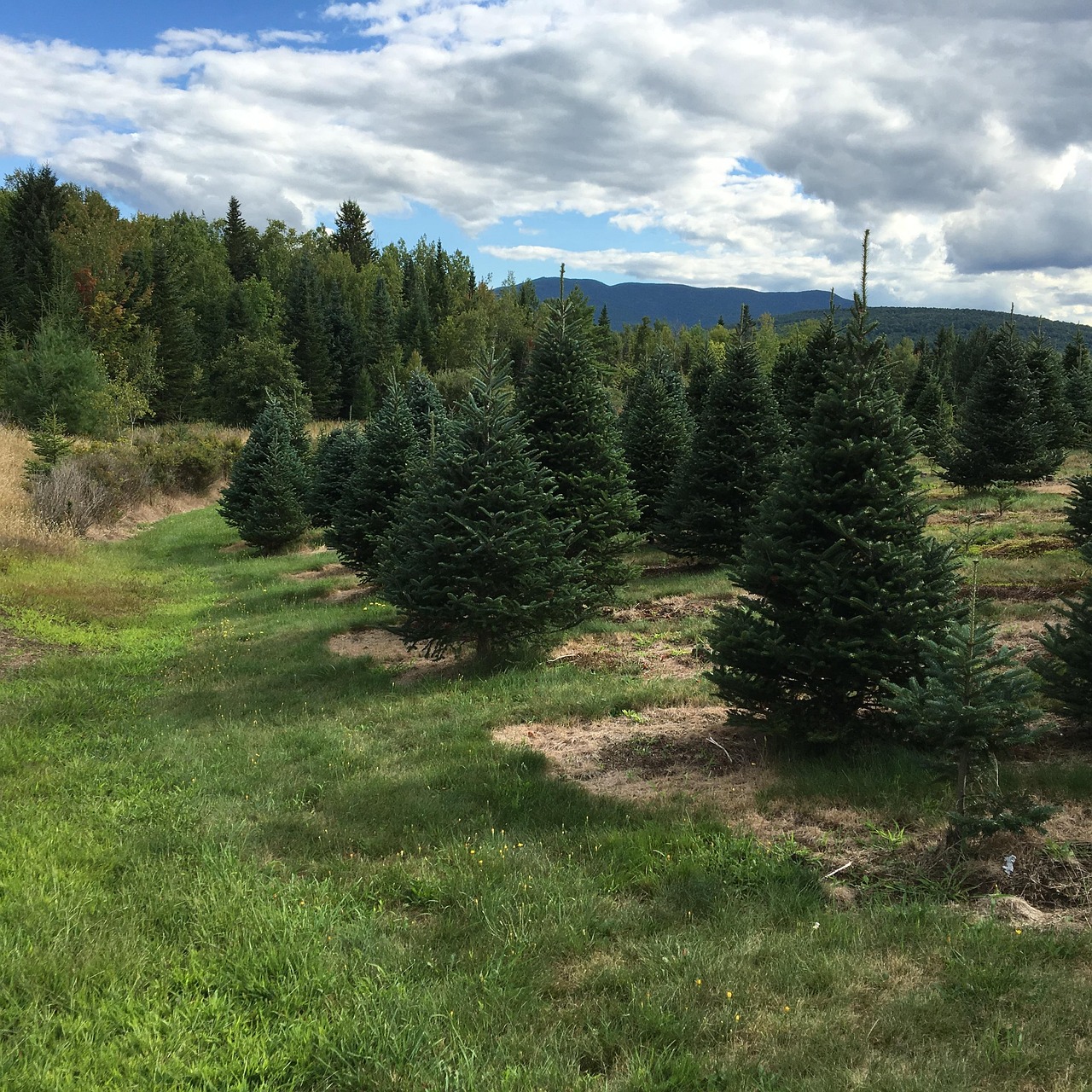
Balsam fir trees are known for their rapid growth, which enables them to regenerate quickly after harvesting. This characteristic makes them a renewable resource that can be managed responsibly. The wood produced by these trees is lightweight yet durable, making it suitable for a wide range of applications, including construction, furniture making, and crafting.
Characteristics of Balsam Fir Trees
Understanding the characteristics of balsam fir trees helps illustrate why they are an excellent choice for sustainable lumber. Below are some key characteristics:
- Growth Rate: Balsam fir trees can grow up to 30 to 50 feet tall within a relatively short period, making them a renewable source of lumber.
- Wood Quality: The wood is smooth, straight-grained, and easy to work with. It is often used for furniture, cabinetry, and musical instruments.
- Ecological Benefits: These trees provide habitat for various wildlife species and contribute to overall forest health.
- Resilience: Balsam firs are resistant to many pests and diseases, reducing the need for chemical treatments in forestry.
In addition to their physical characteristics, balsam fir trees play a significant role in the ecosystem. They provide shelter and food for many animals, including birds and small mammals. Their needles remain green throughout the winter, offering a visual appeal and supporting wildlife during the colder months.

Sustainable Forestry Practices
To maximize the benefits of balsam fir trees in lumber production, it is essential to adopt sustainable forestry practices. These practices ensure that tree harvesting does not compromise the health of forests or the surrounding ecosystem. Some key sustainable practices include:
- Selective Logging: Instead of clear-cutting, selective logging allows some trees to remain standing, preserving the forest’s structure and biodiversity.
- Replanting: After harvesting, planting new saplings helps maintain forest cover and ensures that future generations have access to timber resources.
- Monitoring Growth: Regular monitoring of tree growth and health can inform management decisions, ensuring that the forest remains productive over time.
- Community Involvement: Engaging local communities in forestry practices promotes stewardship and supports sustainable economic development.
By employing these sustainable practices, the timber industry can reduce its environmental impact while still meeting the demand for quality lumber products. Balsam fir trees are ideally suited for this approach due to their resilience and growth rate.
The Role of Balsam Fir in the Economy
The economic impact of using balsam fir trees for lumber extends beyond individual businesses. Sustainable forestry practices foster job creation in rural areas where these trees are commonly found. The demand for balsam fir lumber contributes to local economies through both direct employment in forestry and related industries and indirect benefits from tourism and recreation.
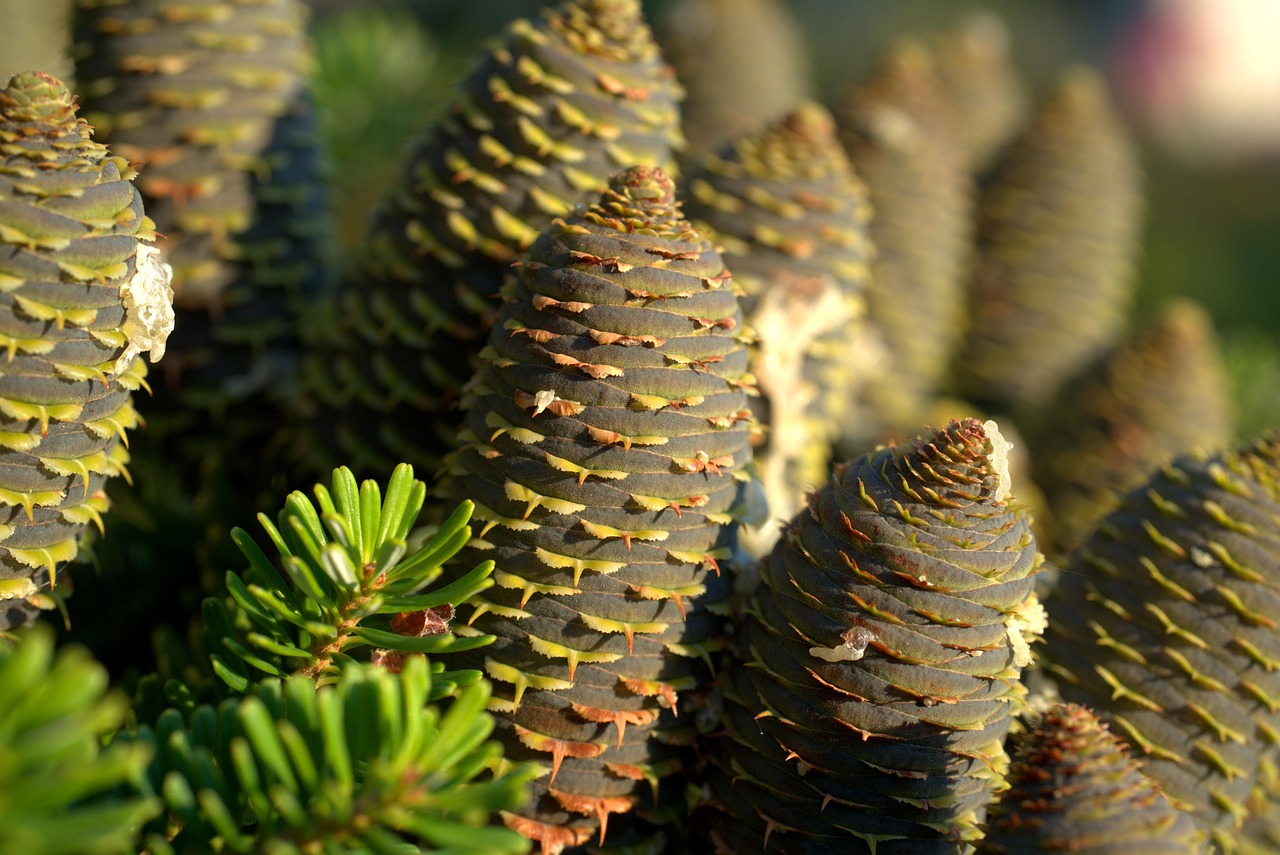
A typical balsam fir lumber operation can involve several stages, from planting and growing to harvesting and processing. Each stage creates opportunities for skilled labor and investment in local communities. The table below outlines some economic aspects associated with balsam fir lumber production:
| Aspect | Description |
|---|---|
| Job Creation | Sustainable forestry practices create jobs in planting, maintenance, harvesting, and processing. |
| Local Economic Impact | Lumber production supports local businesses such as sawmills and retail outlets. |
| Tourism Opportunities | Healthy forests attract tourists for activities like hiking, birdwatching, and photography. |
| Market Demand | The growing interest in eco-friendly products increases market demand for balsam fir lumber. |
The combination of ecological benefits and economic opportunities makes balsam fir trees a valuable asset in the pursuit of sustainable lumber solutions. As awareness of environmental issues continues to grow, the role of these trees in eco-friendly practices will undoubtedly become even more significant.
Applications of Balsam Fir Lumber
Balsam fir lumber is widely recognized for its versatility and quality. Its unique properties make it suitable for various applications across different industries. Understanding these applications can further highlight the importance of sustainable harvesting practices. Below are some of the primary uses of balsam fir lumber:

- Construction: Balsam fir is commonly used in residential and commercial building projects. Its strength and lightweight nature make it an ideal material for framing, roofing, and sheathing.
- Furniture Making: The smooth texture and attractive grain of balsam fir wood are highly desirable for crafting furniture. It can be easily stained or painted, making it suitable for various design styles.
- Musical Instruments: Due to its excellent acoustic properties, balsam fir is often used in making musical instruments such as violins and pianos. The wood helps produce a rich sound quality.
- Crafting and Millwork: Carpenters and artisans appreciate balsam fir for its workability. It is frequently used in cabinetry, moldings, and decorative items.
- Packaging Materials: Balsam fir is sometimes used in the production of crates and pallets due to its strength and durability.
Benefits of Using Balsam Fir Lumber
The benefits of utilizing balsam fir lumber extend beyond its physical characteristics. Choosing this sustainable material provides numerous advantages for builders, manufacturers, and consumers alike. Some key benefits include:
- Environmental Sustainability: Responsible harvesting practices ensure that balsam fir trees can regenerate, reducing deforestation and promoting biodiversity.
- Carbon Sequestration: Like all trees, balsam firs absorb carbon dioxide from the atmosphere, helping to mitigate climate change impacts.
- Local Economy Support: Sourcing balsam fir lumber from local forests encourages economic growth in rural communities through job creation and local business support.
- Health Benefits: Balsam fir has natural antimicrobial properties, making it a safer choice for indoor applications compared to some treated woods.
- Aesthetic Appeal: The attractive appearance of balsam fir wood enhances the aesthetic value of products and spaces where it is used.
Cultivation and Harvesting Techniques
The successful cultivation and harvesting of balsam fir trees require careful planning and management. Sustainable forestry practices ensure that trees are harvested in a way that promotes long-term forest health. Here are some techniques employed in the cultivation and harvesting of balsam fir:
Site Selection and Preparation
Choosing the right location for planting balsam fir is crucial. These trees thrive in well-drained soils with adequate moisture. Proper site preparation includes:
- Clearing competing vegetation to reduce competition for nutrients.
- Tilling the soil to improve aeration and water infiltration.
- Testing soil pH and nutrient levels to ensure optimal growth conditions.
Planting Practices
When planting balsam fir seedlings, certain best practices can enhance survival rates and growth potential:
- Spacing: Proper spacing between trees allows for sufficient light and air circulation, reducing disease risk.
- Watering: Regular watering during dry spells helps young trees establish their root systems.
- Pest Management: Monitoring for pests and diseases enables quick intervention when necessary, protecting young trees from damage.
Harvesting Methods
Sustainable harvesting methods are vital to maintaining forest health while allowing for timber production. Common practices include:
- Selective Cutting: This method involves removing only certain trees while leaving others standing to maintain the ecosystem’s balance.
- Thinning: Thinning encourages the growth of remaining trees by reducing competition for resources.
- Clear-Cutting with Caution: In some cases, clear-cutting may be appropriate, but it should be followed by immediate replanting to ensure forest regeneration.
The Future of Balsam Fir Lumber
The future of balsam fir lumber looks promising due to increasing consumer awareness of sustainable practices and eco-friendly materials. As more people seek environmentally responsible options, the demand for sustainably sourced balsam fir lumber is likely to rise. Innovations in wood processing technology may also enhance the quality and durability of balsam fir products, making them even more appealing to consumers.
Research into the best practices for cultivation, pest management, and sustainable forestry will continue to support the growth of this sector. As we move forward, the collaboration between foresters, local communities, and consumers will play a crucial role in ensuring that balsam fir remains a cornerstone of sustainable lumber production.
Challenges in Sustainable Balsam Fir Lumber Production
While the potential for balsam fir lumber is significant, there are also challenges that must be addressed to ensure sustainable production. Understanding these challenges is crucial for developing effective strategies to overcome them. Below are some key obstacles faced in the sustainable management of balsam fir trees:
Climate Change Impacts
Climate change poses a significant threat to forests globally, including those containing balsam fir trees. Some of the impacts include:
- Temperature Changes: Increased temperatures can alter the growth patterns of balsam fir, potentially reducing their overall health and productivity.
- Altered Precipitation Patterns: Changes in rainfall can lead to drought conditions or excessive moisture, both of which negatively affect tree growth.
- Pest and Disease Proliferation: Warmer temperatures can expand the range of pests and diseases that attack balsam fir, increasing the need for pest management.
Forest Management Practices
Effective forest management is essential for sustainable balsam fir lumber production. However, several challenges exist in this area:
- Resource Limitations: Many forest management programs face budget constraints, limiting their ability to implement best practices.
- Lack of Knowledge: Some landowners may not be aware of sustainable forestry practices or lack access to education on proper management techniques.
- Balancing Economic and Ecological Goals: Striking a balance between profitability and maintaining forest health can be difficult for businesses relying on timber production.
Benefits of Certification Programs
Certification programs play a critical role in promoting sustainable forestry practices. These programs provide guidelines and standards that help ensure responsible management of forest resources. Some of the notable certification programs include:
Forest Stewardship Council (FSC)
The Forest Stewardship Council is an internationally recognized organization that promotes responsible forest management. Key benefits of FSC certification include:
- Environmental Protection: FSC-certified forests adhere to strict environmental standards that help protect biodiversity and ecosystem health.
- Market Access: Many consumers prefer certified products, which can enhance marketability and demand for sustainably sourced balsam fir lumber.
- Social Responsibility: The FSC ensures that local communities are involved in decision-making processes regarding forest management.
Sustainable Forestry Initiative (SFI)
SFI is another prominent certification program focused on promoting sustainable forestry practices in North America. Its benefits include:
- Education and Outreach: SFI emphasizes education for landowners and forestry professionals to improve sustainable practices.
- Monitoring and Reporting: SFI requires regular assessments to ensure compliance with sustainable practices, fostering accountability.
- Community Engagement: SFI encourages involvement from local communities in forestry decisions, promoting social equity.
The Role of Technology in Sustainable Lumber Production
Advancements in technology are transforming the way lumber is produced and managed, offering new solutions to enhance sustainability. Some significant technological innovations include:
Precision Forestry
This approach utilizes data analytics and mapping technologies to optimize forest management. Benefits include:
- Improved Resource Allocation: Precision forestry allows for targeted interventions based on tree health data, ensuring resources are used wisely.
- Enhanced Growth Monitoring: Smart technology can track the growth rates of balsam fir trees, aiding in planning harvesting schedules.
- Pest Detection: Early detection systems can identify pest infestations before they spread, minimizing damage to forests.
Sustainable Logging Equipment
The development of eco-friendly logging equipment has made it easier to harvest trees with minimal impact on surrounding ecosystems. Key features include:
- Reduced Soil Compaction: Modern machinery is designed to minimize soil disturbance during logging operations.
- Selective Cutting Capabilities: New equipment allows for more precise cutting, helping to preserve the structure of the forest and surrounding trees.
- Fuel Efficiency: Advances in engine technology have led to more fuel-efficient machinery, reducing the carbon footprint of logging operations.
Consumer Awareness and Education
The demand for sustainably sourced products relies heavily on consumer awareness and education. As consumers become more informed about the environmental impact of their choices, they increasingly seek out eco-friendly options. Strategies for raising awareness include:
- Public Campaigns: Initiatives that promote the benefits of sustainable lumber can help educate consumers about their choices.
- Transparency in Supply Chains: Companies that provide information about their sourcing practices can build trust with consumers seeking responsible products.
- Community Workshops: Hosting educational events can engage local communities in discussions about the importance of sustainable forestry practices.
Future Innovations in Sustainable Lumber Practices
As the demand for sustainable lumber continues to grow, innovation in practices and technologies will play a pivotal role in shaping the future of balsam fir lumber production. Several areas are poised for significant advancements:
Biotechnology in Forestry
Biotechnology has the potential to enhance the growth and resilience of balsam fir trees. Research in this area could lead to:
- Genetic Improvements: Modifying genetic traits can create trees that are more resistant to diseases and pests, reducing the need for chemical treatments.
- Faster Growth Rates: Enhanced growth characteristics may allow for quicker harvesting cycles, making sustainable forestry practices more economically viable.
- Climate Resilience: Developing tree varieties that can withstand changing climatic conditions will be crucial in maintaining healthy forests.
Advanced Wood Processing Technologies
Innovations in wood processing are also expected to improve the quality and utility of balsam fir lumber. Some promising developments include:
- Cross-Laminated Timber (CLT): This engineered wood product uses layers of wood glued together, providing excellent structural strength while utilizing smaller trees effectively.
- Wood Preservation Techniques: Eco-friendly preservation methods can extend the life of lumber products without harmful chemicals.
- Recycling and Upcycling: Technologies that facilitate the recycling of wood waste into new products can further reduce reliance on virgin timber.
Data-Driven Decision Making
The application of big data and analytics in forestry management is set to revolutionize how balsam fir is cultivated and harvested. Potential benefits include:
- Predictive Analytics: Analyzing growth patterns and environmental factors can help forecast yields and optimize harvesting schedules.
- Resource Optimization: Data analysis can lead to better resource allocation, improving efficiency in forestry operations.
- Enhanced Monitoring: Drones and satellite imagery can provide real-time data on forest health and growth, allowing for timely interventions.
Final Thoughts
The journey towards sustainable lumber production using balsam fir trees is complex but filled with promise. By leveraging the unique characteristics of balsam fir along with effective management practices, we can create a sustainable future for both the environment and local economies. The combination of consumer awareness, technological advancements, and responsible forestry practices stands to not only benefit our forests but also support communities reliant on these vital resources.
As we move forward, it is essential to continue advocating for sustainable practices and educate consumers about their choices. By making informed decisions, we can all contribute to preserving our forests for generations to come. The future of balsam fir lumber is not just about meeting market demands; it is about fostering a deeper connection with the environment and ensuring that our natural resources thrive sustainably.
The collaboration between foresters, researchers, businesses, and consumers will be critical in driving the sustainable lumber industry forward. Together, we can achieve a balance that honors both economic interests and ecological integrity.