
The Ussurian pear tree (Pyrus ussuriensis) offers cold hardiness, ornamental beauty, and low disease susceptibility, but its fruit is often considered inedible and takes years to mature.
Table of Contents
The Ussurian pear tree, known scientifically as Pyrus ussuriensis, is celebrated for its resilience in cold climates and unique ornamental qualities. However, prospective growers must weigh its benefits against drawbacks, particularly regarding fruit quality and tree maintenance.
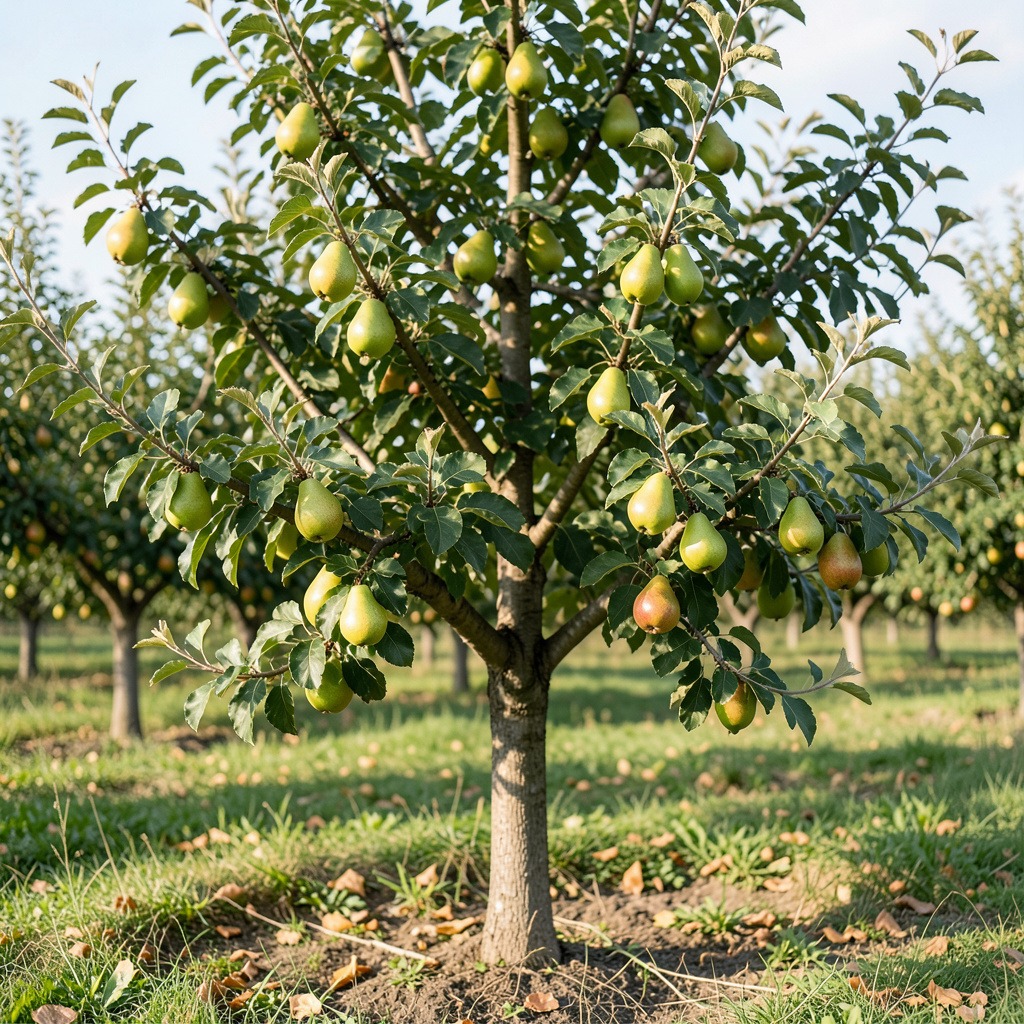
Understanding the Ussurian Pear Tree
The Ussurian pear tree, scientifically known as Pyrus ussuriensis, is a remarkable species renowned for its hardiness and ornamental qualities. This tree is a valuable addition to cold-climate gardens, offering both beauty and functionality.
What is the Ussurian Pear Tree?
The Ussurian pear tree is part of the Rosaceae family and is commonly referred to as the Harbin pear or Manchurian pear. It typically reaches heights of up to 15 meters (49 feet) and thrives in well-drained loamy soils. The tree is distinguished by its floral display in spring, with pink buds that bloom into white flowers.
Historical Significance and Uses
The Ussurian pear has significant historical and ecological importance. Indigenous to regions of Korea, Japan, and the Ussuri River in eastern Russia, it has adapted to harsh climates, making it a symbol of resilience in horticulture. Historically, its fruits, while initially not palatable, become sweeter after a freeze, showcasing its adaptive traits.
Key Attributes:
- Hardiness: Tolerates cold temperatures, making it suitable for northern gardens.
- Ornamental Value: Produces attractive flowers and vibrant autumn foliage.
- Ecological Role: Serves as a food source for wildlife, including birds and small mammals.
Cultivation and Care
When cultivating the Ussurian pear, gardeners should consider the following aspects:
- Soil Requirements: Prefers well-drained loamy soils.
- Watering Needs: Regular watering during dry spells, especially in the establishment phase.
- Pruning: Necessary for maintaining shape and health; best performed in late winter or early spring.
Decision Framework for Growers:
1. Climate: Ensure your climate aligns with the Ussurian pear’s hardiness zone.
2. Purpose: Determine if you want it primarily for ornamental use, fruit production, or wildlife support.
3. Space: Evaluate available space, as mature trees can be quite large.
By understanding these characteristics and care needs, gardeners can effectively integrate the Ussurian pear into their landscapes, maximizing both its aesthetic and functional benefits.
Pros of Growing Ussurian Pear Trees
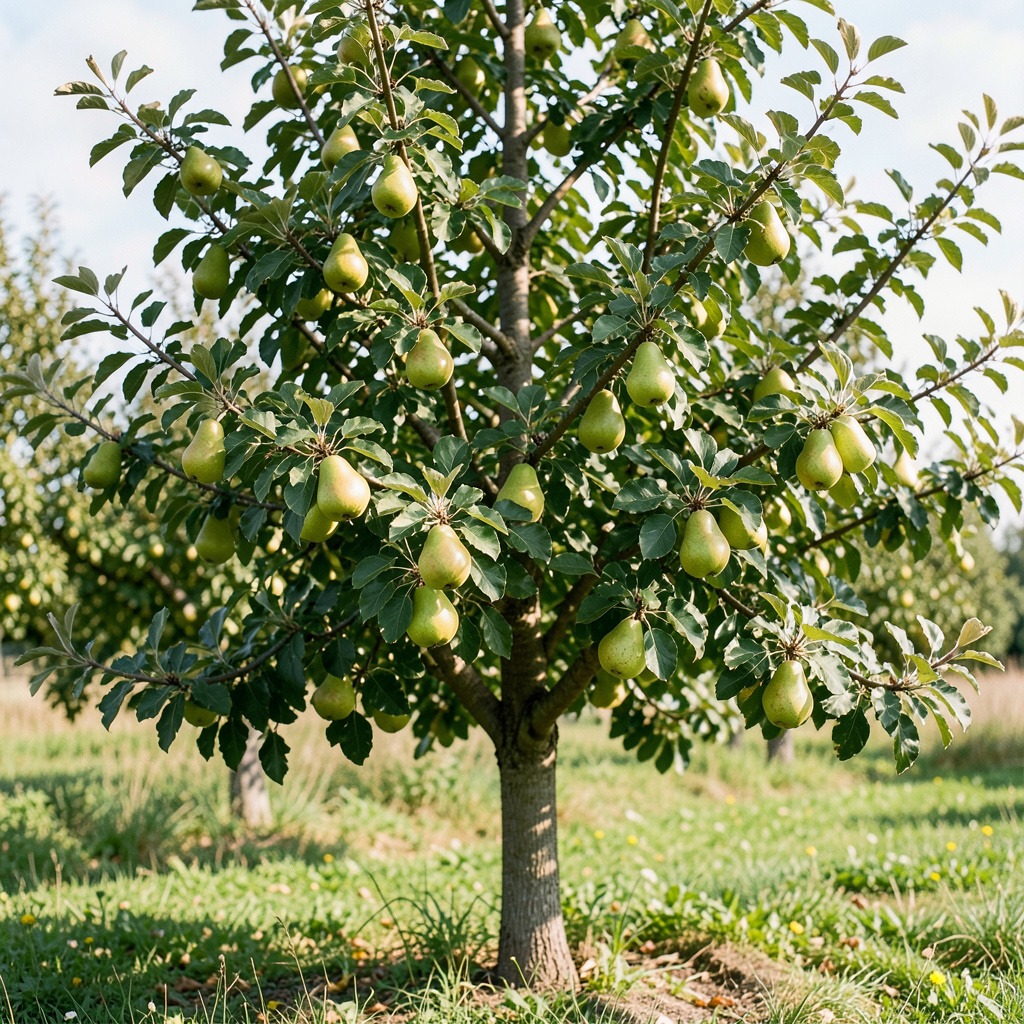
Ussurian pear trees offer numerous advantages for gardeners. Their exceptional hardiness, ornamental appeal, and low disease susceptibility make them a valuable addition to many landscapes.
Exceptional Cold Hardiness
Ussurian pear trees (Pyrus ussuriensis) thrive in cold climates, making them one of the hardiest pear species available. They can withstand temperatures as low as -40°F (-40°C), which is a significant advantage for gardeners in USDA hardiness zones 3B to 6. This resilience allows gardeners in colder regions to enjoy a fruit-bearing tree that others might not be able to grow successfully.
Comparison:
- Ussurian Pear: Hardy to -40°F (-40°C)
- European Pear (Pyrus communis): Hardy to about -20°F (-29°C)
- Asian Pear (Pyrus pyrifolia): Hardy to -10°F (-23°C)
This hardiness opens opportunities for gardeners to cultivate pears in areas previously deemed unsuitable for fruit trees.
Attractive Foliage and Flowers
The Ussurian pear tree boasts stunning ornamental qualities. In spring, it produces delicate white flowers that emerge from pink buds. The dark green leaves transition to vibrant reds and golds in autumn, creating a striking visual display throughout the seasons.
Landscape Benefits:
- Provides year-round interest with flowers in spring and colorful foliage in fall.
- Serves as an excellent focal point in gardens and landscapes.
Low Disease Susceptibility
Ussurian pear trees are notably resistant to various diseases. Their low susceptibility to fire blight and other common pear diseases reduces the need for chemical treatments, promoting a healthier garden ecosystem. Gardeners can enjoy the aesthetic and functional benefits of this tree without the constant worry of disease management.
Disease Resistance Overview:
- Fire Blight: Least susceptible among pear varieties.
- Other Diseases: Robust against common pests like aphids and mites.
By incorporating Ussurian pears into your garden, you benefit from a low-maintenance tree that delivers beauty, resilience, and productivity.
Cons of Growing Ussurian Pear Trees
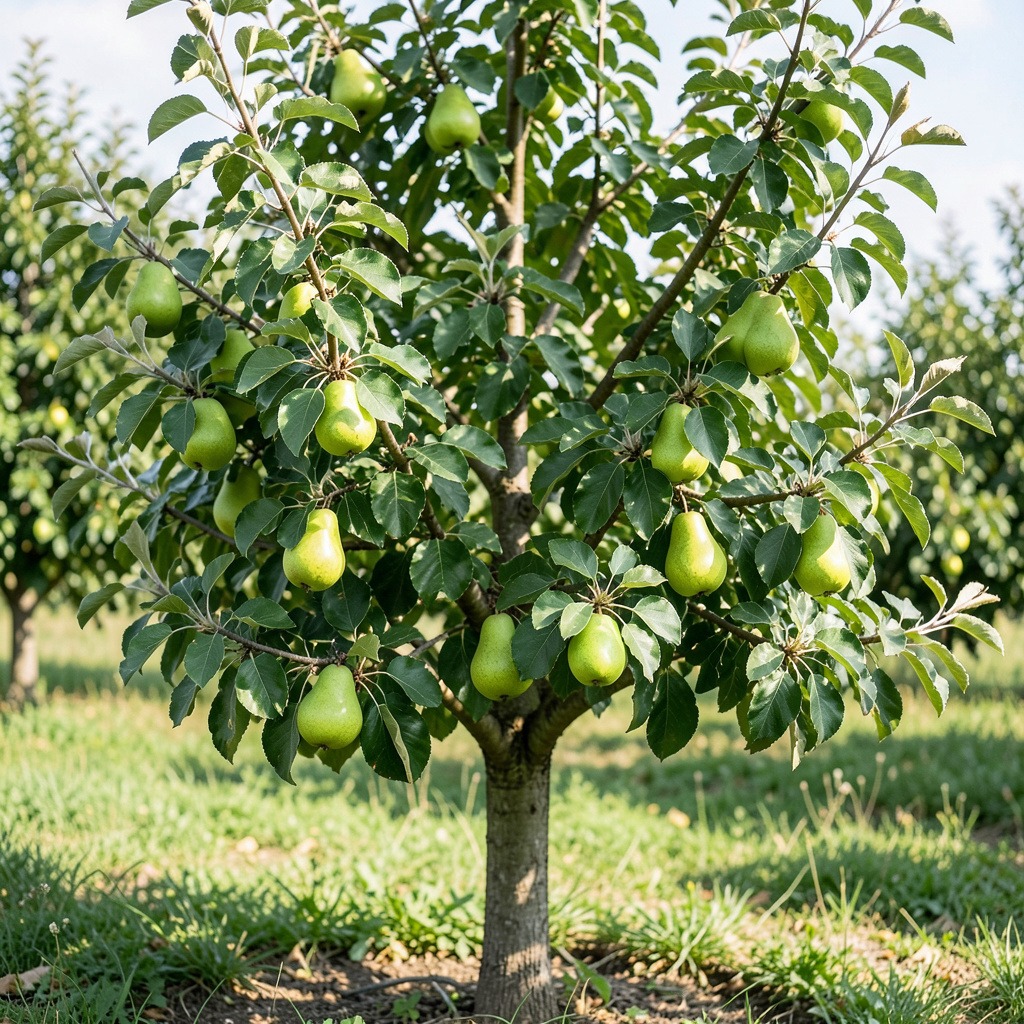
While the Ussurian pear tree offers many benefits, it also presents several challenges for gardeners. Understanding these cons can help you make an informed decision about whether to incorporate this species into your landscape.
Inedible Fruit Quality
The fruit of the Ussurian pear is not typically palatable for fresh consumption. Initially, the fruit has a bitter taste and is often described as inedible. However, the flavor improves after a freeze, making it more suitable for certain culinary uses. Still, its limited appeal for fresh eating can deter those seeking a versatile fruit tree.
Long Maturity Period
Ussurian pear trees have a relatively long maturity period. They usually begin bearing fruit 3 to 7 years after planting, depending on the variety and growing conditions. This delay can be a drawback for gardeners eager for quick yields. It requires patience and long-term commitment to see returns from your investment.
Potential Pest Issues
Despite their hardiness, Ussurian pear trees can face pest challenges. Common pests include aphids and mites, which can affect tree health and fruit quality. Integrated pest management strategies are essential to mitigate these issues. Here’s a checklist for managing pests effectively:
- Choose disease-resistant varieties.
- Maintain plant vigor through proper nutrition.
- Remove fallen fruits promptly to disrupt pest cycles.
- Use physical barriers, such as netting, to protect the fruit.
For example, a gardener in a temperate climate reported that their Ussurian pear tree was infested with aphids during early spring. They managed to control the problem by introducing beneficial insects, such as ladybugs, to the garden, which significantly reduced aphid populations without chemical intervention. This scenario highlights the importance of proactive pest management in ensuring the health of your Ussurian pear tree.
Cultivation and Care Tips for Ussurian Pear Trees
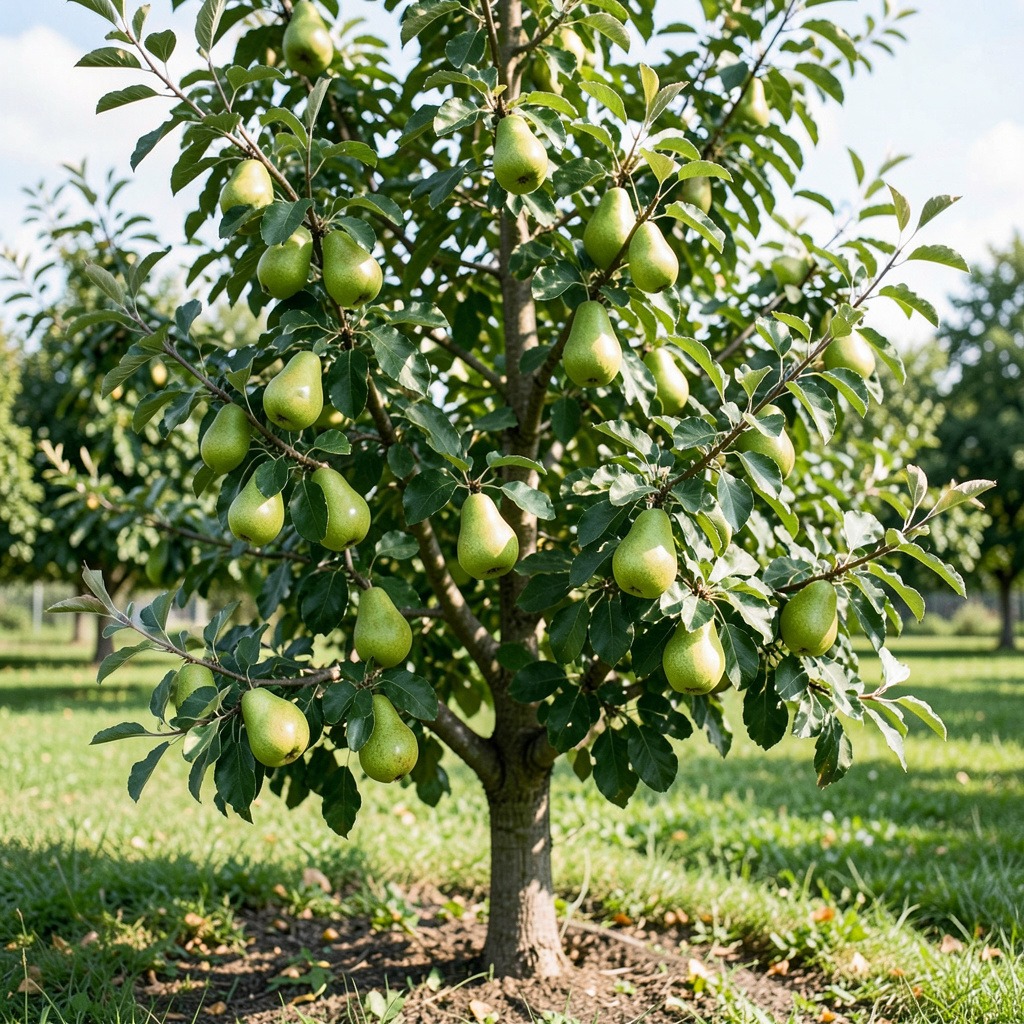
Growing Ussurian pear trees (Pyrus ussuriensis) requires understanding their specific cultivation needs. By following tailored guidelines, gardeners can ensure healthy growth, vibrant blooms, and quality fruit production.
Soil and Water Requirements
Ussurian pear trees thrive in well-draining, loamy soil rich in organic matter. Here are some essential soil and watering guidelines:
- Soil pH: Aim for a pH of 6.0 to 7.0. This range supports optimal nutrient uptake.
- Watering Frequency: Water deeply once a week during the growing season, providing 1 to 2 inches of water.
- Soil Moisture: Allow the top inch of soil to dry out between waterings. In fall and winter, reduce watering to when the soil feels dry to the touch.
Light and Temperature Needs
Ussurian pear trees require ample sunlight and specific temperature ranges for optimal growth.
- Sunlight: Ensure the tree receives at least 6 to 8 hours of direct sunlight daily. This promotes healthy flowering and fruiting.
- Temperature: They are hardy but can be vulnerable to late frosts. Plant in areas where late spring frosts are less likely to occur.
Fertilization and Pruning Guidelines
Proper fertilization and pruning are crucial for the health of Ussurian pear trees.
- Fertilization: Use a balanced fertilizer in early spring. This supports growth during the active growing season.
- Pruning: Prune in late winter or early spring to maintain shape and remove any dead or diseased wood.
Care Checklist for Different Climates
1. Cold Climates:
- Ensure protection against late frosts.
- Use mulch to insulate roots in winter.
2. Temperate Climates:
- Monitor soil moisture regularly.
- Adjust watering based on rainfall.
3. Warmer Climates:
- Increase watering frequency during dry periods.
- Provide partial shade during extreme heat.
By adhering to these guidelines, gardeners can cultivate healthy Ussurian pear trees that produce beautiful blooms and fruit.
Comparing Ussurian Pear Trees with Other Pear Varieties
The Ussurian pear (Pyrus ussuriensis) stands out among pear varieties for its hardiness and unique attributes. This section examines its characteristics in comparison to other popular pear trees.
Ussurian Pear vs. Common Pear Varieties
When comparing Ussurian pears to other common varieties, several factors come into play, including hardiness, fruit quality, and ornamental features. Below is a comparison table highlighting these aspects.
| Characteristic | Ussurian Pear | Bartlett Pear | Anjou Pear | Bosc Pear |
|---|---|---|---|---|
| Hardiness Zone | 3B | 5-9 | 4-8 | 5-9 |
| Fruit Quality | Small, grainy, improves after frost | Juicy, sweet, versatile | Sweet, smooth texture | Firm, spicy-sweet flavor |
| Ornamental Features | Stunning spring blooms | Moderate bloom display | Moderate bloom display | Moderate bloom display |
| Lifespan | Up to 300 years | Around 20-30 years | Up to 30 years | Up to 30 years |
| Disease Resistance | Least susceptible to fireblight | Moderate susceptibility | Moderate susceptibility | Low susceptibility |
Suitability for Different Climates
The Ussurian pear is particularly well-suited for colder climates, thriving in USDA Hardiness Zone 3B. In contrast, many other popular pear varieties, such as Bartlett and Anjou, prefer warmer climates.
Decision Rule for Selection:
- If gardening in colder regions, choose Ussurian pears for their resilience.
- For milder climates, consider varieties like Bartlett or Anjou for sweeter fruit.
Scenario Example:
In a northern state with harsh winters, a gardener plants Ussurian pears. After several years, they experience abundant blooms each spring. In contrast, their neighbor, who planted Bartlett pears, struggles with frost damage during late spring.
This comparison illustrates the importance of selecting the right pear variety based on climate and specific gardening conditions.
Conclusion: Is the Ussurian Pear Right for You?
The Ussurian pear tree offers unique benefits and challenges that gardeners should consider. Understanding these pros and cons will help you determine if this hardy species aligns with your gardening goals.
Pros of the Ussurian Pear Tree
- Cold Hardiness: Thrives in USDA zones 3-8, making it ideal for colder climates.
- Ornamental Value: Features attractive blossoms in spring and vibrant foliage in fall.
- Low Maintenance: Requires minimal care compared to other pear varieties.
- Disease Resistance: Generally resistant to common pear diseases, reducing the need for chemical treatments.
Cons of the Ussurian Pear Tree
- Taste of Fruit: The fruit is not palatable until after frost, which may deter some gardeners.
- Wildlife Pressure: Fruit can attract birds and mammals that may damage the tree.
- Limited Culinary Use: Less suitable for fresh consumption compared to sweeter varieties.
Decision Framework
To assess the suitability of the Ussurian pear tree, consider the following questions:
- Climate Compatibility: Do you live in a colder region where hardiness is crucial?
- Use Case: Are you looking for an ornamental tree or primarily for fruit production?
- Maintenance Preferences: Do you prefer a low-maintenance tree that requires less intervention?
Scenario Example: A gardener in a northern climate decides to plant Ussurian pears. They enjoy the beautiful spring blooms and vibrant fall colors. Although the taste of the fruit is not ideal for fresh eating, they find it perfect for making preserves after the first frost. This scenario illustrates how the tree can serve dual purposes—ornamental and functional—depending on the gardener’s priorities.
By weighing these factors, you can make a well-informed decision about whether the Ussurian pear tree fits your gardening aspirations.
Frequently Asked Questions
These quick answers cover the most common questions about this topic, including key details, practical tips, and common concerns.
What’s the best tasting pear tree?
The best tasting pear trees vary by personal preference, but many gardeners favor Bartlett pears for their sweetness and juiciness. Ussurian pears, while hardy, are often considered inedible until after a frost, making them less desirable for fresh eating. If you’re looking for fruit primarily for culinary use, consider varieties like Anjou or Bosc.
Should you cut the top off a pear tree?
Pruning the top of a pear tree is not typically recommended. Instead, focus on shaping the tree and removing dead or diseased wood. For Ussurian pears, pruning should be done in late winter or early spring to promote healthy growth and improve air circulation. This helps maintain the tree’s shape and encourages better fruit production.
How many years will a pear tree produce fruit?
Ussurian pear trees usually begin to bear fruit 3 to 7 years after planting, depending on the growing conditions and care provided. Patience is essential, as this long maturity period can be a drawback for gardeners seeking immediate yields. Regular care, including proper watering and fertilization, can help speed up the process.
What are common problems with ornamental pear trees?
Common problems with ornamental pear trees, including Ussurian pears, include pest infestations such as aphids and mites. These pests can affect the tree’s health and fruit quality. Additionally, issues like poor soil drainage can lead to root rot, while late frosts can damage blooms. Regular monitoring and integrated pest management strategies are crucial for maintaining tree health.
What are the best growing conditions for Ussurian pear trees?
Ussurian pear trees thrive in well-drained, loamy soils with a pH of 6.0 to 7.0. They require full sun, ideally 6 to 8 hours daily, to promote healthy growth and flowering. Regular watering, especially during dry spells, is important, particularly in the establishment phase. These conditions help ensure robust growth and vibrant blooms.
How long does it take for Ussurian pear trees to bear fruit?
Ussurian pear trees typically take between 3 to 7 years to bear fruit after planting. Factors such as soil quality, climate, and care practices can influence this timeline. Providing optimal conditions, including proper watering and fertilization, can help encourage earlier fruiting.
Are Ussurian pears edible?
While Ussurian pears are technically edible, they are not typically enjoyed fresh due to their grainy texture and bitter taste. The flavor improves significantly after a freeze, making them more suitable for culinary uses like preserves or cooking. If fresh consumption is a priority, consider other pear varieties known for their sweetness.
What are alternatives to Ussurian pear trees for cold climates?
If you’re looking for alternatives to Ussurian pear trees in cold climates, consider varieties like the Harrow Sweet or the Korean Giant pear. Both are hardy and can thrive in similar USDA hardiness zones while offering better fruit quality. Additionally, apple trees and certain cherry varieties can also be excellent choices for cold-weather gardening.