
The Venus dogwood tree offers beautiful blooms, disease resistance, and environmental benefits, but it can be susceptible to pests and requires specific soil conditions for optimal growth.
Table of Contents
The Venus dogwood tree, a hybrid between the Western and Korean dogwoods, is celebrated for its stunning flowers and resilience. However, potential gardeners should consider its growth requirements and possible drawbacks before planting this ornamental tree.
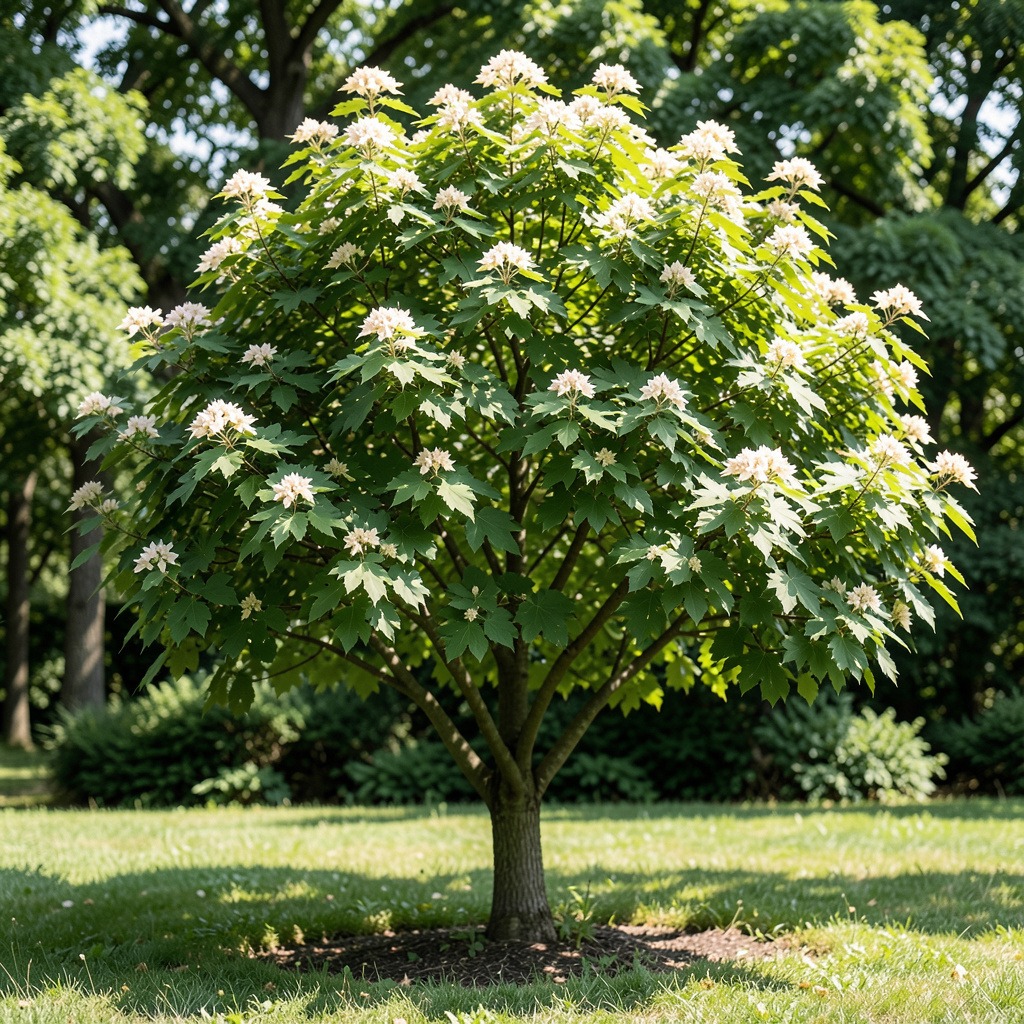
Understanding the Venus Dogwood Tree
The Venus dogwood tree, a hybrid of the Western dogwood (Cornus nuttallii) and the Korean dogwood (Cornus kousa), is known for its ornamental beauty and robust nature. Understanding its characteristics can help gardeners make informed decisions about planting.
Hybrid Origins and Characteristics
The Venus dogwood combines the best traits of its parent species. It typically grows to a height of 15 to 30 feet, making it suitable for various landscapes. The tree features large, creamy-white flowers that bloom in spring, adding significant visual appeal.
Key characteristics include:
- Size: Mature height ranges from 15 to 30 feet.
- Blooming Period: Produces flowers in late spring, followed by attractive fruit.
- Foliage: Glossy green leaves transition to vibrant fall colors of yellow, red, and purple.
- Hardiness Zones: Thrives in USDA Zones 5 through 9.
Growth Habits and Hardiness Zones
The Venus dogwood exhibits excellent adaptability in different soil types, provided they are well-drained and consistently moist. It prefers full sun to partial shade, making it versatile for various garden settings.
Growth Requirements:
- Soil: Well-drained, moist conditions are ideal.
- Sunlight: Requires full sun to partial shade for optimal growth.
- Watering: Regular watering is essential, especially during dry spells.
Gardeners should consider their local climate and soil when choosing to plant a Venus dogwood. For regions with harsh winters, ensuring the tree is planted within its hardiness zone is critical to avoid winter dieback.
When selecting the Venus dogwood, assess the available space in your garden. This tree can grow quite large, and planning for its mature size can prevent future maintenance issues.
Pros of the Venus Dogwood Tree
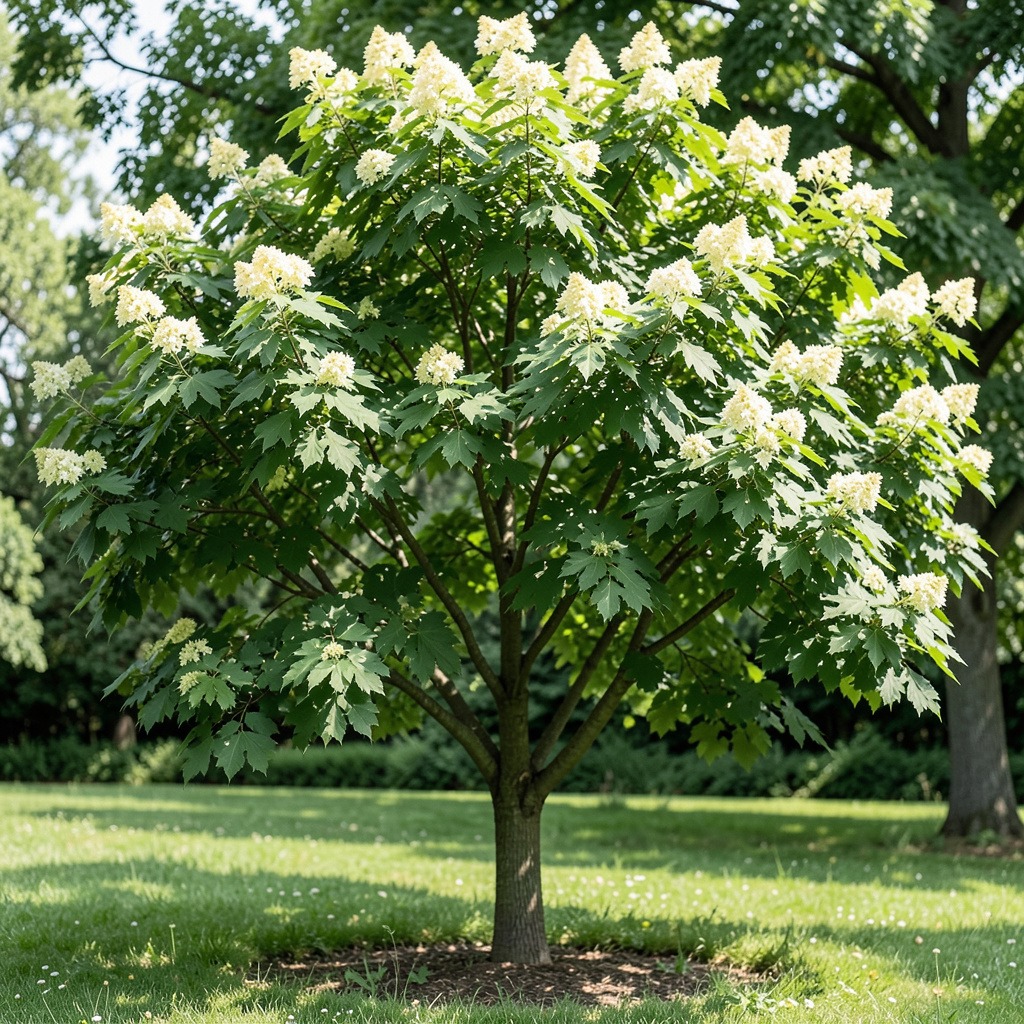
The Venus dogwood tree offers numerous advantages for gardeners looking to enhance their landscape. Its aesthetic appeal, disease resistance, and environmental benefits make it a compelling choice.
Aesthetic Value and Flowering
The Venus dogwood is renowned for its stunning appearance. It produces large, showy flowers that bloom in spring, providing a vibrant display. The flowers transition into attractive foliage during summer, followed by rich fall colors. This seasonal interest creates a dynamic visual experience throughout the year.
- Flower Size: The blooms can reach up to 5 inches across.
- Distinctive Bark: Its smooth, gray bark adds texture to winter landscapes.
- Mature Size: Typically grows to a height of 15-30 feet, making it suitable for various garden sizes.
Environmental Benefits
Planting a Venus dogwood tree contributes positively to local ecosystems. Its flowers attract pollinators, including bees and butterflies, which are crucial for biodiversity. Additionally, the tree provides habitat and food sources for various wildlife species.
- Pollinator Attraction: The abundant flowers support bees and other pollinators.
- Wildlife Food Source: The berries produced in late summer are a valuable food source for birds.
- Erosion Control: The tree’s root system helps stabilize soil, reducing erosion.
Low Maintenance Requirements
The Venus dogwood is relatively easy to care for, making it ideal for both novice and experienced gardeners. It requires minimal pruning and is less demanding compared to other dogwood species.
- Disease Resistance: While dogwoods are often susceptible to diseases, the Venus variety exhibits better resistance to common issues like dogwood anthracnose.
- Watering Needs: Regular watering during dry spells promotes healthy growth, but the tree adapts well to varying moisture levels.
- Soil Versatility: It thrives in well-drained, moist conditions but can tolerate a range of soil types.
Overall, the Venus dogwood tree is an excellent choice for enhancing garden aesthetics, supporting local wildlife, and requiring low maintenance.
Cons of the Venus Dogwood Tree
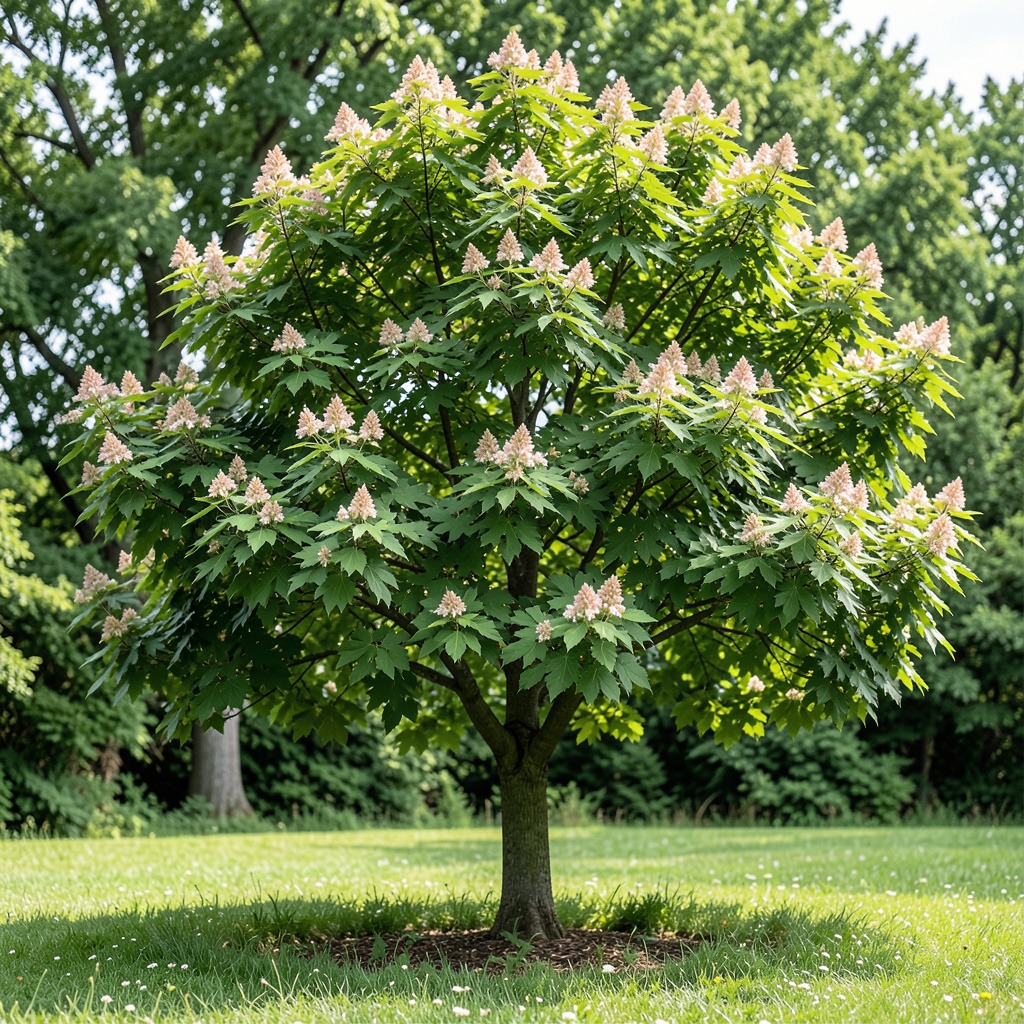
While the Venus dogwood tree offers many benefits, it is essential to consider its drawbacks. These include susceptibility to pests and diseases, specific soil requirements, and potential maintenance challenges.
Vulnerabilities to Pests and Diseases
The Venus dogwood is not immune to pests and diseases. Common issues include:
- Dogwood Anthracnose: This fungal disease can cause leaf spots and dieback.
- Powdery Mildew: This results in a white powdery coating on leaves, weakening the tree.
- Borers and Scale Insects: These pests can damage the tree and make it more susceptible to diseases.
To manage these risks, implement the following pest management strategies:
- Regularly inspect leaves for early signs of disease.
- Employ organic fungicides if infections are detected.
- Maintain good air circulation by pruning overcrowded branches.
Soil and Watering Needs
The Venus dogwood requires specific soil conditions to thrive. It prefers:
- Well-drained, moist soil: Ideal pH is slightly acidic.
- Consistent moisture: Regular watering is essential, especially during dry spells.
Gardeners must ensure that the tree does not sit in waterlogged soil, which can lead to root rot. To achieve optimal soil conditions, consider the following checklist:
- Test soil pH and adjust as needed.
- Amend heavy soils with organic material to enhance drainage.
- Apply mulch around the base to retain moisture and regulate temperature.
Potential Growth Limitations
Despite its beauty, the Venus dogwood can face growth limitations. These include:
- Sensitivity to heat: High summer temperatures can stress the tree.
- Limited lifespan: Dogwoods generally have a shorter lifespan compared to other trees.
When selecting a planting location, consider these factors:
- Choose a spot with partial shade to protect the tree from extreme heat.
- Avoid planting in areas with heavy foot traffic or compacted soil.
By understanding these cons and planning accordingly, gardeners can enhance the success of their Venus dogwood trees.
Care and Maintenance Tips for Venus Dogwood
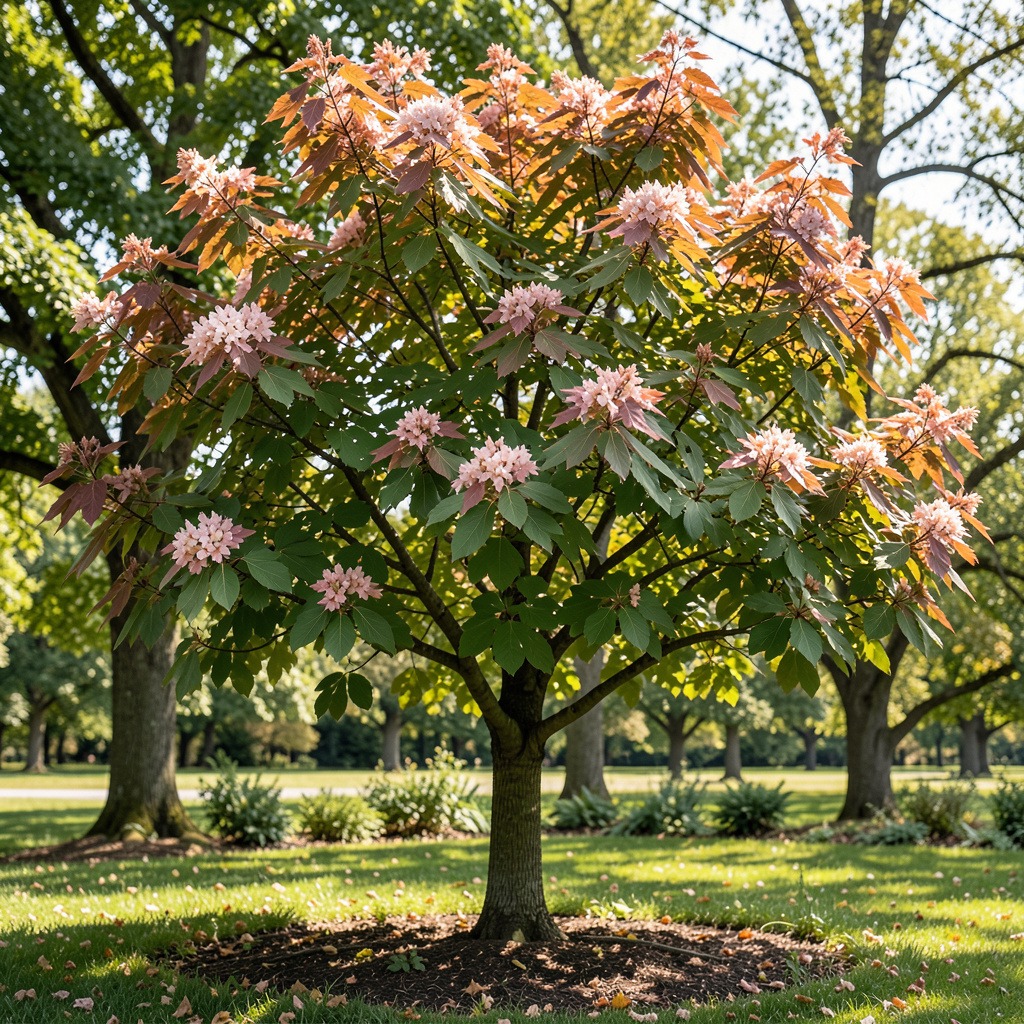
Caring for a Venus dogwood tree involves understanding its specific needs in terms of watering, fertilizing, and pruning. Proper care can enhance its health and longevity while optimizing its ornamental appeal.
Watering and Fertilizing Guidelines
Watering is crucial for the Venus dogwood, particularly during dry spells. Follow these guidelines:
- Frequency: Water deeply once a week during hot, dry periods. In cooler months, reduce watering.
- Soil Type: Ensure the soil is well-drained yet moist. Amend heavy soils with organic matter to improve drainage.
- Fertilizing: Use a balanced fertilizer in early spring. A slow-release, low-nitrogen option is ideal to avoid excessive growth at the expense of flowering.
Pruning Techniques for Health and Aesthetics
Pruning maintains the shape and health of the Venus dogwood. Consider the following:
- Timing: Prune in late winter or early spring before new growth begins.
- Techniques: Remove dead or damaged branches first. Thin out crowded areas to improve air circulation. Aim for a balanced shape, allowing sunlight to penetrate the tree’s canopy.
- Tools: Use sharp, clean tools to prevent disease transmission.
Adapting Care to Local Conditions
Local climate and soil conditions significantly impact care requirements. Here’s how to adapt:
- Climate Considerations: In areas with high heat, provide afternoon shade to prevent stress. In cooler zones, ensure the tree is planted in a sheltered spot to protect against harsh winds.
- Soil Adjustments: Test soil pH and drainage. Amend sandy soils with organic materials to retain moisture. For clay soils, ensure proper drainage to prevent root rot.
- Seasonal Care Calendar:
- Spring: Fertilize and prune.
- Summer: Monitor for pests and diseases; water as needed.
- Autumn: Mulch around the base to retain soil moisture and regulate temperature.
- Winter: Protect the tree from heavy snow or ice accumulation.
By following these care instructions, gardeners can ensure their Venus dogwood thrives, showcasing its beauty while minimizing potential issues.
Comparisons with Other Dogwood Species
Understanding how Venus dogwood compares to other dogwood species can help gardeners make informed choices. Here, we will analyze the Venus dogwood alongside two popular varieties: the flowering dogwood (Cornus florida) and the kousa dogwood (Cornus kousa). Each species has unique characteristics that impact their suitability for different garden environments.
Venus vs. Flowering Dogwood
| Feature | Venus Dogwood | Flowering Dogwood |
|---|---|---|
| Growth Habit | Grows 15-30 feet tall | Grows 15-30 feet tall |
| Flowers | White to pink, large bracts | White or pink, smaller blooms |
| Disease Resistance | Moderate resistance | Susceptible to anthracnose |
| Soil Requirements | Prefers well-drained, acidic soils | Requires moist, well-drained soils |
| Lifespan | 30 years or more | 10-15 years |
The Venus dogwood offers larger flowers and better disease resistance compared to the flowering dogwood. However, flowering dogwoods may have a more traditional appeal for gardeners looking to create classic landscapes.
Venus vs. Kousa Dogwood
| Feature | Venus Dogwood | Kousa Dogwood |
|---|---|---|
| Growth Habit | Grows 15-30 feet tall | Grows 15-30 feet tall |
| Flowers | White to pink, showy bracts | White star-like flowers |
| Disease Resistance | Moderate resistance | High disease resistance |
| Fruit | Rarely produces fruit | Produces edible fruit |
| Lifespan | 30 years or more | 20-30 years |
Kousa dogwoods are known for their high disease resistance and unique fruit, making them appealing for edible landscaping. However, Venus dogwoods may be preferred for their striking flower display.
Choosing the Right Dogwood for Your Garden
When selecting a dogwood species, consider the following:
- Aesthetic Preferences: Choose based on flower size and color.
- Disease Management: If diseases are a concern, opt for the kousa dogwood.
- Longevity: Venus dogwoods often outlive flowering dogwoods, making them a better long-term investment.
Understanding these differences will help you select the dogwood that best fits your landscape needs.
User Experiences and Case Studies
Gardeners often share their insights after planting Venus dogwoods. Their experiences reveal both the advantages and challenges of this striking tree. Below are some testimonials and case studies that highlight these aspects.
Success Stories from Gardeners
Many gardeners praise the Venus dogwood for its stunning spring blooms. For instance, one gardener in USDA Zone 6 reported, “The Venus dogwood has transformed my yard. Its large white flowers are breathtaking, and they last for weeks.” This tree’s ornamental value makes it a favorite for landscaping.
Another user in a warmer climate shared, “I planted my Venus dogwood two years ago, and it has thrived. It provides a lovely shade in the summer while still showcasing beautiful blooms in spring.” Their success underscores the tree’s adaptability to different environments.
Common Challenges Faced
While many gardeners enjoy the Venus dogwood, some face challenges. One gardener noted issues with pests, stating, “I had trouble with scale insects on my Venus dogwood. Regular treatments with horticultural oil helped manage the problem.” This highlights the need for ongoing maintenance and vigilance against pests.
Another common concern is the tree’s growth rate. A gardener remarked, “I expected it to grow faster. It took a couple of years to establish before I started seeing significant growth.” Patience is essential when cultivating this tree.
Tips from Experienced Growers
Experienced growers offer valuable advice for prospective Venus dogwood owners. Here are some key tips:
- Choose the Right Location: Ensure the tree receives partial shade to full sun for optimal flowering.
- Soil Preparation: Amend soil with organic matter to enhance drainage and fertility, promoting healthy growth.
- Regular Maintenance: Monitor for pests and diseases. Early intervention is critical for maintaining tree health.
- Watering Practices: Water deeply but infrequently, particularly during dry spells, to encourage strong root development.
By following these tips, gardeners can improve their chances of successfully growing a Venus dogwood while enjoying its many benefits.
Frequently Asked Questions
These quick answers cover the most common questions about this topic, including key details, practical tips, and common concerns.
How fast do Venus dogwood trees grow?
Venus dogwood trees typically grow at a moderate pace, reaching heights of 15 to 30 feet. Under ideal conditions, you can expect them to grow about 1 to 2 feet per year. However, growth may slow down in extreme heat or poor soil conditions. Providing optimal care, including proper watering and soil amendments, can enhance their growth rate.
What are the downsides of dogwood trees?
While Venus dogwoods have many benefits, they also have some downsides. They can be susceptible to pests like scale insects and diseases such as dogwood anthracnose and powdery mildew. Additionally, they require specific soil conditions—well-drained and consistently moist—making them less suitable for poorly draining areas.
Can Venus dogwood be grown in pots?
Yes, Venus dogwoods can be grown in pots, especially when they are young. Choose a large container that allows for root growth and use high-quality potting soil that retains moisture while providing good drainage. Keep in mind that potted trees may require more frequent watering and care than those planted in the ground.
When is the best time to plant Venus dogwood?
The best time to plant Venus dogwood trees is in early spring or fall. Planting during these seasons allows the tree to establish its roots before the heat of summer or the cold of winter. Ensure the soil is workable and not frozen, and consider the local climate conditions when planning your planting date.
How often should I water my Venus dogwood?
Watering frequency for Venus dogwoods depends on the climate and soil type. Generally, they should be watered deeply once a week during dry spells. In cooler, wetter conditions, you can reduce watering. Always check the soil moisture—if the top inch feels dry, it’s time to water.
What pests should I watch for with Venus dogwood?
Common pests to watch for include scale insects and borers. Scale insects can cause leaf damage and weaken the tree, while borers can harm the trunk and branches. Regular inspections and maintaining good air circulation through pruning can help prevent infestations. If you notice signs of pests, consider using organic treatments to manage them.
What are the ideal growing conditions for Venus dogwood?
Venus dogwoods thrive in well-drained, moist soil with a slightly acidic pH. They prefer full sun to partial shade, which helps promote healthy growth and flowering. Ensure they have enough space to grow, as they can reach heights of 15 to 30 feet. Regular watering and mulching can also help maintain the right moisture levels.