
Visiting the Monarch Butterfly Reserve in Mexico offers a unique opportunity to witness the incredible migration of millions of Monarch butterflies. This guide provides essential information to enhance your experience and ensure a memorable visit to this UNESCO World Heritage site [1].
Table of Contents
Understanding the Monarch Butterfly Migration
The Monarch butterfly migration is one of nature’s most remarkable phenomena. Every year, these delicate creatures embark on an epic journey from North America to Mexico, covering thousands of miles. Understanding this migration is crucial for visitors to the Monarch Butterfly Reserve.
The Journey of the Monarchs
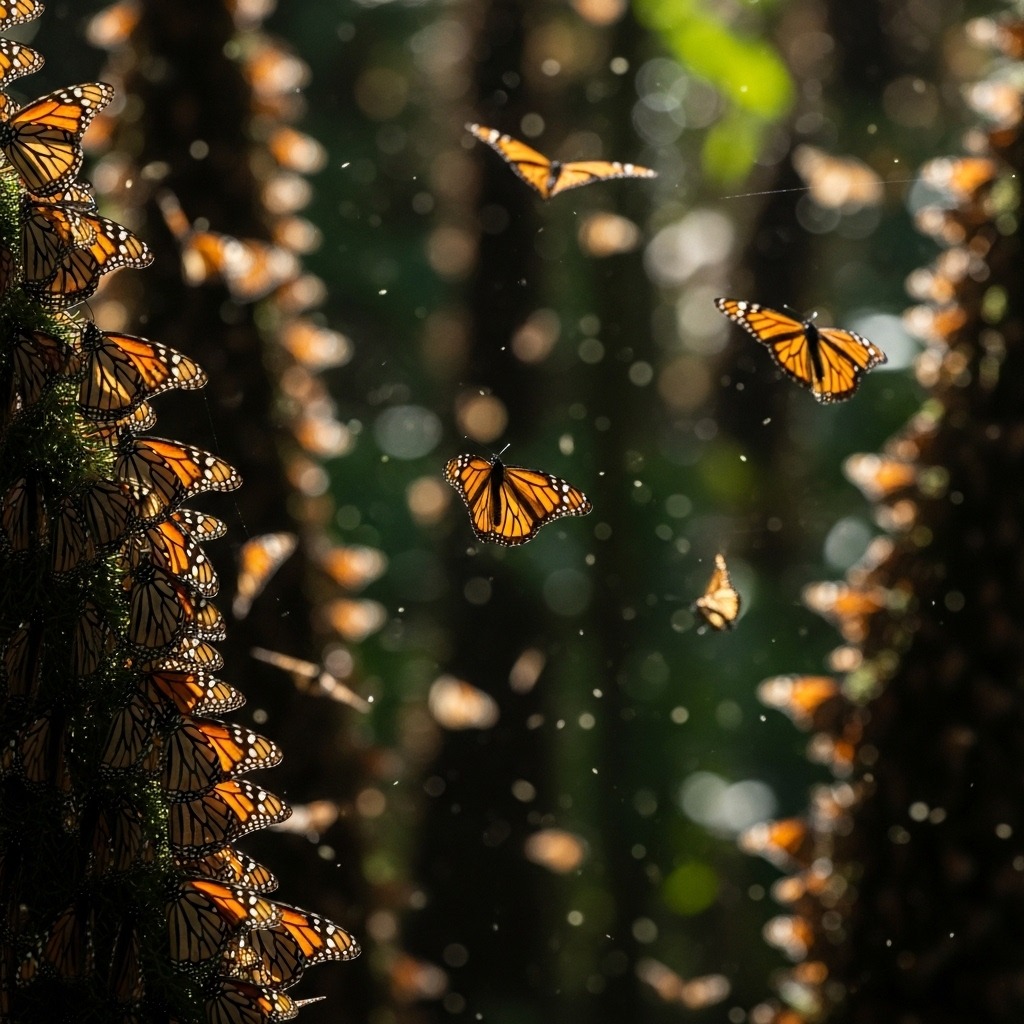
Monarch butterflies travel approximately 3,000 miles from their breeding grounds in Canada and the United States to the high-altitude forests of central Mexico. This migration occurs between late summer and early fall, peaking around November. The butterflies rely on a combination of environmental cues, such as temperature and daylight, to navigate their way southward.
- Distance: Monarchs can fly up to 50 miles a day.
- Duration: The migration can take anywhere from 2 to 5 months.
Only the generation that migrates to Mexico lives up to nine months, known as the “super butterflies.” Subsequent generations that migrate north live for only a few weeks. This unique lifecycle emphasizes the need for the butterflies to reach their winter sanctuary.
Importance of the Migration
The migration of Monarch butterflies plays a vital ecological role. It supports biodiversity, as these butterflies are key pollinators for various plants. Their journey also demonstrates the interconnectedness of ecosystems across North America and Mexico.
- Ecosystem Impact: Monarchs contribute to the health of local flora, which in turn supports other wildlife.
- Cultural Significance: In Mexico, Monarchs are celebrated as symbols of transformation and are deeply intertwined with local traditions.
Conservation Efforts
Due to habitat loss and climate change, Monarch populations have significantly declined. Conservation initiatives focus on protecting their migratory routes and wintering habitats. Organizations and local communities work together to restore milkweed plants, essential for Monarch breeding, and raise awareness about their plight.
Visitors to the Monarch Butterfly Reserve can support these efforts by:
- Participating in guided tours that promote conservation.
- Supporting local businesses that engage in sustainable practices.
- Educating themselves and others about the importance of Monarch butterflies.
By understanding the migration of Monarch butterflies, visitors can appreciate their journey’s beauty and significance, enriching their experience at the reserve.
Best Time to Visit the Monarch Butterfly Reserve
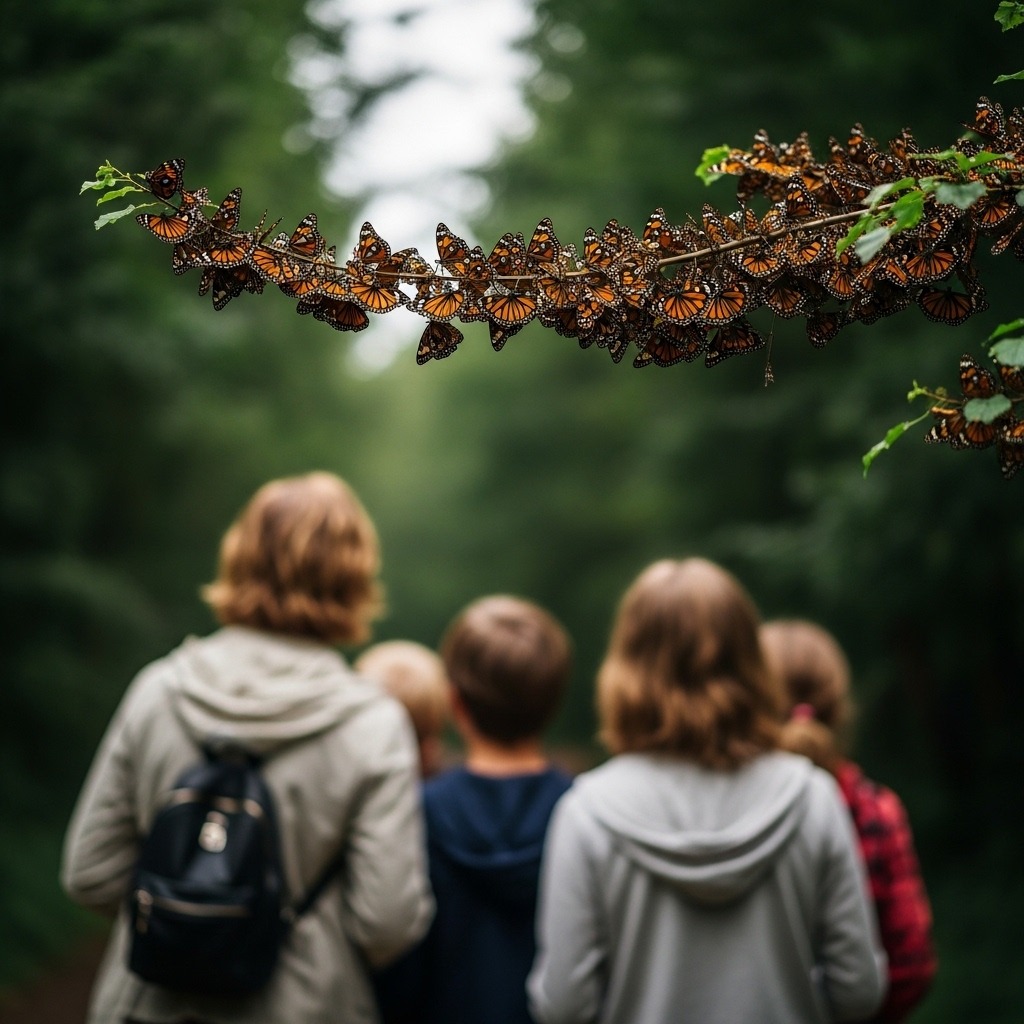
Timing your visit to the Monarch Butterfly Reserve is crucial for experiencing the stunning spectacle of these butterflies in their natural habitat. Understanding seasonal patterns and weather conditions will enhance your chances of witnessing this incredible migration.
Seasonal Patterns of Monarchs
The Monarch butterflies migrate to Mexico between late October and early March. During this period, they congregate in various sanctuaries, with the peak activity occurring from mid-November to late February.
- Mid-November to January: This is the prime season for viewing Monarchs. The butterflies are usually clustered in large groups, making sightings frequent and spectacular.
- February to Early March: While butterflies remain visible, many begin their migration back north. Sightings may decrease as the month progresses.
Weather Considerations
Weather significantly impacts butterfly visibility. The altitude of the sanctuaries (around 10,000 feet) means temperatures can be cooler than in surrounding areas.
- Colder Days: On colder days, Monarchs tend to stay clustered and may not be as active. Look for sunny days with temperatures ranging between 60°F and 70°F (15°C to 21°C) for optimal viewing.
- Rainy Conditions: Rain can ground butterflies and limit your experience. Check forecasts and plan for clear weather.
Peak Viewing Times
Maximize your experience by visiting during peak times of day.
- Morning Hours: Arrive early to see butterflies waking up. They typically become more active as the sun warms the area.
- Midday: By noon, the butterflies spread out in search of food. This is an excellent time for photography.
Checklist for Optimal Viewing
- Plan your trip between mid-November to February for the best chances.
- Check weather forecasts for sunny, warm days.
- Arrive early to catch butterflies emerging in the morning.
By understanding these seasonal nuances and weather impacts, visitors can significantly enhance their experience at the Monarch Butterfly Reserve, ensuring a memorable encounter with these magnificent creatures.
Overview of Major Sanctuaries to Visit
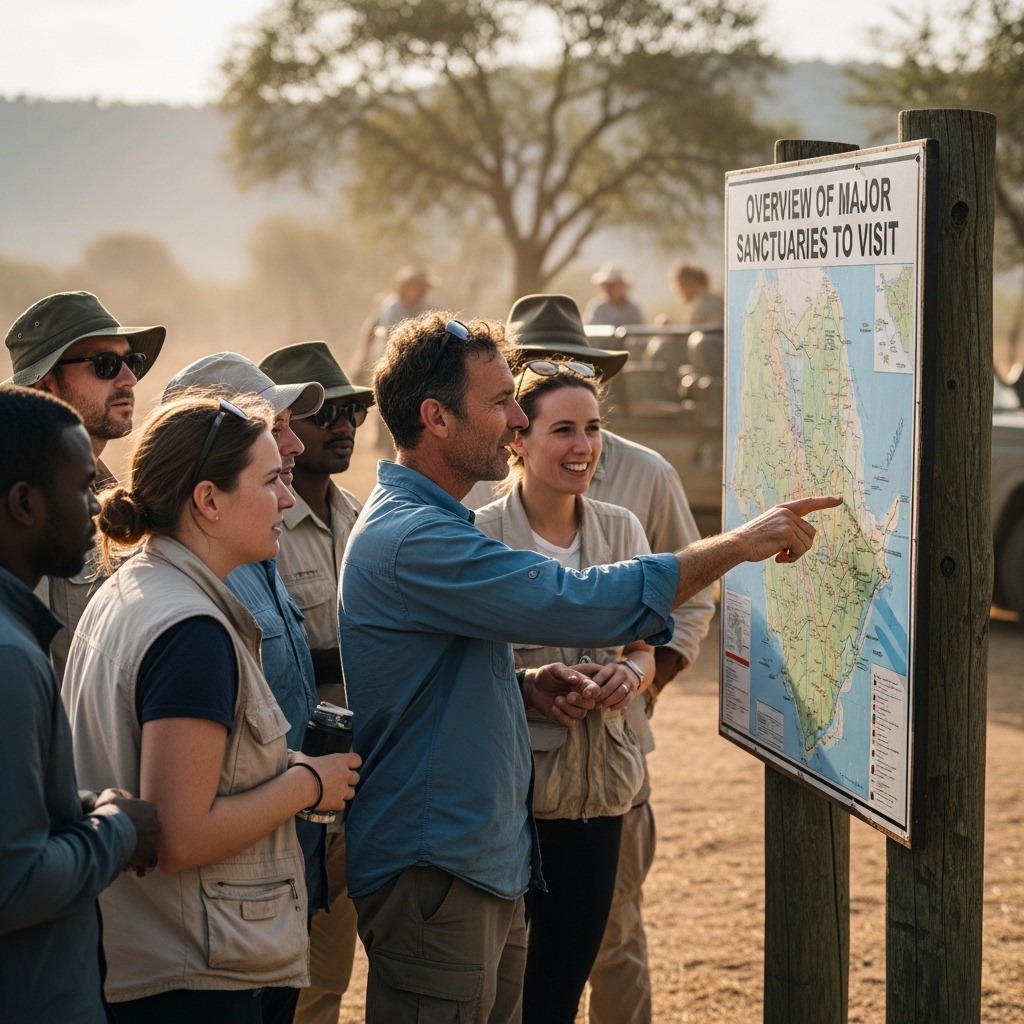
The Monarch Butterfly Reserve in Mexico features several sanctuaries, each with its own unique characteristics. Understanding these distinctions helps visitors choose the best sanctuary for their experience. Here’s a detailed comparison of the top three sanctuaries: Sierra Chincua, El Rosario, and Piedra Herrada.
Sierra Chincua: Accessibility and Attractions
Sierra Chincua offers a more rugged and less commercialized experience compared to other sanctuaries. It is known for its stunning landscapes and the natural beauty surrounding the butterflies.
- Accessibility: Requires a hike or horseback riding. The trek is moderately challenging, making it ideal for adventurous visitors.
- Attractions: Offers fewer crowds and a more intimate experience with the butterflies. It also features breathtaking views of the mountains and surrounding forests.
El Rosario: Size and Popularity
El Rosario is the largest and most visited sanctuary in the reserve. It boasts extensive facilities and offers a more structured experience.
- Size: Covers a vast area filled with millions of butterflies during peak season.
- Popularity: Attracts the highest number of visitors, which can enhance the communal experience but may detract from solitude.
- Facilities: Offers paved paths, rest areas, and local vendors. This makes it accessible for families and those with mobility concerns.
Piedra Herrada: Proximity to Mexico City
Piedra Herrada is the most accessible sanctuary for those traveling from Mexico City, making it a popular choice for day trips.
- Proximity: Located just a few hours from Mexico City, it is an ideal option for time-constrained visitors.
- Unique Features: Known for its unique butterfly viewing areas, where visitors can see clusters of butterflies up close.
- Activities: Offers guided tours that enhance the visitor experience through educational insights on the Monarchs.
| Sanctuary | Accessibility | Unique Features | Visitor Experience |
|---|---|---|---|
| Sierra Chincua | Moderate hike/horseback | Rugged beauty, fewer crowds | Intimate, adventurous |
| El Rosario | Paved paths | Largest area, extensive facilities | Family-friendly, popular |
| Piedra Herrada | Short travel from Mexico City | Close butterfly viewing spots | Educational, guided tours |
Choosing the right sanctuary depends on your preferences for accessibility, visitor experience, and unique features. Each location offers a distinct way to connect with the Monarch butterflies and appreciate their migration journey.
How to Get to the Monarch Butterfly Sanctuaries
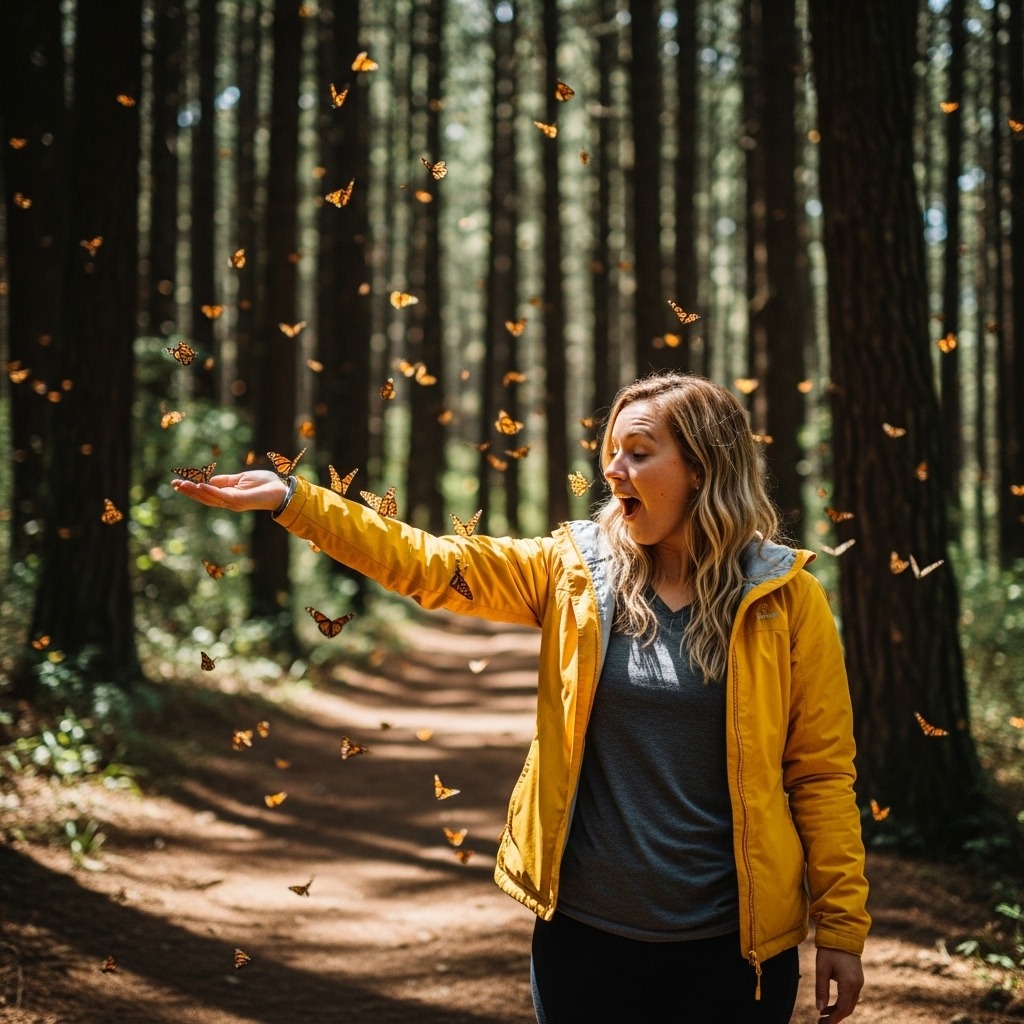
Reaching the Monarch Butterfly sanctuaries in Mexico requires careful planning, especially if you are traveling from major cities like Mexico City. Here are essential transportation options and tips to help you navigate your journey seamlessly.
Transportation from Mexico City
Traveling from Mexico City to the Monarch Butterfly sanctuaries can be accomplished via bus or car. Here are the key options:
- Bus Service: Direct buses to Zitácuaro leave frequently from the Observatorio Terminal. Opt for the 6 AM bus with Excelencia for a smooth ride, taking approximately two hours. Tickets cost around 297 MXN one way [6].
- Car Rental: Renting a car provides flexibility. The drive to the sanctuaries takes about two to three hours. Use the main highway (Mexico 15) and follow signs toward Zitácuaro.
Local Transport Options
Once you arrive in Zitácuaro, local transport is crucial for reaching the sanctuaries. Here are your choices:
- Taxis and Collectivos: After arriving in Zitácuaro, you can take a taxi or a ‘colectivo’ mini-van to Angangueo. These vehicles leave every 15-20 minutes and cost about 30 MXN [6].
- Direct Transfers: Arrange a taxi to the sanctuary from Angangueo. This option is convenient but make sure to negotiate your return trip beforehand to avoid delays [6].
Recommended Routes and Tips
- Plan Your Departure: Aim to start early to maximize your time at the sanctuaries. Arriving by noon allows you to witness the butterflies when they are most active.
- Hiking Considerations: Be prepared for elevation changes. The hike can be steeper than anticipated. Bring sturdy shoes and watch your step to avoid disturbing the butterflies [6].
- Altitude Awareness: The sanctuaries are at high altitude (around 10,000 ft). Bring water and dress in layers to stay comfortable throughout your visit [6].
By following these transportation guidelines, you can ensure a smooth and enriching experience at the Monarch Butterfly sanctuaries.
Essential Tips for a Memorable Visit
Visiting the Monarch Butterfly Reserve requires careful preparation to ensure a rewarding experience. Here are essential tips covering what to bring, how to dress, and how to respect the butterflies and their habitat.
What to Bring
- Water Bottle: Stay hydrated as you hike the high-altitude trails. The air is thinner and drier, making hydration crucial.
- Extra Jacket: Temperatures can drop unexpectedly in the sanctuary. An additional layer will keep you comfortable [6].
- Comfortable Footwear: Sturdy shoes are essential for navigating the trails. Choose footwear that supports your ankles and provides traction.
- Sun Protection: A wide-brimmed hat and sunscreen will shield you from the sun as you explore the area.
- Binoculars: Enhance your viewing experience. Binoculars allow for closer observation of the butterflies without disturbing them.
- Backpack: Use a small backpack to carry your essentials. Ensure it’s lightweight and easy to maneuver on the trails.
Clothing Recommendations
- Layered Clothing: Dress in layers to adapt to changing temperatures. Start with a moisture-wicking base layer, add an insulating layer, and finish with a waterproof outer layer if there’s a chance of rain.
- Comfortable Pants: Choose breathable, flexible pants suitable for hiking. Avoid shorts to protect your legs from brush and insects.
- Avoid Bright Colors: Wear muted colors to blend into the environment. Bright colors can startle the butterflies, disrupting their natural behavior.
Respecting Nature and the Butterflies
- Stay on Marked Paths: Protect the delicate ecosystem. Straying off trails can damage vegetation and disturb the butterflies.
- Do Not Touch the Butterflies: Monarchs are fragile. Touching them can harm their wings, crucial for their migration [3].
- Maintain Silence: Keep noise levels low. Loud sounds can scare the butterflies and cause them to use energy unnecessarily [4].
- No Flash Photography: Avoid using flash when capturing photos. It can wake the butterflies, disrupting their rest [4].
By adhering to these tips, visitors can ensure a respectful and enjoyable experience while marveling at the magnificent Monarch butterflies in their natural habitat.
The Cultural Significance of Monarch Butterflies in Mexico
Monarch butterflies hold profound cultural significance in Mexico. Their migration aligns with local traditions and conservation efforts, making them a symbol of hope and renewal.
Historical Context
The Monarch butterflies have been part of Mexican culture for centuries. Indigenous communities view them as the souls of their ancestors returning home. This belief fosters a deep respect for these delicate creatures. Their seasonal arrival coincides with the Día de los Muertos (Day of the Dead) celebrations, emphasizing their role in connecting the living with the departed.
Festivals Celebrating Monarchs
In various regions of Mexico, local festivals celebrate the arrival of Monarch butterflies. These events often feature traditional music, dance, and art centered around the butterflies. One of the most notable is the “Día de los Monarchs,” which showcases the cultural importance of these insects in the context of life and death. These festivals not only honor the Monarchs but also promote awareness of their conservation needs [13].
Conservation and Community Involvement
Local communities actively engage in conservation efforts for Monarch butterflies. They organize educational programs and workshops to raise awareness about the butterflies’ ecological role. Many communities participate in reforestation projects, planting Oyamel trees essential for the butterflies’ winter habitat. This collective action helps sustain both the butterflies and local traditions.
To maximize your experience visiting the Monarch Butterfly Reserve, consider participating in community-led tours. Engaging with local guides enhances understanding of the cultural and ecological significance of the Monarchs. This connection deepens the visit, allowing you to appreciate not just the beauty of the butterflies but also the stories and traditions intertwined with their migration [12].
Frequently Asked Questions
These quick answers cover the most common questions about this topic, including key details, practical tips, and common concerns.
What is the best time of year to visit the Monarch Butterfly Reserve?
The ideal time to visit is between mid-November and late February, when the butterflies are most active and densely clustered in the sanctuaries. Peak sightings typically occur from mid-November to January, offering the best opportunity to witness their spectacular migration. Weather conditions are also more favorable during this period, with sunny days and moderate temperatures enhancing your experience.
How can I help in the conservation of Monarch Butterflies?
You can support conservation efforts by participating in guided tours that promote sustainable practices and education. Additionally, supporting local businesses that engage in habitat restoration and planting milkweed, essential for Monarch breeding, makes a difference. Educating yourself and others about their ecological importance helps raise awareness and encourages ongoing protection initiatives.
Are there guided tours available at the sanctuaries?
Yes, guided tours are widely available at all major sanctuaries, including Sierra Chincua, El Rosario, and Piedra Herrada. Local guides often provide educational insights about the butterflies’ migration, lifecycle, and conservation. Booking a tour through reputable operators ensures a respectful experience that supports local communities and conservation efforts.
What should I wear when visiting the sanctuaries?
Dress in layered, comfortable clothing suitable for high-altitude conditions. Bring sturdy hiking shoes, a hat, sunscreen, and sunglasses for sun protection. Since temperatures can vary, packing a light jacket or sweater is advisable. Avoid bright colors to prevent startling the butterflies and disrupting their natural behavior.
Is it safe to visit the Monarch Butterfly Reserve?
Yes, visiting the reserve is generally safe. However, be prepared for high-altitude hiking, which can cause fatigue or altitude sickness for some visitors. Follow safety guidelines, stay on marked trails, and listen to guides’ instructions. Weather conditions can change unexpectedly, so dress appropriately and carry essentials like water and snacks.
What are the entry fees for the sanctuaries?
Entry fees vary depending on the sanctuary and whether you join a guided tour. Typically, fees range from around 50 to 150 MXN per person. Additional costs may apply for guided services or transportation. It’s best to check current prices and book in advance through official or reputable tour providers.
Can I take photographs of the butterflies?
Absolutely. Photography is encouraged, especially with a good pair of binoculars or a telephoto lens. However, avoid using flash, as it can disturb and wake the butterflies, disrupting their rest. Be respectful of their habitat and keep a safe distance to prevent damage to the delicate wings.
What other wildlife can I see in the area?
Besides Monarch butterflies, the sanctuaries and surrounding forests host diverse species, including various birds, hummingbirds, and forest insects. The high-altitude environment also supports unique flora and fauna, making it a rich spot for nature observation and birdwatching.
What should readers know about local guides and their services?
Local guides offer invaluable insights into the butterflies’ lifecycle, migration, and cultural significance. They often provide transportation, interpretive tours, and safety assistance. Hiring a certified guide supports the local economy and ensures a more informative, respectful visit. Always choose reputable guides with good reviews to enhance your experience.
What should readers know about the cultural significance of Monarchs in Mexican tradition?
In Mexico, Monarch butterflies symbolize transformation and are deeply woven into local traditions, especially around Día de los Muertos. Indigenous communities believe they carry the spirits of ancestors returning home. Participating in local festivals and learning about these traditions enriches your understanding of the butterflies’ cultural importance beyond their ecological role.
References
1. Monarch Butterfly Migration and Overwintering
2. Save the monarch | U.S. Fish & Wildlife Service
3. When do sites on rec.gov actually open for reservation?
4. How Butterflies Make Transparent Wings
5. Monarch Butterfly Conservation in North America
6. Getting around Mexico City is half the fun. – CDMX
7. Great Drives on National Wildlife Refuges
8. How National Marine Sanctuaries Fuel Local Economies
9. An Introduction to Butterfly Watching
10. Packing a Go Bag and a Stay Bag
11. Visitor Capacity Guidebook
12. Winged Messengers: How Monarch Butterflies Connect …