
The Washington Hawthorn tree offers aesthetic beauty and ecological benefits while posing challenges like thorns and disease susceptibility.
Table of Contents
The Washington Hawthorn tree, known for its stunning seasonal displays and ecological value, comes with both benefits and drawbacks. In this guide, we will explore eight key pros and cons to help you determine its suitability for your landscape.
Understanding the Washington Hawthorn Tree
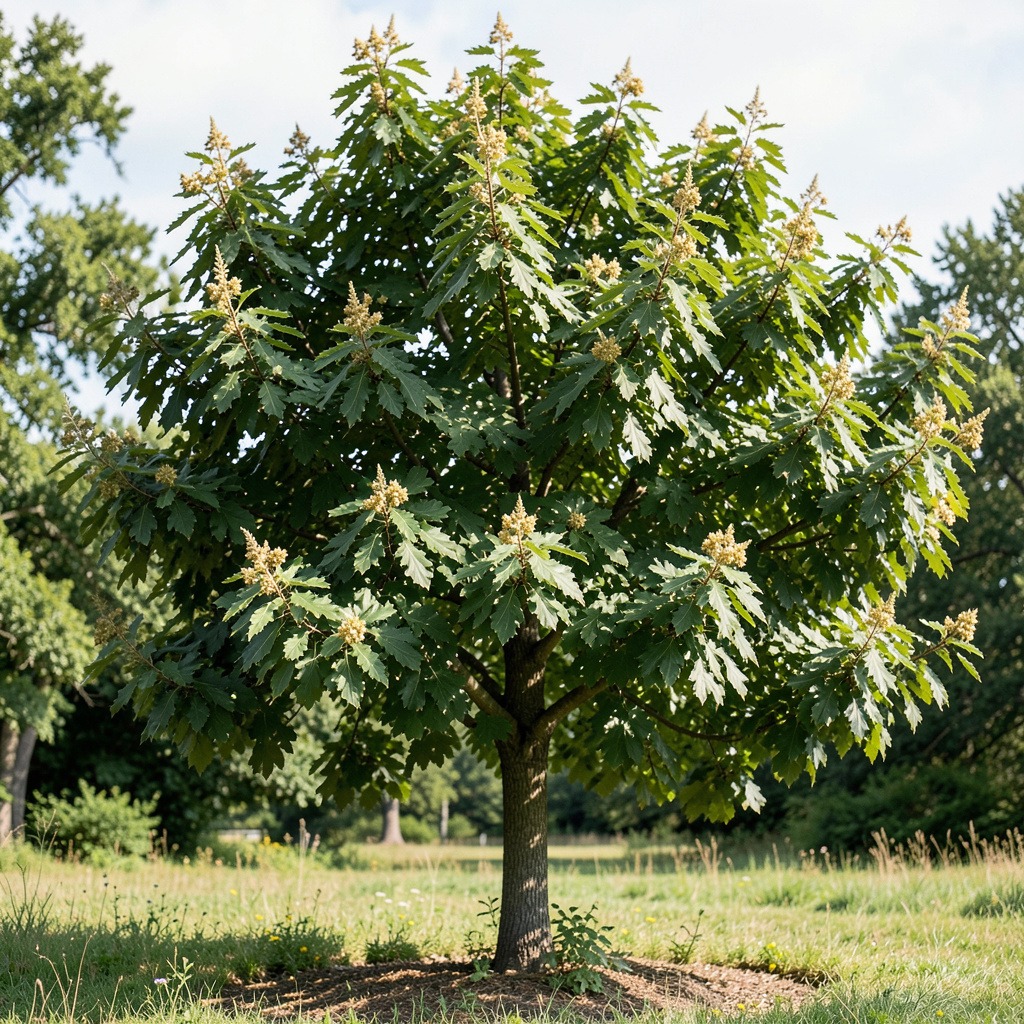
The Washington Hawthorn tree (Crataegus phaenopyrum) is a popular ornamental tree known for its striking features and ecological benefits. It is favored in landscaping for its seasonal beauty and wildlife value.
Key Characteristics of the Washington Hawthorn
- Size and Growth Habit: The Washington Hawthorn typically reaches heights of 15 to 30 feet with a similar spread. It has a dense, rounded canopy that provides a beautiful silhouette in any landscape.
- Seasonal Changes: This tree offers visual interest throughout the year:
- Spring: Clusters of fragrant white flowers bloom, attracting pollinators.
- Summer: Glossy green leaves provide a lush backdrop.
- Fall: Leaves turn vibrant shades of yellow, orange, and red.
- Winter: Bright red berries persist, offering food for birds.
Popularity as an Ornamental Tree
The Washington Hawthorn’s aesthetic appeal makes it a sought-after choice for landscapes. Its ability to thrive in various conditions, from urban areas to gardens, adds to its versatility.
- Ecological Benefits: The tree is a magnet for wildlife, particularly birds that feed on its berries during winter. This characteristic enhances biodiversity in your landscape.
- Disease Resistance: Unlike many ornamental trees, the Washington Hawthorn exhibits strong resistance to various diseases. However, it can be susceptible to fire blight, which requires monitoring.
Care Requirements and Maintenance Tips
To ensure a thriving Washington Hawthorn, consider the following care tips:
- Planting Location: Choose a spot that receives full sun to maximize flowering and berry production. The tree tolerates partial shade but may not perform optimally.
- Soil Requirements: Well-drained soil is essential. While the tree prefers moist conditions, avoid waterlogged areas to prevent root rot.
- Pruning Guidelines: Regular pruning helps maintain shape and health. Optimal pruning times are late winter or fall when the tree is dormant.
Incorporating the Washington Hawthorn into your landscape can provide year-round beauty and attract wildlife, making it a worthwhile consideration for any gardener.
1. Aesthetic Appeal and Seasonal Interest
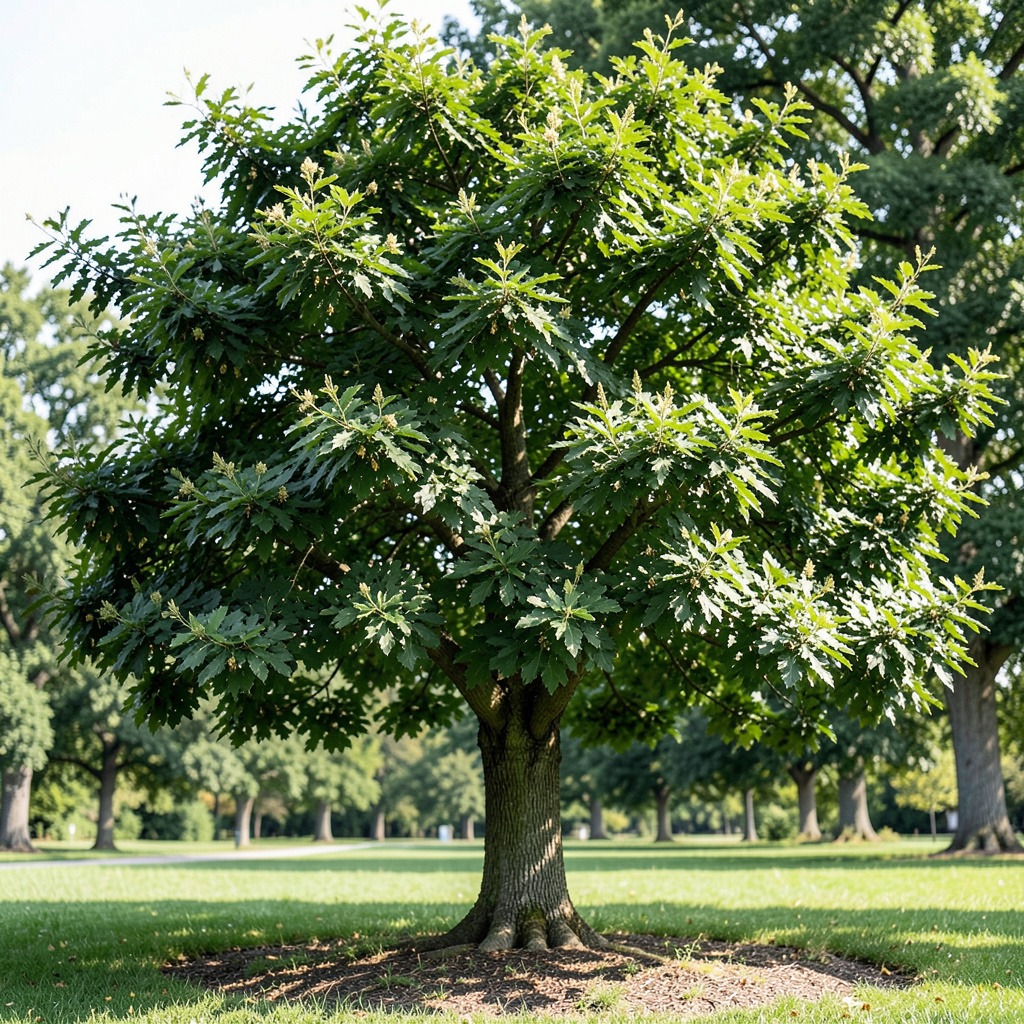
The Washington Hawthorn tree (Crataegus phaenopyrum) is celebrated for its stunning visual transformations throughout the seasons. Its ornamental features enhance any landscape, drawing attention with vibrant flowers, lush foliage, and striking berries.
Stunning Spring Flowers
In late spring, the Washington Hawthorn bursts into bloom with clusters of fragrant white flowers. These blooms not only provide a beautiful display but also attract essential pollinators like bees and butterflies. The scent and sight of these flowers make the tree a focal point in gardens.
- Flowering Period: Late May to early June.
- Pollinator Attraction: Essential for local ecosystems.
Vivid Fall Foliage
As summer fades, the leaves of the Washington Hawthorn transition into a spectacular display of colors. The glossy green leaves turn shades of yellow, orange, and red, offering a breathtaking autumn landscape. This seasonal shift adds depth and interest to your garden.
- Color Changes: Yellow, orange, and red hues appear.
- Seasonal Interest: Creates a dynamic visual as seasons change.
Winter Berries
After the autumn display, the tree produces small, bright red berries that cling to the branches throughout winter. These berries not only enhance the tree’s aesthetic appeal but also serve as a vital food source for birds during the colder months when other food is scarce.
- Wildlife Benefits: Attracts birds and other wildlife.
- Visual Impact: Provides color against a stark winter backdrop.
Incorporating the Washington Hawthorn into your landscape means enjoying a continuous showcase of beauty that evolves with the seasons. Its flowers, foliage, and fruits create a multi-faceted appeal, making it an excellent choice for gardeners seeking both ornamental value and ecological benefits.
2. Wildlife Support and Ecological Benefits
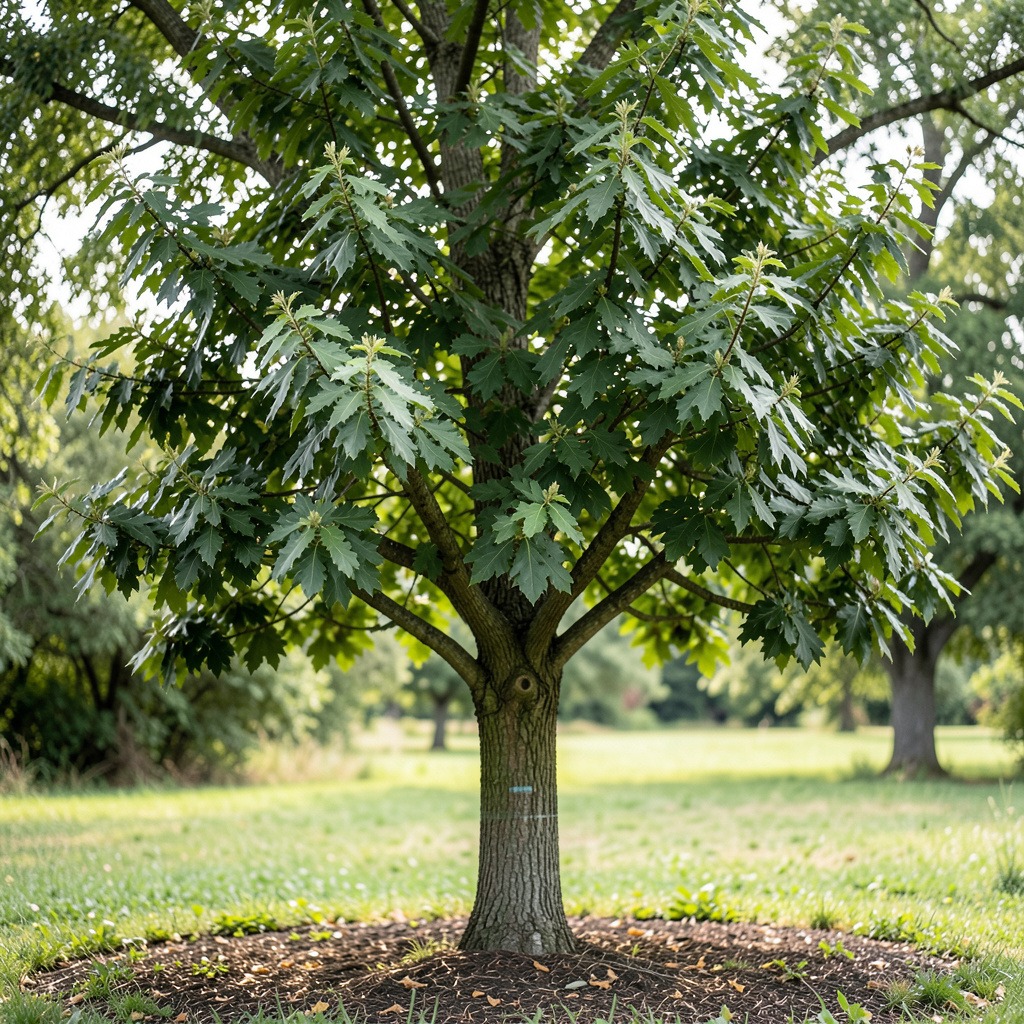
The Washington Hawthorn tree serves as a crucial habitat and food source for various wildlife species. Its unique characteristics make it a valuable addition to any landscape, especially for those seeking to enhance biodiversity.
Attracting Pollinators
In late spring, the Washington Hawthorn produces clusters of fragrant white flowers. These blossoms attract essential pollinators, including bees and butterflies. Pollinators play a significant role in maintaining healthy ecosystems. By planting a Washington Hawthorn, you not only enhance your garden’s beauty but also support these vital species.
Providing Winter Food Sources
The bright red berries of the Washington Hawthorn persist throughout winter, offering a critical food source for many birds. Over 20 species, including Northern Cardinals, Blue Jays, and American Robins, rely on these berries when other food sources are scarce. This tree acts as a lifeline for local avian populations during harsh weather, contributing significantly to winter survival.
Key Wildlife Benefits:
- Bird Species Supported: Northern Cardinals, Blue Jays, American Robins, Cedar Waxwings.
- Seasonal Food Source: Berries provide nutrition when other options are limited.
- Nesting Habitat: The dense, thorny branches offer protective cover and nesting sites for smaller birds.
By incorporating a Washington Hawthorn into your landscape, you can create a haven for wildlife while enjoying its ornamental features.
3. Versatile Landscaping Uses
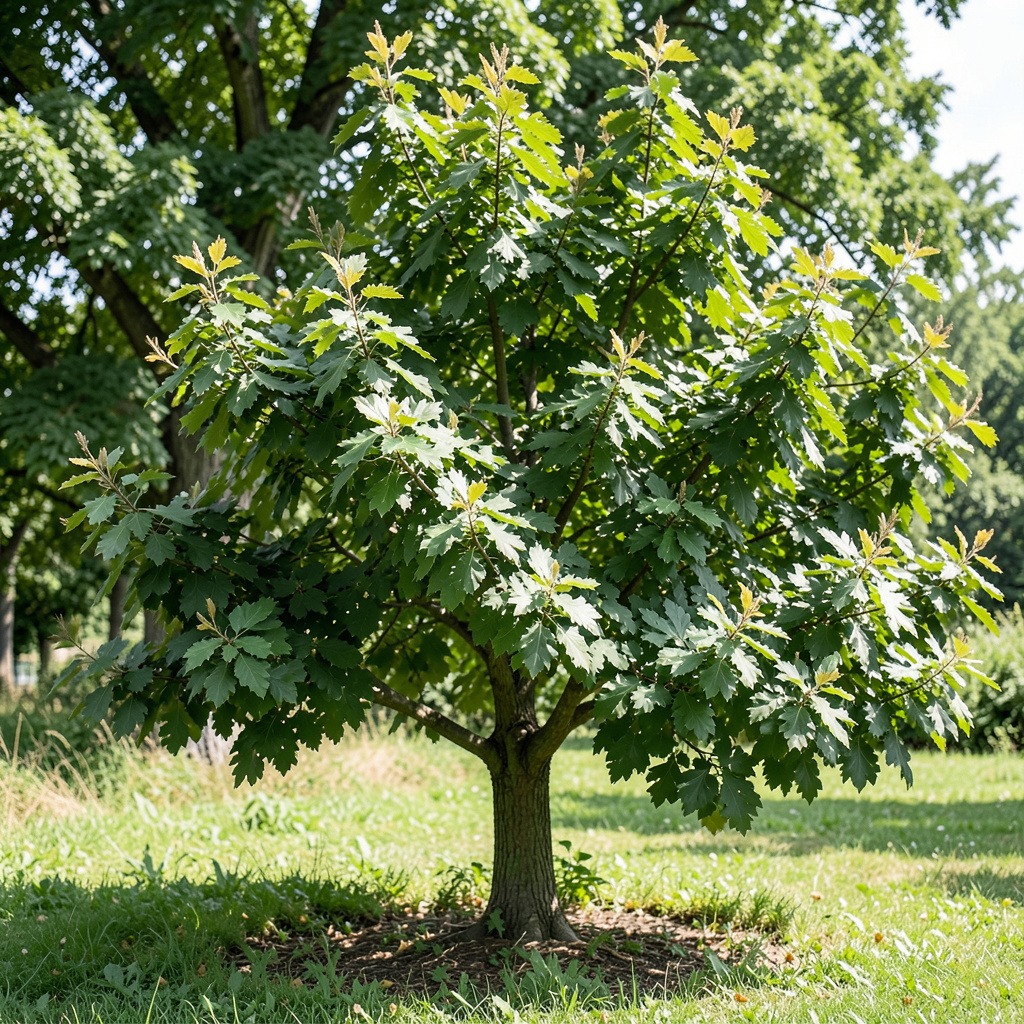
The Washington Hawthorn tree offers a range of landscaping applications, enhancing both beauty and functionality in outdoor spaces. Its unique characteristics make it ideal for various settings, from small gardens to privacy screens.
Ideal for Small Gardens
Washington Hawthorn trees are particularly suitable for smaller landscapes. Their moderate height, typically between 15 to 30 feet, makes them manageable without overwhelming the space.
Benefits for Small Gardens:
- Aesthetic Appeal: The glossy green leaves and fragrant white flowers provide seasonal interest.
- Compact Growth: Their growth habit allows for easy integration into tight spaces.
- Wildlife Attraction: The tree’s berries support local bird populations, adding life to small gardens.
Natural Barriers and Hedges
These trees can also serve as effective privacy screens and natural barriers. Their dense foliage and thorny branches deter unwanted access, making them an excellent choice for security.
Checklist for Using Washington Hawthorn as a Hedge:
- Spacing: Plant 3 to 5 feet apart for a dense hedge.
- Pruning: Regular pruning encourages bushiness and maintains shape.
- Sunlight: Ensure they receive full sun for optimal growth and flowering.
Comparison with Other Trees:
| Feature | Washington Hawthorn | Other Ornamental Trees |
|---|---|---|
| Height | 15-30 feet | Varies greatly |
| Thorny Branches | Yes | No |
| Wildlife Support | High | Moderate to Low |
| Growth Rate | Moderate | Fast or Slow |
Utilizing the Washington Hawthorn tree in landscape design not only enhances visual appeal but also adds functional benefits, making it a versatile choice for various gardening scenarios.
4. Disease Resistance and Common Pests
The Washington Hawthorn tree, known for its ornamental value, exhibits a notable level of disease resistance. However, it is not entirely immune to certain pests and diseases that can impact its health and aesthetics. Understanding these challenges helps in effective management and care.
Fire Blight and Other Diseases
Fire blight is a significant concern for the Washington Hawthorn. This bacterial disease can cause wilting and blackening of branches, leading to dieback if left untreated. Other diseases to watch for include:
- Cedar-apple rust: Generally manageable with proper care, this fungal disease can deform leaves and reduce the tree’s visual appeal.
- Leaf spot: This fungal condition manifests as spots on leaves, which can lead to defoliation if not addressed.
- Powdery mildew: This fungus appears as a white coating on leaves and stems, often thriving in humid conditions.
To mitigate these diseases, consider the following strategies:
- Select disease-resistant varieties: Choose cultivars known for their resilience.
- Prune regularly: Remove affected branches to improve airflow and reduce humidity around the tree.
- Maintain cleanliness: Clear fallen leaves and debris that can harbor pathogens.
Common Pests to Watch For
Despite its overall hardiness, the Washington Hawthorn is susceptible to various pests, including:
- Aphids: These small, sap-sucking insects can weaken the tree and spread diseases. Regular inspection is crucial.
- Borers: They typically target weakened trees. Ensuring your tree is healthy can prevent infestations.
- Pear slugs: These larvae can cause significant leaf damage. Managing them early can protect your tree’s foliage.
To manage pests effectively, employ these tactics:
- Regular monitoring: Inspect your tree weekly for signs of pests.
- Water spray: Use a strong stream of water to dislodge pests like aphids.
- Insecticidal soap: For severe infestations, consider applying a mild insecticidal soap as a last resort.
By proactively addressing these diseases and pests, you can help ensure the Washington Hawthorn remains a vibrant and robust addition to your landscape.
5. Thorny Branches as a Double-Edged Sword
The Washington Hawthorn tree is renowned for its striking beauty and ecological benefits. However, its thorny branches present both advantages and challenges that homeowners must consider.
Natural Deterrent for Intruders
The thorns of the Washington Hawthorn serve as a natural barrier against intruders and wildlife. They can deter animals from entering your garden and protect your property. This trait makes the tree a popular choice for landscaping, particularly in areas where security is a concern.
- Security: The thorns create an effective, physical deterrent.
- Wildlife protection: They help keep unwanted animals away from your garden spaces.
Safety Concerns for Gardeners
While the thorns provide protection, they also pose safety risks for gardeners and families. The sharp branches can cause injuries, especially in high-traffic areas. Here are some considerations to keep in mind:
- Injury risk: Children and pets may accidentally come into contact with the thorns.
- Pruning challenges: Maintaining the tree requires careful handling. Use protective gear when pruning to avoid cuts.
- Management: Regular pruning can help shape the tree and minimize thorn-related hazards.
Practical Advice for Gardeners
When deciding to plant a Washington Hawthorn, consider these practical guidelines:
1. Location: Plant in less trafficked areas to reduce injury risks.
2. Protective measures: Use gloves and long sleeves when pruning.
3. Regular maintenance: Schedule annual pruning to manage thorn growth and maintain the tree’s shape.
By weighing the benefits of natural protection against the potential hazards, you can make an informed decision about incorporating the Washington Hawthorn into your landscape.
6. Care and Maintenance Guidelines
Caring for a Washington Hawthorn tree involves understanding its specific needs for optimal growth. Proper planting, watering, and pruning are essential to maintain its health and beauty.
Optimal Planting Conditions
1. Sunlight: Plant in full sun to promote vigorous growth and flowering. While it can tolerate partial shade, more sunlight leads to better blooms and fruit.
2. Soil: Ensure well-draining soil. Washington Hawthorn trees thrive in moist but not waterlogged conditions, which helps prevent root rot.
3. Spacing: Allow adequate space for growth. These trees typically reach heights of 15 to 30 feet, so plan for their mature size.
Watering and Fertilization
- Watering Schedule: Water weekly, especially during dry spells. The soil should remain consistently moist but not soggy.
- Fertilization: Apply a balanced slow-release fertilizer every other year in early spring to support healthy growth and vibrant foliage.
Pruning Techniques
Pruning is vital for shaping the tree and preventing disease. Follow these guidelines for effective pruning:
- Timing: Prune during the dormant season, ideally in late fall or winter. This minimizes stress on the tree and reduces disease risk.
- Method: Remove dead or diseased branches. Thin out crowded areas to improve air circulation. Use sharp, disinfected tools to avoid spreading pathogens.
- Safety: Wear protective clothing and gear. The thorns can cause injury during pruning.
Care Checklist
- Planting: Ensure full sun exposure and well-draining soil.
- Watering: Maintain weekly watering, adjusting for rainfall.
- Fertilization: Fertilize every other year in spring.
- Pruning: Schedule annual pruning during dormancy.
By adhering to these care guidelines, you can enhance the health and aesthetic appeal of your Washington Hawthorn tree.
7. Comparisons with Other Ornamental Trees
When considering the Washington Hawthorn for your landscape, it is beneficial to compare it with other ornamental trees. This will help you understand its unique attributes, advantages, and disadvantages.
Washington Hawthorn vs. Other Species
| Feature | Washington Hawthorn | Flowering Dogwood | Red Maple |
|---|---|---|---|
| Height | 15-30 feet | 15-30 feet | 40-60 feet |
| Spread | 15-30 feet | 20-30 feet | 30-50 feet |
| Flower Color | White | White to pink | Red (in fall) |
| Fall Color | Yellow to red | Red to purple | Bright red |
| Disease Resistance | High (especially to fire blight) | Moderate (susceptible to dogwood anthracnose) | Moderate (susceptible to leaf spots) |
| Wildlife Attraction | Attracts pollinators, birds | Attracts pollinators, birds | Attracts birds, squirrels |
| Growing Conditions | Full sun, well-drained soil | Partial shade to full sun | Full sun to partial shade |
| Thorns | Yes | No | No |
Pros and Cons Compared
Pros of Washington Hawthorn:
- Disease Resistance: Highly resistant to common tree diseases, particularly fire blight.
- Wildlife Benefits: Attracts pollinators like bees and birds, enhancing garden biodiversity.
- Seasonal Interest: Offers beautiful spring blooms and vibrant fall foliage.
Cons of Washington Hawthorn:
- Thorns: The presence of thorns can be a drawback for some gardeners, posing a risk during maintenance.
- Size Limitations: While versatile, its medium height may not suit larger landscape designs as effectively as taller species like the Red Maple.
Decision Framework:
When choosing between these ornamental trees, consider the following:
- Space Availability: If you have limited space, the Washington Hawthorn’s moderate size may be ideal.
- Wildlife Goals: If attracting wildlife is a priority, the Washington Hawthorn excels in this area.
- Maintenance Preferences: If you prefer a thornless option, consider alternatives like the Flowering Dogwood.
In summary, the Washington Hawthorn stands out for its resilience and wildlife value, though it comes with some limitations. Assess your landscape needs to determine if this tree is the right fit.
8. Final Thoughts on Washington Hawthorn
The Washington Hawthorn tree offers distinct advantages and some notable drawbacks. Understanding these factors is essential for making an informed landscaping decision.
Pros of Washington Hawthorn
- Aesthetic Appeal: This ornamental tree features glossy green leaves, fragrant white blooms in spring, and vibrant red berries in fall.
- Wildlife Attraction: It provides food and habitat for birds and pollinators, enhancing local ecosystems.
- Disease Resistance: The Washington Hawthorn is known for its resilience against common diseases, particularly fire blight.
- Adaptability: Thrives in various soil types and tolerates drought conditions, making it suitable for diverse landscapes.
Cons of Washington Hawthorn
- Thorns: The presence of sharp thorns can pose a safety risk in high-traffic areas.
- Maintenance Requirements: While relatively easy to care for, regular pruning is necessary to maintain its shape and health.
- Potential for Pests: Although it has disease resistance, the tree can be susceptible to certain pests, such as aphids and spider mites.
Decision-Making Considerations
When considering the Washington Hawthorn for your landscape, weigh the following:
- Space and Location: Ensure you have enough space to accommodate its moderate size while providing full sun for optimal growth.
- Purpose: If attracting wildlife is a priority, the benefits may outweigh the drawbacks.
- Safety: Assess areas where thorns could be a concern, especially in family-friendly spaces.
By evaluating these pros and cons, you can determine if the Washington Hawthorn aligns with your landscaping goals.
Frequently Asked Questions
These quick answers cover the most common questions about this topic, including key details, practical tips, and common concerns.
Where is the best place to plant a Washington hawthorn tree?
The ideal location for a Washington hawthorn tree is in an area that receives full sun for most of the day. This maximizes flowering and berry production. Ensure the soil is well-drained, as the tree prefers moist conditions but can suffer in waterlogged soil. A space with some air circulation is also beneficial to reduce the risk of diseases.
Is Washington hawthorn a good tree for landscaping?
Yes, the Washington hawthorn is an excellent choice for landscaping. Its stunning spring flowers, vibrant fall foliage, and eye-catching winter berries provide year-round interest. Additionally, it attracts wildlife such as birds and pollinators, enhancing the ecological value of your garden. However, keep in mind its thorny branches, which can be a safety concern in high-traffic areas.
What is the average lifespan of a Washington hawthorn tree?
The average lifespan of a Washington hawthorn tree is typically between 30 to 50 years. Factors such as growing conditions, care, and disease management can influence its longevity. Regular maintenance, including proper watering and pruning, can help extend its life and keep it healthy.
Are Washington hawthorn trees invasive?
Washington hawthorn trees are generally not considered invasive. However, they can spread in some regions if not managed properly. It is essential to monitor their growth and prevent them from encroaching on native plants or spreading beyond intended boundaries. Always check local regulations and guidelines regarding tree planting and management.
How do I propagate a Washington hawthorn tree?
To propagate a Washington hawthorn tree, you can use seed or cuttings. For seeds, collect ripe berries, extract the seeds, and stratify them by placing them in a moist medium in the refrigerator for a few months. For cuttings, take semi-hardwood cuttings in late summer, dip them in rooting hormone, and plant them in a well-draining potting mix. Keep the cuttings moist and in a warm location until roots develop.
What are the common pests that affect Washington hawthorn trees?
Common pests affecting Washington hawthorn trees include aphids, borers, and pear slugs. Aphids can weaken the tree by sucking sap, while borers target stressed trees. Pear slugs can cause significant leaf damage. Regular monitoring and early intervention, such as using insecticidal soap or strong water sprays, can help manage these pests effectively.
When to prune Washington hawthorn trees?
The best time to prune Washington hawthorn trees is during their dormant season, ideally in late winter or early spring before new growth starts. This timing minimizes stress on the tree and reduces the risk of disease. Regular pruning helps maintain the tree’s shape, removes dead or diseased branches, and promotes healthy growth.