
Weeping willow trees, known for their stunning appearance and rapid growth, offer both aesthetic and environmental benefits, but they also come with challenges like invasive roots and high water needs that require careful consideration before planting.
Table of Contents
Weeping willow trees are celebrated for their elegant drooping branches and lush foliage, making them a popular choice in landscaping. However, before introducing these trees into your garden, it’s essential to weigh their pros and cons thoroughly.
Understanding the Weeping Willow Tree
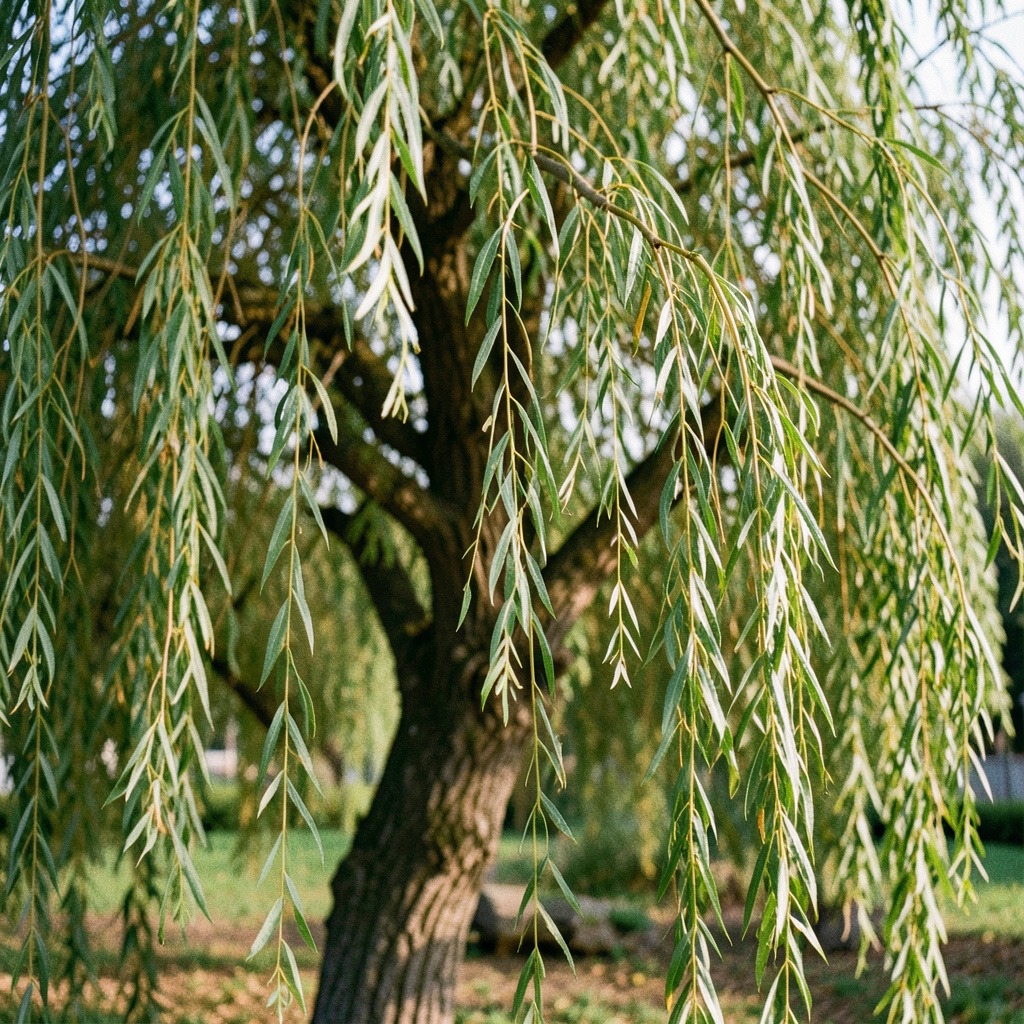
The weeping willow tree, scientifically known as Salix babylonica, is distinguished by its graceful, cascading branches and vibrant green leaves. This tree is not only visually striking but also serves multiple purposes in landscaping.
Definition and Characteristics
The weeping willow is a deciduous tree characterized by its long, slender branches that arch downwards, creating a dramatic curtain of foliage. It can grow up to 50 feet tall and spread its branches as wide as 35 feet. The leaves are narrow and lance-shaped, turning a golden yellow in the fall before dropping.
Origin and Habitat
Native to China, the weeping willow has adapted well to various climates. It thrives near water bodies, such as rivers and lakes, making it suitable for moist areas. This tree is commonly found in temperate regions and can tolerate a range of soil types, provided they are well-draining.
Common Uses in Landscaping
Weeping willows are popular in landscaping for several reasons:
- Aesthetic Appeal: Their elegant form adds beauty to gardens and parks.
- Shade Provision: The dense canopy offers excellent shade, making outdoor spaces more comfortable.
- Privacy Screening: The drooping branches can create natural barriers, enhancing privacy.
- Erosion Control: Their extensive root systems help stabilize soil near water sources.
When considering a weeping willow for your landscape, evaluate factors such as available space, proximity to water, and compatibility with existing flora.
1. Aesthetic Appeal
Weeping willow trees are celebrated for their stunning visual impact. Their unique shape and graceful movement can enhance any landscape, making them a favorite among gardeners and landscape designers.
Seasonal Beauty
Weeping willows offer captivating beauty throughout the year. In spring, their delicate, green leaves emerge, creating a fresh and vibrant look. By summer, the tree’s sweeping branches provide ample shade, perfect for outdoor gatherings. In autumn, the leaves transition to golden hues, adding warmth to the landscape. Even in winter, the skeletal form of the willow against a snowy backdrop can be striking.
Ideal Landscape Features
The weeping willow’s distinct shape makes it a versatile addition to various landscape designs. Here are some ideal features for incorporating weeping willows:
- Waterfront Locations: Their natural habitat near water enhances aesthetic appeal. Consider planting near lakes, ponds, or streams.
- Garden Focal Points: Position a weeping willow as a centerpiece in a garden. Its unique silhouette draws the eye and creates a serene atmosphere.
- Natural Privacy Screens: Use the drooping branches to create a natural barrier, providing privacy while maintaining beauty.
When planning your landscape, consider how a weeping willow can complement existing features. For example, pairing it with other flowering plants can create a harmonious color palette.
2. Rapid Growth Rate
The weeping willow tree is renowned for its impressive growth speed. This characteristic makes it an appealing choice for homeowners seeking immediate shade and visual impact in their landscapes.
Growth Speed Compared to Other Trees
Weeping willows can grow up to 10 to 12 feet in their first few years, making them one of the fastest-growing tree species. In comparison, many other popular shade trees, like oak or maple, can take several years longer to reach similar heights.
Growth Rate Insights
- Initial Growth: Weeping willows often reach 20 to 30 feet within 5 to 10 years.
- Mature Size: Full maturity can be achieved in as little as 15 years.
- Annual Growth: They can grow 3 to 8 feet each year, depending on conditions.
Benefits of Fast Growth
1. Quick Shade: Homeowners can enjoy significant shade in a short period, ideal for outdoor gatherings.
2. Immediate Aesthetic Appeal: The impressive size adds visual interest quickly, enhancing the landscape.
3. Environmental Impact: Rapid growth contributes to improved air quality and habitat creation sooner than slower-growing trees.
Considerations for Homeowners
When selecting a weeping willow for your landscape, consider the following:
- Soil Conditions: Ensure the soil can retain moisture, as these trees thrive in wet environments.
- Space Requirements: Provide ample space for their broad canopy and extensive root system.
- Maintenance Needs: While they grow quickly, regular pruning is essential to maintain their shape and health.
By understanding the rapid growth rate of weeping willows, homeowners can make informed decisions that align with their landscaping goals.
3. Environmental Benefits
Weeping willows offer significant environmental advantages, particularly in soil stabilization and wildlife habitat creation. Their unique characteristics make them a valuable asset for both urban and natural landscapes.
Soil Erosion Prevention
Weeping willows possess extensive root systems that effectively stabilize soil, especially in areas prone to erosion. Their roots spread widely, anchoring the soil and preventing displacement. This is particularly beneficial in:
- Riverbanks: Planting weeping willows along rivers helps maintain the integrity of the bank, reducing soil loss during heavy rains.
- Slopes: On hilly terrains, their roots can mitigate erosion risks by binding soil together.
A case study in a coastal town showed that weeping willows planted near a river significantly reduced bank erosion over five years, effectively preserving the landscape and surrounding flora.
Supporting Local Ecosystems
Weeping willows also provide crucial habitats for various wildlife. Their dense canopy and drooping branches offer shelter and nesting sites for birds. Additionally, they attract essential pollinators, such as bees and butterflies, which play a vital role in maintaining local biodiversity.
Key benefits include:
- Bird Habitat: Species like warblers and sparrows frequently nest in their branches.
- Pollinator Attraction: The flowers of weeping willows bloom early, providing a food source for bees emerging in spring.
In a recent survey, homeowners reported increased bird activity and pollinator visits in gardens with weeping willows, highlighting their role in enhancing local ecosystems.
By understanding these environmental benefits, homeowners can appreciate the weeping willow’s role in promoting a healthier landscape while making informed planting decisions.
4. Low Maintenance Requirements
Weeping willows are known for their low maintenance needs, making them an attractive choice for many homeowners. Their inherent resilience and fast growth contribute to their appeal. Here, we explore the essential care tips and maintenance schedules to help you keep your weeping willow healthy and beautiful.
Pruning and Care Tips
Regular pruning is necessary to maintain the shape and health of your weeping willow. Follow these guidelines for effective care:
- Timing: Prune during late winter or early spring before new growth begins. This timing minimizes stress on the tree.
- Frequency: Aim to prune annually. For larger trees, consider biennial pruning to manage growth effectively.
- Technique: Remove dead, damaged, or crossing branches. Focus on maintaining an open canopy to allow sunlight and air circulation.
Maintenance Schedule
Implementing a straightforward maintenance schedule can enhance the health of your weeping willow:
| Task | Frequency | Notes |
|---|---|---|
| Watering | Weekly (more in summer) | Ensure soil remains consistently moist. |
| Fertilizing | Early spring | Use a balanced fertilizer to promote growth. |
| Pruning | Annually | Focus on dead or damaged branches. |
| Inspections for Pests | Monthly | Check for signs of pests or diseases. |
Environmental Considerations
Weeping willows thrive in wet soil conditions. They require adequate moisture, especially during dry spells. Monitor your local climate and adjust watering practices accordingly. If you live in an area prone to drought, consider alternatives that may better suit your environment.
By adhering to these guidelines, you can enjoy the aesthetic beauty and ecological benefits of weeping willows while keeping maintenance manageable.
5. Invasive Root Systems
Weeping willow trees have a notoriously invasive root system that poses several challenges. Understanding these implications is critical for anyone considering planting one near structures or other plants.
Risks to Foundations and Pipes
The roots of weeping willow trees spread extensively in search of moisture. This aggressive growth can lead to significant issues, particularly when planted near foundations, sidewalks, or underground utilities. Here are some key risks:
- Foundation Damage: Roots can disrupt the stability of foundations, leading to cracks and structural concerns.
- Utility Disruption: Proximity to pipes and septic systems can result in blockages or damage, necessitating costly repairs.
- Soil Erosion: While their roots help prevent soil erosion near water bodies, they can destabilize soil in other areas, especially if planted too close to edges.
Root Management Strategies
To mitigate the risks associated with invasive roots, consider the following strategies:
- Spacing: Plant weeping willows at least 50 feet away from structures and utilities. This distance helps minimize root interference.
- Barrier Installation: Use root barriers made of durable materials to guide root growth downward and prevent lateral spread.
- Regular Maintenance: Monitor the tree’s growth annually. Prune roots if they encroach on nearby structures or utilities.
By implementing these strategies, you can enjoy the aesthetic appeal of a weeping willow while minimizing potential damage. Choosing the right location and managing root growth effectively is essential for a successful planting.
6. High Water Needs
Weeping willow trees have significant water requirements, making them suitable for specific planting locations. Understanding their needs is essential for successful growth and maintenance.
Optimal Planting Conditions
Weeping willows thrive in wet soil conditions and require ample moisture to establish their root systems. Here are key factors to consider when choosing a planting location:
- Soil Type: They prefer loamy or sandy soils that retain moisture but also offer good drainage. Avoid heavy clay soils that can become waterlogged.
- Proximity to Water: Planting near bodies of water, such as lakes or rivers, can help meet their high water demands. This proximity ensures the tree receives sufficient hydration.
- Climate Considerations: Weeping willows flourish in temperate climates with regular rainfall. They struggle in arid regions or during drought periods, where maintaining adequate moisture can be challenging.
Watering Strategies
To successfully cultivate a weeping willow, consider implementing these watering strategies:
- Drip Irrigation: Install a drip irrigation system to deliver consistent moisture directly to the roots. This method reduces water waste and prevents overwatering.
- Soil Moisture Monitoring: Use a soil moisture meter to gauge when to water. Regular checks help maintain optimal moisture levels without risking root rot.
- Mulching: Apply a layer of mulch around the base of the tree. This practice minimizes evaporation and keeps the soil moist, especially during hot summer months.
By carefully selecting planting locations and employing effective watering techniques, you can support the health and growth of your weeping willow tree.
7. Prone to Pests and Diseases
Weeping willows face various pests and diseases that can significantly impact their health and aesthetic appeal. Understanding these challenges and applying effective management strategies is essential for maintaining a thriving tree.
Common Pests Affecting Weeping Willows
Weeping willows attract several pests, including:
- Aphids: Small, sap-sucking insects that can weaken the tree. They often produce a sticky residue known as honeydew, which can lead to sooty mold.
- Caterpillars: Larvae of moths that can defoliate the tree, leading to stress and reduced growth.
- Beetles: Certain beetle species infest willow trees, causing damage to leaves and branches.
Common Diseases in Weeping Willows
Weeping willows are also susceptible to various diseases, such as:
- Willow Blight: A fungal disease that causes leaf discoloration and eventual leaf drop.
- Crown Gall: Bacterial infection that leads to tumor-like growths on the tree’s trunk and roots.
- Root Rot: Fungal disease resulting from poor drainage, causing the roots to decay and the tree to decline.
Management Techniques for Pests and Diseases
Effective management strategies can help mitigate these issues:
1. Regular Inspections: Inspect your weeping willow regularly for signs of pests or diseases. Look for unusual leaf discoloration, spots, or deformities.
2. Organic Treatments: Consider using insecticidal soaps or neem oil for pest control. These organic options are less harmful to beneficial insects and the environment.
3. Pruning: Remove affected branches promptly. This practice improves air circulation, reduces the risk of disease spread, and promotes healthy growth.
4. Soil Management: Ensure proper drainage to prevent root rot. Avoid planting in areas with standing water.
5. Fertilization: Use balanced fertilizers to boost tree health. A healthy tree is better equipped to resist pests and diseases.
By implementing these strategies, you can enhance the resilience of your weeping willow against common pests and diseases.
8. Planting Tips for Weeping Willows
Planting a weeping willow requires careful planning and consideration of environmental factors. Proper execution ensures the tree thrives and enhances your landscape.
Best Time to Plant
Timing is crucial when planting weeping willows. The ideal seasons are:
- Early Spring: After the last frost, this ensures the tree establishes roots before summer heat.
- Fall: Early fall allows for root development before winter dormancy.
Ideal Soil Conditions
Weeping willows prefer specific soil types and conditions for optimal growth:
- Well-drained, loamy soil: This retains moisture but prevents waterlogging.
- Soil pH: Slightly acidic to neutral (pH 6.0 to 7.0) is ideal.
- Moisture levels: Consistent moisture is essential, especially during the early growth stages.
Planting Checklist for Weeping Willows
Follow this checklist to ensure successful planting:
- Choose a sunny location: Weeping willows thrive in full sun.
- Dig a planting hole: Make it twice the width and the same depth as the root ball.
- Soil preparation: Amend the soil with organic matter to enhance drainage and fertility.
- Watering: Water the tree thoroughly after planting and continue to monitor soil moisture.
- Mulching: Apply a 2-3 inch layer of mulch around the base to retain moisture and suppress weeds.
- Regular maintenance: Plan for annual or biennial pruning to manage growth and shape.
By adhering to these guidelines, you can create a healthy environment for your weeping willow, maximizing its beauty and longevity in your landscape.
Alternatives to Weeping Willows
When considering alternatives to weeping willows, it’s essential to evaluate other tree species that can provide similar aesthetic and environmental benefits without the drawbacks associated with willows. Below are some recommended species along with their pros and cons.
Pros and Cons of Alternatives
| Tree Species | Pros | Cons |
|---|---|---|
| River Birch | – Tolerates wet soils – Attractive peeling bark – Supports wildlife |
– Susceptible to pests like the birch borer – Requires regular maintenance |
| Black Willow | – Similar graceful shape – Thrives in wet areas – Fast growth rate |
– Invasive root system – Limited lifespan compared to others |
| Eastern Redbud | – Beautiful spring flowers – Compact size – Low maintenance |
– Prefers well-drained soil – Less shade compared to willows |
| Sycamore | – Large shade provider – Tolerates urban pollution – Unique bark texture |
– Needs plenty of space to grow – Can be susceptible to diseases |
| Bald Cypress | – Tolerates wet conditions – Unique foliage – Provides habitat for wildlife |
– Slow growth rate – Requires adequate space for roots |
Decision Factors
When selecting a tree species as an alternative to the weeping willow, consider the following:
- Growth Requirements: Assess how much space and water each species requires.
- Aesthetic Appeal: Choose a tree that complements your landscape.
- Maintenance Needs: Determine how much time you can commit to upkeep.
- Environmental Impact: Evaluate how the tree will interact with local wildlife and soil conditions.
By weighing these factors, you can select a tree that enhances your landscape while avoiding the challenges posed by weeping willows.
10. Common Questions About Weeping Willows
Weeping willow trees are captivating additions to landscapes, but they come with specific considerations. Here are some frequently asked questions to guide your decision-making.
What Are the Growth Requirements for Weeping Willows?
Weeping willows thrive in moist soil and prefer full sun. They can grow up to 30 feet tall and spread about 35 feet wide.
- Soil Type: Well-drained, moist soil is ideal. Avoid overly dry conditions.
- Watering Needs: Regular watering is crucial, especially during dry spells.
- Spacing: Ensure adequate space for roots to spread without interference with structures or other plants.
What Are Common Maintenance Challenges?
While weeping willows require minimal pruning, their care includes addressing specific challenges:
- Invasive Roots: They can damage underground pipes and foundations.
- Diseases: Watch for signs of willow scab and powdery mildew, which can affect leaf health.
- Pests: Common pests include aphids and caterpillars. Regular inspection helps mitigate these issues.
How Do Weeping Willows Contribute to the Environment?
Weeping willows offer several environmental benefits:
- Erosion Control: Their extensive root system stabilizes soil near water bodies.
- Wildlife Habitat: They provide shelter for birds and attract pollinators like bees and butterflies.
- Carbon Sequestration: As with most trees, they absorb carbon dioxide, contributing to cleaner air.
What Are Some Aesthetic and Design Considerations?
Weeping willows can enhance your landscape’s beauty significantly:
- Visual Impact: Their cascading branches create a serene atmosphere.
- Water Features: They pair well with ponds and lakes, enhancing natural beauty.
- Seasonal Changes: The tree’s appearance varies dramatically across seasons, adding dynamic visual interest.
Decision Checklist for Planting Weeping Willows
Use this checklist to determine if a weeping willow is right for your landscape:
- Local Climate: Does your area provide enough moisture?
- Space Availability: Is there sufficient room for roots and canopy?
- Maintenance Commitment: Are you prepared for potential root and pest issues?
- Landscape Integration: Will it complement existing plants and structures?
By addressing these common questions, you can make an informed decision about incorporating weeping willows into your landscape.
Conclusion: Are Weeping Willows Right for You?
Weeping willow trees offer a unique blend of beauty and ecological benefits, but they come with specific challenges. Understanding both the pros and cons is essential for making an informed decision about incorporating them into your landscape.
Key Pros of Weeping Willows
- Aesthetic Appeal: The graceful, cascading branches create a serene atmosphere. They enhance the visual appeal of gardens and parks.
- Environmental Benefits: Weeping willows help prevent soil erosion and provide habitat for wildlife. Their presence can attract pollinators, enriching local ecosystems.
- Shade Provider: They offer substantial shade, making them ideal for creating cool outdoor spaces.
Key Cons of Weeping Willows
- Invasive Root System: Their roots can spread aggressively, potentially damaging nearby structures such as pipelines and sidewalks.
- Maintenance Needs: Regular care is necessary to manage pests and diseases, including willow scab and powdery mildew.
- Space Requirements: Weeping willows need ample space to grow. Their size can overshadow smaller plants, leading to competition for resources.
Making an Informed Decision
To evaluate whether a weeping willow tree is suitable for your landscape, consider the following:
- Moisture Levels: Ensure your area has enough water availability.
- Space Assessment: Confirm that there is adequate room for both roots and canopy growth.
- Maintenance Readiness: Be prepared to manage potential root and health issues.
- Compatibility Check: Assess whether the tree will harmonize with your existing landscape features.
By weighing these factors, you can determine if a weeping willow tree aligns with your landscaping goals, enhancing both beauty and functionality in your outdoor space.
Frequently Asked Questions
These quick answers cover the most common questions about this topic, including key details, practical tips, and common concerns.
Where should you not plant a weeping willow tree?
Avoid planting weeping willows near structures, sidewalks, or underground utilities. Their invasive root systems can cause damage to foundations and disrupt pipes. Ideally, plant them at least 50 feet away from any buildings or hardscapes. Additionally, steer clear of areas with poor drainage, as standing water can lead to root rot.
What are the disadvantages of a weeping willow tree?
Weeping willows have several disadvantages. Their aggressive root systems can invade nearby gardens and foundations, causing structural damage. They also require a lot of water, making them unsuitable for dry or drought-prone areas. Furthermore, they are prone to pests like aphids and diseases such as willow blight, which can affect their health and appearance.
How big is a 10-year-old willow tree?
A 10-year-old weeping willow can reach heights of 20 to 30 feet, with a spread of about 15 to 25 feet. Their rapid growth rate allows them to achieve significant size quickly, making them a popular choice for those seeking immediate shade and visual impact in their landscapes.
Are weeping willows a good tree for small yards?
Weeping willows are generally not ideal for small yards due to their large size. They can grow wide and tall, potentially overshadowing smaller plants and limiting space for other landscaping features. If you have a small yard, consider alternatives like dwarf varieties or other trees that maintain a more compact size.
Can weeping willows grow in drought conditions?
Weeping willows do not thrive in drought conditions. They require consistent moisture to establish their root systems and maintain health. If you live in an area with limited water availability, it’s best to choose a different tree species that is more drought-tolerant.
What pests are common with weeping willow trees?
Common pests affecting weeping willows include aphids, caterpillars, and beetles. Aphids can weaken the tree by sucking sap and may produce honeydew, leading to sooty mold. Regular inspections and organic treatments, such as insecticidal soap, can help manage these pest issues effectively.
How can I prevent my weeping willow from becoming invasive?
To prevent a weeping willow from becoming invasive, plant it at a safe distance from structures and other plants. Installing root barriers can also help contain root growth. Regular pruning will manage its size and shape, reducing the risk of encroachment on nearby areas. Monitoring its growth and health is essential for effective management.