
Moss plants are small, non-vascular plants that thrive in moist, shaded environments, playing an important role in various ecosystems. They may seem simple, but their unique features and versatility are truly fascinating. Read Interesting article: What Is a Moss Plant? Simple Definition + Facts
Understanding Moss Plants: An Overview
What is Moss?
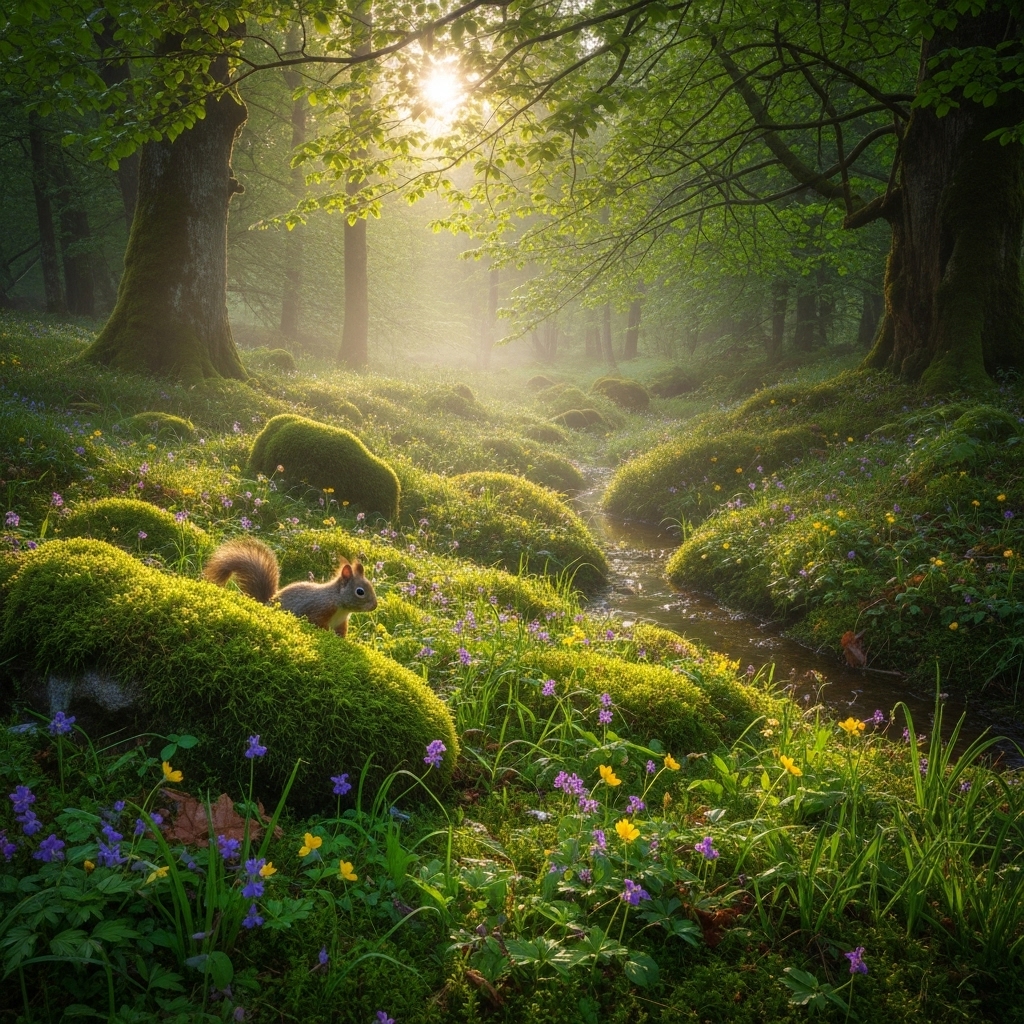
Mosses belong to the Bryophyta division in the plant kingdom, which is characterized by their small, leafy structures and their lack of true roots, stems, or leaves. Instead, they have rhizoids that anchor them to the ground and help absorb water and nutrients. In my experience exploring wooded areas and damp environments, I’ve often come across patches of moss that create a lush, green carpet, adding a serene beauty to the landscape. Moss can be found in a variety of habitats, but they particularly flourish in humid conditions, often covering rocky surfaces, tree trunks, and even the forest floor.
Characteristics of Moss Plants
Moss plants have some distinct features that set them apart from other types of vegetation. They typically grow in dense clumps or mats, which can be a vibrant green shade or vary in color depending on the species. What I find most interesting is their ability to thrive in low-nutrient environments, thanks to their small size and unique adaptations. Unlike flowering plants, mosses do not produce flowers or seeds. Instead, they reproduce via spores released from specialized structures called sporangia.
One characteristic that stands out to me is how mosses respond to environmental changes. They can dry out and become dormant during dry periods, but once they receive moisture, they quickly revive. I remember walking through a forest after a rainstorm, where the moss seemed to come alive, its vibrant colors and textures contrasting beautifully with the dark, wet earth. Additionally, mosses can absorb significant amounts of carbon dioxide from the air, which contributes to their role in mitigating climate change. Read Interesting article: Are Plants Alive? Simple Answer Explained
Life Cycle of Moss
The life cycle of moss is quite unique and complex, featuring two main stages: the gametophyte and the sporophyte. The gametophyte stage is the dominant, green part of the moss that we commonly recognize. This stage is responsible for producing gametes—sperm and eggs. During my studies, I learned that for fertilization to occur, water is essential because the sperm must swim through moisture to reach the egg. Once fertilization occurs, a sporophyte develops, which is often a slender stalk topped with a capsule that contains spores.
The sporophyte is usually attached to the gametophyte and, unlike the gametophyte, it is not photosynthetic but relies on the gametophyte for nourishment. When the spores mature, they are released into the environment, and if conditions are right, they can germinate and grow into new gametophyte plants. I find it incredible how mosses have adapted to reproduce effectively in such diverse environments, ensuring their survival through various methods. Observing this life cycle in nature really deepened my appreciation for these remarkable plants.
Types of Moss Plants
Common Moss Species
There are over 12,000 species of moss worldwide, each with its unique characteristics and habitat preferences. Some of the most common species include the **Sphagnum moss**, often found in wetlands and known for its water-retaining properties, making it essential in peat bogs. I’ve often seen Sphagnum moss creating soft, cushion-like patches that are not only beautiful but also serve critical roles in their ecosystems.
Another species I find fascinating is the **Polytrichum moss**, which features taller stalks and is often found in more open, sunny areas compared to other moss types. Its distinctive upright growth habit makes it easy to spot on forest floors. Then there’s the **Hypnum moss**, which forms a dense mat and is commonly used in gardening and landscaping. Each of these mosses serves different ecological functions, and learning about them has made me more aware of the diversity in our natural world.
Examples of Moss in Different Environments
Mosses can adapt to a wide range of environments, from dense forests to rocky cliffs and even urban landscapes. For instance, I remember hiking in the Pacific Northwest, where the forest was alive with a variety of moss species clinging to trees, rocks, and the forest floor. This lush greenery not only adds beauty to the scenery but also plays a vital role in the ecosystem. In urban settings, mosses often grow on walls and roofs, helping to reduce air pollution and provide insulation.
In alpine regions, I’ve noticed mosses creeping along the ground where other plants might struggle to survive due to harsh conditions. This adaptability makes mosses essential components in various ecosystems. They help retain moisture, prevent soil erosion, and even provide habitat for small creatures. The more I explore these environments, the more I appreciate the resilience and importance of these tiny plants.
The Role of Moss in Ecosystems
Moss and Soil Health
Mosses play a crucial role in maintaining soil health, which I’ve come to appreciate during my time gardening and hiking. One of the most interesting things I’ve learned is how mosses help retain moisture in the soil. Their ability to absorb and hold water is impressive; a thick layer of moss can hold up to twenty times its dry weight in water! This feature not only benefits the moss itself but also supports the surrounding flora by keeping the soil hydrated, especially in periods of drought.
Furthermore, moss contributes to nutrient cycling in the ecosystem. As mosses grow and eventually die, they decompose and add organic matter to the soil. This process enriches the soil, promoting healthier plant growth. I remember a time I visited a natural reserve where the forest floor was carpeted with moss. The healthy ferns and wildflowers surrounding it thrived in that environment, a testament to the supportive role moss plays in creating a rich and balanced ecosystem.
Moss as a Habitat for Wildlife
Mosses provide shelter and habitat for a variety of small creatures, including insects, spiders, and even some tiny mammals. I’ve spent countless afternoons observing the little worlds that thrive within moss patches. These habitats offer a moist environment that many organisms depend on. For example, I once spotted a small frog nestled comfortably in a lush patch of moss, perfectly camouflaged against its green backdrop. This experience reminded me of how vital mosses are for biodiversity.
Additionally, mosses can serve as breeding grounds for certain species. The moist, sheltered areas they create are perfect for laying eggs and supporting larvae. I’ve often marveled at the intricate relationships between moss and the creatures that rely on it. By providing food and shelter, mosses contribute significantly to the food web. It’s fascinating to think that something as simple as a moss patch can support such a diverse range of life.
Cultivating Moss: A Guide
How to Grow Moss at Home
Growing moss at home can be a rewarding experience. I decided to try my hand at it after encountering beautiful moss gardens in various parks. First, I gathered some moss from my yard, ensuring I didn’t take too much from any one area, as sustainability is essential. I gently cleaned the moss to remove debris and then placed it in a shaded area of my garden. I found that moss thrives in places where sunlight is limited, as it prefers cooler and wetter conditions.
Another method I’ve experimented with is creating a moss terrarium. I used a glass container, some soil, and, of course, the moss. After arranging everything, I lightly misted the terrarium to keep the moss hydrated. Over time, I watched it flourish, creating a mini-ecosystem right in my living room. It’s been a joy to have a little bit of nature indoors, and I often find myself admiring how the moss adds a touch of tranquility to my space.
Best Conditions for Moss Growth
For anyone looking to cultivate moss, understanding the best conditions for growth is key. I’ve learned that moss prefers acidic conditions and thrives in soil with a pH between 5.0 and 6.0. Ensuring adequate moisture is also vital; I usually water my moss regularly, especially during dry spells, but I’m careful not to overdo it. Too much water can lead to rot, which I’ve experienced firsthand when I got a little too enthusiastic with the watering can!
Another factor to consider is air circulation. I’ve found that placing my moss in a spot where there’s a gentle breeze helps keep it healthy. While mosses don’t require direct sunlight, a little indirect light can give them the energy they need to stay vibrant. I’ve enjoyed experimenting with different locations in my garden and observing how the moss responds to varying conditions.
Uses of Moss in Landscaping and Decor
Moss in Garden Design
Mosses have become increasingly popular in garden design, and I can see why. Their unique textures and colors add an interesting dimension to landscapes. I remember visiting a botanical garden where they used moss to create beautiful pathways and borders. It not only looked stunning but also felt soft underfoot, creating a serene atmosphere. Moss can be a great alternative to grass in shaded areas where traditional lawns struggle to grow.
Another use I’ve seen is in creating moss gardens, where various moss species are combined to form a living tapestry. These gardens require minimal maintenance, and I’ve found them to be a peaceful retreat from the hustle and bustle of daily life. Plus, they can help reduce water usage, making them an eco-friendly option for landscaping.
Moss in Interior Decoration
Using moss indoors has become a popular trend in home decor, which I find delightful. I’ve seen stunning moss wall art and preserved moss arrangements that bring a touch of nature inside. One of my favorite projects was creating a moss frame for my living room. I used preserved moss, which doesn’t need watering or light, and arranged it in a shadow box. It’s a unique piece that always sparks conversation when guests come over.
Moss can also be used in terrariums, as I mentioned earlier, or as part of centerpieces for events and weddings. The soft green hues create a calming ambiance, and it’s a great way to incorporate natural elements into our living spaces. I believe that as we become more aware of our connection to nature, using moss in decor will continue to grow in popularity.
Challenges and Conservation of Moss
Threats to Moss Habitats
Mosses, while resilient, face several challenges that threaten their habitats and overall survival. One major threat I’ve observed is habitat destruction. Urban development, deforestation, and agricultural expansion can lead to the loss of the moist, shady environments that mosses thrive in. During my hikes, I’ve seen areas that were once lush with moss transformed into concrete jungles or fields devoid of the delicate greenery. It’s disheartening to witness the disappearance of these ecosystems that support not just moss, but a multitude of other organisms.
Climate change is another significant threat to moss habitats. Changes in temperature and precipitation patterns can alter the humidity levels that mosses depend on. I’ve noticed that some areas where I used to find vibrant moss patches have become drier and less hospitable to these plants. The increased frequency of droughts can lead to moss die-offs, particularly in regions that experience extreme weather fluctuations.
Pollution also poses a danger to mosses. Air pollution, in particular, can affect moss growth since these plants absorb nutrients and moisture directly from the air. I recall walking through a city park where the moss was noticeably struggling; it looked discolored and unhealthy compared to the thriving patches I’d seen in cleaner, natural environments. This made me realize how interconnected our actions are with the health of these small but vital plants.
Conservation Efforts for Moss Species
Fortunately, there are ongoing conservation efforts aimed at protecting moss habitats and the species themselves. I recently read about initiatives that focus on restoring natural habitats by reintroducing native moss species. These efforts often involve removing invasive plants that compete with moss for resources. I’ve always found it inspiring when communities come together to restore their local ecosystems, and moss conservation projects are a perfect example of this collaboration.
Additionally, researchers are working on understanding moss genetics and their ecological roles better. This research plays a crucial part in developing conservation strategies. For instance, I discovered that some scientists are studying the ways mosses can help mitigate climate change. Their ability to absorb carbon dioxide and retain water makes them valuable allies in our fight against environmental degradation.
Community awareness is also essential in moss conservation. I’ve seen various educational programs aimed at schools and local communities, teaching people about the importance of mosses and the ecosystems they support. I believe that when people understand the value of these tiny plants, they are more likely to appreciate and protect them. Participating in local clean-up days or volunteering at conservation projects can contribute to the health of our natural spaces.
On a personal level, I’ve made a conscious effort to educate myself and others about the role of moss in our environment. Sharing my experiences and what I’ve learned about moss with friends and family has sparked interesting conversations about nature and conservation. I think that every little bit helps when it comes to protecting the tiny wonders around us.
Frequently Asked Questions About Moss Plants
How do mosses reproduce?
Mosses reproduce through a two-stage life cycle involving gametophytes and sporophytes. The gametophyte produces gametes (sperm and eggs), and for fertilization to occur, water is crucial because the sperm must swim to reach the egg. After fertilization, the sporophyte develops from the fertilized egg, producing spores that can grow into new gametophytes under suitable conditions. I find this fascinating because it highlights the importance of water in the reproductive cycle of these plants.
Can moss survive in dry conditions?
Mosses have a remarkable ability to survive in dry conditions by entering a dormant state. When they dry out, they can appear brown and lifeless, but once they receive moisture, they quickly revive and return to their lush green state. I’ve witnessed this firsthand; after a heavy rain, the moss that seemed dead just days earlier sprang back to life, reminding me of their tenacity and resilience.
Is moss a plant or a fungus?
Moss is indeed a plant, specifically a non-vascular plant in the Bryophyte division. Unlike fungi, mosses have chlorophyll, enabling them to photosynthesize and produce their food. This distinction is important, as I’ve often encountered confusion about the nature of moss. Understanding the characteristics that make moss unique has deepened my appreciation for these incredible plants and their role in our ecosystems.
Frequently Asked Questions
What is moss?
Mosses belong to the Bryophyta division in the plant kingdom and are characterized by their small, leafy structures and lack of true roots, stems, or leaves. They have rhizoids that anchor them to the ground and help absorb water and nutrients.
How do mosses reproduce?
Mosses reproduce through a two-stage life cycle involving gametophytes and sporophytes. The gametophyte produces gametes (sperm and eggs), and for fertilization to occur, water is crucial because the sperm must swim to reach the egg. After fertilization, the sporophyte develops from the fertilized egg, producing spores that can grow into new gametophytes under suitable conditions.
Can moss survive in dry conditions?
Mosses have a remarkable ability to survive in dry conditions by entering a dormant state. When they dry out, they can appear brown and lifeless, but once they receive moisture, they quickly revive and return to their lush green state.
What are some common species of moss?
Some common species of moss include Sphagnum moss, which is often found in wetlands; Polytrichum moss, which features taller stalks and is found in sunny areas; and Hypnum moss, which forms a dense mat commonly used in gardening and landscaping.
What role do mosses play in ecosystems?
Mosses play a crucial role in maintaining soil health by retaining moisture and contributing to nutrient cycling. They help prevent soil erosion and provide habitat for various small creatures, thus supporting biodiversity.
How do mosses contribute to climate change mitigation?
Mosses can absorb significant amounts of carbon dioxide from the air, which contributes to their role in mitigating climate change. Their ability to retain water also helps in maintaining environmental balance.
What conditions are best for growing moss at home?
Moss thrives in shaded areas with cooler and wetter conditions. It prefers acidic soil with a pH between 5.0 and 6.0 and requires adequate moisture, but care should be taken to avoid overwatering, which can lead to rot.
How can moss be used in landscaping?
Mosses are popular in garden design for their unique textures and colors. They can be used to create pathways, borders, and moss gardens, which require minimal maintenance and can help reduce water usage in landscaping.
What threats do moss habitats face?
Moss habitats face threats such as habitat destruction due to urban development, climate change affecting humidity levels, and pollution, particularly air pollution, which can hinder moss growth.
What conservation efforts exist for moss species?
Conservation efforts for moss species include restoring natural habitats by reintroducing native moss species, studying moss genetics and ecological roles, and raising community awareness about the importance of mosses and their ecosystems.