
Perennial plants are those that live for more than two years, returning season after season and often becoming a staple in gardens and landscapes. They come in various types, offering a range of colors, textures, and benefits. Read Interesting article: List of Annual, Perennial, Biennial Plants (Table)
Understanding Perennial Plants
Definition of Perennial Plants
Perennial plants are categorized by their ability to survive for multiple growing seasons. Unlike annuals, which complete their life cycle in one season, or biennials, which take two years to mature, perennials can live for several years. This means they can provide gardeners with a stable and reliable source of beauty and functionality in their landscapes year after year. I’ve always found it interesting how these plants can adapt and thrive through different seasons, returning stronger each time. If you’re curious about specific varieties, Are Tulips Perennial Plants? Do They Come Back? offers insights into one popular perennial flower.
Life Cycle of Perennial Plants
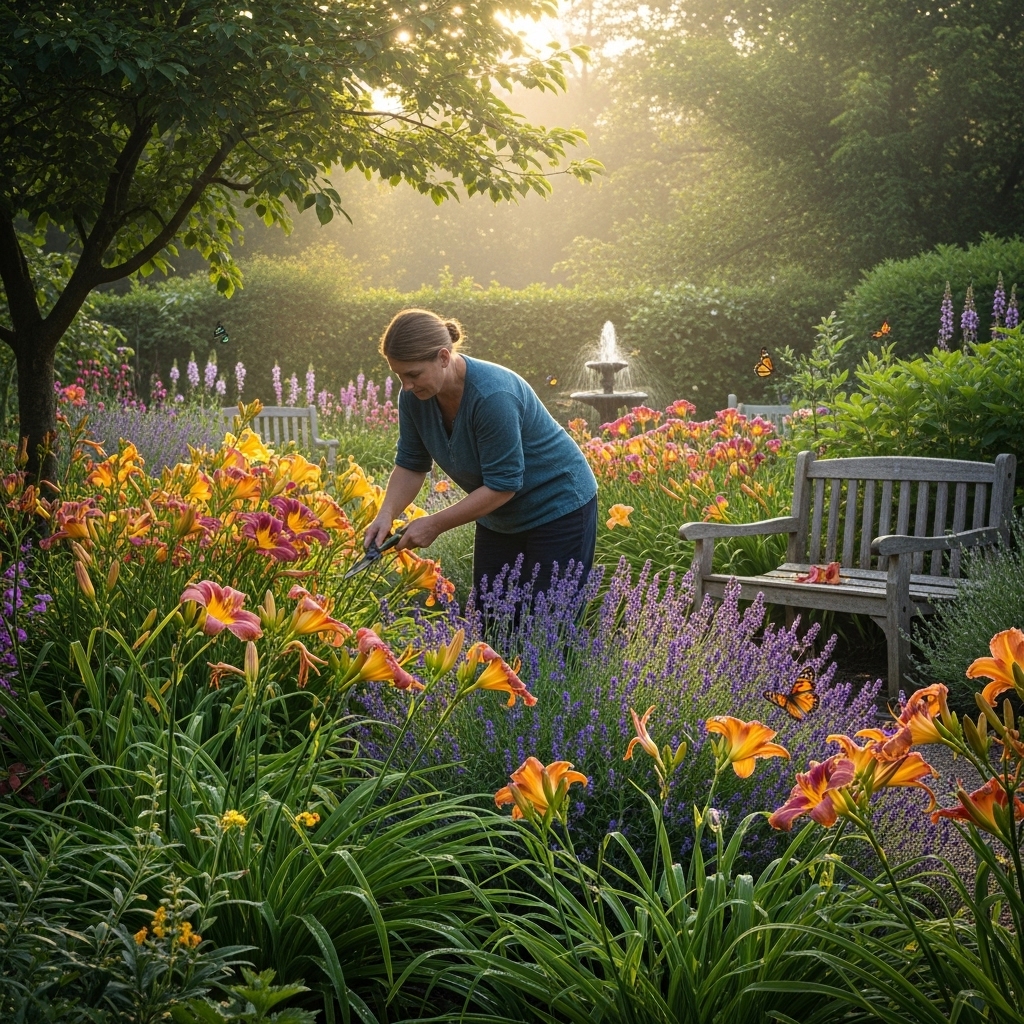
The life cycle of a perennial plant typically involves growth, dormancy, and rebirth. In spring, they sprout new growth from their root systems, often pushing through the soil as the weather warms. Throughout the summer, many perennials bloom and showcase their vibrant flowers or lush foliage, attracting pollinators like bees and butterflies. As fall approaches, most perennials begin to slow down, and their leaves may die back, but the roots remain alive and active underground. This dormancy phase allows them to survive harsh winter conditions, and when spring arrives, they burst back to life once again. I remember planting my first perennials and being amazed at how they would return each year, almost as if they were greeting me with open blooms.
Types of Perennial Plants
There are two main categories of perennial plants: herbaceous and woody. Understanding these types can help you make informed choices when planning your garden.
Herbaceous Perennials
Herbaceous perennials are characterized by their soft, non-woody stems. They die back to the ground each winter and regrow in the spring from their root systems. Examples of herbaceous perennials include daylilies, peonies, and hostas. I’ve always loved adding herbaceous perennials to my garden because they can fill spaces with stunning colors and textures without the need for heavy maintenance. They often bloom at different times, providing continuous beauty throughout the growing season.
Woody Perennials
Woody perennials, on the other hand, have hard, fibrous stems that do not die back in winter. Instead, they continue to grow and can become quite large over the years. Trees and shrubs fall into this category. Examples include hydrangeas and lilacs. I’ve found that woody perennials can add structure and height to a garden, creating a wonderful backdrop for the more delicate herbaceous plants. They often have a significant impact on the garden’s overall design.
Benefits of Growing Perennial Plants
Low Maintenance Requirements
One of the most appealing aspects of perennial plants is their low maintenance requirements. Once established, they generally need less care than annuals, which must be replanted every year. I’ve found that perennials often require less frequent watering, especially if you choose drought-tolerant varieties. This can save me a lot of time and effort in the garden.
Environmental Benefits
Perennials offer numerous environmental benefits as well. They play a crucial role in soil health, helping to prevent erosion and improve soil structure. Their deeper root systems can also help with water retention, reducing the need for irrigation. I’ve noticed that my perennials attract beneficial insects, like pollinators and natural pest control agents, creating a balanced ecosystem in my garden. It’s rewarding to know that I’m contributing to the environment while enjoying the beauty of my plants.
Long-Term Cost Efficiency
Investing in perennial plants can be more cost-effective over time. Although they might have a higher upfront cost compared to annuals, their longevity means you’ll save money on replanting each year. I remember calculating how much I spent on annuals each season and was surprised to see how quickly those costs added up! Now, with my established perennials, I can enjoy a flourishing garden without the repeated expense. Additionally, for those interested in more floral gardening options, How to Grow Sunflower Plants (Big Blooms Guide) provides helpful tips for incorporating sunflowers into your garden.
Popular Perennial Plants: A Comprehensive List
Flowering Perennials
When it comes to adding color and vibrancy to our gardens, flowering perennials are often the stars of the show. They provide beautiful blooms that can last for weeks or even months, depending on the variety. Let me share some of my favorites that have truly brightened my garden.
Daylilies
Daylilies are one of the easiest and most forgiving perennials to grow. They come in a rainbow of colors and have a unique flower shape that always catches my eye. What I love most about them is their resilience; they can thrive in various conditions, from full sun to partial shade. In my garden, I’ve planted several different varieties, and it’s always exciting to see which ones will bloom first each season.
Peonies
Peonies are another classic choice for flowering perennials. Their large, lush blooms are breathtaking and often have a delightful fragrance. I remember the first time I saw a peony bush in full bloom; it felt like a floral explosion! Peonies can be a bit tricky to establish, but once they take root, they can live for decades, providing gorgeous flowers year after year. I’ve found that they make great cut flowers for arrangements, bringing a touch of elegance indoors.
Black-eyed Susans
These cheerful, yellow flowers are perfect for adding a pop of color to my garden. Black-eyed Susans are native wildflowers, so they tend to attract butterflies and bees, which is always a plus for me. They are low-maintenance and can tolerate drought, making them a smart choice for those of us who might forget to water occasionally. I love how they create a natural, wild look when planted in clusters.
Foliage Perennials
While flowers are often the main attraction, foliage perennials can add texture and interest throughout the growing season. These plants provide a lush backdrop to our floral displays and can even stand alone as focal points.
Hostas
Hostas are a go-to for shady areas in my garden. Their broad, lush leaves come in various shades of green, blue, and gold, and they can really brighten up darker spots. I’ve seen some amazing combinations of hostas, with different varieties planted together for a stunning effect. Plus, they are incredibly easy to care for, making them a favorite among gardeners of all skill levels.
Ferns
Ferns bring a delicate, airy quality to the garden. I love how they sway gently in the breeze, adding movement to the landscape. They thrive in shady spots and can create a serene atmosphere. I’ve planted several types of ferns, and each one has its unique texture, from feathery to more rigid fronds. They also pair beautifully with flowering plants, providing a soft contrast that enhances the overall design.
Edible Perennials
One of the most rewarding aspects of gardening is growing our own food. Edible perennials are a fantastic way to enjoy fresh produce year after year without the hassle of replanting.
Asparagus
Asparagus is a perennial vegetable that I absolutely adore. Once established, these plants can produce for 15 years or more, providing a delicious and nutritious addition to our meals. I remember the excitement of my first asparagus harvest; it felt like a true accomplishment! With proper care, they thrive in well-drained soil and sunny locations, making them a staple in my garden.
Rhubarb
Rhubarb is another perennial favorite of mine. With its vibrant red stalks, it adds both color and a tart flavor to pies and jams. I’ve learned that rhubarb does best in cooler climates, so it thrives in my garden. The leaves are toxic, but the stalks are delicious when cooked down with sugar. I look forward to the rhubarb season every year, knowing that I can whip up some of my favorite desserts.
How to Care for Perennial Plants
Choosing the Right Location
Choosing the right location for our perennials is crucial for their success. I’ve found that observing the sunlight patterns in my garden helps a lot. Some plants thrive in full sun, while others prefer partial shade. I remember relocating a few plants because they weren’t getting enough light, and the difference was remarkable once they settled into the right spot.
Soil Preparation and Fertilization
Soil quality is another key factor in growing healthy perennials. I usually start by testing my soil to understand its pH and nutrient levels. Adding organic matter like compost can improve soil structure and fertility. I’ve noticed that when the soil is rich and well-draining, my plants flourish. I also use a balanced fertilizer in early spring to give them a boost as they wake up from dormancy.
Watering and Irrigation Techniques
Watering is essential, especially during dry spells. I’ve learned that deep, infrequent watering encourages strong root growth. Drip irrigation has worked wonders for me, allowing me to water at the base of the plants without wetting the foliage. This method helps prevent diseases and keeps my plants happy.
Pruning and Deadheading Techniques
Pruning and deadheading are two tasks that I make sure to incorporate into my gardening routine. Deadheading spent blooms can encourage more flowers and keep plants looking tidy. I’ve found that regular pruning helps maintain shape and encourages new growth. It’s amazing how a little bit of TLC can go a long way in keeping my perennials healthy and vibrant!
Designing Your Garden with Perennial Plants
Creating Seasonal Interest
One of the most exciting aspects of using perennial plants in our gardens is the ability to create seasonal interest. I love how different perennials bloom at various times throughout the growing season, allowing my garden to evolve and surprise me. For example, I often plant early bloomers like crocuses and daffodils, which bring vibrant colors as soon as spring arrives. Then, as summer takes over, my daylilies and coneflowers burst into bloom, keeping the show going. Finally, I look forward to the autumn display of sedums and asters, which provide a beautiful backdrop as the leaves change. It’s like watching a performance where the star cast keeps changing, ensuring that every season has something special to offer.
Combining Perennials with Annuals and Biennials
While perennials are fantastic for long-term beauty, I’ve found that mixing them with annuals and biennials can create a more dynamic garden. Annuals like marigolds and zinnias provide immediate color, filling in gaps while my perennials are still establishing themselves. I remember planting sunflowers among my perennial borders last summer, and the combination was stunning! Not only did it add height to my garden, but the sunflowers also attracted so many pollinators. I think that blending these plants allows us to enjoy a fuller palette and keeps the garden looking fresh and lively throughout the year.
Color Schemes and Plant Pairing
When designing my garden, I’ve learned that color schemes play a crucial role in creating harmony and visual interest. I enjoy experimenting with color combinations, like pairing the soft pastels of my peonies with the bright yellows of black-eyed Susans. The contrast between these colors creates a lively scene that draws the eye. I also pay attention to the foliage colors and textures; the deep greens of hostas can complement the bright blooms of daylilies beautifully. A tip I’ve found useful is to create “thriller, filler, and spiller” combinations—using tall plants as the thriller, medium-height plants as the filler, and draping plants as the spiller to create depth and dimension in my garden beds.
Common Challenges in Growing Perennial Plants
Pest and Disease Management
As much as I love my perennial garden, I’ve encountered my fair share of pests and diseases along the way. Aphids, slugs, and spider mites have shown up uninvited at various times, and I’ve had to learn how to manage them without compromising the health of my plants. I’ve found that introducing beneficial insects, like ladybugs, can help control aphid populations naturally. I also try to keep my plants healthy through proper watering and fertilization, which makes them less susceptible to pests and diseases. It’s all about finding that balance and being proactive rather than reactive.
Overcrowding and Division
Another challenge I’ve faced is overcrowding. As my perennials grow and thrive, they can sometimes outgrow their designated space. This can lead to competition for nutrients and light, which ultimately affects their health. I’ve learned that dividing my perennials every few years is essential to maintain their vigor. It’s actually quite rewarding! I remember digging up my hostas last fall, separating them, and replanting them in other areas of my garden. Not only did this rejuvenate the plants, but it also allowed me to expand my garden and share some with friends.
Weather and Climate Considerations
Weather can be unpredictable, and I’ve had to adapt my gardening practices accordingly. Some years are dry, while others are wetter than usual, and both extremes can affect my perennials. I’ve found that selecting drought-tolerant varieties helps during dry spells, while ensuring good drainage prevents root rot in overly soggy conditions. I also pay attention to my local climate when choosing plants, ensuring that they’re well-suited for the conditions in my area. Keeping a gardening journal has helped me track weather patterns and plant performance, making it easier to plan for future seasons.
FAQs About Perennial Plants
How long do perennial plants live?
Perennial plants can live for several years, with some lasting decades under the right conditions. I’ve seen peonies thrive for over 50 years in some gardens! Their longevity really adds to their appeal.
Can perennial plants be grown in containers?
Absolutely! Many perennials do well in containers, especially if you choose dwarf varieties. I’ve had success with hostas and daylilies in pots, which allows me to move them around and experiment with different arrangements. Just be sure to use a good potting mix and provide proper drainage.
What is the best time to plant perennials?
The best time to plant perennials is typically in the spring or fall. I prefer spring planting because it gives the plants a full growing season to establish themselves before winter. However, fall planting can also be beneficial, allowing roots to grow strong before the ground freezes. Just make sure to check the specific needs of the plants you choose!
Frequently Asked Questions
What are perennial plants?
Perennial plants are those that live for more than two years, returning season after season. They provide a stable and reliable source of beauty and functionality in gardens and landscapes.
How do perennial plants differ from annuals and biennials?
Perennials can live for several years, unlike annuals, which complete their life cycle in one season, or biennials, which take two years to mature.
What are the two main categories of perennial plants?
The two main categories of perennial plants are herbaceous and woody plants. Herbaceous perennials have soft, non-woody stems and die back to the ground each winter, while woody perennials have hard, fibrous stems that do not die back in winter.
What are some examples of herbaceous perennials?
Examples of herbaceous perennials include daylilies, peonies, and hostas. They are known for their stunning colors and textures and require less maintenance.
What is one of the main benefits of growing perennial plants?
One of the main benefits of perennial plants is their low maintenance requirements. Once established, they generally need less care than annuals.
How can perennial plants contribute to environmental health?
Perennial plants help prevent soil erosion, improve soil structure, and their deeper root systems aid in water retention, reducing the need for irrigation.
What are some popular flowering perennial plants?
Popular flowering perennials include daylilies, peonies, and black-eyed Susans, known for their vibrant blooms and ability to attract pollinators.
When is the best time to plant perennials?
The best time to plant perennials is typically in the spring or fall, with spring planting allowing a full growing season for establishment before winter.
What is the importance of choosing the right location for perennial plants?
Choosing the right location is crucial for the success of perennial plants, as different species have varying sunlight needs, which can significantly affect their growth.
What should you do if your perennials become overcrowded?
If perennials become overcrowded, it is essential to divide them every few years to maintain their vigor and prevent competition for nutrients and light.