
Pioneer plants are the first species to colonize disturbed or barren environments, playing a crucial role in ecological succession. They help stabilize soil and create conditions for other plants to thrive, paving the way for a diverse ecosystem. Read Interesting article: Quaking Aspen Trees: Are They Notably Deer Resistant Plants?
Understanding Pioneer Plants
Definition of Pioneer Plants
Pioneer plants are fascinating organisms that emerge in environments that have been disturbed or altered, such as after a fire, a volcanic eruption, or human activities like mining and construction. I’ve always been intrigued by how these resilient species can take root in some of the harshest conditions. Essentially, they are the “first responders” of the plant world, arriving on the scene to initiate the healing process of the ecosystem.
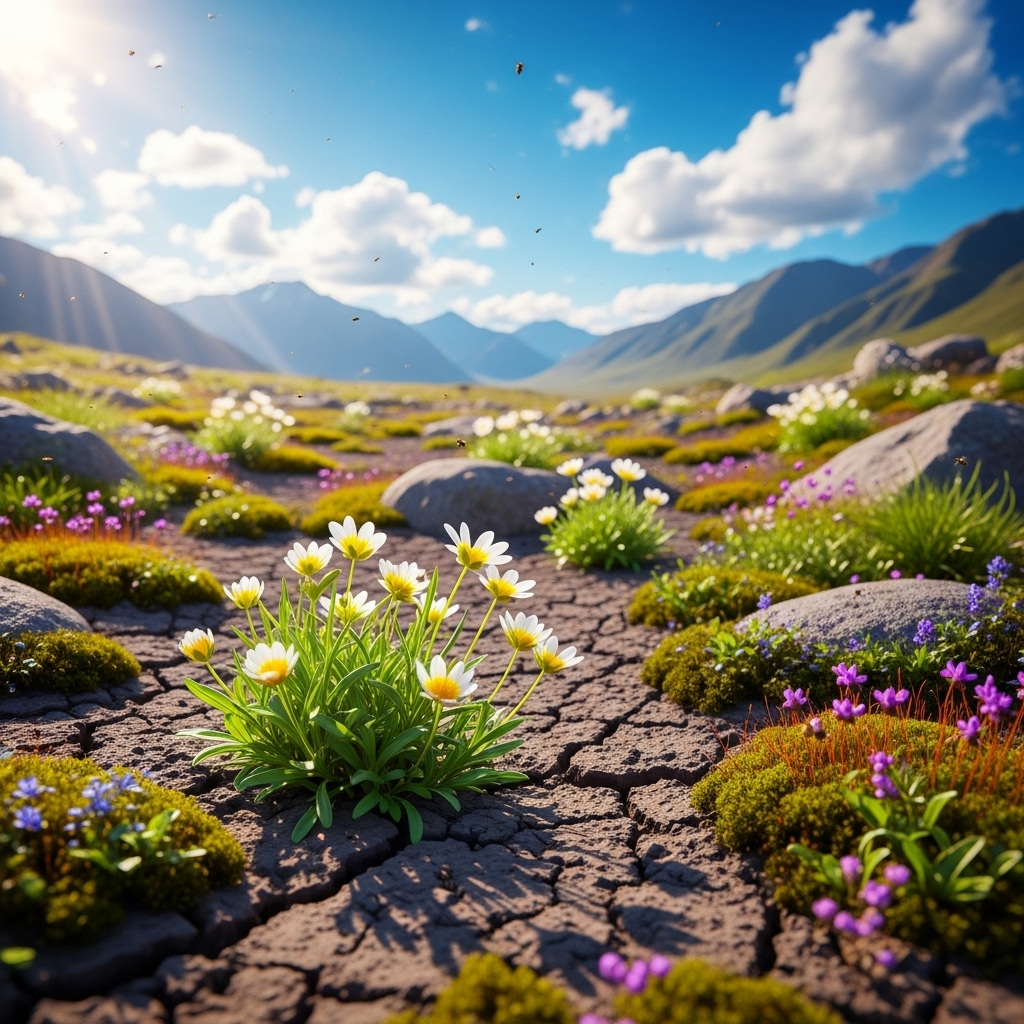
To understand their role better, I like to think of pioneer plants as the settlers of an empty land. Just like early settlers prepared the ground for future communities, these plants prepare the soil and environment for later species to flourish. They can tolerate extreme conditions, such as poor soil quality and limited moisture, which allows them to thrive where others cannot. This adaptability is one of the defining characteristics of pioneer plants.
Role in Ecosystems
The role of pioneer plants in ecosystems is not just about survival; it’s about transformation. When they first establish themselves, they begin to alter the environment around them, which is something I’ve always found remarkable. For instance, they can improve soil quality by adding organic matter as they decompose, enriching the ground for future plants. This process not only makes the soil more fertile but also helps retain moisture, creating a more hospitable environment.
Additionally, pioneer plants provide food and shelter for various organisms. I remember hiking in a recovering forest where I could see how birds and insects were already making homes among the young plants. This early support system is vital as it lays the groundwork for a more complex ecosystem to develop over time. It’s like watching a community grow from the ground up, where each species plays a part in building a sustainable environment.
Characteristics of Pioneer Plants
Pioneer plants possess unique characteristics that enable them to thrive in challenging conditions. From my observations and readings, these traits are what set them apart from other plant species. First and foremost, many pioneer plants have deep root systems. This allows them to access water and nutrients that are not available to more shallow-rooted plants, which is crucial in barren landscapes.
Another key characteristic is their ability to reproduce quickly. Many pioneer species have high seed production rates and can often germinate rapidly after a disturbance. I’ve seen how quickly some of these plants can sprout after a wildfire, covering the landscape in green almost overnight. Furthermore, some of them have seeds that can remain dormant in the soil until the right conditions arise, ensuring their survival over time.
Pioneer plants also tend to be hardy and resilient. They can withstand extreme temperatures, poor soil conditions, and even drought. For example, some species can photosynthesize more effectively under low light conditions, which is often the case in disturbed areas where larger plants have yet to grow back. I feel it’s truly inspiring to witness these plants pushing through adversity, demonstrating nature’s incredible resilience.
Overall, the importance of pioneer plants cannot be overstated. They are essential for initiating the recovery process in ecosystems, setting the stage for a diverse array of species to thrive. In my experience, understanding these plants has deepened my appreciation for the natural world and the delicate balances that exist within it. They remind us that life can find a way, even in the toughest situations, and that every species has a role in the bigger picture of our environment.
The Importance of Pioneer Plants
Soil Stabilization
Pioneer plants play a vital role in stabilizing soil, which is something I’ve come to appreciate through my experiences in nature. When I think about how easily soil can be washed away by rain or blown away by wind, it’s clear that these hardy plants are essential. Their root systems anchor the soil in place, preventing erosion and creating a solid foundation for other plants to grow. I remember visiting a riverbank that had been replanted with pioneer species after a flood. It was striking to see how quickly the soil was held together by those plants, allowing the area to recover and flourish again.
This stabilization effect is particularly crucial in areas susceptible to erosion. For instance, coastal regions often face significant challenges from rising water levels and storm surges. Here, pioneer plants can make a real difference by binding the soil together, which helps to protect the coastline. I’ve seen community efforts to plant native pioneer species along shorelines, and it’s inspiring to witness how these efforts contribute to the long-term health of the ecosystem.
Enhancing Biodiversity
One of the most beautiful aspects of pioneer plants is their ability to enhance biodiversity. When I explore areas where these plants are thriving, I often notice a rich tapestry of life. As they establish themselves, they create microhabitats that attract a variety of organisms, from insects to small mammals. I remember sitting quietly in a recovering forest, watching as butterflies danced around the flowers that had sprouted among the pioneer plants. It felt like life was returning in waves, with each species contributing to a larger picture.
The presence of pioneer plants fosters a more complex ecosystem over time. As they improve the soil and create habitats, they provide the necessary conditions for other species to join the community. This process of encouraging diversity is crucial, as ecosystems with greater biodiversity are generally more resilient. I believe that every little organism plays a part in the health of the environment, and pioneer plants are the unsung heroes that kickstart this process. Read Interesting article: Gloxinia Flower Meaning And Symbolism – Know Everything
Facilitating Succession
When I think about ecological succession, I can’t help but appreciate the pivotal role pioneer plants play in this natural process. They are the first step in a sequence that leads to the development of a mature ecosystem. In my experience, witnessing this transition is like watching a story unfold—each chapter introduces new characters and changes the landscape.
Pioneer plants create the conditions necessary for later species to thrive. I’ve seen how, after a fire, the first green shoots emerge, followed by larger plants that take root as the soil improves. It’s like they prepare the way for more complex plants that require richer soil and more stable conditions. This gradual process of succession is a reminder of how nature works in phases, allowing life to flourish over time.
Impact on Climate Change Mitigation
In recent years, I’ve become increasingly aware of the connection between pioneer plants and climate change mitigation. These plants do more than just stabilize soil and enhance biodiversity; they also play a crucial role in carbon sequestration. I find it fascinating that by capturing carbon dioxide from the atmosphere, they contribute to reducing greenhouse gases.
Pioneer plants can adapt to changing climates, often thriving in areas that might become inhospitable for other species. Their ability to grow quickly means that they can help restore ecosystems more rapidly, which in turn aids in carbon storage. I remember reading about reforestation projects that utilized pioneer species to combat climate change, and it inspired me to think about how we can all play a part in supporting these vital plants. Read Interesting article: Jatropha Tree Growth Rate for Biodiesel Crop Production
As I reflect on my experiences and observations, it’s clear that pioneer plants are not just the first step in the recovery of an ecosystem; they are crucial allies in the fight against climate change. They remind us that every small action counts and that nature has a remarkable way of healing itself, especially when given a helping hand.
Examples of Pioneer Plants
Common Pioneer Species
When I think about the incredible variety of pioneer plants, I’m always amazed at how adaptable they are. It’s like each species has its own unique way of tackling the challenges posed by harsh environments. Let’s explore some of the most common pioneer species that I’ve encountered in my experiences.
Lichens
Lichens are often the first organisms to colonize bare rock and other stark surfaces. I remember hiking in the mountains and noticing how these small, colorful patches of lichen seemed to thrive where nothing else could. What’s fascinating is that lichens are not just one organism but a symbiotic partnership between fungi and algae. This collaboration allows them to survive in incredibly tough conditions, like extreme temperatures and limited water. Their ability to break down rock and contribute organic material to the soil is a crucial step in the formation of new ecosystems.
Mosses
Mosses, with their soft, green carpets, are another common sight in areas recovering from disturbances. I’ve often seen them springing up in damp, shaded spots, creating a lush layer that helps retain moisture and prevent soil erosion. Mosses play a significant role in creating the right conditions for other plants to take root, and their rapid growth allows them to quickly cover bare ground. They are resilient and can survive periods of drought, making them a perfect pioneer species in varied environments.
Grasses
Grasses are perhaps the most recognizable pioneer plants, and I have a special appreciation for them. They can establish themselves in disturbed soils, particularly after events like fires or agricultural clearing. I’ve witnessed vast fields of grasses rejuvenating land that seemed barren. Their deep root systems help to stabilize soil, while their fast growth provides a food source for numerous herbivores. In many regions, grasses also serve as a foundation for more complex plant communities, paving the way for shrubs and trees to grow.
Wildflowers
Wildflowers, with their vibrant colors and varied shapes, are another delightful example of pioneer plants. I love seeing them bloom in the wake of a disturbance, often bringing a splash of life back into an area. These flowers are not only beautiful but also essential for attracting pollinators like bees and butterflies. By providing food and habitat, they encourage a thriving community of insects, which in turn supports larger animals. I find it heartwarming to see how a simple wildflower can be a catalyst for such diverse life.
Pioneer Trees
Pioneer trees are vital players in the recovery of ecosystems, and I’ve been amazed to see how they can transform a landscape. These trees often have specific traits that allow them to thrive in challenging conditions, and they serve as important stepping stones for the development of mature forests.
Birch Trees
One of the most notable pioneer trees is the birch tree. I have always admired their striking white bark and delicate leaves. Birch trees are known for their rapid growth and ability to thrive in poor soils. Their shallow roots allow them to establish quickly, and they can tolerate cold temperatures, making them ideal for recovering regions. As they grow, birch trees improve soil quality through their leaf litter, which adds organic matter and nutrients, creating a more hospitable environment for other plants.
Pine Trees
Pine trees, particularly species like the lodgepole pine, are also key pioneer species. I remember exploring areas where these trees had quickly recolonized after wildfires. Their ability to germinate in nutrient-poor soils and withstand harsh weather conditions makes them invaluable in ecosystem recovery. Pines offer shelter and food for many animals, and over time, they contribute to the development of a more complex forest structure. It’s fascinating how a single tree can lead to the emergence of an entirely new ecosystem.
Overall, the diversity of pioneer plants truly showcases nature’s resilience and creativity. From lichens and mosses to grasses and trees, each species plays a critical role in rejuvenating disturbed landscapes. I’ve learned that by understanding and appreciating these plants, we can better support their growth and the ecosystems they help to build.
Where Do Pioneer Plants Thrive?
Disturbed Areas
Pioneer plants are often the first to colonize disturbed areas, which is something I’ve seen firsthand during my outdoor adventures. These can be sites affected by natural disturbances, such as wildfires, floods, or landslides, as well as human-made disturbances like mining or construction activities. I remember hiking through a forest that had recently experienced a devastating fire. I was amazed to see patches of grasses and wildflowers pushing through the charred ground, bringing life back to an area that seemed completely desolate just months before. It’s incredible how resilient nature can be, and those pioneer plants were the first signs of recovery.
Volcanic Eruptions
Volcanic eruptions create some of the most extreme conditions for life, yet pioneer plants manage to take root in these barren landscapes. After a volcanic eruption, the ground is often covered in ash, making it challenging for many plants to grow. However, I learned that certain species, like lichens and mosses, are well adapted to these conditions. They can settle on the rocky surfaces and begin the process of soil formation. I once visited the aftermath of a volcanic eruption, and seeing the first signs of green life emerging from the ash was truly inspiring. It reminded me that life can find a way even in the most inhospitable environments.
Glacial Retreats
Glacial retreats also offer unique opportunities for pioneer plants. As glaciers recede, they leave behind bare rocks and soil that is often devoid of nutrients. During a recent visit to a glacial area, I noticed how quickly pioneer species like mosses and small shrubs began to establish themselves in the newly exposed earth. Their presence not only helps to stabilize the soil but also prepares the ground for a more diverse range of plants. Watching this process unfold made me appreciate the slow but steady march of life reclaiming the land.
Urban Environments
Pioneer plants are not limited to wild landscapes; they can also thrive in urban environments. I’ve seen them sprouting through cracks in concrete or along neglected lots, showcasing their resilience in the face of human development. For example, I often walk by an abandoned lot in my neighborhood that has become a mini-ecosystem of wildflowers and grasses. These plants not only beautify the area but also provide habitats for insects and birds. It’s a reminder that nature is incredibly adaptive and can find a way to thrive even amidst urbanization.
How Pioneer Plants Contribute to Ecosystem Health
Improving Soil Quality
Pioneer plants play a fundamental role in improving soil quality, which I consider one of their most significant contributions to ecosystem health. As they grow, they break down organic matter, enriching the soil with nutrients. I’ve observed how the initial layers of decaying plant matter can create a fertile environment for other species. This transformation from poor to rich soil is crucial for the survival of later plant communities, and it’s fascinating to witness this change over time.
Creating Habitats for Other Species
The habitats created by pioneer plants are vital for many organisms. I’ve often seen birds returning to areas where pioneer plants have taken root, using them for nesting and foraging. These early plant communities provide shelter and food for various insects, which in turn attract larger animals. It’s amazing to think that a single patch of wildflowers can support a whole ecosystem. The interconnectedness of life is truly remarkable, and pioneer plants are the foundation upon which this diversity is built.
Water Retention and Erosion Control
Another important aspect of pioneer plants is their ability to retain water and control erosion. Their root systems not only anchor the soil but also improve its structure, allowing it to hold moisture more effectively. I’ve seen how areas with healthy pioneer plant growth can stay lush and green, even during dry spells. This water retention is crucial for supporting other plants and maintaining the overall health of the ecosystem. It’s like they create a safety net that protects the soil and ensures the survival of future generations of plants.
Final Thoughts
Reflecting on everything I’ve learned about pioneer plants, I can’t help but feel a deep sense of admiration for these remarkable species. They are the unsung heroes of our ecosystems, often overlooked but absolutely essential for the recovery and health of the environment. From disturbed areas to urban landscapes, they showcase incredible resilience and adaptability. I believe that by understanding and supporting pioneer plants, we can contribute to a healthier planet. They remind us of the power of nature, the interconnectedness of life, and the importance of nurturing our ecosystems. Let’s celebrate these pioneers and continue to learn from them as we work towards a sustainable future for all living things.
Frequently Asked Questions
What are pioneer plants?
Pioneer plants are the first species to colonize disturbed or barren environments, playing a crucial role in initiating the healing process of ecosystems after disturbances like fires, volcanic eruptions, or human activities such as mining and construction.
How do pioneer plants contribute to soil stabilization?
Pioneer plants stabilize soil with their root systems, preventing erosion and creating a solid foundation for other plants to grow. Their presence is particularly crucial in areas susceptible to erosion, such as coastal regions.
What role do pioneer plants play in enhancing biodiversity?
Pioneer plants enhance biodiversity by creating microhabitats that attract various organisms, from insects to small mammals. Their establishment fosters a more complex ecosystem over time, encouraging diversity and resilience among species.
What are some characteristics of pioneer plants?
Pioneer plants often have deep root systems that allow them to access water and nutrients, reproduce quickly with high seed production rates, and exhibit resilience to extreme temperatures and poor soil conditions.
Can you give examples of common pioneer species?
Common pioneer species include lichens, mosses, grasses, wildflowers, and pioneer trees like birch and pine. Each of these species has unique adaptations that allow them to thrive in harsh environments.
Where do pioneer plants typically thrive?
Pioneer plants thrive in disturbed areas such as sites affected by wildfires, floods, volcanic eruptions, glacial retreats, and even urban environments, showcasing their resilience in various conditions.
How do pioneer plants help improve soil quality?
Pioneer plants improve soil quality by breaking down organic matter as they grow, enriching the soil with nutrients and creating a fertile environment for subsequent plant communities.
What is the significance of pioneer plants in ecological succession?
Pioneer plants are the first step in ecological succession, creating conditions necessary for later species to thrive. They set the stage for a more complex ecosystem to develop over time.
How do pioneer plants contribute to climate change mitigation?
Pioneer plants contribute to climate change mitigation through carbon sequestration. By capturing carbon dioxide from the atmosphere, they help reduce greenhouse gases while also quickly restoring ecosystems.
Why should we appreciate and support pioneer plants?
We should appreciate and support pioneer plants because they are essential for ecosystem recovery and health. Their resilience and adaptability remind us of nature’s power, interconnectedness of life, and the importance of nurturing our ecosystems.