
Plants need light, water, soil, nutrients, and the right temperature to thrive and grow. From my experience, understanding these core requirements makes all the difference in cultivating healthy and vibrant plants.
Understanding Plant Growth
The Life Cycle of a Plant
Every plant goes through a fascinating life cycle that includes stages like germination, growth, flowering, and seed production. I remember when I first planted seeds in my garden; watching them sprout and grow was a magical experience. Germination is the moment when a seed absorbs water and begins to grow into a new plant. It’s incredible to think that such a small seed can hold the potential for a full-grown plant.
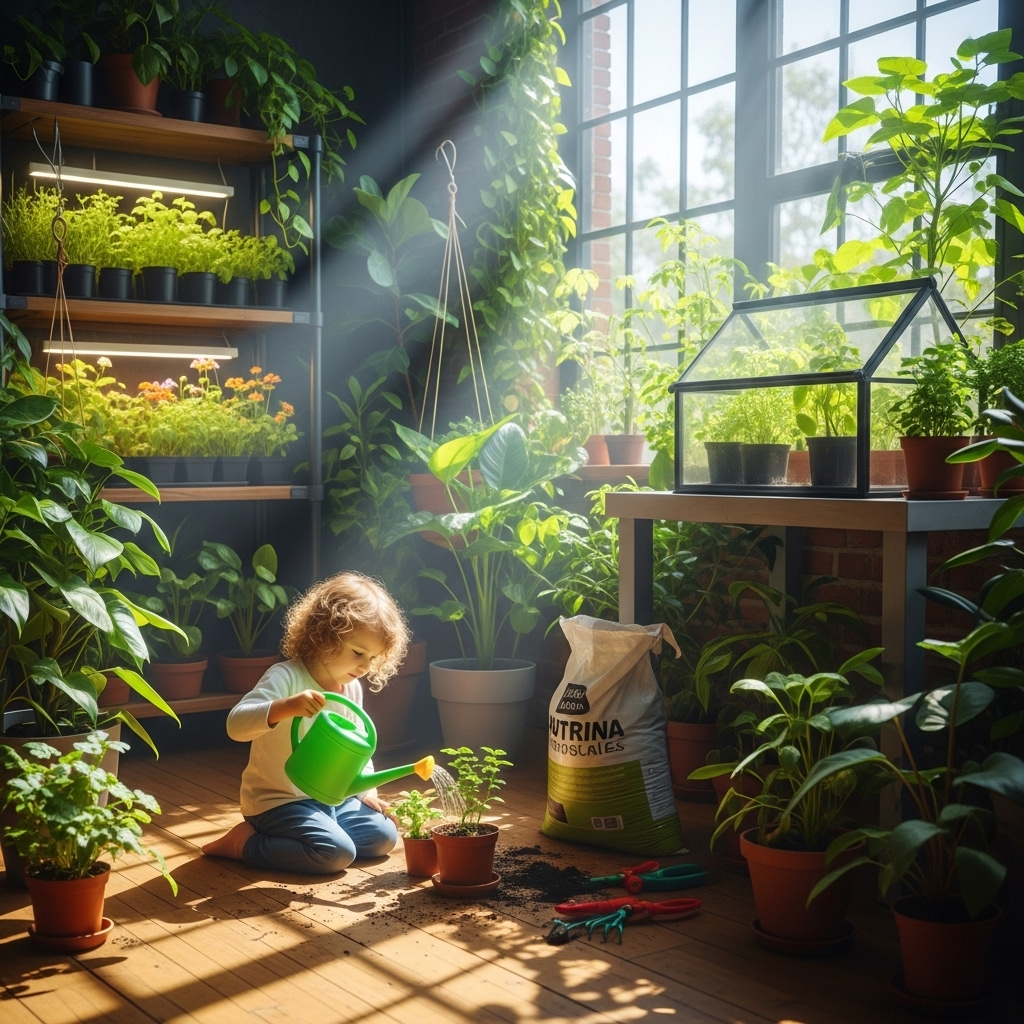
As the plant grows, it develops roots, stems, and leaves, each playing a critical role in its survival. Roots anchor the plant in the soil and absorb water and nutrients. The stem supports the plant and transports nutrients and water between the roots and leaves. Leaves are where photosynthesis occurs, which is essential for the plant’s energy production. It’s a well-orchestrated process that I’ve come to appreciate more with each planting season.
Photosynthesis: The Process Explained
One of the most fascinating aspects of plant growth is photosynthesis. This process allows plants to convert light energy into chemical energy, using carbon dioxide from the air and water from the soil. I’ve often marveled at how plants can take sunlight and literally create food from it. During photosynthesis, plants produce glucose, which is their energy source, and release oxygen as a byproduct—a gift we all benefit from.
Photosynthesis primarily occurs in the leaves, thanks to chlorophyll, the pigment that gives plants their green color. This process is influenced by several factors, including light intensity, water availability, and temperature. I found that by ensuring my plants receive adequate sunlight and water, they thrive and produce lush foliage. Understanding this process helped me appreciate the delicate balance of nature and the vital role plants play in our ecosystem.
Essential Elements for Plant Growth
Light: The Energy Source
Light is arguably the most crucial element for plant growth. Plants use light as their energy source to perform photosynthesis, so without it, they can’t thrive. In my experience, different plants have varying light requirements. For instance, some plants love full sun and need at least six hours of direct sunlight daily, while others prefer partial shade. I learned this the hard way after placing some shade-loving plants in a sunny spot and watching them wilt.
When choosing plants for your garden or home, consider their light needs. If you’re growing indoors, I recommend using grow lights for plants that require more light than your space naturally provides. I’ve noticed a significant difference in my indoor plants’ growth since I started using them. It’s fascinating how the right amount of light can transform a struggling plant into a flourishing one. How to Plant a Banana Tree for Fast Growth can provide insights into growing plants that thrive in various light conditions.
Water: The Vital Resource
Water is another essential ingredient for plant growth. It helps transport nutrients from the soil into the plant and is vital for photosynthesis. I’ve learned that the amount of water a plant needs varies widely. Some plants prefer consistently moist soil, while others thrive in drier conditions. Overwatering has been a challenge for me; I’ve lost a few plants due to soggy roots.
To ensure your plants get the right amount of water, it’s important to understand their specific requirements. I’ve found that checking the top inch of the soil is a good indicator. If it feels dry, it’s time to water. Another tip I picked up is to water deeply but less frequently; this encourages roots to grow deeper into the soil, enhancing stability and access to nutrients. Read Interesting article: Are Spider Plants Toxic to Dogs? Safety Guide
Soil: The Foundation of Growth
The soil you choose can make a huge difference in plant health. Healthy soil is rich in organic matter, which provides nutrients and improves soil structure. I remember when I first started gardening; I just used whatever soil was available, and my plants struggled as a result. Once I switched to high-quality potting soil, I saw a remarkable change.
Good soil should also have proper drainage to prevent root rot. I’ve had better luck with plants when I mix in some perlite or vermiculite to improve drainage. Additionally, I try to enrich my garden soil with compost, which not only provides nutrients but also helps retain moisture.
Nutrients: Key Components (Nitrogen, Phosphorus, Potassium)
Nutrients are vital for plant growth, and the three primary macronutrients—nitrogen, phosphorus, and potassium—play key roles. Nitrogen is essential for leaf and stem growth, phosphorus supports root development and flowering, and potassium helps with overall plant health and disease resistance. I’ve learned that balanced fertilization is crucial for my plants, especially during the growing season.
When I first started gardening, I didn’t pay much attention to nutrient levels. However, after a few years, I realized how important it is to understand what my plants need. I now use a balanced fertilizer and sometimes do soil tests to check nutrient levels. Finding the right balance has made a noticeable difference in my garden’s productivity.
Temperature: The Ideal Range for Different Plants
Temperature also plays a significant role in plant growth. Different plants have different temperature preferences, and understanding these can help you create an ideal growing environment. I’ve found that most plants thrive in temperatures between 65°F and 75°F. However, some tropical plants prefer warmer conditions, while others, like certain herbs, might do better in cooler temperatures.
One lesson I learned was about the importance of acclimatizing plants when moving them from indoors to outdoors or vice versa. Doing so helps them adjust to temperature changes and reduces stress. I’ve seen my plants flourish when I took the time to gradually introduce them to new environments.
With these essential elements in mind, I’ve begun to appreciate the complexity and beauty of plant growth. Each factor plays a vital role, and when we provide the right conditions, plants can truly thrive. Whether you’re just starting your gardening journey or looking to improve your skills, understanding what plants need is the first step toward success. Read Interesting article: How to Repot Plants the Right Way (Beginner Guide)
Types of Plants and Their Specific Needs
Flowering Plants: Unique Requirements
Flowering plants are some of my favorites because of their vibrant colors and lovely scents. I’ve learned that these plants have specific needs that can vary widely depending on their species. For instance, I’ve found that many flowering plants thrive in well-drained soil with plenty of organic matter. They also typically require a good balance of sunlight and water. I remember planting petunias and daisies in my garden, and while they both love the sun, my petunias appreciated a little extra watering during peak summer heat, while the daisies were more tolerant of drier conditions.
Additionally, flowering plants often benefit from deadheading, which involves removing spent blooms to encourage new growth. I didn’t realize this at first, but once I started deadheading my flowers, I was amazed at how many more blooms they produced. It felt like a little secret to keeping my garden full of life!
Foliage Plants: Light and Water Preferences
Foliage plants, often known for their lush green leaves, have their own unique set of needs. I’ve noticed that many of these plants prefer indirect light rather than direct sunlight. For example, my peace lily flourished in a spot that only received filtered light throughout the day. Too much direct sunlight would scorch its leaves, and I learned that the hard way!
Watering is another critical aspect of caring for foliage plants. They usually like to be kept consistently moist but not soggy. I’ve found that checking the soil moisture before watering helps prevent overwatering, which can lead to root rot. It’s been rewarding to nurture these plants and see their leaves grow fuller and greener with each passing week.
Cacti and Succulents: Adapting to Arid Conditions
Cacti and succulents are a different ballgame compared to the other plants I’ve mentioned. These hardy types have adapted to survive in arid conditions, and I’ve found that they thrive with minimal water. In fact, when I first started growing succulents, I was worried I wasn’t watering them enough. However, I’ve learned that they prefer to dry out completely between waterings. It’s a refreshing change of pace from my other plants!
I’ve also discovered that they enjoy bright sunlight, often needing several hours of direct light each day. For my indoor succulents, I make sure they’re placed near a south-facing window, and they seem to soak it up happily. I also enjoy experimenting with different potting mixes; a blend designed for cacti and succulents allows for excellent drainage, preventing any unwanted sogginess.
Vegetables: Nutrient and Water Needs
Growing vegetables has been one of the most satisfying experiences in my gardening journey. I’ve come to realize that they have specific nutrient and water needs that can greatly affect their yield. For example, tomatoes are heavy feeders and require a lot of nutrients, particularly nitrogen, to support their growth. I remember my first year trying to grow tomatoes without fertilizing them properly, and I ended up with a meager harvest.
Watering vegetables is also crucial; they generally prefer consistent moisture. I’ve found that using a soaker hose or drip irrigation system not only saves time but also ensures my veggies get the water they need without the risk of overwatering. Plus, it keeps the foliage dry, which helps prevent diseases!
Herbs: Growth Requirements for Common Varieties
Herbs are another wonderful addition to any garden, and I’ve learned that they often have unique growth requirements. For instance, basil thrives in warm weather, while cilantro loves cooler temperatures. I’ve tried growing both, and timing is everything. I remember planting basil too late in the season and missing out on that sweet, fragrant harvest!
Watering herbs can be tricky, too. I’ve noticed that they prefer to be watered when the top inch of soil is dry. I love having fresh herbs on hand for cooking, but I’ve learned that overwatering can lead to limp leaves and a less aromatic flavor. Now, I’m more mindful of their water needs, and it’s rewarding to snip fresh basil or rosemary right from my garden.
By understanding the specific needs of different types of plants, I’ve been able to create a more diverse and thriving garden. It’s all about observing and adjusting, and with time, I believe anyone can cultivate a beautiful space filled with life and color.
Environmental Factors Affecting Plant Growth
Humidity: Importance in Growth
Humidity is something I didn’t think much about when I first started gardening, but it has a big impact on plant health. High humidity can enhance plant growth, especially for tropical plants that thrive in moist environments. I remember my first experience with a humidity-loving plant, a monstera, which seemed to flourish in my bathroom where the humidity was naturally higher. It was a beautiful reminder that plants have preferences, just like we do!
On the flip side, low humidity can stress plants and lead to problems like dry leaf tips. For example, I noticed my spider plant was developing crispy edges during a particularly dry winter. To combat this, I started using a humidifier in my home, especially during the colder months. I found that misting plants or placing a tray of water nearby also helped maintain a more favorable environment for them. Keeping an eye on humidity has become an integral part of my plant care routine.
Wind: Effects on Plant Health
Wind is another environmental factor that often goes unnoticed. While many outdoor plants can handle a breeze, strong winds can cause physical damage and stress. I’ve had my share of experiences where a sudden storm knocked my plants around, leading to broken stems and uprooted plants. It’s a tough lesson, but I learned that providing some form of wind protection can make all the difference.
In my garden, I use trellises and fencing to shield more delicate plants from harsh winds. For indoor plants, I position them away from drafty windows or doorways. Observing how plants react to wind has taught me to be more proactive in their placement, ensuring they have the best chance of thriving.
Pollination: Role in Plant Reproduction
Pollination is a fascinating part of the plant life cycle that I’ve come to appreciate more over time. It’s incredible how plants rely on various pollinators—bees, butterflies, and even the wind—to reproduce. I remember the first time I saw bees buzzing around my flowering plants; it made me realize how interconnected everything is.
For those of us growing fruits and vegetables, understanding pollination is essential. Some plants are self-pollinating, like tomatoes, while others require cross-pollination. I learned the hard way that my zucchini plants needed the help of bees to produce fruit, and I felt a little panic when I noticed a lack of bees one summer. To encourage more pollinators to my garden, I started planting a variety of flowers. Not only did it attract bees, but it also added beauty to my space!
Common Challenges in Plant Growth
Pests and Diseases: Identification and Management
Pests and diseases are inevitable challenges we all face as gardeners. I’ve encountered my fair share of aphids, spider mites, and even powdery mildew. At first, I felt overwhelmed by these invaders, but I soon learned that identifying the problem early is crucial. I remember discovering aphids on my beloved rose bushes one afternoon; it was alarming to see them clustered on the new growth.
After some research, I found that introducing beneficial insects like ladybugs could help manage pests naturally. I’ve also used insecticidal soap as a preventive measure, and it has worked wonders. It’s important for me to check my plants regularly and act quickly when I notice any signs of trouble. Keeping a close eye on my garden has made a significant difference in plant health.
Overwatering vs. Underwatering: Finding the Balance
Finding the right balance between overwatering and underwatering has been a learning curve for me. I’ve experienced both extremes—losing plants to root rot from overwatering and watching others wither away from lack of moisture. It can be a fine line to walk! I’ve learned to trust my instincts and observe the soil and plants.
One technique I’ve adopted is the finger test: if the top inch of soil feels dry, it’s time to water. This simple method has saved me from many watering mishaps. I also make sure to use pots with drainage holes, as I’ve found that this dramatically reduces the chances of overwatering. Understanding my plants’ specific needs has been key to achieving that perfect balance.
Soil Quality: Importance of pH and Composition
The quality of soil is something I underestimated in the beginning. I quickly learned that not all soil is created equal, and the pH level can significantly affect nutrient availability. For instance, I was initially confused when my blueberries weren’t thriving. After some research, I discovered they prefer acidic soil. Adjusting the pH with amendments like sulfur made a noticeable difference in their health and productivity.
I’ve also come to appreciate the importance of soil composition. A mix that combines organic matter, such as compost, with minerals can create a well-balanced environment for roots to grow. It’s been rewarding to see how my plants respond to improved soil conditions. Investing time in understanding and improving soil quality has been one of the best decisions I’ve made as a gardener.
Frequently Asked Questions
What are the essential elements needed for plant growth?
Plants need light, water, soil, nutrients, and the right temperature to thrive and grow.
What is the process of photosynthesis?
Photosynthesis is the process by which plants convert light energy into chemical energy, using carbon dioxide from the air and water from the soil. During this process, plants produce glucose for energy and release oxygen as a byproduct.
How does light affect plant growth?
Light is crucial for plant growth as it is the energy source for photosynthesis. Different plants have varying light requirements, and providing the appropriate amount of light can significantly affect their health and growth.
What role does water play in plant growth?
Water is vital for transporting nutrients from the soil to the plant and is also essential for photosynthesis. Different plants have varying water needs, and understanding those needs is important to prevent overwatering or underwatering.
Why is soil important for plants?
The soil provides a foundation for plants and is rich in organic matter, which supplies nutrients and improves soil structure. Healthy soil also needs proper drainage to prevent root rot.
What are the primary macronutrients required for plant health?
The three primary macronutrients essential for plant growth are nitrogen, phosphorus, and potassium. Nitrogen supports leaf and stem growth, phosphorus aids in root development and flowering, and potassium helps with overall plant health and disease resistance.
How does temperature influence plant growth?
Temperature affects plant growth as different plants have specific temperature preferences. Most plants thrive in temperatures between 65°F and 75°F, while some tropical plants prefer warmer conditions and certain herbs do better in cooler temperatures.
What unique requirements do flowering plants have?
Flowering plants typically thrive in well-drained soil rich in organic matter, and they require a good balance of sunlight and water. Deadheading spent blooms can also encourage new growth.
How can humidity affect plant health?
Humidity significantly impacts plant health; high humidity can enhance growth for tropical plants, while low humidity can stress plants, causing issues like dry leaf tips. Maintaining adequate humidity levels can improve overall plant health.
What are common challenges faced in plant growth?
Common challenges in plant growth include pests and diseases, finding the balance between overwatering and underwatering, and ensuring good soil quality, including proper pH and composition.