
Plants need sunlight, water, nutrients, and a suitable environment to survive. Understanding these essentials can help anyone nurture a thriving garden or indoor plant collection. For those interested in expanding their knowledge, How Do Plants Reproduce? Easy Guide for Beginners is a great resource.
Understanding Plant Survival Needs
When I first started my journey into gardening, I was amazed at how much I didn’t know about what plants truly need to thrive. It wasn’t just about giving them a little water and placing them near a window; there’s a whole ecosystem of requirements that make the difference between a struggling plant and a flourishing one. Let’s dive deeper into the essential needs of plants that are critical for survival.
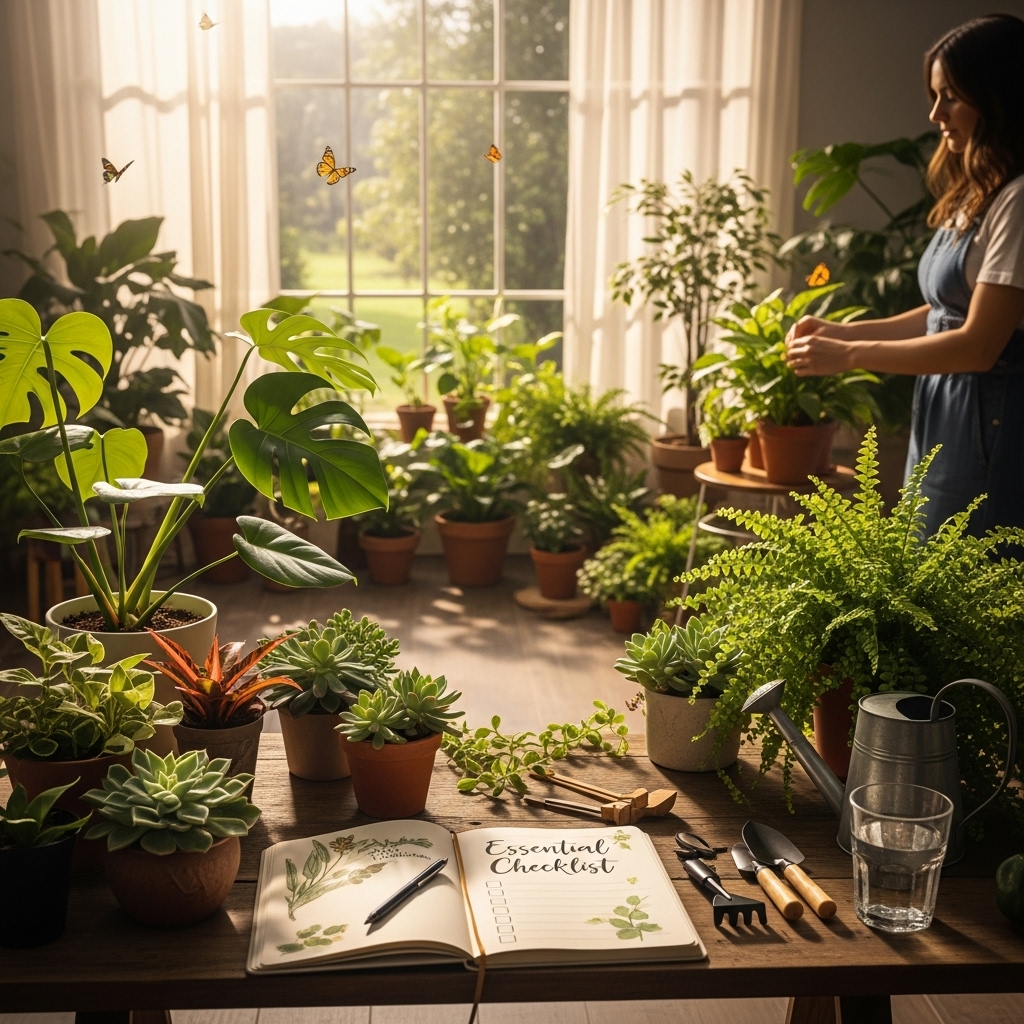
Photosynthesis
Photosynthesis is the magical process by which plants convert light energy into chemical energy. This process is essential for their survival as it provides the food they need to grow. I still remember the first time I learned about photosynthesis; it clicked for me why my indoor plants seemed to thrive more during the sunny months. Plants use sunlight, carbon dioxide from the air, and water to produce glucose and oxygen. I often think of it as their way of “eating,” which is why ensuring they receive adequate sunlight is so crucial.
Different plants have varying needs when it comes to light exposure for photosynthesis. Some plants, like succulents, can thrive in bright light, while others, such as ferns, prefer indirect light. This is something I’ve learned through trial and error—researching the specific needs of each plant type has saved many of my leafy friends from wilting away. If you’re curious about plant biology, check out Do Plants Have a Cell Membrane? Explained Simply.
Water Requirements
Water is another vital element for plant survival. It acts as a solvent for nutrients in the soil and is essential for photosynthesis. When I first began taking care of plants, I often overwatered them, thinking that more water would mean happier plants. However, this can lead to root rot, a common issue that can kill plants quickly. I learned that it’s important to understand each plant’s specific water needs—some thrive in moist soil while others prefer it to dry out between waterings.
In my experience, I’ve found that checking the soil moisture is a great way to determine when to water. Sticking my finger into the soil about an inch deep helps me gauge if it’s time for a drink. Additionally, the type of environment plays a role; warmer temperatures and higher humidity can increase a plant’s water needs. It’s a delicate balance that I’ve come to appreciate in my gardening journey. For a unique approach, consider learning How to Water Air Plants the Right Way (No Soil).
Soil Nutrients
Soil is more than just a medium for plants to grow in; it’s a nutrient reservoir that plants rely on for their health. I’ve seen firsthand how the right soil can make all the difference. Nutrients like nitrogen, phosphorus, and potassium (collectively known as macronutrients) are essential for plant growth and development. Plants absorb these nutrients through their roots, and without them, they can become weak and unhealthy.
When I started gardening, I realized that not all soil is created equal. Some plants thrive in nutrient-rich soil, while others do better in well-draining mixes. I often recommend doing a soil test to determine what nutrients are present and what might be lacking. Over time, I’ve learned how to amend my soil with compost or fertilizers to provide what my plants need to flourish.
Light Exposure
Light exposure is more than just sunlight; it’s about the right kind of light that each plant needs to photosynthesize effectively. I remember the first few months of my gardening adventure when I placed my beloved spider plant in a corner that received very little light. It didn’t take long for me to notice that it wasn’t thriving. After some research, I moved it to a spot with bright, indirect light, and it bounced back beautifully!
Different plants have different light requirements: some need full sun, while others are adapted to low-light conditions. I’ve learned to observe how my plants interact with their environment. If you notice your plant reaching toward the light or becoming leggy, it’s a sign it may need more light. Conversely, if the leaves are scorched or turning brown, it might be getting too much direct sunlight. Finding that sweet spot can be a game-changer for plant health.
Temperature Tolerance
The temperature of the environment can greatly affect plant health. I’ve found that some plants are quite resilient, while others are more sensitive to temperature changes. For instance, tropical plants like my beloved monstera prefer warm, humid conditions, while many succulents thrive in cooler, drier environments. I remember bringing a few of my plants indoors during a cold snap, only to realize that some didn’t appreciate the sudden temperature change.
As a rule of thumb, most houseplants do well in temperatures between 65°F and 75°F. However, I always keep an eye on the weather and adjust my plant care accordingly. I learned the hard way that placing plants too close to heating vents or drafty windows can stress them out. Consistency is key; I’ve made it a habit to monitor the temperature around my plants, especially during seasonal changes.
Essential Elements for Plant Survival
As I delved deeper into the world of plants, I realized that their survival hinges not just on the basics like water and light, but also on a variety of essential elements. These elements play crucial roles in the overall health and growth of our green friends. Let’s explore some of these vital components.
Carbon Dioxide
Carbon dioxide (CO2) might seem invisible to us, but it’s a lifeblood for plants. I remember my surprise when I first learned that, alongside sunlight and water, plants need CO2 for photosynthesis. They take in CO2 from the air and release oxygen—a process that benefits both them and us! I often think about how interconnected our lives are with plants; they provide the oxygen we breathe while needing CO2 from us. It’s a beautiful cycle.
In my experience, ensuring good air circulation around plants can help them access enough CO2. I’ve noticed that in closed, stuffy environments, my plants seem to grow slower and look less vibrant. Opening a window or using a fan can make a big difference, allowing fresh air to flow and giving my plants the CO2 they need to thrive.
Macronutrients
When I first heard the term macronutrients, I was curious to know what that meant for my plants. Macronutrients, including nitrogen, phosphorus, and potassium, are the building blocks that help plants grow strong and healthy. Let’s break these down further, as each plays a unique role.
Nitrogen
Nitrogen is like the fuel for plant growth. It helps in developing lush, green foliage. I’ve often seen plants with nitrogen deficiencies showing yellowing leaves, which is a clear sign they need a boost. I remember incorporating compost rich in nitrogen into my garden and watching my plants respond positively. It was fascinating to see them perk up and grow more vibrantly!
Phosphorus
Phosphorus is essential for root development and flowering. I’ve realized that many plants, especially flowering ones, thrive when they get enough phosphorus. I like to use fertilizers that are high in phosphorus when I want to encourage blooms in my garden. Observing the difference in growth when I provided the right nutrients was a rewarding experience that highlighted the importance of balanced nutrition for my plants.
Potassium
Potassium plays a crucial role in regulating various processes within the plant, including water uptake and resistance to diseases. I learned the hard way that not paying attention to potassium levels could lead to weak plants that struggle during tough times. I often check my fertilizer labels to ensure they contain adequate potassium, especially for plants that are susceptible to diseases.
Micronutrients
While macronutrients are vital for growth, micronutrients shouldn’t be overlooked. These trace elements, though needed in smaller quantities, are essential for overall plant health. I find it intriguing how plants can show signs of distress due to deficiencies in micronutrients like iron, manganese, and magnesium.
Iron
Iron is crucial for chlorophyll production, which is what gives plants their green color. I remember noticing my plants developing yellow leaves with dark green veins, a classic sign of iron deficiency. After a bit of research, I started using iron chelate, and it made a remarkable difference in the recovery of my plants. It’s amazing how a little bit of the right nutrient can bring a plant back to life!
Manganese
Manganese is another micronutrient that supports photosynthesis and overall plant metabolism. I’ve seen manganese deficiencies manifest as mottled leaves, and it’s always a reminder to me of how delicate the balance of nutrients can be. I often try to keep a close eye on the health of my plants, especially in the new growth stages, to ensure they’re getting all the nutrients they need.
Magnesium
Magnesium is essential for chlorophyll production as well, and it helps in the absorption of other nutrients. I’ve encountered magnesium deficiencies that led to leaf curl and poor growth. Adding Epsom salt to my plant care routine has been a simple yet effective way to provide that extra magnesium boost. It’s satisfying to see my plants respond positively after a little TLC!
Understanding these essential elements has transformed my approach to plant care. I’ve found that when I focus on providing the right balance of nutrients, my plants not only survive but also thrive. It’s like feeding them a balanced diet; they grow stronger and more vibrant, and in return, they bring life and joy to my home.
Environmental Factors Influencing Plant Growth
As I continued my journey as a plant parent, I soon realized that it’s not just about the basics like water, light, and nutrients. Environmental factors play a huge role in determining how well our plants grow. These factors can often be overlooked, but they are just as crucial as the essentials. Let’s explore some of these environmental influences that can shape the health of our green companions.
Humidity Levels
Humidity is something I never thought much about until I noticed how it affected my plants. Some plants, particularly tropical ones, thrive in high humidity, while others can struggle if the air is too damp. I remember when I first brought home a beautiful fiddle leaf fig. It seemed to be doing well until I noticed its leaves starting to brown at the edges. After some research, I learned that fiddle leaf figs enjoy humid environments.
To help boost humidity, I started misting my plants regularly and even placed a humidifier in the room. I saw a remarkable change! The leaves became more vibrant, and I felt a sense of satisfaction knowing I was catering to its specific needs. If you’re struggling with humidity levels, consider grouping plants together or placing a tray of water near them to increase moisture in the air.
Wind Exposure
Wind might seem like a non-issue indoors, but I quickly discovered its influence on plant growth, especially for outdoor plants. I learned how strong winds could stress plants and cause damage, such as broken stems or torn leaves. I’ve had a few plants that didn’t fare well during a gusty storm, and it was heartbreaking to see them suffer.
To protect my outdoor plants, I started using windbreaks, like fences or taller plants, to shield them from harsh gusts. I’ve also learned to assess the best placement for my plants to ensure they are safe from wind exposure while still getting plenty of light. It’s fascinating to think about how something as simple as wind can shape the resilience and health of our greenery.
Pollination Needs
When I decided to add flowering plants to my collection, I realized that pollination was a critical aspect I hadn’t considered. Many flowering plants depend on pollinators like bees, butterflies, and even the wind to reproduce. I remember feeling a sense of wonder when I saw bees buzzing around my garden, helping my flowers bloom. It made me appreciate the interconnectedness of nature even more.
If you’re growing flowering plants and want to encourage pollination, consider planting a variety of flowers to attract different pollinators. I’ve noticed a significant increase in blooms when I have a diverse range of plants. Additionally, if you’re growing vegetables like tomatoes or peppers, you might need to hand-pollinate them by gently shaking the flowers to help the pollen disperse. It’s incredible how these little actions can lead to a bountiful harvest!
Checklist for Plant Care
To keep my plants thriving, I’ve developed a handy checklist that encompasses all the essentials. I find that having a structured approach simplifies my routine and ensures I meet each plant’s unique needs. Here’s a look at my go-to checklist for plant care.
Watering Schedule
Creating a watering schedule has been a game-changer for me. I used to water my plants randomly, which often led to problems. Now, I take the time to assess the moisture levels of the soil and adjust my watering frequency accordingly. I’ve found that having a set day each week to check on my plants helps me stay organized. I also keep a journal to note any changes, which has been super helpful in understanding their preferences.
Soil Testing and Amendments
I can’t stress enough how important it is to test my soil regularly. I learned that plants can only thrive when they have the right nutrients in their soil, so I invested in a simple soil testing kit. It’s been eye-opening to see what nutrients might be lacking. Based on the results, I’ll amend the soil with organic compost or fertilizers to ensure my plants get all the nutrition they need. This proactive approach has led to healthier plants and improved growth.
Light Requirements by Plant Type
Understanding the light requirements of each of my plants has been a significant learning curve. I’ve created a list of the plants I own, along with their specific light needs. This makes it easy for me to remember where to place each plant, ensuring they receive the right amount of light. I often rotate my plants to avoid any light imbalances, especially during the changing seasons.
Temperature Monitoring
Temperature monitoring is another critical aspect I focus on. I bought a simple thermometer to keep an eye on the temperature near my plants. If I notice significant fluctuations, I adjust their placement to maintain a consistent environment. I’ve learned that even minor changes can impact my plants, so being attentive to temperature has helped them flourish.
Fertilization Routine
Establishing a fertilization routine has been key to my plants’ health. I usually fertilize during the growing season and adjust based on the type of plant. I prefer to use organic fertilizers, as I feel they provide a more balanced approach. Keeping track of when I fertilize helps me avoid overdoing it, and I’ve seen fantastic results since implementing this routine.
By following this checklist, I’ve significantly improved my plant care game. It’s about paying attention to each plant’s needs, and I’ve found that the more I learn, the better my plants thrive. Watching them grow and flourish truly brings joy to my home and makes all the effort worthwhile!
Frequently Asked Questions
What are the essential needs of plants for survival?
Plants need sunlight, water, nutrients, and a suitable environment to survive. These essentials help in nurturing a thriving garden or indoor plant collection.
How does photosynthesis benefit plants?
Photosynthesis is the process by which plants convert light energy into chemical energy, providing them with the food they need to grow. It involves the use of sunlight, carbon dioxide, and water to produce glucose and oxygen.
What are the water requirements for plants?
Water is vital for plant survival as it acts as a solvent for nutrients and is essential for photosynthesis. Different plants have varying water needs; some prefer moist soil while others thrive when it dries out between waterings.
Why is soil important for plant health?
Soil serves as a nutrient reservoir for plants. It contains essential nutrients like nitrogen, phosphorus, and potassium that plants absorb through their roots. The right type of soil can significantly impact plant health and growth.
What should I consider regarding light exposure for my plants?
Plants have different light requirements; some need full sun while others prefer low-light conditions. Observing a plant’s response to its environment can help determine if it needs more or less light.
What temperature range is ideal for most houseplants?
Most houseplants do well in temperatures between 65°F and 75°F. It’s important to monitor temperature changes and avoid placing plants near heating vents or drafty windows.
What role does carbon dioxide play in plant growth?
Carbon dioxide is essential for photosynthesis, as plants take in CO2 from the air and release oxygen. Good air circulation can help plants access enough CO2 for optimal growth.
What are macronutrients, and why are they important?
Macronutrients, including nitrogen, phosphorus, and potassium, are essential for plant growth and development. They help in various processes such as leaf growth, flowering, and disease resistance.
How can humidity levels affect plant health?
Humidity is crucial for many plants, especially tropical ones that thrive in high humidity. Low humidity can cause issues like browning leaves, while increasing humidity can lead to healthier plants.
What is a good checklist for plant care?
A good checklist for plant care includes a watering schedule, soil testing and amendments, understanding light requirements, temperature monitoring, and establishing a fertilization routine to ensure each plant’s unique needs are met.