
Weed plants, or cannabis plants, typically have serrated leaves, thick stems, and can grow tall and bushy, depending on the strain. Understanding their unique characteristics can help in identifying them, whether for cultivation or simply out of curiosity. Read Interesting article: When to Plant Roses for the Best Blooms
Understanding Cannabis: An Overview
What is Cannabis?
Cannabis is a flowering plant that has been used for centuries for various purposes, including medicinal, recreational, and industrial. I remember my first encounter with cannabis, fascinated by its complex nature and the diversity within its species. It’s not just a single plant but a whole family that encompasses different varieties, each with unique traits and effects.
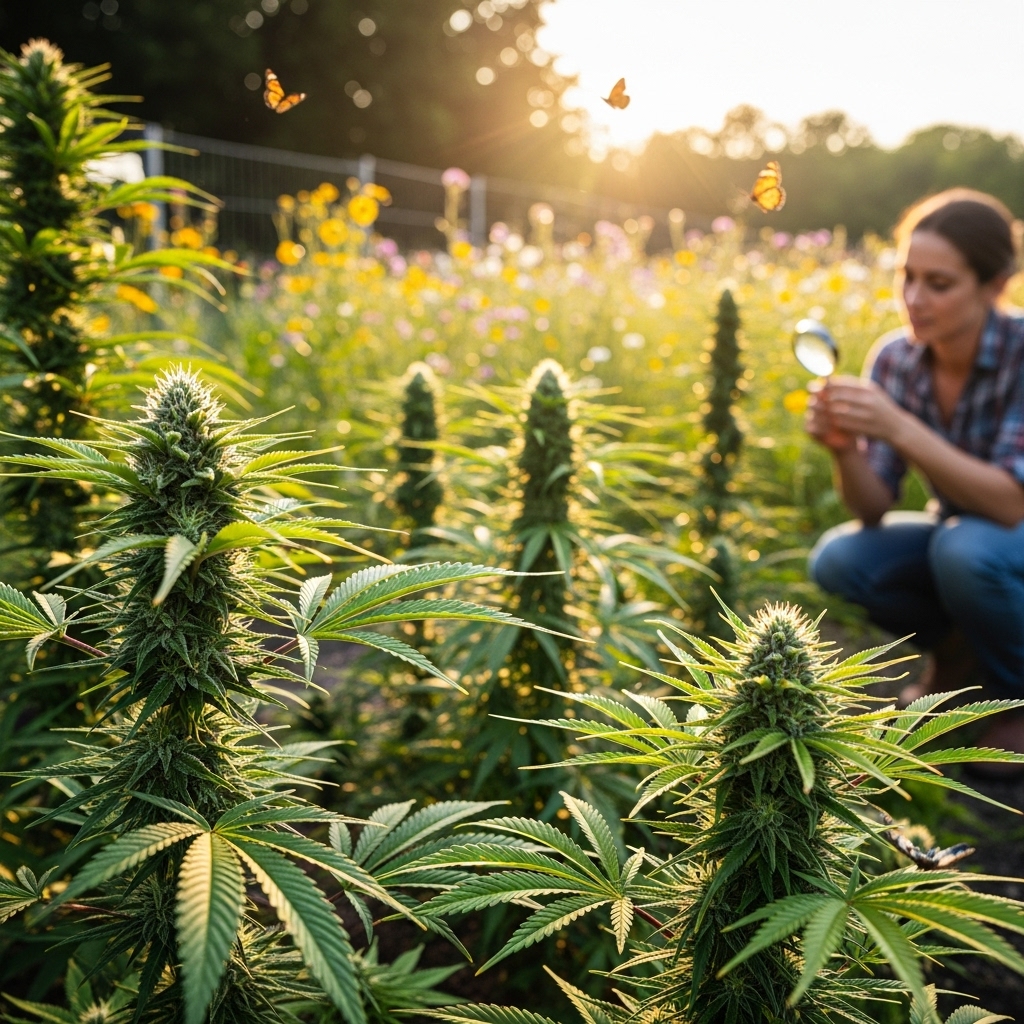
Types of Cannabis Plants
There are primarily three types of cannabis plants: Indica, Sativa, and Hybrid. Each type has its own distinct characteristics and effects, making them suitable for different purposes and preferences.
Indica
Indica strains are known for their relaxing effects. I’ve personally found that after a long day, an Indica strain can help me unwind and get a good night’s sleep. These plants are typically shorter and bushier than their Sativa counterparts. Their leaves are broad and dark green, giving them a lush appearance. Indicas thrive in cooler climates and usually have a shorter flowering period, making them a popular choice for indoor growers.
Sativa
Sativa plants are tall and thin, with long, narrow leaves. When I’ve interacted with Sativa strains, I often feel more energetic and creative. They are ideal for daytime use and tend to have higher THC content than Indicas. Sativas require a longer flowering time and prefer warmer climates. I’ve noticed that many people enjoy Sativa strains for social gatherings due to their uplifting effects.
Hybrid
Hybrids are a mix of both Indica and Sativa strains, created to combine the best traits of each. For example, I’ve experimented with hybrid strains that offered a balance between relaxation and euphoria, making them versatile for various occasions. The appearance of hybrids can vary widely, depending on their genetic lineage. You might see broad leaves from the Indica side or slender leaves from the Sativa side, showcasing the beauty of cannabis diversity.
Physical Characteristics of Weed Plants
Leaves
The leaves of cannabis plants are often the first thing that stands out to anyone looking to identify them. I’ve always been amazed at how distinctive they are, and they can vary in appearance based on the strain and growing conditions.
Leaf Shape and Size
Cannabis leaves generally have a serrated edge and are palmate, meaning they have multiple leaflets that radiate from a central point. When I’ve observed Indica plants, their leaves tend to be broader and thicker, while Sativa leaves are longer and thinner. In hybrids, you can find a mix of these characteristics, which adds to the fun of cannabis gardening. Depending on the strain, some leaves can have up to 13 leaflets, while others may have just five.
Leaf Color Variations
Color is another key identifier. Most cannabis leaves are a vibrant shade of green, but I’ve noticed that some strains can show variations. For instance, I’ve seen purple hues in certain Indica varieties like Granddaddy Purple, which can make them visually striking. Additionally, environmental factors like nutrient levels and light exposure can impact leaf color, causing them to turn yellow or even develop reddish tones. This is something to pay attention to if you’re growing or identifying plants.
Stems and Branches
The stems and branches of cannabis plants also reveal a lot about their health and growth patterns. I often inspect these parts when evaluating a plant’s vigor, as they play a crucial role in supporting its overall structure.
Stem Thickness
Typically, the stems of Indica plants are thicker and sturdier, which helps support their bushy nature. I’ve found that Sativa plants, with their taller stature, often have thinner stems. This difference can impact how they respond to wind and other environmental stresses. A robust stem indicates a healthier plant, which I always look for when selecting my favorites.
Branching Patterns
Branching is another critical aspect of identifying cannabis plants. Indicas often have dense branching, creating a bushy plant, while Sativas tend to have more spaced-out branches. I remember when I first started growing cannabis, I was surprised to see how the branching patterns could change based on the environment and training techniques like topping or low-stress training. Learning about these growth patterns has been essential in my gardening journey.
Flowers and Buds
The flowers and buds are perhaps the most exciting part of cannabis plants. This is where the magic happens, and it’s where the plant produces the compounds that users seek.
Appearance of Male vs. Female Plants
Cannabis is a dioecious plant, meaning it has male and female plants. I remember being confused when I learned this because only female plants produce the buds we enjoy. Male plants have small, round pollen sacs, while females have wispy white hairs called pistils. If you’re hoping for a fruitful harvest, it’s crucial to identify these differences early on, as male plants can pollinate females and reduce bud quality.
Trichomes and Their Importance
Trichomes are the tiny, glistening crystals found on the buds and leaves of cannabis plants. They contain cannabinoids and terpenes, which contribute to the plant’s potency and aroma. I’ve found that examining the trichome development is a great way to gauge when to harvest the plant. When they’re milky or amber in color, it’s usually a good time to collect. Trichomes not only play a significant role in the plant’s effects but also add to its visual appeal, sparkling under the light like little jewels.
Identifying Different Cannabis Strains
Popular Indica Strains
Granddaddy Purple
Granddaddy Purple, often affectionately called GDP, is a strain that holds a special place in my heart. I remember when I first tried it; the deep purple hues and sweet, berry-like aroma were captivating. This strain is well-known for its relaxing effects, making it perfect for unwinding after a long day. I’ve found it particularly helpful for alleviating stress and insomnia. The buds are dense and covered in trichomes, giving them a frosty appearance that’s hard to resist. If you’re looking for a classic Indica that brings comfort, I highly recommend giving Granddaddy Purple a try.
Blueberry
Blueberry is another Indica strain I’ve come to love over the years. Its sweet, fruity aroma is reminiscent of fresh blueberries, which always makes me smile. I remember the first time I encountered this strain; the flavor was so delightful that it felt like a treat. Blueberry is known for its calming effects, perfect for those evenings when you just want to relax on the couch. It also has a rich history in the cannabis community, having won multiple awards. The vibrant blue and purple tones in the buds add to its allure, making it visually stunning as well.
Popular Sativa Strains
Jack Herer
Jack Herer is one of the most celebrated Sativa strains, and I can see why. Named after the famous cannabis activist, this strain is known for its uplifting and euphoric effects. I remember feeling a surge of creativity and energy the first time I tried it, which made it a perfect choice for a day of brainstorming or socializing. The buds are often dense, with bright green and orange hairs, and they have a spicy, pine-like aroma that’s refreshing. If you’re looking for a strain that can help fuel your creativity or enhance social interactions, Jack Herer is definitely worth checking out.
Green Crack
Green Crack is another Sativa strain that I’ve enjoyed quite a bit. The name might be a bit surprising, but it’s fitting due to the strain’s energizing effects. I recall using it during a long day of activities, and it kept me motivated and focused. With its sweet, fruity flavor and bright green buds, it’s visually appealing too. I’ve found that Green Crack is great for daytime use, especially when I need to stay alert and engaged. It’s a fantastic option for anyone who feels sluggish and needs a little pick-me-up.
Hybrid Strains
Girl Scout Cookies
Girl Scout Cookies, or GSC, is a beloved hybrid strain that blends the best of both worlds. I remember the first time I tried it; the combination of relaxation and euphoria was simply delightful. The flavor profile is rich, with hints of mint and sweetness that linger on your palate. GSC has become quite popular for its balanced effects, making it suitable for various occasions. Whether I’m hanging out with friends or unwinding at home, I find this strain to be versatile and enjoyable. The buds are often dense and covered in trichomes, making them visually stunning as well.
OG Kush
OG Kush is a legendary hybrid strain that many cannabis enthusiasts adore, and I’m no exception. I recall hearing stories about its origins and unique flavor profile, which includes earthy and citrusy notes. The effects are potent, offering both relaxation and a sense of euphoria that can help lift your spirits. It’s often a go-to strain for those dealing with stress or chronic pain. The buds are typically dense and have a beautiful green color with orange hairs. If you’re looking for a hybrid strain that has stood the test of time, OG Kush is a fantastic choice.
Lifecycle of a Cannabis Plant
Seedling Stage
The seedling stage is where the magic begins. I remember how exciting it was to see my little seeds sprout and develop their first leaves. This stage typically lasts about 2-3 weeks. During this time, the plants are delicate and require careful attention. I’ve learned that it’s crucial to provide them with the right amount of light and moisture to help them grow strong. The first true leaves appear, and they often have a serrated edge, signaling that they’re ready to take off. Watching them grow during this stage is one of the most rewarding parts of cultivating cannabis.
Vegetative Stage
Once the seedlings have established themselves, they enter the vegetative stage, which can last anywhere from a few weeks to several months, depending on the desired size. In this phase, I’ve found that plants can grow quite rapidly, developing thicker stems and larger leaves. It’s during this time that I usually start to train my plants through techniques like topping or low-stress training to encourage bushier growth. Providing ample light and nutrients during this stage is essential. I’ve often noticed that happy, healthy plants in the vegetative stage are more likely to produce bountiful buds later on.
Flowering Stage
The flowering stage is perhaps the most exciting phase for any cannabis grower. It’s when the plants begin to develop their buds, and I can’t help but feel a sense of anticipation. This stage usually lasts 8-12 weeks, depending on the strain. I remember the first time I saw my plants start to flower; the sight of those tiny buds forming was incredible. As the flowering progresses, the plants require specific care, such as adjusting the light cycle and ensuring they have the right nutrients. Seeing the buds swell and become covered in trichomes is such a rewarding experience.
Harvesting Tips
When it comes to harvesting, timing is everything. I’ve learned that observing the trichomes can help determine the right moment to cut down my plants. When they turn from clear to cloudy or amber, it’s usually a sign that they’re ready. I also pay attention to the pistils; when most of them have turned brown, it’s a good indication that the buds are mature. Harvesting can be a labor-intensive process, but I find it exhilarating to finally enjoy the fruits of my labor. After carefully cutting the buds, I love to hang them upside down in a cool, dark place to dry. The anticipation of curing and then finally consuming the cannabis is what makes all the effort worthwhile. Read Interesting article: How to Plant Roses for Healthy Blooms
Frequently Asked Questions
What are the main types of cannabis plants?
The three primary types of cannabis plants are Indica, Sativa, and Hybrid. Each type has distinct characteristics and effects, catering to different preferences and purposes.
What are the characteristics of Indica strains?
Indica strains are known for their relaxing effects, are typically shorter and bushier, have broad and dark green leaves, thrive in cooler climates, and have a shorter flowering period.
How do Sativa strains differ from Indica strains?
Sativa strains are tall and thin with long, narrow leaves. They tend to have higher THC content, require a longer flowering time, and are ideal for daytime use due to their uplifting effects.
What are hybrid strains?
Hybrid strains are a mix of both Indica and Sativa, created to combine the best traits of each. Their appearance can vary widely based on their genetic lineage.
How can cannabis leaves help in identifying the plant?
Cannabis leaves are distinctive and can vary based on strain and growing conditions. They generally have a serrated edge and can have multiple leaflets, with Indicas having broader leaves and Sativas having longer, thinner leaves.
What is the significance of trichomes in cannabis plants?
Trichomes are tiny, glistening crystals on the buds and leaves that contain cannabinoids and terpenes, contributing to the plant’s potency and aroma. They also help gauge the right time for harvesting.
What are some popular Indica strains?
Popular Indica strains include Granddaddy Purple, known for its relaxing effects and deep purple hues, and Blueberry, which is appreciated for its sweet aroma and calming effects.
What are some well-known Sativa strains?
Notable Sativa strains include Jack Herer, recognized for its uplifting effects and creativity boost, and Green Crack, known for its energizing effects and sweet, fruity flavor.
What happens during the flowering stage of a cannabis plant?
During the flowering stage, which lasts 8-12 weeks, cannabis plants develop their buds. This phase requires specific care, such as adjusting the light cycle and providing the right nutrients.
When is the best time to harvest cannabis plants?
The best time to harvest is when trichomes turn from clear to cloudy or amber, and most pistils have turned brown, indicating that the buds are mature and ready for cutting. Read Interesting article: How Do You Plant Corn? Step-by-Step Guide