
Grub worms, commonly known as white grubs, are soft, C-shaped larvae with a plump, creamy-white body and a distinct brown head.
Table of Contents
Understanding what a grub worm looks like is key to managing lawn health. These larvae can cause significant damage by feeding on grass roots. This guide will help you identify grub worms and understand their lifecycle and impact on your yard.
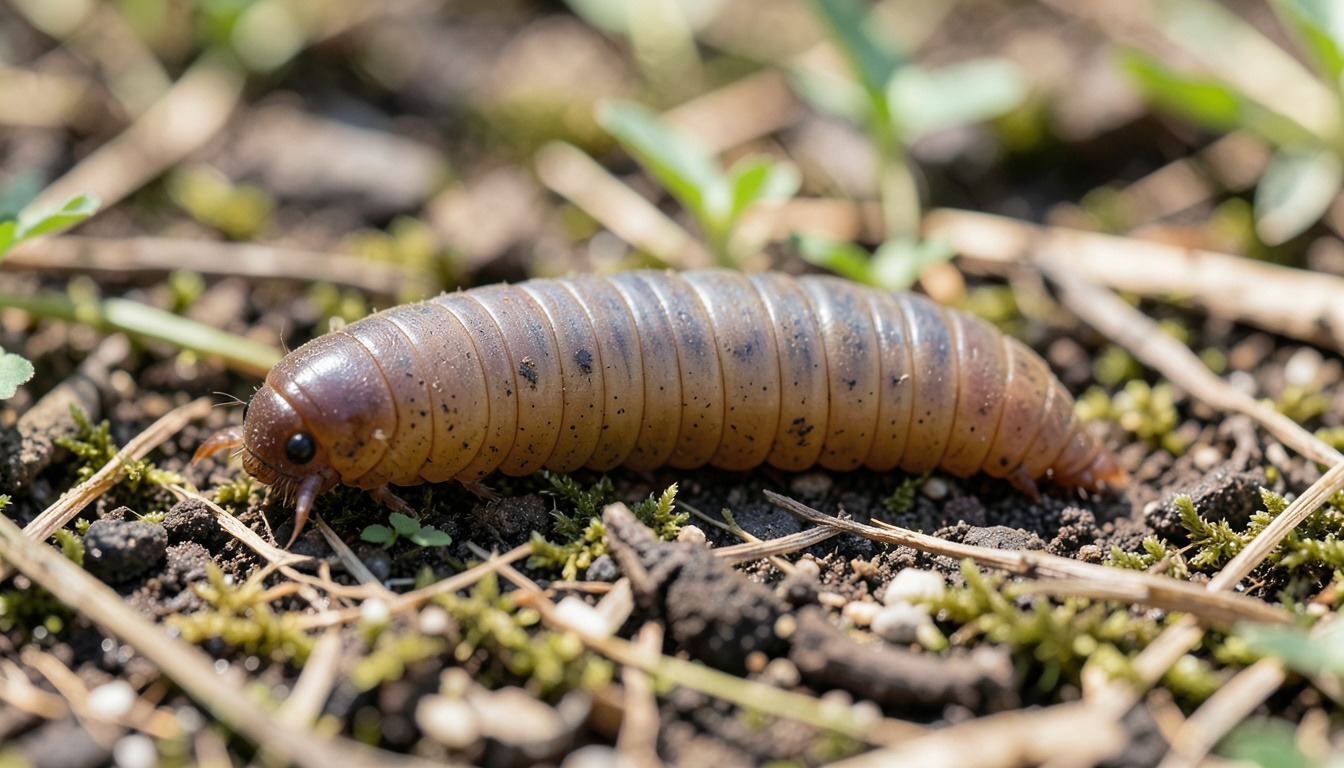
Key Visual Features of Grub Worms
Grub worms exhibit distinct visual characteristics that aid in their identification. Recognizing these features is essential for effective lawn management and treatment.
Common Characteristics of Grub Worms
Grub worms typically share a few key characteristics:
- Shape: They have a soft, curled, C-shaped body.
- Color: Most grubs are pale white or cream in color, though some may appear yellow or brown.
- Size: They generally range from 0.5 to 2 inches in length, depending on their species and stage of development.
- Head Structure: Grub worms have a hard, dark head that contrasts with their softer body.
Comparison with Similar Pests
Grub worms can be confused with other larvae. Here’s how to differentiate them:
| Feature | Grub Worm | Other Larvae (e.g., Cutworms) |
|---|---|---|
| Body Shape | C-shaped and curled | Straight or slightly curved |
| Color | Pale white to cream | Often darker or patterned |
| Head Color | Dark brown or black | Similar but often less defined |
| Habitat | Primarily in soil | Often found on plants or leaves |
Size and Color Variations
While grub worms predominantly feature a pale color, variations exist among species. For instance:
- White Grubs: Commonly found, they are almost entirely white and can be identified by their soft bodies.
- Yellow Grubs: These are more robust and can appear yellowish, indicating different species or environmental conditions.
- Black Grubs: Rare but identifiable by their darker exterior, they may require different management strategies due to their unique behaviors.
Understanding these visual traits is crucial for timely identification and control of grub infestations. For example, if you observe a C-shaped larvae with a dark head in your soil, you can confidently assess it as a grub worm and take appropriate action before it damages your lawn.
Understanding the Habitat and Lifecycle of Grub Worms
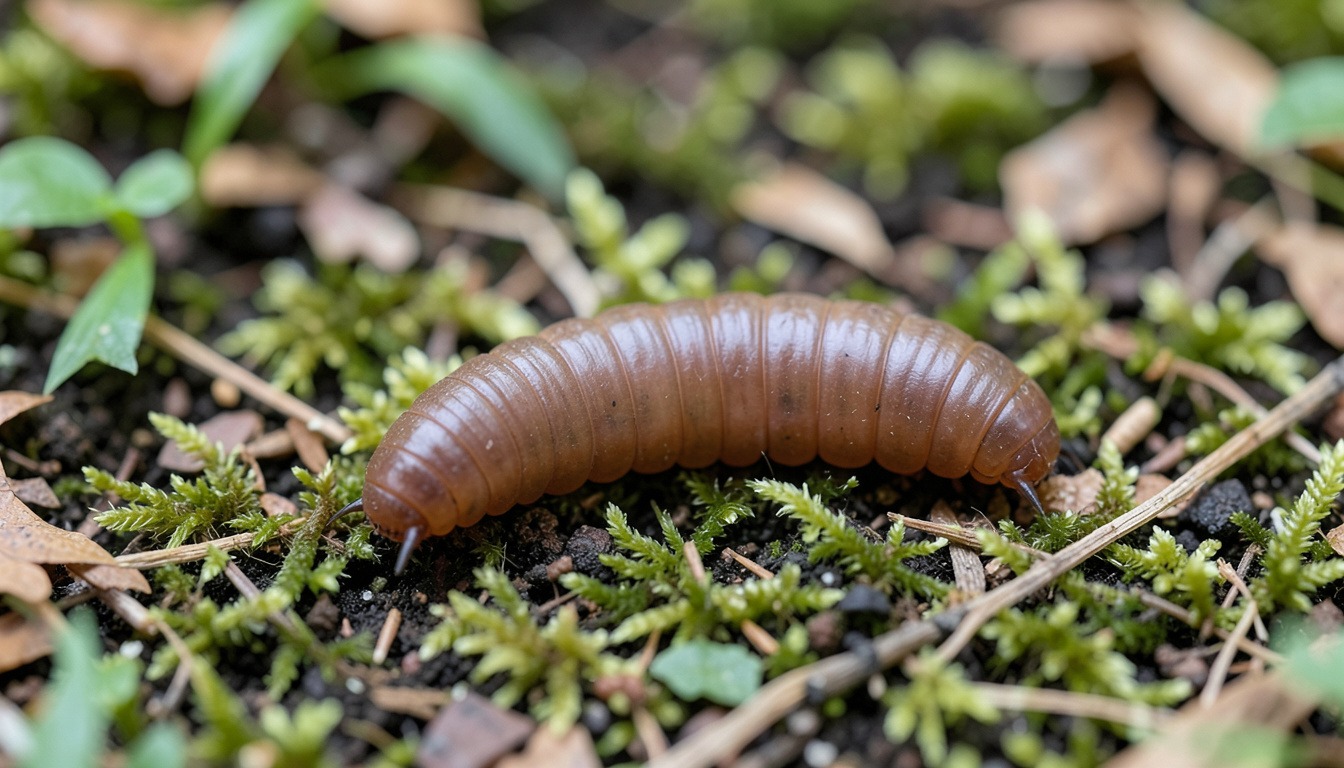
Grub worms thrive in specific environments that support their growth and development. Understanding their habitat and lifecycle stages is essential for effective identification and management.
Preferred Habitats for Grub Worms
Grub worms are typically found in:
- Lawns: They prefer moist, well-maintained turf where adult beetles lay eggs.
- Garden Soil: Areas with rich root systems provide ample food.
- Pastures: These locations often support larger populations due to grass coverage.
Grub worms reside primarily below the soil surface. During colder months, they burrow deeper into the ground. In warmer weather, they move closer to the surface to feed on grassroots.
Lifecycle Stages of Grub Worms
Grub worms undergo complete metamorphosis, consisting of four main stages:
1. Egg: Adult beetles lay eggs in the soil during summer.
2. Larva (Grub): Upon hatching, the larvae emerge and feed on roots. They pass through three instars, growing larger as they mature.
3. Pupa: In the fall, mature larvae enter a resting phase, forming protective cells in the soil. Here, they undergo transformation.
4. Adult Beetle: By spring, they emerge as adult beetles, ready to mate and lay new eggs.
The entire lifecycle can take one to three years, depending on the species and environmental conditions.
Seasonal Activity Patterns
Grub worms are most visible and active during specific times of the year:
- Spring: Adult beetles emerge, laying eggs in the soil.
- Summer: Newly hatched larvae are actively feeding on grass roots, causing visible damage.
- Fall: As temperatures cool, grubs prepare for the pupal stage, reducing their visibility above ground.
Understanding these seasonal patterns aids in identifying the presence of grubs in your lawn. If you notice irregular brown patches or dying grass, it may signal an infestation during their peak feeding period.
Common Signs of Grub Damage in Your Lawn
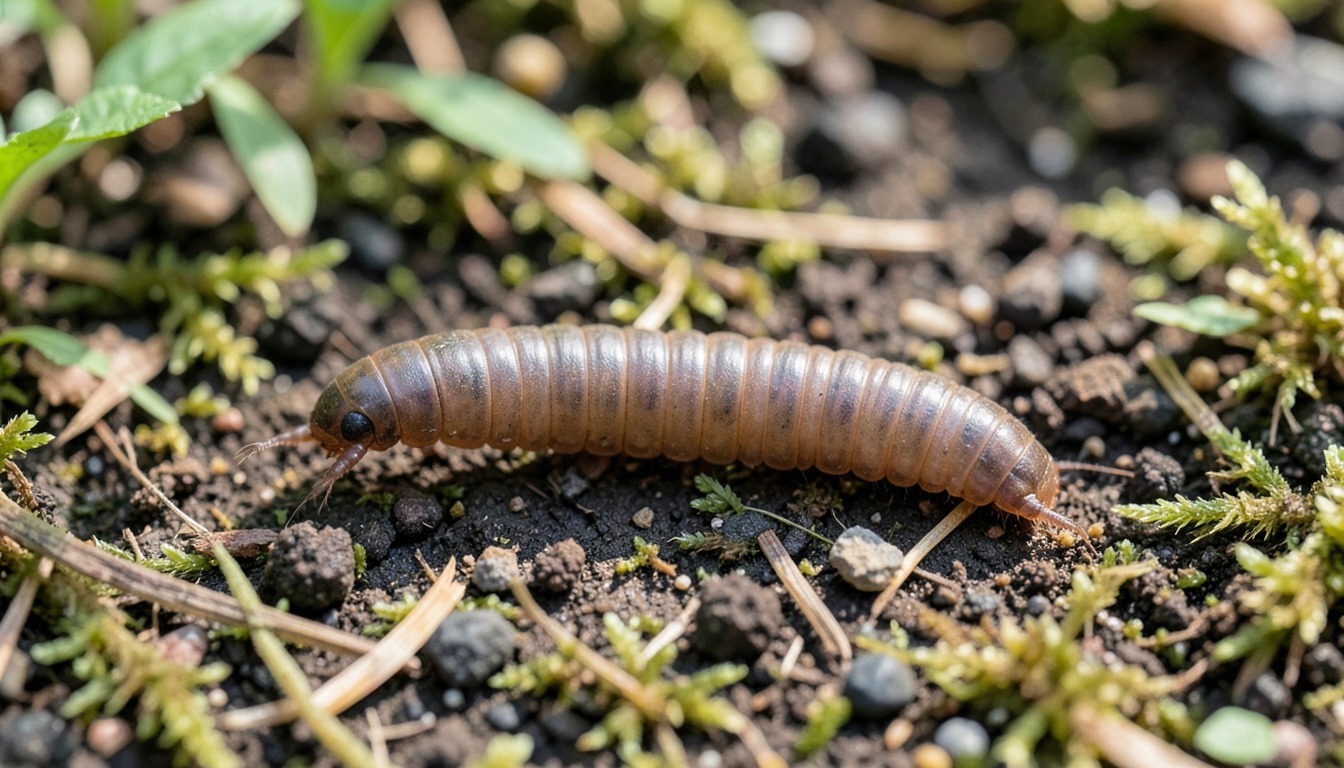
Grub worms can cause significant harm to your lawn, often going unnoticed until visible damage appears. Recognizing the signs early can help mitigate further deterioration and preserve your lawn’s health.
Symptoms of Grub Infestation
Identifying the symptoms of grub infestation is essential for timely intervention. Look for the following indicators:
- Brown patches: Areas of dead or dying grass typically signal underlying grub activity.
- Loose turf: If sections of grass can be lifted easily, this may indicate that grubs are feeding on the roots below.
- Visible bare spots: These occur as grubs consume the grass roots, leaving areas without any vegetation.
- Increased animal activity: Birds, raccoons, and other animals may dig in your lawn to feed on grubs. This behavior can be a strong indicator of an infestation.
Impact on Lawn Health
Grubs primarily feed on grass roots, which weakens the plants and compromises the overall health of your lawn. Without intervention, the following effects may become evident:
- Thinning grass: Continuous feeding by grubs leads to reduced grass density.
- Increased susceptibility to diseases: Stressed lawns are more prone to fungal infections and other diseases.
- Long-term damage: Left untreated, grub infestations can lead to extensive lawn damage, requiring costly repairs or complete re-seeding.
Animal Activity as an Indicator
Animal activity can be a crucial sign of grub presence. When animals such as birds or raccoons forage for grubs, it often leads to disturbed soil and visible digging. If you notice increased animal activity in your lawn, consider checking for grubs.
Decision Rule for Treatment
- Check for grubs: If you find more than five grubs per square foot, treatment is recommended.
- Observe grass health: Note any thinning or brown patches. If these symptoms coincide with high grub counts, immediate action is necessary.
By staying vigilant to these signs, you can effectively manage grub infestations and protect your lawn’s health.
Effective Treatment Options for Grub Worms
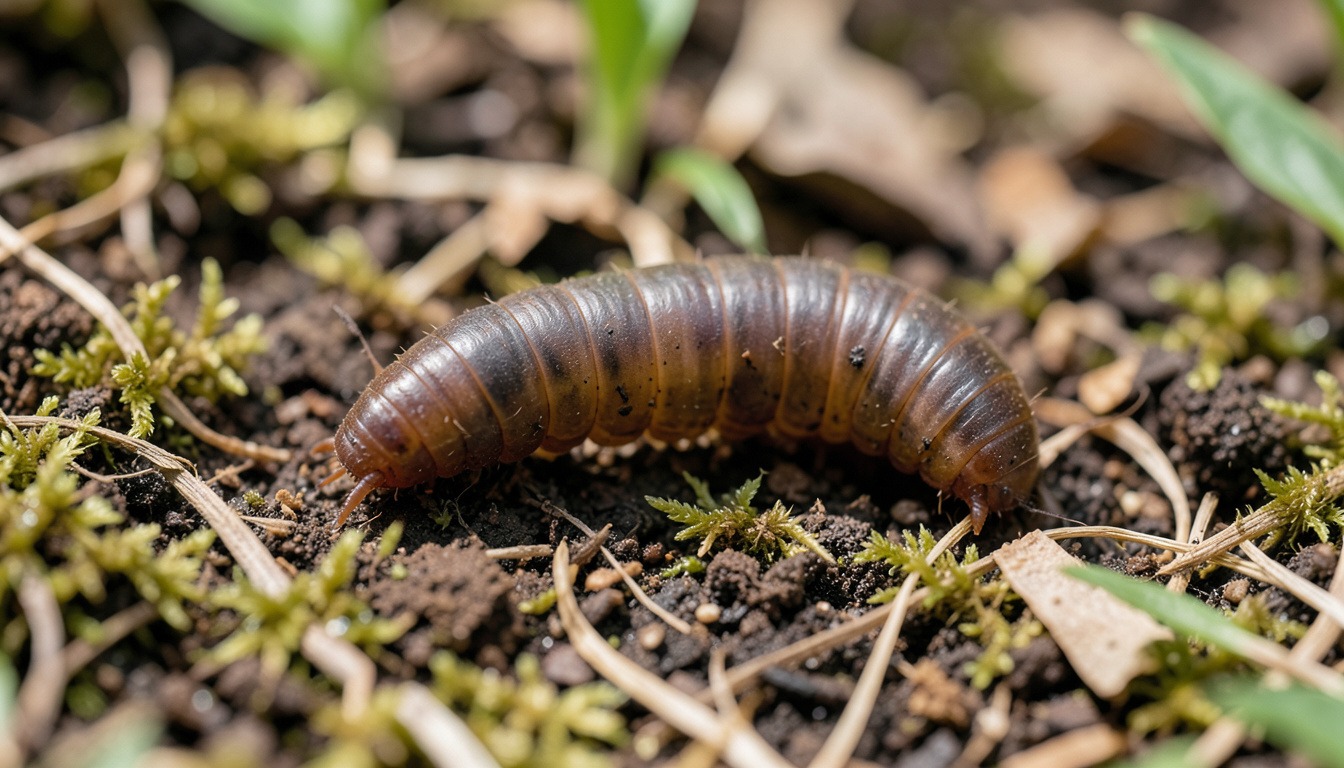
Managing grub worm infestations requires a clear understanding of treatment options. Both chemical and natural remedies can be effective, depending on the severity of the problem and environmental considerations.
Chemical Treatments: Pros and Cons
Chemical treatments offer a quick solution for severe infestations. However, they come with risks:
- Effectiveness: Chemical insecticides can significantly reduce grub populations.
- Environmental Impact: These treatments can harm beneficial insects and contaminate water sources.
- Application Timing: Effective when applied during the grub’s active feeding stage, typically late spring to early summer.
Decision Rule: Before applying chemicals, assess the grub population. If you find more than five grubs per square foot, consider a targeted chemical approach.
Natural Remedies for Grub Control
Natural remedies provide eco-friendly alternatives. They may take longer to show results but are safer for the environment:
- Beneficial Nematodes: These microscopic worms attack grubs and can be applied to infested areas.
- Milky Spore: A bacterium that infects and kills grubs, providing long-term control.
- Diatomaceous Earth: This powder can dehydrate and kill grubs upon contact.
Example: A homeowner applied beneficial nematodes in early spring and reported a significant reduction in grub activity within several weeks.
Preventive Measures for Long-Term Management
Preventing grub infestations is key to maintaining a healthy lawn. Consider these strategies:
- Healthy Lawn Practices: Maintain thick grass through proper watering, fertilizing, and mowing.
- Regular Inspections: Check for signs of grubs and damage, especially in late summer.
- Diverse Planting: Incorporate plants that deter beetles, reducing future grub populations.
Checklist for Prevention:
- Monitor lawn health regularly.
- Minimize thatch buildup.
- Use natural deterrents, such as certain companion plants.
By implementing these treatment options and preventive measures, you can effectively manage grub worm populations and protect your lawn’s vitality.
Frequently Asked Questions
These quick answers cover the most common questions about this topic, including key details, practical tips, and common concerns.
What attracts grub worms in your yard?
Grub worms are primarily attracted to moist, well-maintained lawns where adult beetles lay their eggs. They thrive in areas with rich soil and abundant grass roots, making gardens, pastures, and healthy lawns ideal habitats. Additionally, overwatering or excessive thatch can create a favorable environment for them.
What is the fastest way to kill grubs?
The quickest method to eliminate grubs is through chemical insecticides specifically designed for grub control. These products are most effective when applied during the active feeding period, typically late spring to early summer. However, if you prefer a natural approach, beneficial nematodes can also provide effective results, albeit more gradually.
Will grub worms go away on their own?
Grub worms typically do not go away on their own, especially if environmental conditions remain favorable for their survival. Without intervention, their populations can grow, leading to significant lawn damage. Regular monitoring and early treatment are crucial to prevent long-term infestations.
What does a grub worm turn into?
Grub worms eventually transform into adult beetles. After completing their larval stage, they enter a pupal phase in the soil, where they undergo metamorphosis. By spring, they emerge as adult beetles, ready to mate and lay eggs, continuing the lifecycle.
How can I tell if I have a grub infestation?
Signs of a grub infestation include brown patches of grass, loose turf that lifts easily, and visible bare spots. Increased activity from animals like birds or raccoons digging in your lawn can also indicate a grub problem. If you suspect an infestation, check for more than five grubs per square foot for confirmation.
What natural methods can I use to get rid of grubs?
Natural remedies for controlling grubs include beneficial nematodes, milky spore, and diatomaceous earth. Beneficial nematodes are microscopic worms that attack grubs, while milky spore is a bacterium that infects them. Diatomaceous earth can dehydrate and kill grubs upon contact. These methods are eco-friendly and can be used alongside traditional treatments for effective management.
When is the best time to treat for grubs?
The best time to treat for grubs is during their active feeding period, which typically occurs from late spring to early summer. This is when they are closest to the surface and most vulnerable to treatments. However, preventive measures can be taken in the fall or early spring to reduce the chances of an infestation before it starts.