
Grub worms turn into adult beetles after going through four life stages: egg, larva, pupa, and adult.
Table of Contents
Grub worms are the larvae of various beetle species and undergo a fascinating transformation into adult beetles. Understanding this lifecycle is crucial for effective pest management and protecting your lawn from potential damage.
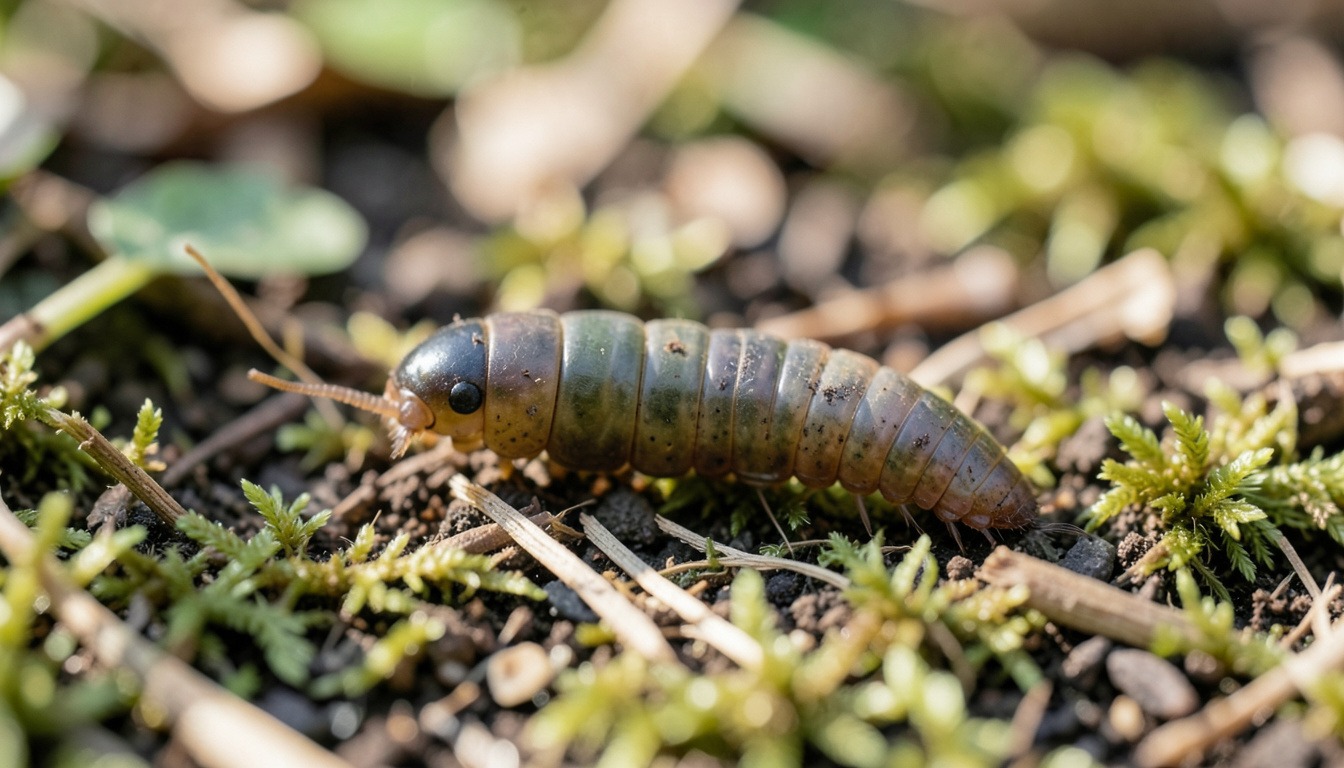
Understanding Grub Worms and Their Importance
Grub worms, the larvae of various beetle species, play a significant role in the ecosystem. Their transformation into adult beetles is essential for understanding pest management and mitigating lawn damage.
What are Grub Worms?
Grub worms are typically small, white, and C-shaped larvae. They primarily feed on the roots of grasses and other plants. Common species include:
- Japanese Beetles
- Green June Beetles
- Annual White Grubs
These larvae can cause substantial harm to lawns and gardens. Their feeding habits often lead to brown patches and weakened plants.
Why Understanding Their Lifecycle Matters
Understanding the lifecycle of grub worms is vital for effective pest control. Here are the key stages:
1. Egg Stage: Adult beetles lay eggs in the soil during summer.
2. Larval Stage (Grub Worms): Eggs hatch into larvae, which begin to feed on roots.
3. Pupal Stage: After several weeks, larvae enter the pupal stage, where they undergo metamorphosis.
4. Adult Stage: Finally, they emerge as adult beetles, ready to reproduce.
This lifecycle can span several months, with each stage presenting unique challenges for lawn health. Recognizing the signs of infestation, such as wilting grass or visible larvae, allows for timely intervention.
The Ecological Role of Grub Worms
Grub worms serve as a food source for various wildlife, including birds and mammals. However, unchecked populations can disrupt the balance in garden ecosystems. Effective pest control measures are necessary to prevent grubs from transitioning into damaging adult beetles.
By understanding what grub worms turn into and their lifecycle stages, homeowners can implement targeted pest control strategies. For instance, introducing beneficial nematodes can naturally reduce grub populations, enhancing garden health without harsh chemicals.
Lifecycle Stages of Grub Worms
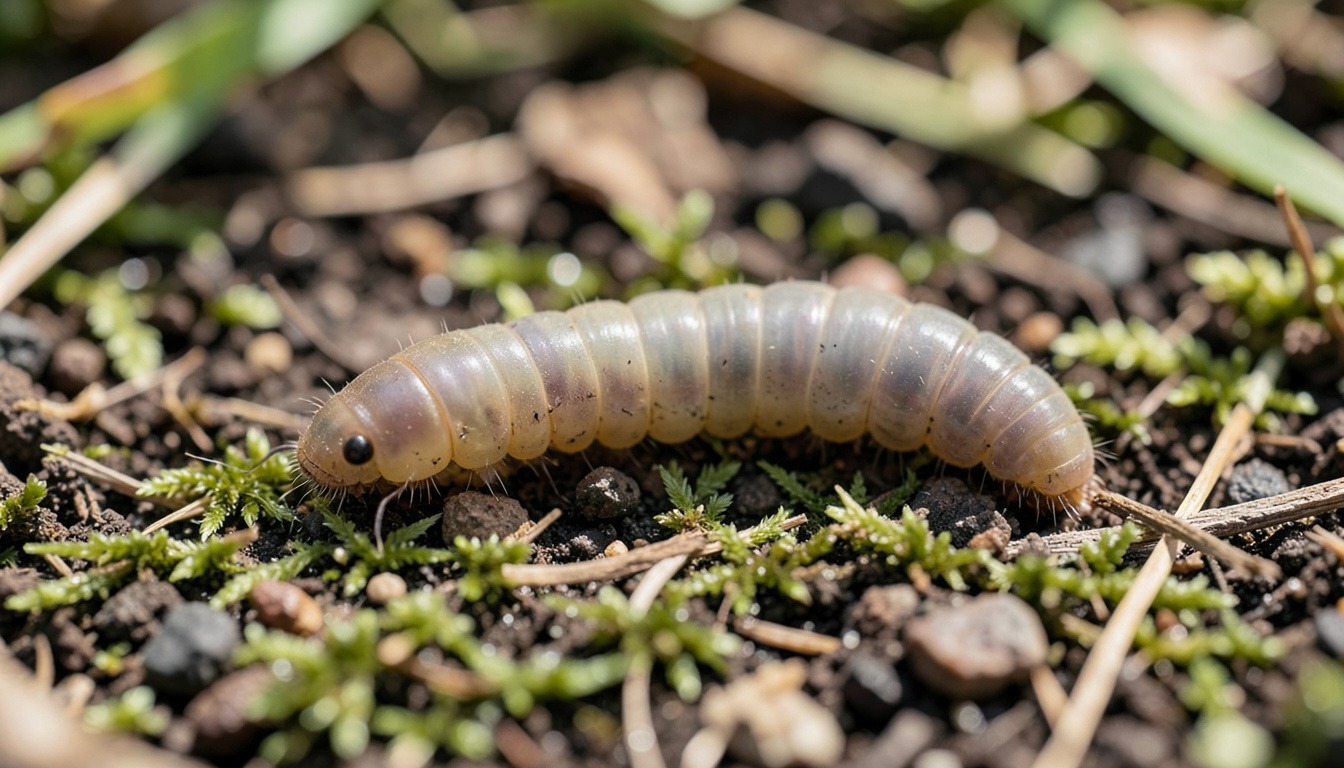
Grub worms undergo a four-stage lifecycle that transforms them from eggs into adult beetles. Understanding each stage is crucial for effective pest management in lawns and gardens.
Egg Stage: Duration and Conditions
The lifecycle begins with the egg stage. Adult beetles typically lay eggs in the ground during late spring to early summer, from June to August.
- Duration: Eggs hatch within 2 to 3 weeks, depending on soil temperature and moisture.
- Conditions: Warm, moist soil is ideal for egg development.
Larval Stage: Characteristics and Behavior
Once hatched, grub worms enter the larval stage, where they become voracious feeders.
- Duration: This stage can last from several weeks to over a year, depending on species and environmental conditions.
- Characteristics:
- Grubs have a C-shaped body and are typically white or cream-colored.
- They mainly feed on grass roots, causing visible damage to lawns.
- Behavior: Grubs remain in the soil, feeding actively through summer and fall.
Pupae Stage: Transformation Process
The pupal stage is where the grub transforms into an adult beetle.
- Duration: This stage lasts from 2 to 3 weeks.
- Process: Grubs burrow deeper into the soil to pupate. Inside the pupal casing, they undergo significant metamorphosis, changing from larva to beetle.
- Emergence: Adult beetles emerge in late summer or early fall, ready to start the cycle anew by laying eggs.
Adult Stage: Characteristics and Lifecycle Restart
In the adult stage, the beetles emerge from the ground, completing the lifecycle.
- Characteristics: Adult beetles vary by species, such as Japanese beetles or masked chafer beetles. They have hardened wing covers and are often brown or black.
- Reproduction: Adult beetles lay eggs in the soil, restarting the lifecycle, typically in the summer months.
Understanding these stages aids in identifying when to implement pest control measures effectively, thereby mitigating lawn damage caused by grub worms.
Common Beetle Species That Grub Worms Turn Into
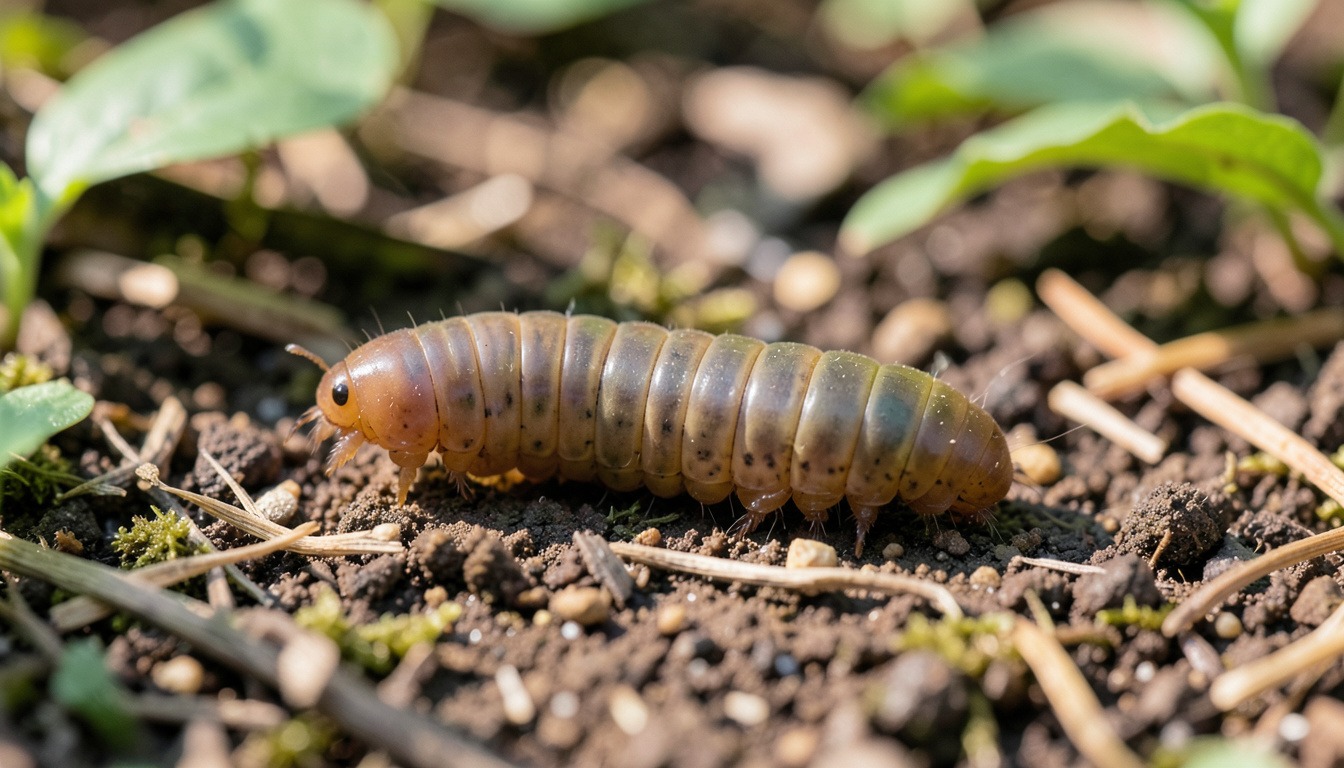
Grub worms are the larval stage of various beetle species. Understanding which beetles emerge from these larvae is crucial for effective pest management. Here are some common beetle species that grub worms transform into:
Japanese Beetles: Characteristics and Damage
- Appearance: Adult Japanese beetles are metallic green with copper-brown wing covers. They measure about 1/2 inch in length.
- Lifecycle Impact: They emerge in late June to early July. They feed on leaves, causing significant damage to gardens and lawns.
- Signs of Infestation: Look for skeletonized leaves and increased bird activity, as birds often feed on these beetles.
- Damage: Their feeding can lead to extensive brown patches on grass and weakened plants.
June Bugs: Lifecycle and Impact
- Description: June bugs are dark brown and can grow up to 1 inch long. They are known for their clumsy flight at night.
- Lifecycle: Adult June bugs appear from late May to June. They lay eggs in the soil, which develop into grub worms over the summer.
- Infestation Signs: Look for droppings or small holes in leaves. Lawn damage often appears as wilting or browning.
- Damage Potential: They primarily feed on grass roots, leading to lawn deterioration if not controlled.
Masked Chafers: Identification and Effects
- Identification: Masked chafers are lighter in color, typically tan to light brown, and have a smooth, oval body.
- Lifecycle: Adults emerge in late spring, laying eggs that hatch into grub worms by midsummer.
- Infestation Indicators: Signs include patches of dead grass that can be easily pulled up, indicating root damage.
- Impact on Lawns: Their feeding habits can severely weaken turf, leading to increased susceptibility to drought and disease.
Comparative Overview of Beetle Species
| Beetle Species | Appearance | Lifecycle Stage | Damage Signs | Impact on Lawns |
|---|---|---|---|---|
| Japanese Beetles | Metallic green, 1/2 inch | Late June to July | Skeletonized leaves | Significant lawn damage |
| June Bugs | Dark brown, 1 inch | Late May to June | Droppings, wilting grass | Deterioration of grass |
| Masked Chafers | Tan to light brown | Late spring | Patches of dead grass | Weakens turf, increases disease susceptibility |
Recognizing these beetle species and their characteristics aids in timely pest control measures. Understanding the lifecycle stages of grub worms and their transformation into beetles enables homeowners to implement effective strategies for lawn protection.
Identifying Grub Worm Infestations in Your Lawn
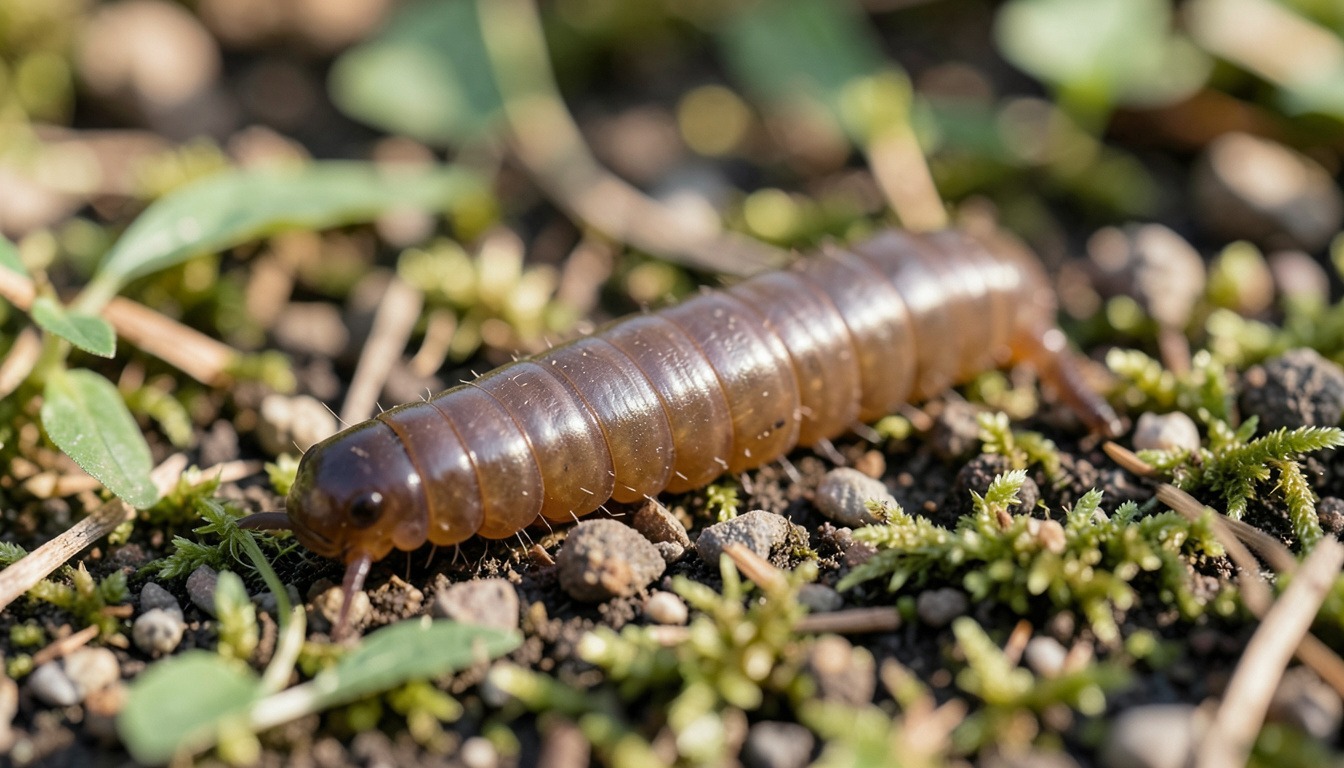
Recognizing grub worm damage early is crucial for effective lawn management. Identifying the signs of infestation can help you prevent extensive damage to your grass.
Signs of Grub Damage: What to Look For
Grub worms primarily feed on grass roots, leading to various visual indicators of damage. Here are key signs to monitor:
- Brown Patches: Areas of grass that turn brown or look wilted may indicate an underlying grub problem.
- Soft Spots: If your lawn feels spongy when walked on, it may be due to root damage caused by grubs.
- Increased Animal Activity: Watch for signs of moles, skunks, or birds digging in your lawn. These animals are often attracted to grubs.
- Visible Grubs: Digging up sections of your lawn can reveal the C-shaped, white larvae of grub worms, particularly in the summer or early fall.
Methods for Identifying Grub Infestations
Use the following checklist to detect grub infestations effectively:
- Check for Turf Discoloration: Look for brown patches, especially in late summer.
- Conduct a Soil Test: Gently lift a section of grass. If it pulls away easily and roots are missing, grubs may be at fault.
- Monitor for Animal Activity: Keep an eye on increased activity from predators like birds or mammals that feed on grubs.
- Count Grubs: During a soil test, find and count the grubs. A population of more than 10 grubs per square foot usually indicates a problem.
Practical Example
Imagine noticing a patch of grass that has suddenly turned brown and feels soft underfoot. Following the checklist, you dig up a small area and discover multiple grubs. This early detection allows you to implement pest control methods before the infestation worsens.
By being vigilant and proactive, you can protect your lawn from the damaging effects of grub worms and their transformation into adult beetles.
Effective Pest Control Strategies for Grub Worms
Controlling grub worm populations is crucial for maintaining a healthy lawn. Understanding the methods available can help you effectively manage these pests and prevent damage from their transformation into adult beetles.
Chemical Control Methods: Pros and Cons
Chemical pesticides can quickly reduce grub worm populations. However, they come with risks.
Pros:
- Fast acting: Provides rapid results.
- Targeted: Can effectively kill larvae in the soil.
Cons:
- Environmental impact: May harm beneficial insects and other wildlife.
- Resistance: Grub worms can develop resistance over time.
Consider the specific needs of your lawn when choosing a chemical approach. Always follow application guidelines to minimize risks.
Natural Remedies: Effective Alternatives
Natural remedies offer a safer approach for controlling grub worms. Here are some effective options:
- Nematodes: Beneficial microscopic worms that parasitize grub worms.
- Neem Oil: A natural insecticide derived from the neem tree that disrupts the life cycle of grubs.
- Milky Spore: A bacterium that targets Japanese beetle larvae without harming other species.
Example: A homeowner treated their lawn with nematodes and reported a significant reduction in grub populations within weeks, demonstrating the effectiveness of this natural method.
Preventative Measures: Keeping Grubs at Bay
Preventative measures play a vital role in controlling grub worm infestations. Consider these best practices:
- Healthy Lawn Care: Maintain proper mowing heights and regular watering to promote strong grass.
- Regular Soil Testing: Monitor grub populations by counting them during soil tests. More than 10 grubs per square foot signals a potential problem.
- Encourage Beneficial Insects: Birds and predatory insects can naturally reduce grub populations. Create habitats by planting diverse flora.
By implementing these strategies, you can effectively manage grub worms and mitigate their impact on your lawn as they develop into adult beetles.
Conclusion: Managing Grub Worms for a Healthy Lawn
Understanding the lifecycle of grub worms is essential for effective lawn management. Recognizing each stage helps you prevent infestations and protect your grass.
The Ongoing Battle Against Grub Worms
Grub worms undergo four distinct stages: egg, larval, pupal, and adult beetle. Each stage presents unique challenges in lawn care. Here’s a brief overview:
- Egg Stage: Adult beetles lay eggs in the soil during late summer.
- Larval Stage (Grubs): Grubs emerge and feed on grass roots, causing damage. This stage can last up to a year.
- Pupal Stage: Grubs transform into pupae, preparing for adulthood.
- Adult Beetle: The beetles emerge from the soil, lay more eggs, and restart the cycle.
To mitigate the effects of grub worms, implement effective management practices. Monitor your lawn regularly for signs of infestation, such as:
- Brown patches or wilting grass
- Increased bird activity feeding on grubs
- Soil that feels spongy when walked on
Effective Pest Control Methods
Utilize a combination of preventative and active pest control strategies to manage grub worms effectively:
1. Natural Remedies: Introduce beneficial nematodes or use neem oil to disrupt the grub lifecycle.
2. Cultural Practices: Maintain a healthy lawn through proper mowing, watering, and fertilization.
3. Chemical Options: If necessary, apply targeted pesticides, following label instructions carefully.
By understanding the lifecycle of grub worms and implementing these strategies, you can protect your lawn from damage and ensure its health and vitality.
Frequently Asked Questions
These quick answers cover the most common questions about this topic, including key details, practical tips, and common concerns.
What do grub worms look like?
Grub worms are typically small, C-shaped larvae that are white or cream-colored. They have a soft body and can grow up to 2 inches long, depending on the species. Common types include the larvae of Japanese beetles and June bugs. Identifying them early can help prevent lawn damage.
How can I tell if I have a grub infestation?
Signs of a grub infestation include brown patches in your lawn, soft or spongy spots when walked on, and increased activity from animals like birds, moles, or skunks, which dig to find grubs. If you lift a section of grass and it pulls up easily with missing roots, this may indicate a grub problem.
What is the best time to treat for grubs?
The best time to treat for grubs is in late summer or early fall when they are in their larval stage and actively feeding on grass roots. Applying treatments during this time can effectively reduce their population before they enter the pupal stage. Regular monitoring throughout the summer can help you time your treatments effectively.
Can grub worms damage my lawn permanently?
Yes, grub worms can cause significant damage to your lawn if left untreated. They feed on the roots of grass, leading to brown patches that can eventually kill the grass. However, with timely intervention and proper lawn care, you can recover from their damage and restore your lawn’s health.
What are the signs of beetle damage in my garden?
Signs of beetle damage include skeletonized leaves, where the leaf tissue is eaten away, and holes in flowers or foliage. Adult beetles may also leave droppings, and you might notice increased bird activity, as they often feed on these beetles. Early detection can help mitigate further damage.
How do I prevent grub worms from returning?
To prevent grub worms from returning, maintain a healthy lawn through proper mowing, watering, and fertilization. Regularly monitor your lawn for signs of grubs and consider applying beneficial nematodes or natural insecticides like neem oil as preventative measures. Healthy grass is less susceptible to grub infestations.
Are there any organic methods to control grub worms?
Yes, there are several organic methods to control grub worms. Beneficial nematodes are microscopic worms that parasitize grubs, effectively reducing their population. Neem oil is another option; it disrupts the grub lifecycle and is safe for beneficial insects. These methods provide effective alternatives to chemical pesticides while being environmentally friendly.
What types of beetles do grub worms turn into?
Grub worms can turn into various beetle species, including Japanese beetles, June bugs, and masked chafers. Each species has distinct characteristics and damage potential. For example, Japanese beetles are metallic green and can cause extensive damage to plants, while June bugs are dark brown and known for their clumsy flight at night. Understanding which beetles emerge can help you tailor your pest control strategies.