
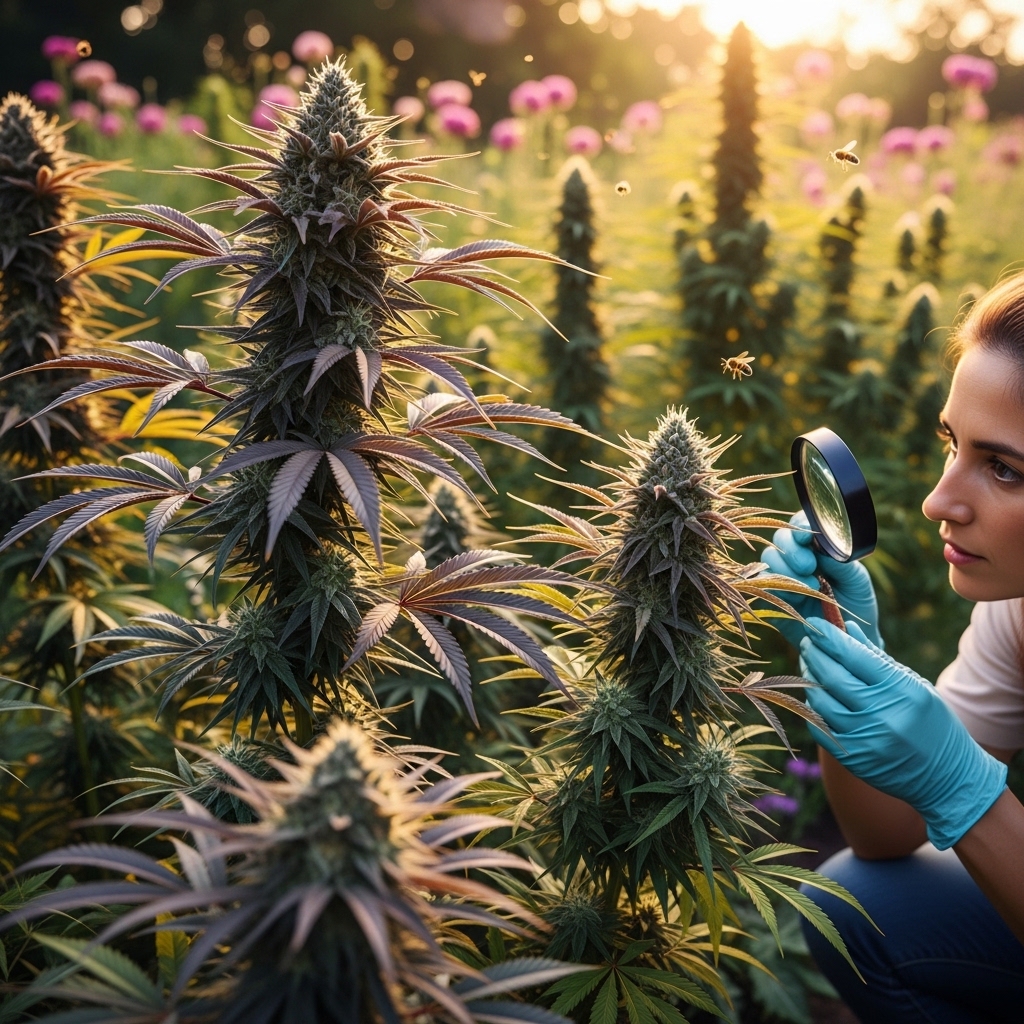
A marijuana plant typically has distinct characteristics such as serrated leaves, branching stems, and flowering buds covered in trichomes. Understanding these features can help identify the plant and its different strains. Read Interesting article: A Fák Növekedésének Titkai: Növeld a Valheim Virtuális Erdődet!
Overview of Marijuana Plants
Definition and Classification
Marijuana, scientifically known as Cannabis, is a flowering plant that belongs to the Cannabaceae family. It has been cultivated for thousands of years for various uses, ranging from medicinal and recreational properties to industrial applications like hemp fiber. There are three primary species of Cannabis: Cannabis sativa, Cannabis indica, and Cannabis ruderalis. Each species has unique characteristics and effects, making them suitable for different purposes.
Types of Marijuana Plants
When I first started exploring marijuana, I was amazed by the variety within the plant itself. The two most recognized types are Cannabis sativa and Cannabis indica. Sativa plants tend to be taller with narrower leaves and are often associated with uplifting effects, making them ideal for daytime use. Indica plants, on the other hand, are shorter and bushier, featuring broader leaves. They are known for their relaxing effects, often preferred for evening use. Then there’s Cannabis ruderalis, which is less common and mainly used for breeding due to its autoflowering traits.
In addition to these main types, hybrids are also prevalent. Hybrid strains combine the characteristics of both sativa and indica, allowing for a wide spectrum of effects and flavors. I remember when I tried my first hybrid; it was fascinating to experience the balance of relaxation and euphoria it provided. Understanding these types is essential for anyone looking to cultivate or use marijuana effectively. Read Interesting article: 11 Common Issues with Tradescantia Nanouk & Solutions
Legal Status and Growing Regulations
The legal status of marijuana varies widely across the globe and even within individual states in the United States. Some places have fully legalized both medical and recreational use, while others still impose strict regulations or outright bans. I’ve noticed that this patchwork of legality can complicate things for those looking to grow their own plants. In areas where cultivation is allowed, there are often regulations regarding the number of plants, types of strains, and even the methods of growing. It’s crucial to be aware of local laws to avoid any legal issues. For me, staying informed about these regulations has been an important part of my journey into understanding marijuana cultivation.
Key Characteristics of Marijuana Plants
Leaf Structure and Shape
One of the most recognizable features of marijuana plants is their leaves. They are palmate, meaning that they have leaflets that radiate from a single point. Typically, a marijuana leaf has between five to eleven leaflets, but some strains can have even more. Personally, I’ve always found the serrated edges of these leaves to be a defining characteristic. The color of the leaves can vary from a vibrant green to a darker shade, depending on the strain and the growing conditions.
In my experience, examining the leaf structure can also give clues about the plant’s health. Healthy leaves are usually a rich green, while yellowing or browning can indicate problems like nutrient deficiencies or pests. The shape of the leaves can also help distinguish between different strains; for example, sativa strains generally have longer and thinner leaves compared to the broader leaves of indica strains.
Stem and Branch Characteristics
The stems of marijuana plants are sturdy and can support the weight of large buds, especially as the plant matures. They typically have a greenish color but can also display purple hues in some strains, particularly in cooler temperatures. I’ve found that the strength of the stem is an essential factor in how well the plant will support itself during the flowering stage.
As for the branches, they tend to grow in a pattern that maximizes sunlight exposure. The branching structure can vary significantly depending on the plant’s genetics and growing conditions. When I grew my first plant, I noticed how the branches were flexible yet strong, adapting well to the natural light in my backyard. This adaptability is crucial, especially if you’re growing outdoors, as the plant needs to optimize its position for sunlight.
Flowering Buds and Trichomes
The most exciting part of growing marijuana for many is the flowering stage, where the buds develop. These buds are where the magic happens; they are packed with cannabinoids and terpenes that contribute to the plant’s effects and flavors. I remember my surprise when I first saw the buds forming; they begin as tiny clusters and can grow into substantial, dense formations.
What really fascinated me were the trichomes—tiny, hair-like structures that cover the buds and leaves. Trichomes are essential because they produce the plant’s resin, containing THC, CBD, and other compounds. The presence of trichomes can indicate the potency of the buds. I often use a magnifying glass to observe trichomes closely. They can appear clear, cloudy, or amber, and each stage indicates different levels of potency and effects. For anyone looking to identify marijuana plants, the appearance of these trichomes is a key factor to consider.
Understanding these key characteristics not only helps in identifying marijuana plants but also enhances the overall experience of cultivation and consumption. Each detail, from the leaves to the buds, tells a story about the plant, its health, and its potential effects. As we dive deeper into the world of marijuana, recognizing these features can elevate our appreciation and understanding of this remarkable plant. Read Interesting article: 12 Idées de jardinage en seau pour les petits espaces extérieurs
Identifying Different Strains of Marijuana
Indica vs. Sativa vs. Hybrid
As I delved deeper into the world of marijuana, I quickly discovered that understanding the differences between indica, sativa, and hybrid strains was crucial. Each type offers distinct characteristics and experiences. Indica strains are often associated with relaxation and tranquility. They can be great for winding down after a long day or helping with sleep issues. I remember a friend recommended an indica strain to me when I was feeling particularly stressed. It was like a warm blanket of calm washed over me.
Sativa strains, on the other hand, are known for their energizing effects, making them suitable for social gatherings or creative projects. I’ve had some memorable experiences with sativa strains that sparked my creativity. I felt more engaged and inspired to create art or dive into a new hobby. Then there are hybrids, which blend the qualities of both indica and sativa. I’ve found that hybrids can sometimes offer the best of both worlds, providing a balance of relaxation and euphoria. Choosing a strain starts with understanding what kind of experience you’re looking for, and I believe it’s essential to experiment to find what suits you best.
Visual Differences Among Strains
When it comes to identifying different strains, visual cues can be incredibly helpful. I’ve often marveled at how distinct the plants can look even at a glance. Indica strains generally present a denser, bushier appearance with broader leaves, while sativa strains tend to have a more slender and taller structure. I remember the first time I stood next to a sativa plant; it towered over me, and the narrow leaves were strikingly different from the robust indicas I had grown.
Hybrids can vary widely in appearance, depending on the dominant strain. I’ve seen hybrids that take on the bushy form of indicas while showcasing the long leaves typically associated with sativas. It’s fascinating how genetics play a role in the visual differences, and I’ve learned that these characteristics can influence not just the aesthetics but also the overall effects of the strain. Observing these visual differences has become a fun part of my growing journey.
Aroma and Color Variations
The aroma of marijuana is another telltale characteristic that can help identify different strains. I remember the first time I encountered a strain with a fruity scent. It reminded me of a summer garden, while others have a more earthy or skunky aroma. The fragrance can range from sweet and citrusy to pungent and musky, often reflecting the dominant terpenes within the strain. I’ve come to appreciate how the aroma can set the mood even before consuming the product.
Color variations also play a significant role in identifying strains. I’ve noticed some strains have beautiful purple or blue hues, particularly when exposed to cooler temperatures during growth. Others can be a bright green or even have hints of orange or yellow from the pistils. These colors not only make the plants visually appealing but can also indicate certain genetics. It’s become a bit of a treasure hunt for me to find strains with unique color profiles, and I often find myself sharing my discoveries with friends.
Growth Stages of Marijuana Plants
Seedling Stage
The journey of a marijuana plant begins with the seedling stage, which is a delicate time for the plant. I still remember the excitement I felt when my seeds first sprouted. Seedlings typically develop their first two leaves, known as cotyledons, and these leaves will eventually be replaced by true leaves that define the strain. During this stage, I learned the importance of providing the right amount of light and moisture. Too much water, and I risked damping off; too little, and the little sprouts would wither. It was a fine balance, and I had to stay attentive.
Vegetative Stage
As the seedlings grow, they enter the vegetative stage, which is where the real magic begins. At this point, I noticed the plants start to develop more leaves and branches. This stage can last several weeks, and it’s crucial for the overall health and size of the plant. I found that providing adequate light, nutrients, and space was essential for strong growth. I often experimented with different light sources and fertilizers, eager to see how they affected the plants’ growth. Observing the rapid development during this time was incredibly rewarding.
Flowering Stage
The flowering stage is what many growers, including myself, eagerly anticipate. This is when the plants reveal their sex and begin to produce buds. I remember feeling a rush of excitement when I spotted the first tiny buds forming. This stage can last a few weeks to several months, depending on the strain. I learned that controlling light exposure during this time is critical; it signals the plant to start flowering. The transformation is remarkable, and watching those buds swell and develop trichomes is an experience like no other.
Harvesting Stage
Finally, we reach the harvesting stage, which is both thrilling and bittersweet. After weeks of care and attention, it’s time to reap the rewards. I’ve learned that the timing of the harvest can significantly impact the potency and effects of the buds. I often check the trichomes using a magnifying glass to decide the perfect moment to harvest. Watching them shift from clear to cloudy and eventually to amber is a fascinating process. When the time is right, I carefully cut the buds, feeling a mix of pride and nostalgia for the journey they’ve taken.
Understanding these growth stages has enhanced my appreciation for the entire cultivation process. It’s not just about the end product; it’s about the care, attention, and learning that goes into nurturing these plants. Each stage tells a story, and I feel grateful to be part of it.
Common Issues and Identifiers
Pest Infestation Signs
As I dived deeper into my cultivation journey, I quickly realized that keeping an eye out for pests was essential to maintaining healthy marijuana plants. Pests can cause significant damage, and I learned this the hard way after noticing some unusual spots on my leaves. Common pests like aphids, spider mites, and whiteflies can wreak havoc if not caught early. For me, the first signs of a pest infestation included tiny webs on the leaves or discolored spots that looked almost like tiny bites.
One of the most alarming experiences I had was when I discovered a spider mite infestation. I could see tiny, moving dots on the underside of the leaves, and I felt a wave of panic. I quickly researched solutions and found that neem oil was effective in managing the problem. After treating the plants, I noticed a decrease in the pest population, and my plants slowly recovered. I learned that regular inspections of my plants can help catch these issues early, preventing them from spiraling out of control.
Nutrient Deficiencies and Excesses
Navigating the nutrient needs of marijuana plants has been a journey filled with trial and error. I remember feeling so proud of my plants when they were thriving, but then I noticed some yellowing leaves and stunted growth. After some research, I learned about nutrient deficiencies, which can often manifest as discoloration or unusual leaf shapes. For instance, yellow leaves can indicate a nitrogen deficiency, while purple stems might signal a phosphorus issue.
On the other hand, too much of a good thing can also lead to problems. Over-fertilization can cause nutrient burn, where the tips of the leaves turn brown and crispy. I recall one instance when I was so eager to see my plants grow that I applied too much fertilizer, leading to that dreaded burn. A simple flush with water helped, but it was a lesson learned. I’ve since adopted a more measured approach to feeding my plants, focusing on organic nutrients to keep them healthy while minimizing the risk of deficiencies or excesses.
Environmental Stress Indicators
Environmental factors can significantly impact the health of marijuana plants. I learned this firsthand when I decided to grow my plants outdoors. Changes in temperature, humidity, and light can all stress the plants, leading to various signs of distress. For example, if the temperature is too high, plants can wilt or develop light green leaves, while low humidity can cause leaf tips to dry out or curl. I once experienced a heatwave during the flowering stage, and I watched helplessly as some of my buds started to look less vibrant.
Interestingly, I found that plants can also communicate their needs through their leaves. When they’re under stress from overwatering, the leaves may droop, while underwatered plants can show a different kind of droopiness. I remember when I first encountered this; I had a moment of panic thinking my plants were dying, only to realize they just needed a little more attention. Understanding these environmental stress indicators has been crucial for me, helping to maintain a healthy growing environment.
Visual Identification Guides
High-Quality Images of Marijuana Plants
One of the most effective ways I learned to identify different marijuana plants was through high-quality images. I found that online resources filled with clear photographs can provide a wealth of information. Visual references helped me understand what healthy plants look like versus those that are struggling with pests or nutrient issues. I often refer to websites and social media groups dedicated to cannabis cultivation, where growers share their experiences and images.
Additionally, I’ve started documenting my own plants with photographs at each growth stage. This visual diary not only helps me track their development but also serves as a reference for spotting potential problems in the future. I’ve found that having a visual guide can significantly enhance our ability to identify and appreciate the nuances of different strains and their health.
Comparison Charts for Strains
Creating or accessing comparison charts for marijuana strains has been another invaluable tool in my journey. These charts can outline various characteristics, such as growth patterns, THC and CBD levels, and effects. I remember the first time I stumbled upon a side-by-side comparison chart; it was like a light bulb went off. I could quickly see the differences between popular strains, making it easier for me to choose what to grow or consume.
In my experience, having this kind of resource at my fingertips has made the entire process more enjoyable. It helps set realistic expectations about growth times and effects, allowing me to make informed decisions. I often share these charts with friends who are just starting, finding that they appreciate having clear, concise information to guide their choices.
Infographics on Plant Development Stages
Infographics have become a staple in my learning process as a marijuana grower. They provide a visually appealing and straightforward way to understand the various stages of plant development. I’ve seen infographics that break down everything from germination to harvesting, highlighting key milestones along the way. These visual aids not only make it easier to grasp complex information but also serve as handy reference tools during the growing process.
When I grew my last batch of plants, I had an infographic printed out and hung in my grow space. It reminded me of what to expect at each stage and helped me stay on track with my care routine. I found that these resources enhance my understanding and have made me more confident in my abilities as a grower. Infographics truly bridge the gap between technical knowledge and practical application, making the cultivation experience more accessible and enjoyable.
Frequently Asked Questions
What are the primary species of marijuana plants?
The three primary species of marijuana plants are Cannabis sativa, Cannabis indica, and Cannabis ruderalis. Each species has unique characteristics and effects suitable for different purposes.
What are the main differences between Cannabis sativa and Cannabis indica?
Cannabis sativa plants tend to be taller with narrower leaves and are associated with uplifting effects, making them ideal for daytime use. Cannabis indica plants are shorter and bushier with broader leaves, known for their relaxing effects, often preferred for evening use.
What are hybrids in the context of marijuana plants?
Hybrids are strains that combine the characteristics of both sativa and indica plants. They allow for a wide spectrum of effects and flavors, providing a balance of relaxation and euphoria.
How can I identify common pest infestations in marijuana plants?
Common signs of pest infestations include tiny webs on the leaves or discolored spots that resemble tiny bites. Regular inspections can help catch these issues early to prevent significant damage.
What are some signs of nutrient deficiencies in marijuana plants?
Nutrient deficiencies can manifest as discoloration or unusual leaf shapes, such as yellow leaves indicating nitrogen deficiency or purple stems signaling phosphorus issues.
What is the importance of trichomes on marijuana buds?
Trichomes are tiny, hair-like structures that cover the buds and leaves of marijuana plants. They produce the plant’s resin, which contains THC, CBD, and other compounds. The presence and appearance of trichomes can indicate the potency of the buds.
What are the growth stages of marijuana plants?
The growth stages of marijuana plants include the seedling stage, vegetative stage, flowering stage, and harvesting stage. Each stage has distinct characteristics and care requirements.
How does environmental stress affect marijuana plants?
Environmental factors such as temperature, humidity, and light can significantly impact the health of marijuana plants. Signs of stress may include wilting leaves, discoloration, or unusual leaf shapes, indicating the need for adjustments in care.
What role do aroma and color variations play in identifying marijuana strains?
The aroma of marijuana can vary widely and reflect the dominant terpenes within the strain, aiding in identification. Color variations, such as purple or blue hues, can also indicate certain genetics and make the plants visually appealing.
How can visual aids assist in identifying marijuana plants?
High-quality images, comparison charts, and infographics can serve as effective tools for identifying different marijuana plants and understanding their characteristics. These resources enhance learning and help growers track their plants’ development.