
Weeds are often defined as unwanted plants that grow in gardens, lawns, and fields, competing with desired plants for resources. I’ve found that understanding what weeds look like helps me manage my garden better and keep it healthy. Read Interesting article: What Do Weed Plants Look Like? Identification Guide
Understanding Weeds: What Are They?
Definition of Weeds
Weeds are plants that grow in places where they are not wanted. This broad definition includes any species that competes with cultivated plants for light, nutrients, and space. Personally, I used to think of weeds merely as nuisances, but I’ve learned they can actually serve as indicators of soil health and environmental conditions. The term “weed” is subjective; a plant that is a weed in one context might be considered beneficial in another. For example, dandelions can be annoying in a pristine lawn but are rich in vitamins and can be used in salads or teas.
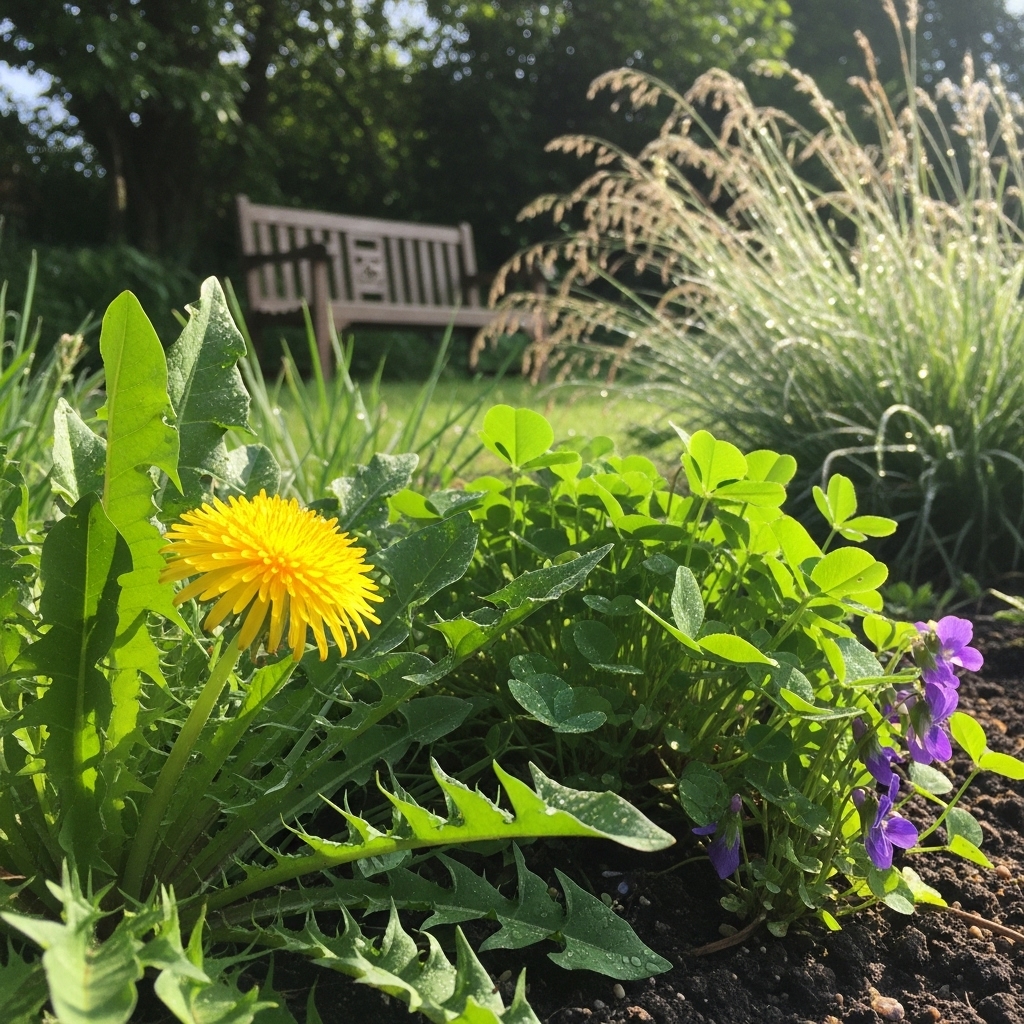
The Role of Weeds in Ecosystems
Interestingly, weeds play vital roles in ecosystems. They can improve soil structure, prevent erosion, and promote biodiversity by providing habitat for various insects and animals. I remember a time when I was frustrated by the presence of some weeds in my garden, but after researching, I discovered that they were attracting pollinators. This opened my eyes to the complex interactions in nature. Weeds can also be indicators of soil conditions; for instance, certain weeds thrive in compacted soils, signaling a need for aeration. Understanding these aspects has changed my perspective on weeds from seeing them only as problems to recognizing their ecological importance. Read Interesting article: What Do Plants Need to Grow and Thrive? Full Guide
Common Types of Weeds
Broadleaf Weeds
Broadleaf weeds are among the most common types of weeds, characterized by their wide, flat leaves. These types can be quite aggressive and often outcompete garden plants. I’ve encountered many broadleaf weeds in my own yard, and identifying them has helped me manage their growth. Popular examples include dandelions, clover, and plantains. These plants can spread quickly, and they often have deep taproots that make them difficult to remove entirely, especially if they are not pulled out correctly. When I first tried to remove dandelions, I learned the hard way that leaving even a small piece of the root can lead to regrowth.
Grassy Weeds
Grassy weeds, as the name suggests, resemble grass. They usually have narrow leaves and can blend in with a lawn, making them tricky to identify. Crabgrass is a common example of a grassy weed. I remember when I first noticed crabgrass invading my lawn; it was almost indistinguishable from the grass until it started to flower. Grassy weeds often thrive in well-fertilized, moist soils. Understanding their growth patterns has helped me not only identify them but also take preventive measures. For instance, I’ve learned that maintaining healthy grass can keep these weeds at bay.
Sedges
Sedges are another category of weeds, often confused with grasses. They have a triangular stem cross-section and typically grow in moist areas. Yellow nutsedge is a common example that I’ve encountered while gardening. At first, I mistook it for regular grass, but it has a distinct growth habit and often appears in clumps. Understanding the differences between sedges and true grasses has been crucial in effectively managing them. Sedges can be particularly challenging because they reproduce through tubers, which can lie dormant in the soil for years.
Weed Identification: Key Characteristics
Leaf Shape and Size
One of the first things I look at when identifying a weed is its leaf shape and size. Leaves can vary widely, from the broad, flat leaves of dandelions to the slender, elongated leaves of crabgrass. I’ve found that noticing these differences is essential for quick identification. For example, when I see a plant with deeply lobed leaves, I immediately think of a dandelion, while smooth, broad leaves might indicate a plantain. Understanding the leaf characteristics has made my gardening experience much more enjoyable, and I feel more confident in my ability to identify and manage weeds.
Stem Structure
The stem structure of a weed can also provide valuable clues for identification. For instance, some weeds have hollow stems, while others are solid. I remember when I first encountered a plant with a hollow stem, it turned out to be a type of sedge. Observing the color, thickness, and texture of the stems can help distinguish between different types of weeds. Additionally, some stems may have distinctive features, like hairs or spines, which can be helpful in identification.
Flowering Patterns
Flowering patterns are another significant aspect of weed identification. Many weeds produce flowers that can help you identify them. I’ve learned that the color, size, and shape of the flowers can vary greatly among weeds. For example, the bright yellow flowers of dandelions are unmistakable, while the tiny white flowers of chickweed can be easy to overlook. Paying attention to when and how these plants flower has aided me significantly in identifying weeds throughout the growing season.
Root Systems
Lastly, understanding root systems can be a game changer in weed identification and management. Weeds can have fibrous roots or deep taproots, which affect how easily they can be removed. I’ve had my fair share of battles with weeds like thistles that have deep roots, making them incredibly resilient. Learning about the root systems of common weeds has helped me strategize and choose the best methods for removal. For instance, I now know that simply pulling a weed with a shallow root may work, but for those with deeper roots, I might need to use a digging tool.
Visual Identification Guide
Broadleaf Weeds: Identification Tips
Dandelion (Taraxacum officinale)
Dandelions are one of the most recognizable weeds, with their bright yellow flowers and deeply lobed leaves. I remember the first time I tried to identify one; I was amazed at how easily they stood out in my garden. The leaves grow in a rosette pattern close to the ground, and the flower stems are hollow. After it flowers, the fluffy seed heads make it even more distinctive. If you’re trying to manage these, I recommend getting them before they go to seed, as each flower can produce hundreds of seeds that spread quickly.
Chickweed (Stellaria media)
Chickweed can be a little trickier to spot, especially since it can grow low to the ground and blend in with other plants. Its small, white flowers and pointed leaves are key characteristics. I find that chickweed often appears in cooler months, so keeping an eye out during early spring or late fall can help. I learned the hard way that it’s best to pull them out while they’re small; otherwise, they can take over a patch of soil very quickly.
Plantain (Plantago major)
Plantains are another broadleaf weed that I often see in my garden. They have large, oval leaves that grow in a rosette at the base. I used to overlook them, thinking they were just part of the landscape. However, I’ve come to appreciate their medicinal properties, too. The flower stalks can rise quite high, producing tiny flowers that attract pollinators. When identifying plantains, it’s helpful to remember their broad leaves and the way they grow in clusters.
Grassy Weeds: Identification Tips
Crabgrass (Digitaria spp.)
Crabgrass is one of those weeds that sneaks up on you. It often looks so similar to regular grass that I’ve missed it in the past. The leaves are long and narrow, and it tends to grow in clumps. One of the standout features I’ve noticed is how it spreads out, creating a mat-like appearance. I found that the best time to tackle crabgrass is when it first appears in spring, before it has a chance to establish itself.
Foxtail (Setaria spp.)
Foxtail is another common grassy weed that can throw you off. Its name comes from the bushy flower heads that resemble a fox’s tail. I remember the first time I saw it in my yard; I thought it was just an interesting ornamental grass. However, foxtail can quickly dominate a lawn if left unchecked. Its leaves are rough to the touch, and it often grows in clumps, just like crabgrass. Recognizing these features has helped me manage it more effectively.
Sedges: Identification Tips
Yellow Nutsedge (Cyperus esculentus)
Yellow nutsedge is often mistaken for grass but can be identified by its triangular stems and yellowish-green color. I was surprised to learn that this weed can produce tubers, making it a persistent problem in my garden. The leaves are long and grass-like, but they have a shiny appearance that sets them apart. I’ve found that managing yellow nutsedge requires patience, as it can be quite resilient.
Green Kyllinga (Kyllinga brevifolia)
Green kyllinga looks similar to yellow nutsedge but has a more compact growth habit. Its leaves are often shorter and can form dense patches. I remember my first encounter with this weed; I mistook it for regular grass until I noticed its distinct triangular stems. It tends to thrive in moist areas, so keeping an eye on damp spots in my garden has helped me catch it early before it spreads too much.
Seasonal Changes in Weed Appearance
Weed Growth Stages
As seasons change, so do the characteristics of weeds. I’ve noticed that many weeds start as small seedlings in the spring, making them easy to overlook. By late spring and early summer, they can grow rapidly, often flowering and seeding. For instance, dandelions seem to pop up everywhere in early spring, while crabgrass takes over in the warmer months. Understanding these growth stages has helped me time my weeding efforts better, ensuring I tackle them before they become a bigger issue.
Seasonal Identification Challenges
Identifying weeds can also be challenging depending on the season. In the fall, many weeds are going to seed, which can make them look quite different from their earlier growth stages. I remember a time when I misidentified a weed just because I was used to seeing it in its leafy state rather than its flowering form. Keeping a seasonal calendar has helped me track the life cycles of different weeds, making it easier to spot them at various times of the year.
Tools for Identifying Weeds
Field Guides and Apps
When it comes to weed identification, I’ve found that having the right tools is crucial. Field guides can be incredibly helpful. I keep a couple on hand, filled with images and descriptions of common weeds. Recently, I started using an app that allows me to take pictures of plants and get instant feedback on what they might be. This has saved me so much time and confusion. The convenience of technology has made it easier for me to become more confident in my identification skills. Read Interesting article: How Do You Plant Corn? Step-by-Step Guide
Using Online Resources
The internet is another fantastic resource for identifying weeds. I love browsing gardening forums and websites where experienced gardeners share their knowledge. I often find that seeing real-life examples of weeds helps me remember their key characteristics better. I also appreciate the videos and tutorials available online; they provide visual aids that reinforce what I’ve learned from my field guides and apps.
Common Misidentifications
Similar-Looking Plants
One of the biggest challenges I’ve faced is confusing weeds with other plants. For example, young dandelions can look a lot like other leafy greens. I’ve accidentally pulled out beneficial plants thinking they were weeds. Learning to recognize the subtle differences in leaf shape, growth patterns, and flower characteristics has been essential. I’ve even made it a point to note which plants I have in my garden so I can avoid future mistakes.
How to Avoid Confusion
To avoid misidentifying plants, I try to take my time when I’m out in the garden. I’ve learned that a good practice is to observe a plant over a few days, watching how it grows and changes. I also recommend consulting multiple resources—field guides, apps, or online forums—before making a decision. Keeping a journal of my gardening experiences has proven helpful for tracking what I see and learn over time. This way, I can avoid confusion and enhance my gardening skills.
Importance of Accurate Weed Identification
Impact on Gardening and Agriculture
Weed Management Strategies
Frequently Asked Questions
What are weeds?
Weeds are plants that grow in places where they are not wanted, competing with cultivated plants for light, nutrients, and space. They can also serve as indicators of soil health and environmental conditions.
What roles do weeds play in ecosystems?
Weeds can improve soil structure, prevent erosion, and promote biodiversity by providing habitat for various insects and animals. They can also indicate soil conditions, signaling the need for aeration.
What are the common types of weeds?
The common types of weeds include broadleaf weeds (like dandelions, clover, and plantains), grassy weeds (like crabgrass), and sedges (like yellow nutsedge).
How can I identify broadleaf weeds?
Broadleaf weeds can be identified by their wide, flat leaves. For example, dandelions have deeply lobed leaves and bright yellow flowers, while chickweed has small white flowers and pointed leaves.
What are the characteristics of grassy weeds?
Grassy weeds generally have narrow leaves and can blend in with lawns. Crabgrass, for instance, has long, narrow leaves and grows in clumps, often creating a mat-like appearance.
How do sedges differ from grasses?
Sedges can be identified by their triangular stem cross-section and typically grow in moist areas. They often reproduce through tubers, making them persistent in gardens.
What key factors should I consider for weed identification?
Key factors for weed identification include leaf shape and size, stem structure, flowering patterns, and root systems. Each of these characteristics can provide valuable clues for distinguishing between different types of weeds.
How do seasonal changes affect weed appearance?
As seasons change, weeds appear in different growth stages. Many start as small seedlings in spring and can grow rapidly, flowering and seeding by late spring and summer. Identifying these stages can help manage them effectively.
What tools can assist in identifying weeds?
Field guides and mobile apps are useful for weed identification. Field guides provide images and descriptions, while apps can offer instant feedback on plant identification based on pictures taken.
How can I avoid misidentifying weeds?
To avoid misidentifying weeds, take time to observe a plant over several days, consult multiple resources, and keep a journal of gardening experiences to track what you see and learn.