
Weed plants are unwanted plants that grow in gardens, lawns, and agricultural fields, often competing with desirable plants for resources. I’ve come to realize that identifying these plants can help us manage our gardens more effectively and understand our environment better. For more on this topic, check out our article on What Does a Weed Look Like as a Plant? Identification Guide.
Overview of Weed Plants
Definition of Weed Plants
A weed plant is typically defined as any plant that grows where it is not wanted. From my experience, these can be native or non-native species that take over spaces intended for cultivated plants, flowers, or crops. Weeds can be quite resilient, adapting quickly to different environments, which is often why they thrive despite our best gardening efforts. Every weed has its own story and place in the ecosystem, even if it isn’t welcome in our gardens.
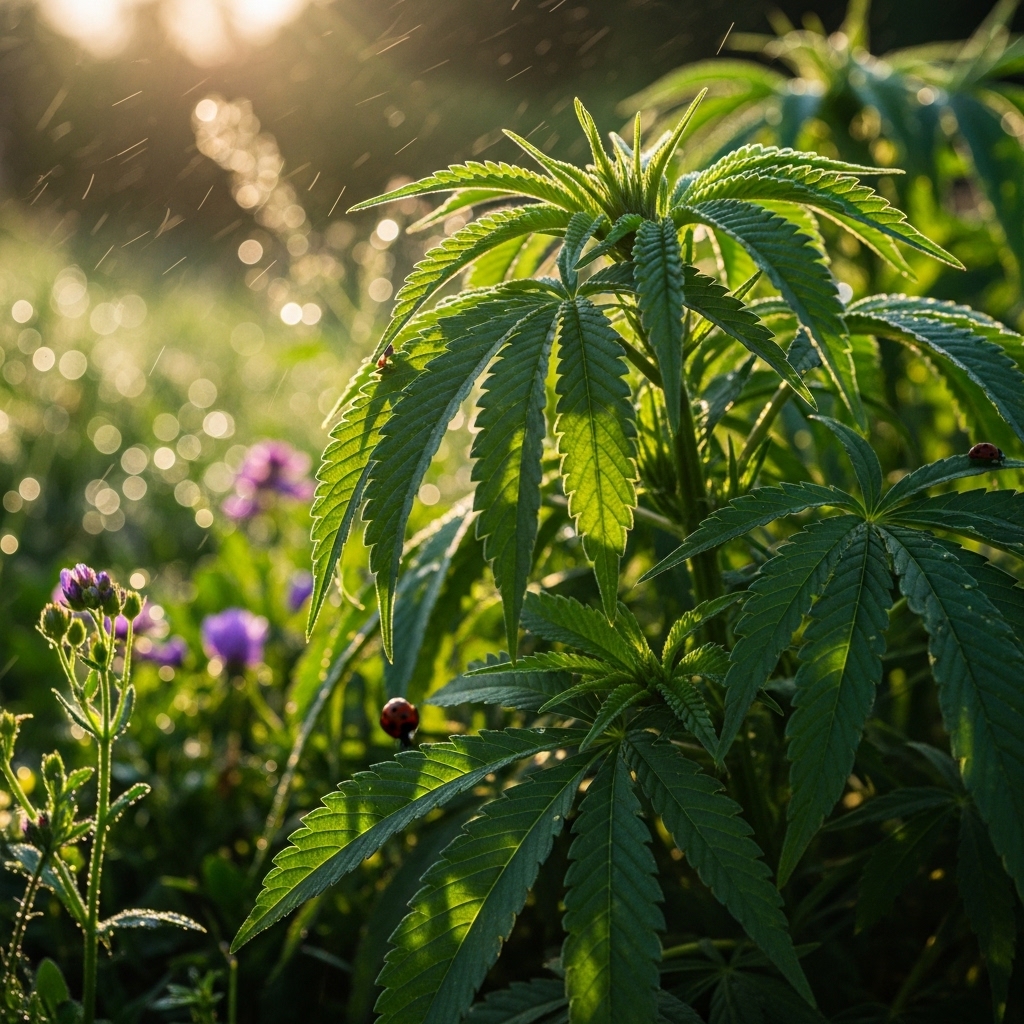
Common Types of Weed Plants
Weeds come in various forms, and I’ve encountered quite a few common types that are persistent in my own backyard. Some of the most familiar include dandelions, crabgrass, thistles, bindweed, and chickweed. Each of these has unique characteristics that can help us identify them. Dandelions, for instance, are easily recognizable with their bright yellow flowers and jagged leaves. Crabgrass, on the other hand, has a sprawling growth habit that can take over lawns. Understanding these types helps us prepare better strategies for managing them.
The Importance of Identification
Identifying weed plants accurately is crucial for a few reasons. First, it helps us understand the specific challenges they present. For example, some weeds may harbor pests or diseases that could spread to our preferred plants. I’ve learned that knowing the life cycle of a weed can also inform the timing of control methods—some weeds thrive in cooler weather, while others dominate in the heat. Proper identification can mean the difference between a thriving garden and a struggling one. For additional insights, read our article: What Do Weed Plants Look Like? Identification Guide.
Key Characteristics of Weed Plants
Leaf Structure and Shape
One of the first things I look at when identifying a weed is its leaf structure and shape. Many weeds have distinctive leaves that can help us distinguish them from one another. For instance, dandelion leaves are deeply lobed and grow close to the ground, while thistle leaves are spiny and prickly. I often find that examining the arrangement of leaves can also provide clues; some weeds have opposite leaves, while others have alternate arrangements. This small detail can be incredibly helpful for identification.
Stems and Growth Patterns
The stems of weed plants can vary widely in thickness, color, and texture. I’ve noticed that some weeds have hollow stems, like the common thistle, which allows them to grow taller and compete for sunlight. Others, like bindweed, have a creeping growth habit, spreading across the ground or climbing up other plants. Observing how a weed grows can give us insight into its behavior and how it might affect our cherished plants.
Flowering Habits
Flowers are often the most telling feature of a weed, and they can be incredibly diverse. Some weeds flower profusely, while others have sparse blooms. I remember seeing a field full of dandelions, their bright yellow flowers dotting the landscape, and it struck me how quickly they could go from flower to seed. Recognizing the flowering habits of weeds helps us understand their reproduction cycles, which is critical for effective management.
Color Variations
Color plays a significant role in identifying weed plants. I’ve noticed that the shades of green can vary dramatically from one weed to another, sometimes even within the same species depending on the soil and light conditions. For example, while chickweed is a light green, crabgrass tends to be darker. Understanding these color variations can help us identify weeds more accurately, especially among similar species.
Height and Size Comparison
The height and size of weeds can vary significantly, and I’ve found this to be a useful identification tool. Some weeds, like dandelions, can grow quite tall, while others, such as crabgrass, might stay relatively low to the ground. When I compare the size of a weed to the plants around it, it often helps me determine whether it’s something I want to keep or remove. Knowing the potential height of a weed also helps in planning garden layouts and understanding competition for sunlight.
Identifying Common Weed Species
Dandelion (Taraxacum officinale)
Dandelions are perhaps the most recognizable weed for many of us. I remember as a child, I would pick their bright yellow flowers and make wishes as I blew the seeds into the wind. Dandelions have a rosette of deeply lobed leaves that grow close to the ground, and their flowers sit atop a sturdy, hollow stem. One of the most interesting things I’ve learned about dandelions is that they can produce seeds without pollination, a process called apomixis. This means they can pop up almost anywhere, often in the most unexpected places. Their resilience makes them a tough opponent in any garden.
Crabgrass (Digitaria spp.)
Crabgrass is another weed that I’ve battled in my yard. It’s not just a single species but a group of related species that tend to invade lawns and gardens. I’ve noticed that crabgrass has a unique growth pattern; it spreads out and hugs the ground rather than growing tall. This creeping behavior allows it to cover bare spots quickly, making it particularly challenging to control. The leaves are often a bit coarse and can have a bluish-green hue that sets them apart from the finer blades of grass. I learned that controlling crabgrass early in the season, before it seeds, is key to keeping my lawn healthy.
Thistle (Cirsium spp.)
Thistles can be quite striking with their spiny leaves and vibrant purple flowers, but they can also be quite a nuisance. I remember encountering thistles during a hike and being both fascinated and frustrated by their beauty and tenacity. They often grow tall and can dominate a garden space if left unchecked. Thistles have a unique flowering habit, where their blooms attract beneficial insects, which I find interesting. Understanding that these plants can serve a purpose in attracting pollinators has helped me appreciate their role while still keeping them under control in my garden.
Bindweed (Convolvulus arvensis)
Bindweed is another tricky customer that I’ve had to deal with. At first glance, its delicate white or pink trumpet-shaped flowers can be quite charming. However, I quickly learned that this weed can smother other plants in my garden. Bindweed grows in a twining manner, often climbing up anything nearby, which can be deceiving. I once thought it was a beautiful vine before I realized it was choking out my prized flowers. The best approach I’ve found is to remove it by the roots, as it can regenerate from even the tiniest piece of root left in the soil.
Chickweed (Stellaria media)
Chickweed is often seen as a harmless weed, but it can spread quickly and take over areas in my garden if I’m not careful. I remember first noticing it in the cooler months when it thrives, as it tends to prefer cooler weather. The leaves are small and oval, and the plant has a soft, hairy texture that’s quite different from other weeds. Chickweed can be beneficial too, as it’s edible and packed with nutrients. I’ve even used it in salads! However, it’s essential to manage it so it doesn’t dominate garden spaces, especially in the spring.
Environmental Factors Affecting Appearance
Soil Type and Nutrient Levels
The soil in our gardens plays a crucial role in the types of weeds we encounter. I’ve noticed that some weeds thrive in poor soil, while others prefer nutrient-rich environments. For example, bindweed seems to thrive in well-fertilized soil, while dandelions are often found in compacted areas where grass struggles. Understanding my soil type has helped me identify which weeds are likely to appear and why certain areas of my garden are more susceptible to specific weed species.
Climate and Weather Conditions
Weather can have a dramatic effect on weed growth. I’ve seen how a wet spring can lead to a surge in crabgrass and chickweed, while a hot, dry summer can diminish their presence. Some weeds are incredibly adaptive and can flourish under extreme conditions. For instance, I remember a particularly dry season when I thought I’d get a break from weeds, only to find that certain hardy species still managed to thrive. Keeping an eye on climate patterns helps me prepare for the potential influx of weeds.
Sunlight Exposure
The amount of sunlight in different areas of my garden has also impacted the types of weeds I face. Shady spots often harbor different weeds compared to those that get direct sunlight. I’ve noticed that chickweed loves the shade, whereas dandelions and crabgrass thrive in full sun. This observation has encouraged me to consider my garden layout more carefully, ensuring I plant sun-loving flowers in the right spots while managing shady areas effectively.
Visual Identification Techniques
Using Field Guides and Apps
When it comes to identifying weeds, I’ve found that field guides and plant identification apps can be invaluable tools. I remember the first time I picked up a field guide; it felt like having a personal mentor beside me in the garden. These guides often provide detailed pictures and descriptions of various weed species, which made it easier for me to match a plant I was curious about to its corresponding entry. I especially love the ones that include information about the plant’s habitat and growth habits, which deepens my understanding and helps me anticipate where I might find them.
In recent years, I’ve also started using plant identification apps on my phone. Just by taking a picture of a weed, I can receive nearly instant feedback on what it might be. This technology has transformed the way I garden. I can be out in the field, snap a photo, and get back to my gardening tasks with a clear understanding of what I’m dealing with. However, I’ve learned that it’s important to cross-reference the app’s suggestions with a reliable guide, as the technology isn’t always perfect.
Comparative Analysis with Desired Plants
Another technique I’ve found helpful is comparing weeds to the plants I want to nurture in my garden. Observing the differences in leaf shape, color, and texture can often highlight which plants are weeds and which are desired species. For example, when I noticed a sprawling plant with broad leaves taking over a patch of my beloved herbs, I took a closer look. The weed’s leaves were rougher and a different shade of green compared to my tender herbs, which helped me identify it as a weed. This method not only aids in identification but also makes me more aware of how each plant interacts with its environment.
Additionally, I like to keep a mental note of the weeds’ growth patterns relative to my plants. Weeds often compete for resources, and understanding their growth can help me strategize my garden layout better. For instance, if I see one type of weed consistently popping up near my vegetable beds, I can take steps to manage that area more effectively, ensuring my veggies get the nutrients they need without competing against aggressive weeds.
Photographic Documentation
Keeping a photographic record has become one of my favorite practices for monitoring weeds. I started this when I realized that some weeds would come back year after year. By snapping pictures of the weeds I encountered, I created a visual catalog that I could refer back to. This practice not only helps me remember which weeds are problematic but also allows me to observe any changes in their growth over time.
These photos can be particularly useful in the spring when many plants are still dormant. Being able to compare the size and appearance of weeds to my previous photos helps me identify them more easily. I’ve also found it helpful to document when and where I see certain weeds, creating a timeline that informs my future weed management strategies. I feel empowered knowing that I’m actively tracking these plants and enhancing my gardening skills.
Common Mistakes in Identification
Confusing Weeds with Similar Plants
One of the biggest challenges I’ve faced while identifying weeds is confusing them with similar-looking plants. I can’t tell you how many times I’ve mistaken a harmless wildflower for a weed, only to realize later that it was something I could have kept! I remember once pulling out a lovely plant with delicate purple flowers, thinking it was a weed, only to find out later it was a native flower that supports local pollinators.
To avoid this mistake, I recommend taking the time to study common plants in your area. The more familiar I became with native and garden plants, the better I was at spotting the differences. I also learned to look for subtle characteristics, such as leaf texture and growth habits, that can help distinguish between weeds and beneficial plants. A little patience goes a long way in preventing unnecessary removals!
Overlooking Growth Stages
Another mistake I’ve made is overlooking the growth stages of weeds. Young weeds can look vastly different from their mature forms, and I often found myself pulling out small seedlings, thinking they were harmless. I’ve learned that many weeds, like dandelions, start off as rosettes and then shoot up tall, making them easy to miss when they’re just starting out. Keeping an eye on my garden throughout the seasons has taught me to recognize these early signs.
Now, I try to familiarize myself with the life cycle of common weeds. This knowledge allows me to identify them at different stages and act before they become a bigger issue. By proactively monitoring my garden, I can intervene earlier to keep my space healthy and thriving.
Cultural Bias in Plant Perception
I’ve also realized that cultural bias plays a role in how we perceive certain plants. Many people, myself included, often label plants as weeds based solely on their appearance or location. For instance, I used to regard any plant that popped up in my carefully curated flower beds as a weed, without considering its potential benefits. After some research, I learned that many so-called weeds have medicinal properties or attract beneficial insects.
To change my perspective, I’ve spent time educating myself about the benefits of various plants. I’ve found that embracing a more holistic view of my garden has led to exciting discoveries. I now appreciate the diversity of plants, including those I initially thought were just weeds. This shift in mindset has opened up new possibilities for my gardening experience.
Frequently Asked Questions
What is a weed plant?
A weed plant is defined as any plant that grows where it is not wanted, often competing with desirable plants in gardens, lawns, and agricultural fields.
What are some common types of weed plants?
Common types of weed plants include dandelions, crabgrass, thistles, bindweed, and chickweed, each with its unique characteristics for identification.
Why is it important to identify weed plants?
Identifying weed plants accurately is crucial as it helps understand the challenges they present, informs control methods based on their life cycles, and can mean the difference between a thriving garden and a struggling one.
What key characteristics can help in identifying weed plants?
Key characteristics for identifying weed plants include leaf structure and shape, stems and growth patterns, flowering habits, color variations, and height and size comparison.
How do environmental factors affect weed appearance?
Environmental factors such as soil type and nutrient levels, climate and weather conditions, and sunlight exposure significantly influence the types of weeds that grow in a garden.
What techniques can be used for visual identification of weeds?
Techniques for visual identification of weeds include using field guides and plant identification apps, comparative analysis with desired plants, and photographic documentation of weeds.
What is the importance of keeping a photographic record of weeds?
Keeping a photographic record helps monitor weeds, track their growth over time, and makes it easier to identify them in future seasons, enhancing overall gardening skills.
What common mistakes do gardeners make when identifying weeds?
Common mistakes include confusing weeds with similar-looking plants, overlooking the different growth stages of weeds, and having cultural biases in plant perception.
How can one avoid confusing weeds with similar plants?
To avoid confusion, it’s important to study common plants in your area, familiarize yourself with native and garden plants, and look for subtle characteristics that distinguish weeds from beneficial plants.
What role does cultural bias play in the perception of plants as weeds?
Cultural bias can lead to labeling plants as weeds based solely on their appearance or location, without considering their potential benefits, such as medicinal properties or attracting beneficial insects.
Read Interesting article: How to Plant Peanuts (Complete Growing Guide)