
Perennial plants are plants that live for more than two years, regrowing each spring from their root systems. They provide beauty and structure to gardens and landscapes year after year, making them a favorite among gardeners. Perennial plant meaning with indoor outdoor examples can help you understand their significance in various settings.
Understanding Perennial Plants
Definition of Perennial Plants
When I first started gardening, I was confused by the term “perennial.” I quickly learned that perennial plants are those that come back from their roots year after year. Unlike annuals, which complete their life cycle in a single growing season, perennials can last for many years. This means they can provide consistent blooms and greenery, making them a fantastic investment for any garden. The beauty of perennials is that they often need less replanting, thus saving time and effort in the long run. What is a perennial plant? Meaning + examples further explains this concept.
Characteristics of Perennial Plants
As I delved deeper into the world of perennials, I discovered several distinct characteristics that set them apart:
- Longevity: Perennial plants can live for many years, often thriving for decades with proper care.
- Seasonal Growth: These plants typically have a growth cycle that includes periods of dormancy, especially in winter. They die back to the ground but reemerge in spring.
- Root System: Most perennials have robust root systems that help them survive harsh conditions and compete for nutrients.
- Variety: There is an incredible diversity of perennials available, ranging from flowering plants to foliage varieties, which can cater to various aesthetic preferences and garden needs.
In my experience, understanding these characteristics helped me choose the right perennials for my garden, ensuring they would thrive and create a colorful display throughout the seasons.
Types of Perennial Plants
As I explored different types of perennials, I found that they can be categorized in several ways. Here are some of the most common types:
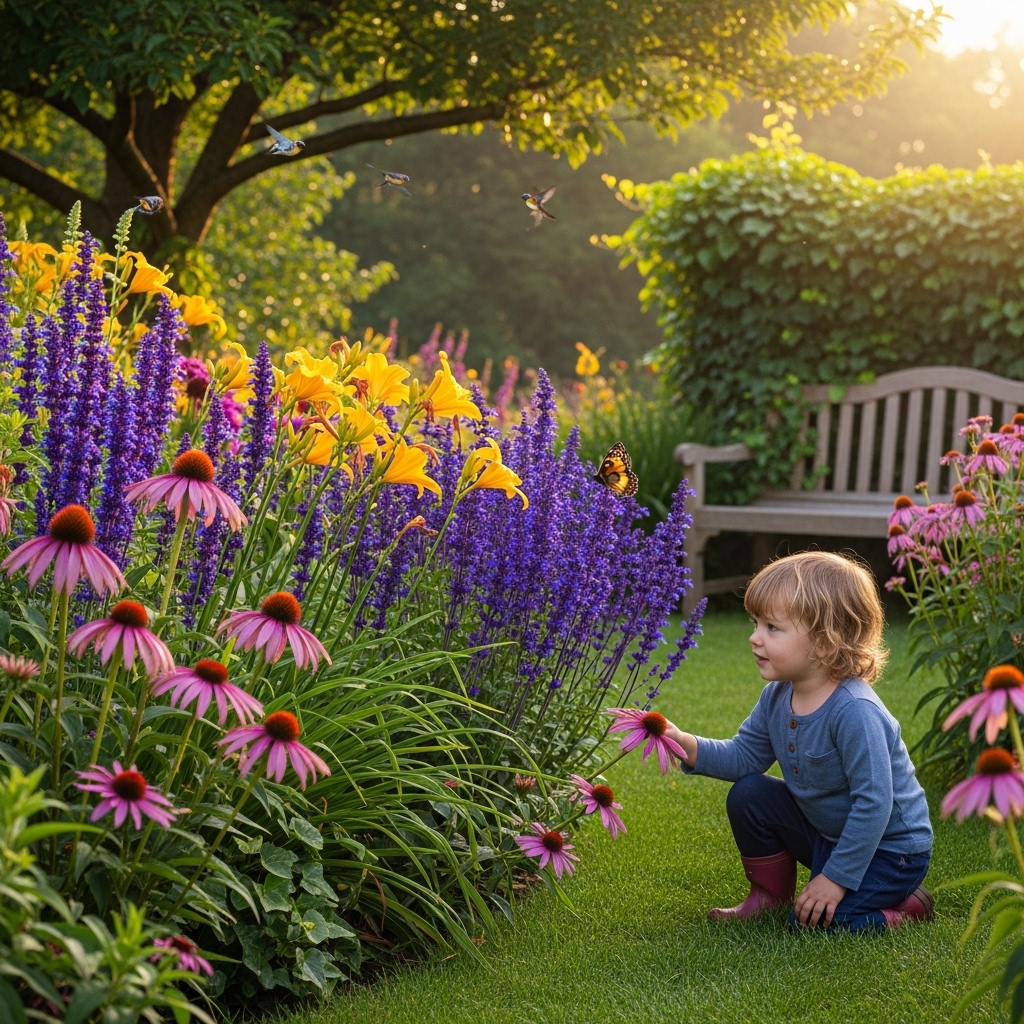
- Flowering Perennials: These are the plants we often think of first. They produce vibrant blooms that can attract pollinators like bees and butterflies. Examples include coneflowers, daylilies, and peonies.
- Herbaceous Perennials: These plants have soft, non-woody stems. They usually die back in the winter, returning in the spring. I personally love hostas and ferns for their lush foliage.
- Woody Perennials: These include shrubs and trees that maintain their structure year-round. Think of hydrangeas or lilacs, which add height and variety to any garden.
Each type of perennial has its unique appeal and care requirements. I remember feeling a bit overwhelmed when I first began selecting plants, but I found joy in experimenting with different types in my garden.
Life Cycle of Perennial Plants
Growth Stages
Understanding the life cycle of perennial plants was a game-changer for me. Each stage of growth has its distinct characteristics. In spring, perennials emerge from the ground, often with fresh green shoots. During the summer, they typically reach their peak growth, showcasing beautiful flowers and foliage. As summer wanes into fall, many perennials start to prepare for dormancy, with some even putting on a final display of blooms. I love watching how my garden transforms through these stages, each bringing its unique beauty.
Seasonal Changes
One thing I’ve learned is that the seasonal changes can significantly affect perennials. For instance, in my area, harsh winters can leave my garden looking bare, but I know that beneath the surface, my perennials are resting, ready to burst forth once the weather warms. Some plants, like sedum, even take on vibrant colors in fall, adding warmth to the garden during that transitional period. Understanding these changes helps me appreciate the resilience of these plants and plan my garden layout accordingly.
Common Examples of Perennial Plants
Flowering Perennials
Flowering perennials are my absolute favorite. They bring life and color to any garden. Some popular examples include:
- Black-eyed Susans: These bright yellow flowers are easy to grow and attract pollinators.
- Peonies: Known for their large, fragrant blooms, peonies are a staple in many gardens.
- Lavender: Not only does it smell wonderful, but it also attracts bees and butterflies.
Each year, I look forward to the return of these flowering beauties, knowing they will enhance my garden’s charm.
Herbaceous Perennials
Herbaceous perennials are also essential in my garden. They add texture and greenery. Some favorites include:
- Hostas: With their lush leaves, hostas thrive in shady areas and come in various sizes and colors.
- Ferns: These add a lovely, feathery texture and are perfect for shaded spots.
Herbaceous perennials provide a lovely backdrop for my flowering plants, making my garden feel more complete.
Woody Perennials
Woody perennials, like shrubs and trees, form the backbone of many gardens. Some examples are:
- Hydrangeas: These stunning shrubs offer large blooms that can change color based on soil pH.
- Roses: Though they require some care, roses are a classic choice for their timeless beauty and fragrance.
Adding woody perennials to my garden has provided vertical interest, making it more dynamic and visually appealing.
Benefits of Growing Perennial Plants
Low Maintenance Requirements
One of the biggest reasons I love perennial plants is their low maintenance requirements. Once established, many perennials need very little care. I’ve found that they often don’t require replanting every year, which saves me time and energy. For instance, I remember the first time I had a garden filled with annuals. I spent hours planting, watering, and deadheading. With perennials, the routine is much easier. I can spend more time enjoying my garden rather than constantly tending to it. Just a bit of weeding and occasional mulching, and they’re good to go!
Soil Health Improvement
Another benefit I’ve noticed is how perennials improve soil health. Their deep root systems help to anchor the soil, preventing erosion. Plus, they contribute organic matter when they die back in the fall. I often find myself amazed at how much more robust my garden’s soil has become since I started including more perennial plants. They not only enhance the aesthetics but also create a healthier ecosystem. If you’re looking to enrich your garden’s soil, I definitely recommend incorporating a mix of perennials.
Environmental Benefits
Perennial plants also play a crucial role in supporting local ecosystems. They provide habitat and food for various wildlife, including butterflies, bees, and birds. I’ve seen firsthand how the addition of flowering perennials attracts pollinators to my garden, which is essential for the health of plants in general. I remember when I first noticed a swarm of bees buzzing around my coneflowers. It felt fantastic to contribute to the local environment in such a direct way. If you’re passionate about gardening and the environment, perennials can help create a thriving habitat for wildlife right in your backyard. How to plant and grow asparagus (full beginner guide) also provides insights into growing your own plants.
How to Care for Perennial Plants
Planting Tips
Caring for perennial plants starts with proper planting. I’ve learned that timing is crucial. Spring and fall are the best seasons for planting most perennials. I usually prepare the soil by ensuring it’s well-draining and rich in nutrients. It’s like giving my plants a warm welcome to their new home! I also make sure to plant them at the right depth; too deep, and they might struggle to rise. I always follow the instructions on the plant tag or consult with a local nursery to make sure I’m giving them the best start possible.
Watering and Fertilization
Watering is another essential aspect of perennial care. When I first started, I tended to overwater, thinking more was better. However, I learned that most perennials prefer deep, infrequent watering over shallow, frequent doses. This encourages their roots to grow deeper and become more resilient. Fertilization usually isn’t necessary for established perennials, but I like to give them a boost in early spring with a balanced, slow-release fertilizer. I’ve found that this helps them kick off the growing season strong.
Pruning and Deadheading
Pruning and deadheading are tasks that I’ve come to appreciate. Deadheading, or removing spent flowers, encourages many perennials to produce more blooms, prolonging their flowering season. I remember the first time I deadheaded my daisies; the plants responded with a burst of new flowers that delighted me! Pruning is also vital, especially for woody perennials. I try to do this in late winter or early spring before new growth starts. This keeps the plants healthy and helps maintain their shape, ensuring my garden always looks its best.
Common Misconceptions About Perennial Plants
Perennials vs. Annuals
There’s often confusion between perennials and annuals, and I’ve had my share of misunderstandings too. Many people think perennials are more challenging to grow than annuals because they stay in the ground longer. However, I’ve found that perennials can be just as easy to care for, if not easier. The key difference is that while annuals live for just one season, perennials return year after year, which makes them a long-term investment in your garden. I think it’s all about choosing the right plants for your space and climate.
Perennials Are Not Always Hardy
Another misconception I’ve encountered is that all perennials are hardy and can survive harsh winters. That’s not the case! While many perennials are tough, some are quite sensitive to extreme conditions. I’ve made the mistake of planting a delicate perennial in my colder climate, only to lose it the first winter. It’s essential to research the specific hardiness zone of each plant and choose varieties that can thrive in your environment. This knowledge has saved me a lot of heartache and disappointment.
Where to Find Perennial Plants
Local Nurseries
Finding the right perennials can be an adventure in itself! I love visiting local nurseries because they often carry a variety of plants suited for my climate. Plus, the staff are usually very knowledgeable and can provide personalized advice. I remember chatting with a nursery employee who helped me select some beautiful native perennials that would thrive in my garden. There’s something special about supporting local businesses while also enhancing my garden!
Online Plant Retailers
Online plant retailers are another great option, especially if you’re looking for specific varieties that might not be available locally. I’ve ordered perennials online a few times, and it’s been a fantastic experience. I appreciate the convenience of browsing through a wide selection from the comfort of my home. Just be sure to read reviews and check the return policy before ordering. I’ve learned the hard way that not all online retailers have the same quality of plants!
Community Plant Sales
Community plant sales are also a treasure trove for finding perennials. I love attending local garden club sales or community events where gardeners share their excess plants. It’s a great way to get unique varieties and meet fellow gardening enthusiasts. Plus, the prices are often unbeatable! I remember finding a rare variety of daylily at one such sale, and it has since become one of my garden favorites.
FAQs About Perennial Plants
Can perennial plants survive winter?
Yes, many perennial plants are designed to survive winter by going dormant. However, it’s important to choose varieties that are suitable for your climate. Providing them with mulch can help protect their roots during the colder months.
How long do perennial plants live?
The lifespan of perennial plants can vary greatly. Some may live for just a few years, while others can thrive for decades with proper care. I’ve seen some perennials in my garden that have been alive for over ten years! It really depends on the type and the conditions they are growing in.
Are perennial plants suitable for all climates?
Not all perennials are suitable for every climate. It’s essential to check the hardiness zones of the plants you’re interested in and select those that will thrive in your specific area. I’ve found that researching local plants or visiting a nursery can really help ensure I’m making the right choices for my garden.
Understanding Perennial Plants
Choosing the Right Perennials for Your Garden
One of the most exciting parts of gardening for me has been selecting the right perennials to enhance my garden’s unique character. The process can feel overwhelming at first, especially with so many varieties to choose from. I like to start by considering the specific conditions of my garden, such as sunlight, soil type, and moisture levels. For instance, I’ve learned that some perennials, like lavender, thrive in full sun and well-drained soil, while others, like astilbe, prefer shadier spots and moist conditions. Knowing this has helped me create a balanced and thriving garden.
Another factor I consider is the bloom time. I find it rewarding to plant perennials that will bloom at different times throughout the growing season. This way, my garden is always vibrant and full of life. For example, I pair early bloomers, like bleeding hearts, with midsummer favorites, such as echinacea, and late-season beauties like asters. This careful planning keeps my garden colorful from spring through fall, which I absolutely love.
Companion Planting with Perennials
Companion planting has been another fantastic discovery in my gardening journey. I’ve come to realize that some perennials not only coexist well but also benefit each other when planted together. For example, I’ve found that planting marigolds alongside my perennials helps deter pests, while herbs like chives can improve the flavor of nearby plants. I also enjoy mixing different textures and heights. Combining tall plants like phlox with shorter ones like daisies creates depth and visual interest in my garden.
Experimentation is key here. I remember when I planted a patch of coreopsis alongside my daylilies, and the result was a stunning contrast of colors and shapes. It’s like painting with plants, and I find joy in trying new combinations to see what works best. I think that’s part of the fun of gardening—it’s always a learning experience.
How to Care for Perennial Plants
Pest and Disease Management
Managing pests and diseases is something I’ve had to learn along the way. While perennials are generally hardy, they can still be affected by various issues. I often keep an eye out for common pests like aphids and slugs. I’ve found that a simple spray of water can dislodge them, and introducing beneficial insects, like ladybugs, can help keep the pest population down.
When it comes to diseases, I’ve learned that prevention is essential. I make sure my perennials have enough space between them for good air circulation. This simple practice has helped reduce the risk of fungal infections. I also avoid watering the foliage directly, as wet leaves can lead to problems. Instead, I focus on watering the soil around the plants. It’s small adjustments like these that have made a big difference in my garden’s health.
Preparing for Dormancy
As the seasons change, preparing my perennials for dormancy has become a routine I look forward to. In late fall, after the first frost, I cut back my perennials that die back to the ground. This not only helps tidy up the garden but also allows me to see which plants are thriving and which might need more attention come spring. I love the way my garden looks in winter, with the silhouettes of perennials against the snowy backdrop. It’s a beautiful reminder of the life that will return in spring.
Before the cold sets in, I also make it a point to add a layer of mulch around my perennials. This acts like a cozy blanket, protecting their roots from freezing temperatures. I’ve noticed that this extra step has made my plants come back stronger and healthier each spring.
Common Misconceptions About Perennial Plants
Perennials Require No Care
A common misconception I had about perennials was that they require no care at all once planted. While it’s true that they can be low maintenance compared to annuals, they still need attention to thrive. I’ve learned that regular checks for pests, occasional weeding, and seasonal pruning are all part of caring for my perennials. It’s a bit like a relationship; the more I invest in my plants, the more they reward me with beauty and enjoyment.
All Perennials Are Deer-Resistant
I’ve also encountered the belief that all perennials are deer-resistant. Unfortunately, that’s not the case! Some of my beloved perennials, like hostas, are irresistible to deer. I remember the dismay I felt when I found my hostas nibbled to the ground. Since then, I’ve learned about various deterrents, from planting deer-resistant varieties, like lavender and marigolds, to using sprays that make my plants less appealing to these garden intruders.
Where to Find Perennial Plants
Local Nurseries
Finding the right perennials can be an adventure in itself! I love visiting local nurseries because they often carry a variety of plants suited for my climate. Plus, the staff are usually very knowledgeable and can provide personalized advice. I remember chatting with a nursery employee who helped me select some beautiful native perennials that would thrive in my garden. There’s something special about supporting local businesses while also enhancing my garden!
Online Plant Retailers
Online plant retailers are another great option, especially if you’re looking for specific varieties that might not be available locally. I’ve ordered perennials online a few times, and it’s been a fantastic experience. I appreciate the convenience of browsing through a wide selection from the comfort of my home. Just be sure to read reviews and check the return policy before ordering. I’ve learned the hard way that not all online retailers have the same quality of plants!
Community Plant Sales
Community plant sales are also a treasure trove for finding perennials. I love attending local garden club sales or community events where gardeners share their excess plants. It’s a great way to get unique varieties and meet fellow gardening enthusiasts. Plus, the prices are often unbeatable! I remember finding a rare variety of daylily at one such sale, and it has since become one of my garden favorites.
Frequently Asked Questions
Can perennial plants survive winter?
Yes, many perennial plants are designed to survive winter by going dormant. However, it’s important to choose varieties that are suitable for your climate. Providing them with mulch can help protect their roots during the colder months.
How long do perennial plants live?
The lifespan of perennial plants can vary greatly. Some may live for just a few years, while others can thrive for decades with proper care. Some perennials in gardens have been alive for over ten years, depending on the type and conditions they are growing in.
Are perennial plants suitable for all climates?
Not all perennials are suitable for every climate. It’s essential to check the hardiness zones of the plants you’re interested in and select those that will thrive in your specific area. Researching local plants or visiting a nursery can help ensure the right choices for your garden.
What are some common types of perennial plants?
Perennial plants can be categorized into several types, including flowering perennials (like coneflowers and peonies), herbaceous perennials (like hostas and ferns), and woody perennials (like hydrangeas and roses).
What are the benefits of growing perennial plants?
Some benefits of growing perennial plants include low maintenance requirements, improved soil health due to deep root systems, and environmental benefits such as providing habitat and food for local wildlife like butterflies and bees.
How should I care for perennial plants?
Caring for perennial plants involves proper planting, watering, fertilization, pruning, and deadheading. It’s also important to monitor for pests and diseases and prepare the plants for dormancy in the fall.
What is the difference between perennials and annuals?
The key difference is that annuals complete their life cycle in a single growing season, while perennials return year after year, making them a long-term investment for your garden.
Where can I find perennial plants?
You can find perennial plants at local nurseries, online plant retailers, and community plant sales. Each option offers unique varieties and opportunities to support local businesses or meet fellow gardening enthusiasts.
Do perennials require any maintenance?
While perennials can be low maintenance compared to annuals, they still need attention to thrive. Regular checks for pests, occasional weeding, and seasonal pruning are all part of caring for perennials.
Are all perennials deer-resistant?
No, not all perennials are deer-resistant. Some perennials, like hostas, are particularly appealing to deer. It’s important to research and consider planting deer-resistant varieties to minimize damage.