
Poison ivy is characterized by its distinctive three-leaf structure, often described as “leaves of three, let them be.” Knowing how to identify this plant can save you from painful skin reactions caused by its oil. For more tips on plant identification, check out What Is This Plant? Easy Ways to Identify Any Plant.
Many outdoor enthusiasts and gardeners encounter poison ivy, so understanding its appearance is crucial for safety.
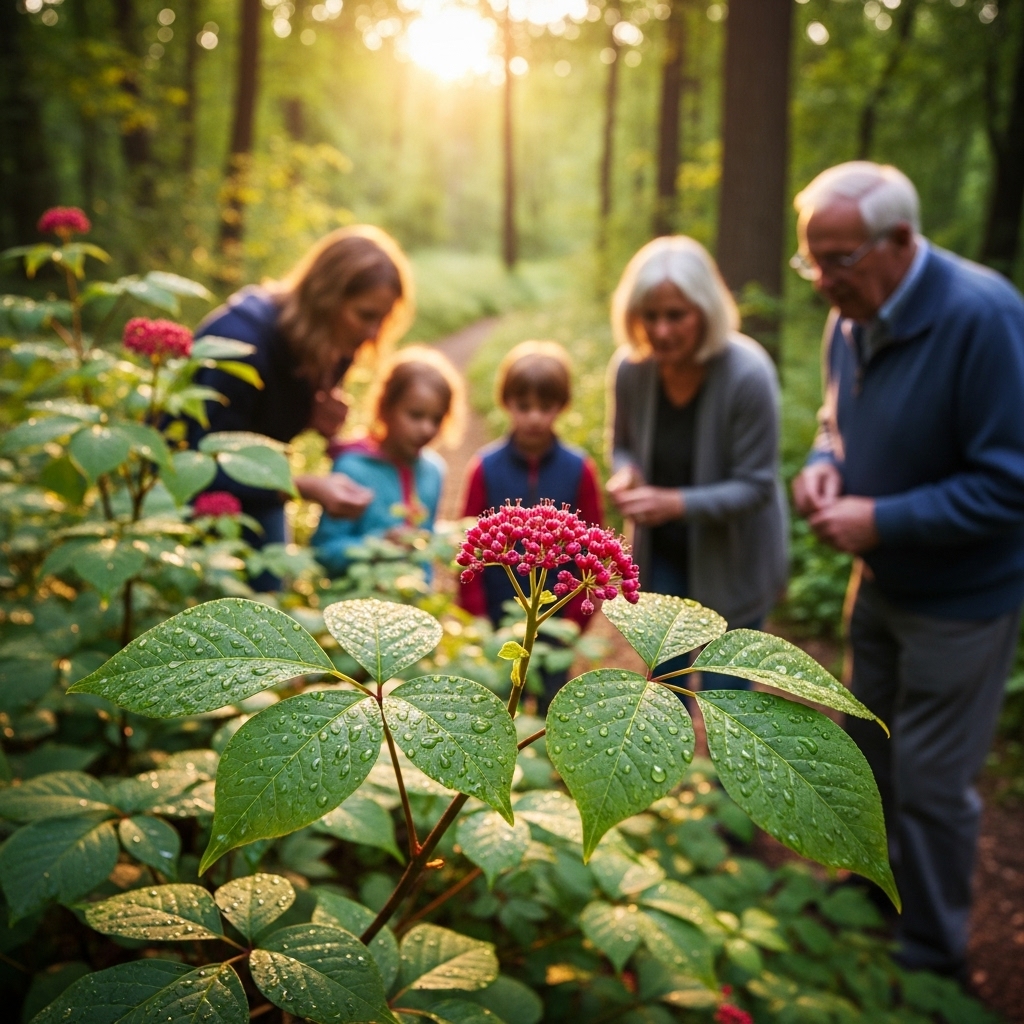
Understanding Poison Ivy
What is Poison Ivy?
Poison ivy (Toxicodendron radicans) is a common plant found in North America. It thrives in various environments, from forests to backyards, and is notorious for causing allergic reactions upon contact. The oil, urushiol, found in its leaves, stems, and roots can lead to itchy rashes and blisters. I remember my first encounter with poison ivy; it was in a friend’s backyard while we were playing. I had no idea what I was touching, and boy, did I learn a lesson the hard way! Understanding what this plant looks like is key to avoiding it.
Why Identification is Important
Identifying poison ivy correctly can prevent unpleasant skin reactions and even help avoid severe allergic responses. I’ve spoken with many people who thought they could easily recognize it but ended up mistaking it for harmless plants. The more familiar we are with its characteristics, the better we can protect ourselves and others while enjoying the great outdoors. Moreover, understanding its habitat can help us stay vigilant and aware of our surroundings. If you’re interested in enhancing your gardening skills, consider reading about Blueberry Tree Pruning Steps for Maximum Berry Yield.
Physical Characteristics of Poison Ivy
Leaves: The Classic Three-Leaf Structure
The most recognizable feature of poison ivy is its three-leaf structure. The phrase “leaves of three, let them be” is a handy reminder. The leaves are typically oval-shaped and can vary slightly in size. I’ve often noticed how some plants can have shiny, smooth leaves, while others have a more matte appearance. The arrangement of the leaves can also change, as they can be alternately or sporadically arranged along the stem. It’s interesting to compare these variations and see how they can affect identification.
Leaf Shape and Size Variations
When I first stumbled upon poison ivy, I was surprised by the differences in leaf shape and size. While they usually have a pointed tip, they can range from being lobed to having smooth edges. Some leaves may appear more rounded than others, and I found that younger leaves tend to be smaller and more vibrant. The size can also depend on the plant’s environment; for instance, those growing in shaded areas may have larger leaves compared to those in full sun. This variability can be confusing, especially for someone unfamiliar with the plant.
Color Changes Throughout the Seasons
Another aspect I find fascinating is how poison ivy changes color with the seasons. In spring, the leaves are often a bright green, sometimes with a reddish tint, which makes them look quite appealing. As summer progresses, the leaves darken, turning into a deeper, glossy green. Then comes fall, when they transform into stunning shades of red and orange. I’ve taken many autumn hikes where the vibrant colors caught me off guard, reminding me to stay cautious and alert. Each seasonal change brings a new phase in the plant’s life cycle, and recognizing these can aid in identification.
Flowers and Berries: What to Look For
When it comes to flowers, poison ivy blooms in late spring to early summer, producing small greenish-yellow clusters. I remember strolling through a trail and noticing these tiny flowers, which often go unnoticed. After flowering, the plant produces small, white berries that are not only a food source for birds but also pose a risk for those who might touch them. The berries are another identifying feature, yet many overlook them. Being aware of these details can make all the difference when trying to spot poison ivy.
Stems and Roots: Other Identifying Features
The stems of poison ivy can vary from being hairy to smooth, and they can grow in creeping, climbing, or bushy forms. I’ve seen poison ivy climbing trees, wrapping around trunks and branches, which can make it blend in with other foliage. The roots can also be quite extensive, often spreading out to form new plants, making it important to remember that you might encounter poison ivy even if it’s not immediately visible. The plant’s adaptability is quite impressive, and it’s crucial to keep an eye out for it in different forms.
Different Forms of Poison Ivy
Poison Ivy as a Ground Cover
One of the forms of poison ivy that surprised me is its ability to act as a ground cover. I remember hiking through a wooded area and coming across a lush carpet of these plants. They often spread close to the ground and can create a dense mat of green. This form can be tricky, especially when you’re walking on trails or through brush. I’ve learned to keep my eyes peeled and avoid any suspicious clusters of greenery. They can look innocuous, blending in with grass or other plants, but they’re often lurking just below the surface. Being aware of this growth habit has helped me navigate through natural areas without incident.
Poison Ivy as a Climbing Vine
It’s fascinating how poison ivy can also take on the role of a climbing vine. I’ve seen it wrap around trees and fences, sometimes reaching impressive heights. The way it clings to surfaces is both remarkable and alarming. I remember admiring a tree’s beautiful bark when I suddenly noticed the telltale three leaves climbing up its trunk. This form can be especially dangerous since it can easily blend in with other climbing plants. If you’re not careful, you might reach out to grab a branch for support and find yourself in contact with poison ivy instead. Understanding this growth pattern has encouraged me to always look up as well as around when exploring outdoor spaces.
Bushy Growth and Its Characteristics
In some cases, poison ivy can grow bushy, resembling a small shrub. I discovered this when I encountered a thicket while walking my dog. The bushy form can be quite robust, making it stand out among other plants. The leaves might be denser, and the stem can appear thicker and more prominent. When I spotted this kind of growth, I was reminded of the importance of being vigilant. These bushy forms can easily be mistaken for other harmless shrubs, especially when they’re thriving in a sunny spot. I’ve learned that if it looks too good to be true, it probably is—especially in nature!
Lookalikes: Plants Often Confused with Poison Ivy
Virginia Creeper: How to Differentiate
One plant that often gets mistaken for poison ivy is Virginia creeper. I remember being confused by the five-leaf structure of Virginia creeper, thinking it might be poison ivy at first glance. The leaves are a bit different in shape and arrangement, with Virginia creeper having a more palmate structure. It’s crucial to observe that the leaves are typically more pointed and arranged in a star-like fashion. I’ve learned to look for the distinguishing feature: the number of leaflets. This knowledge has saved me from unnecessary worry while enjoying my time outdoors.
Other Common Lookalikes (e.g., Oak, Sumac)
There are other plants that can be easily confused with poison ivy, such as certain types of oak and sumac. I remember a time when I mistook young oak leaves for poison ivy because of their lobed edges. Oak leaves tend to have a more jagged, irregular shape, which can be a giveaway. As for sumac, while it can have a similar leaf structure, it usually grows in clusters and has a more bushy appearance compared to poison ivy. It’s important to familiarize myself with these lookalikes, as knowing the differences can prevent a lot of unnecessary anxiety. I recommend taking the time to study these plants in your area, as it can really enhance your outdoor experiences.
Where to Find Poison Ivy
Typical Habitats and Locations
Poison ivy is versatile and can thrive in a variety of habitats. I’ve found it in wooded areas, along trails, and even in open fields. It loves disturbed areas, which means you might encounter it near campsites or construction sites. I recall finding some while hiking near a riverbank, where it was enjoying the moisture. Knowing where to find poison ivy helps me plan my outings better. When I’m exploring new places, I make it a point to look for signs of this plant, especially in areas that feel a bit wild or unkempt.
Geographical Distribution Across the U.S.
Poison ivy is widespread across the United States, from coast to coast. I’ve traveled through various states and have come across it in almost every region. It’s particularly common in the eastern U.S., but I’ve noticed it in the West as well, especially in wooded areas. I remember hiking in California and being surprised to spot poison ivy in a nature reserve. Understanding its geographical distribution has made me more aware of my surroundings, encouraging me to research the areas I plan to visit. That way, I can approach my adventures with confidence and caution.
When to Be Cautious: Seasonal Changes
Spring: New Growth and Identification
Spring is when poison ivy starts to awaken from its winter dormancy, and this is when I need to be especially observant. The new growth is often vibrant and bright, making it easy to spot if you know what to look for. I’ve encountered many hikers who dismiss the young plants because they’re small, but I remind myself that even the tiniest plants can pack a punch. Being aware of this new growth helps me maintain a safe distance when I’m out enjoying the fresh air.
Summer: Fully Developed Poison Ivy
By summer, poison ivy is usually in full bloom. I find that this is when it’s most recognizable, as the leaves are fully developed and lush. This is also the time when people are most likely to come into contact with it because they’re spending more time outdoors. I’ve had moments during summer hikes where I had to remind myself to stay alert, especially in areas where the plants are thick. It’s crucial to keep my eyes open and avoid brushing against anything that looks even remotely suspicious.
Fall: Color Changes and Identification
As the season shifts to fall, I’m always amazed by the color transformation of poison ivy. The leaves turn into beautiful shades of red and orange, which can be misleading. I’ve had friends tell me they want to take pictures of the stunning fall colors, but I always warn them to be cautious. It’s easy to forget that these vibrant hues belong to a plant that can cause irritation. I’ve learned to appreciate the beauty of nature while always maintaining my vigilance.
Winter: Identifying Bare Stems and Roots
Even in winter, poison ivy has its identifying features. The leaves may have fallen off, but the bare stems can still give it away. I often enjoy winter hikes, and I’ve learned to look for the woody stems and the distinctive growth patterns. The absence of leaves makes it easier to spot the vine-like growth and the hairiness of some stems. I find that knowing what to look for in the winter helps me stay safe while still appreciating the beauty of the winter landscape.
Prevention and Safety Tips
How to Avoid Contact with Poison Ivy
Over the years, I’ve learned that prevention is key when it comes to avoiding poison ivy. The old saying “leaves of three, let them be” is a mantra I keep in mind every time I head outdoors. I make a habit of familiarizing myself with the areas I plan to explore. Before embarking on a hike or a camping trip, I often take a moment to research the local flora, especially if I’m venturing into less familiar territory. This helps me stay alert and recognize potential hazards.
Another strategy I’ve adopted is to stick to well-marked trails when hiking. I’ve noticed that poison ivy tends to grow in wild, untamed areas. By staying on the paths, I can significantly reduce my chances of encountering it. If I do have to venture off-trail, I do so with caution, carefully scanning the ground and surrounding vegetation. If I see any suspicious plants, I remind myself to steer clear and choose a different route.
Having a buddy system is also a great way to stay safe. When I hike with friends, we keep an eye out for one another, calling out if we spot any poison ivy. This has helped us all be more vigilant, and we often share tips about what to look for. It’s a simple yet effective way to enhance our outdoor experience while minimizing the risk of exposure.
Protective Clothing and Gear Recommendations
In my experience, wearing the right clothing can make a huge difference in avoiding poison ivy. I often opt for long pants and long sleeves when I know I’ll be in areas where poison ivy might grow. Lightweight, breathable fabrics are ideal because they keep me cool while providing a barrier against potential contact. I’ve also learned to wear closed-toed shoes and high socks to prevent any accidental brushing up against the plant.
Gloves are another essential piece of gear for me, especially when I’m gardening or clearing brush where poison ivy might be lurking. I prefer rubber or thick gardening gloves that can help keep urushiol oil away from my skin. I always tell my friends to avoid touching their faces or other exposed skin until they’ve thoroughly washed their hands after handling plants in the wild. This little precaution goes a long way!
When I’m out camping or hiking, I like to carry a small first aid kit that includes a barrier cream specifically designed to protect against poison ivy. I’ve found that applying it before heading into potential exposure areas can help reduce the chances of developing a rash. It’s a simple step that adds a layer of protection I never leave home without.
What to Do if You Encounter Poison Ivy
If I do encounter poison ivy while out and about, I try to remain calm and collected. When I see those familiar three leaves, I make a point to step back and assess the situation. If I accidentally brush against it, I know I need to act fast. I’ve learned that washing the affected area with soap and water as soon as possible can help prevent the oil from causing a rash. I always carry a travel-sized soap bottle and a small towel in my backpack for just such occasions.
If washing isn’t immediately possible, I’ve found that using a wet wipe can help remove some of the oil until I can reach a proper restroom. I remember one hike where I didn’t have access to water for a few hours, and those wipes saved me from a potential rash later on. It’s all about being prepared and having a plan in case of an encounter.
Finally, I remind myself to keep my belongings in check. If I sit on a log or touch a plant near poison ivy, I make sure to clean my gear as soon as I get home. The urushiol oil can linger on clothing, shoes, and equipment, leading to accidental exposure later on. I’ve learned to wash my clothes after any outdoor adventure, just to be on the safe side.
Dealing with Poison Ivy Exposure
Symptoms of Poison Ivy Exposure
If I ever find myself in a situation where I’ve been exposed to poison ivy, knowing the symptoms can help me react quickly. Typically, I start noticing redness and itching in the affected area within 12 to 72 hours after contact, which can feel alarming. The rash often appears as small red bumps, and I’ve seen them develop into blisters over time. The itchiness can be intense, and I’ve learned to resist the urge to scratch, as it only makes things worse.
Sometimes, I’ve noticed that the rash can spread if I scratch it, which is frustrating. The blisters can also ooze, and while it can be a bit gross, I remind myself that it’s part of the healing process. Recognizing these symptoms early on has helped me take appropriate action and seek treatment if needed.
First Aid and Treatment Options
When I experience a poison ivy rash, I usually start with over-the-counter treatments. Calamine lotion is a favorite of mine; it provides cooling relief that can help soothe the itching. I also use hydrocortisone cream, which works wonders in reducing inflammation. I keep both of these in my medicine cabinet for easy access.
I’ve found that taking an oral antihistamine can help manage the itchiness as well. If the rash is particularly bothersome, I don’t hesitate to consult a healthcare provider for more effective treatments. In some cases, they may prescribe corticosteroids to help with severe reactions, and I’ve learned that it’s important to follow their advice closely.
When to Seek Medical Attention
While most poison ivy rashes can be treated at home, I’ve realized there are times when medical attention is necessary. If I notice that the rash covers large areas of my body or if I develop a fever, I make it a point to seek help. Additionally, if I experience difficulty breathing or swelling in my face or throat, I know it’s time to get emergency care. These symptoms can indicate a severe allergic reaction, and I’ve learned to take them seriously.
It’s essential to be proactive in these situations. I remind my friends and family that the sooner we seek treatment, the better our chances of managing the symptoms effectively. Whether through over-the-counter remedies or medical intervention, taking the right steps can help us feel better faster.
Resources for Further Learning
Books and Guides on Plant Identification
Websites and Online Resources
Local Extension Services and Botanical Gardens
Frequently Asked Questions
What is poison ivy and what causes its reactions?
Poison ivy (Toxicodendron radicans) is a common plant found in North America that can cause allergic reactions upon contact due to an oil called urushiol found in its leaves, stems, and roots. This can lead to itchy rashes and blisters.
How can I identify poison ivy?
Poison ivy is characterized by its distinctive three-leaf structure, often summarized by the phrase “leaves of three, let them be.” The leaves can vary in shape, size, and color depending on the season and environment.
What does poison ivy look like in different seasons?
In spring, poison ivy leaves are bright green and may have a reddish tint. By summer, they darken to a glossy green. In fall, they change to vibrant shades of red and orange. In winter, the bare stems and growth patterns are key identifying features.
What are some common lookalikes of poison ivy?
Common plants that are often confused with poison ivy include Virginia creeper, which has a five-leaf structure, and certain types of oak and sumac that may have similar leaf shapes but different arrangements and characteristics.
Where is poison ivy typically found?
Poison ivy thrives in various habitats, including wooded areas, along trails, and in disturbed sites like campsites and construction zones. It can be found across the United States, particularly in the eastern regions.
What preventive measures can I take to avoid poison ivy?
To avoid contact with poison ivy, stick to well-marked trails, wear protective clothing like long sleeves and pants, and use gloves when gardening. Familiarizing yourself with the local flora before outdoor activities is also beneficial.
What should I do if I come into contact with poison ivy?
If you encounter poison ivy, step back and assess the situation. Wash the affected area with soap and water as soon as possible to remove urushiol oil. If immediate washing isn’t possible, use wet wipes until you can cleanse properly.
What are the symptoms of poison ivy exposure?
Symptoms of poison ivy exposure typically appear within 12 to 72 hours and include redness, itching, small red bumps, and blisters. The itchiness can be intense, and scratching can exacerbate the rash.
When should I seek medical attention for a poison ivy rash?
Seek medical attention if the rash covers large areas of your body, if you develop a fever, or if you experience difficulty breathing or swelling in your face or throat, as these may indicate a severe allergic reaction.
What first-aid treatments are available for poison ivy exposure?
First-aid treatments for poison ivy exposure include over-the-counter options like calamine lotion and hydrocortisone cream to relieve itching and inflammation. Oral antihistamines may also help manage symptoms.