
Sakura means cherry blossom in Japanese and symbolizes more than just a flower; it embodies the cultural and spiritual essence of Japan. These beautiful blossoms represent the fleeting beauty of life, renewal, and deep-rooted traditions that have evolved over centuries.
What is Sakura?
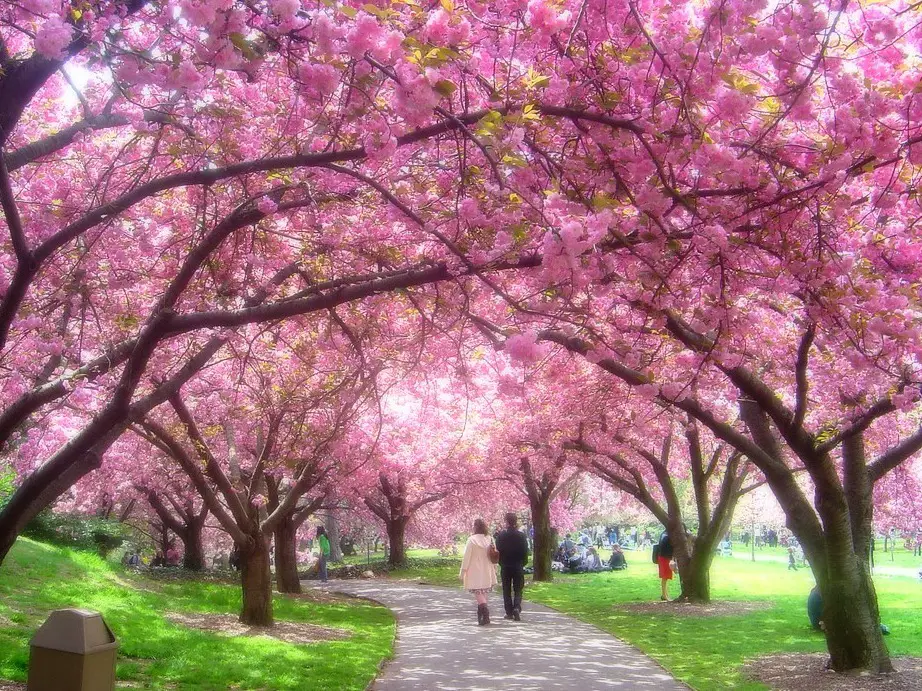
The term sakura directly translates to “cherry blossom” in Japanese, capturing the essence of these delicate flowers that bloom each spring. The beauty of cherry blossoms is not just in their appearance but also in the rich meanings they carry within Japanese culture. Linguistically, the word “sakura” consists of two kanji characters: 桜 (sakura) signifies the flower itself, while the character 咲 (saku) means “to bloom.” This connection highlights the joy and renewal that these blossoms bring to the landscape and the hearts of the people.
Sakura blossoms are often associated with Hanami, the traditional practice of flower viewing that dates back to the Heian period (794-1185). During this time, aristocrats celebrated the beauty of sakura through poetry and gatherings. This cultural practice emphasizes not only the enjoyment of nature but also the fleeting nature of life, resonating with the concept of impermanence (mujo) in Japanese philosophy. The brief blooming period of sakura serves as a poignant reminder that beauty is often short-lived, mirroring the transient moments in our own lives.
In Japanese culture, sakura embodies more than just aesthetics; it represents a deep connection to nature, renewal, and the cycles of life. The arrival of sakura each spring signifies a fresh start as the cold winter gives way to warmth and new beginnings. This association with renewal is particularly significant, as the blooming of cherry blossoms coincides with the start of the school year and fiscal year in Japan.
Moreover, sakura has evolved from its historical roots of aristocratic admiration to a national symbol embraced by all. During the Edo period (1603-1868), cherry blossoms became accessible to the common people, leading to the widespread practice of Hanami and the celebration of sakura’s beauty throughout the country.
Overall, the meaning of sakura transcends its identity as a flower, weaving together threads of history, culture, and human experience. The elegance of cherry blossoms continues to inspire art, literature, and heartfelt moments in Japanese society, making them an enduring symbol of beauty and resilience. For a deeper exploration of sakura’s significance, check out Why Cherry Blossoms Hold a Deep Cultural Meaning in Japan.
The Cultural Significance of Sakura in Japan
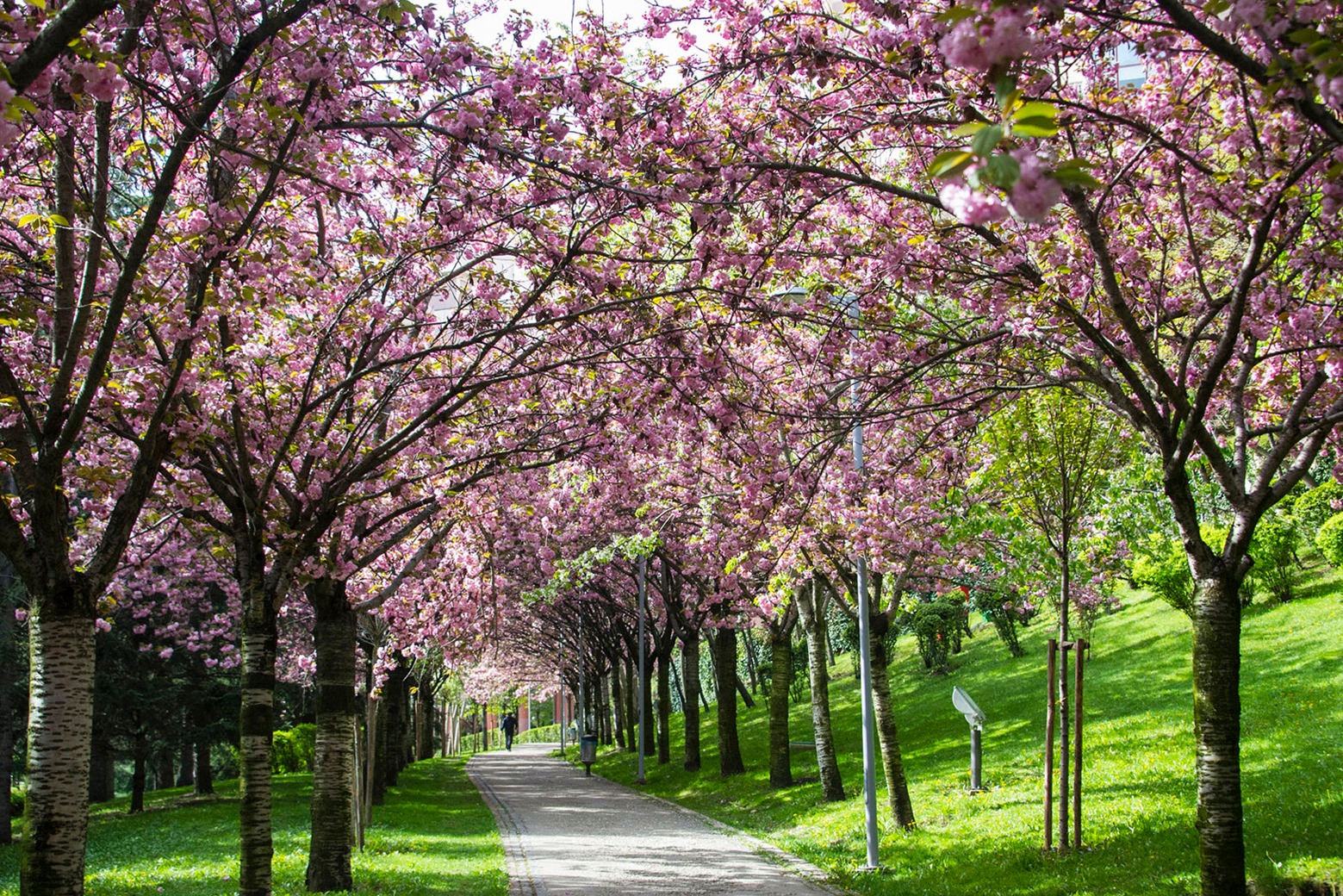
Sakura, or cherry blossoms, are not just beautiful flowers; they embody deep cultural meanings in Japan. These delicate blooms symbolize the transient nature of life, reflecting the core value of impermanence, known as mujo. The fleeting beauty of sakura, which lasts only about a week or two, serves as a poignant reminder that everything in life is temporary. This concept resonates strongly within Japanese culture, where the appreciation for life’s fleeting moments is celebrated through various traditions and arts.
One of the most cherished customs associated with sakura is Hanami, which translates to “flower viewing.” This practice dates back to the Heian period (794-1185) when aristocrats would gather to admire the blossoms, enjoying poetry, food, and companionship under the blooming trees. Over time, Hanami evolved into a widespread cultural phenomenon, inviting people from all walks of life to partake in this seasonal celebration. Today, families, friends, and colleagues come together for picnics beneath the cherry trees, reinforcing social bonds while appreciating the beauty of sakura.
Beyond their aesthetic appeal, cherry blossoms also symbolize renewal and new beginnings. As sakura bloom at the start of spring, they mark the end of winter’s cold grip and the onset of a new season filled with hope. This connection between sakura and the arrival of spring aligns perfectly with Japan’s new school year and fiscal year, both of which begin in April. The blossoming of sakura encourages feelings of optimism and fresh starts, making them an important part of life transitions.
Historically, sakura has been woven into Japan’s narrative of beauty and resilience. During the Edo period (1603-1868), cherry blossoms became a symbol of national pride, celebrated in literature and art. The Tokugawa shogunate promoted sakura planting, making it a unifying cultural practice across the country. Today, the presence of sakura in festivals, poetry, and even military symbolism highlights the flower’s profound impact on Japanese identity.
Historical Roots of Sakura Appreciation
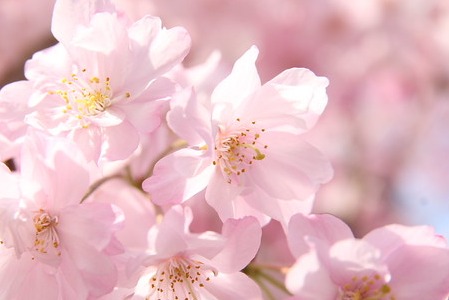
The journey of sakura’s significance in Japan began during the Heian period (794–1185), a time when cherry blossoms started to capture the hearts of the aristocracy. Initially, plum blossoms (ume) held the spotlight, admired for their beauty and fragrance. However, as poets and nobles began to celebrate cherry blossoms, sakura emerged as a symbol of elegance and refinement. This shift marked the beginning of a profound cultural relationship between the Japanese people and their beloved cherry blossoms.
Throughout the Heian period, the practice of Hanami, or flower viewing, took root. The aristocrats would gather to appreciate the fleeting beauty of sakura, composing poetry and enjoying seasonal delicacies. This early form of Hanami connected people to nature and fostered a sense of community, establishing a tradition that continues to thrive in modern Japan. The admiration for sakura was not merely about aesthetics; it reflected deeper philosophical concepts, particularly the idea of impermanence, known as mujo. This concept is central to Japanese culture, emphasizing that beauty is often found in the transient aspects of life.
As Japan transitioned into the Edo period (1603–1868), the appreciation of sakura broadened beyond the elite to include common folk. This democratization of cherry blossom viewing made Hanami an essential aspect of Japanese social life. Parks and riversides became popular spots for families and friends to gather under the blooming trees, solidifying sakura’s role in communal celebrations. The Tokugawa shogunate even promoted the planting of cherry trees across the country, further ingraining sakura into the national identity.
By the Meiji era (1868–1912), sakura became a symbol of national pride. The association of cherry blossoms with military and political imagery intensified, as they represented the noble spirit of self-sacrifice, particularly during World War II. Kamikaze pilots were often likened to falling cherry blossoms, illustrating the duality of beauty and ephemerality. Despite this complex history, the essence of sakura remained tied to themes of renewal and the fleeting nature of life.
The Concept of Impermanence (Mujo) and Sakura
The concept of impermanence, known as mujo (無常) in Japanese, is a cornerstone of understanding what sakura truly means. This philosophy reflects the belief that all things are transient and constantly changing, much like the cherry blossoms themselves. Sakura blooms for such a brief period—typically just one to two weeks each spring—that their delicate beauty serves as a poignant reminder of life’s fleeting moments.
In Japanese culture, the ephemeral nature of sakura embodies the idea that beauty is often found in impermanence. During the season of hanami, people gather under cherry trees to appreciate the blossoms, knowing that they will soon fall. This ritual of flower viewing is not just about enjoying the scenery; it’s about embracing the moment and recognizing that life, like the cherry blossoms, is temporary. This practice encourages a deeper appreciation for the present, inviting individuals to find joy even in transitory experiences.
- Sakura as a Symbol: The cherry blossoms symbolize the beauty of life’s fleeting nature. Their short-lived blooms inspire reflection on one’s existence and the inevitability of change.
- Cultural Significance: The celebration of sakura has deep roots in Japanese culture, dating back to the Heian period when aristocrats first began to admire these flowers. Over the centuries, this appreciation transformed into a national pastime that connects people to nature and each other.
- Mujo in Everyday Life: The awareness of impermanence encourages a mindful approach to life. By recognizing that nothing lasts forever, individuals are motivated to cherish moments with family and friends, making every gathering under the sakura trees meaningful.
The transient beauty of sakura creates a profound connection to the Japanese worldview. It encourages people to celebrate new beginnings and to reflect on their journeys. Each year, as the cherry blossoms bloom, they remind everyone that beauty is often most impactful when it is fleeting, thereby enriching the cultural narrative surrounding sakura and its significance.
The Hanami Tradition: Celebrating Sakura
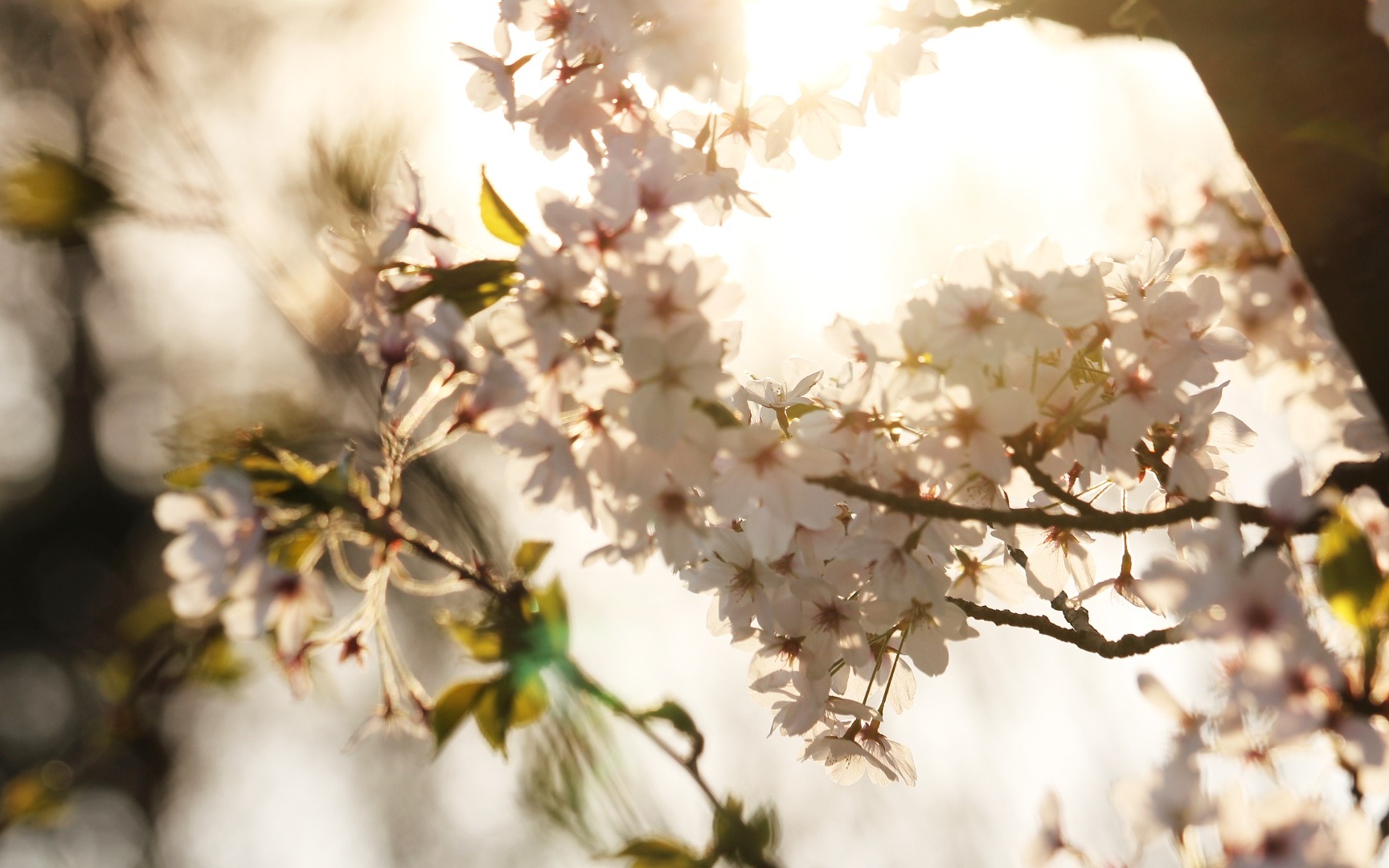
Hanami, which translates to “flower viewing,” is a cherished tradition in Japan that centers around the appreciation of sakura, or cherry blossoms. This practice dates back over a thousand years, with its origins rooted in the Heian period (794–1185). During this time, aristocrats would gather to admire the beauty of cherry blossoms, often accompanied by poetry and seasonal festivities. This early celebration marked the beginning of sakura’s transformation into a symbol of beauty and impermanence in Japanese culture.
As the cherry blossoms bloom each spring, communities across Japan engage in hanami, creating a social event that fosters connections among family and friends. People gather beneath the sakura trees for picnics, sharing food and drinks while soaking in the breathtaking sights of pink petals fluttering in the breeze. This communal experience reinforces social ties and allows participants to celebrate the fleeting beauty of life, encapsulated in the brief blooming period of sakura.
The practice of hanami also emphasizes the concept of mujo, which signifies the impermanence of all things. The short-lived nature of cherry blossoms serves as a poignant reminder that beauty is often most impactful when it is ephemeral. This philosophical aspect of hanami encourages individuals to appreciate the present moment, making each gathering under the sakura trees a meaningful experience.
Historically, hanami has evolved from royal gatherings to a widespread cultural phenomenon. By the Edo period (1603–1868), the practice became accessible to the common people, further embedding sakura into the fabric of Japanese society. Parks and public spaces, such as Ueno Park and the banks of the Meguro River, became popular hanami spots, where people could enjoy the sight of cherry blossoms in full bloom alongside their communities.
Today, hanami festivals celebrate sakura in various forms, from food stalls offering seasonal delicacies to music performances under the blooming trees. This vibrant atmosphere enhances the appreciation for nature while reinforcing the cultural significance of cherry blossoms. As families and friends come together to enjoy these moments, they engage in a tradition that honors both the beauty of sakura and the impermanence that it represents, connecting generations in a shared experience of joy and reflection.
Different Types of Cherry Blossoms Associated with Sakura
When exploring the meaning of sakura, it’s essential to understand the different types of cherry blossoms that grace Japan’s landscapes. Each variety holds unique characteristics and contributes to the rich tapestry of Japanese culture and the tradition of Hanami.
Somei Yoshino
The Somei Yoshino is perhaps the most iconic sakura variety. With its delicate pink blooms and graceful branches, it symbolizes the arrival of spring. These flowers bloom in early April, attracting thousands of picnickers and admirers during Hanami celebrations. Their fleeting beauty, lasting only a week or two, perfectly captures the Japanese concept of impermanence or mujo, reminding us to cherish moments as they come.
Shidare Zakura
Another stunning variety is the Shidare Zakura, known for its weeping branches that cascade elegantly. These blossoms are often seen in parks and gardens, creating picturesque scenes that draw many visitors. The Shidare Zakura typically blooms later than Somei Yoshino, extending the cherry blossom season and allowing more people to experience the joy associated with sakura. Their unique drooping appearance represents grace and beauty, further enhancing the cultural significance of these flowers.
Yamazakura
The Yamazakura is a native cherry blossom that thrives in the wild. It features white to light pink flowers and has a more rugged charm compared to cultivated varieties. This type of sakura blossoms earlier than Somei Yoshino, making it a crucial part of the early spring landscape. The presence of Yamazakura in natural settings emphasizes the connection between cherry blossoms and the spirit of the Japanese outdoors, showcasing the beauty of nature in its purest form.
Kanzakura
Kanzakura, or the “canopy cherry,” is another notable type. It offers a distinct appearance with its small, pinkish flowers that bloom in clusters. Kanzakura’s blossoms typically come out in mid-March, enhancing the sense of anticipation for the sakura season. This variety enriches the cultural narrative surrounding cherry blossoms by embodying the themes of renewal and hope, as it heralds the start of a new season in Japanese culture.
Kanhizakura
The Kanhizakura is a lesser-known variety that blooms even earlier, sometimes as early as February. Its flowers are smaller and can range from pale pink to white. This early blooming nature signifies resilience and adaptability, traits deeply respected in Japanese culture. The presence of Kanhizakura serves as a reminder that even the coldest winter eventually gives way to the warmth of spring, further underscoring the meaning of sakura.
Each of these cherry blossom varieties contributes to the overarching significance of sakura in Japan. The beauty and transience of these blossoms resonate with the Japanese people’s appreciation for nature and life itself, making them an integral part of cultural celebrations and personal reflections. Their unique characteristics and blooming patterns enhance the Hanami experience, allowing people to connect with the fleeting beauty that sakura represents. For more on the cultural implications of cherry blossoms, you can check out What is Sakura? History, Culture & Types of Cherry Blossoms.
Sakura in Literature, Art, and Modern Media
Sakura, or cherry blossoms, have long been a source of inspiration in Japanese literature. Poets and authors have immortalized the fleeting beauty of sakura through verses that reflect the concept of impermanence, known as mujo. This theme is deeply embedded in classical Japanese poetry, particularly during the Heian period, when cherry blossoms became a symbol of elegance and transience. Works by famous poets such as Matsuo Bashō and Yoshida Kenkō often evoke the delicate nature of sakura, capturing the essence of life’s fleeting moments.
In visual art, sakura has been celebrated in countless paintings and prints. Artists like Utagawa Hiroshige and Katsushika Hokusai depicted cherry blossoms in their ukiyo-e woodblock prints, showcasing the blossoms set against tranquil landscapes. These works not only highlight the beauty of sakura but also reflect the spiritual connection the Japanese people have with nature. The cherry blossoms often serve as a backdrop for scenes of Hanami, where people gather to appreciate the blossoms and engage in festivities under the blooming trees.
Contemporary media also continues to embrace the significance of sakura. In films and anime, cherry blossoms are often used as powerful symbols of renewal and hope. For instance, movies like “Your Name” and “5 Centimeters per Second” use sakura to evoke nostalgia and the bittersweet nature of relationships, mirroring the impermanent beauty of the blossoms themselves. This connection reinforces the meaning of sakura, reminding audiences of life’s transient joys.
Moreover, sakura has made its mark on modern fashion and design. Cherry blossom motifs are commonly found in textiles, accessories, and home décor, bringing a piece of Japanese culture into everyday life. This trend showcases how sakura transcends traditional boundaries, becoming a universal symbol of beauty and renewal that resonates with people around the world.
Regional Variations of Sakura Appreciation in Japan
Sakura appreciation varies significantly across Japan, with each region celebrating the cherry blossoms in unique ways that reflect local culture and traditions. From elaborate festivals to intimate gatherings, the meaning of sakura resonates deeply, showcasing its importance in Japanese life.
In Tokyo, the practice of Hanami—or flower viewing—reaches its zenith at famous spots like Ueno Park and Shinjuku Gyoen. Families and friends gather under the blooming cherry trees, enjoying picnics amid the petals. The atmosphere is filled with laughter and joy, reinforcing the sakura’s connection to renewal and community spirit. The transient beauty of the blossoms serves as a reminder of impermanence, a core aspect of Japanese culture. This vibrant scene embodies the essence of sakura as a symbol of new beginnings.
In Kyoto, the cherry blossom season is steeped in history, especially during the Heian period when the aristocracy celebrated sakura through poetry and art. The city hosts several traditional festivals, such as the Kyoto Cherry Blossom Festival, where parades and tea ceremonies highlight the beauty of sakura. Many local temples and gardens, like Maruyama Park, are adorned with cherry blossoms, creating a picturesque backdrop for reflection on the fleeting nature of life, known as mujo in Japanese philosophy.
Further north, in Hokkaido, sakura blooms later than in the rest of Japan due to the cooler climate. Here, the Matsumae Cherry Blossom Festival showcases the region’s unique cherry blossom varieties. Locals and visitors celebrate with food stalls and performances, emphasizing the deeper connection between the community and the cherry blossoms. The late bloom serves as a reminder that beauty can emerge even in unexpected times, reinforcing the sakura’s message of resilience and hope.
In contrast, the Okinawa region is known for its early-blooming cherry blossoms, which typically appear in January and February. The Naha Cherry Blossom Festival draws large crowds, where traditional music and dance celebrate the arrival of spring. This early bloom symbolizes the anticipation of renewal, as the people of Okinawa embrace sakura in a distinct manner that reflects their unique cultural identity.
Additionally, many rural areas across Japan celebrate local varieties of cherry blossoms, often incorporating them into annual festivals. These events may include local delicacies, traditional dances, and art exhibits that honor the cherry blossom’s beauty. The diversity in celebrations exemplifies how sakura is woven into the fabric of Japanese culture, with each region adding its flavor to the appreciation of these delicate flowers.
Through these regional differences, sakura continues to signify much more than just cherry blossoms; it embodies the spirit of Japan, the passage of time, and the beauty of life itself.
Environmental Factors Affecting Sakura Blooming
The blooming of sakura, or cherry blossoms, is intricately tied to environmental factors, particularly climate and seasonal variations. These delicate flowers are sensitive to temperature changes, which can significantly impact when they bloom. In Japan, sakura typically starts to blossom in late March to early April, marking the arrival of spring—a season deeply celebrated through the tradition of Hanami.
- Temperature Sensitivity: Cherry blossoms require specific temperature ranges to trigger their blooming process. Warmer winters can lead to earlier blooms, while colder temperatures may delay them. This sensitivity to temperature shifts emphasizes the connection between sakura and the changing seasons, reflecting the concept of impermanence in Japanese culture.
- Climate Change: Recent years have seen the effects of climate change altering sakura blooming patterns. As global temperatures rise, some regions may experience earlier blossoms, while others might see unpredictable changes in bloom times. This has implications not just for the flowers, but also for cultural practices like Hanami, where families and communities gather to celebrate the blooms. The connection between sakura and the season of rebirth adds depth to the understanding of how climate impacts these cherished flowers.
- Seasonal Variations: The timing of sakura blooms can also vary year to year due to seasonal weather patterns. For example, an unseasonably warm March can lead to an earlier blooming period, while a chilly spring might extend the wait for the blossoms to appear. This unpredictability reinforces the beauty of sakura as a symbol of life’s fleeting moments, reminding us to appreciate the present, just as the blossoms are short-lived.
- Natural Conditions: Factors like soil quality, rainfall, and sunlight also play vital roles in the health of sakura trees. Healthy trees produce more vibrant and abundant blooms, which are integral to the Hanami experience. The relationship between sakura and its natural environment showcases the importance of nature in appreciating these blossoms, deepening their significance in Japanese culture.
Contemporary Interpretations of Sakura in Popular Culture
Sakura continues to thrive in modern popular culture, symbolizing beauty and the ephemeral nature of life. This adaptability showcases how the meaning of sakura extends beyond traditional views, making it relevant to contemporary audiences. In Japan and around the world, cherry blossoms are prominently featured in various forms of art, fashion, and design, embodying both aesthetics and cultural significance.
Fashion designers often draw inspiration from sakura, incorporating its soft pink hues and delicate motifs into their collections. From clothing to accessories, the cherry blossom pattern evokes a sense of renewal and freshness. Many Japanese brands highlight sakura during spring collections, reminding consumers of the beauty and transience of life, much like the brief blooming period of the flowers themselves. This reflects the Japanese cultural appreciation for impermanence, or mujo, reminding us to cherish fleeting moments.
In design, sakura motifs are prevalent in home decor, stationery, and even digital art. The beauty of cherry blossoms is often used to create serene environments, promoting tranquility and a connection to nature. Their presence in everyday items helps keep the cultural significance of sakura alive, allowing individuals to experience the essence of Hanami in their daily lives, even when they aren’t physically surrounded by blooming trees.
Global celebrations of cherry blossoms have also gained popularity, with festivals dedicated to sakura occurring worldwide. These events often mirror traditional Hanami practices, featuring picnics, music, and art inspired by the blossoms. Cities like Washington, D.C., with its National Cherry Blossom Festival, celebrate the connections between cultures and the universal appreciation for nature’s beauty. Such events highlight the ongoing significance of sakura, illustrating how its meaning transcends geographical boundaries and continues to resonate with people globally.
Sakura’s presence in literature and media further amplifies its cultural impact. Many authors and filmmakers use cherry blossoms to symbolize love, loss, and the passage of time, reinforcing the flower’s association with impermanence. Whether in poetry, films, or visual arts, sakura serves as a powerful reminder of life’s fleeting beauty, resonating deeply within Japanese culture and beyond.