
The cell wall plays a crucial role in providing structure, protection, and support to plant cells, enabling them to withstand various environmental stresses. It is essential for maintaining the plant’s shape and integrity, making it a key component of plant biology. Read Interesting article: Do Plants Have Cell Walls? Quick Answer Explained
Table of Contents
Overview of the Plant Cell Wall
Definition and Structure
The plant cell wall is a rigid layer that surrounds the cell membrane of plant cells. It provides structural support and protection, allowing plants to maintain their form and resist external pressures. I remember first learning about the cell wall in school and being fascinated by how something so seemingly simple could play such an essential role in the life of a plant. The structure of the cell wall is primarily made up of polysaccharides, proteins, and other organic compounds that work together to create a resilient barrier.
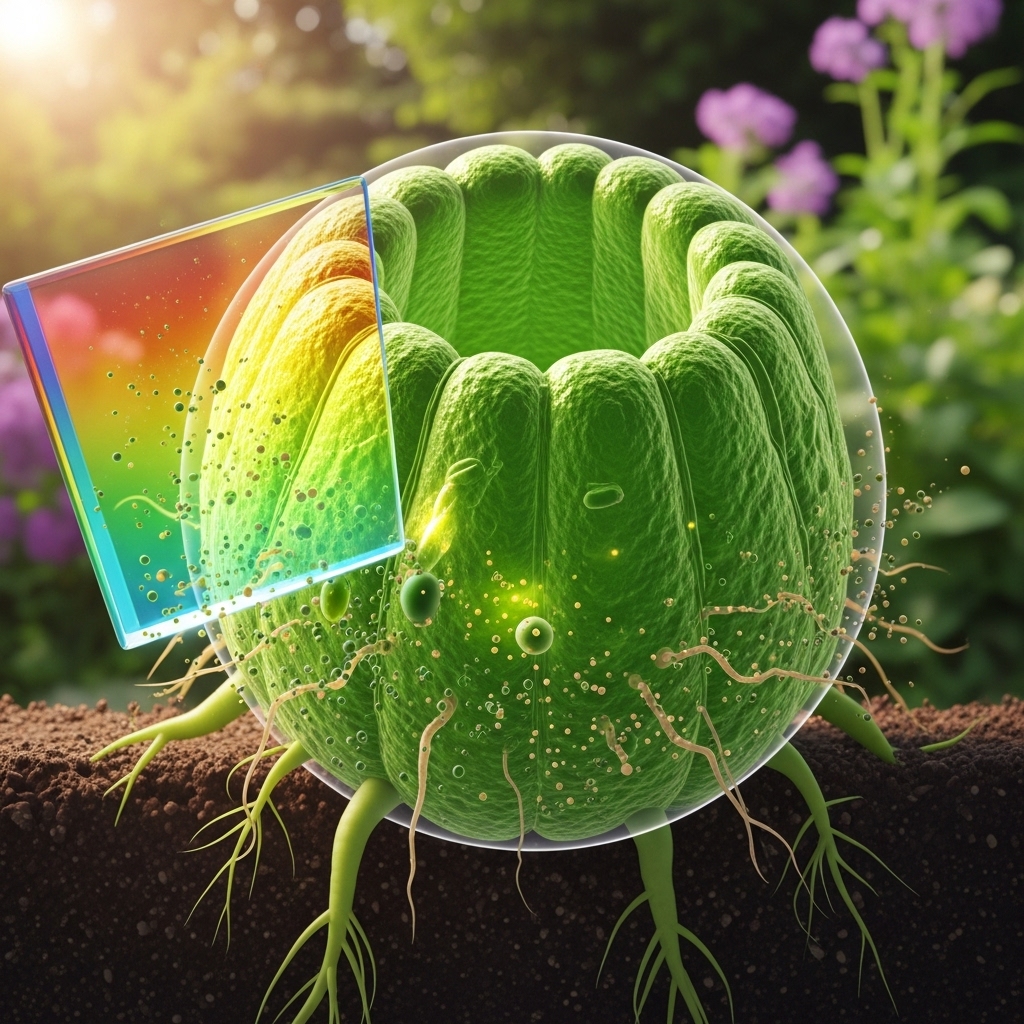
The cell wall itself is made up of multiple layers that vary in thickness and composition, depending on the type of plant and its specific needs. The primary wall is thin and flexible, allowing for growth, while the secondary wall, which often forms once the cell has reached its mature size, is thicker and more rigid. This combination of layers gives the cell wall its unique properties, allowing it to support the plant while also enabling it to grow and adapt.
Composition of the Cell Wall
The composition of the plant cell wall is quite fascinating. It primarily consists of cellulose, hemicellulose, pectin, and lignin. Each of these components plays a distinct role in the overall function of the cell wall. When I first started exploring the intricate details of plant biology, I was surprised to learn how each of these substances contributes to the plant’s ability to thrive in its environment. For more about the differences between plant and animal cells, check out this article: How Are Plant and Animal Cells Different? Simple Guide.
- Cellulose: This is the most abundant component and provides the structural framework of the cell wall.
- Hemicellulose: This component works alongside cellulose, providing additional support and flexibility.
- Pectin: Pectin acts as a glue, binding cells together and contributing to the wall’s integrity.
- Lignin: Found primarily in the secondary walls of woody plants, lignin provides additional strength and protection.
Types of Plant Cell Walls
There are two main types of plant cell walls: primary and secondary walls. The primary cell wall is flexible and allows for cell growth, while the secondary cell wall, which develops after the cell has stopped growing, is more rigid and provides greater structural support. I remember being amazed by the fact that different types of plants have variations in their cell wall structures. For instance, trees have thicker secondary walls compared to herbaceous plants, which helps them withstand the rigors of their environment.
Additionally, some plants have specialized cell walls that serve unique functions. For example, the cell walls of certain algae can differ significantly from those of higher plants, reflecting their specific adaptations to their aquatic environments. Understanding these differences has deepened my appreciation for the complexity of plant biology and the various strategies plants use to thrive.
Functions of the Cell Wall
Structural Support and Protection
The primary function of the cell wall is to provide structural support to the plant. Without it, plants would collapse under their weight and fail to grow upright. I’ve seen firsthand how the rigidity of the cell wall allows plants to reach for sunlight, standing tall and strong even in adverse weather conditions. This structural integrity also serves as a protective barrier against physical damage and environmental stressors, such as drought or excessive rain.
The cell wall also plays a crucial role in protecting the plant from pathogens. By acting as a first line of defense, it helps prevent harmful bacteria, fungi, and viruses from entering the cell. I’ve found it interesting to learn how certain plants can even produce specific compounds within their cell walls to deter pests or heal wounds when damaged. This ability to adapt and respond to threats is a testament to the importance of the cell wall in plant survival.
Regulation of Cell Growth and Shape
The cell wall is essential for regulating cell growth and determining the shape of the plant. During my studies, I discovered that the flexibility of the primary cell wall allows cells to expand as they take up water. This expansion is vital for plant growth, enabling roots to push through soil and leaves to expand toward sunlight. I often think about how this process is similar to how we stretch our muscles when we grow—it’s all about adapting to our environment.
Moreover, the composition of the cell wall can change in response to environmental signals, which can influence how and when a plant grows. For example, when a plant senses that it’s in a shaded area, it may alter its growth patterns to stretch toward the light. I’ve noticed how this adaptability is crucial for survival in competitive ecosystems where sunlight is limited.
Defense Against Pathogens
The cell wall acts as the first line of defense against pathogens. I remember being struck by how some plants can detect the presence of invading microbes and respond by strengthening their cell walls or producing antimicrobial compounds. This capability is a remarkable example of how plants have evolved to safeguard themselves against diseases.
In my observations, various plants have unique adaptations in their cell walls that help them resist specific pathogens. For instance, some plants produce lignin in response to infection, which strengthens the wall and makes it harder for pathogens to penetrate. This dynamic defense mechanism has made me appreciate the intricate relationships between plants and their environments even more.
Facilitation of Water and Nutrient Transport
The cell wall also plays a vital role in facilitating water and nutrient transport within the plant. The porous nature of the cell wall allows for the movement of water and dissolved nutrients from cell to cell. I’ve learned that this transport system is particularly important for maintaining turgor pressure, which keeps plants firm and upright. Without the proper functioning of the cell wall, plants would struggle to maintain their hydration levels, leading to wilting and, ultimately, death.
In addition to water transport, the cell wall helps with the movement of signaling molecules that coordinate growth and development. This interconnected system is essential for a plant’s overall health and ability to respond to environmental changes. I often find myself amazed by how these seemingly simple structures—cell walls—play such a multifaceted role in the life of a plant.
Cell Wall Components and Their Roles
Cellulose
Cellulose is such an incredible component of the plant cell wall, and I’m always amazed by its significance. As I learned more about it, I found out that cellulose is a long-chain polymer made up of glucose molecules. This unique structure allows cellulose to form strong fibers that provide the necessary rigidity to the cell wall. I remember conducting experiments that demonstrated how resilient cellulose could be—it’s no wonder it’s considered the most abundant organic polymer on Earth!
What I find particularly interesting is how cellulose not only supports the physical structure of the plant but also contributes to its ability to interact with its environment. When a plant is under stress, the composition and arrangement of cellulose fibers can change, giving the plant the flexibility it needs to adapt. I think this property is crucial for survival, especially when plants face varying conditions like wind, rain, or drought.
Lignin
Lignin is often referred to as the “glue” that holds the cellulose fibers together, and it plays a pivotal role in providing additional strength to the cell walls of woody plants. I remember reading about how lignin is responsible for the hardness of tree trunks, making them sturdy enough to withstand strong winds and heavy snowfall. It really made me appreciate the engineering marvel that is a tree!
Interestingly, lignin not only adds strength but also offers protection from pests and pathogens. I’ve seen how some plants can increase their lignin production when they sense an attack, making it harder for insects to chew through their walls. This defensive mechanism underscores the dynamic relationship between plants and their environment, which I find fascinating. It’s like a constant battle for survival, and lignin is one of the warriors on the front lines.
Pectin
Pectin is another crucial player in the composition of plant cell walls. It acts as a sort of adhesive that binds cells together, providing a framework that ensures the plant maintains its shape. I’ve often thought about how pectin can affect the texture of fruits and vegetables—the juicy firmness of an apple or the softness of a ripe peach can be traced back to this polysaccharide!
What’s even more intriguing is how pectin plays a role in plant responses to stress. When a plant is injured or under attack, it can modify its pectin content to strengthen the cell walls and seal off damaged areas. I remember reading about experiments where scientists manipulated pectin levels in plants, and the results were astounding. The ability to adapt through pectin showcases the incredible resilience of plants.
Hemicellulose
Hemicellulose is often considered a supporting player in the cell wall structure, but its role is equally important. Unlike cellulose, which forms rigid fibers, hemicellulose is more flexible and helps to fill the gaps between cellulose fibers. I was fascinated to learn that hemicellulose can also vary significantly between different plant species, which reflects their unique adaptations to their environments.
During my studies, I discovered that hemicellulose contributes to the overall strength and elasticity of the cell wall. This means that plants can grow and expand without losing structural integrity. I think it’s remarkable that such a small component can have such a significant impact on a plant’s ability to thrive. Hemicellulose truly embodies the balance between rigidity and flexibility in the plant cell wall.
Differences Between Plant Cell Walls and Other Cell Walls
Comparison with Fungal Cell Walls
When I started exploring the differences between plant and fungal cell walls, I was surprised to discover that they are quite distinct in composition. While plant cell walls are primarily composed of cellulose, fungal cell walls are made up of chitin—a tough, flexible compound also found in the exoskeletons of insects. I remember thinking how fascinating it is that nature has developed different types of materials for structural support!
This difference in composition leads to varying functions. Fungal cell walls provide rigidity and protection, similar to plant walls, but they have unique adaptations that allow fungi to thrive in different environments. I’ve seen how these adaptations enable fungi to decompose organic matter effectively, playing a critical role in nutrient cycling. It’s incredible how both plants and fungi have evolved their own strategies to succeed in their respective ecosystems.
Comparison with Bacterial Cell Walls
Bacterial cell walls present yet another contrast. Bacteria typically have cell walls made of peptidoglycan, which gives them their shape and protects them from environmental stresses. I remember being struck by how bacterial cell walls can be classified into two main types: Gram-positive and Gram-negative, based on their structure and composition. This classification has huge implications for how we approach antibiotics and treatment of bacterial infections.
What I find particularly interesting is that while plant and fungal cell walls are primarily designed for support and protection, bacterial walls can also play a role in their resistance to antibiotics. I’ve learned that understanding these differences is crucial for advancements in medicine and agriculture, as it can influence how we combat diseases in both humans and plants. The diversity of cell wall structures across different organisms showcases nature’s creativity and adaptability.
Impact of Environmental Factors on the Cell Wall
Effects of Water Availability
The availability of water is one of the most critical factors affecting the plant cell wall. I remember learning about how plants adapt their cell walls in response to varying water conditions. When water is plentiful, the cell walls can maintain their turgor pressure, helping the plant stay upright and healthy. However, during drought conditions, I’ve seen that plants often respond by adjusting the composition and structure of their cell walls to prevent water loss. This can include increasing the production of substances like lignin, which makes the walls more rigid and less permeable to water.
Interestingly, I found that some plants can even modify their pectin content to help retain moisture. This adaptability is crucial for survival in arid environments. My experience observing plants in different climates has really shown me how resilient they can be when faced with water scarcity. They truly have a remarkable ability to change their cell wall properties to suit their needs.
Impact of Soil Nutrients
The nutrients available in the soil also play a significant role in the health and functionality of the plant cell wall. I’ve learned that essential nutrients like nitrogen, phosphorus, and potassium are vital for the synthesis of cell wall components. For instance, nitrogen is crucial for producing proteins that help in building the structural framework of the cell wall. When nutrient levels are low, I’ve noticed that plants can exhibit stunted growth and weaker cell walls, leading to increased susceptibility to diseases and pests.
In my garden, I’ve experimented with different fertilizers and noticed how plants respond to nutrient-rich soils. They tend to have stronger and more resilient cell walls, which in turn supports better growth and overall health. It’s fascinating to see how interconnected soil health is with the integrity of plant cell walls, and I feel that understanding this relationship can lead to better gardening and farming practices.
Influence of Temperature and Light
Temperature and light conditions also have a significant impact on the plant cell wall. I remember studying how extreme temperatures can affect cell wall composition and structure. For example, high temperatures can lead to the degradation of certain cell wall components, making plants more vulnerable to stress. Conversely, cold temperatures can slow down metabolic processes, which can hinder the synthesis of new cell wall materials.
Light, on the other hand, plays a role in how plants grow and develop their cell walls. When plants receive adequate sunlight, they can produce more energy through photosynthesis, which supports the formation of strong cell walls. I’ve noticed that plants grown in low-light conditions often have weaker cell walls and elongated stems as they stretch toward the light. It’s intriguing to observe how plants have evolved to optimize their cell wall responses based on light availability, showcasing their adaptability to their environment.
Research and Innovations Related to Cell Walls
Biotechnology and Genetic Engineering
Recent advances in biotechnology and genetic engineering have opened up exciting possibilities for enhancing plant cell walls. I’ve read about scientists manipulating the genes responsible for producing cell wall components, aiming to create plants with stronger, more resilient walls. This research has the potential to improve crop yields and resistance to diseases, which is crucial for feeding a growing global population.
One of the most fascinating studies I came across involved modifying the cellulose production in certain crops to create varieties that are more efficient at using water and nutrients. I think it’s amazing how these innovations can lead to sustainable agriculture practices that benefit both farmers and the environment. These breakthroughs inspire me to think about the future of farming and how technology can play a role in enhancing plant health.
Cell Wall Modifications for Crop Improvement
Cell wall modifications can significantly enhance crop performance and resilience. I remember being intrigued by how researchers are developing crops with altered cell wall compositions to increase their tolerance to environmental stresses like drought and disease. For instance, some studies are focusing on increasing lignin levels in cell walls to enhance structural integrity, making plants less susceptible to mechanical damage and pests.
In my own gardening experience, I’ve seen firsthand how sturdy plants can withstand harsher conditions. The ability to create crops that can thrive in less-than-ideal conditions is not just a game-changer for agricultural productivity; it’s also crucial for adapting to climate change. I believe that these innovations will play a vital role in securing food supplies in the years to come.
Applications in Biofuel Production
The importance of cell walls extends beyond plant health; they are also critical in biofuel production. I’ve learned that the composition of the cell wall can influence how easily plant materials can be converted into biofuels. For example, high lignin content in certain plants can make it more challenging to break down biomass into fermentable sugars. Researchers are working to identify plant varieties with optimal cell wall structures that facilitate easier processing for biofuels.
This research has significant implications for renewable energy sources. I remember being excited about the potential of using agricultural waste for biofuel production, which not only helps reduce waste but also offers a sustainable energy alternative. Understanding and manipulating plant cell walls can lead us to more efficient biofuel production methods, paving the way for a greener future.
Frequently Asked Questions
What is the plant cell wall and what role does it play?
The plant cell wall is a rigid layer that surrounds the cell membrane of plant cells, providing structural support and protection. It enables plants to maintain their shape and resist external pressures, making it essential for plant biology.
What are the main components of the plant cell wall?
The primary components of the plant cell wall are cellulose, hemicellulose, pectin, and lignin. Each component plays a distinct role: cellulose provides structural framework, hemicellulose adds support and flexibility, pectin binds cells together, and lignin offers additional strength and protection.
What are the different types of plant cell walls?
There are two main types of plant cell walls: primary and secondary walls. The primary cell wall is flexible and allows for cell growth, while the secondary cell wall is more rigid and provides greater structural support once the cell has stopped growing.
How does the cell wall protect plants from pathogens?
The cell wall acts as the first line of defense against pathogens by preventing harmful bacteria, fungi, and viruses from entering the cell. Some plants can even produce specific compounds within their cell walls to deter pests or heal wounds when damaged.
What role does the cell wall play in plant growth?
The cell wall regulates cell growth and determines the shape of the plant. The flexibility of the primary cell wall allows cells to expand as they take up water, which is vital for plant growth and allows roots to push through soil and leaves to expand toward sunlight.
How does water availability affect the plant cell wall?
Water availability significantly impacts the plant cell wall. When water is plentiful, cell walls maintain turgor pressure, helping the plant stay upright. In drought conditions, plants may adjust their cell wall composition to prevent water loss, such as increasing lignin production to make walls more rigid.
What is the impact of soil nutrients on the plant cell wall?
Essential nutrients like nitrogen, phosphorus, and potassium are vital for the synthesis of cell wall components. Low nutrient levels can lead to stunted growth and weaker cell walls, increasing susceptibility to diseases and pests.
In what ways can temperature and light conditions influence the cell wall?
Temperature and light conditions affect cell wall composition and structure. High temperatures can degrade cell wall components, making plants more vulnerable, while adequate sunlight supports the formation of strong cell walls through photosynthesis.
How is biotechnology being used to enhance plant cell walls?
Biotechnology and genetic engineering are being employed to manipulate genes responsible for producing cell wall components, aiming to create stronger, more resilient plants. This research has potential implications for improving crop yields and resistance to diseases.
What role do cell walls play in biofuel production?
The composition of the cell wall influences how easily plant materials can be converted into biofuels. High lignin content can make biomass harder to break down into fermentable sugars, leading researchers to identify plant varieties with optimal cell wall structures for easier processing.