
Balsam fir trees emit their unique scent due to the presence of volatile organic compounds (VOCs), primarily monoterpenes and sesquiterpenes. These compounds are found in the tree’s needles, bark, and resin, contributing to the fresh, aromatic fragrance that many associate with Christmas and the outdoors.
Understanding Balsam Fir Trees
Balsam fir trees, scientifically known as Abies balsamea, are evergreen conifers native to North America. They thrive in cool, moist climates, primarily in Canada and the northeastern United States. These trees are easily recognized by their conical shape, flat needles, and distinctive scent, which draws many people to them during the holiday season.
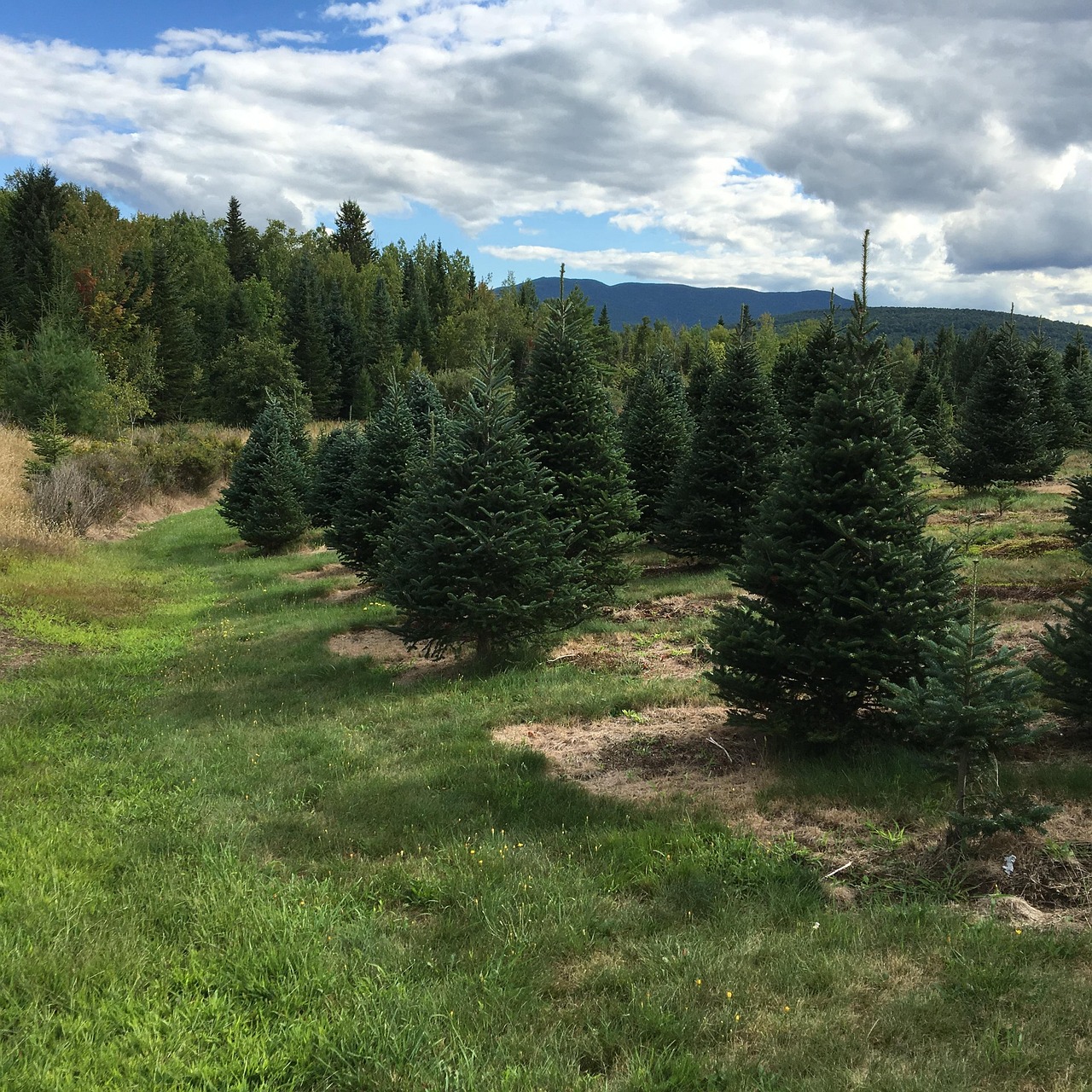
The scent of balsam fir is not just pleasant; it plays a crucial role in the tree’s ecology. The aroma helps attract pollinators and can deter certain herbivores. Additionally, the balsam fir has been widely used in various products, from essential oils to perfumes, due to its appealing fragrance.
The Chemistry Behind the Scent
The unique scent of balsam fir is largely attributed to a combination of different chemical compounds. Among these, monoterpenes and sesquiterpenes are the most significant contributors. These compounds are produced in the resin ducts of the tree and are released into the air, especially when the tree is stressed or damaged.
Monoterpenes are a class of terpenes that consist of two isoprene units. They are responsible for the fresh, pine-like aroma that many people find refreshing. On the other hand, sesquiterpenes contain three isoprene units and contribute to deeper, more complex scents.
Key Compounds Contributing to the Aroma
| Compound | Type | Characteristics |
|---|---|---|
| α-Pinene | Monoterpene | Pine-like scent; commonly found in many coniferous trees. |
| β-Pinene | Monoterpene | Fresh, woody aroma; contributes to the overall scent profile. |
| Limonene | Monoterpene | Citrus-like scent; adds a sweet note to the fragrance. |
| β-Caryophyllene | Sesquiterpene | Spicy, woody aroma; enhances depth of scent. |
The combination of these compounds creates a unique olfactory experience that can evoke memories and emotions. Many people associate the scent of balsam fir with winter celebrations and outdoor adventures.
The Role of Environment and Seasonality
The environment where balsam fir trees grow significantly impacts their scent. Factors such as soil type, moisture level, and climate can influence the concentration and composition of the volatile compounds produced by the tree. For example, trees growing in nutrient-rich soils may produce different scent profiles than those in less fertile areas.
Seasonality also plays a critical role in how strongly these scents are emitted. During warmer months, trees may release more VOCs due to increased metabolic activity. Conversely, during winter, when temperatures drop, the release of these compounds may decrease. However, fresh cuts from balsam fir trees can still release strong aromas even in colder weather.
Uses of Balsam Fir Scent
The appealing scent of balsam fir has led to its use in various commercial applications. Some common uses include:
- Essential oils for aromatherapy
- Fragrance in candles and soaps
- Flavoring agents in certain food products
- Natural air fresheners for homes and offices
This versatility highlights not only the beauty of balsam fir trees but also their significance in our daily lives through their unique aromatic qualities.
As research continues into the properties of these aromatic compounds, we may discover even more applications for this remarkable tree and its signature scent.
Ecological Importance of Balsam Fir Trees
Balsam fir trees are not only valued for their scent but also play a vital role in their ecosystems. They provide habitat and food for various wildlife species. Understanding these ecological relationships helps to appreciate the significance of balsam fir beyond its aromatic properties.
Wildlife Habitat
Balsam fir forests serve as crucial habitats for many species of birds, mammals, and insects. The dense foliage of these trees offers shelter and nesting sites. Some of the wildlife that relies on balsam fir trees includes:
- Birds: Species such as the black-capped chickadee and the boreal chickadee often nest in balsam fir trees.
- Mammals: Deer, moose, and various rodents depend on the foliage for food during winter months.
- Insects: Numerous insects, including bark beetles, thrive in balsam fir forests, contributing to the ecosystem’s health.
This intricate web of interactions highlights the tree’s importance in maintaining biodiversity and ecological balance within its habitat.
Economic Significance of Balsam Fir
The economic value of balsam fir trees extends beyond their use as Christmas trees or ornamental plants. The timber industry also benefits from balsam fir, which is harvested for various wood products.
Timber and Wood Products
Balsam fir is a softwood known for its light weight and fine grain. It is commonly used in:
- Construction: Balsam fir timber is used in framing due to its workability and strength.
- Pulp and Paper: The tree’s fibers are suitable for producing paper products, contributing to the paper industry.
- Musical Instruments: Its resonance properties make it a popular choice for crafting instruments like pianos and soundboards.
The sustainable management of balsam fir forests is essential to maintain these economic benefits while ensuring the health of the ecosystems they support.
Health Benefits of Balsam Fir Essential Oil
Balsam fir essential oil extracted from the tree’s needles and branches has gained popularity in aromatherapy and natural health practices. Its numerous health benefits are attributed to its chemical composition.
Aromatherapy Benefits
The use of balsam fir essential oil in aromatherapy can promote relaxation and improve mental clarity. Some notable benefits include:
- Stress Relief: Inhaling the scent may reduce stress levels and promote a sense of calm.
- Respiratory Health: The oil can help clear congestion and support respiratory function when diffused or inhaled.
- Anti-inflammatory Properties: Balsam fir oil may alleviate aches and pains due to its anti-inflammatory effects.
Applications in Natural Remedies
Balsam fir essential oil is also used in various natural remedies. Some common applications include:
- Massage Oils: When diluted with carrier oils, it can be used for muscle relaxation during massages.
- Skin Care: The oil is sometimes incorporated into skin care products for its soothing properties.
- Cleansing Agents: Its antimicrobial properties make it useful in homemade cleaning solutions.
The versatility of balsam fir essential oil demonstrates its potential in promoting health and well-being, making it a valuable addition to natural health practices.
Cultural Significance of Balsam Fir Trees
Balsam fir trees hold cultural significance across various communities, especially during the holiday season. Their use as Christmas trees has become a cherished tradition in many households.
Symbolism and Traditions
The balsam fir symbolizes celebration, joy, and togetherness. Many families decorate these trees with ornaments, lights, and other festive decorations. This tradition creates lasting memories and strengthens familial bonds during the holiday season.
Moreover, indigenous cultures have historically utilized balsam fir for medicinal purposes and in rituals. Its scent is often associated with spirituality and connection to nature.
This rich cultural backdrop enhances our appreciation for balsam fir trees, reinforcing their importance beyond just their aromatic contributions.
Environmental Impact of Balsam Fir Trees
Balsam fir trees play an essential role in their environments, contributing to ecological health and stability. Their presence influences various environmental factors, including soil quality, air quality, and climate regulation.
Soil Quality and Erosion Control
The root systems of balsam fir trees help stabilize soil, preventing erosion and promoting the retention of nutrients. This is particularly important in mountainous and hilly regions where soil can easily wash away during heavy rains. The tree’s organic matter also contributes to the soil structure, enhancing its fertility.
- Root Systems: The deep roots help anchor the soil, reducing the risk of landslides.
- Organic Matter: Fallen needles and branches decompose, enriching the soil with nutrients.
- Microbial Activity: Balsam fir forests foster diverse microbial communities that contribute to nutrient cycling.
Air Quality Improvement
Balsam fir trees significantly contribute to improving air quality. Like all trees, they absorb carbon dioxide and release oxygen through photosynthesis. This process is vital in combating climate change and reducing greenhouse gases in the atmosphere.
Additionally, balsam firs release volatile organic compounds (VOCs), which can help purify air by interacting with pollutants. Their aromatic compounds can also enhance the sensory experience of natural environments, making them more enjoyable for people.
Threats to Balsam Fir Populations
Despite their ecological importance, balsam fir trees face several threats that could impact their populations and health. Understanding these threats is crucial for conservation efforts.
Pests and Diseases
Balsam firs are susceptible to various pests and diseases that can weaken or kill the trees. Some common threats include:
- Bark Beetles: These insects can bore into the bark, disrupting the tree’s vascular system and leading to its decline.
- Fungal Infections: Diseases such as root rot can severely affect tree health, especially in poorly drained soils.
- Needle Cast: This fungal disease causes needles to turn brown and fall off, impacting the tree’s ability to photosynthesize.
Climate Change Effects
Climate change poses significant risks to balsam fir trees. Changes in temperature and precipitation patterns can affect their growth and survival. For instance:
- Temperature Increases: Warmer temperatures may lead to increased pest infestations and stress the trees’ physiological processes.
- Altered Precipitation: Changes in rainfall can impact soil moisture levels, affecting the tree’s nutrient uptake.
- Shifts in Habitat: As climates change, suitable habitats for balsam fir may shift northward, potentially leading to population declines in southern ranges.
Conservation Efforts for Balsam Fir Trees
Recognizing the importance of balsam fir trees has led to various conservation efforts aimed at preserving their populations and habitats. These initiatives focus on sustainable management practices and habitat protection.
Sustainable Forestry Practices
Implementing sustainable forestry practices is crucial for maintaining healthy balsam fir populations. Some effective strategies include:
- Selective Logging: Rather than clear-cutting, selective logging allows for the harvesting of mature trees while preserving younger ones, maintaining biodiversity.
- Monitoring Pest Populations: Regular monitoring helps identify pest outbreaks early, allowing for timely interventions.
- Reforestation Projects: Planting new balsam fir trees in areas where they have been depleted supports population recovery.
Community Engagement and Education
Educating communities about the ecological and economic importance of balsam fir trees fosters support for conservation initiatives. Programs that encourage local involvement in tree planting and forest management can create a sense of stewardship.
- Workshops: Hosting workshops on sustainable forestry practices can empower individuals with knowledge.
- Volunteer Programs: Engaging volunteers in reforestation projects can strengthen community ties while benefiting the environment.
- Awareness Campaigns: Raising awareness about the threats facing balsam firs can spur action and support for conservation efforts.
The ongoing commitment to conserving balsam fir populations ensures that these remarkable trees continue to thrive for future generations.
Future Research Directions
As we continue to explore the significance of balsam fir trees, future research can offer deeper insights into their ecological roles and aromatic properties. Several areas stand out for further investigation.
Volatile Organic Compounds (VOCs)
Researching the specific VOCs produced by balsam fir can enhance our understanding of their interactions with the environment. This includes:
- Impact on Air Quality: Studying how these compounds affect local air quality and their potential role in mitigating pollution could lead to new environmental strategies.
- Potential Health Benefits: Exploring the therapeutic properties of balsam fir’s VOCs may uncover additional health-related applications in aromatherapy and natural medicine.
Climate Resilience
Investigating the resilience of balsam fir trees in the face of climate change is crucial. This includes:
- Genetic Diversity: Analyzing genetic variations within populations may help identify traits that confer resilience against pests and changing climates.
- Adaptation Strategies: Understanding how balsam fir can adapt to new environmental conditions will be vital for its conservation.
Ecosystem Interactions
Further studies on the interactions between balsam fir trees and other species within their ecosystems will enhance our understanding of biodiversity. Important considerations include:
- Mutualistic Relationships: Investigating relationships with fungi and other plants can provide insights into nutrient cycling and forest health.
- Effects on Wildlife: Long-term studies on how changes in balsam fir populations affect wildlife habitats and behavior will be beneficial.
The Role of Technology in Conservation
Advancements in technology play a significant role in the conservation of balsam fir trees. Tools such as satellite imagery, drones, and geographic information systems (GIS) are being utilized to monitor forest health and biodiversity.
Remote Sensing
Remote sensing technologies allow for the assessment of forest cover changes over time. This data can help identify areas at risk and prioritize conservation efforts.
Drones in Research
Drones equipped with cameras and sensors can provide detailed aerial views of balsam fir habitats. This technology enables researchers to gather data on tree health, pest infestations, and overall ecosystem dynamics without disrupting the environment.
Final Thoughts
Balsam fir trees are much more than just sources of a pleasant scent. They play vital roles in their ecosystems, provide economic benefits, and hold cultural significance across various communities. The unique aroma that many people cherish during the holiday season is a result of complex chemical compounds that also contribute to the health of the trees and their surroundings.
As we face challenges such as climate change, habitat loss, and invasive species, it is imperative that we take steps to conserve balsam fir populations. Through sustainable forestry practices, community engagement, and continued research, we can ensure that these majestic trees thrive for generations to come.
The ongoing exploration of balsam fir’s ecological importance, economic value, and health benefits reveals a multifaceted relationship between humans and nature. As we deepen our understanding of these trees, we also foster a greater appreciation for the natural world around us, recognizing the need for stewardship and conservation efforts that protect not only balsam fir but all elements of our diverse ecosystems.