
The Chernobyl disaster was a catastrophic nuclear accident that occurred on April 26, 1986, at the Chernobyl Nuclear Power Plant in Ukraine, resulting in one of the worst nuclear disasters in history. It led to widespread contamination and long-term repercussions for health, environment, and politics.
Table of Contents
Overview of the Chernobyl Disaster
What is Chernobyl?
Chernobyl is a city in Ukraine, known primarily for the catastrophic nuclear accident that happened at the Chernobyl Nuclear Power Plant. The disaster has become synonymous with nuclear safety failures and the long-term effects of radiation exposure. For me, visiting the site many years later highlighted the stark contrast between its once bustling energy production and the eerie silence that now fills the area. Read Interesting article: Mother of Thousands vs Mother of Millions: 10 Ways To Identify
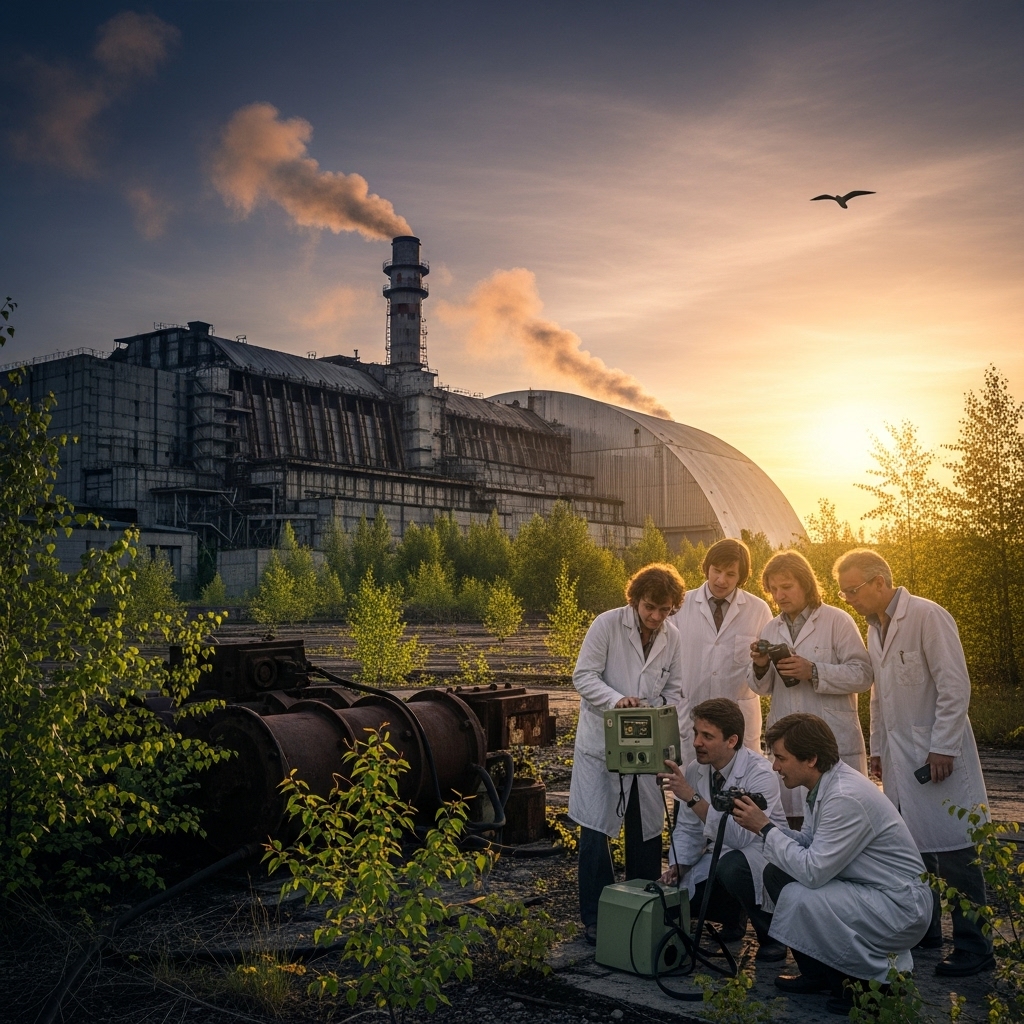
Key Dates and Timeline of Events
The timeline of the Chernobyl disaster is critical to understanding how the events unfolded. Here’s a brief overview of significant dates leading up to and following the accident:
- 1970: Construction of the Chernobyl Nuclear Power Plant begins.
- 1983: Reactor No. 4 starts operations.
- April 25, 1986: A safety test is scheduled for the night.
- April 26, 1986: The explosion occurs at 1:23 AM, leading to a fire and massive radioactive release.
- April 27, 1986: The first official announcement of the accident is made.
- May 1986: Evacuation of Pripyat begins, with over 49,000 residents relocated.
- 1986-1990: Chernobyl remains under containment, with ongoing efforts to manage the fallout.
The Chernobyl Nuclear Plant: Background Information
Location and Structure of the Plant
The Chernobyl Nuclear Power Plant is located near the town of Pripyat, approximately 66 miles north of Kyiv, Ukraine. I remember learning about the plant’s design, which was a Soviet model that combined four RBMK reactors. Each reactor was capable of producing 1,000 megawatts of electricity. The plant was once a significant power source for the region, and its construction was a point of pride for the Soviet Union. Walking through the abandoned areas, you could still feel the remnants of its past glory.
Types of Reactors Used
The reactors at Chernobyl were RBMK reactors, a type of nuclear reactor designed for the Soviet Union. These reactors had distinct features, like using graphite as a moderator and water as a coolant. While they were efficient, they also had significant design flaws that contributed to the disaster. I often think about how these design choices were made without considering the potential risks, which is a sobering reminder of the importance of safety in engineering.
Operational History Before the Accident
Before the disaster, Chernobyl operated for about three years, and it was seen as a vital part of the Soviet energy strategy. However, the plant also had a history of safety concerns and operational issues. Having read about several near misses prior to the explosion, I can’t help but feel a sense of dread about how complacency can lead to disaster. Workers discussed the pressure they faced to maintain high production levels, often at the expense of safety protocols. This culture of prioritizing output over safety can resonate with many industries today, making it a cautionary tale. Read Interesting article: Bird of Paradise Flower Meaning and Spiritual Symbolism – 8 Facts
The Night of the Accident: April 26, 1986
The Safety Test Gone Wrong
The night of April 25, 1986, began with a safety test designed to simulate a power outage and ensure that the reactor could cool itself during such events. I find it chilling to think about how a routine procedure could spiral out of control. The operators were under pressure to complete the test quickly, and there were lapses in communication and safety protocols. When I learned about the mismanagement during this test, I couldn’t help but feel for the workers who were caught in a perfect storm of errors and design flaws.
Immediate Causes of the Explosion
During the test, operators made a series of critical mistakes, including disabling safety systems and allowing the reactor’s power levels to drop too low. The combination of these actions, along with the reactor’s inherent design flaws, created an unstable situation. I think about how easy it is to overlook safety in the pursuit of efficiency, and this incident serves as a harsh reminder of the consequences of such oversights. The reactors became unstable, leading to a massive power surge that caused a steam explosion.
Reactor No. 4: What Happened?
Reactor No. 4 at Chernobyl was the site of the explosion that released enormous amounts of radioactive material into the atmosphere. When the reactor exploded, it not only destroyed the reactor core but also sent debris and radioactive particles high into the sky. I remember feeling a mix of horror and fascination when exploring the area later, seeing the remnants of such an event. The explosion created a fire that burned for ten days and released radiation over much of Europe, altering lives and landscapes forever.
Immediate Aftermath of the Explosion
Emergency Response and Evacuation
In the hours following the explosion, the gravity of the situation began to unfold. At first, there was confusion among the plant operators and local officials about the scale of the disaster. I can only imagine the panic that must have set in as they realized the severity of the situation. The emergency response was chaotic, with firefighters and staff rushing to contain the blaze without fully understanding the risks of radiation exposure. Many of them were exposed to high levels of radiation without proper protection, which is heartbreaking when I think about the sacrifices made by those first responders.
Evacuating the nearby city of Pripyat, home to about 49,000 residents, began about 36 hours after the explosion. I remember reading accounts of families hastily leaving their homes, taking only what they could carry. The entire process was disorganized and marked by a sense of urgency that left many feeling bewildered. The Soviet authorities initially told residents the evacuation would last only a few days, which must have added to their confusion and fear. I often think about the emotional toll this must have taken on people, being forced to abandon their lives so suddenly.
Firefighting Efforts and Containment
The firefighting efforts at Chernobyl were daunting. Firefighters battled the blaze that engulfed the reactor without fully knowing the extent of the radiation they were exposed to. I find it both inspiring and tragic how these brave men rushed into danger, working tirelessly to put out the fire, even as they faced life-threatening levels of radiation. Their determination to contain the disaster is a testament to their courage.
Containment efforts took on a new urgency as the days went by. A massive concrete sarcophagus was eventually built to encase the reactor and limit the spread of radioactive materials. I learned that this structure was put together in a hurry, and it was fascinating to see how quickly human ingenuity kicked in, even under such dire circumstances. However, I can’t help but reflect on the long-term implications of such a temporary solution, knowing the challenges that still lay ahead.
Radiation Release and Environmental Impact
The explosion at Reactor No. 4 released an estimated 400 times more radioactive material than the atomic bomb dropped on Hiroshima. This fact is mind-boggling, and it really hit home for me when I started to read about how far-reaching the contamination was. Radioactive particles spread over much of Europe, affecting not just Ukraine but also neighboring countries like Belarus and Russia, and even reaching as far as Scandinavia. I remember feeling a sense of disbelief as I learned about the wide-ranging consequences of a single explosion.
The environmental impact was devastating. Forests, lakes, and wildlife in the Chernobyl Exclusion Zone were all affected by radiation. I’ve seen photos that show the stark contrast between the vibrant life that once thrived in the area and the desolation left in the wake of the disaster. It’s haunting to think that nature had to adapt to the harsh realities of radiation. Over the years, I learned how some species surprisingly adapted to the changes, which is a mix of hope and tragedy, as life continues despite such an unnatural disaster. Read Interesting article: How to Plant Strawberries (Beginner-Friendly Guide)
Health Effects on the Local Population
Acute Radiation Syndrome (ARS)
One of the most immediate health effects from the Chernobyl disaster was Acute Radiation Syndrome (ARS). Those who were in close proximity to the explosion, especially plant workers and firefighters, faced severe health consequences. I remember reading personal stories from survivors, detailing the harrowing experiences of those who developed ARS. Symptoms like nausea, vomiting, fatigue, and hair loss manifested within days, creating a devastating impact on their lives.
It’s staggering to think that many of these individuals were exposed to life-threatening doses of radiation. The reality of ARS serves as a grim reminder of the dangers associated with radiation exposure. I feel a deep sense of empathy for those who suffered as a result, knowing that their lives were changed forever in a matter of moments.
Long-Term Health Consequences
The long-term health consequences of the Chernobyl disaster are still being studied today. I learned that many survivors have faced increased risks of thyroid cancer, especially among children who were exposed to radioactive iodine released during the explosion. It’s heartbreaking to read about how a generation of young people dealt with this fear and uncertainty in the years that followed. Many families were torn apart by the stress and health issues stemming from the disaster.
In my opinion, the long-term impact of Chernobyl underscores how vital it is to prioritize health and safety in all nuclear endeavors. It’s not just about the immediate aftermath; it’s about the generations that will carry the burden of such a disaster for years to come.
Impact on First Responders and Cleanup Workers
The first responders and cleanup workers, often referred to as “liquidators,” played an essential role in managing the disaster. However, their heroism came at a high cost. Many of them were exposed to high levels of radiation, leading to various health issues later in life. I find it incredibly moving to think about their sacrifices and the toll that the disaster took on them and their families. These individuals were often young and healthy, yet they faced life-altering health challenges due to their bravery.
It’s also worth noting that the psychological impact on these workers has been profound. Living with the knowledge that they were exposed to such dangerous conditions can lead to anxiety, depression, and a range of other emotional struggles. I believe their stories deserve to be heard and honored, as they remind us of the human cost of nuclear disasters and the importance of protecting those who put themselves in harm’s way to help others.
Government Response and Public Reaction
Soviet Union’s Initial Response
The initial response from the Soviet Union to the Chernobyl disaster was bewildering and, in many ways, tragic. I find it astonishing how the authorities underestimated the situation in those critical hours. In the aftermath of the explosion, there was a significant lack of transparency, which only fueled confusion and panic. I remember reading accounts of how local officials were hesitant to acknowledge the severity of the incident, opting instead for a calm demeanor while chaos reigned on the ground. This led to a delayed evacuation and insufficient communication with the public, leaving many residents unaware of the real dangers they faced.
As the scale of the disaster became evident, the Soviet leadership scrambled to manage the situation. I often think about the pressure they must have felt, trying to maintain a facade of control while grappling with a crisis of unprecedented proportions. The government’s initial reluctance to admit the full extent of the fallout, both literally and figuratively, highlighted a culture of secrecy and denial. In those early days, many officials prioritized the reputation of the Soviet Union over the safety of its citizens, which is a harsh reality to confront.
International Reaction and Media Coverage
The international reaction to Chernobyl was swift and filled with shock. I remember how news spread quickly across the globe, with reports of the disaster capturing headlines for weeks. It was fascinating yet horrifying to witness how the world responded—countries mobilized to monitor radiation levels and provide assistance, while others expressed outrage at the Soviet Union’s handling of the situation. The media coverage was relentless, and I can imagine how overwhelming it must have been for the people affected by the disaster to see their lives splashed across television screens and newspapers.
In my opinion, this incident served as a crucial turning point in the global perception of nuclear energy and its risks. The images of the burning reactor and the evacuation of Pripyat painted a stark picture of the potential dangers associated with nuclear power. I often think about how this coverage shaped public opinion, sparking debates about nuclear safety that continue today. The horror of Chernobyl forced many nations to re-evaluate their own nuclear capabilities and the safety measures in place.
Evacuation of Pripyat and Surrounding Areas
The evacuation of Pripyat and the surrounding areas remains one of the most emotional aspects of the Chernobyl disaster for me. I’ve read countless personal stories of families who were abruptly uprooted from their homes, leaving behind their possessions and memories. The chaotic scenes during the evacuation were filled with confusion, and I can only imagine how terrifying it must have felt to be told to leave everything behind. Many residents thought they would return in a few days, and that uncertainty must have weighed heavily on their hearts.
The evacuation process began over thirty-six hours after the explosion, which is hard to comprehend given the severity of the situation. I often reflect on how disorganized it was—people were instructed to leave immediately, yet many were given little information about the dangers they faced. The anxiety and fear of leaving their homes, forever altered by the disaster, must have been overwhelming. Walking through the empty streets of Pripyat today, I can still sense the echoes of those moments. It’s haunting to think about the lives that were irrevocably changed in such a short period.
As the evacuation expanded to include a larger exclusion zone, I found it heart-wrenching to learn about the long-term implications for those who were relocated. Many families were never able to return home, and the emotional scars of leaving their lives behind lingered for years. It’s a bittersweet reality that reminds us of the human cost of such disasters, where entire communities were dismantled in the name of safety. The stories of those affected by the evacuation are a testament to the resilience of the human spirit, even in the face of unimaginable loss.
Containment and Cleanup Efforts
Construction of the Sarcophagus
In the aftermath of the Chernobyl disaster, one of the most urgent tasks was to contain the radioactive material released into the environment. I’ve always been struck by the sheer scale of the containment efforts, particularly the construction of the sarcophagus that would encapsulate Reactor No. 4. The urgency of the situation pushed workers to build this massive concrete structure in a matter of months. I remember feeling a sense of awe when I learned about the dedication and bravery of the workers who risked their health to complete this daunting task under extreme circumstances.
The sarcophagus was designed to limit radiation release and protect the surrounding area, but I often wonder about the long-term effectiveness of such a hastily constructed solution. As time went on, it became clear that the sarcophagus was not a permanent fix, and the challenges of managing the site continued. The ongoing efforts to monitor and maintain the structure reflect the complexities of dealing with a disaster of this scale. I think about the lessons learned from these efforts and how crucial it is to prioritize safety and proper planning in such high-stakes situations.
Exclusion Zone: Definition and Purpose
The Chernobyl Exclusion Zone was established as a protective measure to limit human exposure to radiation. I find it fascinating yet eerie to think about the vast area that was deemed too dangerous for human habitation. Spanning roughly 1,000 square miles, this zone serves as both a reminder of the disaster and a space for scientific research. It’s intriguing to see how nature has begun to reclaim the land, with wildlife flourishing in areas once populated by humans. I often feel a mix of hope and sadness when I think about how life can adapt and thrive, even in the most adverse conditions.
The Exclusion Zone also serves as a living laboratory for studying the long-term effects of radiation on the environment. Researchers have conducted numerous studies in the area, examining everything from the health of local wildlife to the impact of radiation on plant life. I believe that understanding these dynamics is crucial for future nuclear safety and environmental protection efforts. The fact that nature continues to find a way to persevere amidst the remnants of such a catastrophe is a testament to resilience.
Current State of Chernobyl and Ongoing Projects
Today, the site of the Chernobyl disaster is a complex mix of history, environmental recovery, and ongoing management. I’ve often read about the various projects aimed at ensuring safety and preserving the legacy of what happened there. The New Safe Confinement structure, which was completed in 2016, is a significant step forward in containing the radioactive remnants of the disaster. I remember feeling a sense of optimism when I learned about this new containment facility, designed to secure the old sarcophagus and allow for the eventual dismantling of the reactor.
However, the challenges of managing the Chernobyl site are far from over. The ongoing monitoring and cleanup efforts are a constant reminder of the long-lasting impact of the disaster. I often think about how vital it is to learn from Chernobyl and ensure that safety protocols are in place worldwide. The lessons learned from this tragedy should resonate with us, reminding us of the importance of accountability and vigilance when it comes to nuclear energy and public safety.
Frequently Asked Questions
What was the Chernobyl disaster?
The Chernobyl disaster was a catastrophic nuclear accident that occurred on April 26, 1986, at the Chernobyl Nuclear Power Plant in Ukraine, leading to widespread contamination and long-term repercussions for health, environment, and politics.
Where is Chernobyl located?
Chernobyl is a city in Ukraine, located near the town of Pripyat, approximately 66 miles north of Kyiv.
What type of reactors were used at Chernobyl?
The reactors at Chernobyl were RBMK reactors, which used graphite as a moderator and water as a coolant. They were designed for efficiency but had significant design flaws that contributed to the disaster.
What caused the explosion at Chernobyl?
The explosion occurred during a safety test on April 26, 1986, when operators made critical mistakes, including disabling safety systems and allowing the reactor’s power levels to drop too low, leading to an unstable situation and a massive power surge.
What immediate health effects did the disaster have on individuals near Chernobyl?
One of the immediate health effects was Acute Radiation Syndrome (ARS), which affected those in close proximity to the explosion, particularly plant workers and firefighters, causing symptoms like nausea, vomiting, fatigue, and hair loss.
What was the initial response from the Soviet Union following the disaster?
The initial response from the Soviet Union was marked by confusion and a lack of transparency, which delayed the evacuation and left many residents unaware of the dangers they faced.
How many residents were evacuated from Pripyat?
Over 49,000 residents were evacuated from Pripyat, beginning about 36 hours after the explosion.
What is the purpose of the Chernobyl Exclusion Zone?
The Chernobyl Exclusion Zone was established to limit human exposure to radiation and spans roughly 1,000 square miles. It also serves as a space for scientific research on the long-term effects of radiation on the environment.
What was built to contain the radioactive material released during the disaster?
A massive concrete sarcophagus was constructed to encase Reactor No. 4 and limit the spread of radioactive materials, although it became clear over time that it was not a permanent solution.
What ongoing projects are there at the Chernobyl site today?
Today, ongoing projects include the New Safe Confinement structure, completed in 2016, which secures the old sarcophagus and allows for the eventual dismantling of the reactor, as well as continuous monitoring and cleanup efforts to manage the site.