
If plant roots are damaged, the plant struggles to absorb nutrients and water, leading to poor growth and health. I’ve seen firsthand how even minor root issues can affect the entire plant, so understanding root health is crucial for any gardener. For instance, knowing the difference between animal and plant cells can help in understanding how plants function.
Understanding Plant Roots
What Are Plant Roots?
Plant roots are the underground structures that anchor a plant in the soil. They also play a vital role in absorbing water and nutrients from the surrounding environment. Roots can vary significantly in size, shape, and function depending on the plant species. When I first started gardening, I didn’t realize just how essential roots are; they’re like the plant’s lifeline, hidden beneath the surface but so critical for growth and health. This importance can be compared to how we think about the timing of planting flowers, such as when to plant roses for the best blooms.
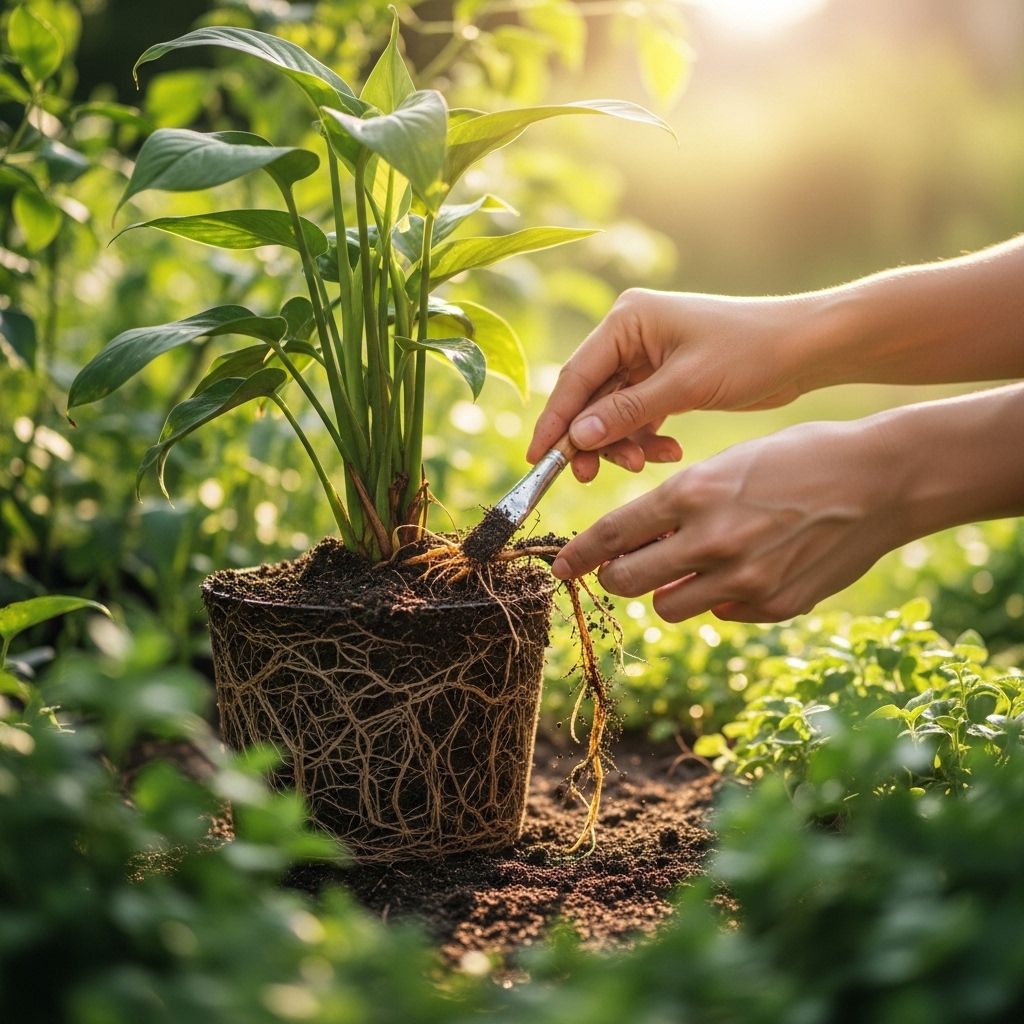
The Role of Roots in Plant Health
Roots serve several important functions. Primarily, they anchor the plant in place, preventing it from being toppled by wind or rain. This stability is crucial for young plants, which may be more susceptible to environmental stressors. Roots also facilitate nutrient and water uptake, which are essential for photosynthesis and overall plant vitality. I recall a time when I neglected my plants’ root systems, and it quickly became apparent that they were suffering—flimsy stems and discolored leaves were glaring signs that something was wrong.
Types of Plant Roots
There are various types of plant roots, each serving different purposes. The most common types include:
- Taproots: These are thick, central roots that grow deep into the soil, providing stability and accessing water from deeper soil layers. Carrots and dandelions are great examples of plants with taproots.
- Fibrous Roots: These consist of many thin roots that spread out close to the soil surface. Grasses typically have fibrous roots, which help prevent soil erosion.
- Aerial Roots: Some plants, like orchids, use aerial roots to absorb moisture and nutrients from the air. This adaptation allows them to thrive in diverse environments.
Understanding the type of roots your plants have can guide you in caring for them effectively. For instance, taproots need well-drained soil to prevent rot, while fibrous roots thrive in richer, more organic materials. Additionally, learning about root systems can help in other gardening endeavors, such as how to grow a pineapple plant from the top.
Causes of Root Damage
Physical Damage
Physical damage can occur during repotting, transplanting, or even while weeding. I remember when I was moving a young tree from one spot to another, and I inadvertently broke some of its delicate roots. This mistake set back the tree’s growth significantly. Roots can also be damaged by tools like shovels or trowels if we’re not careful while working in the garden.
Environmental Stressors
Environmental factors such as extreme temperatures, drought, and flooding can lead to root damage. For example, during a particularly hot summer, I noticed that some of my plants were wilting despite regular watering. Upon inspection, I found that the heat had caused the soil to dry out faster than I realized, leading to root stress. Similarly, excessive rainfall can saturate the soil, depriving roots of oxygen and causing rot. It’s crucial to monitor weather conditions and adjust our care accordingly.
Pest Infestation
Pests like root-knot nematodes and grubs can wreak havoc on root systems. I’ve faced battles with pests in my garden, and it was alarming to see how quickly they could impact plant health. These pests feed on roots, leading to stunted growth and increased vulnerability to diseases. Regularly checking for signs of pest activity is essential to prevent these issues.
Diseases Affecting Roots
Root diseases caused by fungi, bacteria, or viruses can lead to severe damage. For instance, I once lost several plants to root rot, which was caused by a fungal infection that thrived in overly wet conditions. This experience taught me the importance of proper drainage and soil health in preventing disease. Recognizing the symptoms early can be the difference between saving a plant and losing it entirely.
Signs of Damaged Roots
Visual Indicators
One of the first signs that a plant may have damaged roots is wilting or drooping leaves, even when the soil is adequately moist. I’ve seen this happen when root damage went unnoticed. Other visual indicators include discolored leaves (yellowing or browning), stunted growth, and poor flowering or fruiting. Keeping an eye out for these signs can help us catch problems early.
Symptoms of Stress in Plants
In addition to visual indicators, plants may exhibit symptoms of stress, such as leaf drop or a change in growth patterns. When I noticed some of my plants were dropping leaves unexpectedly, I realized I needed to investigate their root systems. Stress can manifest in various ways, and understanding these signs can help us address root issues before they escalate.
Common Diseases Linked to Root Damage
Some diseases commonly linked to root damage include damping-off disease, root rot, and crown rot. These diseases can be insidious, often showing up when we least expect them. I learned this the hard way when I lost several seedlings to damping-off, which thrives in damp and crowded conditions. Regularly inspecting our plants and ensuring good air circulation can minimize these risks.
What Happens When Roots Are Damaged?
Impact on Nutrient Absorption
When roots are damaged, their ability to absorb nutrients diminishes significantly. I’ve seen this firsthand; after a bout of root damage, my plants struggled to thrive as they lacked essential nutrients. Without healthy roots, the entire plant can suffer, leading to poor growth and overall vitality. Nutrient deficiencies can manifest as yellowing leaves, weak stems, and poor flowering.
Water Uptake Issues
Water uptake is another critical function impacted by root damage. If roots can’t effectively draw in water, plants will begin to wilt, even if we’re watering them regularly. I remember a summer when my tomato plants looked great at first, but after a few weeks, they started drooping. Upon inspection, I realized that some of the roots had been damaged during transplanting, which severely affected their ability to absorb water.
Overall Plant Health and Growth
Ultimately, damaged roots can lead to a decline in overall plant health and growth. When I’ve faced issues with root damage in my garden, it often resulted in smaller yields and weaker plants. A healthy root system is crucial for a thriving plant; without it, plants become more susceptible to diseases, pests, and environmental stressors. Recognizing the importance of roots has changed the way I approach gardening, and I now prioritize their health above all else.
Immediate Actions to Take
Assessing the Extent of Damage
When I suspect that a plant’s roots may be damaged, the first step I take is to assess the situation. Gently lifting the plant out of its pot or examining the root zone can provide valuable insights. I remember the first time I did this; I was shocked to find that the roots of my beloved basil plant were mushy and brown, a classic sign of root rot. It can be a little daunting to disturb the plant, but getting a clear picture of the root condition is vital. I recommend looking for healthy, white roots—these are a sign of vitality. If you see dark or soggy roots, it’s a red flag that something is wrong. Noticing these signs early can help us take steps to revive our plants before it’s too late.
Pruning Damaged Roots
Once I’ve assessed the extent of the damage, the next logical step is pruning any damaged roots. I learned this technique after losing a few plants to rot because I hesitated to cut away the affected parts. Using clean, sharp scissors or pruning shears, I carefully remove any mushy or rotten roots while ensuring I don’t damage the healthy ones. I find it helpful to prune back around one-third of the root system if the damage is significant. This may seem harsh, but it actually encourages new growth. After pruning, I always feel a sense of relief, knowing I’ve done something proactive for my plant’s recovery.
Replanting Techniques
Replanting is an essential part of helping my plants bounce back. After pruning, I make sure to use fresh, well-draining soil. I used to think that reusing old soil was a good idea to save resources, but I quickly realized this could introduce pathogens. Upon replanting, I carefully place the plant back in its pot, ensuring the roots have enough space to spread out. I also make sure to plant at the same depth it was before, as burying the crown can lead to further issues. After replanting, I give the soil a good watering, but I make sure not to overdo it. This helps settle the soil and provides the roots with a fresh start.
Long-Term Solutions for Recovery
Soil Health and Amendments
Once my plants are reestablished, I focus on long-term solutions to promote healthy root systems. Good soil health is paramount. I often mix in organic amendments like compost or worm castings to enrich the soil. I remember the difference I saw after incorporating compost; my plants thrived! These amendments not only provide essential nutrients but also improve soil structure and drainage. If I notice the soil isn’t draining well, I’ll consider adding perlite or sand to improve aeration. Keeping the soil healthy creates a supportive environment for roots to recover and grow strong.
Fertilization Strategies
Fertilization also plays a crucial role in root recovery. After a plant has experienced root damage, I tend to go easy on the fertilizers at first, as too much can stress the plant even further. I usually start with a diluted, balanced fertilizer after a couple of weeks, allowing my plants to receive the nutrients they need without overwhelming them. I’ve found that liquid fertilizers work well for this purpose, as they are easier for recovering roots to absorb. Observing the plant’s response to fertilizer helps me gauge when to adjust my approach, whether that means increasing or decreasing the frequency and dosage.
Watering Techniques for Recovery
Watering techniques are another important consideration during the recovery phase. I learned the hard way that overwatering can be just as damaging as underwatering, especially for plants with compromised roots. I now take extra care to check the moisture level in the soil before watering. The top inch of soil should feel dry to the touch before I add more water. I often use a moisture meter for extra assurance, particularly with plants that are more sensitive. Additionally, I try to water deeply but less frequently, encouraging roots to reach further into the soil for moisture. This method has helped my plants develop stronger root systems over time.
Preventing Future Root Damage
Best Practices for Plant Care
To prevent future root damage, I’ve adopted several best practices for plant care. Regular monitoring of soil moisture and root health has become a routine part of my gardening process. I also pay attention to the environment—making sure my plants are not exposed to extreme temperatures or harsh conditions. I remember when I lost a few plants due to sudden temperature drops; it was a harsh lesson that taught me to be proactive rather than reactive.
Choosing the Right Soil
Selecting the right soil for my plants has made a significant difference as well. I now choose potting mixes tailored to the specific needs of my plants, whether they require good drainage or moisture retention. For instance, I use cactus mix for succulents and a richer blend for my houseplants. This conscious choice helps ensure that my plants thrive without putting unnecessary stress on their roots.
Effective Pest and Disease Management
Lastly, I’ve learned the importance of implementing effective pest and disease management strategies. Regularly inspecting my plants for signs of pests or disease allows me to catch issues early on. I use organic pest control methods when possible, as I prefer to keep my garden healthy and chemical-free. I’ve found that companion planting can also help deter pests naturally while supporting the overall health of my plants. By taking these preventive measures, I’ve been able to cultivate a thriving garden with resilient roots.
Frequently Asked Questions
What are plant roots and their primary functions?
Plant roots are underground structures that anchor a plant in the soil and absorb water and nutrients from the surrounding environment. They provide stability, facilitate nutrient and water uptake, and are crucial for the plant’s growth and health.
What are the different types of plant roots?
The most common types of plant roots include taproots, which are thick and grow deep into the soil; fibrous roots, which consist of many thin roots that spread out close to the soil surface; and aerial roots, which absorb moisture and nutrients from the air, as seen in plants like orchids.
What are some causes of root damage?
Root damage can be caused by physical damage during repotting or weeding, environmental stressors like extreme temperatures and flooding, pest infestations from organisms like root-knot nematodes, and diseases caused by fungi, bacteria, or viruses.
What are the visual indicators of root damage?
Visual indicators of root damage include wilting or drooping leaves, discolored leaves (yellowing or browning), stunted growth, and poor flowering or fruiting. These signs can help gardeners identify root problems early.
How does root damage impact plant health?
When roots are damaged, their ability to absorb nutrients and water diminishes, leading to poor growth and vitality. Plants may exhibit symptoms like yellowing leaves, weak stems, and reduced yields as a result of root issues.
What immediate actions should be taken if root damage is suspected?
Immediate actions include assessing the extent of the damage by examining the root zone, pruning any damaged roots with clean tools, and replanting the plant in fresh, well-draining soil to promote recovery.
What long-term solutions can help with root recovery?
Long-term solutions include improving soil health by adding organic amendments like compost, implementing appropriate fertilization strategies by starting with diluted fertilizers, and adjusting watering techniques to avoid overwatering while ensuring roots can access moisture.
What best practices can prevent future root damage?
Best practices include regularly monitoring soil moisture and root health, selecting the right soil for specific plant needs, and implementing effective pest and disease management strategies to catch issues early and maintain plant health.
How can soil health be improved for better root systems?
Soil health can be improved by mixing in organic amendments like compost or worm castings, which provide essential nutrients and enhance soil structure and drainage, creating a supportive environment for roots.
What role does fertilization play in root recovery?
Fertilization plays a crucial role in root recovery by providing essential nutrients. It is recommended to start with diluted fertilizers after a couple of weeks post-damage to avoid overwhelming the recovering plant.