
Herbs can be planted together to create a thriving garden if you choose the right pairings. Some combinations enhance growth and flavor, while others can hinder development or attract pests. Read Interesting article: Grow Vietnamese Coriander: Best Tips for a Delicious Herb Harvest
Understanding Companion Planting
What is Companion Planting?
Companion planting is the practice of growing different plants close to each other for mutual benefits. I first learned about companion planting when I started my herb garden, and it completely changed how I approached gardening. It’s fascinating how some plants can complement each other, while others can create a more challenging growing environment. For herbs, this means that certain pairings can enhance growth, flavor, and even pest resistance. By understanding which herbs work well together, we can maximize our garden’s potential and enjoy more bountiful harvests.
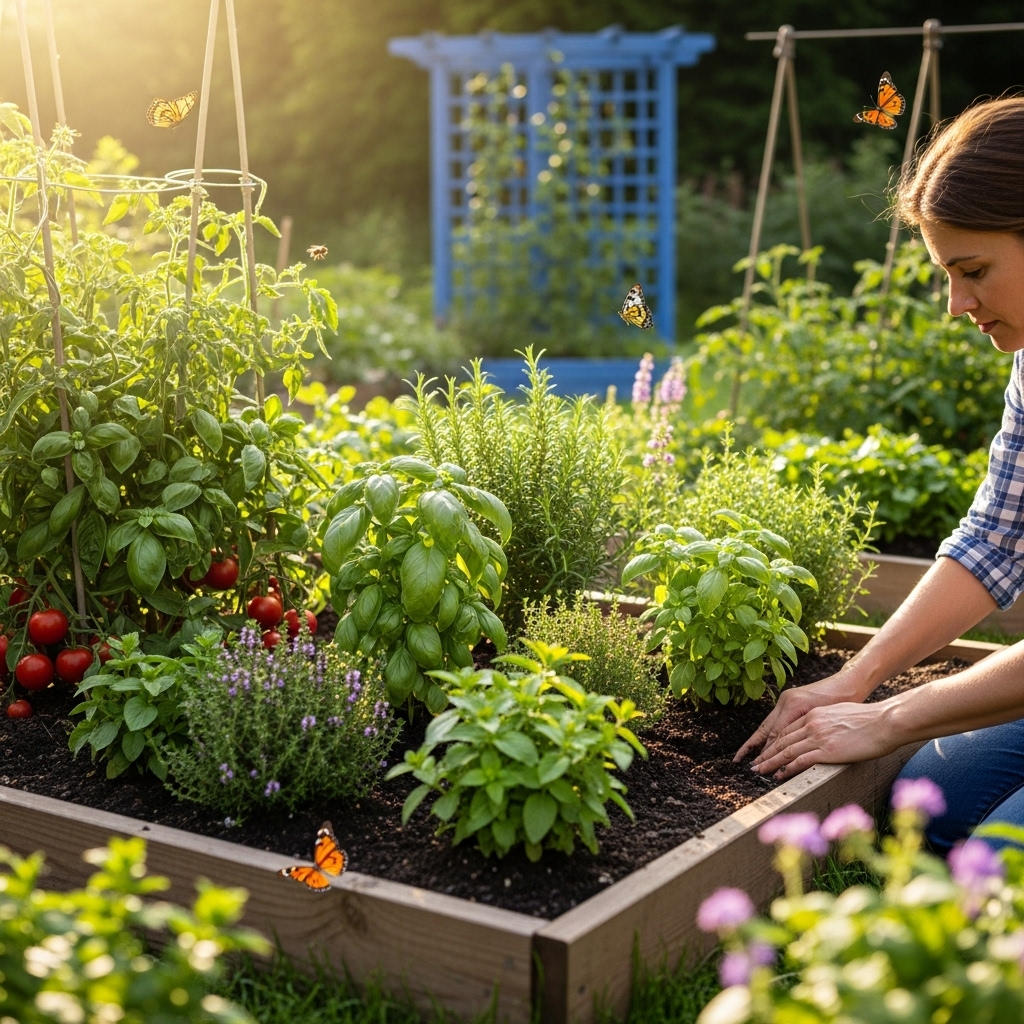
Benefits of Companion Planting for Herbs
In my experience, the benefits of companion planting go beyond just aesthetics. Here are some of the key advantages I’ve found:
- Pest Control: Certain herbs can deter pests when planted alongside other plants. For instance, I discovered that planting basil near tomatoes can help keep pests at bay.
- Enhanced Flavor: Some herbs can improve the taste of neighboring plants. I remember when I grew cilantro near my peppers; the combination made both the peppers and the cilantro taste even better.
- Improved Growth: Companion planting can create a more balanced ecosystem in your garden, promoting healthier plants. I’ve noticed that my basil grows more robustly when paired with other herbs like parsley.
- Space Utilization: By planting herbs that grow well together, we can make the most of our garden space. I often find that vertical growth patterns of certain herbs allow me to pack in more plants without overcrowding. Read Interesting article: 7 Bucket Gardening Tips for Strong Root Growth
Factors to Consider When Pairing Herbs
When pairing herbs, it’s essential to think about several factors to ensure they thrive together. Here are the key elements I’ve learned to consider:
- Growth Habits: Some herbs grow tall and need space, while others are low and bushy. I’ve had a few mishaps when planting tall herbs next to smaller ones, often leading to some plants being overshadowed.
- Water Needs: Different herbs have varying water requirements. I’ve found that grouping herbs like mint, which thrives in moist conditions, with drought-tolerant herbs can lead to one or both plants suffering.
- Sunlight Requirements: It’s crucial to ensure that all the herbs in a pairing require similar sunlight conditions. I’ve learned the hard way that planting sun-loving herbs alongside shade-preferring ones leads to unhappy plants.
- Flavor Compatibility: Some herbs can enhance each other’s flavors, while others may clash. For instance, I love how oregano and thyme pair together, but I wouldn’t dream of mixing mint with anything else because its flavor can overpower.
Key Herbs and Their Ideal Pairings
Basil
Best Companion Herbs
Basil is one of my favorite herbs, and it thrives in a garden with the right companions. I’ve had great success pairing basil with tomatoes, as they benefit from each other’s growth. The aromatic oils from basil can also help deter pests that typically bother tomato plants. Another great pairing is basil with oregano; both enjoy similar growing conditions and flavors that complement each other in the kitchen.
Herbs to Avoid
However, not all herbs mix well with basil. I learned that planting basil alongside mint can lead to competition for nutrients. Mint tends to be quite aggressive in its growth, which can overshadow basil. Also, avoid pairing basil with rue, as they don’t get along and can inhibit each other’s growth.
Parsley
Best Companion Herbs
Parsley is versatile and pairs well with a variety of herbs. I often plant it alongside basil and chives. These combinations not only provide a fantastic flavor palette for cooking but also promote healthy growth. I’ve found that planting parsley with carrots is beneficial too, as the two can help each other thrive.
Herbs to Avoid
On the flip side, parsley doesn’t do well when planted next to cilantro. They compete for similar resources, which can stunt growth for both. Also, avoid planting parsley with sage, as their growth patterns can clash, leading to poor yields.
Cilantro
Best Companion Herbs
Cilantro, with its unique flavor, has particular preferences when it comes to companions. I’ve discovered that cilantro thrives with dill and chives. These herbs all enjoy similar growing conditions and can enhance each other’s flavor profiles in dishes. I often use them together in recipes, making this pairing a natural choice for my garden.
Herbs to Avoid
However, I’ve learned to avoid planting cilantro with fennel. Fennel can inhibit cilantro’s growth, leading to a less fruitful harvest. Additionally, cilantro doesn’t play well with mint, as they can compete for nutrients and space.
Mint
Best Companion Herbs
Mint is a vigorous grower, and in my experience, it pairs well with rosemary and thyme. These herbs can coexist without too much competition, and the flavors complement each other beautifully in cooking. I often use this trio to create delightful herbal teas or seasoning blends.
Herbs to Avoid
However, I’ve learned to be careful with mint’s aggressiveness. Avoid pairing mint with any herb that might be overrun, such as basil or parsley. Mint can quickly spread and take over, leaving little room for its companions.
Thyme
Best Companion Herbs
Thyme is another favorite of mine, especially because it shares great company with many herbs. I love pairing it with rosemary and oregano. They not only thrive under similar conditions but also provide complementary flavor profiles in various dishes. Plus, I find that they all help deter pests, creating a healthier growing environment.
Herbs to Avoid
However, I’ve noticed that thyme doesn’t do well with parsley. Their growth habits and nutrient needs can clash, which can lead to disappointing results. Also, avoid planting thyme near mint, as mint’s aggressive growth can overshadow thyme’s more delicate nature.
Rosemary
Best Companion Herbs
Rosemary is a strong herb that pairs nicely with sage and thyme. I often plant these three together in my garden because they thrive in the same conditions and have similar watering needs. Plus, the flavors are harmonious, making them a staple in many of my favorite dishes.
Herbs to Avoid
However, rosemary doesn’t get along with basil or mint. I’ve learned that these herbs require different moisture levels, and rosemary’s preference for drier conditions can lead to problems if planted together.
Oregano
Best Companion Herbs
Oregano is a powerhouse herb that I always ensure is included in my garden. It pairs well with basil and thyme, as they all enjoy similar growing conditions. I often use them together in Italian dishes, creating a wonderful harmony of flavors.
Herbs to Avoid
On the other hand, I’ve found that oregano should not be planted with cilantro. Their growth patterns and moisture requirements can clash, leading to a less than ideal gardening experience. Also, avoid planting oregano near mint, as mint can quickly take over and hinder oregano’s growth.
Sage
Best Companion Herbs
Sage is a robust herb that thrives when planted alongside rosemary and thyme. These three herbs create a lovely aromatic garden that enhances the flavors of many dishes. I’ve had great success using them together in roasted meats and vegetables.
Herbs to Avoid
However, sage doesn’t do well with parsley or cilantro. Their different growth patterns and nutrient needs can lead to competition, which is why I make sure to keep them apart in my garden.
Herb Pairing Strategies for Gardeners
Creating Herb Gardens by Theme
One of the most enjoyable aspects of gardening for me has been creating themed herb gardens. It not only organizes my space but also makes it easier to plan my cooking around the herbs I grow. Here are two themes I’ve experimented with:
Italian Herb Garden
When I decided to create an Italian herb garden, I filled it with basil, oregano, rosemary, and thyme. These herbs are staples in Italian cuisine, and having them all in one place simplifies meal prep. I remember the first time I made a homemade marinara sauce using my freshly picked basil and oregano. The flavor was simply unmatched! To ensure they thrive together, I made sure to group them based on their similar sunlight and water needs. This theme not only looks beautiful but also makes cooking feel more enjoyable and convenient.
Medicinal Herb Garden
Another theme I explored is a medicinal herb garden. I included herbs like chamomile, echinacea, and peppermint. I’ve always been interested in natural remedies, so this garden allows me to create teas and tinctures right from my backyard. I learned that these herbs not only offer health benefits but also attract beneficial insects to my garden, which helps with pest control. By creating this theme, I feel like I’m harnessing the power of nature for my well-being.
Using Vertical Space for Pairing
Space can be a challenge, especially if you have a small garden or limited pots. I’ve found that utilizing vertical space can be a game-changer. By planting herbs like climbing peas or using trellises for plants like cucumbers, I can maximize my growing area. I’ve discovered that herbs like basil and oregano can also thrive in hanging planters. This not only saves ground space but adds a lovely visual element to my garden. It’s a great way to create a lush, green environment without feeling cramped.
Seasonal Considerations for Herb Pairings
Timing is everything when it comes to gardening. I’ve learned that seasonal changes can significantly affect how well my herbs grow together. For example, some herbs thrive in cooler temperatures, while others prefer the heat of summer. I remember planting my cilantro in early spring, only to find it bolted as soon as the temperatures rose. To avoid this, I’m now careful to plant heat-loving herbs like basil and oregano only after the last frost. This way, I can enjoy a longer growing season for all my favorites.
Additionally, I’ve started to consider companion planting as a seasonal strategy. For example, I’ve noticed that planting dill with my cucumbers in the summer helps with growth and flavor. In the fall, I often plant hardy herbs like sage and thyme, which can withstand cooler weather. By thinking seasonally, I ensure that my herb garden remains productive throughout the year.
Common Mistakes in Herb Pairing
Neglecting Growth Habits
One of the biggest mistakes I made early on was not paying enough attention to the growth habits of my herbs. I remember planting tall herbs like mint alongside shorter ones, like chives, without considering how mint would take over. I’ve learned that understanding each plant’s growth pattern is crucial for a thriving garden. Now, I always check how tall or bushy each herb gets before planting them together. This simple step has saved me from a lot of frustration and wasted time!
Ignoring Soil and Sunlight Needs
Another mistake I’ve made is ignoring the specific soil and sunlight needs of different herbs. Some herbs, like rosemary, thrive in well-draining soil and prefer full sun, while others, like cilantro, enjoy a bit of shade and moisture. I once planted cilantro in a spot that got too much direct sunlight, and it quickly bolted. Since then, I’ve been more diligent about researching the ideal conditions for each herb before I plant them. This has made a world of difference in the health and productivity of my garden.
Overcrowding Plants
I’ve also learned the hard way about the dangers of overcrowding my herbs. I was so excited to plant a variety of herbs in one pot that I didn’t consider how each one would compete for space and nutrients. The result? Stunted growth and a less productive garden. Now, I give each herb the space it needs to flourish. Whether I’m planting in pots or directly in the garden, I make sure to adhere to spacing guidelines to ensure each plant gets the resources it needs. Read Interesting article: 15 Bucket Gardening Tips for Beginners at Home
Frequently Asked Questions
What is companion planting?
Companion planting is the practice of growing different plants close to each other for mutual benefits, such as enhanced growth, flavor, and pest resistance.
What are the benefits of companion planting for herbs?
Some key advantages include pest control, enhanced flavor, improved growth, and better space utilization in the garden.
What factors should I consider when pairing herbs?
Key factors include growth habits, water needs, sunlight requirements, and flavor compatibility among the herbs.
Which herbs are good companions for basil?
Basil pairs well with tomatoes and oregano, as they benefit from each other’s growth and have similar growing conditions.
Which herbs should be avoided when planting parsley?
Parsley does not do well when planted next to cilantro or sage, as they compete for resources and can lead to poor growth.
What herbs are ideal companions for cilantro?
Cilantro thrives with dill and chives, as they enjoy similar growing conditions and can enhance each other’s flavors.
How can I maximize space in my herb garden?
Utilizing vertical space, such as planting climbing peas or using trellises for certain herbs, can help maximize growing areas in a small garden.
What common mistakes should I avoid in herb pairing?
Common mistakes include neglecting growth habits, ignoring soil and sunlight needs, and overcrowding plants, which can lead to stunted growth and poor productivity.
What herbs should I avoid pairing with mint?
Mint should not be planted with basil or parsley, as its aggressive growth can overshadow these herbs.
How does the season affect herb pairings?
Seasonal changes can significantly impact how well herbs grow together; some herbs thrive in cooler temperatures while others prefer warmer conditions, so timing is crucial for successful pairings.