
The nettle plant is a hardy, perennial herb known for its stinging hairs and various uses, from culinary to medicinal. I’ve discovered that while it can be intimidating due to its sting, it also offers a wealth of benefits that are worth exploring. Read Interesting article: Scilla Flower Meaning (Squill) And Symbolism – Know Everything
Overview of the Nettle Plant
What is a Nettle Plant?
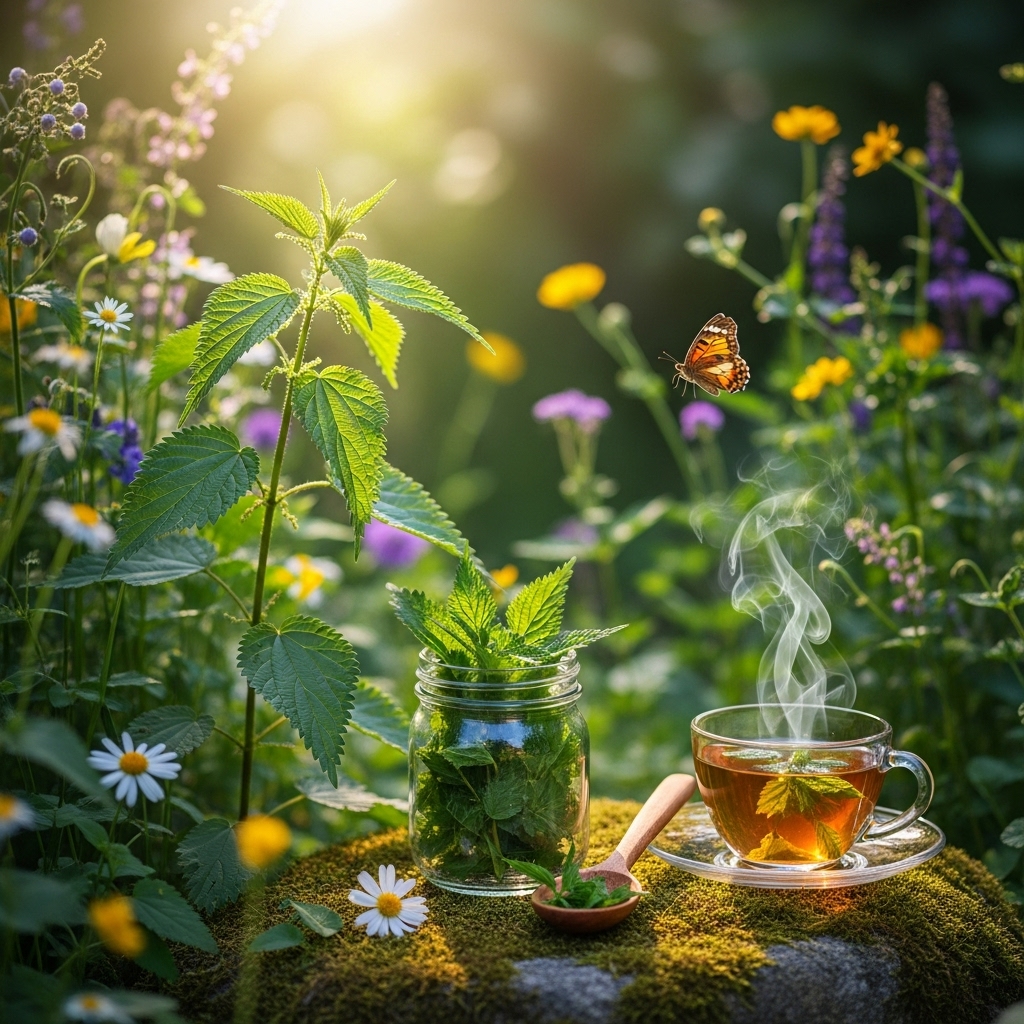
The nettle plant, belonging to the Urticaceae family, is commonly recognized by its serrated, heart-shaped leaves and tiny, stinging hairs. There are several species of nettle, with stinging nettle (Urtica dioica) being the most well-known. When brushed against, these hairs can deliver a sharp sting, causing a mild burning sensation. Despite this, nettles have been valued for centuries for their nutritional and medicinal properties.
Common Species of Nettle
When I first started researching nettles, I was surprised to learn that there are over 50 different species around the world! However, the most notable ones are:
- Stinging Nettle (Urtica dioica): Found in temperate regions, this species is rich in nutrients and often used in cooking and herbal medicine.
- Small Nettle (Urtica urens): A smaller version of the stinging nettle, it also carries the same sting but is less commonly used.
- Roman Nettle (Urtica pilulifera): This variety is mainly found in southern Europe and has a historical connection to Roman medicinal practices.
Each species has its unique characteristics, but they all share that signature sting. It’s essential to identify the right type before harvesting for personal use.
Historical Significance of Nettle
Nettles have played a prominent role in human history. I was fascinated to learn that ancient civilizations utilized nettles for various purposes. In fact, the Romans used them for warmth, weaving the fibers into textiles. During the Middle Ages, they were a common food source and were even used to treat ailments. They believed that nettles could help with everything from arthritis to colds. In some cultures, nettles were considered a symbol of protection and were used in rituals. Today, there’s a resurgence of interest in this ancient herb, with modern science beginning to validate many of its historical uses. Read Interesting article: How to Plant Corn for a Bigger Harvest
Identification of Nettle
Physical Characteristics
Identifying nettle plants isn’t too complicated once you know what to look for. During my walks in nature, I’ve come to recognize their distinct features.
Leaves
Nettle leaves are key to identification. They are typically serrated and can grow up to 4 to 6 inches long. The leaves are dark green and have a slightly hairy texture due to the stinging hairs, which can be quite deceptive. I remember the first time I accidentally brushed against one—ouch! The sting is real, but so is the nutrient content packed into these leaves, filled with vitamins A, C, K, and several B vitamins.
Stems
The stems of nettles are square-shaped and covered in stinging hairs, which can be quite bothersome if you’re not careful. They can grow anywhere from 2 to 4 feet tall, and the stems often have a slightly greenish hue. If you’re looking to harvest them, wearing gloves is a must to avoid an unpleasant encounter with the sting!
Flowers
Nettle flowers are small and often appear in clusters on the stem. They’re usually a greenish-yellow color and can be easy to miss. When in bloom, they create a fuzzy appearance that can be quite beautiful. I’ve found that observing the flowers can help in identifying nettles in the wild, especially during late spring to early summer when they’re most visible.
Habitat and Distribution
Nettles thrive in a variety of environments, which is part of their charm. I’ve seen them in forests, along riverbanks, and even in urban areas. They prefer moist, nitrogen-rich soil, often found in disturbed areas. This adaptability allows them to grow in many parts of the world, from North America and Europe to parts of Asia. If you’re on a hike or a leisurely stroll in nature, keep an eye out for these resilient plants!
Similar Plants and How to Differentiate
While nettles are pretty distinctive, there are a few other plants that can be confused with them. I once mistook a plant for nettle, which taught me the importance of careful observation. Here are a few plants to watch out for:
- Dead Nettle (Lamium): This plant doesn’t sting and has similar leaf shapes. However, it has a more rounded shape and typically has white or purple flowers.
- Hemp (Cannabis sativa): The leaves of hemp can look like nettle leaves, but they are more elongated and have a different growth habit.
- Mint (Mentha): Mint can be similar in leaf shape but has a distinct smell and square stems, which are not present in nettles.
To differentiate, remember to look for those stinging hairs and the specific leaf shape. Trust me, once you get familiar with them, identifying nettles becomes second nature!
Uses of Nettle
Culinary Uses
When I first tasted nettle, I was pleasantly surprised by its mild flavor and versatility in cooking. Nettles may seem intimidating due to their sting, but once cooked, they lose that sharpness and become a delightful addition to various dishes. I’ve come to appreciate how these plants can transform a simple meal into something special.
Edible Parts of the Nettle
The most commonly consumed parts of the nettle are the young leaves and tender tops. These leaves are packed with nutrients and can be used in salads, soups, and even smoothies. I remember the first time I added them to a green smoothie; it was an adventurous twist that made me feel like I was connecting with nature in a new way. The leaves are best harvested in spring, just before the plants begin to flower, as they are most tender then.
Recipes Featuring Nettle
Here are a couple of my favorite ways to enjoy nettles:
- Nettle Soup: This simple soup is made by sautéing onions, garlic, and potatoes in a pot, adding vegetable broth, and tossing in a generous handful of nettles. Once everything is cooked, I blend it until smooth for a creamy texture. It’s a comforting dish that highlights the unique flavor of nettles.
- Nettle Pesto: I love making pesto with nettles instead of traditional basil. I blend fresh nettle leaves with garlic, nuts, Parmesan cheese, and olive oil. The result is a herbaceous and nutritious spread that works wonderfully on pasta or as a dip.
Don’t be afraid to experiment! I encourage you to try incorporating nettles into your favorite recipes, and you might discover a new culinary delight.
Medicinal Uses
Beyond their culinary potential, nettles have a long history of use in traditional medicine. I’ve always been fascinated by how nature provides remedies for various ailments, and nettles are a prime example of this. From my research and experiences, I’ve learned that nettles are more than just a food source; they have powerful healing properties.
Traditional Remedies
Nettle has been used in herbal medicine for centuries. People in various cultures have relied on nettles to treat conditions like arthritis, allergies, and urinary issues. I remember talking to an herbalist who shared that nettles are often used to help reduce inflammation and boost the immune system. Tea made from nettle leaves is a popular remedy that many swear by for its cleansing properties. Just steep the dried leaves in hot water, and you have a warm drink packed with nutrients!
Modern Research and Applications
Recently, I’ve noticed that modern research is starting to back up many of the traditional claims about nettles. Studies have shown that nettle extract can help alleviate symptoms of hay fever due to its antihistamine properties. I found it fascinating to see how science is beginning to validate what people have known for generations. There are even supplements available that utilize nettle for promoting prostate health and managing joint pain.
As I delve deeper into the world of herbal medicine, I realize how valuable nettles can be. They serve as a reminder that sometimes, the answer to our health challenges can be found right in our own backyards.
Industrial Uses
Nettles aren’t just beneficial for our bodies; they also have practical applications in various industries. I was intrigued to learn that nettles have been used for centuries in different ways beyond the kitchen and medicine cabinet.
Textiles and Fibers
Nettle fibers have a long history in textile production. I learned that in ancient times, people would harvest nettles to create durable fabrics, similar to linen. The fibers are strong and have a natural luster, making them suitable for clothing and other textiles. Recently, there has been a resurgence of interest in nettle fibers for sustainable fashion. I love the idea of using a plant that grows abundantly and requires minimal resources to create beautiful fabrics!
Natural Dyes and Fertilizers
Another fascinating use for nettles is in the realm of natural dyes. I’ve experimented with using nettles to create green hues for fabric dyeing, and the results were stunning! In addition, nettles can be used to produce organic fertilizer. By soaking the leaves in water, you can create a nutrient-rich liquid that promotes plant growth. I’ve found that using nettles in my garden has helped enhance the overall health of my plants.
Exploring the myriad uses of nettles has opened my eyes to their incredible potential. Whether in the kitchen, medicine cabinet, or garden, these resilient plants have a lot to offer. I can’t wait to discover even more about them and share my journey with you! Read Interesting article: Summer Fruit Tree Pruning Tips for Maximum Yield
Cultivating Nettle
Growing Conditions
Growing nettles can be a rewarding experience, especially if you appreciate their many uses. From my own experience, I’ve discovered that nettles thrive in specific conditions that make them quite easy to cultivate. They prefer rich, moist soil, which is why you often find them in areas with plenty of organic matter. I’ve seen them flourish in shaded areas, but they also do well in full sun, as long as they have enough water. I remember when I decided to plant my own nettles; I made sure to choose a spot in my garden that had a bit of shade in the afternoon. Watching them grow was fascinating, as they quickly took root and spread, showcasing their resilience.
Planting and Care Tips
When it comes to planting nettles, I’ve found that starting from seeds or young plants works best. If you choose seeds, they should be sown in early spring or late summer. I’ve noticed that soaking the seeds in water for a few hours before planting seems to help with germination. If you’re using young plants, make sure to space them about 12 to 18 inches apart, as they can spread quite a bit.
Caring for nettles is relatively straightforward. I always made sure to keep the soil moist but not waterlogged. Regular watering during dry spells is essential, as nettles love moisture. I’ve also found that adding compost during the growing season helps boost their nutrient levels. Just be careful not to over-fertilize; too much nitrogen can lead to overly lush growth at the expense of flavor.
Pest and Disease Management
While nettles are generally robust plants, they can occasionally attract pests or suffer from diseases. In my experience, aphids can be a common issue. I’ve dealt with them by using a simple spray of water mixed with a little dish soap to knock them off the leaves. This method worked well without harming the plants. I’ve also learned that encouraging beneficial insects, like ladybugs, can help keep aphid populations in check naturally.
As for diseases, nettles can face issues like root rot, especially if the soil is too wet. Ensuring good drainage is key, and I always made a point to plant them in well-draining soil to prevent this problem. If you notice yellowing leaves or wilting, it’s worth checking the soil moisture levels and adjusting your watering habits.
Safety and Considerations
Potential Allergic Reactions
Even though nettles are incredibly beneficial, it’s important to consider safety first. I remember when I first started using them; I was cautious because I’d heard stories about allergic reactions. While they’re generally safe, some people may experience skin irritation or allergic reactions to the stinging hairs. I always recommend that anyone new to handling nettles wear gloves, especially when harvesting them.
It’s worth noting that if you have a known allergy to other plants in the Urticaceae family, like hibiscus, you might want to approach nettles with caution. I’ve discovered that doing a patch test on a small area of skin can help determine if you might have a sensitivity.
Proper Handling of Nettle
Proper handling is crucial when it comes to enjoying the benefits of nettles. I learned this firsthand after a few accidental brushes with the stinging hairs. Whenever I harvest nettles, I use gloves and scissors. I carefully cut the tops of the plants, which are the most tender and nutritious. To prepare them for cooking, I always rinse them thoroughly to remove any dirt or insects. Once they’re cooked, the sting disappears completely, making them safe to eat. I find that blanching them in boiling water for just a minute is an excellent way to neutralize the sting while preserving their vibrant color.
Environmental Impact of Nettle Growth
Nettle cultivation can have a positive impact on the environment. I’ve noticed that they are excellent at attracting pollinators, which is a plus for my garden. Additionally, nettles are considered a pioneer species, meaning they can help improve soil quality by adding nitrogen back into the earth. I feel good knowing that cultivating nettles can contribute to a healthier ecosystem. They can also provide habitat for beneficial insects, making them a valuable addition to any garden.
However, I believe it’s essential to be mindful of where we plant them. Since nettles can spread quickly, it’s wise to keep them contained, especially if you’re growing them in a garden. Using barriers or planting them in pots can help manage their growth and prevent them from overtaking other plants.
Frequently Asked Questions
What is a Nettle Plant?
The nettle plant is a hardy, perennial herb belonging to the Urticaceae family, commonly recognized by its serrated, heart-shaped leaves and tiny stinging hairs. Stinging nettle (Urtica dioica) is the most well-known species.
What are the common species of nettle?
There are over 50 different species of nettle, but the most notable ones include Stinging Nettle (Urtica dioica), Small Nettle (Urtica urens), and Roman Nettle (Urtica pilulifera).
How can I identify a nettle plant?
Nettle plants can be identified by their serrated dark green leaves, square-shaped stems covered in stinging hairs, and small greenish-yellow flowers that appear in clusters.
What are the culinary uses of nettle?
Nettles are often used in cooking once cooked, they lose their sting and can be added to salads, soups, and smoothies. The young leaves and tender tops are the most commonly consumed parts.
What are some recipes featuring nettle?
Popular recipes include Nettle Soup, made with sautéed onions, garlic, potatoes, and nettles, and Nettle Pesto, which blends nettle leaves with garlic, nuts, Parmesan cheese, and olive oil.
What medicinal uses do nettles have?
Nettles have been used in traditional medicine for conditions like arthritis, allergies, and urinary issues. They are believed to reduce inflammation and boost the immune system, with nettle tea being a popular remedy.
How can nettles be cultivated?
Nettles thrive in rich, moist soil and can be grown from seeds or young plants. They prefer shaded areas but can also grow in full sun. Regular watering and adding compost during the growing season are beneficial.
What safety considerations should be taken when handling nettles?
When handling nettles, it is important to wear gloves to avoid skin irritation from the stinging hairs. A patch test on a small area of skin is recommended for those with allergies to related plants.
What are some industrial uses of nettles?
Nettles have been used in textile production to create durable fabrics and are also used for natural dyes and organic fertilizers, which can enhance plant growth in gardens.
What is the environmental impact of growing nettles?
Nettle cultivation can positively impact the environment by attracting pollinators and improving soil quality. However, care should be taken to manage their growth, as they can spread quickly.