
A nuclear power plant is a facility that generates electricity through the process of nuclear fission, where the nucleus of an atom splits, releasing a significant amount of energy. These plants play a crucial role in providing a substantial amount of the world’s electricity. Read Interesting article: How Many Nuclear Power Plants Are in America? Updated
Understanding Nuclear Power Plants
Definition of a Nuclear Power Plant
When I first started learning about energy sources, the concept of nuclear power plants intrigued me. A nuclear power plant harnesses the energy released from nuclear fission reactions to produce electricity. In simple terms, it’s like a giant kettle; the heat generated from splitting atoms is used to boil water, which then creates steam to turn turbines and generate electricity. This method of power generation is efficient and capable of producing massive amounts of energy from a relatively small amount of fuel. Understanding how nuclear power plants work can feel a bit daunting at first, but it’s truly fascinating once you break it down.
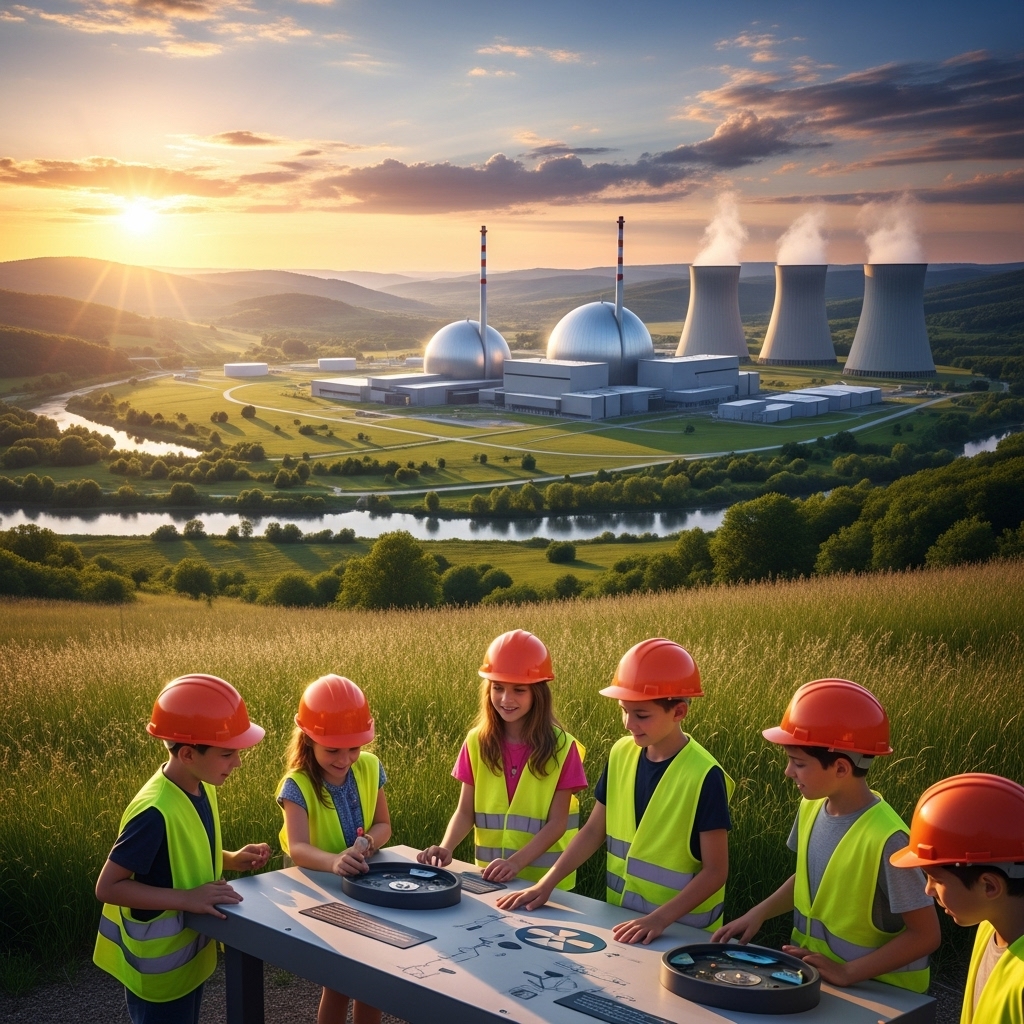
History of Nuclear Power Plants
The history of nuclear power plants is fascinating, filled with both innovation and caution. The journey began in the early 20th century, around the 1940s, when scientists first discovered nuclear fission. I remember reading about how, during World War II, research into nuclear energy was fast-tracked, leading to the development of nuclear weapons. However, the potential for peaceful energy generation soon became apparent. The world’s first commercial nuclear power plant, Calder Hall in the UK, began operating in 1956, marking the dawn of nuclear energy for electricity production.
As I dug deeper, I realized that nuclear power plants grew rapidly in popularity during the 1960s and 1970s, as countries sought to reduce reliance on fossil fuels. However, the narrative took a dramatic turn with incidents like the Three Mile Island accident in 1979 and the Chernobyl disaster in 1986, which raised serious safety concerns. These events marked a turning point in public perception and policy surrounding nuclear energy. I noticed that while some nations halted their nuclear programs, others continued to invest heavily in this technology, leading us to today’s complex global landscape of nuclear energy.
How Nuclear Power Plants Work
The Nuclear Fission Process
Understanding how nuclear power plants work can feel a bit daunting at first, but it’s truly fascinating once you break it down. The heart of the process is nuclear fission. In my exploration of this topic, I learned that when a heavy atom, like uranium-235, absorbs a neutron, it becomes unstable and splits into two smaller atoms, releasing energy in the form of heat and more neutrons. These neutrons can then go on to induce further fission reactions, creating a chain reaction. This is where the real power comes from, as just a small amount of uranium can produce a huge amount of energy compared to fossil fuels.
Components of a Nuclear Power Plant
Each component of a nuclear power plant plays an essential role in the overall function. I think of it like an orchestra, where every instrument contributes to the symphony of energy production.
Reactor Core
The reactor core is where the fission takes place. It contains the fuel rods filled with uranium pellets. I found it interesting to learn that the arrangement of these fuel rods is carefully designed to ensure that the fission reaction remains controlled and efficient. The core must be designed to withstand intense heat and pressure, as conditions inside can be extreme.
Control Rods
Control rods are another critical component. Made from materials that absorb neutrons, they help regulate the fission process. By inserting or removing these rods from the reactor core, operators can control the rate of the reaction. I remember thinking about how crucial this balance is—too little reaction and we don’t generate enough power, too much and we risk overheating and a potential meltdown.
Cooling System
Next, there’s the cooling system. It’s vital in removing heat from the reactor core to prevent overheating. Typically, water is used as a coolant, but in some plants, gas or liquid metal might be used instead. I’ve learned that maintaining the right temperature is essential for safety and efficiency. The cooling system also helps produce steam that drives the turbines.
Steam Generator
Lastly, the steam generator plays a significant role in converting heat to mechanical energy. The heat from the reactor boils water in a secondary circuit, creating steam that drives turbines connected to generators. I can’t help but admire the efficiency of this process; it’s incredible how heat energy is transformed into electrical energy through this series of steps.
Electricity Generation Process
The electricity generation process in a nuclear power plant is akin to a well-orchestrated dance. Once the reactor core generates heat from fission, this heat is transferred to the coolant, which is then used to create steam. The steam, under high pressure, flows into turbines, causing them to spin. This spinning motion activates generators, producing electricity that is then sent out to the power grid. I think about how remarkable it is that the energy from tiny atoms can power entire cities. It’s a testament to human ingenuity and the potential of harnessing nature’s forces.
Types of Nuclear Power Plants
Pressurized Water Reactor (PWR)
One of the most common types of nuclear power plants is the Pressurized Water Reactor, or PWR. I remember reading that PWRs are often the backbone of nuclear energy production in many countries, including the United States. In a PWR, the water used as coolant and moderator is kept under high pressure, which prevents it from boiling even at high temperatures. This means that the heat generated in the reactor core is transferred to a secondary circuit, where the water is turned to steam to drive the turbines. I find it fascinating that this design enhances safety, as the primary coolant remains contained and reduces the risk of steam leaks.
While learning about PWRs, I discovered that they have a unique safety feature—if there’s any malfunction, the system is designed to automatically shut down and cool the reactor. This is reassuring, especially when considering the challenges involved with nuclear power. I’ve often thought about how crucial it is for engineers to design systems that prioritize safety while still being efficient.
Boiling Water Reactor (BWR)
Another common type is the Boiling Water Reactor, or BWR. This design takes a different approach compared to PWRs. In a BWR, the water used as coolant is allowed to boil in the reactor core. The resulting steam is then directly used to drive the turbines. Personally, I find the simplicity of this design appealing. By eliminating the secondary circuit, BWRs can be more compact and easier to operate.
I’ve come across discussions about how BWRs can be very efficient, but they also come with their own set of challenges, particularly regarding safety. Since the steam goes directly from the reactor to the turbines, any issues that arise in the reactor can more easily affect the rest of the system. It’s like a delicate balance between efficiency and safety that nuclear engineers continuously have to manage.
Other Types (e.g., Fast Breeder Reactors)
Besides PWRs and BWRs, there are other interesting types of nuclear power plants, one of which is the Fast Breeder Reactor (FBR). I remember being intrigued by this design because it operates differently by using fast neutrons to sustain the fission process. Unlike traditional reactors, which use thermal neutrons, FBRs can create more fuel than they consume, making them potentially more sustainable.
Learning about FBRs opened my eyes to the concept of breeding fuel. In my view, this could be a game-changer for nuclear energy, as it can extend the lifespan of nuclear fuel resources significantly. However, I also realized that FBRs are less common and have faced criticism due to safety concerns and the complexity of their design. It’s a reminder that while innovation is essential, it must always be approached with caution.
Benefits of Nuclear Power
Low Greenhouse Gas Emissions
One of the standout benefits of nuclear power, in my opinion, is its low greenhouse gas emissions. When I think about climate change and the urgent need to reduce our carbon footprint, nuclear energy often comes to mind. Unlike fossil fuels, which release significant amounts of carbon dioxide when burned, nuclear power plants produce electricity without emitting greenhouse gases during operation. I’ve seen how countries that invest in nuclear energy can lower their overall emissions, making it an attractive option for a cleaner energy future.
High Energy Density
Another aspect that amazes me is the high energy density of nuclear fuel. A small amount of nuclear fuel can produce a tremendous amount of energy compared to coal or natural gas. I remember reading that just a single uranium fuel pellet can generate as much energy as a ton of coal. This efficiency means that nuclear power plants require less fuel, which in turn means fewer resources are needed for extraction and processing. I believe this efficiency is crucial as we strive to meet the world’s growing energy demands without over-exploiting our planet’s resources.
Reliability and Base Load Energy
Nuclear power plants are also known for their reliability. They can provide a stable supply of base load energy, meaning they can run continuously and supply power consistently. I think this is particularly important in our increasingly electrified world, where we rely on stable power for everything from homes to hospitals. Unlike some renewable sources, which can be intermittent due to weather conditions, nuclear power plants can operate at maximum capacity for long periods, making them a dependable option for energy generation.
Challenges and Risks of Nuclear Power
Nuclear Accidents and Safety Concerns
Nuclear power, while often praised for its efficiency and low emissions, is not without its challenges. I remember the first time I really learned about nuclear accidents; I was struck by how deeply these events could impact public perception of nuclear energy. The incidents at Three Mile Island, Chernobyl, and Fukushima are etched in our collective memory and have raised serious safety concerns about nuclear power plants. Each of these accidents, though they were caused by different circumstances, highlighted potential failures in safety protocols and emergency response systems.
For instance, the Chernobyl disaster in 1986, which I’ve read about extensively, was a stark reminder of the consequences of neglecting safety measures. I’ve learned that it wasn’t just the initial explosion that caused devastation; the long-lasting effects of radiation exposure turned entire regions into ghost towns. The fear and uncertainty that followed led to widespread distrust in nuclear energy. It’s hard not to feel a bit uneasy when thinking about the possibility of accidents, and I believe it’s essential for the nuclear industry to prioritize safety above all else.
Nuclear Waste Management
Nuclear waste management is another area that often comes up in discussions about the sustainability of nuclear power. As I delved into this topic, I realized that spent nuclear fuel is highly radioactive and can remain dangerous for thousands of years. I found it alarming to learn that we’ve not yet established a permanent solution for high-level nuclear waste disposal. The idea of storing this waste safely is complex and requires innovative solutions that are still being developed.
In my opinion, one of the most promising methods is deep geological storage, where waste is stored deep underground in stable geological formations. I came across examples of countries like Finland, which are actively working on long-term storage solutions. However, the implementation of these strategies takes time and significant investment. It’s clear that until we have a solid plan in place, nuclear waste will continue to be a concern that weighs heavily on the future of nuclear power.
Public Perception and Opposition
The public’s perception of nuclear energy can often be a double-edged sword. On one hand, many recognize the benefits of nuclear power, such as its ability to provide reliable energy and reduce greenhouse gas emissions. On the other hand, many people harbor fears rooted in past accidents and the challenges of waste management. I’ve noticed that when discussions about nuclear energy arise, emotions can run high, with strong opinions on both sides.
I remember attending a community meeting where a local nuclear plant was being discussed. The room was filled with people who voiced their concerns, and it was evident that fear played a significant role in shaping their opinions. Many were worried not just about accidents but also about the potential for radiation exposure and the long-term effects of living near a nuclear facility. I think this fear often overshadows the scientific facts about nuclear safety and the advancements made in technology. To foster a more balanced view, I believe it’s essential for the nuclear industry to engage with communities, educate the public on safety measures, and address concerns transparently.
Global Nuclear Power Landscape
Leading Countries in Nuclear Energy Production
As I explored the global landscape of nuclear power, I was fascinated to learn about the countries that are leading the way in nuclear energy production. The United States, for example, has the largest number of operational nuclear reactors, providing a significant portion of its electricity. I remember being surprised to find out that France also plays a crucial role, with roughly 70% of its electricity coming from nuclear power. It’s interesting how different nations have embraced nuclear energy to meet their energy demands while also addressing climate change.
China is another country making headlines with its ambitious plans for nuclear power expansion. I learned that they are rapidly building new reactors to diversify their energy mix and reduce reliance on coal. It’s impressive to see how quickly they are pushing forward with nuclear development. However, it’s also a reminder of how critical it is for countries to approach nuclear energy with strong safety protocols and regulations.
Future of Nuclear Power Worldwide
The future of nuclear power is a topic that sparks a lot of debate. I’ve often thought about how this energy source could play a vital role in a sustainable energy future. With advancements in technology, such as small modular reactors (SMRs) and next-generation reactors, there’s potential for nuclear power to become even safer and more efficient. I feel optimistic when I read about these innovations because they could address some of the existing concerns surrounding nuclear energy.
However, the future also hinges on public acceptance and the ability to manage nuclear waste effectively. I’ve seen that some countries are moving towards a more balanced energy mix, integrating nuclear power with renewable sources like solar and wind. I believe that this synergy could create a more stable and sustainable energy system for the future. As we look ahead, it’s clear that nuclear power will continue to be a significant player in the global energy landscape, but it will require careful navigation of its challenges and risks.
Frequently Asked Questions
What is a nuclear power plant?
A nuclear power plant is a facility that generates electricity through the process of nuclear fission, where the nucleus of an atom splits, releasing a significant amount of energy.
How does a nuclear power plant generate electricity?
A nuclear power plant generates electricity by harnessing the energy released from nuclear fission reactions. The heat generated from splitting atoms is used to boil water, creating steam that turns turbines connected to generators.
What are the main components of a nuclear power plant?
The main components of a nuclear power plant include the reactor core, control rods, cooling system, and steam generator. Each plays a critical role in the safe and efficient production of electricity.
What is the difference between a Pressurized Water Reactor (PWR) and a Boiling Water Reactor (BWR)?
A PWR keeps water under high pressure to prevent it from boiling, while a BWR allows the water to boil in the reactor core, using the resulting steam directly to drive turbines.
What are the benefits of nuclear power?
The benefits of nuclear power include low greenhouse gas emissions, high energy density (where a small amount of fuel produces a large amount of energy), and reliability as a base load energy source.
What are some challenges associated with nuclear power?
Challenges associated with nuclear power include safety concerns from past nuclear accidents, managing nuclear waste, and public perception and opposition towards nuclear energy.
What are some notable historical events related to nuclear power plants?
Notable historical events include the discovery of nuclear fission in the 1940s, the first commercial nuclear power plant Calder Hall in 1956, and significant accidents like the Three Mile Island incident in 1979 and the Chernobyl disaster in 1986.
Which countries are leading in nuclear energy production?
The United States has the largest number of operational nuclear reactors, France derives about 70% of its electricity from nuclear power, and China is rapidly expanding its nuclear capabilities to diversify its energy mix.
What is nuclear waste management?
Nuclear waste management involves the safe storage and disposal of spent nuclear fuel, which is highly radioactive and can remain dangerous for thousands of years. Deep geological storage is one proposed method for long-term waste disposal.
What is the future outlook for nuclear power worldwide?
The future of nuclear power may involve advancements in technology, such as small modular reactors and next-generation reactors, which could enhance safety and efficiency. However, its acceptance will depend on effective waste management and public perception.