
Organic mulches such as wood chips, bark, or composted materials are generally considered best for roses, as they help retain moisture, regulate soil temperature, and suppress weeds.
Table of Contents
Choosing the right mulch depends on factors like climate, soil type, and garden conditions. This guide explains the top options, their benefits, and potential drawbacks to help gardeners make informed decisions for healthier, more vibrant roses.
Organic compost as a mulch for roses
Organic compost serves as a natural mulch that enriches soil while providing essential moisture retention for roses. Its nutrient content supports vibrant blooms and helps strengthen disease resistance, making it a popular choice for many gardeners.
1. Application depth and placement around stem
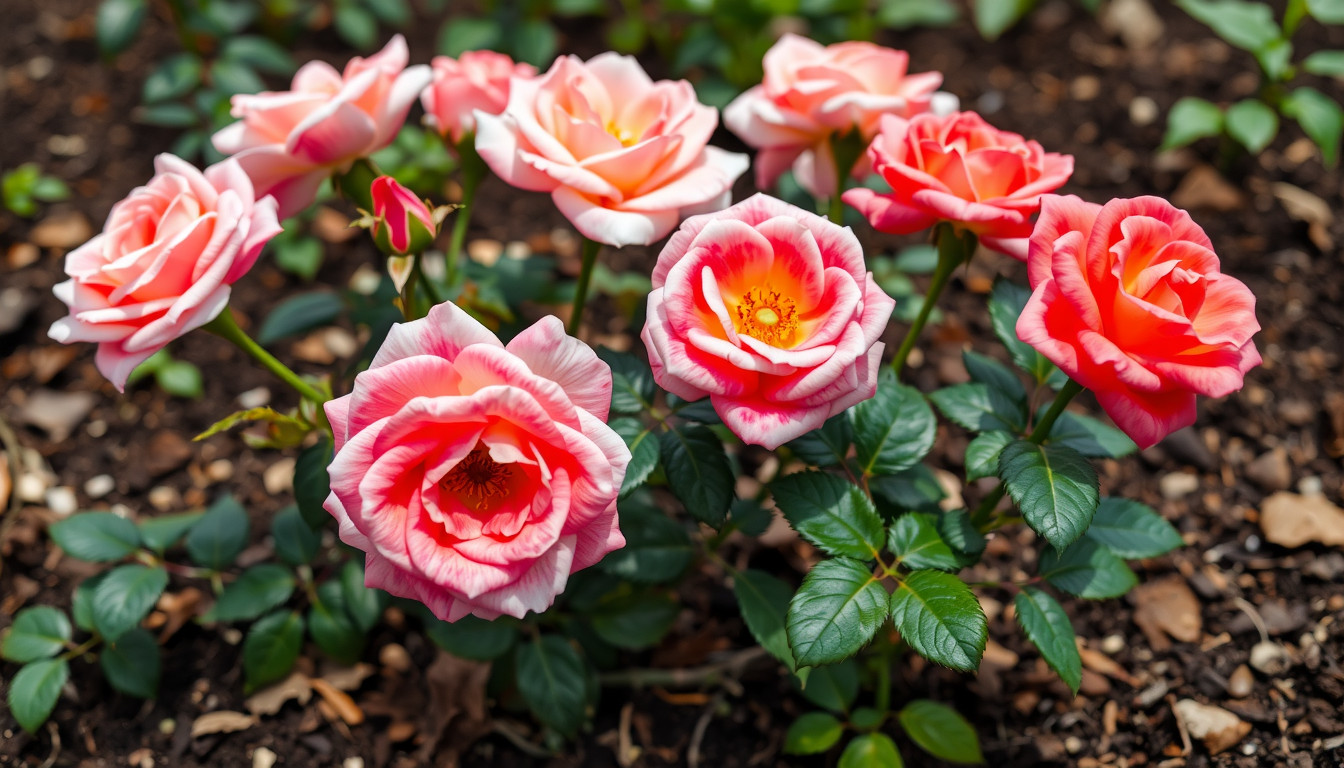
Applying organic compost as mulch involves spreading a few inches of material around the base of each rose bush. It is crucial to maintain a clear zone around the stem to prevent moisture buildup, which can lead to rot or fungal infections. The compost should be kept a few inches away from the actual plant stem, allowing air circulation and reducing the risk of disease.
Disclosure: As an Amazon Associate I earn from qualifying purchases.
Considering adding organic compost to your roses? A quality compost can support vibrant blooms and healthy roots. Shop suitable garden compost for roses on Amazon (affiliate link).
To ensure effective moisture retention, the compost layer should be deep enough to insulate roots against temperature fluctuations, especially in warmer or colder climates. This depth typically ranges from about 2 to 4 inches, depending on soil type and garden conditions.
One advantage of organic compost is its ability to improve soil structure over time. As it decomposes, it releases nutrients slowly, feeding roses throughout the growing season while enhancing microbial activity in the soil. This ongoing enrichment promotes healthier root systems and more vigorous flowering.
However, certain limitations exist. Compost can sometimes harbor weed seeds or pathogens if not properly composted. It also requires regular replenishment to maintain its mulching properties and nutrient benefits. For gardens in areas prone to excess moisture, compost’s organic nature might retain too much water around the roots, potentially leading to root rot if not applied carefully.
Shredded hardwood bark for decorative and functional mulching
Shredded hardwood bark is a popular organic mulch choice for roses, valued for its aesthetic appeal and practical benefits. It creates a natural, uniform look while improving soil health and plant vitality.
1. Layer thickness and coverage
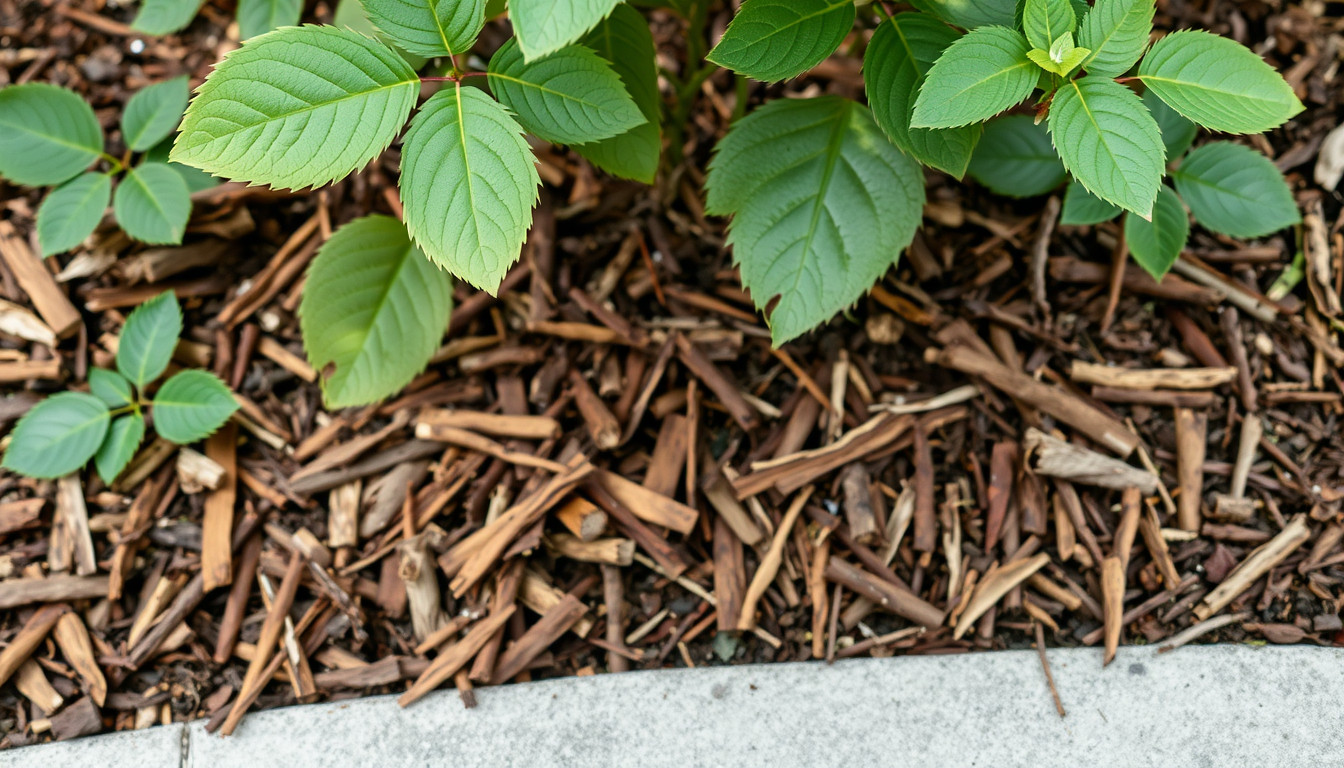
Applying shredded hardwood bark at a depth of about 2 to 3 inches is optimal. This thickness balances effective weed suppression and moisture retention without suffocating the roots. A mulch layer this size helps insulate the soil, preventing temperature fluctuations that can stress rose roots, especially during hot or cold spells.
To improve your garden's appearance and health, shredded hardwood bark is a popular choice for mulching. Shop suitable hardwood bark mulch on Amazon (affiliate link).
Proper coverage ensures that the mulch layer completely shields the soil surface, extending a few inches beyond the base of the plant to prevent weeds from emerging. This coverage level also minimizes soil evaporation, maintaining consistent moisture levels around the roots.
2. Impacts of mulch depth on moisture retention and root protection
A mulch layer of appropriate thickness retains soil moisture effectively, reducing the need for frequent watering. It also acts as a buffer against temperature extremes, protecting delicate rose roots from both scorching heat and freezing conditions. Nonetheless, excessive depth—above 3 inches—can hinder water penetration and oxygen exchange, potentially leading to root rot or fungal issues.
Shredded hardwood bark decomposes slowly compared to other mulches, providing a stable coverage that lasts for several months. Its organic nature slightly acidifies the soil over time, which benefits some types of roses but may require soil pH monitoring if nutrient uptake issues arise. Regular replenishment of the mulch layer, as it decomposes, maintains soil cover and ongoing root protection.
Cedar mulch for disease resistance and aromatic benefits
Cedar mulch stands out for its natural oils that help deter pests and fungal diseases, making it a popular choice among rose gardeners seeking healthier, less problematic plants. Its aromatic qualities can also lend an appealing scent to the garden, enhancing the overall experience.
1. Application tips for cedar mulch
Applying cedar mulch involves careful consideration of pH levels, as it tends to be slightly acidic, with a typical pH range of 4.5 to 6.0. This acidity can influence how roses absorb nutrients; some rose varieties prefer neutral to slightly alkaline soil, so monitoring soil pH is crucial for optimal health.
Using cedar mulch can provide both aromatic benefits and pest resistance for your roses. Shop suitable cedar mulch for garden beds on Amazon (affiliate link).
When spreading cedar mulch, keep it to a depth of 2 to 3 inches. This prevents water from pooling on the surface and allows good airflow to the roots. Regularly check this depth—adding mulch as it decomposes prolongs its effectiveness and maintains a barrier against weeds and pests.
2. Key points about cedar mulch’s pH influences
- Typically slightly acidic, with pH values around 4.5-6.0
- Can acidify soil over time, which benefits acid-loving roses but may hinder others
- Periodic soil pH testing helps determine if amendments are needed for balancing nutrients
- Decomposition rate is moderate, renewing the mulch layer every 6-12 months as needed
- Natural oils in cedar repel insects and discourage fungal growth, reducing chemical pesticide use
- Too thick a layer (more than 3 inches) can inhibit water penetration and oxygen flow, risking root health
While cedar mulch offers several advantages, gardeners should watch for over-application, especially in areas with high humidity, where excessive mulch might trap moisture and promote fungal issues despite cedar’s natural defenses. Periodic pH checks and mindful layering extend the benefits and keep roses thriving without unintended setbacks.
Straw mulch for moisture retention and organic matter
Straw mulch is a popular choice for gardeners seeking natural organic material that fosters soil health and conserves moisture. It decomposes slowly, providing a steady release of organic matter that enhances soil fertility around rose bushes.
1. Best straw types for roses
Optimally, straw should be free of weed seeds and chemical treatments. Wheat or oat straw are commonly used due to their availability and ease of handling. Properly processed straw minimizes the risk of introducing weeds into the garden bed, but gardeners must still monitor for weed emergence over time.
While straw mulch helps maintain soil temperature—keeping roots cooler during hot weather and warmer in cooler conditions—it has some limitations. Over time, straw decomposes and needs replenishing to continue offering effective moisture retention and organic benefits.
One useful detail is that straw’s organic decomposition improves soil structure, promotes beneficial microbiological activity, and supports root health, which can bolster resistance against diseases. However, as decomposition progresses, the mulch can become compacted or thin, reducing its insulating effectiveness.
It’s important to consider that straw mulch may contain weed seeds if not straw is not adequately processed, and gardeners may need to replenish mulch every season or after heavy rainfalls to sustain its benefits. Its organic makeup supports healthy soils but requires regular maintenance to prevent weed germination and decay buildup.
Here’s a quick comparison of straw mulch qualities:
| Material | pH | Moisture Retention | Soil Temperature Regulation | Weed Suppression |
|---|---|---|---|---|
| Wheat Straw | Neutral to slightly acidic | High | Keeps soil cooler in summer, warmer in winter | Moderate; may contain seeds if untreated |
| Oat Straw | Near neutral | High | Effective in temperature regulation | Moderate; check for weed seeds |
| Straw (general) | Varies with source | Moderate to high with replenishing | Good insulator for roots | Potential weed seeds; requires proper processing |
In summary, straw mulch suits gardeners who prefer organic, biodegradable coverage that supports soil health and moisture retention. It works well in climates with distinct seasons but necessitates regular replacement and monitoring for weeds to sustain its advantages.
Shredded leaves as an eco-friendly mulch alternative
Shredded leaves combine sustainability with practical benefits for rose gardens. They create a nutrient-rich, low-cost mulch that enhances soil health and offers reliable moisture retention, supporting healthy growth and disease resistance.
1. Seasonal collection and preparation
Collect leaves during autumn when they are abundant and easy to gather. Shred them using a mulching blade, a lawn mower, or a leaf shredder to break down coarse textures. Proper shredding speeds decomposition, releasing nutrients steadily into the soil, which benefits roses by promoting vigorous blooming and strong roots.
To prevent pests and fungal issues, ensure shredded leaves are dried thoroughly before application. Wet or damp leaves can harbor pests such as snails or disease-causing spores, increasing the risk of black spot or other fungal infections. Spread a 2-3 inch layer around the base of each rose bush, avoiding direct contact with stems to prevent collar rot.
While shredded leaves excel at moisture retention—holding water longer than some alternative mulches—they also support consistent hydration for rose roots. This helps reduce watering frequency and maintains stable soil temperatures, which is particularly beneficial in fluctuating climates. However, shredded leaves require regular replenishment, especially in rainy seasons, to sustain their insulating and nutrient-providing quality.
In addition to their natural decomposition, shredded leaves release essential nutrients gradually, acting as a slow-release fertilizer. This organic approach improves soil structure over time, fostering a healthier rooting environment. Despite these advantages, gardeners should be cautious of potential weed seeds if leaves are not properly dried or sourced from untreated material, which could introduce unwanted plants into the garden.
Cocoa hull mulch for aesthetic appeal and pest deterrence
Cocoa hull mulch offers a decorative finish while providing natural pest resistance. Its unique appearance adds an elegant touch to rose beds, making it a popular choice for gardeners aiming for visual appeal combined with functional benefits.
1. Application considerations and scent
Farmers and gardeners should be mindful of cocoa hull mulch’s distinct aroma, which is generally pleasant but can be overwhelming in enclosed spaces. It naturally deters pests such as aphids, beetles, and rodents, which dislike the scent. This makes it particularly effective in reducing pest populations around roses, helping to minimize damage and disease spread.
If you're looking for an attractive mulch option that also helps keep pests away, cocoa hull mulch may be suitable. Shop suitable cocoa hull mulch on Amazon (affiliate link).
However, the scent’s strength can vary depending on the mulch’s freshness and processing, and it may fade over time. When applying cocoa hull mulch, spread it evenly around the base of the roses to a depth of 2-3 inches, ensuring it does not directly contact the plant stems. This depth suppresses weeds effectively by blocking sunlight, thereby reducing competition for water and nutrients. The mulch’s slightly acidic nature can benefit roses that prefer such soil conditions, enhancing nutrient uptake.
2. Odor and toxicity considerations
The appealing scent comes with a significant caveat: cocoa hull mulch can be toxic to pets, especially dogs and cats. It contains theobromine, which is toxic in even small quantities if ingested. Pet owners must monitor their animals closely when using this mulch to prevent accidental ingestion.
Additionally, the longevity of cocoa hull mulch is limited compared to other organic options. It decomposes faster, requiring regular replenishment to maintain its weed-suppressing and aesthetic qualities. Consequently, while it contributes to soil enrichment over time through gradual nutrient release, this organic material needs more frequent top-ups to ensure consistent coverage and benefits.
Colored bark or dyed mulch for garden design and functionality
Colored bark mulch combines practical benefits with decorative appeal, making it a popular choice for enhancing rose beds. Its vivid hues can complement garden aesthetics while providing essential protection and support for healthy rose growth.
1. Color options and longevity
Colored bark mulch typically comes in shades like red, black, brown, and sometimes custom colors. These dyes are often artificial, designed to boost visual impact. The longevity of the color varies depending on the type of dye and environmental exposure. Some mulches maintain their vibrancy for over a year if sheltered from harsh sunlight, whereas others may fade within a few seasons.
A key consideration is whether the dyes affect soil chemistry or plant health. Most commercial dyed mulch is treated to be safe for plants, but artificial dyes could potentially leach into the soil over time. This risk is usually minimal but could be a concern for those seeking entirely organic options.
2. Suitability and limitations
Colored bark mulch is ideal for gardeners prioritizing visual design and easy weed suppression. It works well in decorative garden beds and landscapes emphasizing bold colors. However, because the dyes are often artificial, this mulch may not be suitable for organic gardening or for those who prefer entirely natural materials. Its faster color fading compared to natural mulches means it might require periodic top-up to maintain its appearance. Additionally, some gardeners may find that the visual effect becomes less striking over time, and the potential impact of artificial dyes on soil health warrants consideration for sensitive plants.
Frequently Asked Questions
1. What is the most important thing to know about what is the best mulch for roses?
Choosing organic mulch like compost, bark, or cedar enhances moisture retention, soil health, and disease resistance, but must be applied correctly to avoid problems such as rot or pest traps.
2. What should I check first?
Verify your soil type, climate conditions, and the specific needs of your rose varieties to select a mulch that complements your garden environment.
3. What commonly causes problems with mulching roses?
Applying mulch too thickly, close to the stem, or using materials harboring weed seeds or pathogens can lead to root rot, fungal infections, or pest issues.
4. What is the safest next step if I notice signs of over-mulching or disease?
Remove excessive mulch, especially near the stem, improve air circulation, and monitor soil moisture; consider testing soil pH if using cedar mulch to prevent imbalance.
5. How long should I expect this to take?
Adjusting mulch and addressing potential issues typically takes a few weeks for effects to become visible and the garden to stabilize.
6. When should I use a different approach?
If persistent fungal diseases or poor plant growth occur despite proper mulching, consider changing mulch types, reducing application thickness, or improving drainage and airflow.
7. When should I ask a qualified expert?
When problems such as severe disease, pest infestations, or pH imbalance persist despite troubleshooting, consulting a local horticulturist or extension service can provide tailored guidance.
Sources and Further Reading
- Best Mulch For Roses: An Expert Guide To Choosing & Applying …
- 11 Natural Mulches That Help Roses Flower Better (And Which Ones To Avoid)
- 5 Mulches That Keep Rose Roots Cool, Beat Black Spot, and Feed the Soil
- Best Mulch for Roses: 7 Proven Picks & What to Skip (2026)
- Best Mulch For Roses – 2026 Reviews – Berry Patch Farms