
The Khat plant, known scientifically as Catha edulis, is a flowering shrub whose leaves are chewed for their stimulating effects. I’ve come to appreciate its unique cultural significance and the complex conversations surrounding its use and legality. What Is the Khat Plant? Uses Effects & Facts provides an in-depth look at this fascinating plant.
Understanding the Khat Plant
Definition of Khat
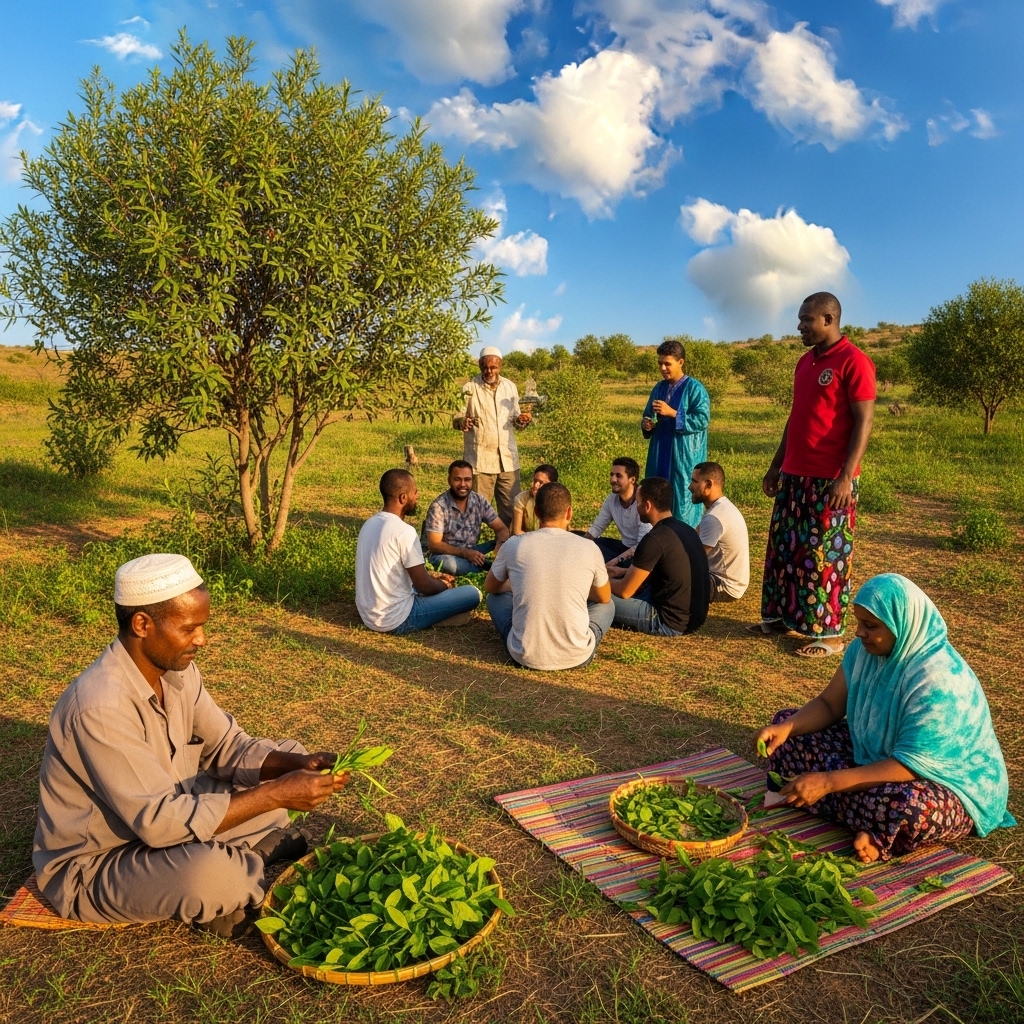
Khat is a plant that has been used for centuries, especially in East Africa and the Arabian Peninsula. The leaves of the khat plant contain chemicals that can produce a sense of euphoria and alertness. When chewed, they act as a stimulant, leading to increased energy and sociability. I remember hearing stories from friends who grew up in regions where khat was a part of daily life; it’s often seen more as a social activity than a drug.
Scientific Classification
Khat belongs to the Celastraceae family and is classified scientifically as Catha edulis. The plant can grow up to 2 meters tall and has bright green leaves that are typically harvested when they are young and tender. I’ve seen khat described as a “social tonic,” and it’s fascinating how this simple plant has such a rich history and significance in various cultures. Its scientific roots reflect its long-standing presence in human society, dating back to ancient times.
Common Names and Variants
Khat has various names depending on the region. In some areas, it is referred to as “qat” or “khat” while in others, it’s called “jaad” or “chad.” This diversity in names speaks to its widespread use across different cultures. I’ve learned that the terminology can vary widely even within a single country, depending on local dialects. Each name carries its own set of cultural nuances, which adds another layer to understanding the plant and its uses.
Geographic Distribution of Khat
Regions Where Khat is Grown
Khat is primarily cultivated in countries like Yemen, Somalia, Ethiopia, and Kenya. I’ve always found it interesting how the plant thrives in specific climates, typically in regions with a tropical or subtropical climate. The growing conditions play a crucial role in the quality of the khat leaves, which is why some regions are known for their particularly potent varieties. During my travels, I encountered local farmers who were proud of their khat crops, often discussing the best times for harvest and the nuances of cultivation.
Cultural Significance in East Africa and the Arabian Peninsula
The cultural significance of khat cannot be overstated. In East Africa and parts of the Arabian Peninsula, chewing khat is a deeply ingrained social custom. It’s often consumed during gatherings, celebrations, or even in everyday life as a way to bond with others. I remember sitting in a café in Ethiopia, surrounded by friends and locals who were enthusiastically chewing khat leaves while engaging in animated conversations. This experience helped me understand how khat serves as a social lubricant, facilitating communication and connection in a relaxed setting.
Chemical Composition of Khat
Active Ingredients: Cathinone and Cathine
The leaves of the khat plant contain several active compounds, with cathinone and cathine being the most notable. Cathinone is a powerful stimulant, chemically similar to amphetamines, and is responsible for the euphoric effects people experience when chewing khat. I’ve read that cathinone levels fluctuate depending on the freshness of the leaves, which is why consuming fresh khat is often preferred over dried. Cathine, while also a stimulant, has milder effects and is present in smaller amounts. This unique combination of chemicals contributes to the plant’s stimulating properties and the overall experience of consuming khat.
Comparison with Other Stimulants
When I first learned about khat, I couldn’t help but compare it to other stimulants like caffeine and amphetamines. While khat provides a similar boost in energy and mood, it does so with a more gradual onset and often less intense side effects. I’ve noticed that unlike coffee, which can give you a quick jolt followed by a crash, khat tends to create a more sustained feeling of alertness. The experience felt smoother for many who shared their stories with me, making it a unique alternative to more common stimulants.
Uses of the Khat Plant
Traditional Uses in Social and Cultural Contexts
Traditionally, khat is used within social contexts, where communities gather to chew the leaves and share stories. I found this aspect particularly fascinating, as it highlights how khat serves as a cultural cornerstone for many societies. In Yemen, for instance, khat sessions can last for hours, filled with lively discussions and laughter. People often see these gatherings as a way to unwind and connect with one another. In my experience, engaging in such traditions is essential for understanding the true value of khat beyond its stimulating effects.
Medicinal Uses and Benefits
Beyond social uses, khat has also been associated with various medicinal properties. Some people claim it can help with fatigue, depression, and even weight loss. I remember talking to a herbalist who believed that chewing khat could aid digestion and improve mood. However, it’s important to note that these claims are often anecdotal and not widely supported by scientific research. While some may find benefits, it’s essential to approach khat with caution, especially considering the potential for negative effects.
Economic Importance in Khat-Producing Countries
In countries where khat is produced, it plays a significant role in the economy. Farmers rely on khat cultivation for their livelihoods, and local markets can be bustling with activity centered around its sale. I’ve seen how thriving khat markets can provide employment opportunities and contribute to local economies. However, the economic reliance on khat also raises questions about sustainability and the impact of changing global attitudes toward the plant. It’s a complex situation that highlights the intersection of culture, economy, and personal choice.
Effects of Khat Consumption
Short-Term Effects on the Body and Mind
When it comes to the short-term effects of khat consumption, I’ve found that people often experience a mix of excitement and heightened sociability. Many users report feeling more energetic and alert, which can lead to prolonged conversations and lively interactions. I remember a gathering where everyone was enthusiastically sharing stories, and it felt like the atmosphere was charged with energy. Along with these positive feelings, some individuals might also experience increased heart rate and mild euphoria, which can make the experience quite enjoyable. However, I’ve also heard accounts of some people feeling anxious or jittery, especially if they consume too much or if their body is sensitive to stimulants. It’s a bit of a balancing act, and the effects can vary widely depending on the individual and the amount consumed.
Long-Term Effects and Health Risks
While the short-term effects of khat can be intriguing, the long-term implications are where I think we need to tread carefully. I’ve learned that prolonged use of khat can lead to a range of health issues. Some users might develop a dependency on khat, relying on it to maintain their energy levels or social interactions. From what I’ve read, there can also be more severe complications like dental problems, gastrointestinal issues, and even psychological effects like depression and anxiety. I spoke with a few individuals who had been heavy khat users for years, and they shared how difficult it was for them to break free from their reliance on it. It really made me reflect on the importance of moderation and being aware of the potential risks associated with long-term consumption.
Psychological Effects and Dependency Issues
The psychological effects of khat can be particularly complex. I’ve noticed that while some people enjoy the social aspects and feel uplifted, there’s also a darker side that can emerge. For some, khat can create a cycle of dependency where they feel they need it to engage socially or cope with daily stressors. I remember meeting a young man who described how khat initially helped him fit in with his friends, but over time, he found himself feeling increasingly isolated when he wasn’t using it. He explained that the initial euphoria gradually diminished, leading to a situation where he felt trapped by his habits. This personal story resonated with me, as it highlighted how the very thing that brings people together can also lead to individual struggles. It’s a powerful reminder that it’s crucial to pay attention to our mental health and to seek balance in our lives.
Legal Status of Khat
Countries Where Khat is Legal
The legal status of khat varies dramatically from one country to another. In many countries in East Africa and the Arabian Peninsula, khat is legal and widely accepted. I’ve seen it sold in markets and consumed openly in social settings. In places like Yemen, it’s almost an integral part of social culture, with gatherings revolving around khat chewing being the norm. I found it fascinating how these regions integrate khat into their daily lives without stigma. However, I’ve also learned that even within these areas, there are ongoing discussions about its regulation and the health implications associated with its use.
Countries Where Khat is Banned
On the flip side, khat is banned in several countries, including the United States, Canada, and much of Europe. I think this prohibition often stems from concerns about its stimulant effects and potential health risks. I remember reading about how its legal status can impact immigrant communities, especially those from khat-producing regions, where it plays a significant role in their culture. It can create a divide between cultural practices and local laws, leading to misunderstandings and sometimes conflict. The legal landscape is complex, and it makes me wonder how societal perceptions shape these regulations.
Debates Surrounding Khat Legislation
The debates surrounding khat legislation are quite heated and involve a mix of cultural, health, and economic perspectives. I’ve come across arguments from both sides—those who advocate for its legalization, citing cultural significance and economic benefits, and those who push for stricter controls due to health concerns. I find it interesting how policies can evolve over time, influenced by research, public opinion, and changing social dynamics. It’s a conversation that seems to always be in motion, much like society itself. My hope is that as we learn more about khat and its effects, we can find a balanced approach that respects cultural traditions while ensuring public health and safety.
How to Consume Khat
Traditional Methods of Consumption
When it comes to consuming khat, traditional methods are deeply rooted in cultural practices. I’ve seen many people simply chew the fresh leaves, which is the most common way to enjoy khat. The process usually involves stripping the leaves from the stem and chewing them to release the active compounds. This method is often accompanied by social rituals, such as sharing stories or engaging in lively debates, which enhances the experience. I remember sitting with friends as we observed this practice; it was fascinating to witness how the act of chewing khat brought everyone together, creating an atmosphere of camaraderie. In some cultures, people even wrap the leaves in a special way, incorporating spices or flavors to enhance the taste, which adds another layer of cultural expression.
Modern Adaptations and Trends
With changing times, I’ve noticed that there are modern adaptations in how khat is consumed. Some individuals are now experimenting with different forms, such as khat extracts or even teas. I’ve come across places where you can find khat-infused beverages, which offer a new twist on the traditional experience. These adaptations seem to appeal to a younger audience who might be curious about khat but are looking for a different format. However, I think it’s crucial to approach these modern uses with an understanding of the original cultural significance. While innovation can be exciting, maintaining respect for tradition is equally important.
Alternatives to Khat
Other Natural Stimulants
As I’ve explored the world of khat, I’ve often wondered about other natural stimulants that people use around the globe. It’s intriguing how different cultures have found various plants to enhance energy and mood. For instance, I’ve learned about yerba mate, a traditional South American drink made from the leaves of the Ilex paraguariensis plant. Many friends who have tried it rave about its smooth energy boost, which lasts for hours without the jitteriness that sometimes comes with coffee. I remember sipping on it with a group of travelers in Argentina, where sharing a gourd of mate is a cherished social ritual.
Another fascinating alternative is guarana, which is derived from a Brazilian plant. Guarana seeds are known for their high caffeine content, and I’ve seen it used in energy drinks and supplements. People often praise it for providing a more steady form of energy without the crash that can follow traditional caffeine sources. I recall hearing stories about how indigenous tribes in the Amazon have used guarana for its stimulating effects for centuries. It’s amazing to see how different cultures have tapped into the natural world to find their preferred stimulants.
Then there’s ginseng, a root that has been celebrated in traditional Chinese medicine for its potential to boost energy and improve mental function. I’ve tried ginseng tea on a few occasions and found it quite refreshing. The subtle, earthy flavor is a nice change from the more intense effects of khat. I think it’s important to remember that while these alternatives might offer similar benefits, they also come with their own set of effects and considerations. Exploring these options has opened my eyes to the diversity of natural stimulants that exist.
Cultural Comparisons with Other Psychoactive Plants
The cultural significance of khat reminds me of other psychoactive plants that have shaped social practices around the world. Take, for example, coca leaves, which are chewed in the Andes for their stimulating effects. I’ve read that for centuries, indigenous peoples have relied on coca to combat fatigue and altitude sickness. In conversations with people from Peru, I learned about the deep respect for coca as a sacred plant, much like khat in East Africa. It’s clear that both plants hold a unique place in their respective cultures, serving as more than just stimulants.
Another interesting comparison is with cannabis, especially in regions where it is legalized. While khat is chewed for its stimulating effects, cannabis is often used for both uplifting and relaxing properties. I remember attending a gathering in California where people shared different strains of cannabis, discussing their flavors and effects like one might with fine wines. It struck me how both khat and cannabis foster connection and community, albeit in different ways. Each plant carries its own cultural narratives and rituals that enhance the experience of consuming them.
Similarly, I’ve learned about peyote and psilocybin mushrooms, which are used in spiritual practices. While these are not stimulants in the same sense as khat, they offer profound experiences that many people seek for personal growth or healing. Reflecting on these cultural comparisons makes me appreciate how diverse our relationship with psychoactive plants can be, and how they shape our social and personal lives.
In my journey of understanding khat and its place in society, I’ve come to realize that exploring alternatives can enrich our experience and appreciation of different cultures. Each plant tells a story, connecting people to their history, community, and even spirituality. I find this exploration not just enlightening but also a reminder of the shared human experience in seeking connection and understanding through nature.
Frequently Asked Questions
What is Khat and how is it used?
Khat, scientifically known as Catha edulis, is a flowering shrub whose leaves are chewed for their stimulating effects, often seen as a social activity rather than a drug. It has been used for centuries, especially in East Africa and the Arabian Peninsula.
What are the active ingredients in Khat?
The leaves of the khat plant contain several active compounds, with cathinone and cathine being the most notable. Cathinone is a powerful stimulant responsible for the euphoric effects, while cathine has milder effects and is present in smaller amounts.
Where is Khat primarily cultivated?
Khat is primarily cultivated in countries like Yemen, Somalia, Ethiopia, and Kenya, thriving in tropical or subtropical climates which contribute to the quality of the leaves.
What are the short-term effects of Khat consumption?
Short-term effects of khat consumption include excitement, heightened sociability, increased energy, and mild euphoria. However, some individuals may also experience increased heart rate, anxiety, or jitters, especially with excessive consumption.
What are the long-term health risks associated with Khat?
Long-term use of khat can lead to health issues such as dependency, dental problems, gastrointestinal issues, and psychological effects including depression and anxiety.
What is the legal status of Khat in different countries?
The legal status of khat varies; it is legal and widely accepted in many countries in East Africa and the Arabian Peninsula, while it is banned in countries like the United States, Canada, and much of Europe due to health concerns.
How is Khat traditionally consumed?
Khat is traditionally consumed by chewing fresh leaves, often accompanied by social rituals that enhance the experience, such as sharing stories and engaging in lively debates.
What are some modern adaptations in Khat consumption?
Modern adaptations of khat consumption include experimenting with different forms like khat extracts or teas, and khat-infused beverages, appealing to a younger audience interested in alternative formats.
What are some alternatives to Khat as natural stimulants?
Alternatives to khat include yerba mate, guarana, and ginseng, each offering different benefits and effects, highlighting the diversity of natural stimulants used around the world.
How does Khat compare to other psychoactive plants?
Khat shares cultural significance with other psychoactive plants like coca leaves, cannabis, and peyote. Each plant has unique effects and rituals that foster connection and community within their respective cultures.
Read Interesting article: Pruning Lime Trees for Balconies and Rooftop Gardens
Read Interesting article: ¿Los sauces pierden sus hojas? Revelando el misterio estacional