
The Khat plant, known scientifically as Catha edulis, is a flowering plant that produces leaves containing stimulating compounds, primarily cathinone and cathine. I’ve seen firsthand how it’s used in various cultures, often in social settings, and its effects can be quite fascinating. Read Interesting article: Hazelnut Orchard Pruning for Hobby and Small Farmers
Table of Contents
Overview of the Khat Plant
Scientific Classification
Khat belongs to the Celastraceae family and is categorized under the genus Catha. Its scientific classification places it alongside other plants that have psychoactive properties. The key active compounds in Khat are cathinone and cathine, which are responsible for its stimulating effects. Cathinone is a powerful stimulant, and it’s chemically similar to amphetamines, which contributes to the unique experiences reported by users. This classification helps in understanding not just the plant itself but also its broader implications in various regions where it is consumed.
Origin and Historical Significance
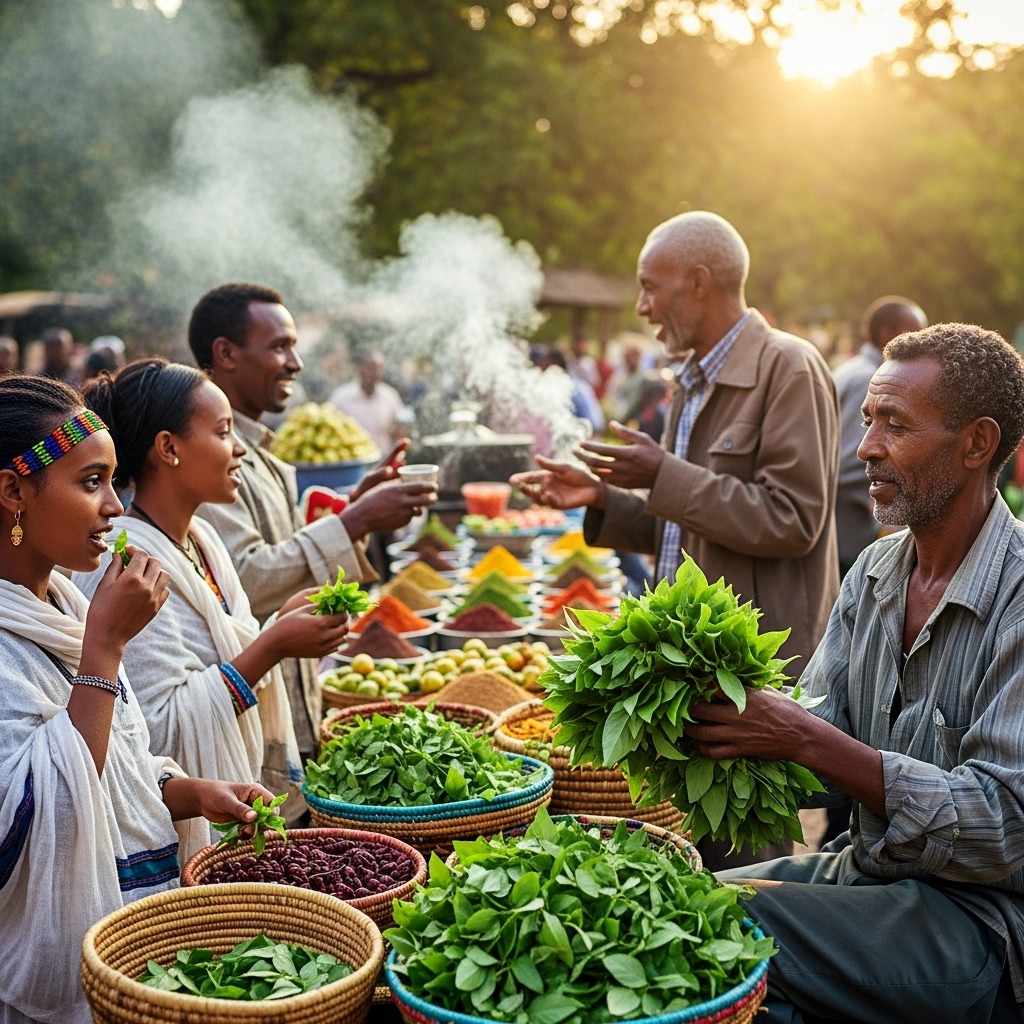
The origin of the Khat plant dates back to the Horn of Africa and the Arabian Peninsula, where it has been cultivated for centuries. I remember learning about its deep-rooted cultural significance in countries like Yemen, Ethiopia, and Somalia. In these regions, Khat has been more than just a plant; it’s a part of social interaction, tradition, and even politics. Historically, it has been chewed by locals during gatherings and celebrations, creating a communal experience that fosters relationships and communication. This historical context enriches our understanding of Khat, revealing how it has shaped social norms and customs over the years.
Physical Characteristics
Khat is a shrub that typically grows between 1 and 2 meters tall, with thick, green leaves that are glossy and lanceolate in shape. I’ve seen these leaves up close, and their vibrant appearance makes them stand out in the landscape. The plant also produces small, white flowers and has a distinctive aroma that many describe as sweet and herbal. The leaves are usually harvested while they are still young and tender, as this is when they contain the highest concentration of the active compounds. Understanding these physical characteristics helps us appreciate not just the plant itself but also the care that goes into its cultivation and preparation for consumption.
Cultivation of Khat
Preferred Growing Conditions
Cultivating Khat requires specific conditions that mimic its native environment. It thrives in warm, subtropical climates, typically at elevations ranging from 1,200 to 2,200 meters. During my visits to Khat-growing regions, I found that the soil should be well-drained and rich in organic matter, which is essential for healthy growth. The plant needs plenty of sunlight and moisture, making it vital for farmers to monitor their crops closely. This attention to detail in cultivation has fascinated me, as it showcases the agricultural practices that support Khat’s longevity and effectiveness. Read Interesting article: Is Balsam Fir Considered a Shade-Loving Tree?
Geographic Regions of Cultivation
The major regions where Khat is cultivated include Yemen, Ethiopia, and parts of Kenya. In these countries, it is not just a cash crop; it’s embedded in the culture. I’ve had the chance to visit some of these areas, and witnessing the vibrant markets where fresh Khat is sold was an eye-opening experience. Khat is often harvested early in the morning, and within hours, it’s being sold and consumed, showcasing the rapid turnover and cultural significance. The trade of Khat has also sparked discussions about its economic impact, both positively and negatively, in these regions.
Harvesting and Processing Techniques
Harvesting Khat is a labor-intensive process that usually involves hand-picking the leaves. Farmers typically cut the stems and remove the leaves with great care to ensure that they remain intact. Once harvested, the leaves are often sold fresh, as the potency decreases significantly within a day or two. I learned that some individuals prefer to process the leaves by drying them, although this can alter their effects. The preparation methods vary by region, but the focus remains on preserving the plant’s stimulating properties. Understanding these techniques offers insight into the value placed on Khat and the lengths to which people go to enjoy its benefits.
Uses of the Khat Plant
Cultural Practices and Traditions
In my experience, the cultural practices surrounding Khat are rich and varied. In many communities, chewing Khat is not just a pastime; it’s a ceremonial act that brings people together. I’ve participated in gatherings where Khat is central to social interactions, often accompanied by tea and snacks. The act of chewing Khat becomes a shared experience that fosters conversation and community bonding. I remember once sitting in a circle with locals in Yemen, each of us with our bundles of fresh Khat, laughing and discussing life. It felt like being part of an age-old tradition that transcends generations.
In Ethiopia, Khat is deeply tied to social customs, often consumed during weddings and other festive occasions. I noticed that it is not just about the stimulant effects; it’s about the ritual itself. The way people prepare and share Khat speaks volumes about hospitality and friendship. I’ve seen how the leaves are passed around and how the atmosphere shifts as they are chewed, sparking lively discussions and laughter. It’s fascinating to witness how this plant plays a pivotal role in cultural identity and social cohesion.
Medicinal Uses
The medicinal uses of Khat intrigued me during my exploration of its cultural significance. In some regions, Khat is believed to have therapeutic effects. I learned that traditional medicine practitioners often use it to treat various ailments, including fatigue, depression, and even digestive issues. While I haven’t personally used Khat for medicinal purposes, I’ve heard stories from locals who swear by its benefits for boosting energy and mood. They often describe the invigorating feeling that comes from chewing the leaves, making it a natural remedy for those who prefer alternative treatments.
However, it’s important to note that the scientific backing for these medicinal claims is still limited. I’ve come across studies that suggest potential benefits, but they often highlight the need for more research. I think it’s essential to approach Khat’s medicinal reputation with caution, balancing traditional knowledge with modern science. From my perspective, while it can offer a sense of relief, understanding its effects fully is crucial for anyone considering it for health purposes.
Recreational Uses
For many, Khat serves as a recreational stimulant, providing an energy boost and enhancing sociability. I’ve seen how it’s often chewed in informal settings, such as among friends or at community events. The recreational aspect of Khat is particularly prominent among younger adults who enjoy its stimulating effects while mingling and having fun. I remember feeling a sense of exhilaration during one such gathering, where the atmosphere was filled with chatter, music, and laughter, all enhanced by the collective experience of Khat consumption.
However, it’s essential to recognize that recreational use can lead to varying experiences. Some people might feel a heightened sense of euphoria, while others might experience anxiety or restlessness. I think it’s vital for anyone considering Khat for recreational reasons to understand their own body and mind. Personally, I found that moderation is key. The thrill of sharing Khat in a social setting is wonderful, but it’s essential to be aware of how it affects us individually.
Economic Importance in Regions of Cultivation
The economic importance of Khat in its regions of cultivation is undeniable. During my travels, I’ve observed how Khat farming plays a significant role in local economies. In places like Yemen and Ethiopia, Khat production offers livelihoods to countless families. Farmers invest a lot of time and effort into growing Khat, and the profits can be substantial, especially during peak seasons. I’ve spoken with farmers who explained how they depend on Khat sales to support their families and communities.
Moreover, Khat’s trade has sparked debates about its impact on local economies. While it provides income and employment, there are also concerns about dependency on a single crop. I’ve seen how fluctuations in demand can lead to economic instability for farmers and communities reliant on Khat. It’s a complex issue, and I believe that finding a balance between economic benefits and sustainable practices is crucial for the future of Khat cultivation.
Effects of Consuming Khat
Short-term Effects
When I first tried Khat, I was curious about the effects it would have on me. The experience was quite fascinating. Many users report a rush of energy, heightened alertness, and an overall sense of euphoria shortly after chewing the leaves. I remember feeling more sociable, engaging in conversations with a newfound enthusiasm. The stimulating effects can last anywhere from a few hours to even half a day, depending on how much is consumed. I noticed that it often led to a feeling of increased confidence, making social interactions feel lighter and more enjoyable.
However, it’s essential to recognize that these short-term effects can vary widely among individuals. While I felt energized, others around me experienced a mix of sensations. Some reported feelings of happiness and creativity, while others felt jittery or restless. I think it’s crucial for anyone considering Khat to know their own body and to approach it with an open mind about the various experiences it can offer.
Long-term Effects
As I delved deeper into the world of Khat, I became aware of some long-term effects associated with its consumption. Regular users may develop a tolerance, meaning they need to chew more Khat to achieve the same stimulating effects. I’ve spoken with individuals who shared how their daily routines began to revolve around Khat consumption, which made me reflect on the balance between enjoyment and dependency.
There are also discussions about how prolonged use might lead to potential health concerns. Some users reported experiencing issues like insomnia or digestive problems after extended periods of use. In my opinion, it’s vital to find a personal balance. While Khat can certainly enhance social interactions and provide a sense of energy, understanding the implications of frequent use helps in making informed decisions about consumption.
Potential Health Risks
During my exploration of Khat, I came across various opinions regarding its health risks. While some users claim it offers a natural boost without significant downsides, others have raised valid concerns. For instance, I learned that excessive consumption can lead to increased heart rate and blood pressure, which can be risky for individuals with preexisting health conditions. I once met a farmer who shared his experience of feeling anxious after long bouts of chewing Khat, which made me realize that our bodies can react differently.
Additionally, there’s the risk of developing psychological dependencies. I’ve heard stories of individuals who found it challenging to enjoy social events without Khat, which led me to think about the importance of moderation. It’s a fine line between enjoying the benefits of Khat and becoming reliant on it. For anyone considering Khat as part of their routine, being mindful of these potential health risks is crucial.
Psychological Effects
The psychological effects of Khat consumption can be quite profound. Personally, I found that it often sparked creativity and open-mindedness during conversations. I remember one evening where ideas flowed freely as we chewed Khat, with laughter and discussions igniting our imaginations. However, I also learned that not everyone experiences Khat in the same way; some users reported feelings of anxiety or paranoia, especially if consumed in large amounts.
I think it’s important to highlight how Khat can act as both a social lubricant and a source of tension, depending on the individual and the setting. In my experience, the atmosphere plays a significant role; when I was surrounded by friends and laughter, the effects felt overwhelmingly positive. But in situations that were more stressful or competitive, I noticed some friends becoming anxious or irritable.
Overall, understanding the psychological effects of Khat is essential for anyone considering its use. It can enhance social interactions and creativity but may also lead to some negative feelings if not approached with care. As I reflect on my experiences, I feel that balance and awareness are key to enjoying Khat responsibly.
Legal Status of Khat
Countries Where Khat is Legal
During my travels, I discovered that the legal status of Khat varies significantly across the globe. In countries like Yemen and Ethiopia, Khat is not just legal but is a staple of daily life. I remember wandering through bustling markets, where vendors proudly displayed their fresh Khat, and locals eagerly gathered to purchase it. In these cultures, Khat is entrenched in social rituals, and its legality reflects its importance. Other countries, such as Kenya and Somalia, also allow its use, further underscoring how Khat is woven into the fabric of life in these regions.
I’ve noticed that the acceptance of Khat often ties back to its historical and cultural significance, making it a complex issue for those looking from the outside in. It’s not just a plant; it’s part of a broader social narrative that resonates deeply with the communities that consume it.
Countries Where Khat is Banned
On the flip side, I learned that Khat faces strict regulations in various countries. In nations like the United States, Canada, and many European countries, Khat is classified as a controlled substance. I’ve seen firsthand how this ban affects communities, particularly those with immigrant populations from Khat-growing regions. I spoke with individuals who expressed frustration at not being able to enjoy a part of their cultural heritage without fear of legal repercussions. It’s a stark reminder of how cultural practices can clash with national laws.
The prohibition of Khat in these regions often stems from health concerns and the stigma associated with its consumption. For many, the legal status of Khat reflects broader conversations about drug policy and cultural acceptance, which is a topic I found both challenging and thought-provoking.
Regulatory Issues and Controversies
Regulatory issues surrounding Khat are equally nuanced. I’ve come across debates on its classification and whether it should be treated like other stimulants. Some argue that Khat should be legalized and regulated, much like alcohol or cannabis, while others advocate for stricter controls due to potential health risks. I’ve read studies that highlight both the cultural significance of Khat and the health concerns associated with its use, which makes it a complex topic to navigate.
From my perspective, these controversies reflect a broader struggle between cultural practices and modern legal frameworks. I think it’s crucial to engage in open discussions about Khat, focusing on education and harm reduction rather than outright bans. Through dialogue, we can address the concerns while respecting the traditions that have existed for centuries.
Comparisons with Other Stimulants
Khat vs. Caffeine
When I think about Khat and caffeine, I see some intriguing similarities and differences. Both are widely consumed for their stimulating effects, but the experiences can differ significantly. I remember my first cup of strong coffee; it gave me a quick jolt of energy, much like Khat did. However, Khat tends to provide a more prolonged sense of alertness, accompanied by social and euphoric effects, which I found absent with caffeine. While caffeine can lead to jitters, Khat’s experience felt more communal for me, fostering connections with others.
Khat vs. Cocaine
Comparing Khat to cocaine is another layer of complexity. While both are stimulants, cocaine is illegal in most parts of the world and carries significant risks of addiction and severe health consequences. From my observations, Khat seemed to be more socially integrated, with its use often linked to cultural practices. I’ve seen how Khat users often share it in groups, creating a sense of community, while cocaine use tends to be more solitary or secretive. However, I also learned that excessive use of Khat can lead to psychological issues, which is an important consideration in any comparison.
Khat vs. Amphetamines
Lastly, when comparing Khat to amphetamines, I recognize the stark differences in their legal status and medical uses. Amphetamines are classified as prescription medications in many countries, while Khat is often viewed as a recreational substance. I’ve read about amphetamines being used to treat ADHD and narcolepsy, whereas Khat’s use remains largely cultural and recreational. However, both can lead to increased heart rates and potential dependencies, which made me reflect on the importance of understanding their effects and the contexts in which they are consumed.
Facts and Myths about Khat
Common Misconceptions
Throughout my exploration of Khat, I came across several misconceptions. One common myth is that Khat is harmless simply because it’s a plant. While it offers stimulating effects, I learned that it can have significant psychological and physiological impacts, especially with excessive use. I think it’s essential to separate the cultural significance from health realities to foster informed discussions.
Scientific Research and Findings
Scientific research on Khat is limited, which contributes to the myths surrounding it. I’ve found studies that indicate potential benefits but also highlight the need for more extensive research. For instance, while some studies suggest it may enhance mood, others point out the need to be cautious of potential dependencies. I believe that ongoing research is vital for understanding Khat’s effects, both positive and negative.
Cultural Perceptions of Khat
Cultural perceptions of Khat vary widely. In regions where it is consumed, it’s often seen as a symbol of social cohesion and cultural identity. Conversely, in places where it is banned, it’s frequently associated with negative stereotypes. I remember discussing these perceptions with locals, who shared their pride in their customs and the importance of Khat in their lives. It’s a reminder of how cultural narratives shape our understanding of substances and practices.
Tips for Responsible Use
Understanding Dosage and Potency
When it comes to Khat, understanding dosage and potency is crucial. I learned that the effects can vary significantly based on the amount consumed and the plant’s freshness. For me, starting with a small amount helped gauge its effects without overwhelming myself. I encourage anyone considering Khat to approach it mindfully, paying attention to how their body responds.
Health Considerations
Health considerations are at the forefront of responsible Khat use. I think it’s important to recognize personal health conditions that may be exacerbated by Khat consumption, such as anxiety or heart issues. Consulting with a healthcare professional is a wise step for anyone interested in incorporating Khat into their lifestyle.
Legal Awareness and Compliance
Lastly, being aware of the legal landscape surrounding Khat is essential. I always advise friends to research the laws in their country or region to avoid any legal troubles. Being informed not only helps in making responsible choices but also fosters a deeper understanding of Khat’s cultural significance and its place in society. Read Interesting article: Can Pothos Plant Grow in Water (Everything You Need to Know)
Final Thoughts
Reflecting on my journey through the world of Khat has been a fascinating experience. I’ve come to appreciate its cultural significance, social implications, and the complexities surrounding its use. Whether it’s seen as a community-building tool or a potential health risk, Khat embodies a rich tapestry of experiences and stories. As we navigate our understanding of such plants, I believe it’s essential to approach them with an open mind and a sense of responsibility. Our experiences can teach us a lot, both about ourselves and the cultures we engage with, leading to a greater understanding of the world around us.
Frequently Asked Questions
What is the Khat plant and its primary components?
The Khat plant, scientifically known as Catha edulis, is a flowering plant that produces leaves containing stimulating compounds, primarily cathinone and cathine. These compounds are responsible for the plant’s stimulating effects.
Where does the Khat plant originate?
The Khat plant originates from the Horn of Africa and the Arabian Peninsula, where it has been cultivated for centuries and holds cultural significance in countries like Yemen, Ethiopia, and Somalia.
What are the physical characteristics of the Khat plant?
Khat is a shrub that typically grows between 1 and 2 meters tall, with thick, glossy, lanceolate green leaves. It also produces small, white flowers and has a sweet, herbal aroma.
How is Khat cultivated?
Khat requires warm, subtropical climates and thrives at elevations between 1,200 to 2,200 meters. It needs well-drained, organic-rich soil, plenty of sunlight, and moisture. Major cultivation regions include Yemen, Ethiopia, and parts of Kenya.
What are the cultural practices surrounding Khat?
Khat chewing is a significant cultural practice in many communities, often associated with social gatherings, ceremonies, and hospitality. It fosters community bonding and is consumed during events like weddings and celebrations.
What are the potential health risks associated with Khat consumption?
Potential health risks of Khat consumption include increased heart rate and blood pressure, psychological dependencies, insomnia, and digestive problems. Moderation is essential to mitigate these risks.
How does Khat compare to other stimulants like caffeine or cocaine?
Khat provides a prolonged sense of alertness and social effects, unlike caffeine, which offers a quick energy boost. Compared to cocaine, Khat is more socially integrated and culturally significant, while cocaine is often linked to solitary use and higher addiction risks.
What is the legal status of Khat in different countries?
Khat is legal in countries like Yemen and Ethiopia, where it is a staple of daily life. However, it is banned in places like the United States and Canada, where it is classified as a controlled substance due to health concerns.
What are some common misconceptions about Khat?
A common misconception is that Khat is harmless simply because it is a plant. In reality, it can have significant psychological and physiological impacts, particularly with excessive use.
What tips should be followed for responsible Khat use?
For responsible Khat use, it’s important to understand dosage and potency, consider personal health conditions, and be aware of the legal status in one’s region. Consulting with a healthcare professional is advisable for those interested in using Khat.