
The nettle plant, scientifically known as Urtica dioica, is a perennial herb known for its sharp, stinging hairs and numerous uses in culinary, medicinal, and industrial applications. I’ve found that this humble plant holds a wealth of benefits and fascinating characteristics that many people overlook. Read Interesting article: What Is a Nettle Plant? Identification + Uses
Overview of the Nettle Plant
Scientific Classification
The nettle belongs to the Urticaceae family, which includes around 60 different species worldwide. The most common variety, Urtica dioica, is often simply referred to as the common nettle or stinging nettle. Its scientific classification is as follows:
- Kingdom: Plantae
- Clade: Angiosperms
- Clade: Eudicots
- Order: Rosales
- Family: Urticaceae
- Genus: Urtica
- Species: U. dioica
This classification helps to illustrate the nettle’s place in the plant kingdom, highlighting its unique characteristics and the relationships it shares with other plants.
Common Names and Variants
Commonly known as stinging nettle, this plant has various names across different cultures. In some places, it’s called “nettle leaf,” “burn nettle,” or simply “urtica.” Interestingly, its variants include the smaller, less-known species like Urtica urens, known as the annual nettle, which also possesses stinging properties but is typically less potent. Each of these names reflects the plant’s widespread recognition and varied uses.
Geographical Distribution
Nettle plants are found across the globe, thriving in temperate regions. They flourish in Europe, Asia, North America, and parts of Africa. I’ve often noticed them in moist, nutrient-rich soils, especially near water sources such as rivers and lakes. They love disturbed soils, so it’s common to find them along roadsides or in abandoned fields. Their adaptability to different environments is one of the reasons I appreciate them so much—they can grow almost anywhere!
Identification of the Nettle Plant
Physical Characteristics
Identifying the nettle plant involves paying close attention to its distinct physical features. I remember the first time I came across one—I was drawn to its vibrant green leaves, but I quickly learned to approach with caution!
Leaves: Shape and Texture
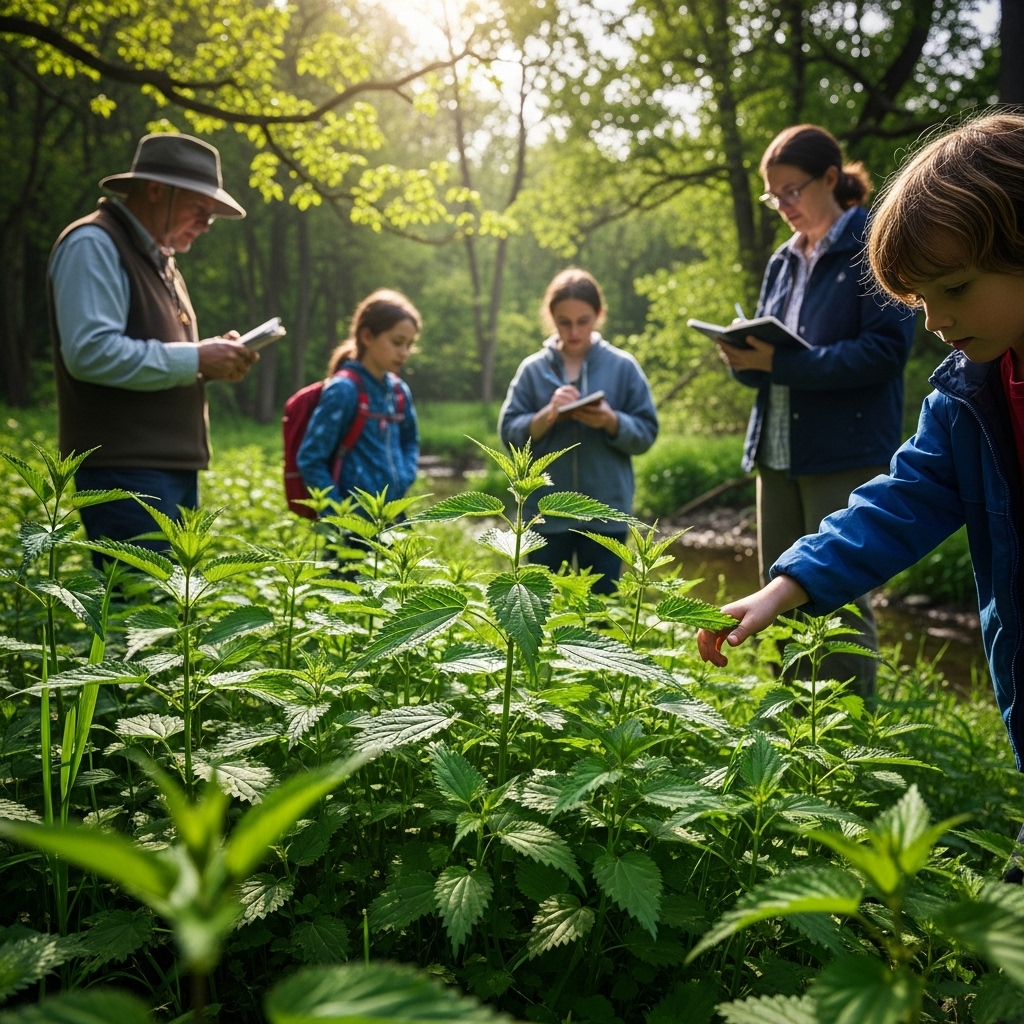
The leaves of the nettle are one of its most recognizable features. They are usually ovate and serrated, growing in pairs opposite each other along the stem. The surface feels coarse and has a slightly hairy texture due to tiny stinging hairs. These hairs contain a mixture of histamine, acetylcholine, and formic acid, which can cause a sharp sting when touched. I’ve experienced this sting firsthand—definitely not something to take lightly! The leaves can grow up to 4-6 inches long, and they are a deep green color, making them stand out in any landscape.
Stems: Color and Structure
The stems of the nettle plant are typically square in shape and can reach heights of up to 4 feet. They have a green color, often taking on a reddish or purple hue as they mature. The stems are sturdy and can support the plant’s height, which I’ve always found impressive, especially considering how easily they can be overlooked.
Flowers: Appearance and Seasonality
Nettles produce tiny, greenish flowers that cluster together in long spikes at the top of the plant. These flowers appear from late spring to early fall, depending on the climate. I’ve spotted them swaying gently in the breeze, almost hidden among the lush foliage. While they’re not particularly showy, they add to the nettle’s charm, and I’ve learned they play an essential role in attracting pollinators like bees.
Distinguishing Features from Similar Plants
When identifying nettles, it’s crucial to be able to distinguish them from similar plants to avoid unwanted stings! In my experience, once you know what to look for, it becomes easier.
Stinging vs. Non-Stinging Nettles
One notable distinction is between stinging nettles (Urtica dioica) and non-stinging varieties, such as Urtica urens. The stinging nettle has those infamous hairs that can give you a nasty sting, while non-stinging types are much milder. Both plants can look quite similar, so I always recommend examining the leaf texture closely—if it feels prickly, it’s likely a stinging nettle!
Other Look-Alikes
There are a few other plants that resemble nettles, such as the dead nettle (Lamium maculatum) and the hemp nettle (Galeopsis tetrahit). Dead nettles, however, don’t have the stinging hairs and are often found in gardens. They can have a similar leaf shape but often have a smoother texture. On the other hand, hemp nettles can be identified by their more robust structure. When I first started foraging, I occasionally confused these plants, but once I learned to spot the differences, I felt much more confident in my plant identification skills.
Uses of the Nettle Plant
Culinary Uses
When I first discovered the culinary potential of nettles, I was amazed at how versatile this plant can be. It’s not just a weed to avoid; it can be a delightful addition to our meals! The leaves, when cooked, lose their sting and transform into a delicious, nutritious ingredient.
Edible Parts and Preparation
The most commonly used part of the nettle is, of course, its leaves. Young leaves, which are most tender and flavorful, are generally harvested in early spring. I’ve learned that the best way to handle them is with gloves to avoid those pesky stings. Once they are cooked, nettles can be treated similarly to spinach. I often blanch them in boiling water for a couple of minutes before adding them to my dishes. This simple technique not only removes the sting but also preserves their vibrant green color.
Popular Nettle Recipes
One of my favorite dishes is nettle soup. It’s simple to make and incredibly comforting. I sauté onions and garlic in olive oil, add the blanched nettles, and then pour in vegetable broth. After simmering for about 20 minutes, I blend it until smooth. A sprinkle of lemon juice brightens the flavors beautifully! Another delicious option is nettle pesto. I substitute nettles for basil, blending them with nuts, garlic, olive oil, and Parmesan cheese. It’s a fantastic twist that I always serve with pasta or on toasted bread.
Medicinal Uses
Beyond the kitchen, nettles have a long history of use in traditional medicine. I’ve found it fascinating how this plant has been utilized for centuries to treat various ailments.
Traditional Remedies
Nettles have been used as a natural remedy for conditions like arthritis, allergies, and even as a diuretic. I remember hearing stories from my grandmother about how she used to make nettle tea to help with her seasonal allergies. I decided to give it a try myself and found that steeping dried nettle leaves in hot water creates a soothing infusion that I enjoy sipping during allergy season. The tea has a mild, earthy flavor that I’ve grown to love.
Modern Medical Applications
In recent years, modern research has begun to validate some of these traditional uses. I’ve seen studies highlighting nettles’ potential to reduce inflammation and manage symptoms of benign prostatic hyperplasia (BPH) in men. It’s intriguing to think that what was once dismissed as a weed could hold significant health benefits. I believe that incorporating nettles into our diets, even in small amounts, can be a step towards embracing natural healing. Read Interesting article: How to Plant Potatoes From Eyes (Step-by-Step)
Industrial Uses
Nettles aren’t just for eating and healing; they also have interesting industrial applications that I think are worth exploring.
Textiles and Fibers
Historically, nettles were used to make textiles, especially before the widespread use of cotton and synthetic fibers. I learned that nettle fibers are quite strong and durable, making them excellent for clothing and other textiles. In fact, during World War I, they were used to create uniforms. Recently, I’ve come across several companies reviving this practice, producing everything from shirts to eco-friendly bags made from nettle fibers. It’s exciting to see a resurgence in sustainable materials that honor traditional practices!
Natural Dyes and Other Products
Nettle also serves as a natural dye, providing a lovely green hue. I remember experimenting with dyeing fabric using nettles and was pleasantly surprised by the results. It was a fun and eco-friendly craft project that connected me to nature in a creative way. Additionally, nettles can be processed into organic fertilizers and bio-pesticides, contributing to sustainable gardening practices. I always feel good about using plants in ways that benefit the environment.
Harvesting and Preparing Nettle
Best Time to Harvest
Timing is crucial when it comes to harvesting nettle. I’ve found that the best time is during the spring, specifically before the plant flowers. This is when the leaves are the youngest and most tender. I like to go out early in the morning, when the dew is still on the leaves, which helps preserve their freshness. It’s such a rewarding feeling to gather these wild greens, knowing I’m connecting with the earth.
Methods of Harvesting Safely
Harvesting nettles can be tricky if you’re not careful. I always wear gloves, long sleeves, and pants to protect myself from the stinging hairs. Using scissors or garden shears, I cut the top few inches of the plant, leaving the lower leaves intact so they can continue to grow. I’ve learned that taking only what I need is important for sustainability, ensuring that there’s plenty left for the plants to thrive and for others to enjoy.
Preparation Techniques
Once I bring my harvested nettles home, I wash them thoroughly to remove any dirt or insects. After washing, I typically blanch them to neutralize their sting. For storage, I’ve found that freezing them is a great option. Just blanch, cool, and pack them into freezer bags. This way, I have nettles at my disposal year-round for soups, teas, or even smoothies. Preparing nettles might require a bit of extra effort, but I promise the reward is worth it! They add a unique flavor and nutrition to so many dishes.
Health Benefits of the Nettle Plant
Nutritional Profile
One of the most surprising things I learned about nettles is their impressive nutritional profile. They are packed with essential vitamins and minerals that can contribute to a healthy diet. Just thinking about how often we overlook wild greens makes me appreciate them even more!
Nettles are rich in vitamins A, C, K, and several B vitamins. They also contain minerals like iron, calcium, magnesium, and potassium. I remember when I first started incorporating nettles into my meals, I was amazed at how much nutrition these little leaves packed. Just a handful can provide a significant boost to your daily nutrient intake!
In addition to vitamins and minerals, nettles are a great source of protein, which is especially valuable for those on plant-based diets. I often find myself reaching for nettles not just for their flavor, but also for their nutritional benefits, making them a fantastic addition to smoothies, soups, and stews.
Anti-Inflammatory and Antioxidant Properties
Apart from their nutritional value, nettles also boast potent anti-inflammatory and antioxidant properties. I’ve come across research suggesting that the compounds found in nettles can help reduce inflammation in the body, which is particularly beneficial for those suffering from conditions like arthritis. I remember chatting with a friend who swears by nettle tea for soothing her joints, and after trying it myself, I can see why!
The antioxidants present in nettles, such as flavonoids and carotenoids, play a crucial role in fighting free radicals—unstable molecules that can cause cellular damage. I believe that including nettles in our diets can be a proactive step toward maintaining our overall health. For me, it feels empowering to harness the natural healing power of plants. Read Interesting article: What Plant Yields Mezcal? The Full Answer
Potential Risks and Side Effects
While I’m an advocate for including nettles in our diets, I’ve also learned that it’s essential to be aware of potential risks. Eating nettles is generally safe for most people, but there are a few things to consider. For one, if you’re on medications such as blood thinners, it’s wise to consult with a healthcare provider before incorporating large amounts of nettles into your diet. I’ve seen how certain compounds in nettles can interact with medications, and it’s always best to be cautious.
Additionally, some people might experience allergic reactions to nettles, particularly if they have a history of allergies to other plants in the Urticaceae family. I once had a friend who tried nettle tea for the first time and experienced mild itching; it’s a reminder that every new food can have different effects on our bodies.
Lastly, it’s important to harvest nettles from clean, pesticide-free areas. I always make sure to pick them away from roadsides or polluted sites. This ensures that I’m not consuming any harmful chemicals along with my nutritious greens.
Gardening with Nettle
How to Grow Nettle
If you’re inspired to grow your own nettles, let me tell you—it’s a rewarding endeavor! I decided to plant some in my garden last year, and it turned out to be a fantastic choice. Nettles are relatively easy to cultivate, and once you get them started, they tend to thrive.
To begin, you can start nettles from seeds or by transplanting young plants. I found that seeds are readily available online or at local garden centers. When I planted mine, I made sure to select a spot with plenty of sunlight and rich, moist soil. Nettles prefer a slightly acidic to neutral pH, so keep that in mind when preparing your garden bed.
Soil and Sunlight Requirements
Nettle plants thrive in nutrient-rich soil, which is why I always recommend amending the soil with compost before planting. This not only helps the nettles grow strong but also encourages healthy biodiversity in the garden. I also learned that nettles love moisture, so it’s essential to keep the soil consistently damp but not waterlogged.
As for sunlight, nettles do best in partial shade to full sun. In my garden, I’ve noticed they can tolerate some shade from surrounding plants, but they really seem to flourish when they have access to direct sunlight for part of the day. It’s fascinating to see how they respond to different conditions, and it adds variety to the garden!
Companion Planting and Benefits to Soil
Another benefit of growing nettles is their ability to attract beneficial insects and support soil health. I’ve discovered that when planted near other crops, nettles can help deter pests while attracting pollinators like bees and butterflies. This creates a thriving ecosystem in the garden. I’ve even noticed my other plants seem happier and healthier when nettles are nearby!
Nettles also contribute to improving soil structure. Their deep roots help aerate the soil, and when they die back in the fall, they decompose and add valuable organic matter. I think it’s incredible how one plant can support so many aspects of a garden! If you’re considering adding nettles to your gardening repertoire, I wholeheartedly recommend it. They’re not just a beneficial plant; they can also be a delightful addition to your landscape.
Frequently Asked Questions
What is the scientific name of the nettle plant?
The scientific name of the nettle plant is Urtica dioica.
What are the common names for nettle?
Nettle is commonly known as stinging nettle, nettle leaf, burn nettle, and simply urtica.
Where does the nettle plant grow?
Nettle plants thrive in temperate regions and are found across Europe, Asia, North America, and parts of Africa, often in moist, nutrient-rich soils near water sources.
What are the physical characteristics of the nettle plant?
The nettle plant has ovate, serrated leaves that grow in pairs along the stem, which is typically square and can reach heights of up to 4 feet. The leaves are green and have a coarse, hairy texture due to tiny stinging hairs.
What culinary uses does nettle have?
Nettle leaves can be cooked and used in various dishes, such as soups and pestos. When cooked, they lose their sting and become a nutritious ingredient.
What medicinal uses does nettle have?
Nettle has been traditionally used to treat conditions like arthritis and allergies, and modern research suggests it may help reduce inflammation and manage symptoms of benign prostatic hyperplasia (BPH).
How can nettles be harvested safely?
To harvest nettles safely, wear gloves and long sleeves, and use scissors or garden shears to cut the top few inches of the plant while leaving the lower leaves intact for continued growth.
What is the best time to harvest nettles?
The best time to harvest nettles is during spring, specifically before the plant flowers, when the leaves are the youngest and most tender.
What are the nutritional benefits of nettles?
Nettles are rich in vitamins A, C, K, several B vitamins, and minerals like iron, calcium, magnesium, and potassium. They also provide a good source of protein, making them beneficial for plant-based diets.
How can I grow my own nettles?
Nettles can be grown from seeds or by transplanting young plants. They prefer nutrient-rich, moist soil and thrive in partial shade to full sun.