
Plant identification can be simplified by observing key features like leaf shape, flower structure, and growth habit. With a little practice, anyone can learn to recognize various plants and enjoy the beauty of nature more fully.
Table of Contents
Understanding Plant Identification
Plant identification might seem daunting at first, especially with the vast array of species out there. However, I believe it’s a skill that anyone can master with a little patience and practice. When I started my plant journey, I remember feeling overwhelmed by the choices and variations. But over time, I learned to appreciate the little details that make each plant unique. Understanding plant identification is not just about recognizing names; it’s about developing a connection with the natural world around us. Read Interesting article: Braided Money Tree: Care Tips For Unique Indoor Plants
Importance of Plant Identification
Identifying plants is important for several reasons. First, understanding what plants you have around you can enhance your gardening skills and improve your landscaping choices. When I first began gardening, I planted a variety of flowers without knowing their needs, which led to a lot of trial and error. By identifying plants accurately, we can cater to their specific requirements, leading to healthier and more vibrant gardens.
Moreover, plant identification is essential for conservation efforts. Knowing which plants are native to an area versus those that are invasive can help protect local ecosystems. I remember a trip to a nature reserve where a guide explained how invasive species disrupt local flora and fauna. It opened my eyes to the bigger picture of maintaining biodiversity. Additionally, understanding plant identification can guide you on when to plant pumpkins for a big harvest, making your gardening efforts more fruitful.
Common Reasons to Identify Plants
There are numerous reasons why one might want to identify plants. Here are a few that resonate with me:
- Gardening and Landscaping: Proper identification helps in choosing the right plants that thrive in your environment and fit your aesthetic needs.
- Herbalism and Medicinal Uses: Knowing which plants have medicinal properties can be incredibly useful. I’ve found that some common weeds in my garden have healing attributes I never suspected!
- Environmental Awareness: Identifying local flora can deepen your appreciation of your surroundings and increase your awareness of environmental issues.
- Education: Whether you’re teaching children about nature or learning for yourself, knowing the plants around you is a rewarding educational experience.
Basic Plant Anatomy for Identification
To identify plants effectively, it helps to understand some basic plant anatomy. I found that familiarizing myself with the parts of a plant made the identification process much easier. Here are the main components you should know:
- Leaves: The shape, size, and arrangement of leaves can tell you a lot about a plant. For example, broad, flat leaves typically indicate a different habitat than needle-like leaves.
- Flowers: The structure and color of flowers are often key identifying features. Some flowers are distinct enough that they can be recognized even in photographs.
- Stems: The texture and type of stem (woody versus herbaceous) provide clues about the plant’s life cycle and family.
- Roots: While often hidden, root systems can influence a plant’s growth and adaptability. I’ve learned that some plants have deep taproots, while others have shallow, spreading roots.
Understanding these basic components helps create a mental map when I’m out in the wild or even just in my neighborhood. When I take the time to really observe a plant, I find that it becomes easier to recognize it in the future. Moreover, knowing about plants can also assist you in growing ginger plants successfully at home.
Key Characteristics to Observe
Once I started to grasp basic plant anatomy, I realized that there are specific characteristics to look for when identifying plants. It’s fascinating how these features vary so dramatically among species! Here’s what I focus on:
Leaf Shape and Size
Leaf shape and size can give you immediate hints about a plant’s identity. I often find myself comparing leaves to those in a plant guidebook. Some common shapes include:
- Oval: Plants like the common lilac have oval-shaped leaves.
- Lobed: Oak trees exhibit lobed leaves, which can be quite distinct.
- Needle-like: Evergreens, like pines, have needle-shaped leaves that are a telltale sign.
Additionally, size matters. For instance, larger leaves often indicate plants that thrive in shaded areas, while smaller leaves are typically found in arid environments. I remember discovering this firsthand when I compared the broad leaves of a tropical plant to the tiny, waxy leaves of a desert succulent.
Flower Structure and Color
Flowers are often the most striking feature of a plant. The arrangement of petals, their color, and the overall shape of the flower can help narrow down the possibilities quickly. I love photographing flowers and studying their details later. I’ve noticed that:
- Petal Arrangement: Some flowers have a symmetrical arrangement, like daisies, while others may be asymmetrical.
- Color Variations: The color of a flower can vary greatly within the same species, influenced by environmental factors.
- Blooming Season: Knowing when a plant typically blooms can also provide valuable identification clues.
Stem Type and Texture
The stem of a plant can tell you a lot about its characteristics. I’ve found that stems can be herbaceous (soft and green) or woody (hard and brown). Observing the texture is also important; some plants have smooth stems, while others are covered in thorns or hairs. For example, the sturdy stem of a rose bush is quite different from the delicate stem of a wildflower.
Root System Characteristics
Although roots are usually hidden underground, I’ve learned that understanding their types can help in identifying plants. Some common root systems include:
- Fibrous Roots: These are shallow and spread out, often seen in grasses.
- Taproots: These are deep, single roots like those of a carrot, allowing plants to reach water sources far below the surface.
Knowing more about root systems can give you insights into how a plant adapts to its environment, which is another piece of the identification puzzle.
Growth Habit and Size
The overall growth habit of a plant—whether it’s a small herb, a tall tree, or a sprawling vine—can provide context for identification. I’ve noticed that plants often fit into specific categories based on their growth patterns, such as:
- Herbaceous: Non-woody plants that die back each season.
- Shrubs: Typically woody plants that remain below a certain height.
- Trees: Larger, woody plants with a clear trunk.
Understanding these growth habits can help narrow down potential species significantly. When I see a tall, woody plant, I immediately think “tree,” while a low-growing, blooming plant makes me consider a herbaceous flower.
In my experience, taking the time to observe these characteristics has made plant identification much more enjoyable and rewarding. It’s like piecing together a puzzle, and each observation brings me one step closer to unveiling the mystery of the plant before me.
Common Plant Families and Groups
As I dove deeper into the world of plants, I quickly realized that understanding plant families and groups could significantly simplify my identification process. Each family has its own characteristics and quirks, which can be incredibly helpful to know. Here, I’d like to share some of the most common plant families I’ve encountered in my explorations.
Flowering Plants (Angiosperms)
Flowering plants, or angiosperms, are fascinating to me. They are the most diverse group of plants and include everything from the humble dandelion to majestic oak trees. What I find particularly interesting is how these plants reproduce through flowers and seeds, which can vary widely in shape, size, and color. I remember visiting a botanical garden and being amazed by the vibrant colors and unique shapes of flowers in this group. The structure of their flowers often provides great clues for identification; for instance, the number of petals and the arrangement can help distinguish between different species. Additionally, many flowering plants have specific growth habits that can aid in their identification, such as whether they are annuals or perennials. I’ve learned to pay attention to these details!
Non-Flowering Plants (Gymnosperms)
Gymnosperms are another intriguing group, consisting of non-flowering plants like conifers, cycads, and ginkgoes. These plants reproduce via cones and typically have needle-like leaves. I often find myself surrounded by these majestic trees when hiking in forests, and their unique characteristics, like the rough bark of a pine tree or the soft, flat leaves of a cedar, are memorable. Observing these plants has taught me to notice how their adaptations help them thrive in various environments—like how evergreens retain their leaves throughout winter, making them stand out in a snowy landscape.
Ferns and Other Spore-Producing Plants
Ferns and spore-producing plants hold a special place in my heart as well. There’s something enchanting about the delicate fronds of ferns unfurling in the spring. Unlike flowering plants, ferns reproduce via spores instead of seeds. I remember stumbling across a hidden glen filled with ferns during a nature walk, and it felt like stepping into another world. Understanding the life cycle of ferns and their typical habitat has helped me appreciate their beauty even more. Observing the structure of their fronds and the way they grow in clusters can make identification easier, especially since many ferns have distinct leaf patterns.
Succulents and Cacti
Lastly, I can’t overlook the fascinating world of succulents and cacti. These plants are specially adapted to store water, making them perfect for arid environments. I’ve developed a fondness for them, especially when I began to understand their various shapes and colors. When I first started collecting succulents, I was surprised to learn just how many different species exist, each with unique characteristics. For example, the spiky appearance of a cactus can quickly distinguish it from other succulent varieties, which often have softer leaves. Observing the growth habits of these plants, like whether they grow upright or sprawling, has been a fun challenge in my identification journey.
Recognizing the differences among these plant families has made my explorations in nature much more enjoyable. Each family opens the door to a new world of plants and their unique adaptations. I encourage anyone interested in plant identification to take the time to learn about these groups; it will not only enhance your identification skills but also deepen your connection with the natural world.
Tools and Resources for Plant Identification
As I dove deeper into the world of plant identification, I discovered that having the right tools and resources can make a world of difference. Just like any other hobby or skill, the right support can enhance the experience and boost your confidence in identifying plants. Here’s a rundown of some of the best tools and resources that I’ve found invaluable in my plant identification journey.
Mobile Apps for Plant Identification
One of my favorite discoveries has been the variety of mobile apps available for plant identification. I remember the first time I used one; I was out on a hike and came across a stunning flower I had never seen before. I quickly pulled out my phone and snapped a photo using a plant identification app. Within moments, I had a likely identification and some background information about the plant! These apps are user-friendly and often leverage advanced technology to analyze images and provide suggestions. Some popular options I’ve tried include:
- PlantSnap: This app allows you to take a picture of a plant and get instant identification. I love how it includes a community feature, allowing users to share their findings.
- PictureThis: With its impressive database, PictureThis offers detailed information about a wide range of plants. I found its care tips particularly helpful for my garden.
- Seek by iNaturalist: This app encourages exploration and encourages you to contribute to citizen science. I’ve enjoyed documenting my findings and learning more about local ecosystems.
The convenience of having these apps on my phone has truly transformed how I engage with plants in my daily life. I can identify a plant in seconds, which is perfect for those spontaneous nature walks!
Field Guides and Books
While apps are great, I also love the feel of a good field guide in my hands. There’s something special about flipping through the pages, studying the illustrations, and learning from more traditional sources. I’ve built a small library of plant identification books, and I often refer to them when I want to dive deeper into a specific plant family. A couple of my favorites include:
- A Field Guide to the Plants of Costa Rica: This guide not only helped me identify plants during my trip but also educated me about the biodiversity of the region.
- Peterson Field Guide to Wildflowers: This guide is full of beautiful photographs and engaging descriptions, making it perfect for both beginners and seasoned plant enthusiasts.
Having these resources at my disposal has increased my knowledge and made me more confident in identifying plants while out exploring.
Online Plant Databases and Websites
Another fantastic resource has been online databases and websites dedicated to plant identification. I often find myself browsing these sites while planning for a hike or just out of curiosity. Websites like iNaturalist not only allow you to identify plants but also contribute your observations to a larger community. I remember posting a photo of a plant I was unsure about, and the community quickly helped me identify it as a native species! Other helpful sites include:
- USDA PLANTS Database: This government resource is comprehensive and offers a wealth of information on plant species, including distribution and ecological information.
- Missouri Botanical Garden: Their plant finder tool is super user-friendly and is an excellent way to explore a variety of plants based on different criteria.
These online resources have helped me broaden my understanding of plants and connect with other plant lovers, which I find truly rewarding.
Local Botanical Gardens and Resources
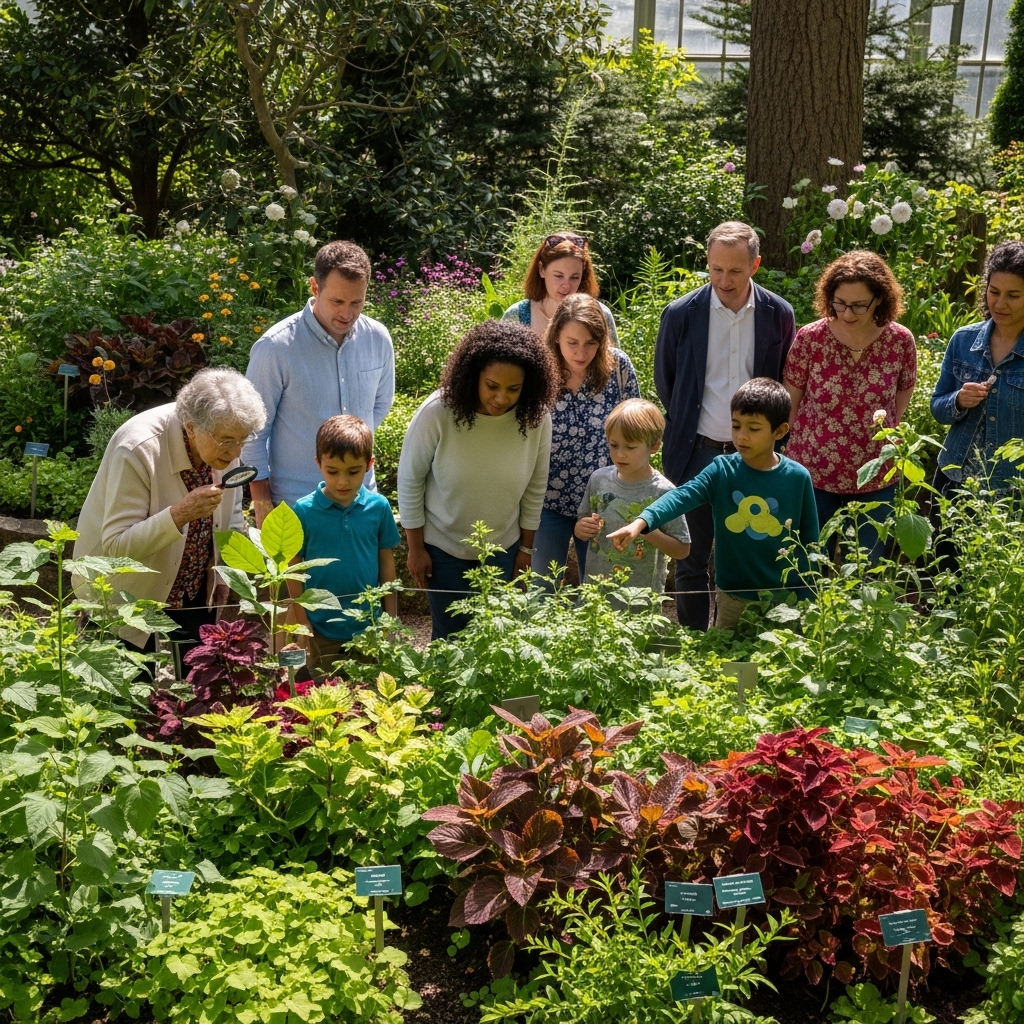
Visiting local botanical gardens has been one of my favorite ways to learn about plants. Not only do they provide a beautiful environment to explore, but they also often have knowledgeable staff and educational programs. Many botanical gardens offer guided tours that focus on specific plant families or themes. I remember taking a tour focused on native plants and learning so much about their importance in the local ecosystem. They usually have:
- Workshops and Classes: Many gardens offer classes on plant identification, gardening, and conservation, which can deepen your understanding.
- Plant Sales: It’s a great opportunity to bring home new plants and learn about their care from the experts.
Connecting with my local botanical garden has provided me with resources, inspiration, and a community of fellow plant enthusiasts. It’s a fantastic way to immerse myself in the world of plants while supporting local conservation efforts.
Frequently Asked Questions
What are some key features to observe for plant identification?
Key features include leaf shape, flower structure, stem type, and growth habit. Observing these characteristics helps in recognizing and identifying various plants.
Why is plant identification important?
Plant identification is important for enhancing gardening skills, making informed landscaping choices, supporting conservation efforts, and increasing environmental awareness.
What are the basic components of plant anatomy that aid in identification?
The basic components include leaves, flowers, stems, and roots. Understanding these parts helps create a mental map for identifying plants.
What types of root systems are commonly found in plants?
Common root systems include fibrous roots, which are shallow and spread out, and taproots, which are deep and single, allowing plants to access water from lower soil levels.
How can leaf shape and size assist in plant identification?
Leaf shape and size provide immediate hints about a plant’s identity. For instance, broad leaves may indicate a plant that thrives in shade, while needle-like leaves are often found on evergreens.
What types of plants fall under flowering plants (angiosperms)?
Flowering plants, or angiosperms, include a diverse range of species, from dandelions to oak trees, and they reproduce through flowers and seeds.
What characteristics distinguish gymnosperms from other plants?
Gymnosperms are non-flowering plants that reproduce via cones and typically have needle-like leaves, such as conifers and cycads.
What resources are recommended for plant identification?
Recommended resources for plant identification include mobile apps like PlantSnap and PictureThis, field guides, online databases like iNaturalist and USDA PLANTS Database, and local botanical gardens.
How can local botanical gardens enhance the plant identification experience?
Local botanical gardens provide educational programs, guided tours, workshops, and plant sales, offering opportunities to learn about plants and connect with fellow enthusiasts.
What are some common reasons to identify plants?
Common reasons include improving gardening and landscaping choices, exploring herbalism and medicinal uses, fostering environmental awareness, and providing educational experiences.